What Is A Truffle And Its Global Significance
Table of Contents
- Biological Classification and Core Characteristics of Truffles
- Taxonomic Classification and Species Variations
- Mycorrhizal Relationships and Growth Conditions
- Comparative Analysis: Truffles vs. Mushrooms
- Distinguishing Features: Aroma, Texture, and Color
- Types of Truffles and Their Properties
- Classification of High-Value Truffle Species
- Sensory and Culinary Distinctions Between White and Black Truffles
- Market Dynamics and Rarity Factors
- Cultivation and Harvesting Methods of Truffles
- Traditional and Modern Truffle Cultivation Techniques
- Truffle Hunting and Ethical Harvesting Practices
- Culinary and Gastronomic Uses of Truffles
- Classic and Contemporary Dishes Featuring Truffles by Cuisine
- French Cuisine: Truffle as the Pinnacle of Sauces and Pasta
- Italian Cuisine: Truffle in Risottos and Egg Dishes
- Asian Cuisine: Truffle in Umami Broths and Desserts
- Global Innovations and Fusion Cuisine
- Signature Truffle Pasta Recipe: Tagliatelle al Tartufo Bianco
- Ingredients (Serves 4)
- Economic and Cultural Significance of Truffles
- Global Market Dynamics and Price Fluctuations
- Major Producing Regions and Their Economic Impact
- Historical and Cultural Myths Surrounding Truffles
- Tru Scientific Research and Future Trends in Truffle Science Advancements in truffle research have accelerated in recent decades, driven by interdisciplinary collaboration between mycologists, geneticists, agronomists, and food scientists. Breakthroughs in genomic sequencing, tissue culture techniques, and biotechnological applications have unlocked new avenues for sustainable production, disease resistance, and ecological conservation. These innovations address long-standing challenges in truffle cultivation, including low yield predictability, environmental dependencies, and biodiversity threats. Emerging trends such as lab-grown truffles and AI-assisted detection systems exemplify how technology is reshaping both industrial and artisanal truffle sectors. The integration of synthetic biology and precision agriculture further highlights the potential to mitigate habitat loss and overharvesting, while genetic studies reveal the complex symbiotic relationships between truffles and host plants. Below, key research areas and future trajectories are explored, alongside a structured overview of industry trends and conservation strategies. Genetic and Molecular Advancements in Truffle Research
- Lab-Grown and Hybrid Truffles: A Paradigm Shift in Production
- Emerging Trends in the Truffle Industry
- Challenges and Opportunities in Truffle Conservation
- FAQ
- What exactly is truffle chocolate, and how is it different from regular chocolate?
- What makes a dessert called a truffle, and what does it typically taste like?
- What ingredients are used to make a truffle, and what’s the basic process?
- What is a truffle fry, and how is it different from regular frying?
- What is a truffle mushroom, and why is it so expensive?
- What is a truffle pig, and how does it get its flavor?
Truffles represent one of nature’s most prized culinary treasures—a rare subterranean fungus celebrated for its intoxicating aroma, complex flavor, and elusive growth patterns. Unlike conventional mushrooms, truffles thrive in symbiotic relationships with tree roots, forming mycorrhizal networks that demand precise ecological conditions to flourish. Their scarcity and labor-intensive harvesting methods have elevated truffles to luxury status, influencing gastronomy, economics, and even cultural traditions across civilizations. From the aromatic intensity of white truffles to the earthy depth of black varieties, these fungi transcend mere ingredients, embodying a convergence of science, artistry, and commerce.
The biological intricacies of truffles—ranging from their fungal classification under Tuber to their role in forest ecosystems—contrast sharply with their culinary versatility. Harvested using trained animals or advanced sensors, truffles demand meticulous post-harvest care to preserve their delicate qualities. Their presence in haute cuisine, from shaved truffle pasta to infused oils, underscores their ability to transform dishes into sensory experiences. Beyond the kitchen, truffles drive global markets, sustain rural economies, and inspire scientific innovation, positioning them as a microcosm of humanity’s relationship with nature’s most elusive delicacies.
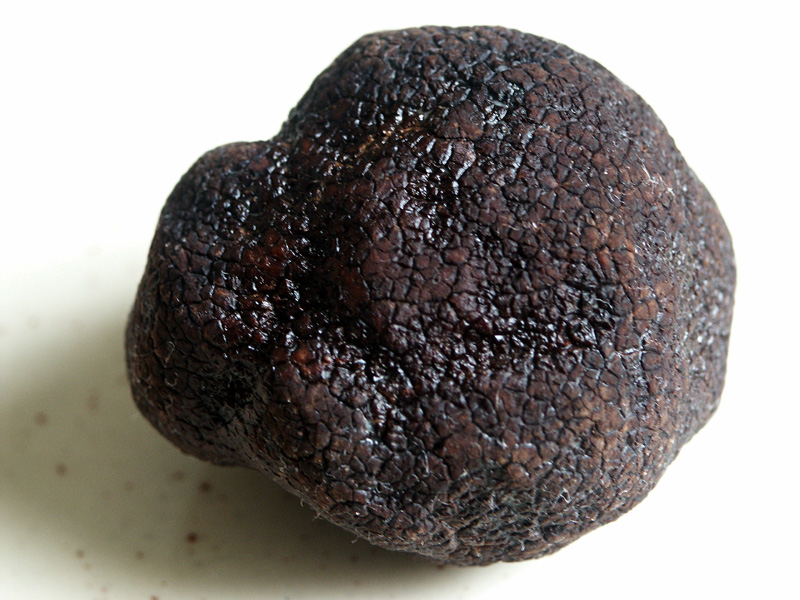
Biological Classification and Core Characteristics of Truffles
Truffles represent a unique and highly prized category of fungi distinguished by their subterranean growth, complex mycorrhizal symbiosis, and intense aromatic profiles. Unlike many aboveground fungi, truffles belong to the genus Tuber within the family Tuberaceae, a group that diverges significantly from typical mushrooms in both ecological niche and morphological traits. Their classification reflects evolutionary adaptations to subterranean life, including specialized spore dispersal mechanisms and symbiotic relationships with plant roots. Understanding these biological distinctions is essential for distinguishing truffles from other fungi, particularly mushrooms, which dominate culinary and mycological discussions despite their fundamental differences.
The genus Tuber encompasses approximately 40 accepted species, though only a fraction—such as Tuber melanosporum (Perigord truffle), Tuber aestivum (Burgundy truffle), and Tuber magnatum (white truffle)—hold commercial or gastronomic significance. Species vary in aroma, color, and growth conditions, with some producing volatile compounds like 1-octen-3-ol (earthy notes) and andrastin (musky, animalic undertones). These compounds are absent in most mushrooms, contributing to truffles' unparalleled flavor complexity. Below, the biological and ecological traits that define truffles are explored, alongside a comparative analysis with mushrooms.
Taxonomic Classification and Species Variations
Truffles are ascomycete fungi, belonging to the phylum Ascomycota, which contrasts with most mushrooms (e.g., Agaricus bisporus, Pleurotus ostreatus) that are basidiomycetes. Within Tuber, species are categorized based on:A notable exception is Tuber borchii, a summer truffle with a milder aroma compared to its autumn/winter counterparts. The peridium (outer skin) of truffles ranges from smooth to verrucose (warted), while the gleba (inner spore-bearing tissue) displays marbled or veined patterns—traits absent in mushrooms, which typically feature lamellae (gills) or pores. The table below summarizes key taxonomic and morphological distinctions.
Mycorrhizal Relationships and Growth Conditions
Truffles form ectomycorrhizal associations with plant roots, a symbiotic bond where fungal hyphae envelop root tips while exchanging nutrients. This relationship contrasts with mushrooms, which may exhibit saprotrophic (decomposer) or parasitic behaviors. Truffle mycorrhizae enhance host plant nutrient uptake (e.g., phosphorus) in exchange for carbohydrates, a process critical for their subterranean development.Growth conditions for truffles are highly specific:
Mushrooms, by contrast, often grow on decaying wood (e.g., Pleurotus), leaf litter, or directly on soil surfaces. Their spore dispersal relies on wind (e.g., Amanita muscaria) or animal vectors, whereas truffles depend on faunal dispersal—animals (e.g., pigs, dogs, foxes) ingest spores after detecting volatile compounds, then disperse them via feces. This ecological niche explains why truffles are rarely found aboveground and why their cultivation requires precise soil and plant pairings.
Comparative Analysis: Truffles vs. Mushrooms
The following table highlights the fundamental differences between truffles and mushrooms across biological, ecological, and culinary dimensions. These distinctions underscore why truffles occupy a unique position in mycology and gastronomy.| Truffles | Mushrooms | Key Differences |
|---|---|---|
|
|
|
Distinguishing Features: Aroma, Texture, and Color
The sensory profile of truffles sets them apart from mushrooms, with volatile organic compounds (VOCs) playing a pivotal role. Truffles emit >100 distinct aroma compounds, including:By contrast, mushrooms derive their aroma from octenol derivatives and pyrazines, which are less diverse. Texturally, truffles exhibit a firm, waxy interior with a marbled or veined gleba, while mushrooms range from fibrous (Pleurotus) to brittle (Agaricus). Color varies by species:
The aroma of truffles is often described as a "symphony of earth, garlic, and animalic notes," a complexity unattainable in mushrooms, which typically lack the sulfur-rich compounds found in truffles.
Types of Truffles and Their Properties
Truffles represent a diverse group of subterranean fungi, each exhibiting unique organoleptic and ecological traits that influence their culinary and commercial value. Among the most prized species, geographical origin, seasonal availability, and sensory profiles determine their market desirability. This section categorizes the five most significant truffle varieties, emphasizing their distinct characteristics—including aroma intensity, rarity, and price dynamics—while contrasting the sensory distinctions between white and black truffles.The classification of truffles extends beyond mere botanical taxonomy; it encompasses ecological niches, mycological traits, and gastronomic significance. Below, the most sought-after species are structured by region, harvest windows, and flavor profiles, alongside a comparative analysis of their sensory attributes.
Classification of High-Value Truffle Species
Truffles are classified based on morphological, ecological, and culinary traits, with five species dominating global markets due to their intensity, scarcity, and versatility. These include:- Perigord Black Truffle (Tuber melanosporum)
Originating from the limestone-rich soils of southwestern France (Perigord region) and parts of Spain and Italy, this species thrives in symbiotic relationships with oak and hazel trees. Harvested between October and March, its peak season aligns with autumn rains, which stimulate sporocarp formation. The truffle’s deep, earthy aroma—often described as a fusion of garlic, anise, and damp forest floor—earns it the title of "black diamond." Its price ranges from $1,500 to $3,000 per kilogram, depending on size and quality.
- White Alba Truffle (Tuber magnatum Pico)
Exclusively found in the Marche and Umbria regions of Italy, particularly around the cities of Alba and San Miniato, this truffle is celebrated for its intense, sweet, and honey-like fragrance, accompanied by a buttery, almost floral taste. Harvested between September and December, its rarity is compounded by strict Italian export regulations, which limit its availability outside the country. Prices exceed $3,000 per kilogram, with premium specimens fetching upwards of $10,000.
- Summer Truffle (Tuber aestivum)
A hardier species widespread across Europe, North Africa, and the Middle East, T. aestivum matures from April to July, making it the only truffle available during summer months. Its aroma is milder than T. melanosporum, with notes of hazelnut, mushroom, and a subtle sweetness. Often used in preservation (e.g., truffle salt or oil), its price ranges from $300 to $1,000 per kilogram, reflecting its accessibility and shorter shelf life.
- Burgundy Truffle (Tuber uncinatum)
Indigenous to the Burgundy and Champagne regions of France, this species shares ecological niches with T. melanosporum but exhibits a lighter, more delicate aroma, reminiscent of fresh bread and truffle oil. Harvested from October to February, it is less expensive ($800–$1,500/kg) but prized for its subtlety in fine dining.
- Chinese Truffle (Tuber sinense)
Native to the Yunnan and Sichuan provinces of China, this species has gained traction in Asian markets for its strong, pungent aroma and high yield potential. Harvested from September to November, it is often used in traditional medicine and gourmet dishes. Prices vary ($200–$800/kg), with demand influenced by cultural preferences and export restrictions.
Sensory and Culinary Distinctions Between White and Black Truffles
The dichotomy between white and black truffles extends beyond color, encompassing aroma, flavor, and textural profiles. These differences stem from mycological composition, environmental conditions, and post-harvest handling.Aroma:
Flavor:
Texture:
Culinary Applications:
blockquote
"The sensory divide between white and black truffles is not merely aesthetic but reflects their ecological adaptation: white truffles thrive in humid, marly soils with high organic matter, while black truffles favor limestone substrates with lower moisture. These conditions influence their biochemical pathways, resulting in distinct flavor compounds."
Source: Mycological Society of America (2018) – Truffle Biochemistry and Sensory Profiles
Market Dynamics and Rarity Factors
The value of truffles is dictated by scarcity, harvest conditions, and post-harvest logistics. Below is a structured analysis of the factors influencing price and availability:Key Determinants of Truffle Pricing:

Cultivation and Harvesting Methods of Truffles
Truffle cultivation represents a sophisticated intersection of mycology, horticulture, and agroforestry, blending centuries-old traditional practices with cutting-edge scientific advancements. The successful production of truffles relies on precise control of environmental conditions, symbiotic relationships between fungi and host plants, and meticulous post-harvest handling to preserve their aromatic and culinary value. Modern techniques have refined traditional methods, particularly in mycorrhizal inoculation, soil management, and climate optimization, while ethical harvesting practices ensure sustainability in both wild and cultivated ecosystems.The cultivation of truffles is fundamentally dependent on the establishment of mycorrhizal associations between the fungus and specific host trees, primarily oak (Quercus spp.), hazel (Corylus avellana), and pine (Pinus spp.). These symbiotic relationships enable the fungus to thrive in soil environments where it would otherwise struggle to establish independently. Climate requirements vary by species, with temperate regions—characterized by distinct seasonal cycles, moderate rainfall, and well-drained soils—being optimal for most commercial truffle production. Below, the cultivation process is dissected into its critical components, followed by an examination of harvesting techniques and post-harvest protocols designed to maintain truffle integrity.
Traditional and Modern Truffle Cultivation Techniques
Soil Preparation and Site SelectionThe foundation of truffle cultivation lies in soil composition, which must balance nutrient availability, drainage, and microbial activity. Traditional methods often relied on selecting naturally mycorrhizal-rich sites, such as forests with existing truffle presence, and transplanting host plants into these areas. Modern approaches involve rigorous soil analysis to determine pH (ideally 7.0–8.5 for Tuber spp.), organic matter content (minimum 2–5%), and the absence of contaminants such as heavy metals or pesticides. Soil preparation typically includes:
Mycorrhizal Inoculation Methods
The introduction of truffle mycorrhizae to host plants is a critical step, with techniques evolving from empirical practices to laboratory-controlled processes. Traditional methods included:
Modern inoculation employs in vitro cultivation of truffle spores or mycelium, followed by:
Climate and Microclimate Optimization
Truffles exhibit strict climatic preferences, with temperature and humidity playing pivotal roles in their development. Key considerations include:
Host Plant Selection and Spacing
The choice of host species and planting density influences truffle yield and quality. Common pairings include:
Pest and Disease Management
Truffle cultivation faces challenges from pathogens (e.g., Phytophthora spp., Armillaria root rot) and pests (e.g., rodents, nematodes). Integrated pest management (IPM) strategies include:
Truffle Hunting and Ethical Harvesting Practices
The discovery of truffles in both wild and cultivated settings is a specialized skill that combines biological knowledge, olfactory expertise, and sustainable practices. Traditional methods relied on trained animals (dogs or pigs) due to the fungus’s volatile aromatic compounds, while modern approaches incorporate electronic sensors and ecological stewardship to minimize environmental impact.Trained Animals in Truffle Detection
2. Field adaptation: Gradually introducing dogs to real truffle habitats, teaching them to sit or lie when scent is detected.
3. Ethical handling: Using harnesses (never muzzles) to prevent ingestion of truffles, which can be toxic to dogs.
Electronic and Mechanical Detection Methods
Advances in sensor technology have introduced alternatives to animal-based detection:
Sustainable Harvesting Protocols
Ethical truffle hunting prioritizes:
Procedures for Wild vs. Cultivated Truffle Hunting
| Aspect | Wild Truffle Hunting | Cultivated Truffle Harvesting |
|---|---|---|
| Location | Forests, woodlands, or uncultivated lands. | Managed orchards or plantations with marked grids. |
| Detection Method | Trained dogs, pigs (rare), or human sniffers. | Dogs, electronic sensors, or visual inspection. |
| Tools Used | Hand trowels, brushes, or small shovels. | Truffle forks, GPS-mapped grids for precision. |
| Regulatory Compliance | Subject to national/regional permits (e.g., Italy’s Decreto Truffle). | Orchard owner permissions and harvest quotas. |
| Post-Harvest Handling | Immediate cleaning and packaging to prevent spo |
Culinary and Gastronomic Uses of Truffles
Truffles have long been revered as a cornerstone of haute cuisine, prized for their intense umami richness, earthy complexity, and ability to elevate even the simplest dishes. Their versatility extends across global culinary traditions, where they are employed in both traditional and avant-garde preparations—ranging from classic French sauces to modern Asian fusion desserts. Unlike other luxury ingredients such as caviar or foie gras, truffles do not serve as standalone delicacies but rather as transformative flavor agents, capable of refining textures, deepening aromas, and creating harmonious balance in savory and sweet applications. Their unique properties—such as volatility and heat sensitivity—demand precise handling, making their integration into recipes both an art and a science.The following sections explore truffles’ role in iconic dishes, preparation techniques tailored to their delicate nature, and a comparative analysis of their culinary adaptability against other premium ingredients.
Classic and Contemporary Dishes Featuring Truffles by Cuisine
Truffles are incorporated into dishes worldwide, often reflecting regional techniques and ingredient pairings. French cuisine, in particular, has codified truffle use in sauces and pasta, while Italian traditions emphasize their role in risottos and eggs. Asian gastronomy, meanwhile, leverages truffles in umami-driven broths and desserts, blending them with ingredients like black garlic or miso. Below is a curated selection of dishes categorized by cuisine, highlighting preparation methods and signature applications.French Cuisine: Truffle as the Pinnacle of Sauces and Pasta
French chefs historically dominate truffle utilization, often employing them in reductions, emulsions, and pasta preparations. Key examples include:-
Truffle Sauce (Sauce au Truffle)
A classic béchamel or demiglace base is enriched with shaved black truffle (preferably Tuber melanosporum), reduced with white wine, and finished with a touch of cream. The sauce is typically served over grilled meats (e.g., filet mignon) or scrambled eggs (œufs en meurette).- Technique: Truffles are shaved or finely chopped and cooked al dente in the sauce to preserve aroma; never boiled, as this destroys volatile compounds.
- Pairing: Complements foie gras, duck, or truffle-infused butter.
-
Truffle Pasta (Pâtes au Truffle)
Fresh egg pasta (e.g., tagliatelle or fettuccine) is tossed with a light saffron-infused butter and shaved white truffle (Tuber magnatum), often finished with a drizzle of crème fraîche or pecorino cheese. Contemporary versions may incorporate truffle oil or powder for consistency.- Technique: Truffles are added post-cooking to avoid overpowering the pasta’s texture; white truffles are preferred for their floral notes.
- Variation: Pâtes aux Truffes Noires uses black truffle in a ragù or carbonara sauce.
-
Truffle Potatoes (Pommes Truffées)
Thinly sliced potatoes are fried in duck fat and dusted with truffle powder, creating a crispy, aromatic side dish. Often served with foie gras or confit de canard.
Italian Cuisine: Truffle in Risottos and Egg Dishes
Italian preparations favor truffles in creamy risottos and egg-based dishes, where their earthiness complements dairy and herbs. Notable examples:-
Risotto ai Funghi e Tartufo
Arborio rice is cooked with wild mushrooms (e.g., porcini), white wine, and parmigiano reggiano, then finished with shaved white truffle and a splash of brodo di funghi. The truffle’s aroma is intensified by the risotto’s creamy starch.- Technique: Truffles are incorporated in the last 2 minutes of cooking to retain their essence.
- Regional Focus: Piedmont and Emilia-Romagna are hubs for truffle risottos.
-
Uova al Tartufo (Truffle Eggs)
Poached or soft-boiled eggs are served with a salsa di tartufo—a reduction of truffle-infused olive oil, lemon zest, and capers—paired with crusty bread.- Technique: Black truffle oil is often used for stability, though fresh shavings are preferred in high-end versions.
- Variation: Frittata al Tartufo incorporates truffles into the egg batter.
-
Truffle Polenta
Creamy polenta is mixed with black truffle butter or shavings, creating a rustic side for game meats like venison or wild boar.
Asian Cuisine: Truffle in Umami Broths and Desserts
Asian chefs exploit truffles’ umami potential in broths, marinades, and desserts, often blending them with fermented ingredients. Examples include:-
Truffle Miso Soup (Tartufu Miso Shiru)
A Japanese adaptation where white truffle shavings are steeped in red miso and dashi broth, served with tofu and scallions. The truffle’s floral notes complement miso’s saltiness.- Technique: Truffles are added at the end to prevent bitterness from overcooking.
- Modern Twist: Some versions incorporate truffle-infused yuzu or ponzu for acidity.
-
Truffle Black Garlic Butter (Tartufu Kuro Ninniku)
A Korean-inspired spread combining black garlic, truffle oil, and sesame, used to glaze grilled meats or drizzled over kimchi jjigae. -
Truffle Matcha Mousse
A fusion dessert where white truffle shavings are folded into a matcha and mascarpone mousse, balanced with a hint of sake-reduced sugar.- Technique: Truffles are macerated in sake for 12 hours before incorporation to enhance flavor extraction.
Global Innovations and Fusion Cuisine
Contemporary chefs experiment with truffles in unexpected contexts, such as:- Truffle-Infused Chocolate (e.g., Truffle Ganache)
Dark chocolate (70% cocoa) is tempered with white truffle oil or shavings, creating a luxurious filling for truffles (ironically named) or bonbons. - Truffle Ceviche
Raw fish (e.g., seared scallops or tuna) marinated in truffle-infused lime juice, coconut milk, and chili, served with plantain chips. - Truffle-Forward Cocktails
Spirits like gin or bourbon are infused with truffle oil or syrup (e.g., Truffle Old Fashioned with a black truffle bitters rinse).
Signature Truffle Pasta Recipe: Tagliatelle al Tartufo Bianco
Ingredients (Serves 4)
Ingredient Quantity Notes Fresh egg tagliatelle 400g (3.5mm wide) Homemade preferred for texture; store-bought may require additional egg yolk for richness. White truffle (*Tuber magn
Economic and Cultural Significance of Truffles
Truffles occupy a unique position in both global luxury markets and cultural narratives, serving as a high-value commodity and a symbol of gastronomic prestige. Their economic significance stems from their rarity, labor-intensive cultivation, and unparalleled flavor, while their cultural legacy spans millennia, embedding them in myths, royal feasts, and modern culinary tourism. The intersection of supply-demand dynamics, climate vulnerability, and historical reverence underscores truffles’ dual role as an agricultural product and a cultural icon.The global truffle market operates within a volatile yet lucrative framework, influenced by seasonal harvests, geopolitical trade flows, and shifting consumer preferences. Major producing regions—such as Italy’s Piedmont, France’s Perigord, and China’s Yunnan province—compete for dominance, while climate change introduces unpredictable variables that threaten traditional yields. Simultaneously, truffles have transcended their culinary function to become emblematic of luxury, heritage, and even medicinal folklore, shaping festivals, local economies, and global trade networks.
Global Market Dynamics and Price Fluctuations
The truffle market is characterized by extreme price volatility, driven by factors such as harvest quality, demand from high-end gastronomy, and speculative trading. White truffles (Tuber magnatum), the most prized variety, have fetched record prices exceeding $1 million per kilogram in auction houses, particularly during peak seasons in Piedmont. Black truffles (Tuber melanosporum), while less expensive, still command prices between $1,500–$5,000/kg, reflecting their status as a delicacy in fine dining.Key drivers of market dynamics include:
Seasonal scarcity: Truffles emerge irregularly, with white truffles peaking in autumn (October–November) and black truffles in winter (December–February). Delays or poor weather can reduce yields by up to 30% in a single season. Geographical specialization: Italy (Piedmont, Umbria) dominates white truffle production, while France (Dordogne, Périgord) leads in black truffles. China’s Yunnan province has emerged as a major supplier of summer truffles (Tuber aestivum), disrupting traditional European markets. Climate change impacts: Rising temperatures and erratic rainfall patterns have altered truffle-growing regions. For instance, Piedmont’s white truffle harvests declined by 15% between 2010–2020 due to droughts, while China’s expansion into truffle farming has been accelerated by government subsidies and controlled mycological research. Luxury branding and speculation: High-profile sales, such as the 2011 auction of a 1.4 kg white truffle for €330,000, have fueled speculative trading. Restaurants and chefs often pre-purchase truffles at inflated prices to secure supply for seasonal menus. A 2023 report by the International Truffle and Mushroom Institute (ITMI) highlighted that global truffle trade volume exceeds $1.2 billion annually, with 70% of revenue generated by European producers. However, climate-induced disruptions and rising production costs in traditional regions are prompting investments in alternative cultivation methods, including in vitro mycorrhizal inoculations and underground sensor networks to monitor truffle beds.
Major Producing Regions and Their Economic Impact
Truffle cultivation is deeply tied to regional economies, with specific varieties becoming synonymous with their terroir. The following regions exemplify this relationship, where truffle production sustains livelihoods, tourism, and agricultural heritage.
In regions like Piedmont, truffles have become a cornerstone of gastronomic tourism, with festivals such as the Alba White Truffle Festival attracting 200,000 visitors annually and injecting €12 million into the local economy. Similarly, France’s Sarlat-la-Canéda Truffle Festival celebrates black truffles with cooking competitions and market stalls, reinforcing the cultural association between truffles and French cuisine. China’s rise as a truffle powerhouse reflects a shift in global supply chains, though quality disparities and ethical concerns over monoculture farming remain contentious.
Region Primary Variety Economic Contribution Key Challenges Piedmont, Italy Tuber magnatum (White Truffle) Generates €200–300 million annually; supports 5,000+ truffle hunters (trifolai) and associated industries (e.g., Alba’s truffle festivals). Climate variability, poaching, and competition from synthetic aromas. Périgord, France Tuber melanosporum (Black Truffle) Contributes €150 million/year to the Dordogne economy; drives agritourism with estates like Château de Siorac. Overharvesting in the 1990s led to regulatory quotas; rising production costs. Yunnan, China Tuber aestivum (Summer Truffle) and Tuber indicum China now produces 60% of the world’s truffles by weight; government subsidies and export-driven markets (e.g., to UAE, Japan). Quality concerns over artificial cultivation; limited access to premium markets. Umbria & Marche, Italy Tuber borchii (Borchini Truffle) Supports small-scale farmers with €50–100/kg market prices; used in regional dishes like pasta al tartufo. Low profitability compared to white/black truffles; reliance on traditional hunting methods.
Historical and Cultural Myths Surrounding Truffles
Truffles have been revered for millennia, intertwined with myths, royal indulgences, and medicinal beliefs. Their enigmatic growth—underground and invisible until discovered—has fueled legends of divine origin and supernatural properties. Historical records and folklore highlight their enduring allure across civilizations.
"The Romans believed truffles were the testicles of earth gods, imbued with aphrodisiac and healing powers."Key cultural narratives include:
—Pliny the Elder, Natural History (1st century CE)
Ancient Rome and Imperial Luxury: Truffles were reserved for emperors and elite patrons. The Roman naturalist Pliny the Elder documented their use in aphrodisiac potions, while Apicius, the gourmet author, included truffle recipes in his De Re Coquinaria. Emperor Claudius reportedly consumed truffles daily, believing they enhanced virility. Medieval Folklore and Superstition: In Europe, truffles were thought to ward off evil spirits and cure epilepsy. Peasants in Provence would bury truffles in churchyards to bless crops, while in Italy, they were linked to witchcraft—some believed truffles grew where witches had danced. Royalty and Diplomacy: French King François I received truffles as a gift from the Pope in the 16th century, cementing their association with power. During the Reign of Terror, truffles were considered "counter-revolutionary" due to their aristocratic ties, leading to temporary bans. Modern Luxury and Pop Culture: Truffles have been immortalized in literature (The Truffle Hunters by Mario Soldati) and film (Ratatoille, where a rat becomes a truffle connoisseur). High-end brands like Hermès and LVMH have collaborated with truffle farmers, while chefs such as Massimo Bottura and Heston Blumenthal treat them as culinary canvases for molecular gastronomy. The Alba White Truffle Market, established in 1888, exemplifies truffles’ transition from folklore to global commodity. Each October, hunters auction truffles in a public square, drawing parallels to medieval fairs where truffles were bartered alongside spices and silks.
Tru
Scientific Research and Future Trends in Truffle Science
Advancements in truffle research have accelerated in recent decades, driven by interdisciplinary collaboration between mycologists, geneticists, agronomists, and food scientists. Breakthroughs in genomic sequencing, tissue culture techniques, and biotechnological applications have unlocked new avenues for sustainable production, disease resistance, and ecological conservation. These innovations address long-standing challenges in truffle cultivation, including low yield predictability, environmental dependencies, and biodiversity threats. Emerging trends such as lab-grown truffles and AI-assisted detection systems exemplify how technology is reshaping both industrial and artisanal truffle sectors.The integration of synthetic biology and precision agriculture further highlights the potential to mitigate habitat loss and overharvesting, while genetic studies reveal the complex symbiotic relationships between truffles and host plants. Below, key research areas and future trajectories are explored, alongside a structured overview of industry trends and conservation strategies.
Genetic and Molecular Advancements in Truffle Research
Recent genomic studies have decoded the DNA of multiple truffle species, including Tuber melanosporum (Perigord black truffle) and Tuber magnatum (white truffle), revealing genetic markers linked to aroma, growth rate, and environmental adaptability. CRISPR-Cas9 gene editing has been experimentally applied to enhance disease resistance in truffle mycelium, though ethical and ecological debates persist regarding genetically modified organisms (GMOs) in natural ecosystems.Key discoveries include:
Symbiosis mapping: Identification of fungal genes that optimize nutrient exchange with host plants (e.g., oak, hazel, or poplar), enabling targeted inoculation programs. Aroma biosynthesis: Isolation of volatile organic compounds (VOCs) like 2-octanone and 1-octen-3-ol, which define truffle flavor, with potential for synthetic replication in lab settings. Cold tolerance: Genetic traits in alpine truffles (Tuber brumale) that may inform climate-resilient cultivation models. "The truffle genome reveals a high degree of plasticity in secondary metabolism, suggesting untapped potential for biofortification—enriching truffles with bioactive compounds like antioxidants or probiotics." — Truffle Genome Consortium (2020)Lab-Grown and Hybrid Truffles: A Paradigm Shift in Production
Traditional truffle cultivation relies on mycorrhizal associations with host plants, a process that can take 3–10 years to yield commercially viable truffles. Lab-grown alternatives aim to bypass ecological constraints by cultivating truffle tissue in controlled environments. In vitro mycelial fermentation and bioreactor systems now produce truffle extracts, oils, and even whole fruiting bodies with 80–90% similarity to wild-harvested counterparts.Notable developments include:
Japan’s "Truffle Meat": A textured protein substitute derived from Tuber indicum mycelium, marketed as a sustainable alternative to wild truffles. Italian biotech startups: Companies like Truffle Growers International use submerged fermentation to produce truffle aroma concentrates for the food industry. Hybrid truffles: Crossbreeding experiments between T. melanosporum and T. aestivum (summer truffle) to combine high aroma with faster maturation cycles. "Lab-grown truffles could reduce deforestation pressures by up to 40% while maintaining flavor profiles, though sensory acceptance remains a hurdle for gourmet markets." — FAO Mycological Report (2023)Emerging Trends in the Truffle Industry
The truffle sector is undergoing rapid transformation, with technological and sustainability-driven innovations redefining production, detection, and market dynamics. Below is a table summarizing four key trends, their current status, and projected impacts.
Trend Current Status Future Impact AI and Machine Learning in Detection
- Prototype drones (e.g., TruffleBot) equipped with gas sensors and AI algorithms to locate truffles via volatile emissions (e.g., 1-octen-3-ol).
- Field trials in France and Australia show 70–85% accuracy in identifying truffle-bearing soil.
- Partnerships with IBM Watson to analyze terroir data for yield predictions.
- Reduction in overharvesting by 30% through precision targeting.
- Integration with blockchain for traceability in luxury markets.
- Potential automation of truffle hunting, displacing traditional "truffle pigs" and dogs.
Sustainable and Regenerative Cultivation
- Agroforestry models in Tuscany and Provence combining truffle cultivation with olive groves or vineyards.
- Certifications like EU Organic and Fair Wild gaining traction for low-impact harvests.
- Use of mycorrhizal inoculants to restore degraded soils in Spain and China.
- Carbon sequestration benefits from truffle-associated ecosystems, with potential carbon credits.
- Shift from monoculture to polyculture systems, improving biodiversity.
- Government subsidies for truffle farmers adopting regenerative practices.
Biofortification and Functional Truffles
- Research at University of Turin on enriching truffles with omega-3 fatty acids via fungal engineering.
- Commercialization of truffle supplements (e.g., Truffle Oil Capsules) in Japan and South Korea.
- Pilot projects for truffles with enhanced probiotic properties (Lactobacillus strains).
- New market segments in health food and nutraceuticals, diversifying revenue streams.
- Potential for truffles to be classified as "functional foods" under EU regulations.
- Ethical concerns over synthetic enhancement in traditional culinary contexts.
Climate-Resilient Truffle Breeding
- Selective breeding programs in New Zealand and California for drought-tolerant truffle strains.
- Use of ground-penetrating radar (GPR) to monitor soil moisture in truffle orchards.
- Collaboration with CIMMYT (Mexico) to adapt truffle symbionts to higher CO₂ conditions.
- Expansion of truffle cultivation into semi-arid regions (e.g., Chile, Australia).
- Development of "climate-proof" truffle varieties resistant to fungal pathogens exacerbated by warming.
- Policy frameworks for truffle conservation in climate-vulnerable regions (e.g., Mediterranean).
Challenges and Opportunities in Truffle Conservation
Truffle ecosystems face existential threats from habitat fragmentation, overharvesting, and climate change, yet targeted conservation efforts offer pathways to sustainability. The primary challenges include:- Biodiversity loss: Truffles depend on specific mycorrhizal networks; deforestation in Europe and North America has reduced host plant populations (e.g., oak and hazel).
Illegal harvesting: Black-market trade in high-value truffles (e.g., T. melanosporum) funds poaching, with estimates suggesting 20–30% of wild truffles are harvested unsustainably. Pathogen spread: Phytophthora and Armillaria infections threaten truffle orchards, exacerbated by global trade in contaminated soil. Opportunities for conservation include:
Seed banks for mycorrhizal fungi: Initiatives like the Royal Botanic Truffles epitomize the intersection of biology, culture, and gastronomy, where rarity meets reverence and tradition clashes with innovation. Their journey—from underground mycorrhizal growth to gourmet tables—reflects centuries of human fascination, from ancient Roman feasts to modern-day luxury branding. As climate change and overharvesting threaten their habitats, the future of truffles hinges on sustainable practices, genetic research, and ethical cultivation. Yet, their enduring allure lies not just in their economic value but in their ability to elevate culinary artistry, proving that some of Earth’s most elusive treasures hold the power to captivate minds and palates alike.
FAQ
What exactly is truffle chocolate, and how is it different from regular chocolate?
Truffle chocolate refers to chocolate-covered truffles, which are creamy, often ganache-filled confections coated in cocoa or chocolate. Unlike plain chocolate bars, they contain a rich, buttery filling (like chocolate, cream, or nuts) and are rolled in cocoa powder, nuts, or sprinkles for texture.
What makes a dessert called a truffle, and what does it typically taste like?
A truffle dessert is a sweet treat made with a ganache or creamy filling (usually chocolate, coffee, or fruit-based) that’s rolled into balls and coated in cocoa, chocolate, or other toppings. It’s known for its luxurious, decadent flavor—smooth, rich, and often slightly bitter or nutty from the cocoa.
What ingredients are used to make a truffle, and what’s the basic process?
Truffles are typically made with heavy cream, chocolate (dark, milk, or white), butter, and sometimes vanilla or liqueurs like coffee or orange. The base is heated, cooled to a thick ganache, then chilled, rolled into balls, and coated in cocoa powder, crushed nuts, or chocolate shavings.
What is a truffle fry, and how is it different from regular frying?
A truffle fry is a deep-frying technique where food (like potatoes or chicken) is cooked in oil infused with truffle oil or truffle salt for an aromatic, earthy flavor. Unlike standard frying, it adds a luxurious, savory truffle taste to the dish, often used in gourmet cooking.
What is a truffle mushroom, and why is it so expensive?
A truffle mushroom is a rare, underground fungus (like Tuber melanosporum or Tuber magnatum) prized for its intense, earthy aroma and complex flavor. It’s expensive because it’s difficult to cultivate, grows wild in specific climates, and requires skilled foraging or harvesting.
What is a truffle pig, and how does it get its flavor?
A truffle pig is a pig (or other livestock) fed a diet enriched with truffles, truffle oil, or truffle-infused feed. This imparts a subtle, earthy truffle flavor to the meat, making it a delicacy in high-end cuisine, especially in Europe. The process can take months to develop the taste.

Leave a Comment
Comments are moderated before appearing. The data you submit is processed according to the Privacy Policy of Voltefac.