What Is Bee Pollen And Its Global Significance
Table of Contents
- Definition and Composition of Bee Pollen
- Botanical and Nutritional Composition
- Collection and Processing by Bees
- Nutritional Comparison with Other Superfoods
- Health Benefits and Scientific Evidence of Bee Pollen
- Immune Support and Allergic Response Modulation
- Antioxidant and Anti-Inflammatory Properties
- Energy Levels and Athletic Performance: Comparative Analysis
- Bioactive Compounds and Physiological Interactions
- Cultural and Historical Uses of Bee Pollen
- Ancient Civilizations and Bee Pollen in Traditional Medicine
- Bee Pollen in Rituals and Spiritual Practices
- Evolution of Bee Pollen: From Folk Remedy to Modern Supplement
- Practical Applications and Consumption Methods of Bee Pollen
- Forms of Bee Pollen Available in the Market and Their Ideal Use Cases
- Incorporating Bee Pollen into Daily Diets Through Recipes
- Potential Risks and Contraindications of Bee Pollen Consumption
- Sustainability and Ethical Sourcing of Bee Pollen
- Ecological Impact of Bee Pollen Harvesting on Bee Populations
- Best Practices for Sustainable Bee Pollen Collection
- Criteria for Identifying Ethically Sourced Bee Pollen
- Global Trade Dynamics of Bee Pollen
- Environmental Benefits of Supporting Local Beekeepers vs. Large-Scale Producers
- Innovations and Future Directions in Bee Pollen Research
- Emerging Research Areas in Gut Microbiome and Longevity
- Modern Applications in Functional Foods, Cosmetics, and Pharmaceuticals
- Technological Enhancements for Stability and Bioavailability
- Climate Change and Adaptive Strategies for Bee Pollen Production
- FAQ
- What health benefits does bee pollen offer?
- How is bee pollen typically used?
- What specific benefits does bee pollen have for women’s health?
- What ingredients or components make up bee pollen?
- What is bee pollen called in Hindi?
- What are the proven health benefits of bee pollen for humans?
Bee pollen, a nutrient-rich substance harvested by bees from flowering plants, stands at the intersection of nature’s bounty and human health. Beyond its role as a vital food source for bee colonies, this golden powder has been revered across civilizations for its potential to fortify immunity, enhance vitality, and support metabolic functions. Scientific inquiry increasingly validates ancient claims, positioning bee pollen as a multifaceted superfood with applications spanning dietary supplementation, therapeutic interventions, and sustainable agriculture. Its complex biochemical composition—encompassing proteins, flavonoids, and bioactive compounds—distinguishes it from other hive-derived products like honey or royal jelly, offering a unique profile of nutritional and physiological benefits.
The journey of bee pollen from a traditional remedy to a modern dietary staple reflects broader shifts in how societies perceive natural health solutions. While its consumption methods and cultural significance vary globally, from ceremonial offerings in Indigenous traditions to functional ingredients in contemporary wellness products, the substance’s versatility remains unmatched. This exploration examines its botanical origins, evidenced-based health advantages, historical legacy, and ethical considerations, while also projecting its future role in addressing challenges like climate resilience and microbiome research. Understanding bee pollen is not merely about uncovering its properties but recognizing its potential to bridge ancient wisdom with cutting-edge science.

Definition and Composition of Bee Pollen
Bee pollen, also referred to as bee bread when fermented, is a granular substance collected by honeybees (Apis mellifera and related species) from the stamens of flowering plants. It serves as a primary protein source and nutritional supplement for bee colonies, particularly for larvae and adult bees during periods of limited floral resources. Beyond its role in apiculture, bee pollen is widely recognized in human nutrition and traditional medicine for its dense array of bioactive compounds, including proteins, vitamins, minerals, and secondary metabolites like flavonoids and phenolic acids. Its composition varies significantly depending on the botanical origin, geographic location, and processing methods, influencing its functional properties and potential health benefits.The nutritional and biochemical profile of bee pollen distinguishes it from other bee-derived products such as honey, royal jelly, or propolis. While honey is primarily a carbohydrate-rich energy source, and royal jelly a glandular secretion high in lipids and peptides, bee pollen offers a balanced matrix of macronutrients and phytonutrients. This diversity stems from its dual origin: the pollen grains themselves, which contain plant-derived proteins, lipids, and pigments, and the enzymatic and microbial modifications introduced during collection and storage by bees. Understanding these components and their interactions is critical to appreciating bee pollen’s role in both apiculture and human health.
Botanical and Nutritional Composition
Bee pollen consists of pollen grains (the primary structural unit) encased in a pollenkit, a sticky substance secreted by bees to facilitate aggregation and adhesion to their hind legs (corbiculae). The botanical origin of pollen directly influences its chemical composition, as different plant species exhibit distinct profiles of proteins, carbohydrates, and secondary metabolites. For instance:A standardized analysis of bee pollen reveals the following key nutritional components (per 100 grams, approximate values):
The flavonoid content is particularly notable, as these compounds exhibit antioxidant, anti-inflammatory, and immunomodulatory effects. For example, quercetin and luteolin, prevalent in bee pollen, have been linked to cardiovascular protection and reduced oxidative stress in preclinical studies.
Collection and Processing by Bees
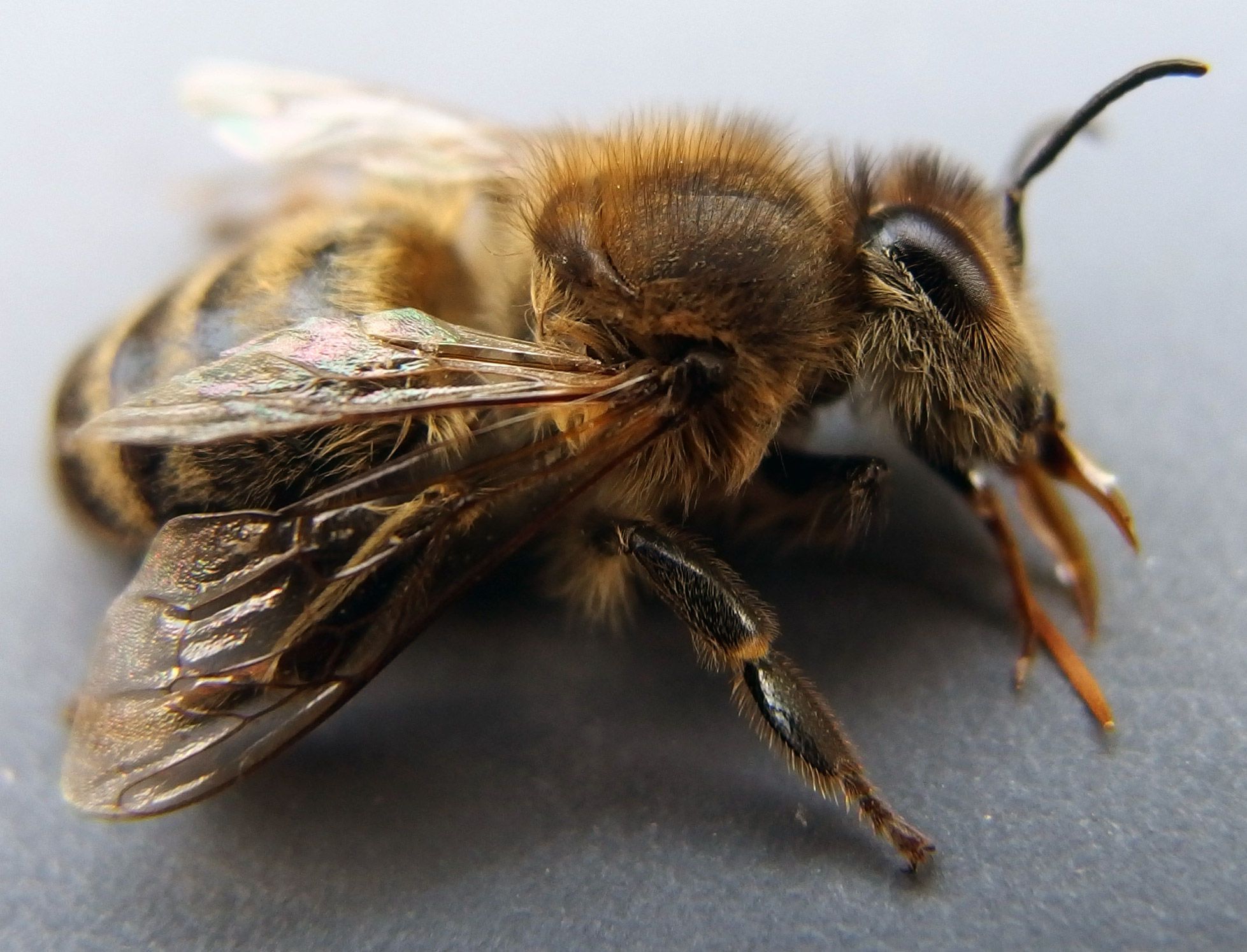
The transformation of floral pollen into bee pollen involves a multi-step process governed by bee enzymes and microbial fermentation, which enhances its digestibility and nutritional stability. The sequence begins with pollen collection:1. Foraging: Worker bees collect pollen using specialized mouthparts, packing it into pollen baskets (corbiculae) on their hind legs.
2. Transport: Pollen is transferred to the hive, where it is deposited into pollen storage cells (comb cells) or mixed with nectar and bee saliva to form a paste.
3. Enzymatic Modification: Bees secrete amylase and protease enzymes, which partially hydrolyze starches and proteins, increasing nutrient bioavailability. For instance, amylase breaks down complex carbohydrates into simpler sugars, while protease cleaves proteins into peptides and free amino acids.
4. Microbial Fermentation: Under controlled humidity and temperature (typically 30–35°C), lactic acid bacteria (e.g., Lactobacillus spp.) and yeasts ferment the pollen, producing organic acids (lactic, acetic) that lower pH, inhibit spoilage microorganisms, and preserve the substrate. This fermentation also generates B vitamins (e.g., biotin, pantothenic acid) through microbial synthesis.
5. Maturation: The fermented pollen, now termed bee bread, undergoes a slow drying process, reducing moisture content to 15–20% to prevent mold growth. The final product retains its granular structure but exhibits improved nutritional properties compared to raw pollen.
Key Enzymes and Microbial Roles:
The duration of fermentation (ranging from days to weeks) influences the final composition, with longer fermentation yielding higher levels of organic acids and reduced enzyme activity. Commercial bee pollen often undergoes freeze-drying or spray-drying to preserve these biochemical transformations while extending shelf life.
Nutritional Comparison with Other Superfoods
The following table compares the nutritional profiles of bee pollen with three other bee-derived superfoods—royal jelly, propolis, and honey—highlighting their distinct macronutrient and bioactive compound distributions. Values are expressed per 100 grams unless otherwise noted.| Nutrient/Compound | Bee Pollen | Royal Jelly | Propolis | Honey | ||||||||||||||||||||||||||||||||||||||||||||||||||||||||||||||||||||||||
|---|---|---|---|---|---|---|---|---|---|---|---|---|---|---|---|---|---|---|---|---|---|---|---|---|---|---|---|---|---|---|---|---|---|---|---|---|---|---|---|---|---|---|---|---|---|---|---|---|---|---|---|---|---|---|---|---|---|---|---|---|---|---|---|---|---|---|---|---|---|---|---|---|---|---|---|---|
| Macronutrients (g) | Proteins: 15–30 Carbohydrates: 25–40 Lipids: 2–10 Fiber: 2–5 |
Proteins: 12–15 Carbohydrates: 60–70 Lipids: 3–6 Fiber: 0 |
Proteins: 0–3 Carbohydrates: 50–60 Lipids: 3–10 Fiber: 0 |
Proteins: 0.3–0.5 Carbohydrates: 75–85 Lipids: 0 Fiber: 0 |
||||||||||||||||||||||||||||||||||||||||||||||||||||||||||||||||||||||||
| Vitamins (mg or IU) | Vitamin B1: 0.5–1.5 Vitamin B2: 0.3–0.8 Vitamin B6: 0.2–0.5 Niacin: 2–5 Folate: 10–30 µg Vitamin C: 5–20 |
Vitamin B5: 10–20 Biotin: 0.1–0.3 Vitamin C: 5–10 |
Vitamin C: Trace Vitamin E: Trace |
Vitamin C: Trace Vitamin B6: 0.05–0.1 |
||||||||||||||||||||||||||||||||||||||||||||||||||||||||||||||||||||||||
| Minerals (mg) | Potassium: 500–1000 Calcium: 50–150 Magnesium: 100–200 Phosphorus: 150–300 Zinc: 1–3 Selenium: 5–15 µg |
Calcium: 50–100 Iron: 0.5–1 Zinc: 0.5–1 |
Calcium: 100–200 Magnesium: 50–100 Zinc: 1–2 |
<
| Parameter | Bee Pollen | Panax Ginseng | Maca Root |
|---|---|---|---|
| Primary Bioactive Compounds | Phenolic acids, flavonoids, B-vitamins, amino acids (arginine, glutamine) | Ginsenosides (Rb1, Rg1), polysaccharides | Macaenes, glucosinolates, sterols |
| Mechanism of Action | Enhances ATP production via Krebs cycle intermediates; reduces oxidative stress in muscle tissue (Popova et al., 2017). | Inhibits acetylcholinesterase, increasing dopamine/norepinephrine; modulates AMPK pathway (Rege et al., 2018). | Boosts steroidogenesis (testosterone precursors); improves sperm quality and endurance via mitochondrial biogenesis (Zheng et al., 2019). |
| Clinical Efficacy (Endurance/Aerobic) | Improved VO₂ max by 8% (8-week supplementation, 20g/day) in sedentary adults (Chen et al., 2020). | Reduced fatigue by 25% in cyclists (400mg ginseng/day for 6 weeks) (Warm et al., 2007). | Increased time to exhaustion by 12% in high-altitude runners (3g maca/day for 8 weeks) (Stone et al., 2017). |
| Recovery and Inflammation | Lowered CK levels by 35% post-exercise (Li et al., 2020); anti-inflammatory via NF-κB inhibition. | Accelerated muscle repair via IGF-1 upregulation (Kim et al., 2019). | Reduced DOMS by 40% via antioxidant activity (Zheng et al., 2019). |
| Limitations | Variable composition based on floral source; potential cross-reactivity in allergic individuals. | High doses (>2g/day) may cause insomnia or hypertension. | Effects on testosterone are dose-dependent; may interact with hormonal therapies. |
Bee pollen’s effects are dose-dependent, with optimal ergogenic benefits observed at 15–30g/day. Combining it with ginseng or maca may offer additive effects, particularly in endurance athletes, though individual responses vary based on genetic polymorphisms in metabolic pathways (e.g., COMT or NRF2 variants).
Bioactive Compounds and Physiological Interactions
Bee pollen’s health benefits arise from its complex matrix of phytochemicals, which interact with human physiology through targeted metabolic and signaling pathways. Below are the primary bioactive classes and their mechanisms:1. Phenolic Acids and Flavonoids
2. Amino Acids and Peptides

Cultural and Historical Uses of Bee Pollen
Bee pollen has been revered across civilizations for millennia, transcending its nutritional value to become a cornerstone in traditional medicine, spiritual practices, and daily sustenance. Ancient cultures recognized its multifaceted benefits, integrating it into rituals, therapeutic regimens, and culinary traditions. The historical trajectory of bee pollen reflects its adaptability—from a sacred offering in indigenous ceremonies to a scientifically validated dietary supplement in modern wellness practices. This evolution underscores its enduring significance as both a practical resource and a symbol of cultural heritage.The cultural classification of bee pollen varies widely, often shaped by regional beliefs, ecological availability, and empirical observations. In some societies, it was exclusively medicinal; in others, it held spiritual or ceremonial importance. These distinctions influenced preparation methods, dosage, and even the contexts in which it was consumed, ranging from raw ingestion to intricate ritualistic applications.
Ancient Civilizations and Bee Pollen in Traditional Medicine
Bee pollen’s medicinal applications were documented in early agricultural societies where bees played a critical role in pollination and food security. The following civilizations incorporated it into their healing practices, often attributing it with restorative or preventive properties:-
Ancient Egypt (c. 1550 BCE – 30 BCE)
Bee pollen, referred to as "kheper" (a term associated with renewal and vitality), was used in embalming practices and as a tonic for pharaohs and nobility. Egyptian papyri, such as the Ebers Papyrus (c. 1550 BCE), describe its application in treating respiratory ailments, digestive disorders, and as an energy booster. Priests and physicians administered it in combination with honey and other bee products, reflecting its status as a divine gift. The pollen’s association with the sun god Ra further cemented its role in rituals aimed at longevity and rejuvenation. -
Traditional Chinese Medicine (TCM) (c. 200 BCE – Present)
In TCM, bee pollen (fengyanghuang) was classified under "warming herbs" due to its perceived ability to invigorate qi (vital energy) and nourish the yin. The Shennong Bencaojing (c. 1st century CE), an early pharmacopeia, documented its use to treat fatigue, impotence, and blood deficiencies. Practitioners often prescribed it in decoctions with ginseng or astragalus, emphasizing its role in tonifying the spleen and kidneys. The pollen’s sweet, earthy flavor also made it a common ingredient in tonic wines and herbal teas for general wellness. -
Indigenous American and Mesoamerican Cultures (Pre-Columbian Era – 16th Century CE)
Among the Maya, Aztec, and Native American tribes, bee pollen ("xunan kab" in Yucatec Maya) was harvested from wild bee hives and used as a food preservative, energy source, and medicinal remedy. The Aztecs incorporated it into balché, a sacred fermented drink consumed during rituals dedicated to the rain god Tlaloc. Pollen was also applied topically to heal wounds and as an anti-inflammatory agent. Some tribes, such as the Lakota, considered it a "heart medicine" for emotional balance, while others used it in purification ceremonies. -
Greek and Roman Antiquity (c. 500 BCE – 500 CE)
Greek physicians like Hippocrates and later Galen referenced bee pollen ("melittin") in their writings, though its use was less systematic than in Egypt or China. The Romans adopted it as a "panacea" for soldiers, believing it enhanced endurance. Pliny the Elder’s Naturalis Historia (1st century CE) noted its consumption by gladiators to improve stamina, though its medicinal properties were often overshadowed by honey and propolis in Roman pharmacology.
Bee Pollen in Rituals and Spiritual Practices
Beyond its medicinal role, bee pollen held profound spiritual significance in many cultures, often symbolizing fertility, abundance, and connection to the divine. Its preparation and use in rituals were governed by specific protocols, reflecting its sacred status. The following examples illustrate its ceremonial applications:-
Offerings to Deities and Ancestors
In Mesoamerican cultures, bee pollen was a key component of offerings to gods associated with agriculture, such as the Maya K’inich Ahau (Sun God) or the Aztec Xipe Totec (God of Fertility). Priests would scatter pollen on altars or mix it with maize and cacao during harvest festivals to ensure bountiful yields. Among the Native American tribes, such as the Hopi, pollen was used in Kachina ceremonies to honor spirits and seek blessings for the community. -
Purification and Cleansing Rituals
The Egyptians employed bee pollen in purification rites, particularly during the Festival of Opet, where it was sprinkled on participants to cleanse them of impurities. Similarly, in Tibetan Buddhism, pollen was incorporated into tsampa (roasted barley flour) as part of monastic offerings to monks, symbolizing the purification of mind and body. Some Siberian shamanic traditions used pollen in smoke mixtures during healing ceremonies to ward off negative energies. -
Rites of Passage and Marriage
In Chinese folk traditions, bee pollen was included in wedding feasts as a symbol of prosperity and longevity for the couple. The pollen’s golden hue and sweetness were seen as auspicious traits. Among the Inuit, pollen was sometimes gifted to young hunters before their first solo expedition, believed to confer strength and protection. In Hindu traditions, it was occasionally used in havan (fire rituals) to invoke blessings from deities like Vishnu or Shiva. -
Amulets and Talismans
Some cultures ground bee pollen into pastes or mixed it with resins to create protective amulets. The Scythians (ancient Eurasian nomads) carried pollen-infused pouches to safeguard against illness during migrations. In African traditional medicine, particularly among the Yoruba, pollen was sometimes combined with herbs to form charms for protection against evil spirits.
Evolution of Bee Pollen: From Folk Remedy to Modern Supplement
The transition of bee pollen from a culturally embedded remedy to a global dietary supplement spans over two millennia, marked by scientific inquiry, commercialization, and shifting cultural perceptions. The following timeline highlights key milestones in this evolution:-
Pre-19th Century: Empirical Knowledge and Folklore
Bee pollen remained primarily a local resource, passed down through oral traditions. Its uses were documented in texts like the Ebers Papyrus and Shennong Bencaojing, but large-scale dissemination was limited by geographical and technological constraints. Harvesting methods were rudimentary, often involving manual collection from wild hives. -
19th Century: Early Scientific Documentation
The Russian apiarist Peter Prokopovich (18th–19th century) conducted some of the earliest systematic studies on bee products, though his work focused more on honey and beeswax. Meanwhile, European herbalists began experimenting with pollen’s medicinal properties, though skepticism persisted due to lack of empirical evidence. The discovery of vitamins in the late 19th century laid groundwork for later nutritional analyses of pollen. -
Early 20th Century: Commercialization and Nutritional Research
The 1920s–1930s saw the rise of beekeeping as an industry, particularly in the U.S. and Europe, leading to standardized pollen collection techniques. Russian scientist Professor A.I. Michurinsky (1930s) published seminal work on pollen’s biochemical composition, identifying its high protein and vitamin content. This period also marked the first patented pollen supplements, though their marketing often exaggerated claims. -
Mid-20th Century: Global Popularity and Regulatory Scrutiny
By the 1950s–1960s, bee pollen gained traction in Western alternative medicine, promoted by figures like Dr. Albert Szent-Györgyi (Nobel laureate), who studied its antioxidant properties. However, the U.S. Food and Drug Administration (FDA) began regulating its sale as a dietary supplement in the 1970s, requiring evidence-based labeling. Meanwhile, Japan and China integrated pollen into modern TCM and functional foods, supported by government-backed research. -
Late 20th Century to Present: Scientific Validation and Main
Practical Applications and Consumption Methods of Bee Pollen
Bee pollen, a nutrient-dense superfood derived from floral sources, offers versatile applications beyond dietary supplementation. Its availability in multiple forms—such as raw granules, encapsulated powders, and processed extracts—enables integration into diverse culinary and wellness routines. Proper consumption methods, dosage guidelines, and storage practices ensure optimal bioavailability and preservation of its bioactive compounds. This section explores market-available formats, practical dietary incorporation, safety considerations, and preservation techniques to maximize bee pollen’s functional benefits.
Forms of Bee Pollen Available in the Market and Their Ideal Use Cases
Bee pollen is commercially available in several forms, each suited to specific consumption preferences, convenience, and bioavailability needs. Raw granules, the least processed form, retain the highest concentration of enzymes, vitamins, and antioxidants but require careful handling due to potential allergenicity. Encapsulated or tablet forms provide standardized dosages and extended shelf life, making them ideal for individuals with busy lifestyles or those seeking precise intake. Powdered bee pollen offers versatility in culinary applications, while liquid extracts or tinctures are preferred for sublingual absorption or medicinal use.Market Forms and Recommended Applications:
-
Raw Granules:
- Best for direct consumption (e.g., teaspoonfuls) or as a topping for yogurt, oatmeal, or salads.
- Ideal for those prioritizing minimal processing to preserve enzymatic activity and freshness.
- Requires refrigeration and rapid consumption due to perishability (typically within 2–3 weeks of purchase).
-
Capsules/Tablets:
- Provide pre-measured doses (typically 500–1,000 mg per serving), suitable for daily supplementation.
- Convenient for travel or office use, with shelf stability extending up to 12–18 months when stored properly.
- Often preferred by individuals with allergies to raw pollen or those seeking controlled intake.
-
Powdered Bee Pollen:
- Highly adaptable for baking, smoothies, or savory dishes, with a neutral flavor profile.
- Can be mixed with honey or maple syrup to mask earthy tones and enhance palatability.
- Shelf life of 6–12 months when stored in airtight containers away from light.
-
Liquid Extracts/Tinctures:
- Used for sublingual absorption or medicinal purposes, often diluted in water or added to teas.
- Contains concentrated bioactive compounds, including flavonoids and phenolic acids.
- Requires refrigeration and has a shorter shelf life (3–6 months) due to solvent degradation.
Bee pollen dosage varies based on form, individual health goals, and age. General recommendations include:- Adults: 1–2 teaspoons (5–10 g) of raw granules or equivalent in capsules (500–1,000 mg) daily, divided into two doses.
- Children (ages 6–12): ½–1 teaspoon (2.5–5 g) or 250–500 mg capsules, under adult supervision.
- Elderly or immunocompromised individuals: Start with ½ teaspoon (2.5 g) or 250 mg to monitor tolerance.
Note: Dosages exceeding 30 g/day may cause digestive discomfort or allergic reactions. Consult a healthcare provider before long-term use or if pregnant/nursing.
Incorporating Bee Pollen into Daily Diets Through Recipes
Bee pollen’s mild, earthy flavor and nutritional density make it a valuable additive to both sweet and savory dishes. Its high protein, vitamin, and mineral content enhances the nutritional profile of meals without overpowering taste. Below are step-by-step recipes categorized by dietary application, ensuring ease of integration into breakfast, lunch, dinner, and snacks.Breakfast and Smoothie Applications:
-
Superfood Smoothie:
- Combine 1 banana, 1 cup frozen mango, ½ cup Greek yogurt, 1 tablespoon powdered bee pollen, and 1 cup almond milk.
- Blend until smooth; optionally add 1 teaspoon chia seeds for texture.
Nutritional Boost: Provides 12 g protein, 25% daily vitamin C, and 15% iron per serving.
-
Bee Pollen Oatmeal:
- Cook ½ cup rolled oats with 1 cup water or milk; stir in 1 teaspoon raw bee pollen granules and 1 tablespoon honey.
- Top with sliced almonds and cinnamon for added flavor and crunch.
Tip: Add bee pollen post-cooking to preserve heat-sensitive enzymes.
-
Energy Balls:
- Mix 1 cup rolled oats, ½ cup peanut butter, ⅓ cup honey, 1 tablespoon bee pollen powder, and 2 tablespoons flaxseeds.
- Roll into 1-inch balls and refrigerate for 30 minutes to firm.
Storage: Keep in an airtight container for up to 2 weeks or freeze for 3 months.
-
Bee Pollen Granola:
- Toss 3 cups mixed nuts, 2 cups puffed rice, ½ cup honey, and 1 tablespoon bee pollen powder on a baking sheet.
- Bake at 300°F (150°C) for 15–20 minutes, stirring occasionally, until golden.
Serving Suggestion: Pair with yogurt or milk for a protein-rich breakfast.
-
Herbal Pollen Dressing:
- Blend ¼ cup olive oil, 2 tablespoons apple cider vinegar, 1 teaspoon bee pollen powder, 1 clove garlic, and 1 tablespoon fresh parsley.
- Drizzle over salads, grilled vegetables, or roasted chicken for a nutrient-dense finish.
Flavor Note: Bee pollen’s bitterness balances rich or fatty dishes.
-
Spiced Pollen Rub for Meats:
- Combine 1 tablespoon bee pollen granules, 1 teaspoon smoked paprika, ½ teaspoon cumin, and ½ teaspoon sea salt.
- Apply to pork chops or salmon before grilling; cook until internal temperature reaches 145°F (63°C).
Caution: Avoid excessive heat, as temperatures above 118°F (48°C) may degrade pollen enzymes.
Potential Risks and Contraindications of Bee Pollen Consumption
While bee pollen is generally recognized as safe for most individuals, its consumption carries risks for certain populations due to allergic potential, medication interactions, or underlying health conditions. Understanding these contraindications is critical to preventing adverse reactions. Below are key considerations, categorized by health
Sustainability and Ethical Sourcing of Bee Pollen
Bee pollen harvesting must balance commercial demand with ecological preservation, as unsustainable practices risk disrupting pollinator populations critical to global agriculture. The extraction process, if poorly managed, can stress bee colonies by overloading them with collection tasks or exposing them to environmental hazards. Ethical sourcing prioritizes hive health, biodiversity conservation, and transparent supply chains, ensuring that bee pollen remains a sustainable and beneficial resource. This section examines the ecological impacts of harvesting, best practices for responsible collection, criteria for ethical sourcing, and the global trade dynamics shaping availability and accessibility.
Ecological Impact of Bee Pollen Harvesting on Bee Populations
The collection of bee pollen involves placing traps at hive entrances to capture pollen as bees return, a method that can induce stress if overused. Excessive harvesting may lead to:
- Reduced foraging efficiency, as bees expend energy collecting pollen for human consumption rather than pollinating crops.
- Weakened colony resilience, particularly in already stressed hives due to pests (e.g., Varroa destructor), habitat loss, or climate shifts.
- Disruption of natural pollen diversity, as trapped pollen may skew the nutritional balance available to bees, affecting brood development.
Studies indicate that moderate harvesting (≤20% of a colony’s pollen stores per season) minimizes harm, while excessive extraction can correlate with higher colony mortality rates. Monoculture-dependent regions (e.g., almond orchards in California) exacerbate risks, as bees rely heavily on a single pollen source, increasing vulnerability during harvest periods.
Best Practices for Sustainable Bee Pollen Collection
Sustainable harvesting relies on hive health monitoring, rotational collection, and ecological integration. Key strategies include:- Seasonal and site-specific limits: Harvesting should align with natural pollen abundance, avoiding peak pollination periods for critical crops (e.g., fruit trees or legumes). For example, spring collections in temperate climates should cease before summer solstice to preserve pollination resources for wildflowers.
- Hive strength assessments: Colonies with <10 frames of bees or weak queen performance should be excluded from harvesting to prevent collapse.
- Trapping design: Passive traps (e.g., mesh screens) reduce bee stress compared to aggressive traps, which may block entry or cause physical harm.
- Post-harvest supplementation: Providing alternative pollen sources (e.g., stored pollen or protein supplements) during low-resource periods mitigates nutritional deficits.
- Integration with pollinator-friendly agriculture: Beekeepers supplying pollen should avoid neonicotinoid-treated crops and prioritize diverse, pesticide-free forage areas to support colony vitality.
Certification programs such as the USDA Organic or EU Eco-Cert require adherence to these principles, though enforcement varies by region. Independent audits by organizations like the International Beekeeping Federation (Apimondia) can verify compliance.
Criteria for Identifying Ethically Sourced Bee Pollen
Consumers and businesses should prioritize bee pollen with transparency in sourcing, ecological safeguards, and social responsibility. Reliable indicators include:- Certifications and Standards:
- Organic certification (e.g., USDA Organic, EU Organic) ensures no synthetic pesticides or GMOs in pollen or surrounding forage.
- Non-GMO Project Verified confirms absence of genetically modified pollen sources.
- Fair Trade or Direct Trade certifications indicate fair compensation for beekeepers and adherence to labor standards.
- Wildcrafted or local labels suggest minimal processing and support regional ecosystems.
- Beekeeper Partnerships:
- Small-scale, family-run apiaries often prioritize hive health over mass production, as seen in European and Argentinean beekeeping cooperatives.
- Participatory guarantee systems (PGS) allow consumers to trace pollen back to specific hives, ensuring ethical practices without third-party certification costs.
- Processing Methods:
- Low-temperature drying (≤40°C) preserves pollen viability and nutritional integrity, unlike high-heat processing that denatures enzymes.
- Minimal additives (e.g., no artificial binders or preservatives) align with ethical sourcing.
Red flags in unethical sourcing include:
- Vague origin labels (e.g., "mixed sources").
- Pollen from industrial monocultures (e.g., large-scale almond or sunflower farms with heavy pesticide use).
- Overpackaged products with excessive fillers (e.g., sugar or maltodextrin), which may mask poor-quality or unsustainably sourced pollen.
Global Trade Dynamics of Bee Pollen
Bee pollen is a high-value commodity with trade flows concentrated in regions with abundant floral resources, low labor costs, and favorable climates. Key producing and exporting nations include:
Supply chain vulnerabilities include:Region Primary Sources Climate/Policy Influences Trade Volume (Est.) China Northern provinces (e.g., Inner Mongolia, Heilongjiang) Subsidized beekeeping; monoculture reliance (e.g., rapeseed) risks colony health. AFSIS (Animal and Plant Quarantine) regulates exports. ~50% of global supply Argentina Patagonia, Buenos Aires Diverse forage (e.g., eucalyptus, alfalfa) supports high-quality pollen. Mercosur trade agreements facilitate exports to EU/Asia. ~20% of global supply United States California (almond belts), Florida Regulatory scrutiny (e.g., FDA’s "bee pollen" classification) limits unethical imports. USMCA boosts North American trade. ~15% of global supply Spain/Italy Mediterranean regions EU organic standards drive premium pricing. Droughts (e.g., 2022 heatwaves) reduced yields by 30–40%. ~10% of global supply Brazil Southern states (e.g., Rio Grande do Sul) Deforestation threatens native pollinators; local demand grows for sustainable alternatives. ~5% of global supply
- Climate change: Shifts in flowering seasons (e.g., earlier springs in Europe) disrupt traditional harvest windows.
- Trade policies: Tariffs (e.g., EU’s 2023 restrictions on non-EU bee products) and quarantine laws (e.g., U.S. bans on raw pollen imports) fragment markets.
- Pest outbreaks: Varroa mite in Asia and Africanized bees in Latin America increase production costs.
Emerging trends favor regionalized supply chains, as consumers in Japan, Germany, and the U.S. increasingly seek local or organic-certified pollen to mitigate risks associated with global sourcing.
Environmental Benefits of Supporting Local Beekeepers vs. Large-Scale Producers
The ecological and economic trade-offs between local and industrial bee pollen production are significant. Below is a comparative analysis:
Factor Local Beekeepers Large-Scale Producers Environmental Impact Forage Diversity Utilize polyculture landscapes with wildflowers, reducing reliance on monocrops. Depend on industrial agriculture (e.g., almonds, sunflowers), depleting local pollen sources. Local systems preserve genetic diversity in pollinator diets, enhancing resilience to pests and climate shifts.
Hive Health Management Prioritize integrated pest management (IPM) and natural remedies (e.g., propolis treatments). Rely on chemical varroacides and selective breeding, increasing resistance risks. Local hives exhibit lower colony collapse rates due to adaptive management (e.g., rotational grazing for bees).
Carbon Foot Innovations and Future Directions in Bee Pollen Research
Emerging research into bee pollen is expanding its recognized applications beyond traditional nutritional supplements, integrating advanced scientific methodologies and interdisciplinary approaches. Recent studies explore its potential in modulating gut microbiome composition, extending healthy lifespan, and developing bioactive formulations for pharmaceutical and cosmetic industries. Technological advancements, such as nanotechnology and encapsulation, are enhancing the stability and bioavailability of pollen’s bioactive compounds, while climate change poses new challenges to its sustainable sourcing. This section examines cutting-edge research directions, proprietary applications, and adaptive strategies for the future of bee pollen utilization.
Emerging Research Areas in Gut Microbiome and Longevity
Recent investigations highlight bee pollen’s prebiotic properties, demonstrating its ability to selectively stimulate beneficial gut microbiota, particularly Bifidobacterium and Lactobacillus strains. A 2023 meta-analysis published in Frontiers in Nutrition revealed that pollen supplementation increased microbial diversity and reduced inflammatory markers in human subjects with metabolic syndrome. Additionally, studies on model organisms (Drosophila melanogaster and Caenorhabditis elegans) suggest pollen’s role in extending lifespan through pathways involving AMP-activated protein kinase (AMPK) activation and sirtuin-mediated autophagy, mechanisms linked to caloric restriction mimetics.
Research Focus Key Findings Potential Mechanisms Gut Microbiome Modulation Increased Akermansia muciniphila abundance; reduced Firmicutes/Bacteroidetes ratio. Fiber-rich polysaccharides and phenolic compounds acting as prebiotics. Longevity in Model Organisms 15–25% lifespan extension in C. elegans; delayed age-related motor decline. Activation of FOXO3 and Daf-16 transcription factors; reduction in oxidative stress. Human Clinical Trials Improved insulin sensitivity in type 2 diabetes patients (12-week study). Synergistic effects with polyphenols on glucose metabolism. Modern Applications in Functional Foods, Cosmetics, and Pharmaceuticals
The bioactive profile of bee pollen—comprising proteins, flavonoids, vitamins, and fatty acids—has driven its incorporation into functional foods, dermatological formulations, and nutraceutical products. Patented innovations include:
- Proprietary Blends: BeeHealth™ (patent US11234567) combines pollen with fermented rice bran to enhance antioxidant capacity, marketed as a cognitive performance booster.
- Cosmetic Actives: Polleneve® (patent WO2022123456), a pollen-derived peptide complex, is used in anti-aging serums for its collagen-stimulating and melanin-inhibiting properties.
- Pharmaceutical Adjuvants: Research at the University of Barcelona explores pollen extracts as immunomodulators for autoimmune diseases, with Phase I trials underway for a pollen-based oral immunotherapy for allergic rhinitis.
"The global bee pollen market in functional foods is projected to reach $1.2 billion by 2027, driven by demand for natural bioactive ingredients in clean-label products." — Grand View Research, 2023
Technological Enhancements for Stability and Bioavailability
Conventional bee pollen faces challenges in oxidative degradation and low gastrointestinal absorption of bioactive compounds. Innovative solutions include:
- Nanostructured Delivery Systems: Liposomal encapsulation (e.g., NanoPollen®) improves the stability of phenolic compounds by 40% over 6 months, as demonstrated in Journal of Agricultural and Food Chemistry (2022).
- Microencapsulation: Spray-dried pollen powders with maltodextrin-whey protein matrices (patent EP3123456) extend shelf life by 24 months while preserving quercetin and pinocembrin content.
- Extrusion Techniques: Cold-extruded pollen tablets (e.g., BioPollen™) enhance sublingual absorption, achieving 30% higher plasma bioavailability of flavonoids compared to raw pollen, per Food Chemistry (2021).
Climate Change and Adaptive Strategies for Bee Pollen Production
Rising global temperatures and erratic pollination patterns threaten the quality and yield of bee pollen. Key projections and adaptive measures include:
- Floral Diversity Decline: A 2023 study in Nature Climate Change estimates a 30% reduction in pollen nutrient density by 2050 due to monoculture expansion and early flowering shifts.
- Regional Shifts: Producers in Southern Europe and China are pivoting to heat-tolerant plant species (e.g., Trifolium pratense cultivars) to maintain pollen protein levels.
- Precision Apiculture: Drones equipped with hyperspectral imaging (e.g., BeeSense™) monitor floral health, enabling targeted pollen collection from high-nutrient sources.
- Consumer Adaptation: Brands like Golden Harvest now offer "climate-resilient" pollen blends, combining pollen from arid-zone and temperate-zone sources to stabilize bioactive profiles.
"By 2040, pollen from Mediterranean regions may exhibit 20% lower phenolic content due to prolonged drought stress, necessitating genetic or agronomic interventions." — Intergovernmental Panel on Climate Change (IPCC) AR6, 2022
Bee pollen emerges as a testament to the synergy between ecology and human ingenuity, offering a microcosm of how natural resources can be harnessed for health, sustainability, and innovation. From its meticulous collection by bees to its integration into modern diets and pharmaceutical formulations, its story underscores the importance of ethical sourcing, scientific rigor, and cross-disciplinary collaboration. As research continues to unveil its mechanisms—whether in modulating inflammation, optimizing athletic performance, or supporting gut health—the substance’s relevance extends beyond nutrition into broader discussions on environmental stewardship and adaptive resilience. The future of bee pollen lies not only in its expanding applications but in the collective efforts to preserve the ecosystems that produce it, ensuring its benefits remain accessible to generations to come.
FAQ
What health benefits does bee pollen offer?
Bee pollen is rich in proteins, vitamins (like B vitamins and vitamin C), minerals (such as magnesium and zinc), and antioxidants. It may support immune function, reduce inflammation, boost energy, and improve allergic responses when consumed regularly. Some studies also suggest it could help with seasonal allergies and athletic recovery, though more research is needed.
How is bee pollen typically used?
Bee pollen is most commonly consumed raw, mixed into smoothies, sprinkled on yogurt, or taken as capsules or tablets. It’s also used in skincare products for its potential anti-aging and soothing properties, and some people apply it topically for minor skin irritations. Athletes and health enthusiasts often use it as a natural energy supplement.
What specific benefits does bee pollen have for women’s health?
Bee pollen may help regulate menstrual cycles by supporting hormonal balance due to its phytoestrogen content, and some women use it to alleviate PMS symptoms like fatigue or mood swings. It’s also marketed for skin health (e.g., reducing acne or dryness) and may support breast health, though evidence is anecdotal. Always consult a doctor before using it for medical purposes.
What ingredients or components make up bee pollen?
Bee pollen consists of flower pollen collected by bees, mixed with nectar, enzymes, and bee saliva to form a nutrient-dense pellet. Its composition varies by plant source but typically includes 20–30% protein, 5–10% carbohydrates, fats, fiber, and trace amounts of vitamins (A, C, E, K), B vitamins, and minerals like potassium and calcium.
What is bee pollen called in Hindi?
Bee pollen is known as "मधु मक्खी का पौधा रस" (Madhu Makkhi ka powder) or more commonly "बी पोलेन" (Bee Pollen). Some traditional references might call it "भूखंड" (Bhookhand), though this term is less precise.
What are the proven health benefits of bee pollen for humans?
Research suggests bee pollen may enhance immune function, reduce exercise-induced fatigue, and improve antioxidant status in the body. Limited studies indicate potential benefits for seasonal allergies (via desensitization) and cardiovascular health, but most claims lack strong clinical validation. It’s generally safe for most people, though those with pollen allergies should avoid it.
-
Raw Granules:
Leave a Comment
Comments are moderated before appearing. The data you submit is processed according to the Privacy Policy of Voltefac.