| 1970s–1980s |
Revenge of the Nerds (Film, 1984) |
Nerds as physically weak, socially inept, and reliant on humor for survival (e.g., Gilbert Lowe’s "Lewis"). |
The Big Bang Theory (TV, 2007

Nerd Subcultures and Communities
Nerd subcultures represent specialized interest groups where individuals converge around shared passions, often centered on intellectual, technical, or creative pursuits. These communities thrive on niche knowledge, collaborative projects, and distinct social norms that differentiate them from mainstream culture. While some subcultures remain tightly knit and insular, others have expanded into global networks through digital platforms, fostering innovation, creativity, and belonging. Below, the unique structures, rituals, and online ecosystems of these communities are examined, alongside a practical guide for newcomers seeking entry.
Niche Subcultures Associated with Nerd Identity
Nerd subcultures are defined by their focus on specific domains of expertise, often accompanied by specialized jargon, rituals, and social hierarchies. These groups frequently overlap, allowing members to engage with multiple communities simultaneously. Below are key subcultures, their defining traits, and the mechanisms that sustain their cohesion.
-
Tabletop Gaming Communities
"A tabletop game is not just a game; it is a shared narrative where rules and imagination collide."
Central to this subculture are games like Dungeons & Dragons (D&D), Warhammer Fantasy Roleplay, and GURPS, which require deep rulebooks, collaborative storytelling, and improvisational skills. Rituals include:- Session Zero: A pre-game meeting where players agree on tone, character arcs, and boundaries (e.g., "no one-roll kills").
- Homebrew Content: Creating custom monsters, quests, or magic systems, often shared via platforms like DriveThruRPG or GitHub.
- Lore Deep Dives: Analyzing in-universe history, often through fan-made wikis or podcasts (e.g., The Adventure Zone’s exploration of Critical Role’s lore).
Social structures are meritocratic, with experience (e.g., "I’ve run a campaign for 10 years") and creativity (e.g., "I designed a cult for your campaign") determining influence. Conventions like Gen Con or Origins serve as hubs for networking and trade.
-
Technology and Hardware Enthusiasts
"The pursuit of optimization is the pursuit of perfection—even if perfection is a moving target."
Subdivisions include:- Retrocomputing: Collectors and modders of vintage systems (e.g., Commodore 64, Atari 2600), with rituals like "breadboarding" (modifying hardware) and "benchmarking" (testing performance). Communities like Vintage Computer Forums prioritize documentation and preservation.
- Maker Culture: Focused on DIY electronics (e.g., Arduino, Raspberry Pi projects), with shared repositories on Thingiverse or GitHub. Hackathons and Maker Faires encourage prototyping and collaboration.
- Cybersecurity and Ethical Hacking: Communities like CTF (Capture The Flag) teams (e.g., Def Con challenges) or Hack The Box foster competitive problem-solving. Jargon includes terms like "exploit chain" or "zero-day vulnerability," and social structures revolve around "bug bounty" programs and peer-reviewed research.
Online, platforms like Reddit’s r/technology or Hacker News act as news aggregators, while specialized forums (e.g., Eevblog for electronics) host detailed troubleshooting threads.
-
Cosplay and Fan Performance
"Cosplay is the art of embodying a character—where craftsmanship meets performance."
This subculture blends sewing, prop-making, and acting, with conventions (Comic-Con, MCM London) as primary gathering points. Key rituals include:- Pattern Sharing: Free or paid templates for costumes (e.g., Etsy sellers or DeviantArt artists).
- Photo Shoots: Staged performances with specific themes (e.g., "dark academia" or "anime crossover").
- Competitions: Judged categories like "Best in Show" or "Most Creative," with communities like Cosplay.com hosting online voting.
Social hierarchies are often based on skill (e.g., "I hand-sewed this armor") or network size (e.g., "I’ve worked with [major convention] before"). Online, Discord servers (e.g., Cosplay Resource) provide tutorials, while Instagram and Tumblr serve as portfolios.
-
Science Fiction and Fantasy Fandom
"Fandom is not passive consumption—it is active world-building."
Subdivisions include:- Literary Fandom: Communities centered on authors (e.g., Bridgerton’s Regency Assembly forums) or series (Harry Potter’s MuggleNet). Rituals include "readathons" (group reading challenges) and "theorycrafting" (speculative fan theories).
- Media Fandom: Focused on TV (Star Trek’s Klingon Language Institute), films (Marvel Cinematic Universe’s lore debates), or anime (MyHero Academia’s character analysis threads).
- Worldbuilding: Creating alternate histories (Alternate History Stack Exchange) or original settings (World Anvil for collaborative writing).
Online, Reddit (e.g., r/fantasy, r/sff) hosts discussions, while Archive of Our Own (AO3) archives fanfiction. Social structures often form around "ship wars" (relationship debates) or "canon vs. headcanon" conflicts.
-
Puzzle and Logic Game Enthusiasts
"The satisfaction of solving lies in the tension between challenge and resolution."
Communities revolve around games like Sudoku, Rubik’s Cube, or escape rooms. Rituals include:- Speed Solving: Competitive timing (e.g., World Cube Association for Rubik’s Cube).
- Puzzle Design: Creating original challenges (e.g., Puzzle Hunt events at MIT).
- Lateral Thinking: Discussing unsolved mysteries or "escape room" scenarios on Reddit’s r/puzzles.
Online, Discord servers (e.g., The Cube Community) host live solves, while Puzzle Baron or Jigsaw Explorer offer digital archives.
-
LARP (Live-Action Roleplay) Communities
"LARP is theater, combat, and storytelling fused into a physical experience."
Subdivisions include:- Hardcore LARP: Immersive, narrative-driven games (e.g., Midnight Pulp in Denmark) with elaborate costumes and props.
- Light LARP: Simpler, rules-based games (e.g., D&D in the park adaptations).
- Historical LARP: Reenacting periods (e.g., Viking Age or Renaissance), with research on combat techniques and period-accurate crafts.
Online, Facebook groups (e.g., LARPing 101) offer beginner guides, while Discord servers (e.g., The LARP Network) host event planning.
Online Communities and Their Social Ecosystems
Digital platforms have democratized nerd culture, enabling global collaboration and specialization. Below are key online spaces, their governance structures, and the content they prioritize.
-
Forums and Discussion Boards
"Forums are the digital equivalent of a watercooler—where ideas simmer and debates brew."
Examples include
Skills and Expertise of Nerds
The term "nerd" has long been associated with a diverse set of skills and deep expertise, often cultivated through passion-driven exploration of niche interests. These abilities span technical and non-technical domains, frequently intersecting with professional demand in industries ranging from technology to entertainment. Beyond conventional career paths, niche knowledge—such as cryptography, retro computing, or esoteric trivia—can serve as a competitive advantage, particularly in fields where specialization is undervalued but critical. The concept of "nerd capital," or the accumulation of rare, hobby-derived skills and networks, further illustrates how non-traditional expertise can translate into entrepreneurial opportunities or career acceleration.Nerds often develop skills through self-directed learning, collaborative communities, or hands-on experimentation, creating a skill set that is both broad and highly specialized. The following sections categorize these skills, explore their professional applications, and examine how niche expertise can be monetized or leveraged in real-world contexts.
Categorized Skills and Expertise of Nerds
Nerds frequently exhibit a combination of technical and non-technical skills, often honed through sustained engagement with specific domains. These skills are not confined to academic or corporate environments but emerge from personal curiosity, hobbyist projects, or community-driven learning. Below is a structured breakdown of common skill categories, emphasizing their relevance across industries.
-
Technical Skills
-
Software Development
- Programming Languages: Proficiency in languages such as Python, JavaScript, C++, or Rust, often acquired through open-source contributions or personal projects.
- Software Engineering: Experience with version control (e.g., Git), debugging, and system architecture, frequently developed in collaborative coding environments.
- Web Development: Frontend (HTML/CSS, React) and backend (Node.js, Django) expertise, driven by passion for building tools or games.
- Low-Level Programming: Assembly language, embedded systems, or hardware interfacing, common in retro computing or IoT enthusiast circles.
-
Data and Analytics
- Data Science: Skills in statistical modeling, machine learning (e.g., TensorFlow, scikit-learn), and data visualization (e.g., Tableau, Matplotlib).
- Database Management: SQL, NoSQL, and query optimization, often practiced in personal data projects or competitive programming.
- Cybersecurity: Cryptography, ethical hacking, and network security, with applications in finance, defense, and tech startups.
-
Hardware and Systems
- Electronics: Circuit design, Arduino/Raspberry Pi programming, and prototyping, frequently seen in maker communities.
- Cloud and DevOps: Deployment, containerization (Docker, Kubernetes), and infrastructure as code (Terraform), often mastered through self-hosting or open-source contributions.
- Robotics: Mechanical design, sensor integration, and control systems, with overlaps in engineering and research fields.
-
Niche Technical Domains
- Cryptography: Advanced knowledge of encryption algorithms, blockchain development, or cryptanalysis, valuable in fintech and cybersecurity.
- Retro Computing: Emulation, hardware restoration, and reverse engineering of legacy systems, applicable in archival tech or vintage tech markets.
- Astronomy and Astrophysics: Amateur observations, data analysis of telescope feeds, or contributions to citizen science projects like SETI.
- Esoteric Programming: Languages like Brainfuck, Malbolge, or functional programming paradigms (e.g., Haskell), often pursued for intellectual challenge.
-
Non-Technical Skills
-
Problem-Solving and Logic
- Algorithmic Thinking: Deconstructing complex problems into solvable components, a skill honed through puzzles, competitive programming, or game design.
- Debugging and Troubleshooting: Systematic identification of root causes in technical or non-technical systems, from software bugs to mechanical failures.
-
Trivia and Domain-Specific Knowledge
- Pop Culture and Media: Deep knowledge of films, literature, or video games, which can translate into roles in content creation, journalism, or intellectual property law.
- Historical and Scientific Trivia: Expertise in niche historical events, obscure scientific facts, or linguistic etymology, often leveraged in education or media.
- Gaming Mechanics: Mastery of game rules, balance theory, or modding, applicable in game design, esports, or community management.
-
Creative and Artistic Skills
- Digital Art and Animation: Tools like Blender, Photoshop, or pixel art, frequently developed alongside game design or 3D modeling hobbies.
- Writing and Storytelling: Technical writing, world-building for tabletop RPGs, or fan fiction, with applications in publishing or content strategy.
- Music and Sound Design: Composition, synthesis, or audio editing (e.g., FL Studio, Ableton), often intersecting with game development or multimedia projects.
-
Social and Collaborative Skills
- Community Management: Moderation, event organization, or content curation in online forums (e.g., Reddit, Discord) or conventions.
- Networking: Building relationships in niche communities (e.g., hackerspaces, fandoms, or open-source projects), which can lead to career or business opportunities.
- Mentorship: Teaching or tutoring in specialized areas, such as coding bootcamps, STEM outreach, or hobbyist workshops.
Professional Applications of Niche Expertise
Niche skills developed by nerds often align with emerging or highly specialized industries where demand outstrips conventional talent pools. These areas include cybersecurity, blockchain, retro technology preservation, and data-driven entertainment. Case studies demonstrate how rare knowledge can lead to career opportunities, entrepreneurial ventures, or industry leadership.
-
Cybersecurity and Cryptography
"The most valuable skills in cybersecurity are often those that are rarely taught in standard curricula: cryptographic protocol design, exploit development, and reverse engineering."
- Industry Demand: Roles in penetration testing, cryptanalysis, and blockchain security are growing, with salaries exceeding $150,000 for senior positions (e.g., Bugcrowd, Mandiant).
- Case Study: Moxie Marlinspike, creator of Signal and developer of the Signal Protocol, leveraged cryptography expertise to build a privacy-focused messaging platform now used by millions.
- Entrepreneurial Path: Independent security researchers monetize skills through bug bounty programs (e.g., HackerOne) or consulting for high-profile clients.
-
Retro Technology and Preservation
- Industry Demand: Companies like Nintendo, Sony, and Atari hire archivists and engineers to preserve legacy systems, while emulation experts are sought for digital restoration projects.
- Case Study: The Internet Archive employs retro computing enthusiasts to maintain obsolete hardware and software, ensuring long-term accessibility of cultural artifacts.
- Market Opportunities: Rare hardware (e.g., vintage arcade machines, early personal computers) fetches high prices on auction sites (e.g., Heritage Auctions), with some collectors turning expertise into consulting or restoration businesses.
-
Astronomy and Citizen Science
- Industry Demand: Amateur astronomers contribute to NASA projects (e.g., Planet Hunters), while data analysis skills are transferable to astrophysics research or aerospace engineering.
- Case Study: Dr. Frank Drake, though a professional astronom
Nerds in the Workplace and Society
The intersection of nerd culture with professional and societal environments reveals both opportunities and challenges. Nerd traits—such as analytical thinking, creativity, and deep specialization—are increasingly valuable in modern economies, particularly in tech-driven sectors. However, their perception varies significantly across industries, influencing career trajectories, workplace dynamics, and social integration. This section examines how nerd characteristics are leveraged or overlooked in different professional contexts, strategies for navigating misunderstandings, and the role of collaborative projects in fostering broader acceptance.
Workplace Dynamics: Tech-Driven vs. Non-Tech Industries
The valuation of nerd traits differs markedly between industries, shaping career opportunities and organizational culture. Below is a comparative analysis of how precision, creativity, and other nerd-associated skills are perceived and utilized in tech and non-tech environments.
| Industry |
Nerd Trait |
Advantage |
Potential Conflict |
|---|
| Tech (Software Development, AI, Cybersecurity) |
Precision and Attention to Detail |
- Critical for debugging, algorithm design, and system security.
- Reduces errors in complex codebases, improving scalability and reliability.
- Aligns with agile methodologies, where iterative refinement is prioritized.
|
- Overemphasis on perfectionism may slow down rapid prototyping or creative brainstorming.
- Misalignment with startup cultures that prioritize "move fast and break things" over meticulous planning.
- Risk of being labeled "rigid" in environments valuing adaptability over technical rigor.
|
| Tech (Creative Tech: Game Design, UX/UI) |
Creativity and Niche Expertise |
- Drives innovation in user experiences, storytelling, and interactive media.
- Niche knowledge (e.g., retro gaming, esports) can differentiate products in competitive markets.
- Fosters interdisciplinary collaboration between artists, engineers, and designers.
|
- Creative differences may clash with stakeholders seeking "safe" or conventional designs.
- Passion projects (e.g., modding, fan art) may be undervalued if not directly tied to deliverables.
- Pressure to balance artistic vision with business constraints (e.g., monetization, accessibility).
|
| Non-Tech (Finance, Law, Academia) |
Analytical Rigor and Specialization |
- Highly specialized knowledge (e.g., quantitative finance, niche legal theories) commands premium roles.
- Data-driven decision-making aligns with evidence-based practices in law and research.
- Precision in documentation (e.g., contracts, academic papers) reduces legal/financial risks.
|
- Over-reliance on technical jargon may hinder communication with non-specialist clients or colleagues.
- Perceived as "detached" or "arrogant" due to deep expertise in narrow fields.
- Slow adoption of interdisciplinary solutions if siloed thinking prevails.
|
| Non-Tech (Marketing, Sales, HR) |
Unconventional Problem-Solving |
- Niche interests (e.g., fandoms, niche hobbies) can inspire viral marketing campaigns or customer engagement strategies.
- Data analysis skills (e.g., parsing social media trends) enhance targeting and personalization.
- Creative storytelling (e.g., gamifying onboarding) improves employee retention.
|
- Unconventional ideas may be dismissed as "too niche" or "impractical" by traditionalists.
- Pressure to conform to "charismatic" sales personas that undervalue technical depth.
- Risk of being typecast into "geeky" roles (e.g., IT support) rather than leadership.
|
| Hybrid (Consulting, Healthcare Tech) |
Adaptability and Cross-Disciplinary Thinking |
- Ability to translate complex technical concepts for non-experts (e.g., explaining AI to doctors).
- Combination of domain expertise (e.g., bioinformatics) with business acumen drives innovation.
- Open-source contributions or hackathons demonstrate agility in solving real-world problems.
|
- Imposter syndrome may arise from bridging gaps between technical and non-technical stakeholders.
- Slow career progression if perceived as "too specialized" for generalist roles.
- Ethical dilemmas in applying niche knowledge (e.g., privacy in healthcare data).
|
Key Insight:
The advantage of nerd traits in any industry stems from their ability to solve problems others overlook, but their acceptance depends on an organization's willingness to redefine "soft skills" beyond charisma or networking. Industries like tech and finance increasingly recognize that precision and creativity are not mutually exclusive but complementary.
Strategies for Navigating Professional and Social Environments
Nerds often face challenges in environments where their interests or behaviors are misunderstood, whether due to stereotypes or cultural mismatches. Effective navigation requires a combination of communication techniques, allyship, and strategic positioning.Context:
Misalignment between nerd identities and workplace norms can lead to isolation, undervaluation, or burnout. Proactive strategies—such as reframing expertise and fostering inclusive cultures—mitigate these risks while leveraging unique strengths. Communication Techniques: -
Reframing Technical Language:
Use analogies or metaphors to explain complex concepts. For example, a cybersecurity expert might compare phishing scams to "digital con artists" rather than relying on jargon like "social engineering vectors."
Example: Instead of saying, "The API latency is due to a race condition in the event loop," try: "Imagine two people trying to grab the last pizza slice at the same time—the system gets stuck because it’s not handling the rush properly."
-
Leveraging the "Passion Project" Narrative:
Position niche interests as assets by framing them as sources of innovation. For instance, a tabletop RPG enthusiast could argue that their experience in collaborative storytelling improves teamwork in agile projects.
Case Study: Blizzard Entertainment’s early success with Warcraft was partly attributed to employees who treated game design like a shared creative hobby, blending fandom with professional output.
-
Active Listening and Empathy:
Acknowledge non-nerd perspectives to build rapport. For example, a data scientist explaining a model’s limitations might say, "While this algorithm predicts trends well, it might miss the 'human factor' that our sales team relies on."
-
Non-Verbal Cues:
Adjust body language to reduce perceived intimidation. Maintaining open posture, smiling, and avoiding excessive hand gestures can signal approachability without diminishing authority.
Allyship and Cultural Shifts:-
Mentorship and Sponsorship:
Seek allies who can advocate for nerd traits in leadership discussions. For example, a senior engineer might sponsor a junior developer’s unconventional idea (e.g., using a niche programming language) by presenting it as a "pilot project."
-
Normalizing Nerd Culture:
Introduce mainstream references to nerd interests in team settings. For instance, referencing *Star TrekThe concept of the "nerd" has undergone a radical transformation from a derogatory term to a badge of honor, symbolizing both individual passion and collective ingenuity. What began as a reflection of societal exclusion has evolved into a dynamic force driving technological advancement, artistic expression, and community-building across industries. As niche interests continue to intersect with professional opportunities—whether through open-source collaboration, specialized trivia networks, or entrepreneurial ventures—nerds are redefining the boundaries of expertise and social integration. Ultimately, the story of the nerd is not just about embracing intellectual curiosity but about leveraging it to bridge gaps, challenge stereotypes, and shape the future of work and culture.
FAQ
What is a Nerdle game?
Nerdle is a word-guessing game similar to Wordle, where players have six attempts to guess a five-letter answer based on clues like colored tiles indicating correct letters, misplaced letters, or complete misses. It was created by the same developer as Wordle and focuses on a mix of trivia and wordplay.
What does it mean to be a nerdy person?
A nerdy person is typically someone who is highly intelligent, enthusiastic, or knowledgeable about a specific subject—often tech, science, comics, or niche hobbies—and may appear socially awkward or overly focused on their interests. The term is often used neutrally or affectionately, though it can carry negative connotations depending on context.
What makes someone a nerdy guy?
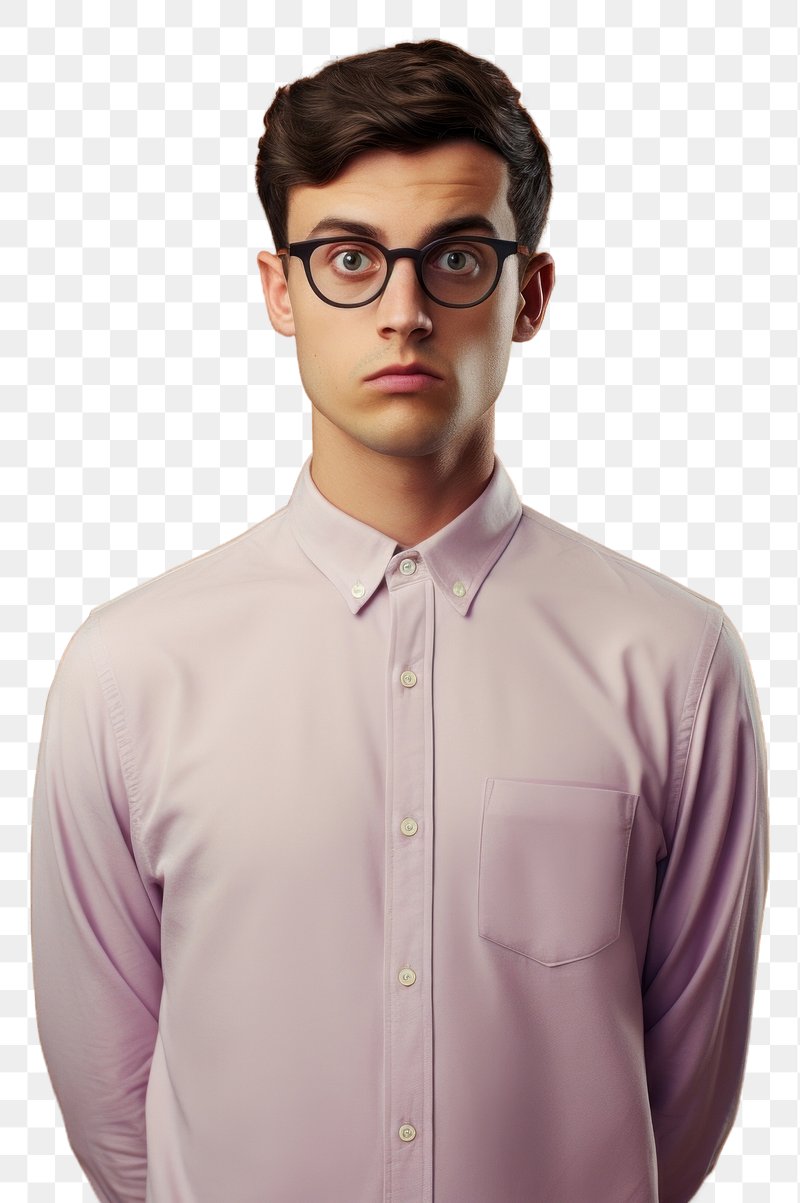
A nerdy guy is often characterized by deep interests in topics like programming, fantasy, video games, or obscure facts, along with traits like wearing glasses, carrying a backpack, or having a quirky sense of humor. The label is subjective and can reflect enthusiasm for intellectual or niche passions rather than social skills.
What makes someone a nerdy girl?
A nerdy girl is someone who shares traits of intellectual curiosity or passion for subjects like STEM, fandoms, or creative hobbies, often with a playful or confident demeanor. Like nerdy guys, she might enjoy cosplay, coding, or deep dives into specific interests, though the term doesn’t define her by gender—it’s about enthusiasm and expertise.
What is NerdWallet and what does it do?
NerdWallet is a personal finance website and app that offers tools to compare financial products like credit cards, loans, and insurance, helping users make informed decisions. It provides reviews, ratings, and educational content to simplify budgeting, saving, and investing.
What are some examples of nerdy names?
Nerdy names often reference pop culture, science, or tech, like "Spock" (from Star Trek), "Leia" (from Star Wars), "Binary" (tech-themed), or "Professor" (academic). They can also be inside jokes, like "404" (a web error code) or "CtrlAltDel" (a computer shortcut).
|

Leave a Comment
Comments are moderated before appearing. The data you submit is processed according to the Privacy Policy of Voltefac.