Oxygen What Is Its Fundamental Role Science Nature
Table of Contents
- Scientific Definition and Chemical Properties of Oxygen
- Atomic Structure and Periodic Table Classification
- Physical Properties and Comparative Analysis with Diatomic Gases
- Chemical Bonding and Reactivity
- Biological Role of Oxygen in Living Organisms
- Oxygen Utilization in Cellular Respiration: ATP Production via Mitochondrial Pathways
- Physiological Mechanisms of Oxygen Transport in Blood
- Consequences of Oxygen Deprivation: Hypoxia and Adaptive Responses
- Environmental Presence and Atmospheric Composition of Oxygen
- Atmospheric Oxygen Abundance and Dynamic Cycling
- Historical Fluctuations in Atmospheric Oxygen and Evolutionary Milestones
- Anthropogenic Contributions to Oxygen Depletion
- Industrial and Medical Applications of Oxygen
- Industrial Production Methods of Oxygen
- Medical Applications of Oxygen Therapy
- Applications of Oxygen Allotropes in Industry
- Oxygen in Space and Planetary Science
- Detection Methods for Extraterrestrial Oxygen
- Comparative Analysis of Oxygen Levels in Planetary Atmospheres
- Thought Experiment: Hypothetical Scenarios of Earth’s Atmospheric Oxygen Fluctuations
- FAQ
- What exactly is oxygen?
- What is considered a normal oxygen level in the human body?
- What is the meaning or importance of oxygen in daily life?
- Why is oxygen represented by the number 16?
- What is the atomic number of oxygen?
- What is the chemical symbol for oxygen?
Oxygen, the second most abundant element in Earth’s crust and a cornerstone of life, underpins biological processes, sustains industrial advancements, and governs atmospheric chemistry. As a diatomic gas essential for respiration, combustion, and oxidative reactions, its properties extend beyond terrestrial boundaries, influencing planetary science and extraterrestrial habitability theories. From cellular energy production to atmospheric composition shifts, oxygen’s multifaceted roles reveal its critical yet delicate balance in sustaining ecosystems and human civilization.
The element’s atomic structure, reactivity, and environmental dynamics offer insights into its dual nature—as both a life-sustaining resource and a reactive force shaping planetary evolution. Whether examined through its chemical behavior, biological functions, or industrial applications, oxygen emerges as a pivotal subject bridging disciplines from biochemistry to astrophysics. This exploration dissects its scientific foundations, ecological significance, and far-reaching implications for technology and planetary science.
Scientific Definition and Chemical Properties of Oxygen
Oxygen, a fundamental element in the Earth’s biosphere and a critical component of chemical processes, occupies a pivotal position in the periodic table due to its high electronegativity, reactivity, and ability to form diverse compounds. Its atomic structure, physical properties, and chemical behavior underpin its indispensable role in respiration, combustion, and industrial applications. This section examines oxygen’s atomic composition, periodic table classification, physical characteristics, and bonding tendencies, with comparative analyses to other diatomic gases and a focus on its oxidizing properties.
Atomic Structure and Periodic Table Classification
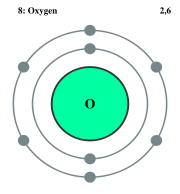
Oxygen (O) is the 8th element in the periodic table, characterized by an atomic number of 8, which corresponds to its 8 protons and, in its neutral state, 8 electrons. Its electron configuration follows the 1s² 2s² 2p⁴ arrangement, placing it in the second period and Group 16 (Chalcogens) of the periodic table. This group is defined by the presence of 6 valence electrons (2s² 2p⁴), contributing to its high electronegativity (3.44 on the Pauling scale) and tendency to gain 2 electrons to achieve a stable noble gas configuration (e.g., forming O²⁻ ions).
Oxygen’s position in Period 2 aligns it with elements exhibiting small atomic radii and high ionization energies, distinguishing it from heavier chalcogens like sulfur or selenium. Its diatomic molecular form (O₂) at standard conditions arises from the unpaired electrons in its 2p orbitals, facilitating sigma (σ) and pi (π) bonding through molecular orbital theory. The triplet ground state (²³Σ⁻) of O₂ further explains its paramagnetic properties, unlike diamagnetic nitrogen (N₂) or chlorine (Cl₂).
Physical Properties and Comparative Analysis with Diatomic Gases
Oxygen’s physical properties reflect its diatomic molecular structure (O₂) and intermolecular forces, primarily London dispersion forces and weak dipole-dipole interactions in its liquid phase. Below is a comparative table highlighting key physical properties of oxygen alongside nitrogen (N₂) and chlorine (Cl₂), two other diatomic gases with distinct chemical behaviors:| Property | Oxygen (O₂) | Comparison Gas (N₂/Cl₂) |
|---|---|---|
| Standard State (25°C, 1 atm) | Colorless, odorless gas | Nitrogen: Colorless, odorless gas Chlorine: Greenish-yellow, pungent gas |
| Boiling Point (°C) | -183.0 | Nitrogen: -195.8 Chlorine: -34.0 |
| Melting Point (°C) | -218.8 | Nitrogen: -209.9 Chlorine: -101.5 |
| Density (g/L, 25°C, 1 atm) | 1.429 | Nitrogen: 1.251 Chlorine: 3.214 |
| Solubility in Water (25°C, g/100 mL) | 0.049 | Nitrogen: 0.024 Chlorine: 0.73 (highly soluble) |
| Bond Dissociation Energy (kJ/mol) | 498 (O=O) | Nitrogen: 945 (N≡N) Chlorine: 242 (Cl-Cl) |
| Magnetic Properties | Paramagnetic (2 unpaired electrons in π* antibonding orbitals) | Nitrogen: Diamagnetic (all electrons paired) Chlorine: Diamagnetic (all electrons paired) |
Oxygen’s moderate boiling and melting points position it between nitrogen (lower, due to weaker van der Waals forces) and chlorine (higher, due to stronger intermolecular forces in Cl₂). Its paramagnetism stems from the weak π* antibonding electrons in its molecular orbital configuration, a trait absent in N₂ and Cl₂. The high bond dissociation energy of N₂ (945 kJ/mol) reflects its triple bond, whereas O₂’s double bond (498 kJ/mol) contributes to its reactivity compared to nitrogen.
Chemical Bonding and Reactivity
Oxygen’s chemical behavior is governed by its electronegativity, valence electron configuration, and ability to form multiple bonds. It predominantly engages in covalent bonding, though it can also exhibit ionic interactions (e.g., with alkali/alkaline earth metals) or coordinate covalent bonds (e.g., in metal oxides). Its oxidation states range from -2 (most common in oxides) to +2 (in OF₂), with intermediate states (+1 in O₂F) observed in rare compounds.Bonding Tendencies:
Reactivity Patterns:
Oxygen’s reactivity is categorized by its interactions with:
Oxygen’s role as an oxidizing agent is central to its chemical reactivity. It accepts electrons from other substances, facilitating processes such as respiration (glucose oxidation: C₆H₁₂O₆ + 6O₂ → 6CO₂ + 6H₂O + energy), combustion, and corrosion. Its high electron affinity (141 kJ/mol) and exothermic bond formation with most elements make it a universal oxidant, though its reactivity varies with temperature and catalysts (e.g., combustion requires activation energy).Exothermic Reactions and Catalysis:
Oxygen’s reactivity is often temperature-dependent, with catalytic surfaces (e.g., platinum in catalytic converters) lowering activation energies for reactions like NOₓ reduction (2NO + 2CO → N₂ + 2CO₂). In biological systems, enzymes like cytochrome c oxidase facilitate controlled electron transfer to O₂, avoiding harmful reactive oxygen species (ROS) such as superoxide (O₂⁻) or hydroxyl radicals (OH·).
Biological Role of Oxygen in Living Organisms
Oxygen serves as a critical terminal electron acceptor in aerobic respiration, enabling the efficient production of adenosine triphosphate (ATP) through oxidative phosphorylation. This process underpins the energy metabolism of nearly all eukaryotic organisms, including humans and plants, while also influencing physiological adaptations to varying environmental oxygen availability. The utilization of oxygen extends beyond energy production, regulating cellular signaling, redox homeostasis, and immune responses, making it indispensable for survival at the molecular, cellular, and systemic levels.
The interplay between oxygen consumption and ATP synthesis occurs predominantly in the mitochondria, where the electron transport chain (ETC) couples proton translocation to oxidative phosphorylation. Concurrently, oxygen transport in vertebrates relies on hemoglobin’s cooperative binding dynamics, modulated by physiological gradients and allosteric regulators like 2,3-bisphosphoglycerate (2,3-BPG). Disruptions in oxygen delivery or utilization—such as hypoxia—trigger adaptive and pathological responses, including metabolic shifts, oxidative stress, and tissue remodeling. Below, the mechanisms of oxygen utilization, transport, and the consequences of its deprivation are examined in detail.
Oxygen Utilization in Cellular Respiration: ATP Production via Mitochondrial Pathways
The process of aerobic respiration in mitochondria integrates three sequential stages—glycolysis, the Krebs cycle (citric acid cycle), and the electron transport chain (ETC)—to convert glucose and oxygen into ATP, carbon dioxide, and water. Oxygen’s role is pivotal in the ETC, where it accepts electrons from cytochrome c oxidase (Complex IV), forming water while driving proton pumping across the inner mitochondrial membrane. This proton gradient powers ATP synthase, yielding ~28–34 ATP molecules per glucose molecule, a yield significantly higher than anaerobic glycolysis (~2 ATP).Flowchart of Cellular Respiration Stages:
1. Glycolysis (Cytosol)
2. Pyruvate Oxidation (Mitochondrial Matrix)
3. Krebs Cycle (Citric Acid Cycle) (Mitochondrial Matrix)
4. Electron Transport Chain (ETC) (Inner Mitochondrial Membrane)
Key Efficiency Factors:
Physiological Mechanisms of Oxygen Transport in Blood
Oxygen transport in vertebrates is mediated primarily by hemoglobin (Hb), a tetrameric protein in erythrocytes that binds O₂ cooperatively, with binding affinity modulated by physiological conditions. The partial pressure gradient between alveolar air (PO₂ ~100 mmHg) and venous blood (PO₂ ~40 mmHg) drives passive diffusion across the respiratory membrane, while hemoglobin’s structural adaptations enhance loading and unloading efficiency.Responsive Table: Components of Oxygen Transport and Their Functions
| Component | Function | Key Details |
|---|---|---|
| Hemoglobin (Hb) | Reversible O₂ binding; cooperative binding (sigmoidal dissociation curve). | - Quaternary Structure: Two α-globin and two β-globin chains; each subunit binds 1 O₂ via heme Fe²⁺. - Cooperativity: Binding of 1 O₂ increases affinity for subsequent O₂ (Hill coefficient n ≈ 2.8). - Allosteric Regulators: 2,3-BPG (decreases affinity), CO₂ (Bohr effect), H⁺ (acidosis). |
| Partial Pressure Gradient | Drives O₂ diffusion from alveoli to blood and tissues. | - Alveolar PO₂: ~100 mmHg (inspired air: 160 mmHg; humidification reduces to ~105 mmHg; CO₂ dilution to ~100 mmHg). - Tissue PO₂: Ranges 20–40 mmHg (active muscles: <10 mmHg). - Henry’s Law: O₂ solubility in plasma = 0.003 mL O₂/mL blood/mmHg (limited contribution; 98% bound to Hb). |
| Bohr Effect | Facilitates O₂ unloading in metabolically active tissues (e.g., muscles, organs). | - Mechanism: Increased [H⁺] or [CO₂] (from metabolism) protonates Hb N-termini, reducing O₂ affinity (P₅₀ shifts right). - Example: P₅₀ (PO₂ at 50% Hb saturation) increases from 26 mmHg (pH 7.6) to 38 mmHg (pH 7.2). |
| 2,3-Bisphosphoglycerate (2,3-BPG) | Lowers Hb-O₂ affinity, optimizing O₂ delivery to tissues. | - Source: Byproduct of glycolysis in erythrocytes. - Action: Binds β-subunit histidines, stabilizing deoxy-Hb (T-state). - Clinical Relevance: Fetal Hb (HbF) lacks 2,3-BPG binding sites, maintaining high O₂ affinity for placental transfer. |
| Carbon Monoxide (CO) Poisoning | High-affinity competitor for heme Fe²⁺, displacing O₂. | - Binding Affinity: CO binds Hb ~250× tighter than O₂ (forms carboxyhemoglobin, HbCO). - Consequence: Leftward shift in O₂-Hb dissociation curve; reduced O₂ delivery. - Treatment: 100% O₂ or hyperbaric O₂ therapy to outcompete CO. |
| Myoglobin (Mb) | Intracellular O₂ storage and transport in muscle cells. | - Structure: Monomeric heme protein (single O₂ binding site). - Affinity: Hyperbolic binding curve (P₅₀ ~0.2–0.5 mmHg); retains O₂ at low PO₂. - Role: Facilitates O₂ diffusion from capillaries to mitochondria in high-demand tissues (e.g., cardiac/skeletal muscle). |
Consequences of Oxygen Deprivation: Hypoxia and Adaptive Responses
Hypoxia—defined as insufficient O₂ delivery to meet metabolic demands—triggers a cascade of cellular and systemic adaptations, ranging from acute metabolic shifts to chronic tissue remodeling. Prolonged hypoxia induces reactive oxygen species (ROS) formation, mitochondrial dysfunction, and DNA damage, while also activating hypoxia-inducible factors (HIFs) to restore homeostasis. The severity of hypoxic injury depends on duration, tissue sensitivity, and compensatory mechanisms.Cellular Damage Pathways in Hypoxia:
Oxygen deprivation disrupts oxidative phosphorylation, forcing cells to rely on less efficient anaerobic glycolysis (2 ATP/glucose vs. 38 ATP). This shift leads to:

Environmental Presence and Atmospheric Composition of Oxygen
Oxygen constitutes approximately 21% of Earth’s atmosphere by volume, a concentration essential for aerobic life and geochemical processes. Its dynamic cycling between sources—primarily photosynthesis and photolysis—and sinks, such as respiration and combustion, maintains this equilibrium. Historical fluctuations in atmospheric oxygen, particularly during the Great Oxygenation Event (~2.4 billion years ago) and subsequent Phanerozoic trends, have profoundly shaped evolutionary trajectories. Human activities, including deforestation and fossil fuel combustion, disrupt these balances, leading to localized oxygen depletion with measurable ecological consequences.The stability of atmospheric oxygen reflects a delicate interplay between biological, geological, and anthropogenic factors. Photosynthesis by cyanobacteria, algae, and terrestrial plants remains the dominant source, while respiration, microbial decomposition, and combustion act as primary sinks. These processes are interconnected through biogeochemical cycles, where oxygen levels influence atmospheric chemistry, climate, and biodiversity. Understanding these dynamics requires examining both long-term geological trends and contemporary anthropogenic impacts, which often exacerbate natural fluctuations.
Atmospheric Oxygen Abundance and Dynamic Cycling
Earth’s atmosphere contains 20.95% oxygen by volume at sea level, a concentration that has remained relatively stable over the past 500 million years despite periodic perturbations. This stability arises from the balance between oxygen production (primarily via photosynthesis and photolysis of water) and oxygen consumption (through respiration, combustion, and oxidation of reduced compounds).A conceptual diagram of oxygen cycling would illustrate the following key processes with labeled arrows:
Quantitative Flux Estimates:
Historical Fluctuations in Atmospheric Oxygen and Evolutionary Milestones
Atmospheric oxygen levels have varied dramatically over Earth’s history, with critical transitions linked to major evolutionary innovations. The following timeline outlines key events and corresponding oxygen concentration ranges, derived from geochemical proxies (e.g., banded iron formations, paleosols, and fossil records):| Era/Event | Approximate Oxygen Range (vol%) | Evolutionary Impact |
|---|---|---|
| Pre-GOE (Pre-2.4 Ga) | <0.001% | Anaerobic life (e.g., methanogens, sulfate reducers) dominated; no free O₂ in atmosphere. |
| Great Oxygenation Event (GOE) | 0.001–10% (rising to ~10%) | Cyanobacteria-induced O₂ accumulation led to the oxygen catastrophe, extinguishing many anaerobes. |
| Proterozoic (2.4–0.54 Ga) | 1–5% | Rise of eukaryotic cells (~1.8 Ga) and multicellularity; oxygenic photosynthesis expands. |
| Ediacaran Period (0.63–0.54 Ga) | 5–15% | Diversification of complex multicellular life; possible link to increased O₂ enabling larger organisms. |
| Phanerozoic Eon (0.54 Ga–present) | 15–35% (peaking at ~30% in Carboniferous) | Radiation of terrestrial arthropods, vertebrates, and plants; high O₂ may have fueled giant insects. |
| Cenozoic (66 Ma–present) | 20–22% | Stabilization of O₂ levels; human civilization emerges under current atmospheric conditions. |
Anthropogenic Contributions to Oxygen Depletion
Human activities disrupt the natural oxygen balance by accelerating combustion and reducing photosynthetic capacity. The primary drivers include:Major Sources of Oxygen Depletion:
- Deforestation and Land-Use Change:
- Agricultural Practices:
Quantifiable Impacts on Ecosystems:
Mitigation Challenges:
Industrial and Medical Applications of Oxygen
Oxygen plays a pivotal role in modern industry and healthcare, serving as a critical feedstock, oxidizing agent, and therapeutic agent. Industrial production methods vary in efficiency, cost, and environmental impact, while medical applications leverage oxygen’s physiological properties to treat hypoxic conditions and accelerate healing. This section examines the primary production techniques, their comparative performance, and the clinical protocols governing oxygen therapy, alongside the specialized applications of oxygen allotropes in industrial processes.
Industrial Production Methods of Oxygen
The large-scale production of oxygen primarily relies on two methods: fractional distillation of air and electrolysis of water, each with distinct operational efficiencies, cost structures, and environmental implications. The choice of method depends on factors such as energy availability, purity requirements, and regional infrastructure.
Key Consideration for Industrial Oxygen Production:
The following table compares the two primary methods, including process steps, yield, and emissions profiles:
Energy intensity and carbon footprint are the dominant variables in method selection, with distillation accounting for ~95% of global oxygen production due to its scalability.
Efficiency and Cost Analysis:Method
Process Steps
Yield (kg O₂ per MWh)
Emissions (CO₂-equivalent, kg/MWh)
Fractional Distillation of Air
0.8–1.2 (industrial-scale plants)
50–150 (fossil-fuel-powered; <50 with renewable electricity)
Electrolysis of Water
0.4–0.6 (PEM); 0.7–0.9 (SOEC with high-temperature steam)
10–30 (renewable-powered; 200–400 with grid electricity)
Fractional distillation dominates due to its high yield and economies of scale, though it is energy-intensive and reliant on fossil fuels in many regions. Electrolysis, while less efficient in yield, offers a pathway to decarbonization when paired with renewable energy sources. Capital costs for distillation plants range from $500–$1,500 per tonne/day capacity, whereas electrolysis systems cost $1,000–$3,000 per tonne/day but benefit from declining renewable energy prices.
Medical Applications of Oxygen Therapy
Oxygen therapy is a cornerstone of respiratory and critical care medicine, employed to correct hypoxia (tissue oxygen deficiency) across a spectrum of conditions, from chronic obstructive pulmonary disease (COPD) to postoperative recovery. Advanced modalities, such as hyperbaric oxygen therapy (HBOT), leverage pressurized oxygen to enhance physiological effects, including wound healing and decompression sickness management.
Physiological Basis for Oxygen Therapy:
Standard Oxygen Therapy Protocols:
Oxygen diffuses across alveolar membranes into blood, binding hemoglobin (HbO₂) or dissolving in plasma. Therapeutic interventions aim to maintain arterial oxygen saturation (SpO₂) ≥90% or partial pressure (PaO₂) ≥60 mmHg.
Oxygen delivery systems are categorized by flow rate, concentration, and administration method. The following outlines clinical protocols for common applications:
1. Low-Flow Nasal Cannula (1–6 L/min):
- Select cannula size (adults: 2–6 L/min; pediatric: 0.5–4 L/min).
- Set FiO₂ (fraction of inspired oxygen) between 21% and 100% and flow rate to achieve SpO₂ ≥92%.
- Patient enters a pressurized chamber (1.4–3 ATA) and inhales 100% oxygen via mask or hood.
- Decompression sickness: 2–3 ATA for 90–180 minutes.
- Wound healing: 2 ATA, 90 minutes daily for 40–60 sessions.
Applications of Oxygen Allotropes in Industry
Beyond diatomic oxygen (O₂), allotropes such as ozone (O₃) and atomic oxygen (O) exhibit unique chemical properties that enable specialized industrial applications, particularly in oxidation, sterilization, and water treatment. The following table summarizes their structural characteristics, uses, and safety considerations:| Allotrope | Structure | Industrial Uses | Safety Considerations | ||||||||||||||||||||||||
|---|---|---|---|---|---|---|---|---|---|---|---|---|---|---|---|---|---|---|---|---|---|---|---|---|---|---|---|
| Ozone (O₃) | Triatomic molecule with a bent geometry (O–O–O angle: 116.8°). Highly reactive due to unstable central oxygen atom. Reaction: O₃ → O₂ + [O] (nascent oxygen, strong oxidant) |
|
Mass Spectrometry Challenges in Detection Comparative Analysis of Oxygen Levels in Planetary AtmospheresThe concentration and origin of oxygen vary dramatically across solar system bodies, reflecting divergent geological and atmospheric histories. Below is a comparative table highlighting key differences:
Thought Experiment: Hypothetical Scenarios of Earth’s Atmospheric Oxygen FluctuationsTo assess the sensitivity of Earth’s biosphere to oxygen variations, consider two extreme scenarios: a 10% drop (to 19.95%) and a 5% rise (to 21.95%). The cascading effects would disrupt climate, ecosystems, and human infrastructure in predictable yet profound ways.Scenario 1: 10% Decrease in Atmospheric Oxygen (19.95%) Climate Impacts: Biodiversity: Human Infrastructure: Scenario 2: 5% Increase in Atmospheric Oxygen (21.95%) Climate Impacts: Biodiversity: Human Infrastructure: Cross-Scenario Insights: FAQWhat exactly is oxygen?Oxygen is a colorless, odorless gas essential for respiration in most living organisms. It makes up about 21% of Earth’s atmosphere and is crucial for combustion and the metabolism of cells. Chemically, it’s the most abundant element on Earth by mass, primarily found in water (H₂O) and rocks (e.g., oxides). What is considered a normal oxygen level in the human body?Normal blood oxygen saturation (SpO₂) for healthy adults at rest is typically between 95% and 100% when measured by pulse oximetry. Arterial blood gas tests show a normal partial pressure of oxygen (PaO₂) around 75–100 mmHg at sea level. Levels below 90% may indicate hypoxia, requiring medical attention. What is the meaning or importance of oxygen in daily life?Oxygen is vital for sustaining life, enabling cellular respiration to produce energy (ATP) in animals and most microorganisms. It’s also critical for combustion (e.g., fire, engines) and is used in medical treatments (e.g., oxygen therapy), industrial processes (e.g., steel production), and life support systems. Without it, aerobic life on Earth would cease to exist. Why is oxygen represented by the number 16?The number 16 refers to oxygen’s atomic mass (or more precisely, its atomic weight), which is the average mass of its atoms compared to 1/12th of a carbon-12 atom. Oxygen has 8 protons (defining its atomic number) and typically 8 neutrons in its most common isotope (¹⁶O), giving it a mass number of 16. What is the atomic number of oxygen?The atomic number of oxygen is 8, meaning it has 8 protons in its nucleus. This number defines oxygen’s position on the periodic table (symbol O) and determines its chemical properties, including how it bonds with other elements (e.g., forming water with hydrogen). What is the chemical symbol for oxygen?The chemical symbol for oxygen is O, derived from the Latin word "oxygenium." It’s a single-letter abbreviation used globally in chemistry to represent the element, whether in its gaseous (O₂), liquid, or solid forms. |

Leave a Comment
Comments are moderated before appearing. The data you submit is processed according to the Privacy Policy of Voltefac.