What Is The Capital City In Peru Exploring Limas Significance
Table of Contents
- Geographical and Historical Context of Lima as Peru’s Capital
- Strategic Coastal Location and Colonial Foundations
- Indigenous Origins and Evolution of Lima’s Name
- Key Historical Events Solidifying Lima’s Capital Status
- Administrative Shifts: Lima Before and After Independence
- Administrative and Political Functions of Lima as Peru’s Capital
- Primary Government Institutions Headquartered in Lima
- Lima as the Political Hub and Diplomatic Center
- Recent Political Decisions and Policies Enacted in Lima
- Lima’s Constitutional Role as Peru’s Capital
- Economic Impact of Lima as Peru’s Capital
- Lima’s GDP Contribution Relative to Other Major Peruvian Cities
- Foreign Investment Attraction and Key Industries
- Infrastructure Projects Funded by National Budgets to Support Lima’s Capital Role
- Top 5 Economic Sectors in Lima and Their Employment Rates
- Cultural and Symbolic Representation of Lima
- Architectural Landmarks and Their Symbolic Significance
- Traditional Festivals and Their Historical Roots
- Lima’s Gastronomic Influence and Iconic Dishes
- Architectural Fusion: Colonial, Republican, and Modern Lima
- Challenges and Controversies Surrounding Lima’s Capital Status
- Urban Challenges and Their Impact on Daily Life
- Decentralization Debates: Arguments for and Against Shifting Capital Functions
- Infrastructure Failures and Political Scandals Undermining Lima’s Governance
- Proposed Solutions to Address Lima’s Capital-Related Challenges
- 1. Metropolitan and Transport Reforms
- 2. Zoning and Urban Planning Reforms
- Lima’s Global Standing and Tourist Perception
- Comparative Analysis with Other Latin American Capitals
- Tourism Growth and Economic Contributions
- Global Branding and Media Portrayal
- Traveler Reviews and Perceptions of Lima’s Capital Identity Lima’s position as Peru’s capital is a testament to its enduring resilience and adaptability, from its origins as a colonial stronghold to its current status as a global cultural and economic player. While challenges such as urban congestion and decentralization debates persist, the city’s ability to innovate—through infrastructure projects, gastronomic prestige, and political leadership—solidifies its indispensable role in national progress. As Lima continues to redefine its global standing, its legacy as the heart of Peru remains unshaken, offering a microcosm of the country’s historical depth and future aspirations. For Peru and beyond, Lima is not merely a capital but a living symbol of national cohesion and ambition. FAQ What is the main city in Peru?
- What is the capital of Peru in Spanish?
- What is the capital of Peru in South America?
- What is the capital of Peru in Italian?
- What is the capital city of Peru called?
- What is the capital of Peru?
Peru’s capital, Lima, stands as a pivotal urban center whose influence extends beyond geography into history, politics, and culture. Founded in 1535 by Spanish conquistadors as Ciudad de los Reyes, Lima’s evolution from a modest coastal settlement to the nation’s administrative heart reflects Peru’s colonial legacy and post-independence transformation. Today, it serves as the beating political and economic nucleus of the country, hosting critical institutions while grappling with the challenges of rapid urbanization and global competitiveness. Understanding Lima’s role reveals not only its administrative functions but also its symbolic weight in shaping Peru’s national identity.
The city’s strategic location along the Pacific Coast ensured its dominance as a trade and governance hub during the viceroyalty era, a status it retained after independence in 1821. Modern Lima blends indigenous traditions, Spanish colonial architecture, and contemporary infrastructure, creating a dynamic urban landscape that attracts investors, diplomats, and tourists alike. Yet, its capital status also presents complexities—from decentralization debates to infrastructure strains—that underscore the delicate balance between centralization and regional development. This exploration examines Lima’s multifaceted role as Peru’s capital, dissecting its historical foundations, economic contributions, cultural legacy, and the controversies that define its governance.
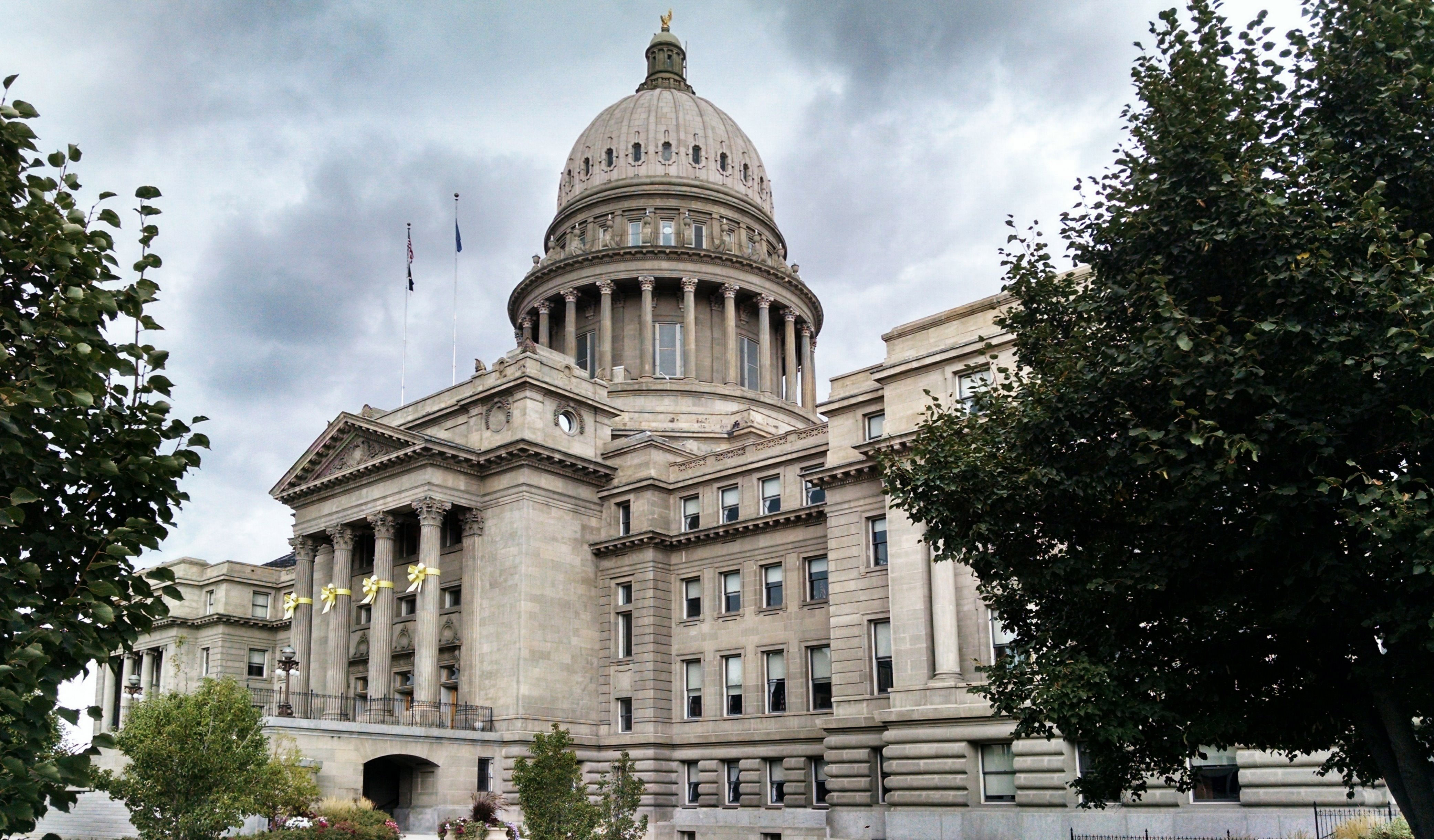
Geographical and Historical Context of Lima as Peru’s Capital
Lima’s emergence as Peru’s capital is rooted in its strategic coastal location and its pivotal role during the Spanish colonial era. Situated on the arid Pacific coast, approximately 12 kilometers south of the Rimac River estuary, Lima benefits from natural harbor advantages and a temperate climate, despite its desert surroundings. This geographical positioning facilitated its growth from a modest indigenous settlement into the administrative and cultural heart of the Viceroyalty of Peru, later evolving into the modern capital of an independent nation. The city’s historical trajectory reflects broader colonial and post-colonial dynamics, with its name and urban development deeply intertwined with pre-Hispanic, Spanish, and republican histories.Lima’s foundation in 1535 by Francisco Pizarro marked a turning point in the region’s political and economic landscape, transforming it from a modest fishing village—originally inhabited by the Rímac people (a coastal ethnic group)—into the capital of the Spanish Empire’s most prosperous colony. The city’s name derives from the indigenous term "Limaq", meaning "talker" or "speaker" in the local Quechua dialect, though some scholars associate it with the Rímac River (from Quechua Rumiyuq, meaning "red" or "abundant"). Over centuries, Lima’s urban expansion was shaped by its dual role as a religious center (home to the Archdiocese of Lima) and a commercial hub, attracting migrants from across the Spanish Empire and beyond.
Strategic Coastal Location and Colonial Foundations
Lima’s location along the Pacific coast was not merely coincidental but a deliberate choice by Spanish conquistadors. The desert terrain provided natural defenses against indigenous resistance, while the Rímac River offered a reliable water source and facilitated early trade routes. By 1541, Lima had already surpassed Cuzco—the former Inca capital—as the administrative center of the Viceroyalty, a decision formalized by Emperor Charles V. This shift reflected Spain’s need for a coastal port to manage transatlantic trade, particularly the silver shipments from Potosí, which passed through the Port of Callao (founded in 1537).The city’s layout followed Spanish urban planning principles, with a grid-based design centered on the Plaza Mayor (now Plaza de Armas), surrounded by government buildings, churches, and convents. Key colonial-era structures, such as the Cathedral of Lima (construction began in 1564) and the Real Audiencia (established in 1542), symbolized Lima’s political and ecclesiastical authority. The San Francisco Monastery, founded in 1551, became a cultural and economic powerhouse, housing one of the largest libraries in the Americas by the 18th century.
The Viceroyalty of Peru (1542–1824) encompassed modern-day Peru, Bolivia, Ecuador, parts of Chile, Argentina, and Colombia, with Lima serving as its administrative capital until independence movements dismantled the colonial order.
Indigenous Origins and Evolution of Lima’s Name
Before Spanish colonization, the area now occupied by Lima was inhabited by the Rímac people, a coastal ethnic group whose territory extended along the Pacific shore. Archaeological evidence suggests that the region was part of the Lima culture (circa 100–700 CE), known for its advanced ceramics and fishing techniques. The name "Lima" likely originated from the indigenous term "Limaq", recorded in early colonial documents, though its exact meaning remains debated.Spanish chroniclers, including Pedro Cieza de León, noted that the original settlement was a small fishing village called "Ciudad de los Reyes" (City of the Kings) at the time of its foundation in January 1535—a name chosen to honor the Three Wise Men (Magi) due to the city’s establishment on January 6, their feast day. Over time, "Lima" became the predominant designation, reflecting both its indigenous roots and Spanish linguistic assimilation. The Rímac River, a vital water source, further cemented the city’s identity, with its name appearing in early maps and legal documents as "Río de Lima."
The Lima culture (also called the Lima-Marangani culture) flourished between 100 and 700 CE, characterized by its black-on-black ceramics and coastal adaptations, predating Inca influence in the region.
Key Historical Events Solidifying Lima’s Capital Status
Lima’s trajectory from a colonial outpost to Peru’s permanent capital was shaped by critical events spanning nearly three centuries. Below is a chronological overview of milestones that reinforced its political and symbolic dominance:-
1535: Foundation of Lima
Francisco Pizarro establishes the Ciudad de los Reyes on January 18, 1535, near the indigenous settlement of Rímac. The location was chosen for its defensibility and proximity to the Pacific trade routes. -
1542: Establishment of the Viceroyalty of Peru
Emperor Charles V elevates Lima to the capital of the Viceroyalty of Peru, replacing Cuzco. This decision centralizes administrative power in the coastal region, prioritizing trade and resource extraction. -
1572: Transfer of the Inca Royal Treasury
After the execution of Túpac Amaru I (last Inca resistance leader), the Spanish relocate the Inca treasury to Lima, further consolidating the city’s economic importance. -
1609: Earthquake and Reconstruction
A devastating earthquake destroys much of Lima, prompting the Spanish Crown to enforce stricter building codes. The Plaza Mayor and Cathedral are rebuilt with seismic-resistant designs, a precedent for future urban planning. -
1746: Earthquake and Colonial Resilience
Another catastrophic earthquake (followed by a tsunami) kills thousands but spurs reconstruction efforts, including the Baroque-style facades seen in modern-day Lima. The city’s resilience cements its status as a regional powerhouse. -
1821: Declaration of Independence
On July 28, 1821, José de San Martín proclaims Peru’s independence in Lima, though Spanish resistance persists until 1824. The city remains the de facto capital under the new republic, though governance structures undergo significant transformation. -
1822–1824: Lima as a Battleground
The Battle of Junín (1824) and Battle of Ayacucho (1824) decisively end Spanish rule, but Lima’s role shifts from colonial capital to administrative hub of a sovereign nation.
Administrative Shifts: Lima Before and After Independence
The transition from colonial to republican governance in 1821 introduced profound changes to Lima’s administrative role. Below is a comparative table highlighting key differences in governance structures:| Aspect | Colonial Era (1535–1821) | Republican Era (1821–Present) | ||
|---|---|---|---|---|
| Political Authority |
|
|
| Sector | GDP Contribution (%) | Employment Rate (%) | Key Industries/Subsectors | Notable Employers/Headquarters |
|---|---|---|---|---|
| Finance & Insurance | 22.5 | 14.8 | Banking, investment funds, insurance, fintech, stock exchange operations | BCP, Interbank, Scotiabank, BVL, Credicorp Capital |
| Wholesale & Retail | 18.3 | 21.5 | Supermarkets, e-commerce, logistics, pharmaceutical distribution | Wong, Metro, SAGA Falabella, Osiptel-approved telecom retailers |
| Manufacturing | 12.1 | 10.2 | Food processing, textiles, pharmaceuticals, automotive parts | Backus (beverages), Ajegroup (textiles), Laboratorios Roemmers |
| Transport & Storage | 10.7 | 8.9 | Air freight, maritime logistics (Callao Port), urban transport, courier services | LATAM, Sky Airline, Graña y Montero (logistics), Metro de Lima |
| Professional Services | 9 |
Cultural and Symbolic Representation of Lima
Lima stands as the epicenter of Peru’s cultural and symbolic identity, where indigenous traditions, colonial heritage, and modern influences converge to shape a unique national narrative. As the capital, the city embodies the country’s historical resilience, artistic expression, and gastronomic legacy, serving as a living museum of Peruvian civilization. Its landmarks, festivals, and culinary innovations not only preserve cultural memory but also project Lima’s role as a unifying symbol for Peruvians worldwide.Architectural Landmarks and Their Symbolic Significance
Lima’s urban landscape is a testament to Peru’s layered history, where each architectural monument reflects a distinct era while contributing to a cohesive national identity. The city’s colonial core, particularly the Plaza Mayor (Plaza de Armas), serves as the geographical and symbolic heart of Lima, marking the site of the city’s founding by Francisco Pizarro in 1535. Surrounding the plaza, structures such as the Lima Cathedral—built between 1535 and 1622—exemplify Spanish Baroque and Renaissance fusion, housing relics like the Tunic of the Lord of Qoyllur Rit’i, a sacred Andean-Christian artifact. Nearby, the Palacio de Gobierno (Presidential Palace) and Cabildo de Lima (City Hall) symbolize the administrative continuity from viceregal times to modern governance, reinforcing Lima’s role as the political and spiritual capital.Beyond the colonial era, Lima’s Republic Square (Plaza de la República) and San Francisco Monastery—with its catacombs and colonial library—highlight the transition to independence and the blending of indigenous and European aesthetics. Modern additions, such as the Museo de Arte de Lima (MALI) and Centro Cultural de España en Lima, further underscore the city’s evolution into a cultural hub, where contemporary art dialogues with historical narratives. The Larco Museum, housed in a 16th-century vice-royal palace, merges archaeology and erotic art from pre-Columbian eras, challenging conventional perceptions of Peruvian identity and emphasizing the city’s role as a guardian of diverse cultural expressions.
Traditional Festivals and Their Historical Roots
Lima’s calendar is punctuated by festivals that intertwine indigenous, colonial, and republican traditions, often reenacting pivotal moments in Peruvian history while preserving ancestral customs. The Inti Raymi, celebrated on June 24 in Huaca Pucllana (a pre-Inca ceremonial site in Miraflores), is a modern revival of the Inca sun festival, adapted to Lima’s urban context. Though originally an Andean ritual, its incorporation into the capital’s cultural repertoire reflects Peru’s syncretic identity, where indigenous roots are honored alongside Catholic influences. Similarly, Independence Day (Fiestas Patrias, July 28–29) transforms Lima into a festive stage, with military parades in Parque de la Muralla, fireworks over the Rímac River, and the Cambio de Guardia at the Presidential Palace, commemorating the 1821 declaration of independence from Spain.Religious festivals further illustrate Lima’s cultural synthesis. The Lord of the Earthquakes (Señor de los Milagros) procession on October 28 draws millions to the San Marcos Monastery, blending Afro-Peruvian devotion with colonial art, as devotees venerate a miraculous image believed to have protected Lima from a devastating 1687 earthquake. Meanwhile, the Pilgrimage to the Virgin of Chapi (January 15) in the Chapi District showcases rural-urban connections, with pilgrims traveling from across Peru to honor the patron saint of miners, highlighting Lima’s role as a spiritual crossroads.
Lima’s Gastronomic Influence and Iconic Dishes
Lima’s culinary legacy is inseparable from its identity as Peru’s capital, where indigenous ingredients, Spanish techniques, and Asian immigration fused to create a global gastronomic movement. The city is the birthplace of ceviche, a dish that transcends borders yet remains a national pride symbol. Born in Chorrillos in the early 20th century, ceviche—raw fish "cooked" in citrus juice with ají peppers—embodies Peru’s coastal heritage and the ingenuity of using local resources. Similarly, lomo saltado, a stir-fry of beef, onions, and tomatoes served with fries, reflects Lima’s multiculturalism, combining Chinese wok cooking with Andean ingredients and Spanish colonial flavors.Other iconic dishes underscore Lima’s role as a culinary innovator:
Lima’s Mercado de Surquillo and Mercado de Belén serve as living archives of Peruvian gastronomy, where street food vendors and high-end restaurants alike preserve techniques passed down through generations. The city’s Gastronomic Week (Semana Gastronómica) and Mistura Festival further cement its status as a UNESCO Creative City of Gastronomy, where culinary traditions are both celebrated and reimagined.
Architectural Fusion: Colonial, Republican, and Modern Lima
Lima’s skyline is a palimpsest of styles, each layer narrating a chapter of Peruvian history while coexisting in harmonious tension. The colonial grid, centered on the Plaza Mayor, radiates outward in orthogonal streets, a legacy of Spanish urban planning designed for administrative control. Buildings like the Convento de San Francisco and Casa de Pilatos feature Baroque facades, plasterwork (yeserías), and hidden courtyards, techniques imported from Spain but adapted to Lima’s seismic challenges with flexible, earthquake-resistant designs.The Republican era (19th–early 20th century) introduced Neoclassical and Eclectic influences, visible in structures like the Palacio de Justicia and Teatro Municipal, which embodied the nation’s post-independence aspirations. These buildings often incorporated Andean motifs, such as trabeated doorways or ceramic tile work, subtly asserting indigenous heritage alongside European grandeur. The early 20th century saw the rise of Art Nouveau and Beaux-Arts styles in Lima’s bourgeois districts, exemplified by the Edificio Municipal and Casa de Osambela, reflecting the city’s growing economic confidence and cultural cosmopolitanism.
Modern Lima, particularly in districts like San Isidro and Miraflores, blends International Style and Postmodernism with indigenous elements. The Museo de Arte de Lima (MALI), designed by Juan Grompone, uses geometric forms and glass facades to contrast with its colonial surroundings, while the Jockey Plaza shopping center incorporates pre-Columbian motifs into its steel-and-glass structure. Even informal settlements in Barranco repurpose colonial-era adobe walls with modern graffiti, creating a dynamic dialogue between past and present. This architectural syncretism mirrors Peru’s national identity: a society that honors its roots while embracing innovation, where every street corner tells a story of resilience and creativity.

Challenges and Controversies Surrounding Lima’s Capital Status
Lima’s role as Peru’s capital has long been central to the nation’s political, economic, and cultural identity, yet its dominance also exposes structural vulnerabilities. Urban sprawl, governance inefficiencies, and debates over decentralization have intensified scrutiny over whether Lima’s centralized functions align with modern administrative needs. While the city’s concentration of power drives growth, it also exacerbates disparities—such as traffic congestion that ranks among the worst in Latin America—and fuels regional tensions. Infrastructure failures and political scandals have further eroded public trust, prompting proposals for reform that range from metropolitan expansion to partial relocation of capital functions. This section examines the urban and political challenges Lima faces, the decentralization debates, and potential solutions grounded in expert analysis and case studies.Urban Challenges and Their Impact on Daily Life
Lima’s rapid urbanization, driven by internal migration and economic centralization, has outpaced infrastructure development, creating systemic inefficiencies. The city’s traffic congestion is a defining issue, with an average daily loss of 2.5 hours per commuter due to gridlock, costing the economy an estimated $2.5 billion annually (Economic Commission for Latin America and the Caribbean, 2022). Air pollution ranks among the highest in South America, with PM2.5 levels exceeding WHO safety thresholds by 50% in 2023, linked to respiratory diseases affecting 3.2 million residents (Peruvian Ministry of Environment). These challenges disproportionately burden low-income populations, who rely on informal transport and lack access to green spaces—only 1.5% of Lima’s urban area is parkland, compared to 15% in Bogotá (UN-Habitat, 2021).The water crisis further compounds urban stress, with 60% of Lima’s supply sourced from the Rímac River, which faces contamination and seasonal droughts. 6 million residents experience intermittent water cuts, while 30% of the population relies on tanker trucks—a system plagued by corruption and price gouging (Transparency International Peru, 2023). Waste management is equally critical; only 30% of solid waste is collected, with 1,200 tons of garbage dumped daily in informal sites, contributing to flooding and disease outbreaks (Ministry of Development and Social Inclusion, 2022). These issues are exacerbated by spatial inequality: 80% of green spaces and cultural infrastructure are concentrated in Miraflores and San Isidro, while districts like Callao and Villa El Salvador lack basic services.
"Lima’s urban challenges are not just logistical—they reflect a governance model that prioritizes short-term economic gains over equitable development. The city’s infrastructure deficit is a symptom of chronic underinvestment in public transport, housing, and environmental resilience." — Dr. María Eugenia Ulfe, Urban Planning Expert, Pontificia Universidad Católica del Perú
Decentralization Debates: Arguments for and Against Shifting Capital Functions
The concentration of political and economic power in Lima has long been a contentious topic, with regional cities like Cusco, Arequipa, and Trujillo advocating for decentralization. Proponents argue that Lima’s dominance stifles regional development, as 80% of public investment remains in the capital, leaving 13% of Peru’s municipalities without basic infrastructure (National Institute for the Development of People, 2021). For example, Cusco’s tourism sector, which generates $3.5 billion annually, faces bottlenecks due to the lack of a second international airport, while Arequipa’s textile industry struggles with export logistics from Lima’s congested ports.Opponents counter that partial decentralization risks administrative fragmentation, citing the 2019 attempt to move the Legislative Palace to Huancayo, which was abandoned due to logistical and security concerns. Dr. Pablo Secada, Political Scientist at Universidad del Pacífico, notes:
"Decentralization without institutional capacity is counterproductive. Lima’s capital functions—such as the presidency, Congress, and Supreme Court—require centralized coordination. Scattered governance would weaken Peru’s ability to respond to crises, as seen in the 2021 political unrest when regional governments lacked coordination."Key arguments in the debate include:
Infrastructure Failures and Political Scandals Undermining Lima’s Governance
Lima’s capital status has been repeatedly challenged by high-profile infrastructure collapses and corruption scandals, which have eroded public trust. Notable examples include:These failures have fueled demands for independent oversight and participatory budgeting. A 2023 survey by Ipsos Peru revealed that 68% of Lima residents distrust municipal governance, with 45% supporting the creation of a regional capital council to distribute functions.
Proposed Solutions to Address Lima’s Capital-Related Challenges
Experts and policymakers have proposed structural, infrastructural, and governance reforms to mitigate Lima’s challenges while preserving its capital role. Below are categorized solutions with expert commentary:1. Metropolitan and Transport Reforms
Lima’s public transport system is fragmented, with formal and informal operators competing in a $2 billion annual market (Ministry of Transport, 2023). Solutions include:"Lima’s transport crisis is solvable, but it requires political will and long-term funding. The success of Medellín’s metro expansion shows that integrated systems can transform urban mobility—but Peru lacks a national transport authority to coordinate investments." — Ing. Carlos Dargent, Urban Mobility Specialist, IDB Lab
2. Zoning and Urban Planning Reforms
Lima’s unregulated expansion has led to informal settlements covering 30% of the metropolitan area (UN-Habitat). Proposed reforms include:Lima’s Global Standing and Tourist Perception
Lima’s position as Peru’s capital has positioned it as a pivotal urban hub in Latin America, shaping its global reputation in tourism, business, and cultural influence. Unlike other regional capitals such as Mexico City or Bogotá, Lima’s international perception is increasingly defined by its dual identity as a dynamic economic center and a destination for gastronomic and cultural exploration. This section examines Lima’s comparative standing in tourism and business, its economic and symbolic contributions to global branding, and the perspectives of travelers who shape its capital identity.Lima’s global recognition has evolved significantly over the past two decades, transitioning from a city primarily associated with administrative functions to one celebrated for its culinary excellence, vibrant arts scene, and growing role in international trade. While Mexico City and Bogotá are often highlighted for their historical landmarks and political significance, Lima distinguishes itself through its modern urban development, UNESCO-listed heritage sites, and a tourism sector that has seen substantial growth. The city’s ability to leverage its capital status—combined with strategic investments in infrastructure and cultural promotion—has elevated its profile in global rankings, particularly in gastronomy and film festivals.
Comparative Analysis with Other Latin American Capitals
Lima’s international standing in tourism and business is shaped by distinct competitive advantages and challenges when benchmarked against Mexico City, Bogotá, and other regional capitals. While Mexico City leads in visitor numbers due to its iconic landmarks (e.g., Teotihuacán, Frida Kahlo Museum) and proximity to major international flights, Lima’s appeal lies in its niche strengths: culinary tourism, film festivals, and historical preservation.A 2023 report by the World Travel & Tourism Council (WTTC) ranked Lima among the top 10 fastest-growing tourism destinations in Latin America, with an annual growth rate of 8.5% in international arrivals between 2018 and 2023. In contrast, Mexico City’s tourism growth averaged 6.2% during the same period, reflecting Lima’s aggressive marketing of its gastronomic heritage (e.g., being named the World’s Culinary Capital by the World Tourism Organization in 2015) and film festivals (e.g., Lima Film Festival, Latin America’s largest). Bogotá, while culturally rich, faces challenges in safety perceptions and infrastructure, which have limited its tourism expansion compared to Lima’s targeted promotions.
Key comparative metrics (2023 data):
| Metric | Lima | Mexico City | Bogotá |
|---|---|---|---|
| International Tourist Arrivals (annual) | 4.2 million | 12.5 million | 2.8 million |
| Tourism Revenue Contribution to GDP (%) | 4.8% | 3.5% | 2.1% |
| UNESCO World Heritage Sites in City Limits | 2 (Historic Center of Lima, Chan Chan) | 3 (Historic Center, Xochimilco, Teotihuacán nearby) | 1 (Historic Center of Bogotá) |
| Global Gastronomy Rankings (Michelin Guide, 2023) | Top 3 in Latin America (12 Michelin-starred restaurants) | Top 5 (9 Michelin-starred restaurants) | Not ranked in top 10 |
Tourism Growth and Economic Contributions
Lima’s tourism sector has experienced exponential growth, driven by its capital city advantages—centralized governance, infrastructure investments, and a diversified offering beyond traditional beach destinations. The city’s international visitor arrivals surged from 1.8 million in 2010 to 4.2 million in 2023, with 45% of tourists visiting specifically for cultural and gastronomic experiences, according to PromPerú (Peru’s tourism promotion agency).The economic impact of tourism in Lima is multifaceted:
Lima’s dominance in Peruvian tourism is evident when compared to other destinations:
The city’s gastronomy-led tourism is a standout factor: 60% of international tourists cite Lima’s restaurants (e.g., Central, Maido) as a primary reason for visiting, with food and beverage tourism contributing USD 1.5 billion annually. This has positioned Lima as a year-round destination, unlike seasonal tourist hubs in Peru.
Global Branding and Media Portrayal
Lima’s capital status has been instrumental in shaping its global branding, leveraging high-profile events, media recognition, and cultural exports to transcend its regional identity. The city’s strategic positioning in gastronomy, film, and urban innovation has earned it accolades that rival other Latin American capitals.Key branding pillars:
Media portrayal of Lima has shifted from stereotypes of pollution and congestion (common in the 1990s) to aspirational narratives of reinvention. Publications such as The Guardian and Condé Nast Traveler frequently feature Lima in "Best Cities to Visit" lists, highlighting:
However, challenges persist in media bias, particularly regarding safety perceptions. While Lima’s tourist areas (e.g., Miraflores, San Isidro) are consistently rated as safe, peripheral districts (e.g., Callao, parts of Cercado) receive disproportionate negative coverage, influencing global travel advisories. Organizations like Visit Lima actively counter this through digital campaigns (e.g., #LimaSafe) and partnerships with influencer tourism programs.
Traveler Reviews and Perceptions of Lima’s Capital IdentityLima’s position as Peru’s capital is a testament to its enduring resilience and adaptability, from its origins as a colonial stronghold to its current status as a global cultural and economic player. While challenges such as urban congestion and decentralization debates persist, the city’s ability to innovate—through infrastructure projects, gastronomic prestige, and political leadership—solidifies its indispensable role in national progress. As Lima continues to redefine its global standing, its legacy as the heart of Peru remains unshaken, offering a microcosm of the country’s historical depth and future aspirations. For Peru and beyond, Lima is not merely a capital but a living symbol of national cohesion and ambition.
FAQ
What is the main city in Peru?
The main city in Peru is Lima, which is also the capital. It serves as the country’s political, economic, and cultural center, with over 10 million residents in its metropolitan area.
What is the capital of Peru in Spanish?
The capital of Peru in Spanish is Lima (pronounced "LEE-ma"). It is written as "Lima" in both languages, though the pronunciation differs slightly.
What is the capital of Peru in South America?
The capital of Peru in South America is Lima. It is the largest city in the country and a major port on the Pacific coast.
What is the capital of Peru in Italian?
The capital of Peru in Italian is also Lima (pronounced "LEE-ma" in Italian). The name remains the same in both languages.
What is the capital city of Peru called?
The capital city of Peru is called Lima. It has been the capital since 1535, when Spanish conquistadors established it.
What is the capital of Peru?
The capital of Peru is Lima, located on the country’s central coast. It is the largest city in Peru and serves as its administrative and financial hub.
Leave a Comment
Comments are moderated before appearing. The data you submit is processed according to the Privacy Policy of Voltefac.