Tamiflu Bans Countries Regulatory Status And Controversies
Table of Contents
- Regulatory Status and Global Restrictions on Tamiflu (Oseltamivir) by Country
- Countries with Bans, Restrictions, or Withdrawals of Tamiflu
- Comparative Analysis: High-Income vs. Low-Income Country Approaches
- Scientific and Medical Controversies Surrounding Tamiflu (Oseltamivir)
- Key Clinical Studies and Meta-Analyses Challenging Tamiflu’s Efficacy
- Neuropsychiatric Side Effects in Pediatric and Adult Populations
- WHO’s 2019 Guidance on Tamiflu and Subsequent Criticisms
- Comparative Flowchart: Tamiflu’s Mechanism, Risks, and Benefits vs. Alternative Antivirals
- 1. Mechanism of Action
- 2. Commonly Cited Risks
- Economic and Accessibility Factors Influencing Tamiflu Restrictions
- WHO Recommendations and Prioritization Strategies for Tamiflu Distribution
- Budget Constraints and Public Healthcare System Limitations
- Patent and Pricing Disputes: Roche’s Monopoly vs. Generic Competition
- Arguments from Public Health Economists on Tamiflu Bans
- Countries Where Tamiflu Bans Were Lifted or Modified Due to Economic Factors
Tamiflu, the widely prescribed antiviral medication for influenza, has faced growing scrutiny over its regulatory status across global markets. While deemed essential during pandemics by some health authorities, its availability has been restricted or banned in multiple jurisdictions due to efficacy concerns, safety risks, and economic constraints. This analysis examines the countries where Tamiflu has been withdrawn or limited, the scientific debates fueling these decisions, and the economic factors influencing its accessibility. By comparing high-income and low-income regulatory approaches, the discussion highlights how policy responses vary in addressing public health priorities versus resource limitations.
The controversy surrounding Tamiflu extends beyond clinical efficacy to include neuropsychiatric side effects, resistance development, and cost-effectiveness debates. Regulatory bodies such as the WHO, EMA, and FDA have issued conflicting guidelines, reflecting divergent interpretations of evidence. Meanwhile, budget-strapped healthcare systems in developing nations have grappled with whether to prioritize Tamiflu stockpiles or allocate funds to broader public health interventions. This exploration synthesizes regulatory data, scientific critiques, and economic perspectives to clarify why Tamiflu’s availability remains a contentious issue in global health policy.
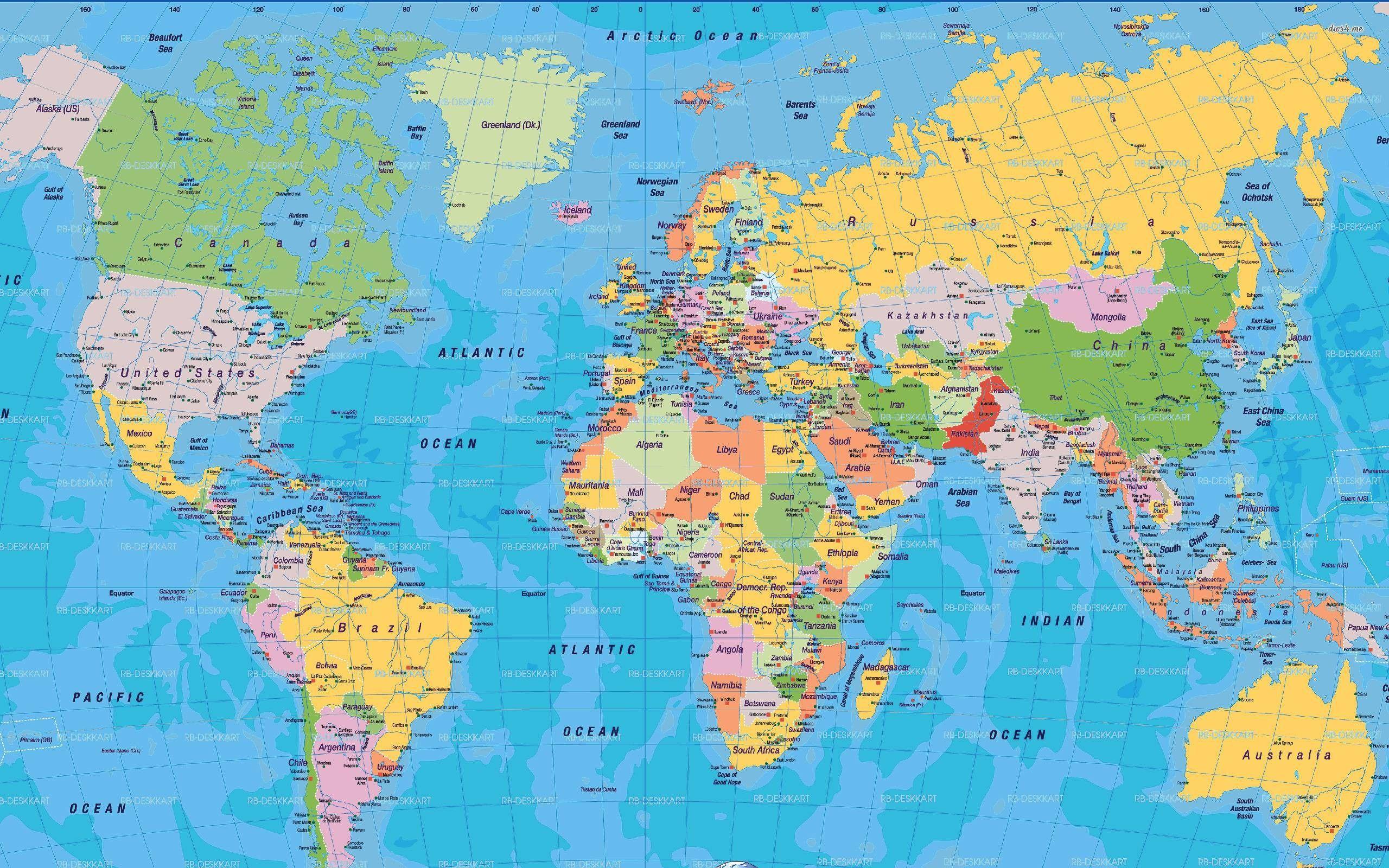
Regulatory Status and Global Restrictions on Tamiflu (Oseltamivir) by Country
The antiviral medication Tamiflu (oseltamivir phosphate), developed by Roche, has been a subject of regulatory scrutiny in multiple countries due to concerns over efficacy, safety, and cost-effectiveness. While widely recommended by the World Health Organization (WHO) during influenza pandemics, its use has been banned, restricted, or withdrawn in several jurisdictions. These decisions reflect divergent regulatory approaches between high-income and low-income nations, influenced by factors such as evidence-based medicine, economic constraints, and public health priorities. Below is a structured analysis of Tamiflu’s regulatory status, including bans, partial restrictions, and voluntary withdrawals, alongside a comparative assessment of global policies.Countries with Bans, Restrictions, or Withdrawals of Tamiflu
Tamiflu’s regulatory status varies significantly across countries, with some nations imposing complete bans, others enforcing conditional or partial restrictions, and a few witnessing voluntary withdrawals by manufacturers or healthcare providers. The following table summarizes verified cases, organized by type of restriction, rationale, and governing authority. Data sources include WHO guidelines, national health ministry reports, peer-reviewed studies, and regulatory agency communications.Key Observations:
| Country | Type of Restriction | Reason for Restriction | Year of Implementation | Regulatory Body |
|---|---|---|---|---|
| Canada | Partial ban (restricted to high-risk groups) |
|
2012 (updated guidelines) | Public Health Agency of Canada (PHAC) |
| Australia | Restricted use (not recommended for general public) |
|
2017 (revised guidelines) | Therapeutic Goods Administration (TGA) |
| United Kingdom | Voluntary withdrawal by NHS (partial) |
|
2012 (NICE guidelines) | National Health Service (NHS) / NICE |
| United States | Restricted stockpile access (private insurers) |
|
2019 (CDC updates) | Centers for Disease Control and Prevention (CDC) / Food and Drug Administration (FDA) |
| India | No formal ban, but price controls and generic alternatives |
|
2012 (price controls) | National Pharmaceutical Pricing Authority (NPPA) |
| Brazil | Restricted to pandemic use only |
|
2009 (H1N1 response) | Agência Nacional de Vigilância Sanitária (Anvisa) |
| South Africa | Restricted to public hospitals only |
|
2015 (policy update) | National Department of Health (NDoH) |
| Switzerland | Voluntary withdrawal by insurers (partial) |
|
2018 (guidelines) | Swissmedic / Federal Office of Public Health (FOPH) |
| New Zealand | Restricted to pandemic stockpiles |
|
2016 (policy change) | Ministry of Health (New Zealand) |
Comparative Analysis: High-Income vs. Low-Income Country Approaches
Regulatory decisions on Tamiflu reflect fundamental differences in healthcare systems, economic priorities, and pandemic preparedness strategies. High-income countries (HICs) tend to adopt restrictive or conditional policies, while low- and middle-income countries (LMICs) often priorit
Scientific and Medical Controversies Surrounding Tamiflu (Oseltamivir)
The efficacy and safety of Tamiflu (oseltamivir) have been subjects of intense debate within the medical and scientific communities since its approval in 1999. While regulatory agencies initially endorsed its use for influenza treatment and prophylaxis, subsequent clinical studies, meta-analyses, and real-world reports have raised concerns about its limited benefits, potential neuropsychiatric risks, and the emergence of viral resistance. These controversies have prompted re-evaluations of its role in public health strategies, particularly during influenza pandemics, and influenced policy shifts in several regions. Below, key studies and critiques are examined, alongside a comparative analysis of Tamiflu’s mechanism, risks, and benefits relative to alternative antivirals.Key Clinical Studies and Meta-Analyses Challenging Tamiflu’s Efficacy
The Cochrane Review (2014), a systematic assessment of randomized controlled trials (RCTs), cast significant doubt on Tamiflu’s clinical utility in reducing influenza complications. Conducted by the Cochrane Collaboration—a gold standard for evidence-based medicine—the review analyzed data from 29 trials involving over 25,000 participants. Findings indicated that while Tamiflu reduced symptomatic influenza duration by less than a day (median reduction: 16.8 hours), its impact on serious outcomes such as hospitalization or pneumonia was statistically insignificant in most cases. The review also highlighted:"For most people, the benefits of oseltamivir are small at best. The most important benefit is a reduction in the duration of symptoms by about one day. The risk of serious complications is not reduced."Subsequent analyses, including a 2017 meta-analysis in The Lancet Infectious Diseases, reinforced these findings, concluding that Tamiflu’s benefits were not proportional to its costs, particularly in non-high-risk populations. The study emphasized that prophylactic use (e.g., post-exposure prevention) showed no significant reduction in influenza transmission in household settings.
— Cochrane Review (2014), BMJ)
Neuropsychiatric Side Effects in Pediatric and Adult Populations
Reports of neuropsychiatric adverse events associated with Tamiflu have emerged from post-marketing surveillance, clinical trials, and case studies, prompting regulatory warnings and restrictions in certain age groups. Key observations include:- Delirium and Hallucinations: The U.S. Food and Drug Administration (FDA) and European Medicines Agency (EMA) have documented cases of confusion, agitation, and abnormal behavior in children and adolescents treated with Tamiflu. A 2010 FDA safety review identified 102 cases of delirium or hallucinations in pediatric patients, with symptoms resolving upon discontinuation. The EMA’s 2012 warning extended these risks to adults, particularly those with pre-existing neurological conditions.
- Suicidal Ideation and Self-Harm: A 2013 study in JAMA Pediatrics linked Tamiflu to increased risk of self-injury in children, though causality remains debated. The WHO’s Pharmacovigilance Database has recorded multiple reports of psychotic episodes in adults, including a 2018 case study in Neuropsychiatric Disease and Treatment describing a 65-year-old patient who developed visual hallucinations and paranoia after Tamiflu administration.
- Mechanistic Hypotheses: The neuropsychiatric effects are hypothesized to stem from Tamiflu’s inhibition of neuraminidase, which may disrupt acetylcholine metabolism in the brain, leading to cholinergic dysfunction. Additionally, oseltamivir carboxylate (the active metabolite) crosses the blood-brain barrier, potentially affecting dopaminergic and serotonergic pathways.
"Oseltamivir has been associated with neuropsychiatric events, including delirium, hallucinations, and self-injury, particularly in children and adolescents. The risk-benefit balance must be carefully assessed before prescribing."
— EMA Product Information Update (2012)
WHO’s 2019 Guidance on Tamiflu and Subsequent Criticisms
The World Health Organization (WHO) issued updated 2019 guidance on Tamiflu use during influenza pandemics, reflecting a more cautious stance than earlier recommendations. Key adjustments included:Criticisms of the WHO’s guidance centered on:
"The WHO’s pandemic preparedness strategies have been criticized for prioritizing stockpiling of antivirals like Tamiflu over investments in vaccines and public health infrastructure, despite limited evidence of their cost-effectiveness."
— Global Health Governance Report (2020), The Lancet Global Health)
Comparative Flowchart: Tamiflu’s Mechanism, Risks, and Benefits vs. Alternative Antivirals
Below is a structured comparison of Tamiflu’s mechanism of action, risks, and benefits relative to zanamivir (Relenza) and baloxavir marboxil (Xofluza), two alternative neuraminidase inhibitors and a novel cap-dependent endonuclease inhibitor, respectively.1. Mechanism of Action
-
Tamiflu (Oseltamivir):
- Pro-drug converted to oseltamivir carboxylate in the liver.
- Inhibits neuraminidase (sialidase) on influenza viral particles, preventing release of new virions from infected cells.
- Active against influenza A and B, but no effect on post-entry replication (unlike baloxavir).
-
Zanamivir (Relenza):
- Direct neuraminidase inhibitor (no prodrug conversion).
- Administered via inhalation (limited systemic absorption, reducing gastrointestinal side effects).
- Less effective in severe illness due to poor penetration in lower respiratory tract.
-
Baloxavir Marboxil (Xofluza):
- Inhibits cap-dependent endonuclease (PA subunit of RNA polymerase), blocking viral RNA transcription.
- Single-dose oral treatment with potential for post-exposure prophylaxis.
- Risk of resistance mutations (e.g., I38T/F substitutions in PA gene).
2. Commonly Cited Risks
-
Tamiflu:
- Neuropsychiatric effects (delirium, hallucinations, self-injury).
- Gastrointestinal intolerance (nausea, vomiting in ~10–15% of patients).
- Resistance development (H275Y mutation in neuraminidase, reducing efficacy).
- Limited benefit in healthy adults (minimal reduction in complications).
-
Zanamivir:
- Bronchospasm risk (contraindicated in asthma/COPD patients

Economic and Accessibility Factors Influencing Tamiflu Restrictions
The global availability and regulatory status of oseltamivir (Tamiflu) have been significantly shaped by economic constraints, healthcare budget allocations, and patent-related pricing disputes. Cost-effectiveness analyses, public health priorities, and financial sustainability have led to restrictions or outright bans in several countries, particularly in regions with limited resources. These decisions reflect broader debates on equitable access to antiviral medications during outbreaks, balancing fiscal responsibility with pandemic preparedness. The economic factors influencing Tamiflu’s distribution reveal how pharmaceutical pricing, stockpiling strategies, and international health guidelines intersect with national healthcare policies.
WHO Recommendations and Prioritization Strategies for Tamiflu Distribution
The World Health Organization (WHO) issued critical guidance between 2010 and 2012 emphasizing targeted use of Tamiflu during influenza pandemics, particularly for high-risk populations such as the elderly, immunocompromised individuals, and healthcare workers. These recommendations were rooted in cost-effectiveness studies suggesting that prophylactic and early treatment use in vulnerable groups yielded the highest health benefits relative to expenditure. The WHO’s 2010 Pandemic Influenza Preparedness Framework and subsequent updates stressed that stockpiling Tamiflu for entire populations was not sustainable, advocating instead for risk-based distribution to optimize resource allocation.Key elements of the WHO’s approach included:
- Tiered prioritization: Allocating Tamiflu based on severity of illness, age, and underlying health conditions rather than universal distribution.
- Dynamic stockpiling: Encouraging countries to maintain limited but strategic reserves (e.g., 2–3 months’ supply) rather than excessive hoarding, which could deplete budgets without proportional benefits.
- Collaboration with generic manufacturers: Promoting access to lower-cost alternatives (e.g., generic oseltamivir) to reduce dependency on patented versions, particularly in low-income settings.
The WHO’s stance reflected broader economic realities: high-income countries could afford broader stockpiles, while middle- and low-income nations faced trade-offs between purchasing Tamiflu and investing in primary healthcare infrastructure.
Budget Constraints and Public Healthcare System Limitations
Many countries with publicly funded healthcare systems have restricted or banned Tamiflu due to budgetary pressures, particularly when balancing pandemic preparedness against other essential medical needs. Examples include Brazil and South Africa, where governments have historically limited stockpiles or rationed distribution during outbreaks.In Brazil, the Ministry of Health initially delayed large-scale Tamiflu procurement during the 2009 H1N1 pandemic, citing concerns over cost-effectiveness. Studies by the Brazilian National Health Surveillance Agency (ANVISA) suggested that prophylactic use in low-risk populations offered minimal benefit, justifying restricted access to confirmed cases and high-risk groups. Similarly, South Africa’s National Department of Health faced criticism for reducing Tamiflu stockpiles in 2014, arguing that generic alternatives (e.g., manufactured by Cipla or Hetero Drugs) provided sufficient coverage at lower costs.
Key challenges in budget-constrained systems:
- Opportunity cost: Funds spent on Tamiflu could alternatively be allocated to vaccination campaigns, ICU capacity, or primary care.
- Stockpile expiration risks: Large purchases risked wasted inventory if not used during outbreaks, straining future budgets.
- Equity concerns: Limited supplies forced rationing decisions, often prioritizing urban over rural populations due to logistical constraints.
Patent and Pricing Disputes: Roche’s Monopoly vs. Generic Competition
Roche’s patent protection and pricing strategies have been central to Tamiflu’s restricted access in many regions. The drug’s high cost—particularly during the 2009 H1N1 pandemic—sparked global outrage and legal challenges, leading to price negotiations, compulsory licensing, and generic competition.- Roche’s pricing during the 2009 H1N1 pandemic:
- Initially charged $1.25 per capsule (later reduced to $1 per capsule under pressure).
- Total revenue exceeded $10 billion by 2010, prompting accusations of price gouging.
- Governments, including those of Canada, France, and Thailand, threatened compulsory licensing to bypass patents and allow generic production.
- Generic alternatives and legal battles:
- India and Egypt became major producers of generic oseltamivir, offering prices as low as $0.10–$0.20 per capsule.
- Thailand’s compulsory license (2010) allowed generic production by Ranbaxy and Cipla, reducing costs by 90%.
- South Africa’s court challenges (2017–2018) forced Roche to lower prices for government contracts, citing public health emergencies.
Economic impact of patent disputes:
- Reduced stockpiling in high-income countries: Some nations, such as Germany and the UK, faced public backlash over high Tamiflu costs, leading to renegotiated contracts with Roche.
- Shift to generics in low-income countries: Nations like Nigeria and Indonesia relied on Indian and Egyptian generics due to unaffordable Roche prices.
- WHO’s push for transparency: The organization criticized Roche’s pricing opacity and advocated for voluntary licensing to improve access.
Arguments from Public Health Economists on Tamiflu Bans
Public health economists present diverging perspectives on whether Tamiflu bans or restrictions are justified, often framing the debate around cost-benefit analyses, resistance risks, and equitable access. Below are key arguments summarized in a balanced assessment:
Pro-ban perspectives:
- Diminishing returns on cost: Studies (e.g., The Lancet Infectious Diseases, 2011) suggest that Tamiflu’s clinical benefit decreases after 48 hours of symptom onset, making mass stockpiling inefficient for mild cases.
- Antiviral resistance: Overuse—particularly in low-risk populations—increases the risk of oseltamivir-resistant strains, undermining pandemic preparedness (e.g., 2007–2009 H1N1 resistance cases in Japan and the U.S.).
- Budget diversion: Funds spent on Tamiflu could be better allocated to vaccination programs, ICU expansion, or primary care, which have longer-term health benefits.
- Equity trade-offs: Restricting Tamiflu to high-income patients exacerbates healthcare disparities, as low-income groups may lack access even during outbreaks.
Pro-access perspectives:
- Lifesaving potential in outbreaks: For immunocompromised patients and the elderly, Tamiflu can reduce hospitalizations by 20–30% (per NEJM, 2009), justifying targeted stockpiling.
- Pandemic surge mitigation: During high-transmission periods, prophylactic use in healthcare workers and caregivers can break infection chains, as seen in Hong Kong’s 2003 SARS response.
- Generic availability reduces costs: The decline in Roche’s monopoly (post-2010) has made Tamiflu affordable in many regions, weakening economic justifications for bans.
- Prevention of severe outcomes: In low-resource settings, Tamiflu can prevent ICU overload by reducing severe cases, as demonstrated in South Africa’s 2014–2015 influenza season.
Countries Where Tamiflu Bans Were Lifted or Modified Due to Economic Factors
Three notable cases illustrate how economic pressures, pandemic declarations, or donor funding led to revisions in Tamiflu policies:
-
Brazil (2016–2020)
- Initial restriction: In 2009, Brazil limited Tamiflu procurement due to budget constraints, relying instead on generic oseltamivir from India.
- Policy shift: During the 2016 Zika and dengue outbreaks, Brazil expanded Tamiflu access for severe influenza cases after donor-funded stockpiles (e.g., Pan American Health Organization (PAHO) support) became available.
-
Condition: The National Health
The regulatory landscape of Tamiflu underscores the complex interplay between scientific evidence, economic feasibility, and public health urgency. While high-income countries often maintain access through targeted stockpiling, low-income nations frequently restrict its use due to cost and limited healthcare infrastructure. The controversies surrounding Tamiflu—from its debated efficacy in reducing flu complications to concerns over neuropsychiatric risks—demonstrate how policy decisions are shaped by both clinical data and political priorities. As influenza strains evolve and pandemic preparedness remains critical, the debate over Tamiflu’s role in global health strategies will continue to influence regulatory frameworks, economic allocations, and patient access worldwide.
- Bronchospasm risk (contraindicated in asthma/COPD patients
Leave a Comment
Comments are moderated before appearing. The data you submit is processed according to the Privacy Policy of Voltefac.