What Are The Spices In Pumpkin Pie And Their Global Variations
Table of Contents
- Traditional Spices in Classic Pumpkin Pie Recipes
- Core Spices and Their Roles in Pumpkin Pie
- Comparison of Spice Ratios in American vs. British Pumpkin Pie
- Toasting Whole Spices for Homemade Pumpkin Pie Blends
- Regional Variations in Pumpkin Pie Spices: A Comparative Analysis of Global Traditions
- Spice Combinations in Regional Pumpkin Pie Traditions
- Lesser-Known Spices in Regional Pumpkin Pie Variations
- Spice Substitutions The Science Behind Spice Pairings in Pumpkin Pie Pumpkin pie’s distinctive flavor profile arises from a complex interplay between the natural sugars, fats, and volatile compounds in pumpkin and the aromatic molecules introduced through traditional spices. These spices do not merely complement the pie’s sweetness; they actively enhance its depth through chemical reactions during baking, influencing texture, aroma, and perceived sweetness. Understanding the molecular interactions between spices and pumpkin—such as the Maillard reaction, heat retention properties, and flavor compound synergy—reveals why specific spice combinations dominate classic recipes and how regional adaptations refine these dynamics. The effectiveness of spices in pumpkin pie stems from their ability to interact with the pie’s biochemical matrix, particularly its high sugar and fat content. For instance, cinnamon’s cinnamaldehyde and clove’s eugenol bind to sugar molecules, intensifying sweetness perception while masking bitterness. Meanwhile, the fat in the filling (from cream, butter, or eggs) dissolves hydrophobic flavor compounds, amplifying their aromatic release. These interactions are further modulated by baking temperature and time, where spices undergo thermal degradation, releasing additional volatile compounds that contribute to the pie’s signature aroma. Chemical Compounds in Spices and Their Flavor Synergy with Pumpkin
- The Maillard Reaction and Spice Caramelization in Baked Pumpkin Pie
- Heat Retention and Flavor Release: Ground vs. Whole Spices in Pumpkin Pie
- Sensory Analysis of Spice Combinations in Baked Pumpkin Pie
- Modern Twists: Unconventional Spices in Pumpkin Pie
- Innovative Spice Additions and Their Flavor Impact
- Themed Spice Pairings for Contemporary Pumpkin Pies
- Spice Blends and Commercial Pumpkin Pie Mixes
- Composition of Popular Commercial Pumpkin Pie Spice Blends
- Homemade vs. Store-Bought Spice Blends: A Comparative Analysis
- Modifying Commercial Mixes for Dietary Adaptations
- 1. Reducing Sugar in Commercial Mixes
- Spice Blend Variations for Dietary Needs
- FAQ
- What spices are included in traditional pumpkin pie spice?
- What are the main ingredients in pumpkin pie?
- What ingredients go into pumpkin pie filling?
- What spices are in pumpkin spice?
- What spices are in a pumpkin spice latte?
- What spices are in pumpkin spice mix?
The spices in pumpkin pie are the unsung heroes that transform a simple filling into a symphony of warmth, sweetness, and complexity. Rooted in tradition yet adaptable across cultures, these aromatic compounds—ranging from the earthy depth of cinnamon to the fiery punch of chili—elevate the pie’s character while balancing the natural sugars and fats of pumpkin. Beyond the classic American blend of nutmeg, ginger, and cloves, regional innovations introduce lesser-known ingredients like Japanese shichimi togarashi or French orange zest, each contributing a unique narrative to the dessert’s evolution. Understanding their roles, from chemical interactions to sensory contrasts, reveals how spice pairings not only define flavor but also reflect culinary heritage and modern creativity.
From the science of the Maillard reaction to the art of toasting whole spices for homemade blends, the journey of pumpkin pie spices spans history, chemistry, and cultural exchange. Whether exploring traditional ratios, regional adaptations, or avant-garde twists, this analysis dissects the layers of flavor that make pumpkin pie a timeless yet ever-evolving classic. The discussion extends beyond the oven, examining commercial blends, dietary substitutions, and the subtle adjustments that turn a basic recipe into a personalized masterpiece.
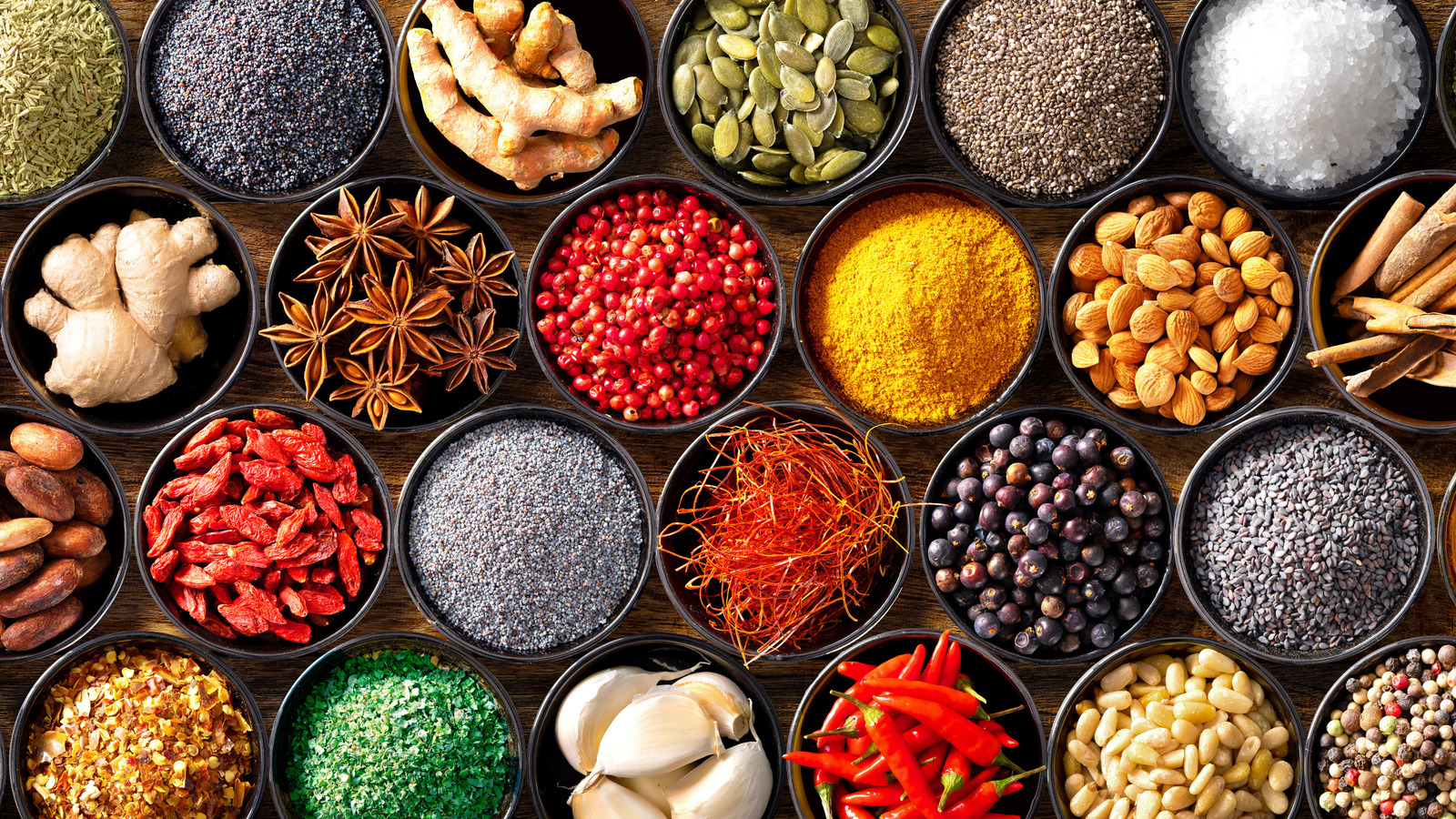
Traditional Spices in Classic Pumpkin Pie Recipes
Pumpkin pie, a staple of autumnal desserts, relies on a carefully balanced blend of spices to elevate its natural sweetness and earthy depth. Historically, the core spices—cinnamon, nutmeg, ginger, and cloves—were not only flavorful but also practical, as they possessed preservative properties that extended the shelf life of perishable ingredients like pumpkin. These spices were introduced to North America through European colonization, particularly by Dutch settlers, who adapted them from their traditional speculaas (spiced cookies) and taart (pies). The ratios and combinations of these spices have since evolved, reflecting regional culinary traditions, with American and British recipes exhibiting distinct profiles.The interplay of these spices creates a harmonious warmth that contrasts the pie’s custardy filling. Cinnamon, the most dominant spice, provides a sweet, woody aroma, while nutmeg adds a subtle, slightly peppery warmth. Ginger introduces a sharp, zesty edge, and cloves deliver a bold, aromatic punch. Together, they transform a simple pumpkin mixture into a complex, layered dessert experience.
Core Spices and Their Roles in Pumpkin Pie
The foundational spices in classic pumpkin pie serve distinct yet complementary purposes, each contributing to the pie’s signature flavor profile. Below is a breakdown of their individual characteristics and collective impact on the final product.Cinnamon
Nutmeg
Ginger
Cloves
Allspice
Mace
Comparison of Spice Ratios in American vs. British Pumpkin Pie
While both American and British pumpkin pies share the same core spices, their ratios and additional ingredients reflect distinct culinary traditions. American recipes tend to emphasize cinnamon and nutmeg for a sweeter, more robust profile, whereas British versions often incorporate allspice or mace for a subtler, more aromatic touch. The table below compares typical spice measurements in both traditions, based on standard 9-inch pie recipes.| Spice | Purpose in Pie | American Recipe (per 9-inch pie) | British Recipe (per 9-inch pie) |
|---|---|---|---|
| Cinnamon | Primary warmth and sweetness | 1–2 teaspoons (ground) or 1 cinnamon stick | ½–1 teaspoon (ground) or ½ cinnamon stick |
| Nutmeg | Subtle peppery warmth | ¼–½ teaspoon (freshly grated) | ¼ teaspoon (freshly grated) |
| Ginger | Zesty brightness | ½–1 teaspoon (ground) | ¼–½ teaspoon (ground) |
| Cloves | Bold aromatic depth | ¼–½ teaspoon (ground) or 2–3 whole cloves | Pinch (⅛ teaspoon) or 1 whole clove |
| Allspice | Complex, blended warmth | Rarely used | ½–1 teaspoon (ground) |
| Mace | Floral, citrusy brightness | Not used | ¼ teaspoon (ground) |
| Cardamom | Citrusy, slightly minty note | Not used | Pinch (⅛ teaspoon) or 1 green cardamom pod (toasted) |
Toasting Whole Spices for Homemade Pumpkin Pie Blends
Toasting whole spices enhances their aromatic oils, deepening their flavor and reducing bitterness. This method is particularly effective for spices like star anise, cardamom, and whole cloves, which are sometimes used in gourmet or regional pumpkin pie variations. Proper toasting requires precise temperature control and timing to avoid burning, which can impart a harsh, acrid taste.Equipment Needed:
Step-by-Step Process:
1. Preparation:
2. Drying:
3. Temperature Control:
Regional Variations in Pumpkin Pie Spices: A Comparative Analysis of Global Traditions
Pumpkin pie, while often associated with North American autumnal cuisine, exhibits remarkable diversity in spice profiles across cultures. Regional adaptations reflect local ingredient availability, historical trade routes, and culinary traditions, resulting in variations that extend far beyond the classic cinnamon-nutmeg-allspice blend. These differences highlight how spices interact with indigenous flavors—such as the umami depth of Japanese kabocha pies or the citrus brightness of French tarte à la citrouille—to redefine the dessert’s identity. Understanding these variations provides insight into how cultural exchange and dietary restrictions have shaped modern pumpkin pie recipes, while also revealing lesser-known spices that elevate traditional preparations.The following sections explore the spice compositions of regional pumpkin pies, lesser-used aromatic ingredients, and practical substitutions for dietary adaptations. A comparative table further illustrates how cultural ingredients—such as pumpkin seed powder or vanilla bean—reshape the spice profile in non-Western contexts, demonstrating the dessert’s global versatility.
Spice Combinations in Regional Pumpkin Pie Traditions
Regional pumpkin pies often prioritize spices that complement local pumpkin varieties and climate-influenced flavors. Below is a comparative overview of key regional adaptations, emphasizing how spice selection aligns with culinary heritage and ingredient accessibility.-
North America (Classic Pumpkin Pie)
The foundational spice blend—cinnamon, nutmeg, ginger, and cloves—traces back to European settlers’ adaptations of British and Dutch recipes. Allspice and black pepper are occasionally included for warmth, while cardamom or mace may appear in regional variations (e.g., New England). The use of pumpkin puree (often from Cucurbita pepo or C. moschata) ensures a neutral base that allows spices to dominate. -
Japan (Kabocha Pie)
Japanese kabocha (winter squash) pies incorporate shichimi togarashi (a chili-flavored seven-spice blend) for heat and complexity, alongside sesame seeds and mirin for sweetness. Star anise and Chinese five-spice powder (star anise, cinnamon, cloves, fennel, and pepper) add depth, while green tea powder or matcha may be used to balance richness. The result is a pie with earthy, slightly spicy, and umami-forward characteristics. -
France (Tarte à la Citrouille)
French preparations often feature orange zest and candied orange peel for citrus brightness, paired with vanilla bean and anise (via aniseed or licorice root). Nutmeg and cinnamon remain staples, but saffron or bourbon vanilla may be used in luxury versions. The crust frequently includes almond flour or buckwheat, introducing nutty undertones. -
Mexico (Pastel de Calabaza)
Mexican pumpkin pies (pasteles or pan de calabaza) blend Mexican cinnamon (canela), ancho chili powder, and cocoa nibs for a molé-like depth. Piloncillo (unrefined cane sugar) adds caramelized notes, while ají amarillo (yellow chili) or achiote may be incorporated for color and heat. The use of mashed pumpkin seeds as a thickener introduces a toasted, nutty contrast. -
India (Kaddu ka Halwa or Pumpkin Pudding)
Indian adaptations often replace traditional pie crusts with semolina (sooji) or rice flour, and spices include cardamom, fennel seeds, and rose water. Saffron strands or turmeric may tint the filling, while ghee enhances richness. In some regions, black pepper and cloves are added for warmth, creating a fragrant, aromatic profile distinct from Western pies. -
Scandinavia (Kalkon or Pumpkin Cake)
Scandinavian versions frequently use aquavit or cardamom for a herbal, slightly boozy note, alongside cinnamon and allspice. Dried cranberries or lingonberry jam are common additions, and the crust may include rye flour or barley malt for a malty, rustic texture.
Lesser-Known Spices in Regional Pumpkin Pie Variations
Beyond the standard cinnamon-nutmeg-ginger trio, several spices—often tied to specific regions or historical trade—contribute unique dimensions to pumpkin pies. These ingredients are less common in mainstream recipes but play critical roles in regional authenticity.-
Allspice (Pimenta dioica)
Origin: Jamaica and the Caribbean.
Note: Substitutes include a 1:1 blend of cinnamon, cloves, and nutmeg (though allspice’s singular warmth is harder to replicate).
Flavor: A warm, clove-like aroma with hints of nutmeg and cinnamon, often described as "one spice." Used in North American colonial pies and Mexican pasteles to deepen complexity. -
Coriander Seeds (Coriandrum sativum)
Origin: Mediterranean and Middle East; naturalized in India.
Note: Ground coriander loses potency; toast seeds lightly before grinding for optimal flavor.
Flavor: Citrusy, slightly floral with a nutty undertone when toasted. Common in Indian kaddu ka halwa and Mexican pumpkin desserts to cut sweetness. -
Black Pepper (Piper nigrum)
Origin: India; widely traded via the Silk Road.
Note: Use freshly cracked peppercorns (not pre-ground) for intensity; pair with salt to enhance perceived sweetness.
Flavor: Sharp, piquant heat that contrasts sweetness. Found in Indian and Scandinavian pies, where it balances richness. -
Star Anise (Illicium verum)
Origin: China and Vietnam.
Note: Substitute with 1 tsp aniseed per star anise, but avoid overuse—licorice can dominate.
Flavor: Licorice-like, sweet, and slightly floral. Essential in Japanese kabocha pies and French tarte à la citrouille for depth. -
Fennel Seeds (Foeniculum vulgare)
Origin: Mediterranean and South Asia.
Note: Lightly toast seeds to reduce bitterness; 1 tsp ground fennel ≈ ½ tsp aniseed.
Flavor: Anise-like sweetness with a celery-like freshness. Used in Indian and Italian pumpkin desserts to brighten the profile. -
Mace (Myristica fragrans)
Origin: Indonesia and Sri Lanka.
Note: Substitute with nutmeg, but reduce quantity by 30%—mace’s flavor is more delicate.
Flavor: Sweeter, more floral than nutmeg, with citrusy notes. Historically used in Dutch colonial pies and Caribbean variations. -
Cardamom (Elettaria cardamomum)
Origin: India and Guatemala.
Note: Green cardamom is preferred; black cardamom adds a smoky edge.
Flavor: Citrusy, minty, and slightly floral. A staple in Scandinavian and Indian pies, where it elevates warmth without heaviness. -
Pumpkin Seed Powder (Cucurbita spp.)
Origin: Mesoamerica (domesticated for millennia).
Note: Replace 1 tbsp pumpkin puree with 1 tsp seed powder for texture and depth.
Flavor: Toasted, nutty, and slightly earthy. Used in Mexican and Central American pies as a thickener and flavor enhancer.
Spice Substitutions

The Science Behind Spice Pairings in Pumpkin Pie
Pumpkin pie’s distinctive flavor profile arises from a complex interplay between the natural sugars, fats, and volatile compounds in pumpkin and the aromatic molecules introduced through traditional spices. These spices do not merely complement the pie’s sweetness; they actively enhance its depth through chemical reactions during baking, influencing texture, aroma, and perceived sweetness. Understanding the molecular interactions between spices and pumpkin—such as the Maillard reaction, heat retention properties, and flavor compound synergy—reveals why specific spice combinations dominate classic recipes and how regional adaptations refine these dynamics.The effectiveness of spices in pumpkin pie stems from their ability to interact with the pie’s biochemical matrix, particularly its high sugar and fat content. For instance, cinnamon’s cinnamaldehyde and clove’s eugenol bind to sugar molecules, intensifying sweetness perception while masking bitterness. Meanwhile, the fat in the filling (from cream, butter, or eggs) dissolves hydrophobic flavor compounds, amplifying their aromatic release. These interactions are further modulated by baking temperature and time, where spices undergo thermal degradation, releasing additional volatile compounds that contribute to the pie’s signature aroma.
Chemical Compounds in Spices and Their Flavor Synergy with Pumpkin
The aromatic and gustatory properties of pumpkin pie spices derive from specific bioactive compounds that interact with the pie’s biochemical components. Below are key spices and their primary flavor-active molecules, along with their roles in enhancing pumpkin’s natural profile:
-
Cinnamon (Cinnamomum spp.)
Contains cinnamaldehyde (90% of its essential oil), which binds to sweet taste receptors (T1R2/T1R3), amplifying perceived sweetness while providing a warm, woody note. Its aldehyde group also reacts with reducing sugars in pumpkin during baking, contributing to caramelization.
-
Ginger (Zingiber officinale)
Rich in gingerols and shogaols, which exhibit sharp, peppery, and slightly citrusy flavors. These compounds stimulate trigeminal receptors (TRPA1), creating a "heat" sensation that contrasts with cinnamon’s sweetness, balancing the pie’s flavor.
-
Cloves (Syzygium aromaticum)
Eugenol (80–90% of its oil) acts as a natural antimicrobial and enhances sweetness perception by modulating bitter taste receptors (T2Rs). Its phenolic structure also contributes to the pie’s deep, smoky aroma when heated.
-
Nutmeg (Myristica fragrans)
Contains myristicin and elemicin, which provide earthy, slightly floral notes. These compounds interact with fatty acids in the pie filling, enhancing mouthfeel and aroma persistence.
-
Allspice (Pimenta dioica)
Composed of eugenol (60–80%), chavicol, and caryophyllene, it mimics a blend of cinnamon, clove, and nutmeg. Its high eugenol content reinforces sweetness while adding a subtle piney complexity.
-
Cardamom (Elettaria cardamomum)
1,8-Cineole (eucalyptol) and terpinyl acetate contribute citrusy, minty, and camphoraceous notes, which cut through the richness of pumpkin, adding brightness and preventing flavor fatigue.
These compounds not only define the pie’s taste but also influence its aroma profile through volatile release during baking. For example, ginger’s zingiberene and cinnamon’s cinnamyl acetate are more volatile than nutmeg’s safrole, meaning they evaporate faster, contributing to the pie’s initial aroma, while nutmeg’s compounds linger, providing a long-lasting finish.
The Maillard Reaction and Spice Caramelization in Baked Pumpkin Pie
The Maillard reaction—a non-enzymatic browning process between amino acids and reducing sugars—plays a critical role in developing the color, aroma, and flavor of baked pumpkin pie. When spices are incorporated into the filling, their phenolic compounds (e.g., eugenol in cloves) and sugar molecules participate in this reaction, producing hundreds of new flavor and aroma compounds. Below is a simplified flowchart of the process:
Maillard Reaction in Pumpkin Pie Spices
1. Initiation Phase (Preheating, ~140–165°C / 284–330°F)
Spices release moisture and volatile oils (e.g., cinnamaldehyde from cinnamon).
Pumpkin’s free amino acids (e.g., lysine, arginine) and reducing sugars (fructose, glucose) begin reacting with spice phenols.
2. Intermediate Phase (Baking, ~165–180°C / 330–356°F)
Formation of pyrazines (nutty, roasted notes) and thiazoles (meaty, toasted aromas) from amino acid degradation.
Spice-specific compounds (e.g., gingerols → shogaols) undergo isomerization, enhancing pungency.
3. Advanced Phase (Final Baking, >180°C / 356°F)
Strecker degradation of amino acids produces aldehydes (e.g., vanillin-like compounds from cinnamon).
Melanoidins form, contributing to the pie’s deep brown color and umami depth.
4. Aroma Release (Cooling Phase)
Volatile compounds (e.g., 2-acetyl-1-pyrroline from Maillard products) evaporate, releasing complex aromas.
Fats in the filling dissolve hydrophobic spices (e.g., nutmeg’s myristicin), prolonging flavor release.
The result is a multi-layered sensory experience: the initial sweetness of pumpkin is amplified by caramelized spices, while the Maillard products introduce nutty, toasted, and slightly bitter notes that prevent flavor monotony. For example, cinnamon’s cinnamyl aldehyde reacts with pumpkin’s sugars to form 2-hydroxy-3-methyl-2-cyclopenten-1-one (HMCP), a compound associated with caramel and toasted flavors.
Heat Retention and Flavor Release: Ground vs. Whole Spices in Pumpkin Pie
The physical form of spices—ground versus whole—significantly impacts their flavor release during baking, affecting both immediate aroma and long-term taste persistence. Ground spices have a larger surface area, leading to faster heat penetration and earlier volatile release, while whole spices require prolonged exposure to achieve optimal extraction.
-
Ground Spices: Rapid Flavor Infusion and Early Aroma
- Advantages:
- Faster dissolution in the pie’s fat matrix (e.g., butter, cream), allowing immediate interaction with pumpkin’s sugars.
- Higher initial aroma due to rapid release of volatile oils (e.g., cinnamaldehyde evaporates quickly at high temperatures).
- Uniform distribution in the filling, ensuring consistent flavor throughout.
- Disadvantages:
- Over-extraction risk if baked too long, leading to bitterness (e.g., excessive ginger or clove can taste harsh).
- Limited long-term aroma as volatile compounds dissipate faster than in whole spices.
-
Whole Spices: Delayed but Prolonged Flavor Development
- Advantages:
- Gradual release of flavor compounds, preventing overpowering bitterness and allowing spices to "mature" during baking.
- Sustained aroma post-baking, as spices continue to leach oils into the filling over time (e.g., whole nutmeg releases myristicin slowly).
- Textural contrast, adding slight crunch or visual appeal (e.g., star anise or whole cloves in the crust).
- Disadvantages:
- Uneven distribution if not finely crushed, leading to flavor pockets.
- Requires longer baking to achieve full extraction, risking uneven cooking in the pie.
Practical Implications for Baking:
Ground spices are ideal for quick, intense flavor (e.g., commercial pies where texture is uniform).
Whole spices excel in artisanal or slow-baked pies, where flavor complexity is prioritized over speed.
Hybrid approaches (e.g., lightly toasting whole spices before grinding) balance immediate aroma with prolonged release.
Sensory Analysis of Spice Combinations in Baked Pumpkin Pie
The sensory experience of pumpkin pie is shaped by the contrast and complementarity of spice flavors, where sweet, sharp, and earthy notes create
Modern Twists: Unconventional Spices in Pumpkin Pie
The evolution of pumpkin pie reflects broader culinary trends toward global fusion and experimental flavor profiles. Contemporary bakers and pastry chefs have expanded beyond traditional cinnamon, nutmeg, and ginger to incorporate spices from diverse cuisines, creating bold, layered, and unexpected taste experiences. These innovations often draw from regional spice traditions—such as Middle Eastern, Latin American, or Asian influences—while maintaining the dessert’s signature balance of sweetness and warmth. The integration of unconventional spices introduces complexity, from smoky depth to citrusy brightness, challenging conventional expectations while preserving the pie’s core identity.The selection of modern spices in pumpkin pie is guided by complementary flavor principles: heat, aromatic intensity, or acidity. For instance, spices like smoked paprika or black cardamom introduce earthy or floral notes that contrast with pumpkin’s natural sweetness, while citrus zest or sumac add a tangy lift. The following sections explore specific spice pairings, their flavor impacts, and practical techniques for infusion, including adjustments for varying heat tolerances.
Innovative Spice Additions and Their Flavor Impact
Contemporary pumpkin pie recipes leverage spices that are either underutilized in Western baking or entirely novel to the dessert. These additions serve distinct purposes—enhancing texture, introducing aromatic complexity, or creating a sensory bridge between sweet and savory. Below are notable examples categorized by their primary flavor contribution:
Key Considerations for Spice Integration:
Heat Balance: Spices like cayenne or black pepper should be introduced gradually, with taste testing at each stage.
Aromatic Depth: Whole spices (e.g., star anise, cardamom pods) require infusion methods to release oils effectively.
Acidity/Tang: Sumac, za’atar, or citrus zest counteract pumpkin’s richness without overpowering.
-
Smoky and Earthy Spices
- Smoked Paprika: Adds a subtle charred quality reminiscent of barbecue or chili, ideal for "smoked bourbon" or "mesquite-glazed" pies. Pair with brown sugar and blackstrap molasses for a caramelized depth.
- Sumac: A tart, lemony spice from the Middle East that brightens the pie with a citrusy tang. Use sparingly (¼ tsp per pie) to avoid over-acidifying the filling.
- Za’atar: A blend of thyme, sesame, and sumac, offering a nutty, herby contrast. Best suited for savory-sweet variations, such as those incorporating goat cheese or caramelized onions.
-
Floral and Exotic Spices
- Cardamom (Green or Black): Green cardamom contributes a floral, minty sweetness, while black cardamom adds a smoky, camphor-like warmth. Black cardamom is particularly effective in "chai-spiced" pies, paired with cloves and fennel.
- Saffron: Infuses a luxurious golden hue and a honeyed, slightly metallic aroma. Use ¼ tsp steeped in warm pumpkin purée for 10 minutes to avoid bitterness.
- Rosewater or Orange Blossom Water: Adds a delicate floral note, commonly used in Middle Eastern or Mediterranean-inspired desserts. Limit to ½ tsp to prevent artificial aftertaste.
-
Warm and Pungent Spices
- Cayenne or Chili Powder: Introduces heat that cuts through the sweetness, balancing the filling. For mild heat, use ⅛ tsp cayenne; for bold, increase to ¼ tsp. Pair with cocoa powder for a "Mexican chocolate" variation.
- Star Anise or Fennel Seeds: Provide an anise-like licorice note, enhancing pies with vanilla or bourbon. Toast whole spices lightly before grinding to intensify flavor.
- Galangal or Turmeric: Galangal offers a citrusy, ginger-like sharpness, while turmeric adds earthy warmth and a golden color. Both are staples in Southeast Asian-inspired desserts.
-
Herbal and Resinous Spices
- Thyme or Rosemary: Infuses a piney, herbal brightness, particularly effective in pies with maple or apple cider. Use fresh sprigs for infusion, then strain.
- Frankincense or Myrrh: Rare but historically used in medieval European pies, these resinous spices add a balsamic, slightly medicinal depth. Requires careful dosing (⅛ tsp max).
Themed Spice Pairings for Contemporary Pumpkin Pies
Themed pumpkin pies leverage spice combinations to evoke specific culinary traditions or sensory experiences. Below is a table outlining four distinct themes, their spice profiles, and preparation adjustments to ensure harmony with the pumpkin base.
Theme
Spice Profile
Flavor Impact
Preparation Tips
Chai-Spiced
- Cardamom pods (4–5, crushed)
- Cloves (2–3)
- Fennel seeds (1 tsp, toasted)
- Black pepper (½ tsp)
- Star anise (1 pod, removed post-infusion)
Complex, warm, and slightly licorice-forward with a peppery finish. The cardamom and fennel create a herbal sweetness, while cloves add a pinprick of spice.
Infuse spices in pumpkin purée over low heat for 15 minutes. Strain out whole spices (except pepper) before mixing with other ingredients. Pair with a ginger-snap crust for cohesion.
Bourbon-Infused
- Smoked paprika (½ tsp)
- Cayenne (⅛ tsp, optional)
- Orange zest (1 tsp)
- Vanilla bean (1, split and scraped)
- Bourbon (2 tbsp, reduced to 1 tbsp)
Rich, caramelized notes with a smoky depth and a hint of citrus. The bourbon adds a buttery, vanilla-like warmth.
Reduce bourbon to a syrup (simmer until thickened) and whisk into the purée. Add spices during the last 10 minutes of infusion. Top with candied pecans for texture.
Maple-Bacon
- Ground coriander (½ tsp)
- Cumin (¼ tsp)
- Black cardamom (⅛ tsp, optional)
- Maple syrup (¼ cup, reduced)
- Bacon fat (2 tbsp, rendered)
Smoky-sweet with a savory edge, reminiscent of maple-glazed bacon. Coriander and cumin add an earthy, slightly nutty base.
Render bacon fat separately and incorporate into the purée. Infuse coriander and cumin in the fat for 5 minutes before mixing. Use a maple-brown sugar crust for continuity.
Citrus-Sumac
- Sumac (½ tsp)
- Lemon zest (1 tsp)
- Turmeric (¼ tsp)
- Honey (1 tbsp, instead of sugar)
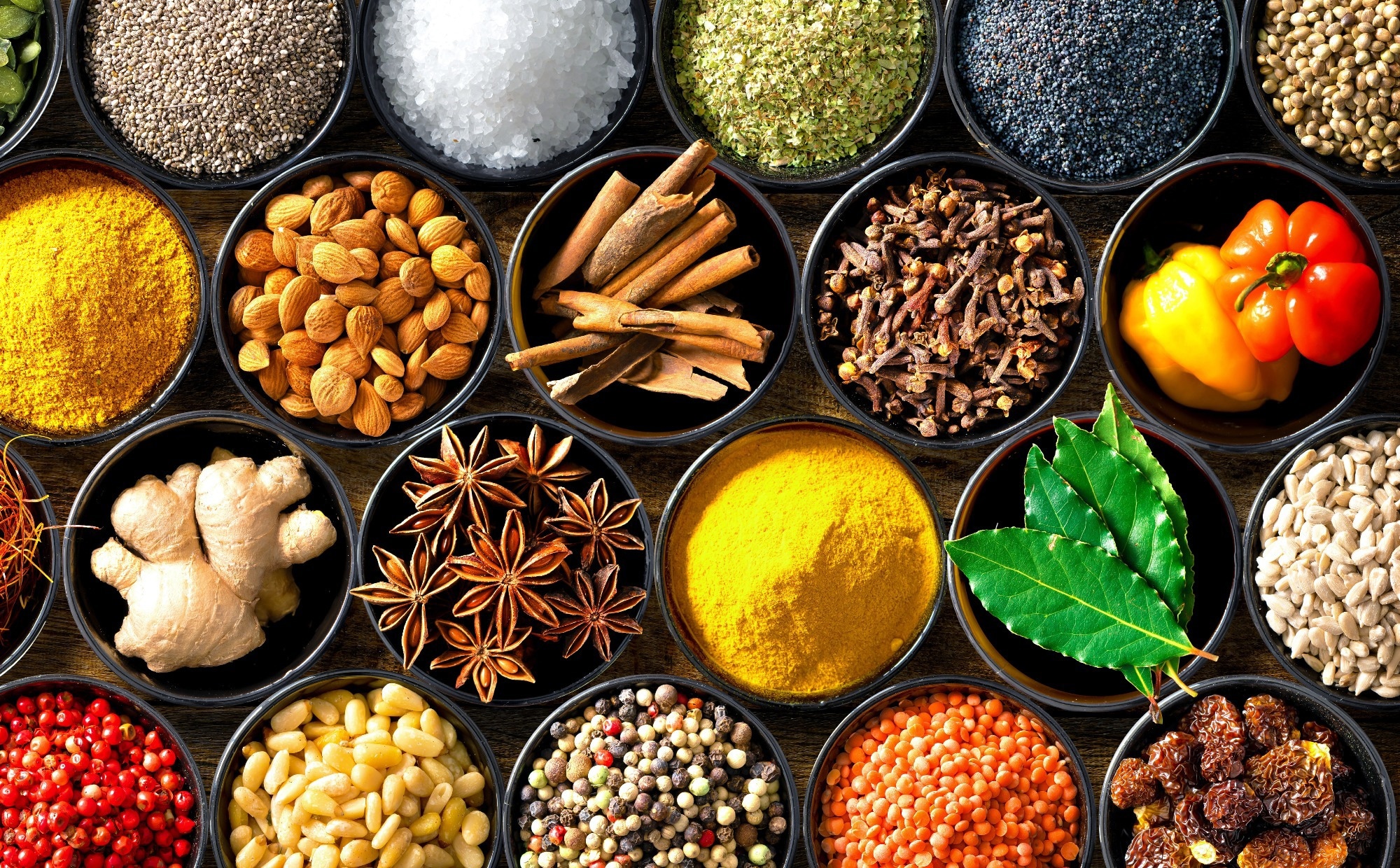
Spice Blends and Commercial Pumpkin Pie Mixes
Commercial pumpkin pie spice blends have become a staple in modern baking, offering convenience while standardizing flavor profiles across households. These pre-mixed formulations often include proprietary combinations of spices, stabilizers, and additives designed for shelf stability and mass appeal. However, their composition frequently diverges from traditional recipes, incorporating hidden ingredients such as anti-caking agents, artificial flavors, or excessive salt. Understanding the nuances between homemade and store-bought blends—including flavor consistency, cost efficiency, and adaptability—reveals both the practical advantages and potential drawbacks of relying on these products. This analysis examines the spice composition of leading commercial brands, compares homemade alternatives, and provides actionable modifications for dietary-specific adaptations.
Composition of Popular Commercial Pumpkin Pie Spice Blends
Commercial spice blends for pumpkin pie are formulated to deliver a balanced sweet-spicy profile while ensuring uniformity in texture and flavor. Below is a breakdown of the key ingredients in widely recognized brands, including McCormick, Badia, and McDonald’s (a notable example of a fast-food chain’s proprietary blend). These blends often include ground cinnamon, nutmeg, ginger, cloves, and allspice, but the proportions and additional ingredients vary significantly.
Note: Commercial blends may contain salt (up to 5% by weight), anti-caking agents (e.g., silicon dioxide), and artificial flavors to enhance shelf life and mask flavor degradation over time.
- McCormick Pumpkin Pie Spice
- Primary spices: Ground cinnamon (30–40%), nutmeg (15–20%), ginger (10–15%), cloves (5–10%), allspice (5–10%).
- Additional ingredients: Salt (up to 2%), silicon dioxide (anti-caking agent), natural and artificial flavors.
- Flavor profile: Warm, slightly sweet, with a dominant cinnamon presence and subtle clove bite.
- Badia Pumpkin Pie Spice
- Primary spices: Ground cinnamon (35–45%), nutmeg (10–15%), ginger (10–15%), cloves (5–10%), allspice (5–10%).
- Additional ingredients: Salt (1–2%), monocalcium phosphate (anti-caking agent).
- Flavor profile: More pronounced nutmeg and ginger warmth, with a slightly earthier undertone compared to McCormick.
- McDonald’s Pumpkin Pie Spice Blend (Fast-Food Version)
- Primary spices: Ground cinnamon (40–50%), nutmeg (10–15%), ginger (5–10%), cloves (3–5%), allspice (2–5%).
- Additional ingredients: Salt (3–5%), sugar (up to 5%), artificial flavor enhancers.
- Flavor profile: Sweeter and more salt-forward, optimized for mass production and quick service consistency.
Key Observation: Commercial blends prioritize shelf stability and cost efficiency over traditional spice ratios, often resulting in a less complex, more uniform flavor compared to homemade versions.
Homemade vs. Store-Bought Spice Blends: A Comparative Analysis
The decision to use homemade or commercial spice blends hinges on flavor depth, cost, dietary restrictions, and convenience. Below is a structured comparison highlighting critical differences in taste, ingredient transparency, and economic factors.
Flavor Consistency:
Homemade blends allow for fresh, whole spices (e.g., cinnamon sticks, freshly grated nutmeg) and customizable ratios, whereas commercial blends rely on pre-ground, often aged spices and standardized formulations.
Factor Homemade Spice Blend Commercial Spice Blend
Flavor Complexity Higher; fresh spices retain volatile oils longer. Lower; pre-ground spices lose potency over time. Ingredient Transparency Full control over spices and additives. May include hidden salt, anti-caking agents, or artificial flavors. Cost per Use ~$0.10–$0.20 per pie (DIY spices). ~$0.25–$0.50 per pie (brand-dependent). Shelf Life Spices degrade within 6–12 months if not stored properly. 12–24 months (due to preservatives). Dietary Customization Easily adjustable (e.g., low-sodium, sugar-free). Limited flexibility; may require substitutions. Convenience Requires measuring and grinding (if using whole spices). Instant use; no preparation needed.
Economic Insight:
For frequent bakers, homemade blends are 30–50% cheaper per batch, assuming bulk spice purchases. However, commercial blends eliminate the time and effort of grinding and measuring.
Modifying Commercial Mixes for Dietary Adaptations
Commercial pumpkin pie spice blends can be adapted to meet low-sodium, keto-friendly, or reduced-sugar dietary needs with minimal adjustments. Below are practical modifications, including ingredient swaps and preparation techniques, to enhance flavor while aligning with specific nutritional goals.
General Guidelines for Modifications:
- Reduce sugar by omitting sweetened commercial blends or adding monk fruit sweetener or erythritol.
- Lower sodium by substituting salt-free spice blends or using celery seed or smoked paprika for depth without added salt.
- Boost freshness by incorporating whole spices (e.g., cinnamon sticks, cardamom pods) during cooking.
1. Reducing Sugar in Commercial Mixes
Commercial blends often contain added sugar (e.g., in McDonald’s version) or pair with sweetened pumpkin puree. To mitigate this:
- Replace store-bought spice mix with a homemade version (see table below for ratios).
- Use unsweetened pumpkin puree and compensate with vanilla extract or maple syrup for sweetness.
- Add spices gradually to avoid overpowering the reduced-sugar base.
#### 2. Low-Sodium Adaptations
Many commercial blends include 2–5% salt, which can be problematic for hypertension management. Strategies include:
- Use a salt-free spice blend (e.g., Badia’s "No Salt Added" version or homemade mixes).
- Substitute with:
- Celery seed (0.1 tsp) for a salty, earthy note.
- Smoked paprika (0.05 tsp) for depth without sodium.
- Nutritional yeast (0.25 tsp) for a cheesy, umami undertone.
- Balance with acidic ingredients (e.g., lemon zest or vinegar) to enhance perceived saltiness.
#### 3. Keto-Friendly Spice Blends
Traditional pumpkin pie is high in carbs due to sugar and flour. For a keto adaptation, focus on:
- Eliminating flour (use almond flour or coconut flour).
- Replacing sugar with erythritol or stevia.
- Enhancing spice warmth with cardamom or black pepper to complement low-carb fillings.
Spice Blend Variations for Dietary Needs
The following table provides customized spice blend ratios for common dietary restrictions, including low-sodium, sugar-free, and keto-friendly options. Each variation maintains flavor balance while accommodating nutritional constraints.
Base Ratio for Standard Pumpkin Pie Spice (per 1 tsp):
- Cinnamon: ½ tsp
- Nutmeg: ¼ tsp
- Ginger: ¼ tsp
- Cloves: ⅛ tsp
- Allspice: ⅛ tsp
Dietary Need Spice Modifications Additional Swaps Flavor Notes
Low-Sodium Replace ½ tsp commercial mix with:
- ¼ tsp cinnamon
- ⅛ tsp nutmeg
- ⅛ tsp ginger
- 0.05 tsp celery seed Use salt-free pumpkin puree; add lemon zest (0.
The spices in pumpkin pie are more than seasonings—they are the bridge between tradition and innovation, science and sensation. Whether adhering to a classic cinnamon-nutmeg profile or experimenting with smoked paprika or cardamom, each spice plays a critical role in shaping texture, aroma, and depth. From the warmth of toasted whole spices to the bold contrasts of regional variations, the artistry lies in balancing complexity without overwhelming the pumpkin’s inherent sweetness. As culinary boundaries expand, so too do the possibilities, proving that pumpkin pie remains a canvas for both heritage and creativity. The next time you bake—or savor—a slice, pause to appreciate the alchemy of spices that turns simple ingredients into an unforgettable experience.
FAQ
What spices are included in traditional pumpkin pie spice?
Classic pumpkin pie spice typically includes cinnamon, nutmeg, ginger, and cloves. Some blends also contain allspice or cardamom, but the core spices are cinnamon, nutmeg, ginger, and cloves in varying ratios.
What are the main ingredients in pumpkin pie?
Pumpkin pie usually contains pumpkin puree, sweetened condensed milk or evaporated milk, eggs, sugar, and pumpkin pie spice. Cornstarch or flour is often added as a thickener.
What ingredients go into pumpkin pie filling?
Pumpkin pie filling is made with pumpkin puree, sugar, eggs, milk (or cream), and pumpkin pie spice. A thickening agent like cornstarch or flour is also included to achieve the right consistency.
What spices are in pumpkin spice?
Pumpkin spice is a blend of cinnamon, nutmeg, ginger, and cloves, similar to pumpkin pie spice. Some variations may include allspice or a touch of black pepper for depth.
What spices are in a pumpkin spice latte?
A pumpkin spice latte contains cinnamon, nutmeg, ginger, and cloves as its spice base, often combined with vanilla and sometimes allspice. The spices are mixed into the steamed milk and espresso.
What spices are in pumpkin spice mix?
Pumpkin spice mix usually contains cinnamon, nutmeg, ginger, and cloves, with possible additions like allspice or cardamom. The exact blend can vary by brand, but these four spices are standard.
The Science Behind Spice Pairings in Pumpkin Pie
Pumpkin pie’s distinctive flavor profile arises from a complex interplay between the natural sugars, fats, and volatile compounds in pumpkin and the aromatic molecules introduced through traditional spices. These spices do not merely complement the pie’s sweetness; they actively enhance its depth through chemical reactions during baking, influencing texture, aroma, and perceived sweetness. Understanding the molecular interactions between spices and pumpkin—such as the Maillard reaction, heat retention properties, and flavor compound synergy—reveals why specific spice combinations dominate classic recipes and how regional adaptations refine these dynamics.The effectiveness of spices in pumpkin pie stems from their ability to interact with the pie’s biochemical matrix, particularly its high sugar and fat content. For instance, cinnamon’s cinnamaldehyde and clove’s eugenol bind to sugar molecules, intensifying sweetness perception while masking bitterness. Meanwhile, the fat in the filling (from cream, butter, or eggs) dissolves hydrophobic flavor compounds, amplifying their aromatic release. These interactions are further modulated by baking temperature and time, where spices undergo thermal degradation, releasing additional volatile compounds that contribute to the pie’s signature aroma.
Chemical Compounds in Spices and Their Flavor Synergy with Pumpkin
The aromatic and gustatory properties of pumpkin pie spices derive from specific bioactive compounds that interact with the pie’s biochemical components. Below are key spices and their primary flavor-active molecules, along with their roles in enhancing pumpkin’s natural profile:-
Cinnamon (Cinnamomum spp.)
Contains cinnamaldehyde (90% of its essential oil), which binds to sweet taste receptors (T1R2/T1R3), amplifying perceived sweetness while providing a warm, woody note. Its aldehyde group also reacts with reducing sugars in pumpkin during baking, contributing to caramelization. -
Ginger (Zingiber officinale)
Rich in gingerols and shogaols, which exhibit sharp, peppery, and slightly citrusy flavors. These compounds stimulate trigeminal receptors (TRPA1), creating a "heat" sensation that contrasts with cinnamon’s sweetness, balancing the pie’s flavor. -
Cloves (Syzygium aromaticum)
Eugenol (80–90% of its oil) acts as a natural antimicrobial and enhances sweetness perception by modulating bitter taste receptors (T2Rs). Its phenolic structure also contributes to the pie’s deep, smoky aroma when heated. -
Nutmeg (Myristica fragrans)
Contains myristicin and elemicin, which provide earthy, slightly floral notes. These compounds interact with fatty acids in the pie filling, enhancing mouthfeel and aroma persistence. -
Allspice (Pimenta dioica)
Composed of eugenol (60–80%), chavicol, and caryophyllene, it mimics a blend of cinnamon, clove, and nutmeg. Its high eugenol content reinforces sweetness while adding a subtle piney complexity. -
Cardamom (Elettaria cardamomum)
1,8-Cineole (eucalyptol) and terpinyl acetate contribute citrusy, minty, and camphoraceous notes, which cut through the richness of pumpkin, adding brightness and preventing flavor fatigue.
The Maillard Reaction and Spice Caramelization in Baked Pumpkin Pie
The Maillard reaction—a non-enzymatic browning process between amino acids and reducing sugars—plays a critical role in developing the color, aroma, and flavor of baked pumpkin pie. When spices are incorporated into the filling, their phenolic compounds (e.g., eugenol in cloves) and sugar molecules participate in this reaction, producing hundreds of new flavor and aroma compounds. Below is a simplified flowchart of the process:Maillard Reaction in Pumpkin Pie SpicesThe result is a multi-layered sensory experience: the initial sweetness of pumpkin is amplified by caramelized spices, while the Maillard products introduce nutty, toasted, and slightly bitter notes that prevent flavor monotony. For example, cinnamon’s cinnamyl aldehyde reacts with pumpkin’s sugars to form 2-hydroxy-3-methyl-2-cyclopenten-1-one (HMCP), a compound associated with caramel and toasted flavors.
1. Initiation Phase (Preheating, ~140–165°C / 284–330°F)
Spices release moisture and volatile oils (e.g., cinnamaldehyde from cinnamon). Pumpkin’s free amino acids (e.g., lysine, arginine) and reducing sugars (fructose, glucose) begin reacting with spice phenols. 2. Intermediate Phase (Baking, ~165–180°C / 330–356°F)
Formation of pyrazines (nutty, roasted notes) and thiazoles (meaty, toasted aromas) from amino acid degradation. Spice-specific compounds (e.g., gingerols → shogaols) undergo isomerization, enhancing pungency. 3. Advanced Phase (Final Baking, >180°C / 356°F)
Strecker degradation of amino acids produces aldehydes (e.g., vanillin-like compounds from cinnamon). Melanoidins form, contributing to the pie’s deep brown color and umami depth. 4. Aroma Release (Cooling Phase)
Volatile compounds (e.g., 2-acetyl-1-pyrroline from Maillard products) evaporate, releasing complex aromas. Fats in the filling dissolve hydrophobic spices (e.g., nutmeg’s myristicin), prolonging flavor release.
Heat Retention and Flavor Release: Ground vs. Whole Spices in Pumpkin Pie
The physical form of spices—ground versus whole—significantly impacts their flavor release during baking, affecting both immediate aroma and long-term taste persistence. Ground spices have a larger surface area, leading to faster heat penetration and earlier volatile release, while whole spices require prolonged exposure to achieve optimal extraction.-
Ground Spices: Rapid Flavor Infusion and Early Aroma
- Advantages:
- Faster dissolution in the pie’s fat matrix (e.g., butter, cream), allowing immediate interaction with pumpkin’s sugars.
- Higher initial aroma due to rapid release of volatile oils (e.g., cinnamaldehyde evaporates quickly at high temperatures).
- Uniform distribution in the filling, ensuring consistent flavor throughout.
- Disadvantages:
- Over-extraction risk if baked too long, leading to bitterness (e.g., excessive ginger or clove can taste harsh).
- Limited long-term aroma as volatile compounds dissipate faster than in whole spices.
-
Whole Spices: Delayed but Prolonged Flavor Development
- Advantages:
- Gradual release of flavor compounds, preventing overpowering bitterness and allowing spices to "mature" during baking.
- Sustained aroma post-baking, as spices continue to leach oils into the filling over time (e.g., whole nutmeg releases myristicin slowly).
- Textural contrast, adding slight crunch or visual appeal (e.g., star anise or whole cloves in the crust).
- Disadvantages:
- Uneven distribution if not finely crushed, leading to flavor pockets.
- Requires longer baking to achieve full extraction, risking uneven cooking in the pie.
Sensory Analysis of Spice Combinations in Baked Pumpkin Pie
The sensory experience of pumpkin pie is shaped by the contrast and complementarity of spice flavors, where sweet, sharp, and earthy notes createModern Twists: Unconventional Spices in Pumpkin Pie
The evolution of pumpkin pie reflects broader culinary trends toward global fusion and experimental flavor profiles. Contemporary bakers and pastry chefs have expanded beyond traditional cinnamon, nutmeg, and ginger to incorporate spices from diverse cuisines, creating bold, layered, and unexpected taste experiences. These innovations often draw from regional spice traditions—such as Middle Eastern, Latin American, or Asian influences—while maintaining the dessert’s signature balance of sweetness and warmth. The integration of unconventional spices introduces complexity, from smoky depth to citrusy brightness, challenging conventional expectations while preserving the pie’s core identity.The selection of modern spices in pumpkin pie is guided by complementary flavor principles: heat, aromatic intensity, or acidity. For instance, spices like smoked paprika or black cardamom introduce earthy or floral notes that contrast with pumpkin’s natural sweetness, while citrus zest or sumac add a tangy lift. The following sections explore specific spice pairings, their flavor impacts, and practical techniques for infusion, including adjustments for varying heat tolerances.
Innovative Spice Additions and Their Flavor Impact
Contemporary pumpkin pie recipes leverage spices that are either underutilized in Western baking or entirely novel to the dessert. These additions serve distinct purposes—enhancing texture, introducing aromatic complexity, or creating a sensory bridge between sweet and savory. Below are notable examples categorized by their primary flavor contribution:Key Considerations for Spice Integration:
Heat Balance: Spices like cayenne or black pepper should be introduced gradually, with taste testing at each stage. Aromatic Depth: Whole spices (e.g., star anise, cardamom pods) require infusion methods to release oils effectively. Acidity/Tang: Sumac, za’atar, or citrus zest counteract pumpkin’s richness without overpowering.
-
Smoky and Earthy Spices
- Smoked Paprika: Adds a subtle charred quality reminiscent of barbecue or chili, ideal for "smoked bourbon" or "mesquite-glazed" pies. Pair with brown sugar and blackstrap molasses for a caramelized depth.
- Sumac: A tart, lemony spice from the Middle East that brightens the pie with a citrusy tang. Use sparingly (¼ tsp per pie) to avoid over-acidifying the filling.
- Za’atar: A blend of thyme, sesame, and sumac, offering a nutty, herby contrast. Best suited for savory-sweet variations, such as those incorporating goat cheese or caramelized onions.
-
Floral and Exotic Spices
- Cardamom (Green or Black): Green cardamom contributes a floral, minty sweetness, while black cardamom adds a smoky, camphor-like warmth. Black cardamom is particularly effective in "chai-spiced" pies, paired with cloves and fennel.
- Saffron: Infuses a luxurious golden hue and a honeyed, slightly metallic aroma. Use ¼ tsp steeped in warm pumpkin purée for 10 minutes to avoid bitterness.
- Rosewater or Orange Blossom Water: Adds a delicate floral note, commonly used in Middle Eastern or Mediterranean-inspired desserts. Limit to ½ tsp to prevent artificial aftertaste.
-
Warm and Pungent Spices
- Cayenne or Chili Powder: Introduces heat that cuts through the sweetness, balancing the filling. For mild heat, use ⅛ tsp cayenne; for bold, increase to ¼ tsp. Pair with cocoa powder for a "Mexican chocolate" variation.
- Star Anise or Fennel Seeds: Provide an anise-like licorice note, enhancing pies with vanilla or bourbon. Toast whole spices lightly before grinding to intensify flavor.
- Galangal or Turmeric: Galangal offers a citrusy, ginger-like sharpness, while turmeric adds earthy warmth and a golden color. Both are staples in Southeast Asian-inspired desserts.
-
Herbal and Resinous Spices
- Thyme or Rosemary: Infuses a piney, herbal brightness, particularly effective in pies with maple or apple cider. Use fresh sprigs for infusion, then strain.
- Frankincense or Myrrh: Rare but historically used in medieval European pies, these resinous spices add a balsamic, slightly medicinal depth. Requires careful dosing (⅛ tsp max).
Themed Spice Pairings for Contemporary Pumpkin Pies
Themed pumpkin pies leverage spice combinations to evoke specific culinary traditions or sensory experiences. Below is a table outlining four distinct themes, their spice profiles, and preparation adjustments to ensure harmony with the pumpkin base.| Theme | Spice Profile | Flavor Impact | Preparation Tips | ||||||||||||||||||||||||||
|---|---|---|---|---|---|---|---|---|---|---|---|---|---|---|---|---|---|---|---|---|---|---|---|---|---|---|---|---|---|
| Chai-Spiced |
|
Complex, warm, and slightly licorice-forward with a peppery finish. The cardamom and fennel create a herbal sweetness, while cloves add a pinprick of spice. | Infuse spices in pumpkin purée over low heat for 15 minutes. Strain out whole spices (except pepper) before mixing with other ingredients. Pair with a ginger-snap crust for cohesion. |
||||||||||||||||||||||||||
| Bourbon-Infused |
|
Rich, caramelized notes with a smoky depth and a hint of citrus. The bourbon adds a buttery, vanilla-like warmth. | Reduce bourbon to a syrup (simmer until thickened) and whisk into the purée. Add spices during the last 10 minutes of infusion. Top with candied pecans for texture. |
||||||||||||||||||||||||||
| Maple-Bacon |
|
Smoky-sweet with a savory edge, reminiscent of maple-glazed bacon. Coriander and cumin add an earthy, slightly nutty base. | Render bacon fat separately and incorporate into the purée. Infuse coriander and cumin in the fat for 5 minutes before mixing. Use a maple-brown sugar crust for continuity. |
||||||||||||||||||||||||||
| Citrus-Sumac |
1. Reducing Sugar in Commercial MixesCommercial blends often contain added sugar (e.g., in McDonald’s version) or pair with sweetened pumpkin puree. To mitigate this:#### 2. Low-Sodium Adaptations #### 3. Keto-Friendly Spice Blends Spice Blend Variations for Dietary NeedsThe following table provides customized spice blend ratios for common dietary restrictions, including low-sodium, sugar-free, and keto-friendly options. Each variation maintains flavor balance while accommodating nutritional constraints.Base Ratio for Standard Pumpkin Pie Spice (per 1 tsp):
The spices in pumpkin pie are more than seasonings—they are the bridge between tradition and innovation, science and sensation. Whether adhering to a classic cinnamon-nutmeg profile or experimenting with smoked paprika or cardamom, each spice plays a critical role in shaping texture, aroma, and depth. From the warmth of toasted whole spices to the bold contrasts of regional variations, the artistry lies in balancing complexity without overwhelming the pumpkin’s inherent sweetness. As culinary boundaries expand, so too do the possibilities, proving that pumpkin pie remains a canvas for both heritage and creativity. The next time you bake—or savor—a slice, pause to appreciate the alchemy of spices that turns simple ingredients into an unforgettable experience. FAQWhat spices are included in traditional pumpkin pie spice?Classic pumpkin pie spice typically includes cinnamon, nutmeg, ginger, and cloves. Some blends also contain allspice or cardamom, but the core spices are cinnamon, nutmeg, ginger, and cloves in varying ratios. What are the main ingredients in pumpkin pie?Pumpkin pie usually contains pumpkin puree, sweetened condensed milk or evaporated milk, eggs, sugar, and pumpkin pie spice. Cornstarch or flour is often added as a thickener. What ingredients go into pumpkin pie filling?Pumpkin pie filling is made with pumpkin puree, sugar, eggs, milk (or cream), and pumpkin pie spice. A thickening agent like cornstarch or flour is also included to achieve the right consistency. What spices are in pumpkin spice?Pumpkin spice is a blend of cinnamon, nutmeg, ginger, and cloves, similar to pumpkin pie spice. Some variations may include allspice or a touch of black pepper for depth. What spices are in a pumpkin spice latte?A pumpkin spice latte contains cinnamon, nutmeg, ginger, and cloves as its spice base, often combined with vanilla and sometimes allspice. The spices are mixed into the steamed milk and espresso. What spices are in pumpkin spice mix?Pumpkin spice mix usually contains cinnamon, nutmeg, ginger, and cloves, with possible additions like allspice or cardamom. The exact blend can vary by brand, but these four spices are standard. |
Leave a Comment
Comments are moderated before appearing. The data you submit is processed according to the Privacy Policy of Voltefac.