What Can You Recycle Essentials And Processes
Table of Contents
- Common Recyclable Materials and Their Processing Methods
- Plastic Recycling: Composition and Processing Methods
- Paper and Cardboard Recycling: Deinking, Pulping, and Reforming
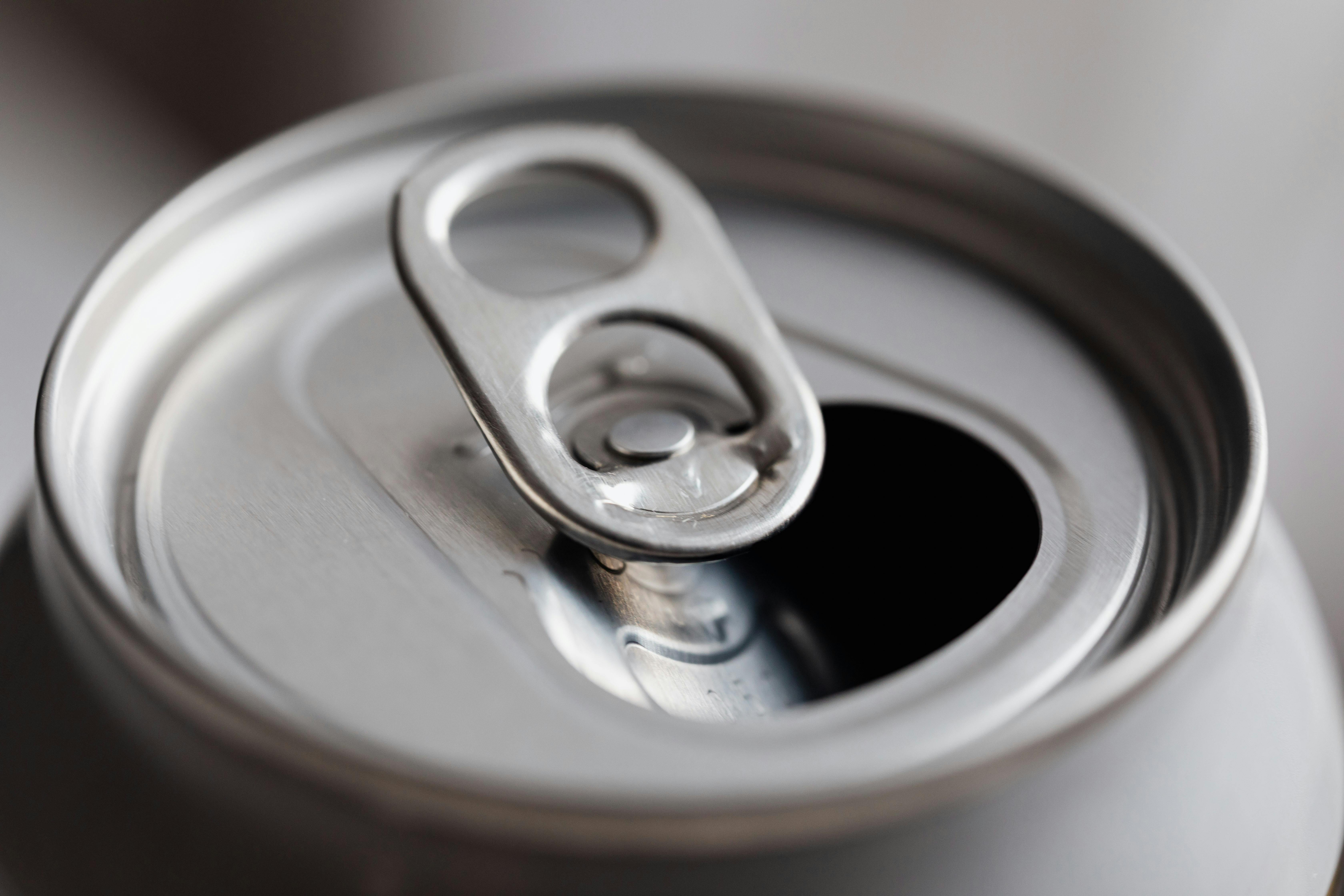
- Aluminum Can Recycling: From Shredding to Molten Metal Extraction
- Electronics and Specialty Recycling: Challenges and Innovations
- Emerging Technologies in E-Waste Recycling
- Hazardous Components in Electronics and Safe Dismantling Procedures
- Comparison: Landfill Disposal vs. Modern E-Waste Recycling
- Household Recycling Systems: Global Variations and Best Practices
- Single-Stream vs. Dual-Stream Recycling Systems: Operational and Environmental Trade-offs
- Material Recovery Facility (MRF) Processing Workflow: From Collection to Sorting
- Comparative Table: Recycling Regulations in Germany, Japan, and the United States
- Integrating Composting Systems with Traditional Recycling: Aerobic vs. Anaerobic Methods
- Innovative Recycling Technologies and Future Trends
- Enzymatic Recycling of Plastics: Mechanisms and Scalability
- 3D Printing with Recycled Filaments: Material Properties and Cost Analysis
- Circular Economy Models: Recycled Materials in New Product Lifecycle
- Historical Milestones in Recycling Technology
- Misconceptions and Contamination: How to Improve Recycling Effectiveness
- Common Recycling Myths and Corrected Procedures
- Frequent Recycling Stream Contaminants and Their Impact
- Plastic Bags and Wraps
- Styrofoam (EPS)
- Non-Recyclable Packaging (e.g., Chip Bags, Coffee Cups)
- FAQ
- What items can I recycle at Officeworks stores in Australia?
- What can I recycle at Bunnings Warehouse stores in Australia?
- What items can I recycle through the Return and Earn scheme in Australia?
- What can I recycle for money in Australia?
- What can I recycle in Australia generally?
- What can I recycle at Containers for Change drop-off points?
Understanding what can you recycle is fundamental to sustainable waste management, as improper disposal diverts valuable resources from repurposing while exacerbating environmental degradation. From plastics and metals to electronics and organic waste, modern recycling systems integrate advanced technologies—such as robotic sorting, enzymatic breakdown, and closed-loop manufacturing—to transform discarded materials into raw inputs for new products. This process not only conserves energy and reduces landfill dependence but also mitigates pollution by minimizing the extraction of virgin materials, thereby aligning with global circular economy goals.
The efficacy of recycling hinges on both material science and systemic design, where chemical compositions dictate processing methods—whether mechanical shredding for aluminum or enzymatic decomposition for PET plastics—and regulatory frameworks ensure compliance across industries. Meanwhile, emerging innovations, such as AI-driven material separation and bioengineered enzymes, promise to enhance recovery rates while addressing historical challenges like contamination and hazardous waste handling. By examining these processes, stakeholders can optimize participation, reduce inefficiencies, and foster a culture of responsible consumption that bridges household practices with industrial-scale solutions.
Common Recyclable Materials and Their Processing Methods
The recycling of materials relies on understanding their chemical composition, physical properties, and the most efficient processing techniques to maximize resource recovery while minimizing environmental impact. Plastics, paper, metals, and glass each undergo distinct recycling pathways, often involving mechanical or chemical treatments tailored to their molecular structure. Below are detailed examinations of these processes, emphasizing their technical workflows, energy efficiency, and environmental considerations.Plastic Recycling: Composition and Processing Methods
Plastics are polymers composed of repeating monomer units, with their recyclability determined by polymer type, additives, and contamination levels. The four most commonly recycled plastics—PET (Polyethylene Terephthalate), HDPE (High-Density Polyethylene), PP (Polypropylene), and LDPE (Low-Density Polyethylene)—differ in chemical structure, thermal properties, and recycling feasibility.Chemical Composition Summary:Mechanical vs. Chemical Recycling Processes
PET: Thermoplastic polyester with ester linkages (–COO–), derived from ethylene glycol and terephthalic acid. HDPE: Semi-crystalline polymer with linear ethylene chains, high density (0.94–0.97 g/cm³), and resistance to chemicals. PP: Isotactic polypropylene with methyl side groups (–CH₃), offering high tensile strength and heat resistance. LDPE: Branched polyethylene with low density (0.91–0.94 g/cm³), used in flexible packaging.
Mechanical recycling dominates due to lower costs but faces limitations in downcycling and polymer degradation. Chemical recycling, though energy-intensive, enables true molecular recovery.
-
Mechanical Recycling Workflow:
- Sorting and Shredding: Plastics are separated by type (e.g., NIR spectroscopy) and ground into flakes (5–10 mm). Contaminants (labels, adhesives) are removed via air classification or sink-float separation.
- Washing and Drying: Flakes undergo multi-stage washing with detergents and hot water (60–80°C) to remove residues. Centrifuges and screw presses dewater the material, followed by thermal drying (100–120°C).
- Extrusion and Pelletization: Clean flakes are melted (160–300°C, depending on polymer) in single-screw or twin-screw extruders. The molten plastic is cooled and pelletized for reuse in lower-grade applications (e.g., fiberfill, new bottles for HDPE/PET).
Limitations: Degradation after 3–5 cycles due to chain scission; incompatible with food-grade standards beyond 1–2 uses.
-
Chemical Recycling Methods:
- Depolymerization (PET): Glycolysis (ethylene glycol addition) or hydrolysis (acid/base catalysis) breaks PET back into monomers (e.g., bis(2-hydroxyethyl) terephthalate). Monomers are repolymerized into virgin-like PET.
- Pyrolysis (PP/LDPE/HDPE): Thermal cracking (400–600°C, inert atmosphere) converts plastics into liquid hydrocarbons (pyrolysis oil) or syngas. Products are refined into waxes, fuels, or feedstock for new polymers.
- Solvolysis (HDPE/PP): Reaction with solvents (e.g., methanol) under pressure to produce oligomers or monomers for reprocessing.
Advantages: Closed-loop recycling; potential for high-purity output. Disadvantages: High energy/chemical input; scalability challenges.
Paper and Cardboard Recycling: Deinking, Pulping, and Reforming
Paper recycling involves breaking down fibers, removing contaminants (inks, adhesives), and reforming sheets with minimal strength loss. The process integrates chemical, mechanical, and water-treatment stages to balance yield, quality, and environmental compliance.Step-by-Step Processing Workflow
-
Sorting and Preparation:
- Materials are segregated by grade (e.g., office paper, corrugated cardboard) and shredded into 2–5 cm pieces. Magnetic separators remove staples/binders, while eddy currents extract aluminum foil.
- Contaminants (plastics, food residues) are screened via optical scanners or air jets, reducing downstream processing costs.
-
Pulping and Deinking:
- Hydrapulping: Shredded paper is mixed with water (1:10 solids-to-liquid ratio) in a pulper (30–60 minutes, 40–50°C). Agitation separates fibers from fillers (e.g., calcium carbonate) and contaminants.
- Deinking Chemistry: Pulps undergo flotation or washing with surfactants (e.g., sodium hydroxide, hydrogen peroxide) to detach ink particles. Key agents include:
- Bleaching Agents: Hydrogen peroxide (H₂O₂) or sodium hypochlorite (NaOCl) oxidize residual lignin and brighten fibers. Oxygen delignification (O₂, 90°C) is preferred for environmental safety.
- Dispersants: Polyacrylates or lignin sulfonates stabilize ink emulsions for removal.
- Cleaning Stages: Pulp passes through centrifugal cleaners or disk filters to remove fine contaminants. Floatation tanks use air bubbles to lift ink-surfactant aggregates to the surface for skimming.
-
Water Treatment and Sheet Formation:
- Effluent from deinking contains dissolved solids (e.g., COD up to 1,500 mg/L) and suspended particles. Treatment includes:
- Coagulation/flocculation with aluminum sulfate (alum) or polyelectrolytes to aggregate solids.
- Biological treatment (aerobic/anaerobic) for organic load reduction.
- Reverse osmosis or evaporation for water recovery (up to 95% reuse).
- Clean pulp is diluted to 0.5–1% consistency and fed to a paper machine. Fibers are deposited on a moving mesh, pressed, and dried (100–120°C) to form new sheets. Additives (e.g., starch for strength, optical brighteners) may be included.
- Effluent from deinking contains dissolved solids (e.g., COD up to 1,500 mg/L) and suspended particles. Treatment includes:
Energy and Yield Considerations:
Recycled paper requires 40–60% less energy than virgin pulp (lignin-rich wood pulp demands high chemical input). Fiber loss averages 10–20% per cycle due to shortening and damage; recycled content is typically limited to 30–50% in new products to maintain quality.
Aluminum Can Recycling: From Shredding to Molten Metal Extraction
Aluminum recycling is one of the most energy-efficient material recovery processes, with 95% energy savings compared to primary production (bauxite mining and electrolysis). The process leverages aluminum’s high thermal conductivity and malleability, though it requires strict separation from other metals (e.g., steel) to avoid alloy contamination.Technical Processing Workflow
-
Preparation and Sorting:
- Cans are crushed into bales (300–500 kg) and transported to recycling facilities. Magnetic separators remove steel components (e.g., tabs, lids), while eddy-current separators extract aluminum foil or mixed-metal fragments.
- Optical sorters use NIR spectroscopy to distinguish between aluminum, PET, and other polymers in multi-material streams.
-
Shredding and Size Reduction:
- Bales are fed into high-speed shredders (2,000–4,000 rpm) to produce 0.5–2 cm chips. Hammermills or granulators further reduce particle size for uniformity.
- Coarse materials (e.g., unshreddable fragments) are sent to secondary shredders or classified for landfill diversion.
-
Melting and Alloying:
- Shredded aluminum is charged into reverberatory furnaces (650–750
Electronics and Specialty Recycling: Challenges and Innovations
The rapid evolution of electronics has paralleled the escalation of electronic waste (e-waste), now constituting nearly 8% of global municipal solid waste by volume, yet only 20% is formally recycled (United Nations, 2023). This subtopic examines the technical, environmental, and operational challenges in e-waste recycling, alongside emerging innovations that enhance material recovery, safety, and sustainability. Advances such as robotic disassembly, AI-driven sorting, and solvent-based extraction of rare earth metals are redefining the sector, while hazardous components—ranging from lithium-ion batteries to mercury-containing switches—demand stringent dismantling protocols to mitigate health and environmental risks.Modern recycling methods not only address resource depletion but also counter the data security vulnerabilities inherent in traditional landfill disposal, where sensitive information on discarded devices remains recoverable. Companies leading in closed-loop recycling integrate supply chain transparency, circular economy principles, and regulatory compliance to maximize recovery rates while minimizing ecological harm.
Emerging Technologies in E-Waste Recycling
Automation and advanced material science are transforming e-waste processing from labor-intensive, low-yield operations into precision-driven, high-efficiency systems. Robotic disassembly leverages computer vision and adaptive grippers to dismantle devices like smartphones or laptops with 95% accuracy, reducing manual handling risks (e.g., exposure to lead or brominated flame retardants) (Fraunhofer Institute, 2022). AI-sorted material separation employs hyperspectral imaging and machine learning to classify plastics, metals, and composites with >90% purity rates, enabling closed-loop recycling of components like copper, aluminum, and gold (MIT Media Lab, 2021).Solvent-based recovery of rare earth metals (e.g., neodymium, dysprosium) from magnets in hard drives and electric vehicle motors uses bioleaching or supercritical fluid extraction, achieving >90% extraction efficiency with reduced energy consumption compared to traditional pyrometallurgy (European Commission Joint Research Centre, 2023). These methods address the critical supply chain vulnerabilities of rare earths, 90% of which are mined in China, by enabling domestic recycling (U.S. Geological Survey, 2023).
Technology Application Key Advantage Challenges Robotic Disassembly Smartphone/laptop teardown Reduces manual labor by 70%; improves safety High initial cost; limited adaptability to new models AI-Sorted Material Separation Plastic/metal/composite classification Purity rates >90%; scalable for mixed waste streams Requires large training datasets; energy-intensive sorting Bioleaching/Solvent Extraction Rare earth metal recovery Low-energy; recovers 90%+ of critical metals Slow processing; solvent toxicity risks Hazardous Components in Electronics and Safe Dismantling Procedures
Electronics contain toxic or flammable substances that pose risks during improper handling. Below are categorized hazardous components and their mandatory dismantling protocols aligned with OECD and EU WEEE Directive standards:
-
Lithium-Ion Batteries
Hazard: Thermal runaway risk; lithium leakage causes chemical burns.
Safe Procedure:- Isolate battery in a ventilated, fire-resistant container with thermal insulation.
- Use short-circuit testing to confirm stability before discharge.
- Discharge via controlled electronic load (≤0.2C rate) to <2.75V per cell.
- Shred in a confined, inert-atmosphere shredder (e.g., nitrogen-purged system).
- Recover lithium via hydrometallurgical leaching (e.g., sulfuric acid + hydrogen peroxide).
-
Mercury Switches (e.g., in older relays, fluorescent lamps)
Hazard: Inhalation of mercury vapor (neurotoxic); liquid mercury spills.
Safe Procedure:- Wear PPE (respirator with activated carbon filters, chemical-resistant gloves).
- Use vacuum extraction tools to remove switches without breaking seals.
- Store mercury-containing components in double-lined, leak-proof containers labeled "Hg."
- Incinerate at <850°C in a mercury vapor recovery system (e.g., activated carbon filters).
- Dispose of residues as hazardous waste per Basel Convention guidelines.
-
Brominated Flame Retardants (BFRs) in PCBs
Hazard: Dioxin formation upon incineration; persistent organic pollutants (POPs).
Safe Procedure:- Segregate printed circuit boards (PCBs) from other plastics/metals.
- Process via mechanical shredding + density separation to isolate BFRs.
- Use thermal depolymerization (600–800°C, oxygen-limited) to break down BFRs into syngas.
- Capture dioxin-containing flue gas via activated carbon injection + scrubbers.
- Recycle recovered metals (e.g., copper, gold) via electrolytic refining.
-
CRT Glass (Lead Oxide)
Hazard: Lead dust inhalation; lead leaching into soil/water.
Safe Procedure:- Crush glass in a closed-system hammer mill with dust suppression.
- Wet-grind crushed glass to <5mm particle size to reduce lead dust.
- Use magnetic separation to remove lead oxide particles.
- Neutralize lead-contaminated water via lime precipitation (pH 10–11).
- Recycle cleaned glass as aggregate for road bases or ceramic frits.
Comparison: Landfill Disposal vs. Modern E-Waste Recycling
Traditional landfill disposal of electronics results in <1% resource recovery and exacerbates environmental and security risks, whereas modern recycling methods achieve 50–80% material recovery while mitigating data breaches. Below is a comparative analysis:
Metric Landfill Disposal Modern Recycling Resource Recovery Rate 0–5% (mostly metals via informal sector) 50–80% (structured programs; e.g., Apple’s 2022 recovery rate: 75%) Data Security Risk High (hard drives intact; risk of data theft via dumpster diving) Low (mandatory degaussing/shredding; e.g., Dell’s NAID AAA-certified destruction) Environmental Impact Leaching of heavy metals (lead, mercury); methane emissions Reduced by 90% for metals; CO₂ emissions cut via energy-efficient processes Economic Value Lost $62.5 billion/year (UNEP, 2021) in unrecovered materials $30 billion/year recovered (e.g., gold from 1M tons e-waste = $50M) 
Household Recycling Systems: Global Variations and Best Practices
Household recycling systems vary significantly across regions, shaped by municipal policies, technological infrastructure, and public engagement. Single-stream and dual-stream systems represent two dominant models, each with distinct operational advantages and challenges. While single-stream systems simplify collection for residents, dual-stream approaches enhance material purity but require stricter public compliance. Contamination rates, public participation metrics, and the efficiency of Material Recovery Facilities (MRFs) further influence the effectiveness of these systems. Below, a comparative analysis of global recycling frameworks, MRF processing workflows, and integrated organic waste management demonstrates how municipalities optimize waste diversion strategies.
Single-Stream vs. Dual-Stream Recycling Systems: Operational and Environmental Trade-offs
Single-stream recycling consolidates all recyclables—paper, plastics, metals, and glass—into a single collection bin, reducing sorting burdens for households. This model has gained popularity in North America due to its convenience, with participation rates often exceeding 70% in well-managed programs. However, contamination rates—defined as non-recyclable materials entering the stream—can reach 15–30% in some regions, complicating downstream processing and increasing costs. Municipalities must invest in advanced MRF technologies to mitigate these issues, such as optical scanners and robotic arms, which improve sorting accuracy but require higher capital expenditures.In contrast, dual-stream systems mandate separate bins for paper/cardboard and containers (e.g., plastics, metals, glass), a model prevalent in Europe and parts of Asia. This approach yields cleaner material streams, with contamination rates as low as 5–15%, and higher recovery rates for paper (often exceeding 80%). However, public participation may lag due to the added complexity, with some municipalities reporting 10–20% lower collection rates compared to single-stream equivalents. The trade-off between convenience and material purity underscores the need for tailored policies based on local infrastructure and waste composition.
Key Performance Metrics Comparison:
Single-stream systems prioritize convenience and participation, while dual-stream systems emphasize material purity and recovery efficiency.
Material Recovery Facility (MRF) Processing Workflow: From Collection to Sorting
Once collected, recyclables are transported to MRFs, where automated and manual processes separate materials for reprocessing. The workflow begins with pre-sorting, where large items (e.g., appliances, furniture) are removed via manual inspection or robotic arms. The remaining stream enters a conveyor belt system, where materials are fed onto a moving surface inclined at 10–20 degrees to facilitate gravity-assisted separation.Optical Scanners and Sensors:
High-resolution near-infrared (NIR) scanners identify material types by analyzing their spectral signatures, distinguishing between plastics (PET, HDPE), metals (aluminum, steel), and paper. Color sorters use air jets to eject non-target materials (e.g., black plastics, which are difficult to recycle). Metal detectors employ electromagnetic fields to separate ferrous (steel) and non-ferrous (aluminum) metals, which are then baled for reprocessing.Air Classifiers and Density Separation:
Lightweight materials (e.g., paper, film plastics) are separated using air classifiers, where a high-velocity airflow lifts lighter items while heavier materials (e.g., glass, rigid plastics) fall into separate bins. Density-based screens further refine separation, with vibrating tables adjusting angles to sort by weight. Finally, manual pickers remove residual contaminants, such as food wrappers or non-recyclables, ensuring 95–98% purity in high-end facilities.Visual Workflow Description:
1. Intake: Trucks dump mixed recyclables into a tipping floor, where oversized items are manually removed.
2. Conveyor Sorting: Materials travel on a modular belt system, passing under scanners and sensors.
3. Preliminary Separation: Magnets remove steel cans; eddy-current separators extract aluminum.
4. Optical Sorting: NIR scanners direct air jets to eject non-target plastics or paper.
5. Final Processing: Density separators and manual inspection stations refine output into bales of homogenous materials.Comparative Table: Recycling Regulations in Germany, Japan, and the United States
Regulatory frameworks dictate compliance, penalties, and waste diversion targets, with variations reflecting national priorities. Below is a comparative analysis of three jurisdictions, focusing on extended producer responsibility (EPR), mandatory sorting, and non-compliance penalties.
Notable Observations:Country/Region Key Legislation Mandatory Sorting Requirements Producer Responsibility (EPR) Penalties for Non-Compliance Waste Diversion Targets Germany Verpackungsgesetz (Packaging Ordinance) Dual-stream for paper, plastics, metals, glass Producers fund Duales System Deutschland (DSD) for packaging recovery €10,000–€250,000 fines for non-registered producers; €500–€5,000 for household violations of sorting rules 65% recycling rate for packaging (2022); 70% by 2025 Japan Home Appliance Recycling Law (2001) Single-stream for appliances; separate bins for PET bottles, cans Manufacturers collect and recycle 5 appliances (TVs, fridges, ACs) per household annually ¥100,000–¥1 million for businesses failing to meet collection quotas; ¥20,000 for households not returning appliances 80% recycling rate for designated appliances (2020) United States State-level (e.g., California SB 1383, NY SERP) Single-stream dominant; dual-stream in CA for food waste Producer responsibility varies by state (e.g., CA mandates 25% recycled content in packaging) $5,000–$50,000 fines for businesses violating state EPR laws; local fines (e.g., $100–$1,000) for improper sorting 50–75% recycling/diversion (varies by state; CA targets 75% by 2024)
- Germany’s EPR system achieves high compliance through mandatory producer fees, while Japan’s appliance recycling law enforces strict take-back schemes.
- U.S. regulations are fragmented, with state-level variations (e.g., California’s SB 1383 mandates organic waste recycling, unlike many single-stream states).
- Penalties in Germany and Japan are significantly higher for businesses, reflecting stricter enforcement compared to the U.S., where local ordinances often lack uniform standards.
Integrating Composting Systems with Traditional Recycling: Aerobic vs. Anaerobic Methods
Organic waste constitutes 25–40% of municipal solid waste in many regions, yet traditional recycling systems often exclude it due to contamination risks. Composting—either aerobic (with oxygen) or anaerobic (without oxygen)—provides a complementary solution, converting organics into soil amendments or biogas. Municipal programs increasingly integrate composting with recycling streams to enhance diversion rates and reduce landfill emissions.Aerobic Composting:
This method relies on microorganisms breaking down waste in the presence of oxygen, producing stable humus within 4–12 weeks. Municipal programs typically use in-vessel composters (controlled environments) or windrow systems (outdoor piles turned regularly). Examples:
- San Francisco, USA: Mandates organic waste recycling, achieving 80% diversion through aerobic composting and anaerobic digestion.
- Tokyo, Japan: Operates centralized composting facilities for food waste, with 90% of collected organics processed into fertilizer or soil conditioners.
Anaerobic Digestion:
In the absence of oxygen, methane-rich biogas is produced alongside digestate (a nutrient-rich byproduct). This method is favored for large-scale municipal systems due to energy recovery potential. Key Applications:
- Seattle, USA: Uses anaerobic digestion to process 400+ tons/day of food waste, generating enough biogas to power 1,000 homes.
- Sweden: 99% of organic waste is anaerobically digested, with biogas used for vehicle fuel
Innovative Recycling Technologies and Future Trends
The evolution of recycling technologies has shifted from mechanical reprocessing to bioengineered solutions and smart automation, addressing limitations in material recovery and sustainability. Emerging methods such as enzymatic degradation, advanced polymer recycling, and circular economy integration are redefining waste management by enhancing efficiency, reducing contamination, and enabling closed-loop systems. These innovations align with global waste reduction targets while overcoming traditional challenges like scalability, energy consumption, and economic viability.The integration of biological and digital technologies into recycling processes represents a paradigm shift from linear to circular economies. Enzymatic recycling, for instance, leverages microbial enzymes to depolymerize plastics into their original monomers, offering a chemically precise alternative to thermal or mechanical methods. Meanwhile, 3D printing with recycled filaments demonstrates how post-consumer waste can be repurposed into high-value products, albeit with trade-offs in material performance and cost. Circular economy models further solidify these advancements by embedding recycled content into new supply chains, reducing virgin resource dependence.
Enzymatic Recycling of Plastics: Mechanisms and Scalability
Enzymatic recycling employs engineered enzymes—such as PETase (derived from Ideonella sakaiensis) and MHETase—to hydrolyze polyesters like polyethylene terephthalate (PET) into terephthalic acid (TPA) and monoethylene glycol (MEG), the monomers used in virgin plastic production. This process operates under mild conditions (e.g., 30–50°C, neutral pH), contrasting with traditional methods that require high temperatures (200–250°C) and toxic solvents, which degrade material quality and increase energy demands.Key advantages of enzymatic recycling include:
- Selective degradation: Enzymes target specific polymer bonds without affecting fillers or additives, unlike mechanical grinding or pyrolysis.
- Lower energy consumption: Avoids the thermal energy required for depolymerization, reducing carbon footprints by up to 90% compared to incineration-based methods.
- Closed-loop potential: Monomers recovered via enzymatic methods can be repolymerized into food-grade plastics, enabling true circularity.
Scalability challenges persist due to:
- Enzyme stability: Industrial-scale production requires enzymes to retain activity in high-throughput reactors, where shear forces and substrate concentrations may denature proteins.
- Substrate purity: Contaminants in mixed plastic waste (e.g., adhesives, dyes) can inhibit enzymatic efficiency, necessitating pre-sorting or purification steps.
- Economic viability: Current enzymatic recycling costs (~$1.50–$3.00/kg for PET) remain higher than mechanical recycling (~$0.50–$1.00/kg) but are projected to decline with advances in synthetic biology and process optimization.
Example: Carbios, a French biotech firm, demonstrated a pilot plant in 2022 capable of processing 10 tons of PET waste daily, producing monomers with >99% purity. The company aims for commercial viability by 2025, targeting textiles and packaging industries where enzymatic recycling aligns with EU Single-Use Plastics Directive (SUPD) requirements.
3D Printing with Recycled Filaments: Material Properties and Cost Analysis
3D printing with recycled filaments transforms post-consumer plastics—such as polylactic acid (PLA) from cornstarch or sugarcane and acrylonitrile butadiene styrene (ABS) from shredded electronics—into functional prototypes or end-use products. The process involves shredding, melting, and extruding waste plastics into filaments (1.75mm or 2.85mm diameters), which are then fed into fused deposition modeling (FDM) printers. Recycled filaments offer environmental benefits but may compromise mechanical properties compared to virgin polymers.Filament quality and performance trade-offs:
Challenges in recycled filament production:Property Virgin PLA Recycled PLA Virgin ABS Recycled ABS Tensile Strength (MPa) 50–70 30–50 (varies by waste source) 20–45 15–35 Impact Resistance Moderate Reduced (due to fillers) High Lower (brittle fractures) Printing Temperature (°C) 190–220 180–210 (lower energy use) 220–250 210–240 Cost per kg (USD) 20–40 10–25 (savings of 30–50%) 30–50 15–30
- Inconsistent feedstock: Mixed waste streams (e.g., food-contaminated PLA) introduce impurities that clog nozzles or weaken interlayer adhesion.
- Thermal degradation: Repeated melting cycles during extrusion degrade polymer chains, reducing print durability.
- Color limitations: Dyes and additives in waste plastics restrict aesthetic applications, though natural pigments (e.g., from algae) are being explored.
Innovations to improve recycled filaments:
- Hybrid composites: Blending recycled PLA with nanocellulose or bio-based additives (e.g., PHA from microbial fermentation) enhances strength and biodegradability.
- Closed-loop systems: Companies like Repla3D (UK) and Fillamentum (Czech Republic) offer recycled filaments with traceable supply chains, ensuring consistency.
- Multi-material printers: Dual-extrusion systems combine recycled ABS with virgin supports to mitigate brittleness in functional parts.
Circular Economy Models: Recycled Materials in New Product Lifecycle
Circular economy models prioritize recycled content as a primary input for manufacturing, reducing reliance on virgin materials and extending product lifecycles. These systems are categorized by technical recycling (mechanical/chemical reprocessing) and biological recycling (composting or enzymatic breakdown), with the latter gaining traction for plastics. Successful implementations demonstrate how recycled materials can achieve parity with virgin alternatives in performance and cost.Case studies of circular economy integration:
"Design for Recycling" principles—such as monomaterial construction, label-free packaging, and modular disassembly—are critical enablers for closed-loop systems.
1. InterfaceFLOR’s Net-Works Program
- Material: Post-consumer nylon 6 from discarded fishing nets.
- Product: Carpet tiles (e.g., FLOR by Interface) with 100% recycled content, used in commercial spaces like Google’s London HQ.
- Impact: Diverted 10 million pounds of ocean-bound plastic (2022), reducing carbon emissions by 95% vs. virgin nylon production.
2. Patagonia’s Worn Wear Initiative
- Material: Recycled polyester (rPET) from post-consumer bottles and garments.
- Product: Fleece jackets (e.g., Insulated Vest) made with 100% recycled fibers, retaining thermal performance of virgin polyester.
- Impact: Saved 1.6 million gallons of water and 100,000+ pounds of CO₂ annually (2023).
3. Ford’s Recycled Plastics in Vehicles
- Material: Shredded seat fabrics and dashboards (post-industrial waste) repurposed into under-the-hood components (e.g., battery trays in the Ford F-150).
- Product: Up to 25% recycled content in vehicle plastics, reducing landfill waste by 500,000+ pounds yearly.
- Challenge: Meeting automotive-grade durability standards (e.g., heat resistance at 120°C) required co-polymer blending.
4. Adidas x Parley Ocean Plastic
- Material: rPET from marine debris collected in coastal regions.
- Product: UltraBOOST sneakers with 95% recycled upper materials, including laces and boost soles.
- Impact: Partnered with 40+ brands to recycle 15 million plastic bottles (2023), though scalability faces supply chain bottlenecks in ocean plastic collection.
Barriers to wider adoption:
- Consumer perception: "Downcycling" stigma persists despite technical recycling achieving performance parity (e.g., rPET in textiles matches virgin PET in strength).
- Regulatory fragmentation: Standards for recycled content (e.g., EU’s 30% recycled plastic mandate by 2030) vary globally, complicating cross-border supply chains.
- Extended producer responsibility (EPR) gaps: Many circular models rely on voluntary corporate initiatives rather than mandatory policies.
Historical Milestones in Recycling Technology
The development of recycling technologies reflects broader societal shifts toward sustainability, driven by resource scarcity, environmental legislation, and technological breakthroughs. Below
.JPG/220px-Can(Easy_Open_Can).JPG)
Misconceptions and Contamination: How to Improve Recycling Effectiveness
Recycling systems worldwide face persistent challenges due to misinformation and unintentional contamination, which degrade material quality and increase operational costs. Common myths—such as the belief that all plastics or soiled materials are universally recyclable—lead to improper sorting, while contaminants like plastic bags or food residue disrupt automated sorting processes. This section clarifies prevalent misconceptions, outlines the most disruptive contaminants, and quantifies the environmental and economic consequences of improper recycling practices. A structured lifecycle visualization of a contaminated item demonstrates the tangible impact of sorting errors from collection to disposal.
Common Recycling Myths and Corrected Procedures
Misconceptions about recyclability often stem from outdated guidelines or regional variations in waste management policies. Below are widely held myths and their evidence-based corrections, including localized exceptions where applicable.
Myth Correction Local Exceptions "All plastics are recyclable." Only plastics labeled with the #1 (PET), #2 (HDPE), or #5 (PP) symbols are widely accepted in curbside programs. Other codes (#3, #4, #6, #7) often lack infrastructure or markets. Example: #3 (PVC) and #6 (PS) are rarely recycled due to toxicity or low recovery rates.
Some municipalities (e.g., San Francisco, CA) accept #5 (PP) yogurt cups, while others (e.g., London, UK) include #7 (Other) plastics like certain food containers if labeled "recyclable." Always check local guidelines.
"Greasy pizza boxes are recyclable." Food residue, especially oils or sauces, contaminates paper fibers, making them unrecyclable. Even small amounts of grease (5% moisture or less) can ruin an entire batch.
Some facilities (e.g., New York City, NY) allow dry pizza boxes (no visible grease) if folded to expose clean sides. Composting may be an alternative in areas with organics programs.
"Shredded paper can be recycled." Shredded paper tangles in sorting equipment and cannot be reprocessed into new paper products. It must be disposed of in the trash or, in some cases, taken to specialized facilities.
Certain offices (e.g., Berlin, Germany) offer secure document recycling bins for shredded paper, which is then repurposed into egg cartons or insulation.
"Glass of any color is recyclable." While colorless glass (clear) is universally recyclable, colored glass (brown, green, amber) may not be accepted in all programs due to sorting limitations. Broken glass or ceramics (e.g., dishes, light bulbs) are never recyclable.
Programs like Australia’s "Recycle Right" separate clear and green glass but exclude blue or mixed colors unless specified.
"Electronics can go in the recycling bin." E-waste (e.g., computers, phones) requires specialized dismantling to recover metals and hazardous materials. Curbside bins cannot handle batteries, wires, or screens.
Many regions (e.g., European Union) mandate e-waste drop-off centers, while others (e.g., California, USA) include mail-back programs for small devices.
Key Insight: Recyclability is not universal—it depends on local infrastructure, market demand, and material composition. Always verify with municipal resources or the Earth911 Recycling Search Tool.
Frequent Recycling Stream Contaminants and Their Impact
Contaminants disrupt sorting processes by jamming machinery, fouling materials, or requiring manual intervention. Below is a categorized list of the most disruptive items, their effects on recycling efficiency, and mitigation strategies.
Plastic Bags and Wraps
These lightweight materials wrap around conveyor belts and sorting equipment, causing shutdowns. They also contaminate paper and cardboard during optical sorting.
Impact: A single plastic bag can halt a sorting line for 30+ minutes (EPA, 2021). In the U.S., plastic bags account for 20% of curbside contamination (Keep America Beautiful, 2022).
Solution: Use designated "plastic film" bins (if available) or return bags to retailers for recycling (e.g., HDPE bags at grocery stores).
Styrofoam (EPS)
Expanded polystyrene (EPS) is non-recyclable in most curbside programs due to its low density and inability to be reprocessed into new products. It clogs pneumatic systems and mixes with paper, reducing its value.
Impact: Styrofoam contamination can reduce paper bale quality, making it unsuitable for manufacturing. In Canada, only 2% of EPS is recycled (Canadian Packaging, 2023).
Solution: Check for local EPS recycling programs (e.g., Packaging Stewardship Programs in Ontario) or reuse for insulation/composting (if biodegradable).
Non-Recyclable Packaging (e.g., Chip Bags, Coffee Cups)
Materials like laminated pouches (e.g., chip bags) or plastic-lined coffee cups combine multiple layers that cannot be separated in standard recycling. They often end up in the "reject" stream.
Impact: Mixed-material packaging increases landfill diversion costs by up to 40% (WRAP UK, 2020). In the U.S., 30% of plastic packaging is unrecyclable (American Chemistry Council, 2021).
Solution: Advocate for monomaterial packaging (e.g., aluminum-lined paper coffee cups) or participate in specialized drop-off programs (e.g., Terracycle).
Food and
Recycling represents more than a waste management strategy; it is a dynamic intersection of technology, policy, and collective responsibility that redefines resource utilization in the 21st century. As global systems evolve—from single-stream curbside collections to enzyme-assisted plastic digestion—the potential to recover materials with higher efficiency and lower environmental cost becomes increasingly achievable. However, the success of these efforts depends on dismantling misconceptions, integrating organic waste solutions, and adopting scalable innovations that prioritize both economic viability and ecological preservation. By leveraging the insights from material processing, regulatory compliance, and emerging trends, industries and communities can collectively advance toward a future where waste is minimized, resources are maximized, and sustainability is embedded in every stage of production and consumption.
FAQ
What items can I recycle at Officeworks stores in Australia?
Officeworks accepts paper (newspapers, magazines, office paper), cardboard, plastic bottles and containers (marked 1-7), glass bottles and jars, aluminum cans, and some batteries (AA, AAA, etc.). Check your local store’s recycling bins for specific guidelines, as policies may vary slightly by location. Electronic waste like printers or toner cartridges can also be recycled via their e-waste program.
What can I recycle at Bunnings Warehouse stores in Australia?
Bunnings accepts plastic bottles and containers (1-7), glass bottles and jars, aluminum cans, cardboard, paper, and some garden waste (like grass clippings and leaves) in designated bins. They also run a free battery recycling program for household batteries and a hard plastic recycling scheme for items like plant pots and takeaway containers. Always check the store’s recycling signs for updates.
What items can I recycle through the Return and Earn scheme in Australia?
Return and Earn (NSW, NT, SA, and VIC) accepts beverage containers: plastic bottles (1-7), glass bottles and jars, aluminum cans, and steel/lute cans. Containers must be empty, rinsed clean, and have a refund value (e.g., 10c for a plastic bottle, 50c for a glass beer bottle). Check the scheme’s website for eligible brands and container rules.
What can I recycle for money in Australia?
You can earn money recycling beverage containers through Return and Earn (10c–50c per container in participating states) and Container Deposit Schemes (e.g., 10c for cans/bottles in WA, QLD, TAS). Scrap metal (copper, aluminum) and electronics can also be sold to recyclers, while some councils pay for clean cardboard or paper. Check local redemption centers or apps like Junk Mail or OLIO for opportunities.
What can I recycle in Australia generally?
Australia widely recycles paper/cardboard, plastic bottles/containers (1-7), glass bottles/jars, aluminum/steel cans, and metals. Many councils also accept e-waste (electronics), batteries, and soft plastics (via REDcycle, though check current availability). Always sort by local council rules—landfill restrictions vary by state/territory.
What can I recycle at Containers for Change drop-off points?
Containers for Change (QLD, WA, TAS) accepts beverage containers: plastic bottles (1-7), glass bottles/jars, aluminum cans, and steel/lute cans. Containers must be empty, rinsed, and have a refund value (e.g., 10c in WA/QLD, 15c in TAS). Excluded items include milk cartons, plastic bags, or non-beverage containers. Use the scheme’s app or website to find drop-off points.
-
Lithium-Ion Batteries
- Shredded aluminum is charged into reverberatory furnaces (650–750
Leave a Comment
Comments are moderated before appearing. The data you submit is processed according to the Privacy Policy of Voltefac.