What To Talk About With Your Crush Breaking Barriers Naturally
Table of Contents
- Breaking the Ice: Lighthearted Topics to Start Conversations
- Five Universally Relatable Lighthearted Topics
- Transitioning from Small Talk to Deeper Personal Topics
- Comparative Analysis: Casual vs. Slightly Deeper Icebreaker Topics
- 30-Second Introduction Scripts for Different Settings
- Shared Interests: Deepening the Connection Through Common Ground
- Ranked List of 10 Interests for Meaningful Discussions
- Flowchart: Steering Conversations from Surface-Level to Personal
- Three "Hidden" Interests That Reveal Personality
- Future-Oriented Topics: Dreaming Together
- Structured Template for Hypothetical Future Scenarios
- Script for Introducing a Lighthearted "Future Self" Discussion
- Discussing Personal Growth or Life Changes
- Direct vs. Indirect Hints About Romantic Potential
- Vulnerability and Emotional Connection: Safe Topics to Share
- Introducing Personal Anecdotes Using the Sandwich Method
- Five Emotional Topics That Reveal Compatibility
- Step-by-Step Guide to Validating Feelings
- FAQ
- What are good topics to discuss with your crush over text to keep the conversation flowing naturally?
- How can I make text conversations with my crush feel flirty without being too forward?
- What are some interesting things to talk about with your crush during a phone call to make it memorable?
- How do you keep a phone conversation with your crush from getting awkward or silent?
- What should I say if the conversation with my crush gets awkward or silent?
- What are some good late-night text topics to talk about with your crush?
Navigating conversations with someone you admire can transform fleeting connections into meaningful exchanges. Whether you’re easing into a dialogue with lighthearted curiosity or exploring deeper layers of compatibility, the right topics act as bridges—not just to words, but to understanding. This guide dismantles the uncertainty of what to discuss by structuring conversations around relatable starting points, shared passions, and future-oriented reflections, ensuring authenticity without pressure. By blending psychological insights with practical strategies, it equips you to foster genuine engagement, turning hesitation into confidence.
The art of conversation with a crush lies in balancing vulnerability with ease. Surface-level topics like hobbies or pop culture serve as gateways, while structured frameworks for hypotheticals or emotional sharing reveal compatibility organically. Each interaction becomes an opportunity to align values, uncover shared dreams, or simply create warmth—without the weight of expectation. Whether you’re crafting a 30-second icebreaker in a crowded café or steering a text exchange toward deeper ground, the principles remain: listen actively, ask thoughtfully, and let curiosity guide the pace. The goal isn’t to impress, but to connect.
Breaking the Ice: Lighthearted Topics to Start Conversations
Starting a conversation with a crush requires a balance of confidence and subtlety, where the goal is to create a comfortable atmosphere without overstepping boundaries. Lighthearted topics serve as the foundation for connection, allowing both parties to relax and explore shared interests before delving into more personal subjects. Universally relatable themes—such as hobbies, pop culture, or everyday experiences—provide neutral ground, reducing pressure while revealing compatibility. The key lies in transitioning smoothly from superficial exchanges to deeper discussions, ensuring the conversation evolves organically rather than feeling forced.Five Universally Relatable Lighthearted Topics
Lighthearted topics act as conversational anchors, offering low-stakes entry points that invite reciprocity. These themes are chosen for their broad appeal and ability to spark natural follow-ups, whether in casual settings or more structured interactions.- Shared Hobbies or Passions
Discussing activities like cooking, gaming, fitness, or creative pursuits (e.g., painting, writing) creates immediate common ground. For example:
"I’ve been trying to master sourdough baking lately—turns out, patience isn’t my strongest suit. Do you have any hobbies that always seem to take longer than expected?"
This invites a response while subtly signaling enthusiasm for shared experiences.
- Pop Culture and Media
Movies, TV shows, music, or viral trends provide effortless conversation starters, especially if tied to recent releases or nostalgic favorites. Example:
"I just rewatched The Office and realized how underrated Jim’s pranks are. What’s the last show you binged that you could watch on repeat?"
Pop culture references also allow for playful banter, such as debating opinions on characters or plot twists.
- Daily Life Quirks and Routines
Topics like favorite coffee orders, morning rituals, or pet peeves (e.g., slow walkers, people who don’t refill their own drinks) humanize interactions. Example:
"I swear, if someone else takes the last muffin from the break room, I lose it. What’s something small that always puts you in a bad mood?"
These topics reveal personality traits without requiring deep disclosure.
- Travel or Local Experiences
Asking about recent trips, hidden local gems, or travel aspirations avoids pressure while showcasing curiosity. Example:
"I’ve been meaning to try that new ramen place downtown—have you been? What’s the best meal you’ve had in this city?"
This can lead to recommendations, stories, or even future plans.
- Food and Dining Preferences
Food is a universal language, offering opportunities to discuss favorite cuisines, cooking styles, or even food-related pet peeves. Example:
"I’m weirdly obsessed with spicy snacks right now. Do you have a go-to comfort food that never gets old?"
This can transition into restaurant suggestions or hypothetical dinner plans.
Transitioning from Small Talk to Deeper Personal Topics
The art of conversation lies in gradual progression, where each topic builds upon the last to deepen engagement. A well-executed transition should feel seamless, using bridges that connect superficial remarks to more meaningful exchanges. The key is to listen actively and respond with questions or observations that invite vulnerability without pressure.- Step 1: Establish Rapport with Neutral Topics
Begin with low-risk subjects (e.g., hobbies, pop culture) to gauge comfort levels. Example:
"You mentioned you play guitar—what’s the most challenging song you’ve ever learned?"
This opens a door to discussing skill levels, musical influences, or even personal goals.
- Step 2: Use Observations to Personalize the Conversation
Comment on something specific about the other person (e.g., their style, a shared location, or a mutual acquaintance) to shift focus inward. Example:
"I noticed you’re wearing that band’s merch—are they your favorite, or just a guilty pleasure?"
This transitions from external observations to personal taste.
- Step 3: Ask Open-Ended Questions
Replace yes/no queries with prompts that encourage storytelling. Example:
"What’s something you’re really proud of that not many people know about?"
This invites self-disclosure while maintaining control over the depth of the response.
- Step 4: Share a Relatable Anecdote
Use personal experiences to create a bridge. Example:
"I used to avoid public speaking until I joined improv class—it’s wild how much confidence comes from putting yourself out there. Have you ever done something that scared you but turned out great?"
This models vulnerability and invites the other person to mirror it.
- Step 5: Tie Back to Shared Interests
Reinforce connections by referencing earlier topics. Example:
"Earlier, you said you love hiking—what’s the most beautiful place you’ve ever explored? I’ve always wanted to try [specific trail] but never found the right group to go with."
This subtly suggests future collaboration or deeper exploration of mutual passions.
Comparative Analysis: Casual vs. Slightly Deeper Icebreaker Topics
The tone, risk level, and ideal scenarios for icebreaker topics vary significantly, influencing how they should be deployed. Below is a structured comparison to help tailor conversations to the setting and relationship dynamics.| Category | Casual Icebreaker | Slightly Deeper Icebreaker |
|---|---|---|
| Tone | Playful, general, and low-pressure. Focuses on external observations or universal experiences. | Curious, reflective, and slightly personal. Aims to uncover preferences or values without prying. |
| Risk Level | Minimal risk of awkwardness or rejection. Topics are widely relatable and require no emotional investment. | Moderate risk. Requires reading the other person’s comfort level; may reveal more about their personality. |
| Ideal Scenarios |
|
|
| Examples |
|
|
| Conversational Flow | Linear and predictable. Easily transitioned to other casual topics. | Non-linear; may require active listening and follow-up questions to maintain engagement. |
30-Second Introduction Scripts for Different Settings
A well-crafted introduction sets the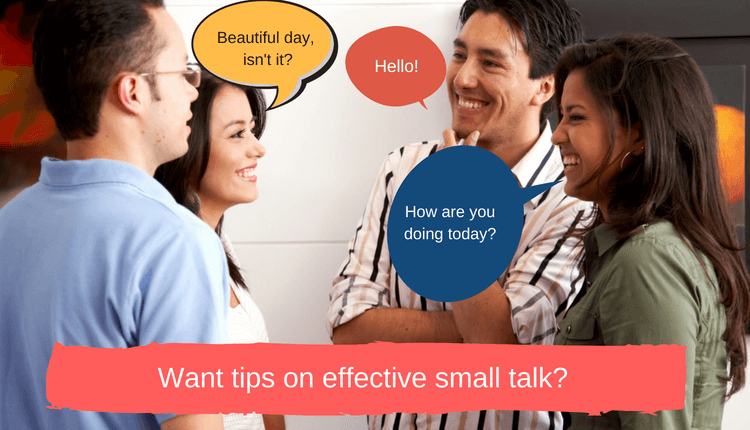
Shared Interests: Deepening the Connection Through Common Ground
Shared interests serve as the foundation for meaningful conversations, transforming casual exchanges into opportunities for emotional and intellectual connection. When two people discover overlapping passions—whether mainstream or niche—they create a natural framework for exploration, curiosity, and mutual discovery. This alignment fosters trust, as it signals compatibility in values, lifestyle, or even cognitive preferences. Research in social psychology, such as the Similarity-Attraction Effect (Byrne, 1971), confirms that perceived similarity increases attraction, making shared interests a strategic yet organic way to build rapport. Below, structured approaches outline how to leverage these interests effectively, from identifying high-engagement topics to uncovering hidden passions that reveal deeper personality traits.Ranked List of 10 Interests for Meaningful Discussions
The following list categorizes interests by their potential to spark engagement, balancing mainstream appeal with niche depth. Each selection is chosen for its ability to evoke personal anecdotes, opinions, or even hypothetical scenarios—key elements that deepen conversational flow.-
Music Genres (Subgenres or Eras)
Why it works: Music preferences often reflect identity, upbringing, or emotional states. Discussing niche genres (e.g., post-punk revival, lo-fi beats) or eras (e.g., 1970s prog-rock) invites storytelling about formative experiences, concert memories, or even playlist curation habits.
Example depth: "What’s a song you’ve replayed so often it feels like a soundtrack to a chapter of your life?" -
Culinary Traditions or Cooking Techniques
Why it works: Food combines sensory memory with cultural heritage. Exploring regional cuisines, cooking methods (e.g., fermentation, sous-vide), or even failed recipes reveals creativity, patience, and personal history.
Example depth: "If you could only master one cooking technique for the rest of your life, what would it be and why?" -
Obscure or Cult TV Shows/Films
Why it works: Shared fandom for lesser-known works (e.g., Twin Peaks, The Leftovers) signals intellectual curiosity and a taste for depth. These discussions often lead to analyses of themes, character arcs, or even speculative theories.
Example depth: "What’s a scene in [show] that you’ve replayed in your head more than others, and what do you think it symbolizes?" -
Travel Destinations or Wanderlust Philosophies
Why it works: Travel narratives blend adventure, culture, and introspection. Questions about offbeat destinations (e.g., Bhutan, the Faroe Islands) or travel philosophies (e.g., "slow travel") uncover values like spontaneity or planning.
Example depth: "Where’s a place you’ve visited that changed how you see the world, and how?" -
Board Games or Strategy Games
Why it works: Games reveal problem-solving styles, social dynamics, and even humor. Discussing favorite games (e.g., Gloomhaven, Catan) or designing hypothetical scenarios invites collaboration and playful competition.
Example depth: "What’s a game you’ve lost so spectacularly that it became a story you tell?" -
Vintage or Retro Technology
Why it works: Enthusiasm for analog devices (e.g., Polaroid cameras, vinyl records, typewriters) often ties to nostalgia, craftsmanship, or anti-consumerist values. These topics can lead to discussions about digital minimalism or preserving lost artisanal skills.
Example depth: "What’s a piece of old tech you wish still existed, and what would you use it for?" -
Urban Legends or Folklore
Why it works: Folklore discussions blend psychology (fear, curiosity) with cultural exchange. Exploring regional legends (e.g., La Llorona, The Vanishing Hitchhiker) or urban myths (e.g., The Dyatlov Pass Incident) reveals storytelling preferences and worldviews.
Example depth: "Which urban legend do you think has the most plausible explanation, and why?" -
Fitness or Movement Practices
Why it works: Exercise habits reflect discipline, self-care, or even rebellion. Discussing niche practices (e.g., parkour, calisthenics, yoga philosophies) can lead to conversations about mental health, community, or personal growth.
Example depth: "What’s a physical challenge you’ve set for yourself that felt impossible at first?" -
Philosophical or Existential Themes
Why it works: Topics like free will, consciousness, or ethics (e.g., "Would you upload your mind to a computer?") test intellectual compatibility and emotional depth. These discussions often reveal how someone processes complex ideas.
Example depth: "What’s a philosophical question you’ve spent the most time pondering, and how has it shaped your decisions?" -
DIY or Maker Culture
Why it works: Hands-on interests (e.g., woodworking, 3D printing, brewing) signal creativity, patience, and resourcefulness. Discussions about projects—successes or failures—offer insights into problem-solving and resilience.
Example depth: "What’s a DIY project you started that evolved into something entirely different than you expected?"
Flowchart: Steering Conversations from Surface-Level to Personal
The following structured progression demonstrates how to transition from a broad interest to a personalized or opinion-driven exchange. Each step builds on the previous one, escalating from facts to feelings or hypotheticals.| Step | Surface-Level Prompt | Deeper Follow-Up | Example Transition |
|---|---|---|---|
| 1 | "You like hiking?" | "What’s your go-to trail or type of terrain?" | "I’ve always loved the quiet of forest trails—there’s something about the way light filters through the trees. What’s a place you’ve hiked where the scenery felt almost magical?" |
| 2 | "Oh, you play guitar?" | "What’s the most challenging song you’ve learned, and why?" | "I still remember struggling with the fingerpicking in ‘Dust in the Wind’—it took me months to get it right. What’s a piece of music you’ve poured so much time into that it felt like an obsession?" |
| 3 | "You watch Stranger Things?" | "Which character’s arc do you think was the most underrated, and why?" | "I love how Eleven’s journey mirrors real-world trauma recovery. Who do you think had the most complex emotional journey in the show, and what do you think it says about resilience?" |
| 4 | "You bake bread?" | "What’s a baking disaster you’ve had that taught you the most?" | "My first sourdough starter failed spectacularly—it smelled like vinegar for weeks. What’s a culinary mistake you’ve made that ended up being a turning point for you?" |
1. Narrow the focus (e.g., from "hiking" to "magical scenery").
2. Invite emotion or reflection (e.g., "obsession," "trauma recovery").
3. Offer a personal anecdote to model vulnerability.
Three "Hidden" Interests That Reveal Personality
These interests are often overlooked in casual conversation but provide rich insights into values, creativity, and life perspective. They serve as conversation catalysts that feel intimate yet low-pressure.-
Vintage Camera Photography
Personality Traits Revealed: Patience, aesthetic sensibility, and a connection to history. Enthusiasts often value intentionality over instant gratification and may appreciate analog experiences in a digital world.
Discussion Angles:
- *"What’s a photograph you
Future-Oriented Topics: Dreaming Together
Discussing hypothetical future scenarios with a crush serves as a subtle yet effective way to explore compatibility while maintaining emotional safety. These conversations create an aspirational framework where both individuals can project shared values, personal growth, and relational dynamics without the pressure of immediate expectations. The key lies in framing discussions as collaborative imaginings rather than demands, ensuring the tone remains lighthearted yet meaningful. Below, structured templates, conversational scripts, and comparative phrasing strategies are provided to guide these interactions. - "I’m moving to [city]—you should come with me." (implies obligation).
- "I don’t know if I can stay here anymore." (feels like a declaration).
- Match the tone to the topic’s weight. Lighthearted stories (e.g., childhood embarrassments) can use playful framing, while deeper topics (e.g., grief) require gentler transitions.
- Avoid over-explaining. The goal is to invite reciprocity, not dominate the conversation. Limit details to what feels necessary for the story’s emotional arc.
- Use "we" language when possible to frame the experience as shared. For example: > "I’ve noticed how much we both value honesty—there was this one time I lied to avoid hurting someone’s feelings, and I’ve never done that again."
-
How they handle stress or overwhelm
Why it matters: Stress responses (e.g., withdrawal vs. problem-solving) indicate emotional resilience and conflict styles.
Example phrasing: > "I’ve been trying to figure out how to unwind after long days—do you have a go-to way to reset, or do you just power through until you crash?" Follow-up: "I’ve noticed you [specific observation, e.g., ‘take deep breaths when you’re frustrated’]. How did you learn to do that?" -
Their love language and how they express care
Why it matters: Aligning on emotional needs (e.g., acts of service vs. quality time) predicts long-term satisfaction (Chapman, 2015).
Example phrasing: > "I’ve always wondered what ‘feels most loved’ to people. For me, it’s when someone really listens to me ramble about random thoughts—do you have a similar thing, or is it more about gestures?" Follow-up: "That’s interesting. How do you usually show that to people you care about?" -
Their relationship with family and boundaries
Why it matters: Family dynamics influence attachment styles and future relationship expectations.
Example phrasing: > "I’ve realized how much family shapes us—like, my parents are super independent, so I’m still figuring out how to balance that with wanting a close-knit life. How about you? Do you lean more toward their style or something different?" Follow-up: "What’s one thing you’ve learned from your family that you’d want to carry into your own relationships?" -
Their approach to failure or setbacks
Why it matters: Growth mindset vs. fixed mindset reveals adaptability and emotional regulation (Dweck, 2006).
Example phrasing: > "I’ve had this habit of beating myself up over small mistakes, but I’m trying to reframe them as learning opportunities. Do you ever struggle with that, or do you see failures as part of the process?" Follow-up: "What’s a time you faced something really hard, and how did you get through it?" -
Their values around time and priorities
Why it matters: Misaligned priorities (e.g., career vs. relationships) are a leading cause of conflict in long-term partnerships.
Example phrasing: > "I’ve been thinking a lot about how we spend our time lately. Like, I used to prioritize work over everything, but now I’m trying to make space for things that actually fulfill me. How do you decide what to focus on when life gets busy?" Follow-up: "If you could design your ‘ideal week,’ what would non-negotiables look like?" - Leading questions: Phrases like "Don’t you think family should always support you?" imply judgment. Instead, use open-ended prompts.
- Overanalyzing: If they hesitate, pivot to a lighter topic (e.g., "No worries—some things are still a work in progress for me too!").
- Comparisons: Never frame their answers as "right" or "wrong." Even if their values differ, validate their perspective first.
-
Name the emotion
Purpose: Helps the other person feel heard and reduces emotional isolation.
Examples: - "That sounds really frustrating—I can tell this has been weighing on you."
- "It makes sense that you’d feel hurt after something like that." Why it works: Neuroscientific research shows that labeling emotions activates the prefrontal cortex, reducing amygdala-driven stress (Lieberman et al., 2007).
-
Reflect their experience
Purpose: Demonstrates active listening and prevents premature advice-giving.
Examples: - "You mentioned feeling stuck between two options—it’s tough when neither feels like the ‘right’ choice."
- "It sounds like you’re carrying a lot right now. How long has this been on your mind?" Why it works: Reflection validates their narrative, making them more likely to reciprocate vulnerability (Gordon, 1970).
-
Ask open-ended questions
Purpose: Encourages them to explore their feelings further without pressure.
Examples: - "What’s been the hardest part about this for you?"
- "How did you start making sense of it?" Why it works: Open questions shift the dynamic from "problem-solving mode" to "exploration mode," deepening emotional intimacy.
-
Offer support (if appropriate)
Purpose: Signals availability without imposing solutions.
Examples: - "I’m here if you want to talk more about it—or if you’d rather just vent, that’s okay too."
- "That took a lot of courage to share. I really appreciate you trusting me with that." Why it works: Non-judgmental support increases oxytocin levels, reinforcing bond formation (Light et al., 2005).
Structured Template for Hypothetical Future Scenarios
Future-oriented discussions thrive on open-ended, aspirational framing that invites participation without implying obligation. The following template outlines five core "dream" topics, their conversational triggers, and phrasing techniques to maintain a hopeful yet non-presumptuous tone.Core Principle:
"Avoid ‘Would you…?’ phrasing (which can feel interrogative) and instead use ‘I wonder…’ or ‘What if…?’ to invite shared reflection."
| Dream Topic | Conversational Trigger | Aspirational Phrasing Example | Avoid (Presumptuous/Closed-Ended) |
|---|---|---|---|
| Ideal Vacation | Shared curiosity about unexplored destinations. | "I’ve always dreamed of seeing the Northern Lights—have you ever wanted to chase that kind of magic? I’d love to hear where you’d pick if you could go anywhere tomorrow." | "We should totally go to Iceland next year—you in?" (implies commitment). |
| Bucket-List Experiences | Reference to a recent shared activity (e.g., a movie, book, or hobby). | "That documentary on deep-sea diving made me realize I’d love to try freediving someday. What’s something on your bucket list that still feels a little out of reach?" | "You’d love scuba diving—we could do it together!" (assumes shared interest). |
| Career Milestones | Casual mention of their profession or passions. | "I’ve been thinking about how much I admire what you do—do you ever picture yourself in a role where you’re mentoring others? I’d love to hear how you see your career evolving." | "You’ll definitely want to be a manager someday, right?" (limits their vision). |
| Relationship Milestones (Platonic/Future-Focused) | Reference to a long-term friendship or shared history. | "In five years, I hope to be someone who’s really good at [skill/hobby]. Do you think we’d still be talking about [shared interest] by then?" | "I hope we’re still together in five years." (romantic presumption). |
| Personal Growth Goals | Observation of their recent changes or challenges. | "You’ve been so focused on learning Spanish—where do you see that taking you? Maybe even a trip to a Spanish-speaking country someday?" | "You’ll need to move to Spain eventually, right?" (overly directive). |
Script for Introducing a Lighthearted "Future Self" Discussion
To transition into future-oriented talk naturally, anchor the conversation in shared values, past experiences, or mutual aspirations. The following script demonstrates how to introduce the topic while tying it back to emotional connection.Script Template:Example in Context:
1. Anchor in Shared Ground:
"Remember when we [shared experience]? That made me think about how much I love [related value, e.g., adventure, creativity]."2. Project Aspirations:
"I’ve been daydreaming about [specific goal]—it feels like something that would make me really proud in a few years."3. Invite Their Perspective:
"What about you? Is there something you’ve been hoping to achieve that still feels a little distant?"4. Tie Back to Connection (Optional):
"I’d love to hear how you see your [goal] evolving—maybe we could even [shared activity] to celebrate it someday."
"Remember that hiking trip we did last summer? That trail reminded me how much I love exploring new places. I’ve been thinking about trying a multi-day backpacking trip in the Alps—it’s something I’d love to do in the next couple of years. What about you? Is there an adventure you’ve been wanting to take on that still feels like a dream?"
Discussing Personal Growth or Life Changes
When addressing topics like moving cities or career shifts, frame the discussion as a shared exploration of possibilities rather than a personal confession. This approach reduces defensiveness and encourages reciprocity. Key strategies include:- Use "I" Statements with Open Questions:
"I’ve been considering [change]—it’s exciting but also a little intimidating. How do you think people usually handle big transitions like that?"
- Highlight Curiosity Over Certainty:
"I’ve been reading about [topic], and it’s made me wonder how someone in your field would approach [related challenge]. Do you have any advice?"
- Acknowledge Ambivalence:
"I’m torn between [options]—part of me wants to stay put, but another part is curious about [new opportunity]. How do you balance those feelings?"
Avoid:
Direct vs. Indirect Hints About Romantic Potential
Future-oriented conversations can subtly signal romantic interest if framed carefully. Below is a comparison of direct (potentially pressuring) and indirect (hopeful yet open-ended) phrasing, along with examples.| Intent | Direct Phrasing (Risk: Pressure) | Indirect Phrasing (Risk: Hopeful) |
|---|---|---|
| Expressing desire for shared future. | "I want us to be together in five years." | "I’ve been thinking about how much I value our conversations—do you ever picture yourself still having people in your life who [shared value]?" |
| Suggesting travel together. | "Let’s plan a trip—you and me." | "I’d love to visit [place] someday. It’s the kind of trip I’d want to do with someone who really gets why it matters to me." |
| Discussing relationship milestones. | "Are we exclusive?" | "I’ve been reading about how people build long-term friendships—what do you think makes those connections last?" |
| Imagining career collaboration. | "We should start a business together." | "I’ve been brainstorming about [project]—it’s the kind of thing I’d love to do with someone who shares my passion for [shared interest]." |
| Hoping for emotional intimacy. | "I think we’d be great together." | "There’s something about our conversations that makes me feel really understood—do you ever feel that way with people?" |
Indirect phrasing creates space for mutual exploration while direct hints can trigger defensiveness or premature commitment. The goal is to plant seeds of possibility without dictating outcomes.

Vulnerability and Emotional Connection: Safe Topics to Share
Building emotional intimacy requires a balance between openness and discretion. Vulnerability fosters trust, but sharing too much too soon can create discomfort or imbalance. The key lies in framing personal revelations in a way that feels reciprocal, intentional, and supported by context. This approach ensures the conversation remains engaging rather than intrusive, allowing both parties to explore compatibility without pressure. Research in interpersonal psychology highlights that gradual self-disclosure—paired with active listening—enhances emotional safety and connection, particularly in early-stage relationships (Jourard, 1971; Reis & Shaver, 1988).The "sandwich method" (positive → story → positive) serves as a structural safeguard, softening the impact of sensitive topics while maintaining emotional warmth. This technique, rooted in communication theory, prevents conversations from feeling like interrogations or one-sided confessions. Below, strategies are outlined to navigate vulnerability with intention, including topic selection, validation techniques, and nonverbal cues that reinforce trust.
Introducing Personal Anecdotes Using the Sandwich Method
The sandwich method mitigates the risk of oversharing by anchoring vulnerable disclosures in affirming statements. This structure—positive framing → narrative → positive closure—creates psychological safety by:1. Setting a warm tone (e.g., "I’ve always loved how open you are about your passions—it reminds me of a time I felt really proud of taking a risk.").
2. Sharing the anecdote (e.g., "I tried out for a play in college, and I was so nervous I almost backed out. But I’m glad I didn’t because it taught me how to handle stage fright.").
3. Reinforcing connection (e.g., "It’s funny how those small moments shape us, isn’t it? I’d love to hear if you’ve ever had something like that happen.").
Key principles to apply:
Example for a past heartbreak:
> "You mentioned how much you enjoy spontaneity—it’s one of the things I admire most about you. I used to feel the same way until I got burned by someone who canceled plans last minute. It took me a while to realize that not everyone’s idea of ‘fun’ aligns with mine, and now I’m way more selective about who I let into that part of my life. Do you ever struggle with balancing spontaneity and boundaries?"
Five Emotional Topics That Reveal Compatibility
Certain topics naturally surface core values, communication styles, and emotional needs. When approached organically—rather than as an interview—they reveal compatibility without feeling invasive. Below are five high-yield areas, along with casual phrasing to introduce them:Step-by-Step Guide to Validating Feelings
Validation—acknowledging another’s emotions without fixing or dismissing them—is the cornerstone of emotional safety. It signals that their experience matters, which encourages deeper sharing. Below is a four-step framework to practice validation, along with why each step builds trust:Mastering what to talk about with your crush isn’t about memorizing scripts or forcing depth; it’s about recognizing that every conversation is a shared journey. Lighthearted topics pave the way, shared interests deepen the path, and future-oriented reflections illuminate where it might lead—without rushing. The key lies in authenticity: using humor to disarm, open-ended questions to invite participation, and emotional validation to build trust. By treating each exchange as a collaboration rather than an interrogation, you create space for natural chemistry to emerge. Ultimately, the right words aren’t the destination; they’re the spark that turns fleeting moments into lasting connections.
FAQ
What are good topics to discuss with your crush over text to keep the conversation flowing naturally?
Start with light, low-pressure topics like their hobbies, favorite movies/shows, or fun memories. Ask open-ended questions (e.g., "What’s the most spontaneous thing you’ve ever done?") to encourage longer replies. Avoid overly personal or controversial subjects early on. If they’re into music, share a song and ask for their thoughts—it’s easy and engaging.
How can I make text conversations with my crush feel flirty without being too forward?
Use playful teasing (e.g., "Bet you can’t beat my high score in [game]—wanna prove me wrong?"), compliments that highlight effort (e.g., "You always have the best taste in [music/books]"), or share something personal but light (e.g., "Just saw a sunset that reminded me of you—stupid, right?"). Tease their interests or inside jokes, and leave room for them to flirt back.
What are some interesting things to talk about with your crush during a phone call to make it memorable?
Share a story from your day with a twist (e.g., "Today I tried to cook [dish] and it was a disaster—want to hear the details?"), ask about their future goals or dreams, or play a quick game (e.g., "20 Questions, but only about your weirdest habits"). Listen actively and ask follow-ups like "Why do you think that?" to show genuine interest.
How do you keep a phone conversation with your crush from getting awkward or silent?
Break the silence with humor (e.g., "Okay, I’m officially bad at this—what’s a random fact about you I don’t know?") or ask for their opinion on something silly (e.g., "If you could only eat one cuisine for the rest of your life, what would it be?"). If it feels tense, pivot to a shared memory or inside joke. Avoid overthinking pauses—most people appreciate honesty like "I’m nervous, but I like talking to you."
What should I say if the conversation with my crush gets awkward or silent?
Lighten the mood with humor (e.g., "Okay, I messed up—want me to send you a meme to reset this?") or admit the awkwardness (e.g., "This is weird, right? But I’m glad we’re talking"). Ask a simple, low-stakes question (e.g., "What’s the most awkward thing you’ve ever said to someone?") to shift focus. If it’s text, a funny GIF or emoji can break the tension.
What are some good late-night text topics to talk about with your crush?
Share a random thought (e.g., "Just realized I’ve never asked: what’s your go-to late-night snack?"), discuss dreams or hypotheticals (e.g., "If you could time-travel to any era, where would you go?"), or reminisce about childhood memories. Late-night talks often feel more vulnerable, so keep it light but personal—avoid heavy topics unless they bring it up first.
Leave a Comment
Comments are moderated before appearing. The data you submit is processed according to the Privacy Policy of Voltefac.