What Is The Church Of Latter Day Saints And Its Global Influence

Published

Table of Contents

The Church of Latter-day Saints (LDS), formally known as The Church of Jesus Christ of Latter-day Saints, stands as one of the most distinctive religious movements in modern history, founded upon claims of restored divine authority and ancient scripture. Emerging in the early 19th century through the visionary experiences of Joseph Smith, the faith quickly distinguished itself from mainstream Christianity by introducing doctrines such as eternal progression, temple ordinances, and a unique priesthood system. Its foundational text, the Book of Mormon, alongside revelations compiled in the Doctrine and Covenants, presents a theological framework that emphasizes continuity with biblical Christianity while asserting a direct restoration of lost truths. Beyond its theological innovations, the LDS Church has grown into a global institution with a structured hierarchy, a robust missionary program, and cultural practices that blend sacred ritual with daily life.

The movement’s origins in post-Revolutionary America were marked by both spiritual fervor and societal upheaval, as early followers faced persecution while establishing communities in Ohio, Missouri, and Illinois. Over time, the Church expanded its reach through systematic organization, adapting its governance and doctrines to diverse cultural contexts. Today, it operates as a multifaceted institution—balancing religious doctrine, communal worship, and global outreach—while maintaining a distinct identity rooted in its foundational narratives and scriptural claims.
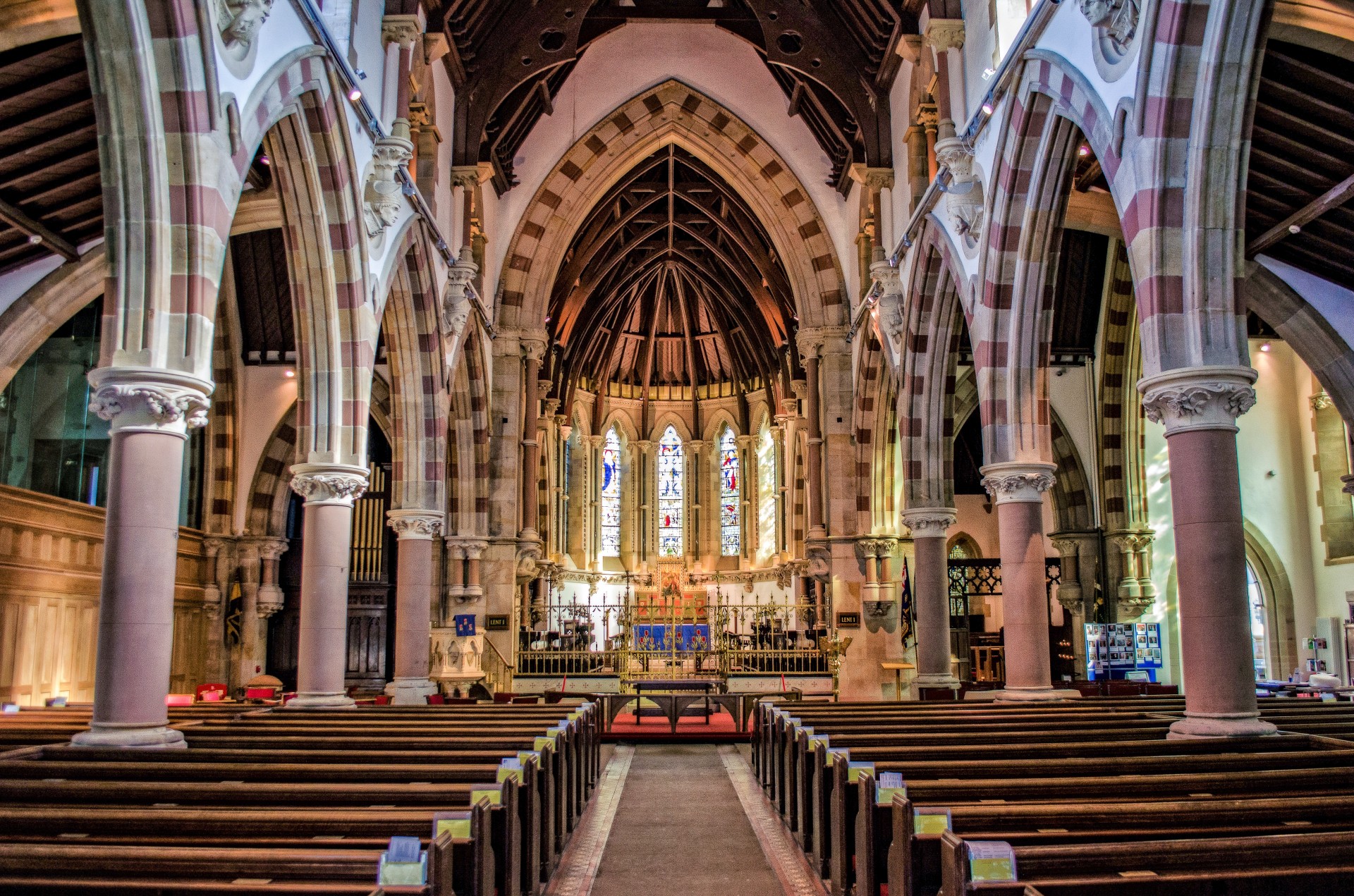
what is the church of latter day saints

Historical Foundations and Origins of the Church of Latter-day Saints (1820–1830)

The Church of Jesus Christ of Latter-day Saints (LDS Church) traces its origins to a series of revelations and organizational milestones in the early 19th century, centered around the prophetic claims of Joseph Smith Jr. and the publication of the Book of Mormon. These events marked a departure from mainstream Christianity, introducing doctrines and practices that would define the church’s unique theological identity. The period between 1820 and 1830 established the foundational narrative of divine restoration, priesthood authority, and scriptural revelation, which continue to shape LDS theology and history.

The movement’s inception was rooted in Smith’s spiritual experiences, including the First Vision in 1820, where he claimed to have encountered God the Father and Jesus Christ, who identified existing Christian denominations as corrupt. This vision set the stage for the restoration of primitive Christianity and the establishment of a new dispensation. Key figures such as Oliver Cowdery and Samuel Smith played instrumental roles in documenting these events, translating sacred texts, and organizing the early church.

Foundational Events and the First Vision

The First Vision, reported by Joseph Smith in 1820, is a cornerstone of LDS theology. According to Smith’s account, he sought answers to his religious doubts through prayer in a grove of trees near his family’s home in Palmyra, New York. He described a divine manifestation where God the Father and Jesus Christ appeared, condemning the creeds of established churches and commissioning Smith as a prophet to restore the original church of Christ. This event is documented in Smith’s 1832 and 1838 manuscripts, though discrepancies in dating and detail have sparked scholarly debate.

Smith’s subsequent claim to receive golden plates from an angel named Moroni in 1823 led to the translation of the Book of Mormon, a text he asserted was an abridgment of ancient records detailing the ministry of Jesus Christ among the Nephites and Lamanites in ancient America. The translation process, completed with the assistance of Oliver Cowdery, was facilitated by the use of seer stones, including the Urim and Thummim, which Smith described as divine interpreters. The Book of Mormon was first published in March 1830 in Palmyra, New York, and presented as another testament of Jesus Christ alongside the Bible.

Early Organizational Milestones and Key Locations

The formal establishment of the Church of Christ occurred on April 6, 1830, in Fayette, New York, when Smith, Cowdery, and six other men were baptized and ordained to the Aaronic and Melchizedek Priesthoods. This event marked the restoration of priesthood authority, a central tenet of LDS belief. The church’s early growth was rapid but faced immediate challenges, including persecution and financial struggles. Below is a comparative table of critical early developments:
Event Year Location Significance
First Vision 1820 Palmyra, New York Divine commissioning of Joseph Smith as a prophet; rejection of mainstream Christianity.
Translation of the Book of Mormon 1827–1829 Fayette, New York Publication of sacred scripture; establishment of the church’s doctrinal foundation.
Organization of the Church of Christ 1830 Fayette, New York Formal restoration of priesthood authority; first baptisms and ordinations.
Relocation to Kirtland, Ohio 1831 Kirtland, Ohio Establishment of a theological seminary; economic and spiritual growth of the church.
Missouri Exodus and Zion’s Camp 1833–1834 Missouri/Illinois Persecution of Latter-day Saints; failed military expedition to reclaim Missouri lands.
Exodus to Nauvoo, Illinois 1839–1846 Nauvoo, Illinois Temporary refuge; introduction of plural marriage and temple ordinances.
The church’s relocation to Kirtland, Ohio, in 1831 marked a period of significant expansion, including the establishment of the School of the Prophets and the Kirtland Temple, where Smith received additional revelations. However, financial mismanagement and internal disputes led to the church’s decline in Ohio by 1838. The Missouri conflict further strained relations, culminating in the Extermination Order of 1838, which forced Latter-day Saints to flee to Nauvoo, Illinois, under the leadership of Smith and later Brigham Young.

Theological Role and Influence of the Book of Mormon

The Book of Mormon serves as a foundational scripture in LDS theology, asserting its status as a second witness of Jesus Christ and a restoration of ancient covenants. Smith’s translation process emphasized divine guidance, with the text presenting itself as an abridgment of plates written by prophets such as Nephi, Mormon, and Moroni. The book’s narrative parallels biblical events, including the ministry of Christ among the Nephites, and introduces doctrines such as pre-mortal existence, the Plan of Salvation, and temple ordinances.

The Book of Mormon also introduced unique practices, such as baptism for the dead, which was later expanded in Nauvoo to include proxy ordinances for deceased ancestors. These practices were justified through Smith’s claims of continuing revelation, distinguishing LDS theology from mainstream Protestantism. The text’s publication in 1830 provided a scriptural basis for the church’s authority and mission, reinforcing the idea of a restored gospel distinct from historical Christianity.

Differences Between Early LDS Practices and Mainstream Christianity

The early LDS Church adopted several practices that diverged from contemporary Christian denominations, reflecting its emphasis on restorationism and continuing revelation. Below are key distinctions:
  • Priesthood Authority and Ordination: Unlike mainstream denominations, which often limited priesthood to ordained clergy, the LDS Church restored the Aaronic and Melchizedek Priesthoods to all worthy male members, enabling universal participation in sacred ordinances.
  • The priesthood is the power and authority of God delegated to man to act in all things necessary for the salvation of the human family.
    This principle allowed for baptism by immersion, sacrament administration, and later, endowment ceremonies in temples.
  • Plural Marriage (Polygamy): Introduced in the 1830s and formalized in Nauvoo, plural marriage was justified through Smith’s revelations and later became a defining (though controversial) practice of the church. It was officially abandoned in 1890 as a condition for Utah statehood.
  • Baptism for the Dead: A practice derived from 1 Corinthians 15:29, this ordinance involved proxy baptisms for deceased ancestors to provide them opportunities for salvation. It was institutionalized in Nauvoo and later expanded in temple ordinances.
  • Temple Worship and Endowment: Unlike mainstream churches, which typically focused on Sunday services, the LDS Church developed a temple-based theology, including the endowment ceremony, which symbolized covenants for exaltation in the afterlife.
  • Health Code and Word of Wisdom: Smith introduced the Word of Wisdom in 1833, a health code prohibiting alcohol, tobacco, coffee, and tea. This was later codified as a commandment, distinguishing LDS health practices from those of the broader Christian world.
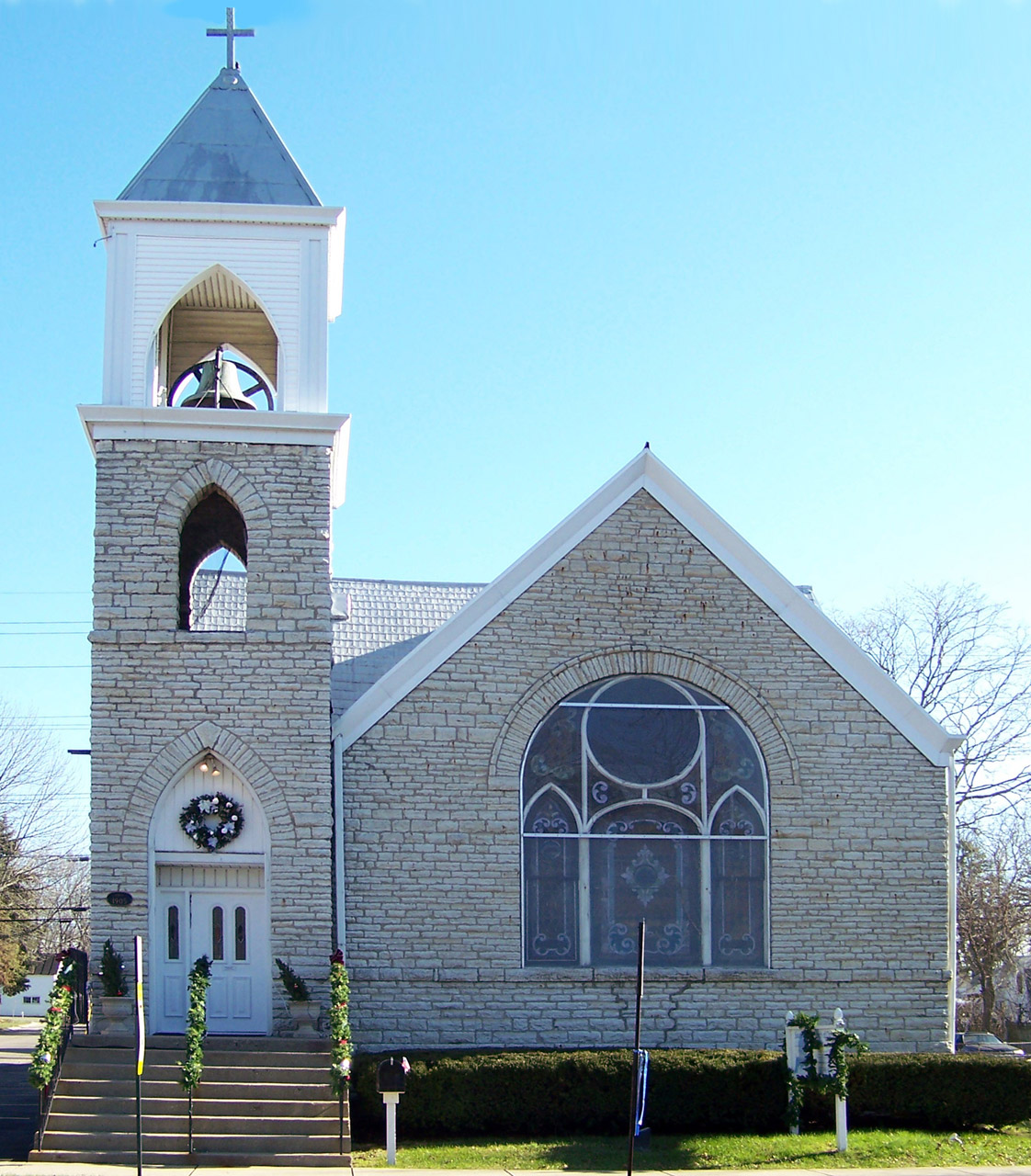
These practices reflected the LDS Church’s belief in restoring lost doctrines and expanding the scope of salvation, often through revelations claimed

what is the church of latter day saints - Ilustrasi 2

Core Beliefs and Distinctive Doctrines of the Church of Latter-day Saints

The Church of Jesus Christ of Latter-day Saints (LDS Church) distinguishes itself from mainstream Christianity through its emphasis on the "restoration" of original Christian teachings, which it asserts were lost due to apostasy following the death of the apostles. Central to this belief is the claim that God restored divine authority and truth through the First Vision of Joseph Smith in 1820 and subsequent revelations. This restoration includes additional scripture, priesthood authority, and doctrines that expand upon traditional Christian theology, such as eternal progression, temple ordinances, and a detailed Plan of Salvation. These beliefs are grounded in LDS scriptures—particularly the Book of Mormon, Doctrine and Covenants, and Pearl of Great Price—which complement the Bible and provide a framework for understanding God’s plan for humanity.

The LDS Church teaches that divine authority is not limited to ancient scripture but continues through living prophets and apostles, who receive revelations to guide the Church. This hierarchical structure, including the priesthood, plays a crucial role in interpreting scripture and adapting doctrine to modern contexts. Below, structured comparisons highlight how LDS theology diverges from or aligns with traditional Christian views, while a comparative table examines key doctrines such as the Godhead, pre-existence, and post-mortem existence.

Restoration of Original Christianity and the Loss of Divine Truth

The LDS Church posits that after the death of the apostles in the first century, Christianity experienced a gradual apostasy—a departure from the original teachings of Jesus Christ. This apostasy, according to LDS theology, resulted from the loss of divine authority, the corruption of scripture, and the abandonment of essential doctrines. The Church teaches that God restored these truths through Joseph Smith, who claimed to receive visions and translations of ancient records, including the Book of Mormon and other revelations. This restoration is not merely a return to early Christian practices but an expansion of biblical teachings with additional scripture and priesthood authority.

Key aspects of this restoration include:

  • Divine Authority: The LDS Church asserts that priesthood authority—necessary for salvation—was lost after the apostles and later restored through Joseph Smith.
  • Additional Scripture: The Book of Mormon and other LDS scriptures are viewed as companion texts to the Bible, providing further testimony of Jesus Christ and His gospel.
  • Continuous Revelation: Prophets and apostles today receive ongoing revelations to guide the Church, ensuring alignment with God’s will.
  • The concept of restoration is foundational to LDS identity, distinguishing it from denominations that rely solely on the Bible and historical Christian traditions.

    Unique LDS Doctrines and Their Contrast with Traditional Christianity

    The LDS Church teaches several doctrines that differ significantly from mainstream Christian beliefs. Below is a structured list of these doctrines, along with their LDS interpretations and contrasts with traditional Christian views.
    "The fundamental principles of our religion are the testimony of the Apostles and Prophets, concerning Jesus Christ, that He died, was buried, and rose again the third day, and ascended into heaven; and all other things which pertain to our religion are only appendages to it."Doctrine and Covenants 6:1
    Core LDS Doctrines and Their Contrasts:

    - Eternal Progression and Exaltation

  • LDS Interpretation: Humans progress eternally through divine potential, achieving godhood (exaltation) through faithfulness, temple ordinances, and family relationships.
  • Traditional Christian View: Salvation is primarily about eternal life in heaven, with limited emphasis on becoming like God or achieving divine status.
  • Scriptural Basis: Doctrine and Covenants 132:19–24; Abraham 3:22–23 (Pearl of Great Price).
  • - Temple Ordinances and Covenants

  • LDS Interpretation: Sacred rituals (e.g., baptism for the dead, endowment) are required for exaltation and family unity across generations.
  • Traditional Christian View: Baptism and communion are central, but ordinances for the dead or temple-based covenants are not universally practiced.
  • Scriptural Basis: Doctrine and Covenants 124:24–34; 1 Corinthians 15:29 (interpreted as supporting proxy baptisms).
  • - The Plan of Salvation (Premortal Life, Mortality, Post-Mortem Existence)

  • LDS Interpretation: Humans existed as spirit children of God before birth, gained physical bodies through mortality, and face judgment followed by eternal progression or condemnation.
  • Traditional Christian View: Emphasizes original sin, redemption through Christ, and heaven/hell as final destinations, with less focus on premortal existence.
  • Scriptural Basis: Alma 12:23–24 (Book of Mormon); 2 Nephi 9:6–9.
  • - Divine Parentage and Family Unity

  • LDS Interpretation: God is a literal, exalted being with a physical body, and families can be sealed eternally through temple marriages.
  • Traditional Christian View: God is often described as formless (e.g., John 4:24), and eternal family bonds are not a doctrinal requirement.
  • Scriptural Basis: Doctrine and Covenants 130:22; Matthew 22:30 (interpreted differently).
  • - Continuing Revelation and Prophetic Authority

  • LDS Interpretation: The Bible is incomplete without additional scripture and modern revelations from living prophets.
  • Traditional Christian View: Scripture is considered sufficient (2 Timothy 3:16–17), with less emphasis on ongoing revelations.
  • Scriptural Basis: Doctrine and Covenants 1:37–38; Hebrews 1:1–2 (interpreted as a command to "add" to scripture).
  • Divine Authority in the LDS Church: Prophets, Apostles, and Priesthood

    The LDS Church teaches that divine authority is not confined to ancient scripture but is actively exercised through a living prophet, the Quorum of the Twelve Apostles, and the priesthood hierarchy. This authority is essential for:
  • Interpreting Scripture: Prophets clarify biblical teachings through modern revelations (e.g., the Pearl of Great Price includes the Book of Abraham, a translation of Egyptian papyri).
  • Adapting Doctrine: The Church adjusts policies and teachings based on revelations (e.g., the 1978 revelation allowing Black men to hold the priesthood).
  • Administering Ordinances: Only those with priesthood authority can perform sacred rites (e.g., baptism, sacrament, temple ordinances).
  • The First Presidency (President, First Counselor, Second Counselor) and the Quorum of the Twelve are considered the highest governing bodies, with the prophet acting as God’s mouthpiece on earth. This structure contrasts with many Christian traditions that rely on historical creeds, councils (e.g., Nicaea), or individual interpretation of scripture.

    "We believe all that God has revealed, all that He does now reveal, and we believe that He will yet reveal many great and important things pertaining to the Kingdom of God."Articles of Faith 9
    Criticisms of this system include:
  • Centralization of Authority: Some argue it limits individual spiritual autonomy.
  • Evolution of Doctrine: Changes in policy (e.g., polygamy, priesthood restrictions) have led to debates over consistency.
  • Claim of Uninterrupted Authority: The LDS Church asserts a direct lineage from ancient apostles, though historical evidence is contested.
  • Comparative Analysis of Key LDS and Christian Doctrines

    Below is a table comparing core LDS doctrines with their biblical/historical contexts and associated criticisms. The analysis highlights theological divergences and the role of LDS scriptures in shaping these beliefs.
    Doctrine LDS Interpretation Biblical/Historical Context Criticisms or Challenges
    The Godhead (Nature of God)
    • God the Father, Jesus Christ, and the Holy Ghost are three distinct beings with physical bodies (Doctrine and Covenants 130:22).
    • Jesus is the "Elder Brother" of all humanity (Abraham 3:22–23).
    • God has a wife and literal children (Doctrine and Covenants 132:1

      Organizational Structure and Governance of the Church of Latter-day Saints

      The Church of Jesus Christ of Latter-day Saints (LDS Church) operates under a hierarchical and decentralized governance model, blending theological authority with administrative efficiency. Its organizational framework is designed to facilitate spiritual leadership, local autonomy, and global coordination. The structure integrates priesthood authority with lay leadership, ensuring both doctrinal consistency and adaptive local practices. This system supports the Church’s expansion across cultures while maintaining doctrinal unity through centralized guidance from its highest councils.

      The governance model emphasizes a priesthood-based hierarchy, where ordained leaders hold keys of authority delegated from God. Decisions are made through a combination of revelation, consensus, and administrative processes, with general policies originating from the First Presidency and Quorum of the Twelve Apostles. Local congregations (wards and branches) operate with significant autonomy, allowing for cultural and linguistic adaptations while adhering to core doctrines.

      Hierarchy of Church Leadership: From Local Congregations to the First Presidency

      The LDS Church’s leadership is structured in a pyramidal hierarchy, with authority flowing from the highest councils to local units. Each level of leadership holds specific responsibilities, ensuring both doctrinal unity and practical administration.

      1. The First Presidency and Quorum of the Twelve Apostles
      The First Presidency consists of the President of the Church, his two counselors, and the Quorum of the Twelve Apostles, which includes the Twelve Apostles and their counselors. This body holds the highest priesthood keys and is responsible for:

    • Doctrinal oversight: Interpreting scripture, issuing official statements, and guiding theological direction.
    • Policy formulation: Approving major administrative changes, such as temple policies or missionary guidelines.
    • Succession: The President of the Church is considered a prophet, seer, and revelator, with succession determined by revelation rather than election. Upon the death or incapacitation of the President, the First Counselor succeeds him, followed by the Second Counselor, and then the President of the Quorum of the Twelve Apostles. This process is governed by Doctrine and Covenants 107:92–93, which outlines the order of succession.
    • 2. Area Authorities and General Authorities
      Below the First Presidency, area authorities (e.g., Area Seventies) oversee multiple countries or regions, while General Authorities (e.g., Members of the First Quorum of the Seventy, Presidencies of the Seventy) serve as regional leaders. Their roles include:

    • Overseeing stakes and missions: Coordinating with local leaders to ensure doctrinal consistency.
    • Advising the First Presidency: Providing input on regional challenges and opportunities.
    • Training and sustaining leaders: Preparing new leaders through seminars and conferences.
    • 3. Stakes and Districts
      A stake is the largest local administrative unit, consisting of multiple wards (congregations). Stakes are led by a Stake Presidency (President, First Counselor, Second Counselor), who report to an Area Authority or General Authority. Key responsibilities include:

    • Supervising wards and branches: Ensuring doctrinal teaching and administrative compliance.
    • Assigning callings: Placing members in leadership roles (e.g., bishops, branch presidents).
    • Facilitating temple attendance: Coordinating with temple authorities for recommend interviews and ordinances.
    • 4. Wards and Branches

    • Wards serve English-speaking or majority-LDS communities, while branches cater to smaller or non-English-speaking groups.
    • Led by a Bishopric (Bishop, two Counselors) in wards or a Branch Presidency (President, two Counselors) in branches.
    • Responsibilities include:
    • Sacramental administration: Overseeing the Sacrament Meeting (weekly worship service).
    • Tithing and fast offerings: Managing financial contributions.
    • Disciplinary actions: Addressing conduct violations through the Church Discipline process.
    • 5. Local Congregations and Auxiliaries
      Within wards and branches, auxiliaries (e.g., Relief Society for women, Priesthood Quorums for men, Young Men/Young Women, Primary for children) operate under the direction of local leaders. These groups focus on:

    • Spiritual education: Teaching gospel principles through classes and activities.
    • Service and outreach: Organizing community service projects and missionary support.
    • Social support: Providing counseling, welfare assistance, and fellowship.
    • Priesthood System: Ordination, Levels, and Responsibilities

      The LDS priesthood is divided into two distinct orders: the Aaronic Priesthood and the Melchizedek Priesthood, each with specific ordinances, responsibilities, and progression paths.

      1. Aaronic Priesthood
      Held by male members aged 12 and older, the Aaronic Priesthood includes:

    • Deacons (ages 12–13): Assist in passing the sacrament (bread and water), distribute fast offerings, and perform baptisms under supervision.
    • Teachers (ages 14–15): Assist in passing the sacrament, distribute fast offerings, and prepare meetinghouses.
    • Priests (ages 16–17): Administer the sacrament, bless and pass the sacrament, and baptize under supervision.
    • Teacher Quorums and Priests Quorums: Organized by age, these quorums meet weekly for instruction, service projects, and priesthood development.
    • 2. Melchizedek Priesthood
      Held by male members aged 18 and older (or younger with special approval), the Melchizedek Priesthood includes:

    • Elders: Hold the fullness of the Melchizedek Priesthood and may perform baptisms, confirmations, and blessings. They serve as missionaries, bishops, or general authorities.
    • High Priests: Serve in stake presidencies, bishoprics, and temple leadership roles. They hold keys of the kingdom for specific administrative functions.
    • Seventies: Serve as General Authorities or Area Authorities, often assigned to regional or international leadership roles.
    • Apostles: Hold the highest keys of the priesthood, including temple sealing authority and doctrinal oversight.
    • Ordination Process

    • Aaronic Priesthood: Ordained by a high priest or elder in a sacrament meeting or priesthood meeting. Candidates must be worthily recommended by their parents and bishop.
    • Melchizedek Priesthood: Ordained by a high priest or elder in a sacrament meeting or priesthood meeting. Elders are ordained at age 18 (or earlier with approval), while higher offices (e.g., high priest, seventy) require calling by a higher authority.
    • Responsibilities by Level

      Priesthood OfficeKey ResponsibilitiesOrdaining Authority
      DeaconPass sacrament, distribute fast offerings, assist in baptismsHigh Priest or Elder
      TeacherSame as deacons, plus preparing meetinghousesHigh Priest or Elder
      PriestAdminister sacrament, bless and pass sacrament, baptize under supervisionHigh Priest or Elder
      ElderBaptize, confirm, bless, serve as missionaries, hold keys of the kingdomHigh Priest or Elder
      High PriestServe in stake presidencies, bishoprics, temple leadership, hold administrative keysStake President or General Authority
      SeventyServe as regional or international leaders, assist in temple and missionary workFirst Presidency or Quorum of the Twelve
      ApostleHold all priesthood keys, including temple sealing, doctrinal authority, and successionFirst Presidency (by revelation)

      General Conference: Organization, Speaker Selection, and Policy Dissemination

      The General Conference is a semiannual (twice-yearly) gathering of the LDS Church, held in April (General Conference) and October (General Conference). It serves as the primary platform for doctrinal teaching, policy announcements, and sustaining leaders. The conference is structured to ensure divine guidance, member participation, and administrative clarity.

      1. Planning and Preparation

    • Timing and Location: Held over four days (two days for general sessions, two days for regional sessions) at the Conference Center in Salt Lake City or via live streaming worldwide.
    • Speaker Selection:
    • The First Presidency selects general speakers (e.g., the President of the Church, Apostles, other General Authorities).
    • Local leaders (bishops, stake presidents) recommend local speakers for regional sessions.
    • Speakers are chosen based on revelation, doctrinal expertise, and
    • what is the church of latter day saints - Ilustrasi 3

      Cultural Practices and Daily Life in the Church of Latter-day Saints

      The Church of Jesus Christ of Latter-day Saints (LDS Church) integrates cultural practices and daily rituals that reflect its theological distinctiveness while fostering community cohesion. These observances—ranging from sacred temple ordinances to health codes, worship gatherings, and missionary outreach—serve as both spiritual disciplines and markers of identity. The interplay between tradition and modern adaptation demonstrates the Church’s emphasis on personal covenant-making, collective worship, and global engagement. Below are structured explorations of key practices, their symbolic meanings, and their role in shaping Latter-day Saint culture.

      Ordinances and Rituals Performed in LDS Temples

      LDS temples are considered sacred spaces where members participate in ordinances believed to be essential for exaltation and eternal family bonds. These rituals are restricted to active members in good standing due to their symbolic and theological significance. The two foundational ordinances—the endowment and sealing ceremonies—are central to Latter-day Saint eschatology and kinship.

      Endowment Ceremony
      The endowment is a multi-hour ritual performed in temple ordinance rooms, symbolizing covenants made with God. Participants receive sacred symbols, signings (hand motions), and teachings that represent spiritual growth, obedience, and preparation for the afterlife. Key elements include:

    • Washing and Anointing: Cleansing rituals symbolizing purification and spiritual rebirth.
    • Covenant Path: A symbolic journey through trials, representing life’s challenges and divine promises.
    • Garments: Temple garments, worn under clothing, are seen as a reminder of sacred covenants and protection against spiritual adversity.
    • Oaths and Signings: Participants make personal vows, often accompanied by hand motions (signings) tied to biblical and Latter-day Saint narratives.
    • Sealing Ceremonies
      Sealings bind families for eternity, including marriages, children to parents, and individuals to deceased ancestors. These ordinances are performed in the sealing rooms of temples and are contingent on prior temple endowment. Types of sealings include:

    • Marriage Sealings: Heterosexual marriages performed in temples are considered eternal, with the couple sealed "for time and all eternity."
    • Sealings to Deceased Ancestors: Proxy baptisms and sealings allow members to extend family bonds to ancestors who did not receive ordinances in life.
    • Parent-Child Sealings: Children are sealed to their parents, reinforcing the doctrine of eternal families.
    • Restrictions on Non-Members
      Temple ordinances are closed to non-members due to their covenantal nature. Exceptions include:

    • Baptism for the Dead: Non-members may witness proxy baptisms for ancestors but cannot participate in endowments or sealings.
    • Temple Tours: Limited access to temple architecture and exterior spaces is permitted, but entry to ordinance rooms is restricted.
    • Endowment for the Dead: Non-members cannot receive personal endowments but may participate in symbolic ceremonies for deceased relatives under specific conditions.
    • "Ye are not yet clean enough to enter into the Lord’s house." —Doctrine and Covenants 124:34 (emphasizing temple worthiness requirements).

      The Word of Wisdom and Its Modern Interpretations

      Revealed to Joseph Smith in 1833, the Word of Wisdom is a health code that prohibits the use of alcohol, tobacco, coffee, tea, and illegal drugs. It also encourages moderation in food, drink, and medicinal substances. The revelation was initially presented as a commandment but was later canonized as scripture in the Doctrine and Covenants (Section 89). Its modern interpretations reflect both strict adherence and adaptive practices.

      Original Prohibitions and Symbolism
      The Word of Wisdom outlines six prohibitions:
      1. Hot Drinks: Coffee and tea (later expanded to include caffeine in some interpretations).
      2. Alcohol: All fermented and distilled beverages.
      3. Tobacco: Smoking, chewing, or any form of tobacco use.
      4. Illegal Drugs: Prohibition of substances like marijuana, heroin, or synthetic drugs (though enforcement varies).
      5. Medicinal Use: Early interpretations discouraged medicinal use of prohibited substances, though modern LDS medical guidelines allow exceptions under a physician’s supervision.
      6. Meat Consumption: Early versions advised against "over-indulgence" in meat, though this is no longer strictly enforced.

      Historical Shifts in Enforcement

    • 19th Century: Strict adherence was emphasized, with members avoiding all prohibited substances, including medicinal use.
    • 20th Century: The Church relaxed restrictions on caffeine (e.g., allowing decaffeinated coffee) and permitted medicinal exceptions for alcohol/tobacco under a doctor’s recommendation.
    • 21st Century: The Church’s official stance remains prohibitive, but cultural shifts (e.g., legalization of marijuana in some regions) have led to nuanced interpretations. Members are encouraged to follow the Word of Wisdom "for the preserving of your lives and the lives of your families" (D&C 89:2).
    • Modern Medical Practices

    • Substance Use: Members with medical conditions (e.g., chemotherapy patients) may use prohibited substances with a doctor’s approval, though they must seek priesthood counsel.
    • Dietary Guidelines: While not strictly enforced, the Church promotes healthful living, including balanced diets and regular exercise.
    • Global Adaptations: In regions where alcohol/tobacco use is culturally pervasive (e.g., Europe), missionaries often emphasize the Word of Wisdom as a personal health choice rather than a religious mandate.
    • "The Word of Wisdom is not given as a restriction to your liberty, but is given for the preserving of your lives and the lives of your families." —Doctrine and Covenants 89:3.

      Sacrament Meetings, Fast Sundays, and Home-Centered Learning

      Weekly sacrament meetings and Fast Sunday observances are cornerstones of Latter-day Saint worship, emphasizing personal reflection, communal support, and scriptural study. Home-centered learning further extends these principles into daily life, reinforcing family and individual spiritual growth.

      Sacrament Meetings
      Held every Sunday, sacrament meetings are the most widely attended LDS worship service. Key features include:

    • Sacrament Ordinance: Members partake of bread and water, symbolizing the body and blood of Jesus Christ. The bread represents His sacrifice, and the water represents purification through the Atonement.
    • Sermons and Testimonies: Speakers discuss gospel principles, while members share personal testimonies of faith.
    • Participant Expectations: Attendance is strongly encouraged, though not mandatory. Members are expected to prepare spiritually by studying the sacrament prayers (e.g., those of Joseph Smith) and reflecting on their covenants.
    • Structure: Services typically include hymns, announcements, a sermon, and a closing prayer. The sacrament is administered at the beginning or end.
    • Fast Sundays
      Observed on the first Sunday of each month, Fast Sunday involves:

    • Fasting: Members aged 8 and older fast from food and drink for 24 hours (typically sunrise to sunset).
    • Donations: Funds equivalent to the value of one meal are donated to the Perpetual Emigration Fund (historically for pioneer assistance) or other Church welfare programs.
    • Prayer: Members are encouraged to pray for personal and global needs, often focusing on specific intentions (e.g., health, missionary support).
    • Cultural Impact: Fast Sunday fosters humility, self-discipline, and communal charity, aligning with the Church’s welfare program principles.
    • Home-Centered Learning
      Introduced in 2018, this initiative shifts gospel learning from church buildings to homes, emphasizing:

    • Family Scriptures Study: Families study the Come, Follow Me curriculum, a year-long guide covering the Bible, Book of Mormon, and other LDS scriptures.
    • Personal and Family Prayer: Encourages daily prayer, including family prayer before meals or bedtime.
    • Service and Missionary Work: Families are prompted to identify and serve others, aligning with the gospel’s emphasis on service.
    • Participant Expectations: Parents are responsible for leading discussions, though resources (e.g., videos, manuals) are provided by the Church.
    • "The sacrament is a symbol of the new covenant, even an everlasting covenant... which covenant is, a covenant to serve him... and to keep his commandments always." —Joseph Smith’s Sacrament Prayer.

      Comparison of LDS Observances with Other Christian Groups

      Latter-day Saints share some cultural practices with other Christian denominations but differ significantly in others due to unique doctrines and historical contexts. Below is a comparative table highlighting key observances:
      Practice Frequency Participants Cultural/Social Impact
      Pioneer Day (LDS)

      The Church of Latter-day Saints represents a profound intersection of religious revival, organizational ingenuity, and cultural adaptation, offering a faith system that challenges conventional Christian theology while fostering deep communal bonds. From its contested origins in the First Vision to its modern-day influence as a global religious powerhouse, the LDS Church embodies a dynamic interplay between tradition and innovation. Its emphasis on continuous revelation, temple-based ordinances, and missionary zeal underscores a belief in an evolving divine plan, one that extends beyond mortal life into eternal progression. As it navigates contemporary challenges—balancing doctrinal purity with cultural inclusivity—the Church remains a testament to the enduring human quest for spiritual meaning and communal belonging.

      FAQ

      What is the Church of Jesus Christ of Latter-day Saints all about?

      The Church of Jesus Christ of Latter-day Saints (often called the LDS Church or Mormon Church) is a Christian faith founded in 1830 by Joseph Smith in the U.S. It emphasizes the restoration of ancient Christian teachings, including belief in modern prophets, continuous revelation, and a focus on Jesus Christ as the Savior. Members follow scriptures like the Bible, Book of Mormon, and Doctrine & Covenants, and prioritize family, service, and personal righteousness.

      Is the Church of Jesus Christ of Latter-day Saints the same as the Mormon Church?

      Yes, the Church of Jesus Christ of Latter-day Saints (LDS Church) is the formal name of the faith commonly referred to as the Mormon Church. The term "Mormon" comes from the Book of Mormon, a sacred text central to the religion. The church uses its full name to clarify its identity and distinguish itself from other groups that also use the term "Mormon."

      How much is the Church of Jesus Christ of Latter-day Saints worth financially?

      The LDS Church does not publicly disclose its exact net worth, but estimates suggest its assets (including temples, properties, and investments) exceed $100 billion as of recent reports. The church operates independently from its affiliated businesses (like Deseret Management Corporation) and does not pay taxes in the U.S. Its wealth comes from tithes, donations, and investments, with funds used for humanitarian aid, temples, and missionary work.

      What are the key beliefs of the Church of Jesus Christ of Latter-day Saints?

      Core beliefs include faith in Jesus Christ as the Savior, the divinity of God the Father and Jesus, and the possibility of eternal family life through temple ordinances. Members believe in modern prophets (like the current president, Russell M. Nelson), the restoration of priesthood authority, and the importance of personal revelation. They also follow the "Word of Wisdom" (a health code) and practice baptism by immersion for remission of sins.

      What does "Church of Jesus Christ of Latter-day Saints" mean in its full name?

      The full name emphasizes three key aspects: Jesus Christ as the central figure, Latter-day (meaning modern times) as a restoration of ancient Christian truths, and Saints referring to followers striving to become holy. The name was officially adopted in 2018 to clarify the church’s identity and avoid confusion with other groups (like the Community of Christ, formerly RLDS). It reflects the belief that God restored his church through Joseph Smith in the 19th century.

      Is the Church of Jesus Christ of Latter-day Saints a recognized religion?

      Yes, the LDS Church is a widely recognized Christian denomination with over 16 million members worldwide. It is legally registered in many countries, including the U.S. (where it holds tax-exempt status), and operates temples, universities (like BYU), and humanitarian programs globally. While some critics question certain doctrines (like polygamy, now abandoned), it is considered a legitimate religion by governments, academic institutions, and interfaith organizations.

      Leave a Comment

      Comments are moderated before appearing. The data you submit is processed according to the Privacy Policy of Voltefac.