What Is Hotel California About Exploring Its Meaning And Legacy
Table of Contents
- Historical and Cultural Context of Hotel California : Origins, Themes, and Ambiguity
- Origins of the Title and Lyrics: California as Symbol and Setting
- Recording Process and the Eagles’ Creative Peak
- 1970s Cultural Milestones: Parallels Between Hotel California and the Era
- Ambiguity and Interpretations: Fan Theories, Band Statements, and Critical Analysis
- Comparative Reception: Hotel California in the U.S. vs. Europe
- Lyrical Themes and Symbolism in Hotel California : Decoding the Metaphorical Landscape
- Recurring Motifs and Their Psychological and Existential Interpretations
- Comparative Analysis: Hotel California and 1970s Rock’s Thematic Preoccupations
- Musical Composition and Production of Hotel California : Innovative Techniques and Cinematic Craftsmanship
- Structural Innovations: Time Signatures and Narrative Flow
- Production Techniques: Studio Alchemy and Sonic Textures
- Instrumental Contributions: The Hypnotic and Cinematic Palette
- FAQ
- What does the song Hotel California by the Eagles actually mean?
- What are the key lyrics in Hotel California and what do they symbolize?
- Is Hotel California about a mental hospital or psychiatric breakdown?
- What was the original inspiration or story behind Hotel California ?
- What do people on Reddit say is the real meaning behind Hotel California ?
- What is Hotel California really about according to the Eagles?
Few songs in rock history have sparked as much debate and fascination as Hotel California by the Eagles, a masterpiece that transcends its 1976 release to embody the contradictions of an era. Recorded amid the decline of the counterculture movement, the track’s enigmatic lyrics and haunting melody reflect themes of disillusionment, existential entrapment, and the allure of escapism—mirroring the broader societal shifts of the 1970s. From its ambiguous references to addiction, fame, and the labyrinthine nature of human experience, the song’s ambiguity has fueled generations of interpretations, cementing its status as both a cultural artifact and a psychological mirror.
The Eagles’ creation emerged from a confluence of personal struggles, creative experimentation, and the band’s immersion in California’s glittering yet decaying landscape. Don Henley’s lyrical contributions, shaped by his battles with substance abuse, and Glenn Frey’s observations of Hollywood’s underbelly converged with producer Bill Szymczyk’s innovative studio techniques to craft a sound that feels both timeless and unsettling. Whether viewed as a metaphor for the American Dream’s dark underbelly, a critique of the music industry, or a surreal narrative of self-destruction, Hotel California remains a testament to the power of music to encapsulate the anxieties of its time.
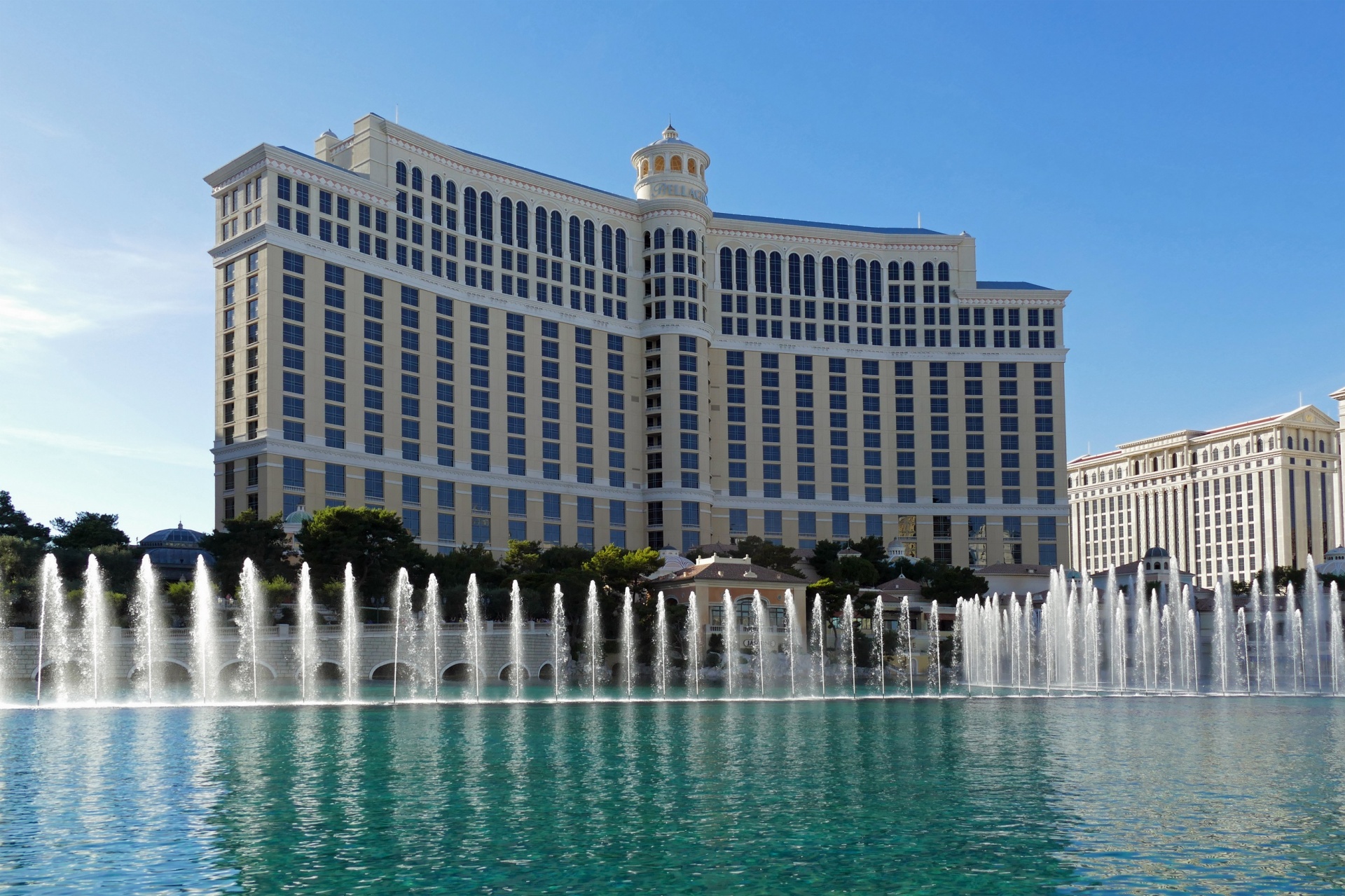
Historical and Cultural Context of Hotel California: Origins, Themes, and Ambiguity
The Eagles’ Hotel California (1976) remains one of the most enigmatic and culturally resonant songs of the late 20th century, embodying the contradictions of 1970s America—opulence and decay, freedom and entrapment, and the fading dreams of the counterculture. Recorded during the band’s peak commercial success, the song’s cryptic lyrics and haunting melody reflect the era’s disillusionment with excess, political turmoil, and the commercialization of rebellion. Its title, inspired by real California landmarks (e.g., the Beverly Hills Hotel and the St. Moritz Hotel in Palm Springs), became a metaphor for a society that lured visitors with luxury but trapped them in its illusions. The song’s release coincided with a pivotal moment in U.S. history, capturing the anxieties of a nation grappling with economic instability, Watergate’s fallout, and the collapse of utopian ideals.The Eagles’ ascent mirrored the cultural shifts of the 1970s, transitioning from folk-rock roots to a polished, arena-rock sound that dominated radio waves. Hotel California was the centerpiece of their self-titled seventh album, produced by Bill Szymczyk, who balanced Don Henley’s dark lyrical themes with Glenn Frey’s melodic sensibilities. The song’s ambiguity—whether it depicted a literal hotel, a metaphor for Hollywood, or a spiritual allegory—sparked decades of debate, with interpretations ranging from addiction to societal critique. This section explores the song’s genesis, its alignment with 1970s cultural milestones, and the evolving narratives surrounding its meaning, supported by a comparative analysis of its reception in the U.S. and Europe.
Origins of the Title and Lyrics: California as Symbol and Setting
The title Hotel California emerged from a fusion of real-world inspiration and surreal imagery. Don Henley and Glenn Frey drew from California’s dual identity: a land of sun-soaked escapism and hidden corruption. Henley later cited the Beverly Hills Hotel, frequented by celebrities and politicians, as a key influence, while Frey referenced the St. Moritz Hotel in Palm Springs, a playground for the wealthy. The lyrics—"You can check out any time you like, but you can never leave"—were initially written as a metaphor for addiction (Henley’s struggles with alcohol and cocaine) but evolved into a broader critique of entrapment, whether in relationships, fame, or systemic forces.The song’s lyrics avoid explicit narratives, relying on juxtaposition and symbolism:
Henley and Frey deliberately avoided a singular interpretation, though Henley’s 2001 memoir The Last Wallet on the Left suggested the song reflected their disillusionment with Hollywood’s commercialization of the counterculture. Frey, however, later downplayed this, stating in 2016 that the lyrics were more about personal experiences than broader commentary.
Recording Process and the Eagles’ Creative Peak
Hotel California was recorded at Conway Studios in Los Angeles between June and November 1976, during a period of creative tension and artistic growth for the Eagles. The band had achieved massive success with Desperado (1973) and On the Border (1974), but internal conflicts and external pressures—including Henley’s substance abuse and Frey’s desire for a more polished sound—threatened their cohesion. Producer Bill Szymczyk’s approach emphasized layering complex arrangements, blending Henley’s drum machine rhythms (a rarity at the time) with Frey’s Wurlitzer electric piano and Don Felder’s soaring guitar solos.Key recording details:
The album’s production budget exceeded $1 million (equivalent to ~$4.5 million today), reflecting the band’s ambition and the industry’s willingness to invest in their reinvention. Hotel California was released as the second single from the album (after "New Kid in Town"), debuting on radio in December 1976 and quickly becoming an instant classic.
1970s Cultural Milestones: Parallels Between Hotel California and the Era
The song’s themes resonated deeply with the late 1970s, a decade marked by economic uncertainty, political scandal, and the waning of idealism. Below is a timeline correlating the song’s creation with broader cultural events:| Event | Year | Connection to Hotel California |
|---|---|---|
| Watergate Scandal | 1972–74 | The song’s critique of power and illusion aligns with public distrust of institutions post-Scandal. |
| Oil Crisis (1973) | 1973 | Economic instability fueled themes of entrapment ("You can never leave"). |
| Death of Elvis Presley | 1977 | Symbolized the end of an era; the song’s fame mirrored the cultural void left by his passing. |
| Disco’s Rise and Backlash | 1975–79 | The song’s rejection of excess ("We are all just prisoners here") contrasted with the era’s hedonism. |
| California’s Economic Boom/Bust | 1970s | The state’s wealth disparities (e.g., Silicon Valley vs. urban decay) mirrored the song’s duality. |
| Counterculture’s Decline | 1970s | The song’s "Tiffany-twisted" imagery reflected the commercialization of hippie ideals. |
Ambiguity and Interpretations: Fan Theories, Band Statements, and Critical Analysis
The song’s open-ended lyrics have fueled endless speculation, with interpretations spanning:Contradictory statements from Henley and Frey have added to the mystique:
Critics have noted the song’s structural ambiguity, where concrete details (e.g., "champagne," "limousines") coexist with abstract imagery ("mirrors on the ceiling"). This duality mirrors the 1970s’ tension between materialism and existential questioning. The song’s enduring appeal lies in its refusal to resolve these contradictions, inviting each generation to project its own anxieties onto its lyrics.
Comparative Reception: Hotel California in the U.S. vs. Europe
The song’s impact varied significantly across regions, reflecting cultural differences in music consumption and critical reception. Below is a comparative table of its early performance:| Metric | United States | Europe |
|---|---|---|
| Chart Peak (1977) |
Lyrical Themes and Symbolism in Hotel California: Decoding the Metaphorical Landscape
The lyrics of Hotel California transcend their surface-level narrative, weaving a dense tapestry of psychological, spiritual, and existential symbolism. Eagles’ masterpiece employs recurring motifs—such as confinement, illusion, and the erosion of identity—to evoke a sense of inescapable fate, much like a modern myth. Unlike contemporaries like Bohemian Rhapsody (Queen, 1975), which blends operatic drama with personal trauma, or More Than a Feeling (Boston, 1976), which anchors in romantic longing, Hotel California distills existential dread into surreal, cinematic imagery. Its ambiguity invites multiple interpretations, from addiction and Hollywood’s corrupting allure to broader existential questions about free will and transcendence. The song’s lyrical architecture—layered with literary, mythological, and autobiographical influences—creates a labyrinthine experience that resonates across generations.The song’s symbolism is not merely decorative but structurally integral, with each stanza contributing to a cumulative effect of disorientation. The "dark desert highway" serves as a liminal space, a threshold between reality and illusion, while the "man behind the counter" embodies an inescapable authority—whether divine, bureaucratic, or psychological. Below, the recurring motifs, their possible meanings, and the song’s unique synthesis of 1970s rock’s thematic preoccupations are examined in depth.
Recurring Motifs and Their Psychological and Existential Interpretations
The lyrics of Hotel California deploy a series of motifs that function as psychological and existential archetypes, reflecting universal anxieties about control, identity, and the passage of time. These motifs are not isolated but interwoven, creating a cohesive narrative that mirrors the fragmented nature of human perception.The Desert as a Psychological and Spiritual Wasteland
The opening line—"On a dark desert highway, cool wind in my hair"—establishes the song’s central setting as a metaphor for liminality and psychological stagnation. Deserts in literature and mythology often symbolize isolation, purification, or the subconscious. In a psychological context, the highway represents the journey of life, while the "darkness" suggests an absence of clarity or direction. The "cool wind" contrasts with the oppressive heat of the desert, possibly indicating fleeting moments of relief amid existential despair. This duality aligns with Carl Jung’s concept of the shadow—the repressed aspects of the self that emerge in moments of vulnerability.
Confinement and the Illusion of Choice
The chorus—"You can check out any time you like, but you can never leave"—is the song’s most iconic and ambiguous line. Literally, it describes a hotel where guests can depart but never truly escape, a paradox that has been interpreted as:
The line’s enduring power lies in its refusal to resolve the paradox, leaving listeners to project their own struggles onto its ambiguity.
The "Little Girl" and Lost Innocence
The verse—"There’s something about the way she moves, like a woman possessed by the devil himself"—introduces the "little girl," a figure whose duality (innocence vs. corruption) is central to the song’s themes. Possible interpretations include:
Her "possession" by the devil suggests an external force—whether societal, supernatural, or internal—driving her actions, reinforcing the song’s theme of powerlessness.
The "Man Behind the Counter" as Fate or Authority
The line—"And the man behind the counter said, ‘The bill, please, sir’"—introduces a faceless authority figure who demands payment for an unspecified debt. This motif has been analyzed as:
The absence of negotiation in the exchange underscores the inevitability of the "bill," whether literal or metaphorical.
The "Stuck in a Moment You Can’t Get Out Of"
The bridge—"Stuck in a moment you can’t get out of, no one ever can"—explicitly articulates the song’s central existential dilemma. This line has been compared to:
The line’s universality lies in its application to personal, societal, and cosmic scales—whether an individual’s addiction, a nation’s cyclical conflicts, or the universe’s deterministic laws.
Comparative Analysis: Hotel California and 1970s Rock’s Thematic Preoccupations
While Hotel California shares thematic ground with other 1970s rock anthems—such as Bohemian Rhapsody’s exploration of madness and redemption or Born to Run (Bruce Springsteen, 1975)’s American Dream myth—it distinguishes itself through its surrealism, paranoia, and nostalgic melancholy. Below is a comparative breakdown of its unique lyrical and stylistic contributions to the era.Surrealism and the Blurring of Reality
Unlike the grounded narratives of Springsteen’s working-class epics or the straightforward rock anthems of Led Zeppelin, Hotel California employs a dreamlike, almost cinematic surrealism. This approach was influenced by:
The result is a song that feels like a memory—vague, emotionally charged, and resistant to literal interpretation.
Paranoia and the Conspiracy of the Everyday
The 1970s were a decade marked by political upheaval, Watergate, and the rise of countercultural paranoia. Hotel California channels this era’s distrust of authority and systems through its imagery of hidden surveillance and inescapable debts. For example:

Musical Composition and Production of Hotel California: Innovative Techniques and Cinematic Craftsmanship
The musical realization of Hotel California represents a defining moment in the evolution of rock production, blending unconventional songwriting with studio experimentation to create an atmosphere that feels both surreal and haunting. Eagles’ producer Bill Szymczyk and engineer Karl Richardson employed a suite of technical innovations—from unconventional time signatures to layered vocal effects—that transformed the song into a sonic landscape of disorientation. The result was a fusion of acoustic intimacy and electronic grandeur, distinguishing it from contemporary rock ballads while cementing its status as a timeless masterpiece. Below, the song’s structural intricacies, production techniques, and instrumental contributions are dissected, alongside a comparative analysis of its studio and live iterations.Structural Innovations: Time Signatures and Narrative Flow
Hotel California defies conventional rock song structures through its modulating time signatures, which serve both rhythmic complexity and thematic ambiguity. The song alternates between 6/8 (waltz-like triplets) and 4/4, creating a shifting, almost vertiginous pulse that mirrors the lyrics’ dreamlike descent into unease. This approach was unconventional for mainstream rock in 1976, where steady 4/4 backbeats dominated.- Intro and Verse (6/8): The opening guitar arpeggios (played by Don Felder on a 12-string Rickenbacker) establish a hypnotic, waltzing rhythm, reinforced by Joe Walsh’s electric guitar harmonies. The 6/8 signature lends a floating, disorienting quality, as if the listener is already immersed in the song’s surreal setting. The lyrics—"You can check out any time you like, but you can never leave"—are delivered over this unstable meter, heightening their ominous undertones.
The time signature shifts were not merely technical flourishes but narrative devices, reinforcing the song’s cinematic quality—each meter change feels like a shift in perspective, much like a film’s editing style.
Production Techniques: Studio Alchemy and Sonic Textures
Szymczyk and Richardson’s production choices were radical for their time, prioritizing atmosphere over traditional rock polish. The studio became an instrument in itself, with techniques that blurred the line between live performance and electronic manipulation.- Vocal Layering and the "Onion Skin" Effect:
Don Henley’s vocals were recorded in a small, untreated room at Capitol Studios, where the natural reverb and acoustic reflections created an unsettling, echoey quality. Engineers later double-tracked and panned Henley’s voice to the extreme left and right channels, creating a stereo "onion skin" effect—where the vocals appear to peel away from the center, as if dissolving into the mix. This technique was inspired by Phil Spector’s Wall of Sound, but with a psychological edge; instead of warmth, it induced closeness and claustrophobia.
- Synthesizer Integration:
The song’s synth pads (played by Don Felder on a Moog synthesizer) were layered subtly but critically. Unlike the bombastic use of synths in disco or progressive rock, here they function as atmospheric fog, thickening the sonic landscape without overpowering the guitars. The high-pass filtering of the synths allowed the acoustic and electric guitars to remain prominent, creating a hybrid organic-electronic texture.
- Guitar Harmonies and the "Eagles Wall of Sound":
Felder’s 12-string Rickenbacker provides a shimmering, choral-like texture, while Walsh’s Fender Stratocaster delivers bluesy, bending solos that evoke Western swing and country rock. The double-tracked guitars in the chorus create a wall of sound, but unlike Spector’s approach, the harmonies are spaced and airy, avoiding muddiness.
- Drums and Rhythm Section:
Joe Vitale’s drumming is minimalist yet precise, with ghost notes and brush-like cymbal washes that avoid a traditional rock backbeat. The lack of a prominent kick drum in the verses further emphasizes the floating 6/8 rhythm, while the snare-driven chorus anchors the song when it shifts to 4/4.
Instrumental Contributions: The Hypnotic and Cinematic Palette
Each musician’s contribution to Hotel California was tailored to evoke a specific emotional or visual texture, resulting in an instrumental tapestry that feels both intimate and epic.- Don Felder’s 12-String Rickenbacker:
The 12-string’s jangle was amplified through two microphones—one close for attack, another distant for reverb tail—creating a sustained, ethereal chord progression. Felder’s fingerpicking pattern in the intro mimics classical guitar studies, adding a classical undertone to the rock framework.
- Joe Walsh’s Electric Guitar Solo:
Walsh’s blues-infused solo (played on a Fender Stratocaster) is melodic yet angular, with wide vibrato bends that evoke Western swing and Chicago blues. The solo’s dynamic contrast—soft, tremolo-picked phrases followed by sustained, wailing notes—mirrors the song’s push-and-pull between calm and chaos.
- Don Henley’s Vocals and Drumming:
Henley’s spoken-sung delivery in the verses (e.g., "Last thing I remember, I was running for the door") was achieved by recording his voice at a slower tempo and then speeding it up slightly, giving it a detached, almost robotic quality. His drumming—played on a Ludwig kit—features unconventional fills, such as the syncopated snare hits in the bridge, which disrupt the expected rock pattern.
- Synthesized and Acoustic Blend:
The Moog synthesizer (programmed by Felder) was used sparingly but strategically:
Comparison to Contemporary Rock Ballads:
Unlike Elton John’s piano-driven ballads ("Your Song") or Fleetwood Mac’s folk-rock harmonies ("Rhiannon"), Hotel California rejects sentimentality in favor of sonic ambiguity. Its cinematic scope aligns more closely with David
Hotel California endures not merely as a song but as a cultural phenomenon—a riddle wrapped in melody that continues to resonate across decades. Its genius lies in its refusal to offer definitive answers, instead inviting listeners to project their own fears, desires, and interpretations onto its layered imagery. From the "dark desert highway" to the inescapable "hotel," the track’s symbolism reflects the universal human experience of longing, confinement, and the search for meaning in chaos. As the Eagles themselves acknowledged, the song’s ambiguity was intentional, a deliberate embrace of the unknown that has only deepened its mystique. Decades later, Hotel California remains a touchstone for exploring the intersections of art, psychology, and history, proving that some questions are better left unanswered—and some songs, unforgettable.
FAQ
What does the song Hotel California by the Eagles actually mean?
Hotel California is widely interpreted as an allegory for the dark side of the American Dream—specifically, fame, excess, and the loss of innocence. The lyrics describe a luxurious but inescapable trap (the "hotel"), symbolizing addiction, materialism, or even the music industry’s corrupting influence. Eagles frontman Don Henley has called it a "metaphor for the dark underbelly of the American spirit," though he avoids a single definitive meaning.
What are the key lyrics in Hotel California and what do they symbolize?
Key lines include "You can check out any time you like, but you can never leave" (symbolizing entrapment), "Welcome to the Hotel California" (a false paradise), and "Her mind is Tiffany-twisted" (distortion of reality). The song’s surreal imagery—like the "champagne wishes and caviar dreams"—contrasts with its ominous tone, blending glamour with decay. The lyrics avoid literalism, leaving room for personal interpretation.
Is Hotel California about a mental hospital or psychiatric breakdown?
While some fans interpret the song as a metaphor for mental illness (e.g., the "crazy" piano player, the "dark and dusty" setting), the Eagles have denied this was the primary inspiration. Don Henley has said the song was inspired by the excesses of 1970s California, not a hospital. However, the surreal, disorienting lyrics could loosely reflect psychological themes for listeners.
What was the original inspiration or story behind Hotel California?
The song was co-written by Don Henley, Glenn Frey, and Joe Walsh, drawing from their experiences with fame, drug use, and the Hollywood scene. Henley cited the "dark underbelly" of California’s glamorous lifestyle, including encounters with drug addicts and the pressure of stardom. The "hotel" itself was never a real place; it’s a fictional symbol of a trap. Henley also mentioned the song’s themes were partly influenced by the 1970s’ cultural decay.
What do people on Reddit say is the real meaning behind Hotel California?
Reddit discussions often highlight multiple interpretations: some see it as a critique of capitalism or the music industry’s exploitation; others link it to the Eagles’ personal struggles with drugs or fame. A common thread is the idea of a "false paradise"—whether literal (like a cult or prison) or metaphorical (like addiction). Many users also note the song’s ambiguity as intentional, allowing listeners to project their own meanings onto it.
What is Hotel California really about according to the Eagles?
The Eagles have consistently avoided giving a single "true" meaning, but Don Henley has described it as a critique of the American Dream’s hollow side—glamour masking emptiness, freedom leading to entrapment, and the cost of fame. Glenn Frey called it a "song about excess and the dark side of the American spirit." They’ve also joked that the song’s mystery is part of its appeal, encouraging listeners to find their own interpretation.
Leave a Comment
Comments are moderated before appearing. The data you submit is processed according to the Privacy Policy of Voltefac.