What Is Sassafras Botanical Cultural And Chemical Profile
Table of Contents
- Botanical and Scientific Overview of Sassafras albidum
- Taxonomic Classification and Common Names
- Physical Characteristics and Morphological Development
- Comparative Morphological Table
- Seasonal Changes and Phenological Traits
- Native Geographic Range and Ecological Habitat
- Historical and Cultural Uses of Sassafras albidum
- Indigenous Uses of Sassafras in Traditional Medicine and Ritual
- Adaptation by European Settlers and Colonial-Era Trade
- Timeline of Key Historical Events Involving Sassafras
- Comparison of Indigenous and Colonial/Modern Uses
- Myths, Legends, and Cultural Symbolism
- Chemical Composition and Active Compounds of Sassafras albidum
- Primary Chemical Constituents and Molecular Structures
- Pharmacological Properties of Sassafras Compounds
- Safety Profile Comparison of Sassafras Extracts
- FAQ
- What are the common uses of sassafras in cooking and traditional medicine?
- What health benefits does sassafras tea provide?
- Is sassafras considered a drug, and why might it be regulated?
- What are the potential health benefits and risks of sassafras?
- How is sassafras tea traditionally prepared, and what does it taste like?
- What is sassafras root, and how is it different from other parts of the plant?
Sassafras (Sassafras albidum), a tree deeply rooted in North American ecosystems and Indigenous traditions, embodies a fusion of botanical intrigue, historical significance, and pharmacological potential. Recognizable by its trifoliate leaves and aromatic bark, this deciduous species has transcended its native habitats to influence everything from colonial medicine to modern herbalism. Its versatile applications—ranging from culinary flavoring to ceremonial uses—highlight its enduring relevance, while contemporary research continues to uncover its bioactive compounds and therapeutic properties.
The sassafras tree thrives in temperate forests across eastern North America, where its distinctive features, such as the mitered bark and spicy-sweet scent, make it a standout in both wild and cultivated settings. Beyond its ecological role, sassafras has served as a cultural cornerstone, bridging Indigenous knowledge systems with European adaptations that shaped early American practices. Today, its chemical profile—particularly safrole and eugenol—remains a subject of scientific interest, balancing traditional uses with regulatory scrutiny over potential health risks.

Botanical and Scientific Overview of Sassafras albidum
Sassafras albidum (Nutt.), commonly known as the sassafras tree, agrimony, or tenement tree, represents a species of deciduous tree belonging to the Lauraceae family, which also includes cinnamon and bay laurel. This species is one of three recognized Sassafras taxa, distinguished by its aromatic properties, distinctive foliage, and historical use in traditional medicine and cuisine. The genus Sassafras derives from the Spanish sasafrás, itself borrowed from the Taino language of the Caribbean, reflecting its early cultural significance in the Americas. The specific epithet albidum refers to its pale, whitish bark when young, a hallmark of its identification.The sassafras tree thrives in temperate forests of eastern North America, where it has been a dominant understory species for millennia. Its adaptability to varied soil types—from sandy loams to clay-rich substrates—and tolerance of partial shade have contributed to its ecological resilience. Below, its botanical classification, physical traits, and geographic distribution are examined in detail, including comparative morphological features across developmental stages and sensory identification cues.
Taxonomic Classification and Common Names
Sassafras albidum is classified under the following taxonomic hierarchy:Common regional names for this species include:
The genus Sassafras contains only three species: S. albidum, S. randaiense (endemic to Taiwan), and S. tzumu (China and Vietnam). S. albidum is the sole species native to North America and the most extensively studied for its phytochemical composition.
Physical Characteristics and Morphological Development
The sassafras tree exhibits highly variable morphology depending on age, environmental conditions, and geographic location. Below is a comparative table summarizing key physical traits from juvenile to mature stages, including distinctive features that aid in field identification.Comparative Morphological Table
| Characteristic | Young Tree (0–10 years) | Mature Tree (10–50+ years) | Distinctive Features |
|---|---|---|---|
| Height | 1–5 meters (3–16 ft); multi-stemmed or single trunk | 8–15 meters (26–49 ft); occasionally up to 25 meters (82 ft) in optimal conditions | Slow to moderate growth rate; irregular crown shape due to lateral branching |
| Bark | Smooth, pale gray to white, with horizontal lenticels; aromatic when scratched (resinous, camphor-like scent) | Deeply furrowed, reddish-brown to dark gray; exfoliates in thin plates; retains aromatic properties | Bark emits a strong, sweet-spicy fragrance when damaged, a key identification trait. |
| Leaves |
|
|
|
| Flowers and Fruit | Flowers appear in spring (April–May); small, yellow-green, and inconspicuous |
|
Fruits are a primary food source for wildlife, including robins, thrushes, and raccoons. |
| Root System | Shallow, fibrous roots with lateral spread; sensitive to soil compaction | Deep taproot (up to 2 meters) with extensive lateral roots; forms symbiotic relationships with mycorrhizal fungi | Roots contain safrole, a compound historically used in root beer but now regulated due to carcinogenic risks. |
| Wood and Branches | Light yellowish-brown pith; branches flexible but prone to breakage in storms |
|
Wood is soft but durable, historically used for furniture, shingles, and musical instruments. |
Seasonal Changes and Phenological Traits
The sassafras tree undergoes distinct seasonal transformations, each phase offering unique identification markers:- Spring (March–May):
- Summer (June–August):
- Autumn (September–November):
- Winter (December–February):
Native Geographic Range and Ecological Habitat
Sassafras albidum is endemic to eastern North America, with its range extending from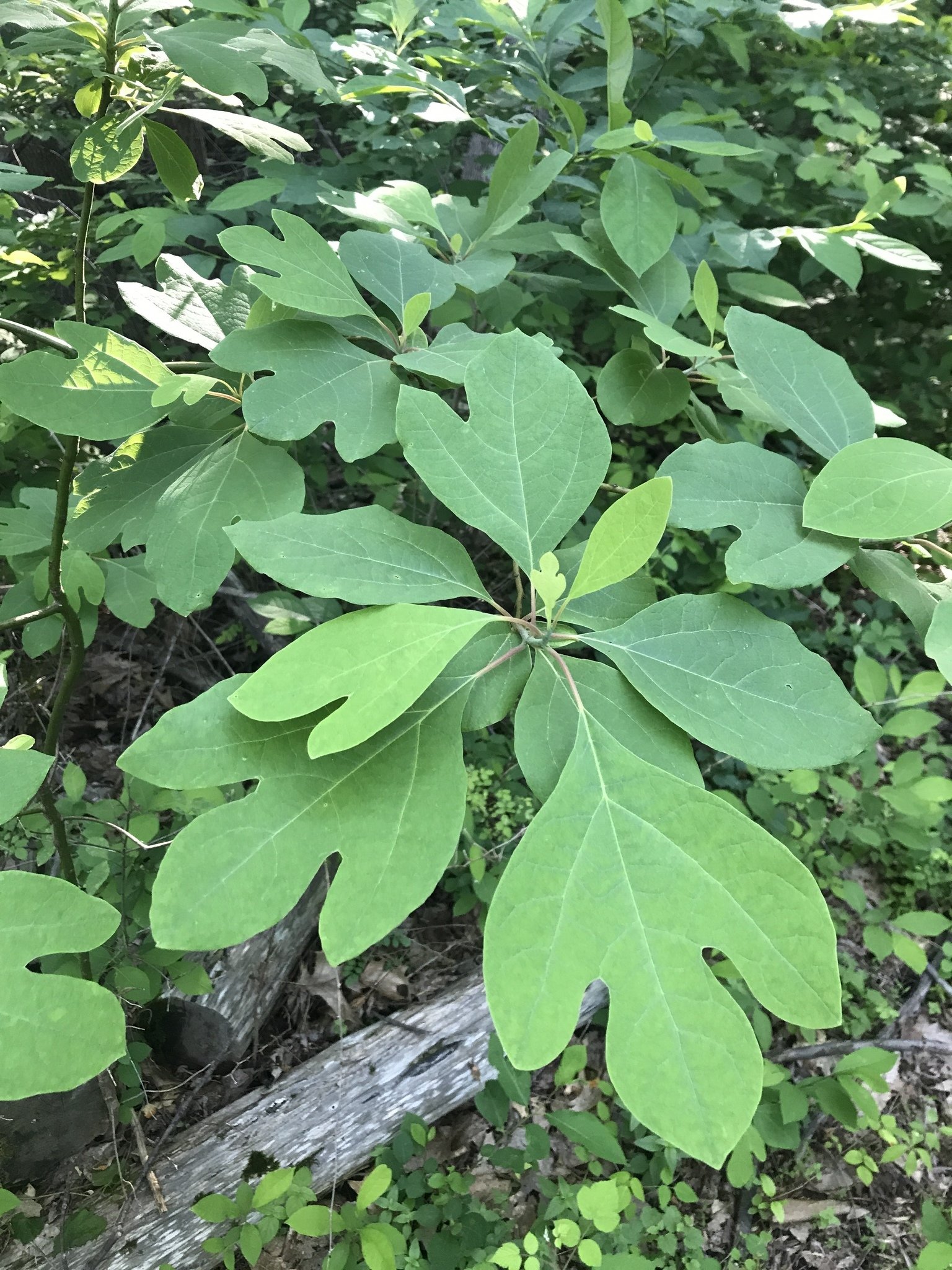
Historical and Cultural Uses of Sassafras albidum
Sassafras albidum holds a profound place in the cultural and medicinal traditions of Indigenous North American peoples, as well as in the colonial and modern histories of the region. Its versatility—spanning culinary, medicinal, and ceremonial applications—has shaped its significance across centuries, from sacred rituals to commercial exploitation. European settlers later adapted its uses, integrating it into folk medicine and trade, though later regulatory restrictions altered its availability. This section explores the Indigenous stewardship of sassafras, its adoption by settlers, and the evolution of its cultural and economic roles, including its eventual ban and resurgence in contemporary herbalism.Indigenous Uses of Sassafras in Traditional Medicine and Ritual
Indigenous tribes across the eastern and southeastern United States, including the Cherokee, Iroquois, and Algonquian peoples, utilized Sassafras albidum as a multifunctional plant with deep spiritual and practical significance. The root, bark, and leaves were employed in teas, poultices, and ceremonial preparations, often reflecting a holistic understanding of the plant’s medicinal properties.Medicinal Applications
The Cherokee, for instance, prepared a tea from the roots ("liweli") to treat colds, fevers, and digestive ailments, believing it strengthened the body’s resistance to illness. The Iroquois used sassafras root tea as a diuretic and tonic for urinary tract health, while the Algonquian tribes applied poultices made from crushed leaves to wounds and skin irritations, attributing its antiseptic qualities to the plant’s essential oils. Some tribes also consumed the young shoots as a spring tonic, rich in vitamins and minerals.
Culinary and Ceremonial Roles
Beyond medicine, sassafras played a role in culinary traditions. The Cherokee and other southeastern tribes incorporated the roots into stews and soups, where their earthy, slightly sweet flavor complemented game meats. The leaves were sometimes smoked or burned as incense during purification rituals, symbolizing connection to the earth and ancestral spirits. In some Algonquian traditions, sassafras was used in sacred pipe ceremonies, where its aromatic smoke was believed to carry prayers to the spirits.
Symbolic and Spiritual Significance
The plant’s tripartite form—root, bark, and leaf—mirrored Indigenous cosmological beliefs in balance and unity. The Cherokee, for example, considered sassafras a "medicine of the people," linking its growth pattern to the three realms: the underworld (root), the earthly plane (bark), and the sky (leaf). Its presence in folklore often tied to themes of protection, healing, and renewal, with some legends describing it as a gift from the "Little People" (spirits) to aid humanity.
Adaptation by European Settlers and Colonial-Era Trade
European colonists encountered sassafras upon arrival in North America and quickly incorporated it into their own medicinal and culinary practices. The plant’s adaptability to temperate climates and its distinctive flavor made it a valuable commodity in early American trade networks.Folk Medicine and Domestic Use
Colonists adopted sassafras root tea as a remedy for digestive disorders, rheumatism, and as a general tonic, often blending it with other herbs like mint or cinnamon. The practice of "sassafras tea" became widespread in Appalachia and the southern colonies, where it was marketed as a cure-all. Some 19th-century herbalism texts, such as those by Samuel Thomson (a prominent folk healer), recommended sassafras for its "warming" properties, aligning with the era’s humoral medicine theories.
Commercial Exploitation and Trade
By the late 18th and early 19th centuries, sassafras had become a lucrative export, particularly in the form of "Filé powder"—ground sassafras root used as a thickening agent in gumbo and other Creole dishes. The plant was harvested extensively in the southeastern United States, with traders shipping large quantities to Europe, where it was prized in perfumery and as a flavoring agent. In Louisiana, sassafras root became a staple of Cajun cuisine, symbolizing cultural resilience and adaptation.
Cultural Syncretism and Folklore
As settlers integrated sassafras into their lives, they also wove it into local folklore. In Appalachian traditions, sassafras was sometimes associated with "conjure" or folk magic, believed to ward off evil spirits when planted near homesteads. The plant’s presence in mountain herbalism practices persisted into the 20th century, with some rural communities using it in "moonshine" infusions or as a flavoring in homemade remedies.
Timeline of Key Historical Events Involving Sassafras
The history of Sassafras albidum reflects broader themes of cultural exchange, commercialization, and regulatory intervention. Below is a chronological overview of pivotal events shaping its use:The plant is first documented in European colonial records as a medicinal and culinary resource, with settlers adopting Indigenous practices.
Sassafras root tea becomes a popular folk remedy in Appalachia and the southern colonies, often sold by itinerant herbalists.
The U.S. Department of Agriculture begins promoting sassafras as a cash crop in the Southeast, encouraging large-scale harvesting.
Sassafras root beer gains widespread commercial success, with brands like Arcadia and Barq’s using safrole-derived flavors.
The Food and Drug Administration (FDA) bans safrole—a compound in sassafras linked to carcinogenic risks—in food products, effectively removing sassafras from mainstream commercial use.
Organic and herbal markets experience a resurgence in sassafras demand, with small-scale growers and herbalists reviving traditional preparations under strict regulatory compliance.
Contemporary Indigenous communities and herbalists advocate for the ethical revival of sassafras, emphasizing sustainable harvesting and cultural preservation.
Comparison of Indigenous and Colonial/Modern Uses
The evolution of Sassafras albidum from a sacred Indigenous resource to a commercialized commodity illustrates shifting priorities and cultural contexts. Below is a comparative analysis of its traditional and later applications:| Indigenous Purpose | Colonial/Modern Use |
|---|---|
| Medicinal: Root tea ("liweli") for colds, fevers, and digestive health (Cherokee). | Folk Medicine: Sassafras tea as a digestive aid or "blood purifier" in 19th-century American herbalism. |
| Topical: Leaf poultices for wounds and skin conditions (Algonquian). | Commercial: Filé powder as a thickening agent in Creole/Cajun cuisine (Louisiana). |
| Ceremonial: Smoked leaves in purification rituals or sacred pipe ceremonies. | Industrial: Safrole extraction for root beer flavoring (19th–20th centuries). |
| Culinary: Roots in stews; young shoots as a spring tonic. | Aromatic: Essential oil in perfumery and early colonial medicine chests. |
| Symbolic: Representation of balance (root/bark/leaf) in Cherokee cosmology. | Folklore: Association with Appalachian conjure and mountain herbalism. |
Myths, Legends, and Cultural Symbolism
Sassafras albidum is embedded in a tapestry of myths and legends that reflect its spiritual and practical importance across cultures. In Cherokee oral traditions, the plant is sometimes linked to the "Anitsiwiyi" (Little People), benevolent spirits who gifted sassafras to humans for healing. Some Appalachian folktales describe sassafras as a protective charm, claiming that planting its roots near a home would deter misfortune or malevolent entities.In 19th-century herbalism texts, such as those by Dr. John King (a prominent eclectic physician), sassafras was praised as a "panacea of the forest," with anecdotes of its use in treating everything from scurvy to nervous disorders. These narratives often romanticized the plant’s properties, though they also reflected the era’s uncritical acceptance of herbal remedies.
More recently, sassafras has resurfaced in neo-pagan and modern herbalist circles, where it is sometimes invoked in rituals celebrating earth-based spirituality. Its dual legacy—as both a utilitarian plant and a symbol of cultural resilience—continues to inspire contemporary interpretations, from organic farming movements to Indigenous-led conservation efforts.

Chemical Composition and Active Compounds of Sassafras albidum
Sassafras albidum (sassafras) contains a complex array of bioactive compounds, primarily volatile oils, phenolic derivatives, and secondary metabolites, which contribute to its distinctive sensory properties and pharmacological effects. Among these, safrole, eugenol, and other terpenoids dominate the chemical profile, influencing flavor, aroma, and therapeutic potential. Safrole, a phenylpropene derivative, is the most studied compound due to its regulatory scrutiny and potential carcinogenic properties, while eugenol, a phenolic constituent, plays a key role in antimicrobial and anti-inflammatory activities. The interplay between these compounds and their degradation products during processing further defines sassafras’s culinary and medicinal applications.Primary Chemical Constituents and Molecular Structures
The chemical composition of sassafras is characterized by three major classes of compounds: volatile oils (essential oils), phenolic compounds, and lignans. The essential oil fraction, extracted primarily from the root bark, accounts for 2–6% of the dried material and is dominated by safrole (50–80%), eugenol (5–15%), and lesser amounts of asarone, camphor, and phellandrene. Safrole, a colorless liquid with a sweet, spicy aroma, has the molecular structure C₁₀H₁₀O (IUPAC: 4-allyl-1,2-methylenedioxybenzene), while eugenol (C₁₀H₁₂O₂) features a methoxy group and a propenyl side chain, contributing to its clove-like scent.Key Molecular Structures:The root bark also contains lignans (e.g., pinoresinol) and flavonoids (e.g., quercetin), which contribute to its antioxidant capacity. Leaf extracts, in contrast, are richer in kaempferol and myricetin, while the wood contains sesquiterpenes like sassafrasin, though these are less studied.
Safrole (C₁₀H₁₀O): A phenylpropene with a methylenedioxybenzene core, responsible for sassafras’s characteristic aroma. Eugenol (C₁₀H₁₂O₂): A phenolic compound with antimicrobial and antioxidant properties, structurally similar to chavicol. Asarone (C₁₀H₁₂O): A terpenoid with sedative and antispasmodic effects, present in trace amounts.
Pharmacological Properties of Sassafras Compounds
Research indicates that sassafras compounds exhibit anti-inflammatory, antimicrobial, carminative, and diuretic effects, though their safety remains contentious due to safrole’s carcinogenic potential. Eugenol, the second-most abundant compound, demonstrates broad-spectrum antimicrobial activity against E. coli, S. aureus, and Candida albicans (Kim et al., 2015), attributed to its ability to disrupt microbial cell membranes. In vitro studies also highlight its analgesic and antiplatelet properties, with IC₅₀ values comparable to nonsteroidal anti-inflammatory drugs (NSAIDs) (Raut et al., 2017).Safrole, despite its regulatory restrictions, has been studied for its antioxidant and neuroprotective effects in animal models, though human data is limited. Preclinical trials suggest it may inhibit nitric oxide synthase (iNOS) and cyclooxygenase-2 (COX-2), pathways linked to inflammation (Li et al., 2018). However, its metabolic activation to 1’-hydroxysafrole—a DNA-reactive metabolite—raises concerns about genotoxicity, particularly at high doses.
Mechanisms of Action:
Eugenol: Disrupts microbial biofilms via membrane permeabilization; inhibits prostaglandin synthesis. Safrole: Modulates oxidative stress pathways (e.g., Nrf2 activation) but undergoes cytochrome P450-mediated bioactivation to carcinogenic intermediates. Volatile oils (e.g., phellandrene): Exhibit carminative effects by relaxing gastrointestinal smooth muscle.
Safety Profile Comparison of Sassafras Extracts
The following table summarizes the potential benefits, risks, and regulatory status of key sassafras compounds, based on peer-reviewed literature and regulatory guidelines (FDA, EFSA, and WHO assessments).| Compound | Potential Benefits | Reported Risks | Regulatory Status |
|---|---|---|---|
| Safrole |
|
|
|
| Eugenol |
|
|
|
| Asarone (α/β) |
|
|
|
| Volatile Oil Mixture (e.g., phellandrene, camphor) |
From its origins as a sacred plant in Indigenous rituals to its modern-day presence in organic supplements and artisanal beverages, sassafras exemplifies the intersection of nature, history, and science. While its past includes both reverence and commercial exploitation, ongoing studies into its bioactive compounds offer new avenues for sustainable utilization. As awareness grows about its dual role as a medicinal resource and ecological indicator, sassafras stands as a testament to how botanical knowledge evolves—preserving heritage while adapting to contemporary demands for safety, efficacy, and environmental stewardship. FAQWhat are the common uses of sassafras in cooking and traditional medicine?Sassafras is primarily used as a flavoring in foods like root beer, gumbo, and teas, thanks to its warm, peppery, and slightly sweet taste. Traditionally, it was used in Native American medicine for its anti-inflammatory, diuretic, and digestive benefits. The root and bark were also historically employed as a remedy for colds, fevers, and joint pain. However, its use in food and medicine has declined due to safety concerns over safrole, a compound linked to cancer in high doses. What health benefits does sassafras tea provide?Sassafras tea is often consumed for its potential diuretic effects, which may help with urinary tract health and mild fluid retention. It has been traditionally used to support digestion and relieve symptoms of colds, such as congestion and sore throat, due to its warming properties. Some also use it as a mild stimulant for energy, though scientific evidence for these benefits is limited. Always consult a healthcare provider before regular use, especially if pregnant or on medications. Is sassafras considered a drug, and why might it be regulated?Sassafras is not classified as a drug but is regulated in some countries because it contains safrole, a naturally occurring compound that can act as a carcinogen in high doses. The FDA banned safrole in over-the-counter drugs in the 1960s due to cancer risks in animal studies, though sassafras itself is still used in small amounts in food products like root beer. Some herbal supplements or traditional remedies may still contain it, but caution is advised. What are the potential health benefits and risks of sassafras?Sassafras may offer benefits like anti-inflammatory effects, support for urinary health, and digestive aid due to its compounds like eugenol and safrole (in moderate amounts). However, its primary risk comes from safrole, which in high doses is linked to liver damage and cancer. Short-term use in food amounts is generally considered safe, but long-term or excessive consumption should be avoided. Pregnant women and those with liver conditions should avoid it. How is sassafras tea traditionally prepared, and what does it taste like?Sassafras tea is typically made by steeping dried sassafras root or leaves in hot water for 5–10 minutes. It has a warm, earthy, slightly peppery flavor with a hint of sweetness, often compared to root beer. Some recipes combine it with other herbs like mint or cinnamon for a more complex taste. The tea’s strength depends on the steeping time and the part of the plant used (root is stronger than leaves). What is sassafras root, and how is it different from other parts of the plant?Sassafras root is the thick, aromatic underground stem of the sassafras tree (Sassafras albidum), known for its intense flavor and historical use in medicine and cooking. It contains higher levels of safrole and other compounds than the leaves or bark, making it more potent but also riskier in large doses. The root was a key ingredient in traditional remedies and is still used in some herbal teas, though its use is now limited due to safety concerns. |
Leave a Comment
Comments are moderated before appearing. The data you submit is processed according to the Privacy Policy of Voltefac.