| Cultural Studies |
Chemistry as a symbol of modernity, progress, and ambivalence—celebrated for medical
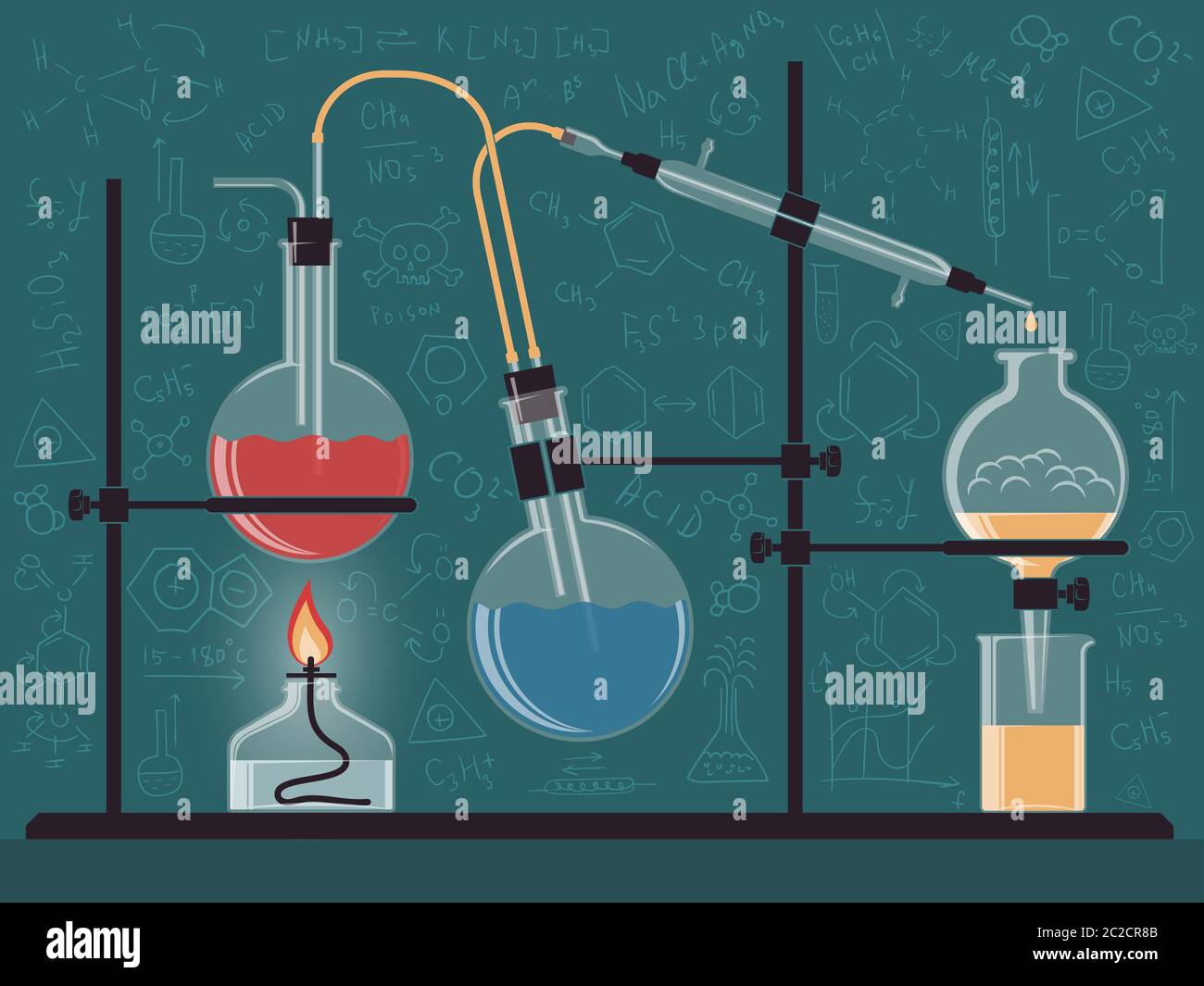
Chemistry in Daily Life: Practical Applications and Hidden Roles
Chemistry is an intrinsic force shaping everyday experiences, often operating silently behind mundane activities. From the moment sunlight triggers photosynthesis in plants to the combustion of fuels powering vehicles, chemical processes govern interactions at molecular scales. This section explores how chemistry manifests in routine tasks, dissects the unseen consequences of these processes, and examines its role in modern infrastructure. By analyzing household products, contrasting ecosystems, and the lifecycle of materials, the pervasive yet often overlooked influence of chemistry becomes evident.The following structured breakdown demonstrates how chemical principles underpin daily life, from domestic routines to industrial systems, while highlighting the interconnectedness of scientific discovery and practical utility.
Chemical Processes in Mundane Activities
Daily activities rely on chemical reactions that are rarely acknowledged despite their critical role in functionality and safety. Below is a comparative table illustrating three common activities, the chemical processes involved, and their hidden consequences.
| Activity |
Chemical Processes Involved |
Unseen Consequences |
|---|
| Brewing Coffee |
- Solubility and Extraction: Hot water dissolves polar compounds (e.g., caffeine, chlorogenic acids) via hydrogen bonding, while nonpolar oils (e.g., diterpenes) require emulsification.
- Acid-Base Reactions: Roasting coffee beans increases pH (from ~4.85 to ~5.0–5.3), enhancing flavor through Maillard reactions (amino acids + reducing sugars → brown polymers).
- Oxidation: Exposure to air oxidizes phenolic compounds, altering aroma and bitterness over time.
|
- pH shifts in water (e.g., coffee’s acidity can corrode metal containers over prolonged use).
- Release of volatile organic compounds (VOCs) like furans, linked to potential long-term health risks.
- Microbiological growth in residual organic matter if brewing equipment is not sanitized (e.g., Pseudomonas spp. in damp grinders).
|
| Washing Clothes with Detergent |
- Surfactant Action: Anionic surfactants (e.g., sodium lauryl sulfate) lower surface tension, allowing water to penetrate fabrics and emulsify grease via micelle formation.
- Buffering Systems: Alkaline builders (e.g., sodium carbonate) raise pH to ~10–11, optimizing enzyme activity (e.g., proteases breaking peptide bonds in stains).
- Bleaching Agents: Sodium percarbonate decomposes into hydrogen peroxide (H₂O₂), oxidizing organic stains (e.g., blood, grass) into colorless compounds.
|
- Residual detergent ions (e.g., sodium ions) accumulate in water systems, contributing to hardness and requiring softening treatments.
- Release of microplastics from synthetic fibers (e.g., polyester) during washing, entering wastewater streams.
- Skin irritation or allergic reactions from residual allergens (e.g., fragrance compounds like limonene) not fully rinsed.
|
| Baking Bread |
- Fermentation: Saccharomyces cerevisiae converts glucose to ethanol and CO₂ via glycolysis and alcoholic fermentation, leavening dough.
- Protein Denaturation: Heat (90–100°C) disrupts glutenin/gliadin bonds, forming a viscoelastic matrix that traps CO₂.
- Maillard and Caramelization: Reducing sugars (e.g., fructose) react with amino acids (e.g., lysine) at >140°C, producing brown pigments and flavors.
|
- Acrylamide formation from asparagine + reducing sugars at high temperatures (>120°C), a potential carcinogen.
- Loss of B vitamins (e.g., thiamine) due to heat degradation, reducing nutritional value.
- Release of volatile aldehydes (e.g., acetaldehyde) contributing to indoor air pollution if baking occurs in poorly ventilated spaces.
|
Chemical processes in these activities are not isolated; they interact with environmental and biological systems, often with unintended secondary effects. For instance, the Maillard reaction in baking produces desirable flavors but also generates potentially harmful compounds under specific conditions.
Analyzing Household Products: Chemical Composition and Function
Household products like soap or batteries contain complex formulations where chemical composition directly influences performance and safety. Below is a step-by-step procedure to analyze the chemical makeup of alkaline batteries (e.g., AA batteries) using accessible methods, followed by an explanation of key components using IUPAC nomenclature.Procedure for Chemical Analysis of an Alkaline Battery:
1. Disassembly and Safety Precautions:
Open the battery using a screwdriver, avoiding contact with the electrolyte (potassium hydroxide, KOH). Neutralize spills with acetic acid (vinegar) and wear gloves/goggles.
Identify components: zinc anode, manganese dioxide (MnO₂) cathode, and a separator soaked in KOH electrolyte.2. Qualitative Tests:
Anode (Zinc):
Scrape a sample and react with dilute HCl. Effervescence (H₂ gas) confirms zinc:
Zn(s) + 2HCl(aq) → ZnCl₂(aq) + H₂(g)
Cathode (Manganese Dioxide):
Heat a sample in a test tube; brown fumes (Mn₂O₇) confirm manganese oxides:
2MnO₂(s) + 4HCl(aq) + O₂(g) → 2MnO₄⁻(aq) + 2Cl⁻(aq) + 2H₂O(l)
Electrolyte (Potassium Hydroxide):
Dissolve a sample in water and test with phenolphthalein (pink color indicates basic pH). Confirm K⁺ via flame test (lilac flame).3. Quantitative Analysis (Optional):
Use titration to quantify KOH: React with standardized HCl and back-titrate with NaOH, using phenolphthalein as an indicator.
Weigh MnO₂ residues after HCl treatment to estimate cathode composition.Key Components and IUPAC Nomenclature:
Zinc Anode: Zinc metal (IUPAC: zinc) undergoes oxidation:
Zn(s) → Zn²⁺(aq) + 2e⁻
Manganese Dioxide Cathode: Acts as an oxidizing agent; reduced to Mn₂O₃ during discharge:
2MnO₂(s) + 2K⁺(aq) + 2e⁻ → Mn₂O₃(s) + K₂O(s)
Electrolyte: Aqueous potassium hydroxide (IUPAC: potassium hydroxide), providing OH⁻ ions for ion conduction:
KOH(aq) → K⁺(aq) + OH⁻(aq)
Functional Insight:
The battery’s voltage (~1.5V) arises from the standard reduction potential difference between Zn²⁺/Zn (−0.76V) and MnO₂/Mn₂O₃ (+0.28V). The alkaline medium (pH ~14) enhances Zn solubility, sustaining current flow until MnO₂ is fully reduced.
Chemical Interactions in Contrasting Environments: Forests vs. Industrial Factories
Chemical dynamics in natural ecosystems (e.g., forests) and industrial settings differ fundamentally in composition, driving forces, and human intervention. Below is a comparative analysis of key interactions, focusing on carbon cycling and pollutant transformation.
| Parameter |
Forest Ecosystem
Chemistry as a Creative and Innovative Force
Chemistry transcends its role as a foundational science by serving as a catalyst for innovation, enabling the design of materials with unprecedented properties and solving global challenges through transformative breakthroughs. Its creative potential extends beyond laboratories into artistic expression, forensic applications, and interdisciplinary collaborations, redefining industries and human experiences. This section explores chemistry’s dual nature as both a scientific discipline and an artistic medium, examining its contributions to material science, societal problem-solving, and cross-field inventions.
Designing Materials with Unconventional Properties
The synthesis of materials with tailored structural and functional properties has revolutionized technology, medicine, and sustainability. These innovations often arise from manipulating atomic and molecular arrangements to achieve characteristics unattainable in natural substances. Key examples include:- Graphene: A single layer of carbon atoms arranged in a two-dimensional honeycomb lattice, graphene exhibits exceptional electrical conductivity, thermal stability, and mechanical strength (130 GPa tensile strength). Its applications range from flexible electronics to desalination membranes, where its atomic thickness enables efficient water filtration while rejecting salt ions.
"Graphene’s properties stem from its sp²-hybridized carbon network, where delocalized π-electrons enhance conductivity and mechanical resilience."
Aerogels: Derived from gels where the liquid component is replaced with gas, aerogels are among the lightest solid materials (density as low as 1.9 mg/cm³ for silica aerogels). Their ultra-low thermal conductivity makes them ideal for insulation in spacecraft (e.g., NASA’s Mars rovers) and high-performance building materials. Silica aerogels, for instance, can withstand temperatures up to 1,400°C while providing thermal resistance comparable to fiberglass.
Structural Innovation: Aerogels retain the gel’s porous network but eliminate surface tension-induced collapse via supercritical drying, preserving nanoscale porosity.
Metamaterials: Engineered structures with properties not found in nature, such as negative refractive indices or cloaking capabilities. For example, a metamaterial designed at Duke University in 2019 achieved a refractive index of -1, enabling light manipulation for advanced optical devices. These materials often rely on periodic arrangements of resonant units (e.g., split-ring resonators) to interact with electromagnetic waves in non-intuitive ways.Structural-Functional Synergy:
The design of these materials integrates computational modeling (e.g., density functional theory) with experimental synthesis to optimize properties. For instance, graphene’s functionalization—adding groups like hydroxyl or epoxy—to its lattice can modify its hydrophobicity or reactivity without compromising its core strength.
Chemical Breakthroughs Solving Global Challenges
Chemistry has addressed critical global issues through scalable innovations, often bridging scientific discovery with industrial application. Below is a timeline of pivotal breakthroughs, categorized by impact domain, with key milestones and societal outcomes.
| Year |
Breakthrough |
Scientific Basis |
Global Impact |
Key Milestones |
|---|
| 1909–1913 |
Haber-Bosch Process |
Catalytic synthesis of ammonia (N₂ + 3H₂ → 2NH₃) via iron-based catalysts under high pressure/temperature. |
Enabled mass production of fertilizers, increasing global food supply by ~40% and supporting ~40% of the world’s population. |
- 1913: First industrial plant (BASF, Germany).
- 1920s: Adoption in India and the U.S., mitigating famine risks.
- 1990s: Nobel Prize awarded to Fritz Haber (1918) and Carl Bosch (1931).
|
| 1953 |
Synthetic Polymers (Nylon, Polyethylene) |
Polymerization of monomers (e.g., ethylene, caprolactam) into long-chain molecules via radical or condensation mechanisms. |
Replaced natural fibers and metals, reducing resource dependence and enabling disposable/recyclable products. Annual production exceeded 300 million tons by 2015. |
- 1935: DuPont commercializes nylon.
- 1950s: High-density polyethylene (HDPE) introduced for packaging.
- 1970s: Recycling infrastructure developed (e.g., PET bottles).
|
| 1970 |
Catalytic Converters |
Platinum-palladium-rhodium catalysts oxidize CO and NOₓ while reducing hydrocarbons in vehicle exhaust. |
Reduced urban air pollution by ~90% in developed nations; compliance with EPA standards led to measurable decreases in smog-related deaths. |
- 1975: Mandated in U.S. vehicles.
- 1990s: Three-way catalysts improved efficiency.
- 2010s: Adoption in China and India accelerated.
|
| 2012 |
CRISPR-Cas9 Gene Editing |
RNA-guided endonuclease (Cas9) cleaves DNA at specific loci, enabled by clustered regularly interspaced short palindromic repeats (CRISPR). |
Potential to eradicate hereditary diseases (e.g., sickle cell anemia), engineer crops for drought resistance, and revolutionize medicine (e.g., CAR-T therapy). |
- 2012: First in vivo use in bacteria (Jennifer Doudna & Emmanuelle Charpentier).
- 2015: First human trial (editing HIV receptors in blood cells).
- 2018: Nobel Prize awarded for CRISPR discovery.
|
| 2019 |
Perovskite Solar Cells |
Hybrid organic-inorganic materials (e.g., CH₃NH₃PbI₃) with tunable bandgaps and low-cost fabrication via solution processing. |
Potential to reduce solar panel costs by 80% while achieving >25% efficiency; scalable for off-grid energy in developing regions. |
- 2009: First lab efficiency of 3.8%.
- 2016: 22.1% efficiency reported (Korea University).
- 2020: Commercial modules tested in Australia.
|
Interdisciplinary Synergies:
These breakthroughs often emerge from collaborations between chemists, engineers, and policymakers. For example, the Haber-Bosch process required advances in high-pressure engineering (Bosch’s contributions) alongside chemical catalysis (Haber’s work). Similarly, CRISPR’s development integrated microbiology, bioinformatics, and synthetic biology.
Chemistry in Artistic Expression and Forensic Science
Chemistry’s role in art and forensic investigation highlights its ability to preserve, create, and reveal hidden narratives. From ancient pigments to modern forensic techniques, chemical principles underpin both aesthetic and investigative processes.Artistic Applications:
Pigments: The synthesis of Tyrian purple (6,6′-dibromoindigo) from Murex sea snails in antiquity demonstrated chemistry’s intersection with luxury. Its stability and vibrant color (resistant to fading) made it a status symbol in the Roman Empire. Modern alternatives, such as synthetic indigo, replicate its properties without ecological harm.
Historical Process: Tyrian purple was extracted by fermenting Murex trunculus mucus, yielding a dye requiring ~10,000 snails per gram. Its rarity led to imperial regulations against its use by commoners.
Perfumery: The isolation of natural compounds (e.g., limonene from citrus, linalool from lavender) and their synthetic analogs (e.g., ionones for floral scents) enabled the perfume industry. Modern techniques like headspace gas chromatography-mass spectrometry (GC-MS
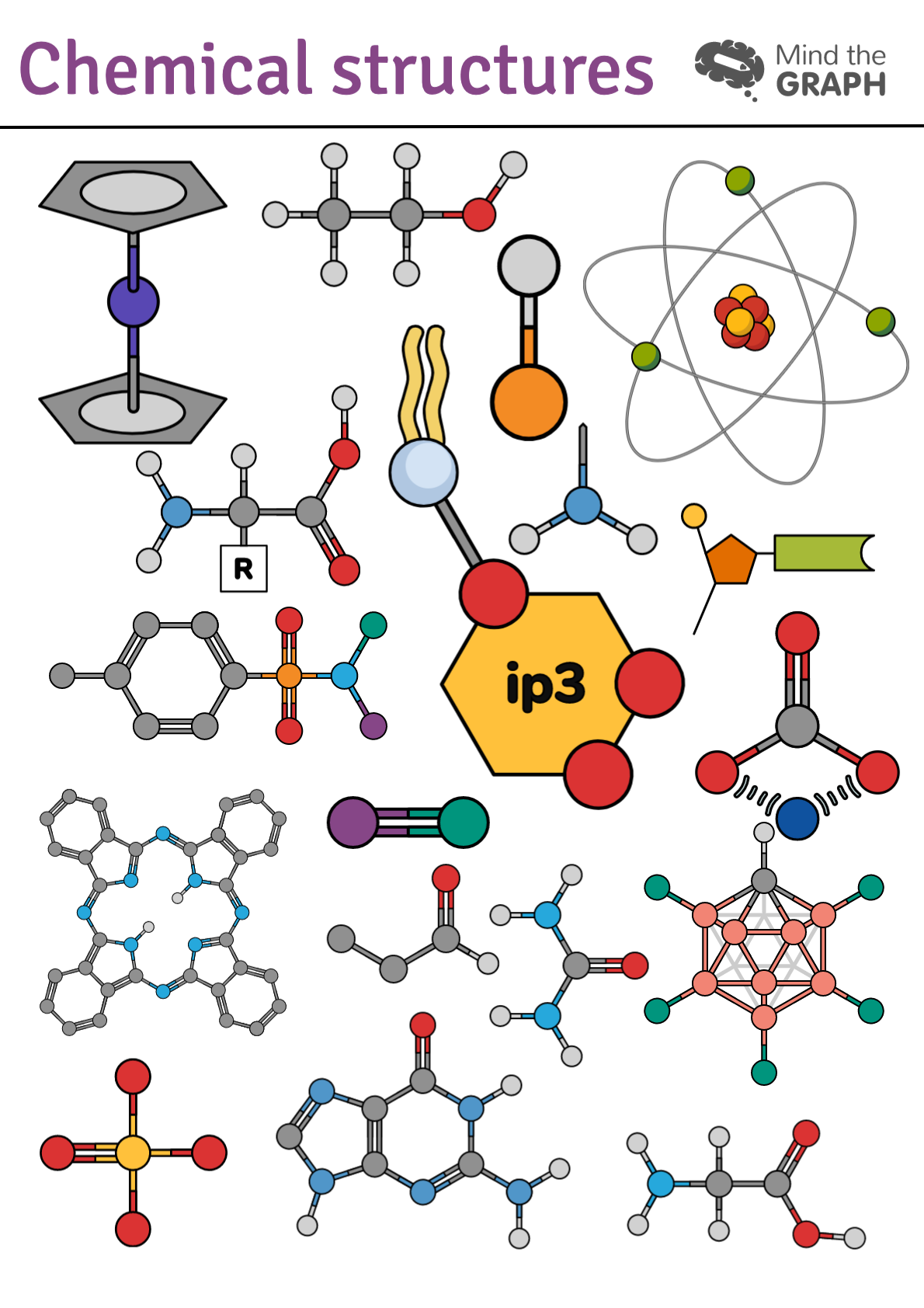
Ethical and Societal Implications of Chemistry’s Influence
Chemistry’s transformative power extends beyond laboratories into societal frameworks, shaping ethical debates, regulatory policies, and global equity. While innovations in chemical science drive medical breakthroughs, industrial progress, and environmental solutions, they also introduce complex dilemmas—balancing progress against unintended consequences. This section examines contentious issues where chemistry intersects with ethics, evaluates the societal trade-offs of chemical applications, and explores systemic inequities through case studies and analytical frameworks.
Debate: Synthetic Biology vs. Natural Processes—Ethical and Chemical Perspectives
The rise of synthetic biology—engineering organisms or biochemical pathways to produce novel compounds—challenges traditional ethical boundaries between natural and artificial systems. Below, two perspectives clash, each grounded in chemical evidence and philosophical principles.
Perspective 1: Synthetic Biology as a Necessary Evolution for Human Survival
Synthetic biology offers solutions to pressing global challenges, such as climate change mitigation (e.g., engineered algae for carbon capture) and food security (e.g., CRISPR-modified crops resistant to drought or pests). Chemically, synthetic pathways can replicate or enhance natural processes with precision. For example, artificial photosynthesis systems using titanium dioxide (TiO₂) photocatalysts achieve solar-to-fuel conversion efficiencies exceeding 10%—a feat unattainable in unmodified plants. Proponents argue that synthetic interventions are ethically justified when they reduce reliance on environmentally destructive natural extraction (e.g., replacing petroleum-based plastics with bioengineered PHAs). The Asilomar Guidelines (1975) set early precedents for responsible genetic engineering, but modern synthetic biology expands this framework to include closed-loop systems (e.g., biodegradable polymers from microbial fermentation), minimizing ecological harm.
Perspective 2: Synthetic Biology as an Unnatural and Unpredictable Threat
Critics warn that synthetic biology disrupts ecological balance by introducing non-native biochemical entities. For instance, gene drives—engineered inheritance systems designed to spread traits (e.g., malaria-resistant mosquitoes)—risk unintended evolutionary consequences, such as the collapse of local ecosystems or the emergence of antibiotic-resistant pathogens via horizontal gene transfer. Chemically, synthetic compounds like glyphosate-resistant enzymes in GMOs may persist in soil, altering microbial communities for decades. The precautionary principle demands caution: historical cases (e.g., canola contamination in Europe from unapproved genetically modified strains) demonstrate that containment failures can have irreversible effects. Ethical concerns also arise from corporate patenting of life forms (e.g., Monsanto’s Roundup Ready crops), which centralizes control over essential biological resources.
Key Chemical Evidence for Evaluation:
Efficiency vs. Risk: Compare the energy return on investment (EROI) of synthetic vs. natural processes (e.g., bioethanol from corn vs. cellulosic feedstocks).
Toxicity Profiles: Assess LC₅₀ values (lethal concentration for 50% of test organisms) of synthetic vs. natural pesticides (e.g., neonicotinoids vs. pyrethrum).
Biodegradability: Evaluate half-life data of synthetic polymers (e.g., PLA vs. PET) under composting conditions.
Ethical Dilemmas in Chemical Warfare, Pesticides, and Pharmaceutical Patents
Chemistry’s dual-use nature—capable of both saving and destroying life—creates ethical conflicts requiring risk-benefit frameworks. Three domains illustrate these tensions: chemical weapons, agrochemicals, and drug monopolies.
Chemical Warfare Agents: The Case of Sarin and VX
The Chemical Weapons Convention (CWC, 1993) bans weapons like sarin (O-isopropyl methylphosphonofluoridate) and VX (O-ethyl S-[2-diisopropylaminoethyl] methylphosphonothioate), which disrupt acetylcholinesterase (AChE), leading to paralysis and death. Chemically, their synthesis involves phosphonylation reactions with high toxicity thresholds (e.g., sarin’s LD₅₀ of 0.5 mg/kg in humans). Ethical dilemmas arise from:
Dual-Use Research: Knowledge of nerve agent chemistry (e.g., P-O bond formation) is critical for medical countermeasures (e.g., atropine, pralidoxime) but also enables production.
Asymmetric Threats: Low-cost synthesis (e.g., using commercial precursors like DMMP) lowers barriers for non-state actors.
Humanitarian Exceptions: The CWC permits defensive research, but debates persist over who defines "defensive" (e.g., U.S. anthrax vaccine programs vs. Iraqi WMD claims).
Framework for Evaluating Societal Costs vs. Benefits:
1. Immediate Harm: Quantify mortality rates (e.g., 2017 Khan Sheikhoun sarin attack: 80+ deaths) and long-term health impacts (e.g., chronic neurological damage from mustard gas).
2. Preventive Utility: Assess deterrence value (e.g., nuclear weapons’ taboo effect) vs. proliferation risks (e.g., Syria’s use of chlorine gas).
3. Alternatives: Compare non-lethal chemical agents (e.g., CS tear gas) with conventional weapons (e.g., explosives) for crowd control.
4. Global Equity: Evaluate access to antidotes (e.g., obidoxime for organophosphates) in low-income countries where stockpiles are scarce.
Pesticides: The Paradox of DDT and Neonicotinoids
DDT (dichlorodiphenyltrichloroethane) exemplifies trade-offs between public health and ecology. Chemically, its lipophilic properties (log P = 6.91) enable residual insecticidal effects, reducing malaria cases by 50% in the 20th century. However, its bioaccumulation (half-life in soil: 2–15 years) led to eagle population declines via thinning eggshells (estrogen receptor disruption). Modern neonicotinoids (e.g., imidacloprid) target nicotinic acetylcholine receptors in insects with LD₅₀ <1 µg/kg, but their systemic use contaminates pollen, contributing to colony collapse disorder in bees. Ethical questions include:
Precautionary Principle Violations: Neonicotinoids were approved without long-term ecological studies (EU ban in 2018).
Corporate Influence: Bayer-Monsanto’s $63B acquisition concentrated agrochemical power, raising conflicts of interest in regulatory approvals.
Substitution Trade-offs: Replacing DDT with pyrethroids (e.g., permethrin) reduces environmental persistence but increases neurotoxicity in humans (WHO’s Class II hazard).
Pharmaceutical Patents: The Case of HIV Drugs and Cancer Monopolies
Patents on life-saving drugs (e.g., tenofovir for HIV) create ethical conflicts between innovation incentives and global access. Chemically, drug repurposing (e.g., ivermectin’s original use as an antiparasitic before COVID-19 trials) demonstrates how molecular scaffolds (e.g., macrocyclic lactones) can serve multiple therapeutic roles. Key issues:
Evergreening: Pfizer’s patent extensions for Viagra (sildenafil) delayed generic competition, despite $2B annual profits.
Tiered Pricing: Gilead’s Sovaldi (sofosbuvir) cost $84,000/course in the U.S. but $900/course in Egypt, exploiting market segmentation.
Open-Source Alternatives: Medicines Patent Pool (e.g., dolutegravir for HIV) uses compulsory licensing to bypass patents, reducing prices by 95%.Proposed Ethical Framework for Patents: | Criteria | Application to Pharmaceuticals |
|---|
| Novelty | Does the chemical modification (e.g., prodrug strategies) justify exclusivity? |
| Non-Obviousness | Was the invention incremental (e.g., salts of existing drugs) or transformative? |
| Public Health Need | Does the patent restrict access to essential medicines (e.g., cancer drugs in Africa)? |
| Alternative Solutions | Are generic equivalents or biosimilars feasible within ethical timelines? |
Chemistry and Environmental Justice: Lead Contamination and E-WChemistry is the silent partner in humanity’s greatest achievements and most contentious failures, a duality that underscores its indispensable yet ambiguous nature. It transforms raw materials into miracles—from the Haber-Bosch process feeding billions to CRISPR’s promise of genetic editing—and yet, the same principles can create poisons, pollutants, or ethical quandaries that challenge societal values. As we stand at the precipice of synthetic biology and quantum materials, the question "chemistry is what" remains unanswered in absolutes; it is instead a dynamic dialogue between discovery and responsibility. The discipline’s future hinges not only on scientific mastery but on our collective ability to wield its power with foresight, ensuring that innovation serves progress without compromising the integrity of life itself.
FAQ
What type of science is chemistry?
Chemistry is a natural science that studies matter, its properties, composition, structure, and the changes it undergoes during chemical reactions. It is often called the "central science" because it bridges fields like physics, biology, and engineering. Chemistry focuses on understanding how atoms and molecules interact at the atomic and molecular levels.
What grade do students typically take chemistry in school?
Chemistry is usually introduced in high school, often as a standalone course in 9th or 10th grade (freshman or sophomore year), depending on the curriculum. Advanced Placement (AP) or honors chemistry may be offered in 11th or 12th grade. Some middle schools offer introductory chemistry units as part of physical science courses.
What grade level is chemistry usually taught at?
Chemistry is primarily taught at the high school level (grades 9–12) as a core science course, often required for graduation. At the college level, it’s a foundational subject in science degrees, with introductory courses (e.g., General Chemistry) typically taken in the first or second year. Some universities offer chemistry electives for non-science majors at any level.
What color is associated with chemistry?
Chemistry is often symbolized by the color orange or red-orange, derived from the flame test of sodium (a bright orange-yellow). In lab safety, orange is also used for caution signs (e.g., flammable materials). However, there’s no single "official" color—it varies by context, such as lab equipment (e.g., orange safety goggles) or educational branding.
What is a mole in chemistry?
A mole (mol) is the SI unit for measuring the amount of a substance, defined as exactly 6.02214076 × 10²³ elementary entities (atoms, molecules, ions, etc.), a number called Avogadro’s constant. One mole of any substance contains the same number of particles as 12 grams of carbon-12. It simplifies calculations by linking macroscopic quantities (grams) to microscopic particles (atoms/molecules).
What is a salt in chemistry?
A salt in chemistry is an ionic compound formed when an acid reacts with a base, replacing the hydrogen ions (H⁺) of the acid with metal or other positive ions. Common examples include table salt (sodium chloride, NaCl) and potassium nitrate (KNO₃). Salts are typically crystalline, dissolve in water, and conduct electricity in molten or dissolved states. They can also form from neutralization reactions or direct combination of elements.
|
|---|
|
Leave a Comment
Comments are moderated before appearing. The data you submit is processed according to the Privacy Policy of Voltefac.