What Is Crab Meat Made From And Its Key Components
Table of Contents
- Scientific Composition of Crab Meat: Biological Classification and Nutritional Breakdown
- Anatomical Sources of Edible Crab Meat and Their Biological Classification
- Nutritional Comparison: Protein, Fat, and Water Content in Crab Meat vs. Other Seafood
- Chemical Composition: Amino Acids, Minerals, and Trace Elements in Crab Meat
- Amino Acid Profile (per 100g raw crab meat)
- Mineral and Trace Element Content (per 100g raw crab meat)
- Sourcing and Harvesting Methods of Crab Meat
- Primary Regions and Ecosystems for Crab Harvesting
- Harvesting Techniques by Crab Type
- Culinary Preparation Techniques for Crab Meat
- Step-by-Step Processing of Crab Meat at Home
- Comparison of Traditional Cooking Methods for Crab Meat
- Recipes Highlighting Texture Variations in Crab Dishes
- Cultural and Historical Significance of Crab Meat in Global Cuisine and Trade
- Crab Meat in Coastal and Maritime Cultures
- Timeline of Crab Meat Commercialization
- Regional Culinary Traditions and Symbolic Meanings
- Perceptions of Crab Meat Across Cuisines: Luxury vs. Staple
- FAQ
- What ingredients are used to make imitation crab meat?
- What is artificial crab meat made from?
- What is surimi crab meat made from?
- What is lump crab meat made from?
- What type of fish is imitation crab meat made from?
- What fish is used to make artificial crab meat?
Crab meat, a prized delicacy in global cuisine, derives its unique texture and flavor from a complex interplay of biological structure, biochemical composition, and sustainable harvesting practices. Beyond its culinary appeal, understanding what constitutes crab meat—from the anatomical segments of species like the blue crab or Dungeness to its protein-rich, low-fat profile—reveals why it remains a staple in both traditional and modern gastronomy. This exploration delves into the scientific foundations of crab meat, tracing its journey from marine ecosystems to kitchen tables, while examining ethical sourcing and preparation techniques that define its quality and cultural significance.
The edibility of crab meat is rooted in its anatomical versatility, with claws, legs, and body segments contributing distinct textures and flavors depending on species and preparation. Nutritionally, its high protein content and mineral richness—such as iodine and selenium—position it as a superior seafood choice compared to alternatives like shrimp or lobster. However, the sustainability of its harvest and the nuances of culinary transformation further shape its role in diets worldwide, from coastal communities to fine-dining establishments.

Scientific Composition of Crab Meat: Biological Classification and Nutritional Breakdown
Crab meat is derived from decapod crustaceans belonging to the Brachyura infraorder, encompassing over 7,000 species with distinct anatomical and biochemical profiles. The edible portions—primarily the muscle tissue from the legs, claws, and body segments—vary in texture, flavor, and nutritional composition depending on species, habitat, and preparation. Understanding these variations is essential for culinary applications, nutritional analysis, and sustainable seafood sourcing.The biological classification of crabs used commercially for meat includes species such as the blue crab (Callinectes sapidus), Dungeness crab (Metacarcinus magister), and Alaska king crab (Paralithodes camtschaticus), each exhibiting unique anatomical adaptations that influence meat yield and quality. Below, the focus shifts to the anatomical contributions to edible meat, followed by a nutritional comparison with other seafood and a detailed chemical composition analysis.
Anatomical Sources of Edible Crab Meat and Their Biological Classification
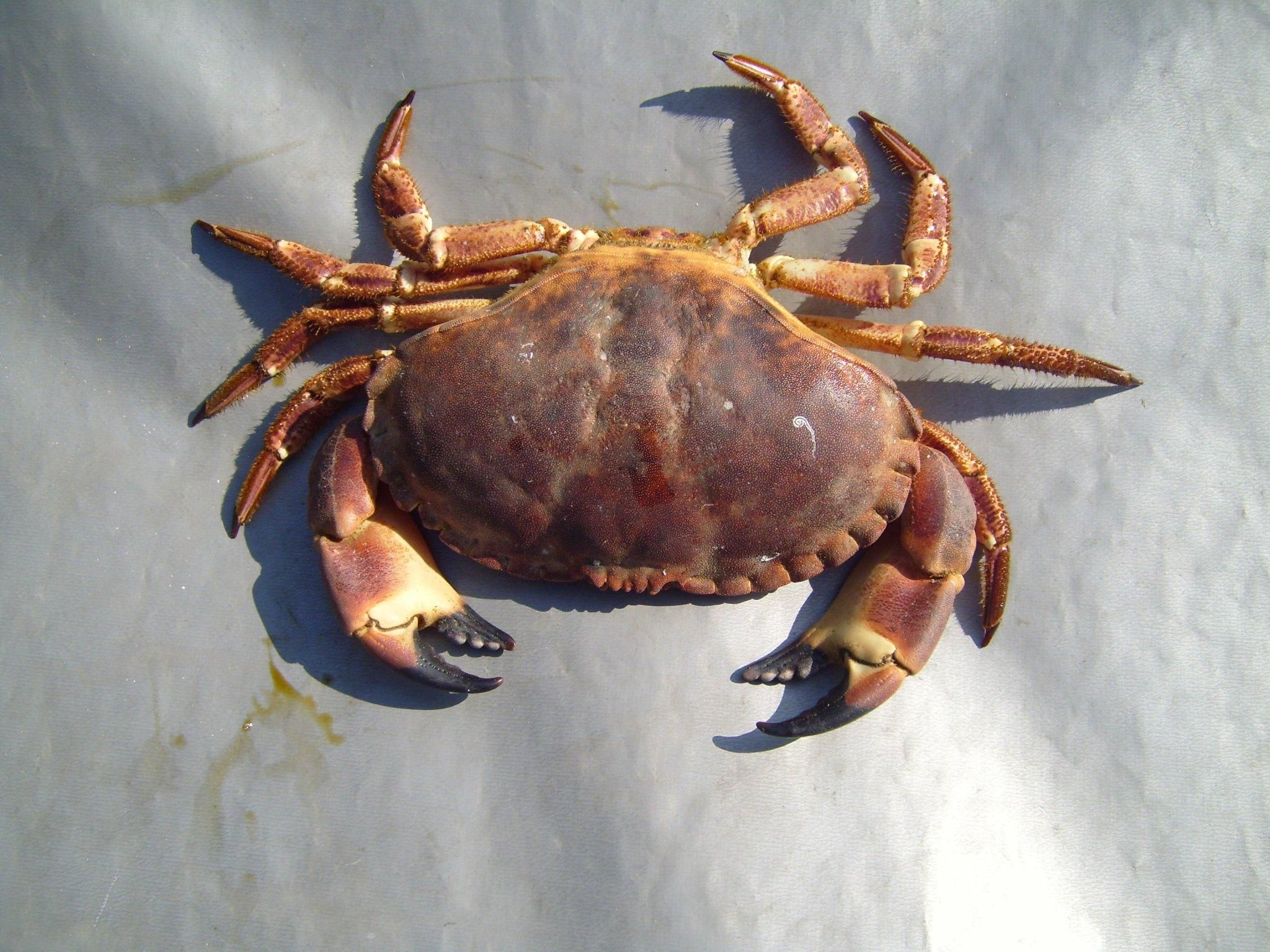
Crabs are decapod crustaceans with a segmented exoskeleton, ten legs (five pairs), and a flattened body divided into the cephalothorax (fused head and thorax) and abdomen. The edible meat is primarily sourced from three anatomical regions:- Claws (Chelae): The largest muscle mass in crabs, located in the merus and propodus segments of the chelipeds. These claws are rich in fast-twitch muscle fibers, contributing to a firmer texture and higher protein density. In species like the king crab, the claws account for up to 40% of the total meat yield, while in blue crabs, they provide ~30%.
Taxonomic Notes:
Nutritional Comparison: Protein, Fat, and Water Content in Crab Meat vs. Other Seafood
Crab meat is distinguished by its high protein content, moderate fat levels, and low caloric density relative to other crustaceans. The following table compares the raw, uncooked nutritional profiles of crab species with shrimp and lobster, based on USDA FoodData Central and FAO seafood databases:| Seafood Type | Protein (%) | Fat (%) | Water (%) |
|---|---|---|---|
| Blue Crab (Callinectes sapidus) | 18.5–20.1 | 1.2–1.8 | 78.0–79.5 |
| Dungeness Crab (Metacarcinus magister) | 19.8–21.3 | 0.9–1.5 | 77.5–79.0 |
| Alaska King Crab (Paralithodes camtschaticus) | 17.2–19.0 | 1.0–1.6 | 79.0–80.5 |
| Shrimp (Prawn, Penaeus spp.) | 20.0–24.0 | 0.5–1.2 | 75.0–78.0 |
| Lobster (Homarus americanus) | 18.0–20.0 | 1.5–2.5 | 77.0–79.0 |
Chemical Composition: Amino Acids, Minerals, and Trace Elements in Crab Meat
The bioactive compounds in crab meat influence its nutritional value, flavor development, and functional properties in food science. Below is a structured breakdown of its amino acid profile, essential minerals, and trace elements, derived from analytical studies (e.g., AOAC methods, ICP-MS spectroscopy).Amino Acid Profile (per 100g raw crab meat)
Crab meat is a complete protein source, containing all essential amino acids required for human metabolism. The highest concentrations are observed in:The lowest concentrations are found in cysteine (0.05–0.1g) and methionine (0.3–0.5g), which are sulfur-containing amino acids influencing texture during cooking.
- Glutamic Acid (1.8–2.2g): Contributes to umami flavor and acts as a glutamate precursor in cooking.
- Arginine (1.5–1.9g): Supports nitric oxide synthesis, improving cardiovascular health.
- Lysine (1.2–1.6g): Essential for protein synthesis and collagen formation.
- Leucine (1.1–1.4g): A branched-chain amino acid (BCAA) critical for muscle repair.
Mineral and Trace Element Content (per 100g raw crab meat)
Crab meat is a rich source of bioavailable minerals, particularly iodine and selenium, which are often deficient in modern diets.
- Iodine (100–150µg): Critical for thyroid function; king crab contains ~30% more iodine than blue crab due to its Alaskan marine habitat.
- Selenium (30–50µg): Acts as
Sourcing and Harvesting Methods of Crab Meat
Crab meat is harvested from diverse marine and estuarine ecosystems worldwide, with regional variations influencing species dominance, seasonal availability, and harvesting techniques. Coastal waters, estuaries, and cold-water deep-sea environments serve as primary habitats, where crabs thrive due to salinity gradients, substrate composition, and temperature ranges. The sustainability of crab fisheries depends on ecological balance, regulatory frameworks, and technological advancements in harvesting methods, which vary significantly by species. Post-harvest processing further determines the commercial quality, nutritional retention, and market viability of crab meat, requiring standardized procedures to maintain consistency.The global crab industry relies on targeted harvesting methods tailored to species biology and ecological sensitivity. Below, key sourcing regions, seasonal patterns, and harvesting techniques are outlined, followed by an analysis of sustainable practices and post-harvest handling protocols.
Primary Regions and Ecosystems for Crab Harvesting
Crab populations are distributed across distinct ecological zones, with temperate coastal waters (e.g., Chesapeake Bay, North Sea, and Gulf of Mexico) yielding species like blue crabs (Callinectes sapidus) and Dungeness crabs (Metacarcinus magister). Cold-water deep-sea environments (e.g., Bering Sea, North Atlantic, and Antarctic waters) are critical for king crabs (Paralithodes camtschaticus, Lithodes aequispinus) and snow crabs (Chionoecetes opilio). Tropical and subtropical estuaries (e.g., Southeast Asia, West Africa, and the Caribbean) support mud crabs (Scylla serrata), spiny lobsters (Panulirus argus), and swimming crabs (Portunus spp.), while freshwater and brackish systems (e.g., Southeast Asia’s mangrove forests) are vital for species like the mud crab and river crabs (Potamidae).Seasonal availability is governed by spawning cycles, molting patterns, and water temperature fluctuations. For instance:
- Blue crabs peak in U.S. Atlantic waters during spring and fall (March–May and September–November), coinciding with molting and mating seasons.
- King crabs in the Bering Sea are harvested from June to October, when they migrate to shallower waters for feeding.
- Snow crabs in Canadian and Russian waters exhibit summer peaks (June–August), while Dungeness crabs in the Pacific Northwest reach maturity by late summer to early autumn (August–October).
- Mud crabs in Southeast Asia are harvested year-round but experience higher yields during monsoon transitions (November–February), when salinity gradients favor juvenile recruitment.
Harvesting Techniques by Crab Type
Harvesting methods are species-specific, balancing efficiency with ecological impact. The following table categorizes primary crab types, their extraction techniques, seasonal peaks, and regulatory constraints:
Crab Type Harvesting Method Seasonal Peak Regulatory Restrictions Blue Crab (Callinectes sapidus)
- Pot traps (crab pots): Wooden or plastic cages baited with fish, deployed in shallow waters (3–15 m).
- Dredges: Metal frames dragged along the seafloor, primarily used in deeper waters (e.g., Chesapeake Bay).
- Hand-picking: Selective harvesting in tidal flats and seagrass beds (e.g., Maryland’s "peeler" crabs).
Spring (March–May) and Fall (September–November)
- Minimum carapace width: 87 mm (male), 81 mm (female) (U.S. Atlantic).
- Closed seasons during spawning (e.g., April–June for females in Virginia).
- Trap limits: 200 pots per vessel (Maryland), 100 pots per vessel (Virginia).
Dungeness Crab (Metacarcinus magister)
- Pot traps: Large, weighted pots with escape gaps for undersized crabs, deployed in 10–100 m depths.
- Dredging: Rare, restricted to deep-water zones due to habitat damage risks.
- Hand-diving: Used in shallow waters (e.g., California’s Tomales Bay).
Late Summer to Early Autumn (August–October)
- Minimum carapace width: 158 mm (male), 152 mm (female) (U.S. Pacific).
- Quota-based fishing (e.g., 2023 U.S. quota: 2.7 million kg).
- Mandatory trap check requirements to reduce bycatch (e.g., rockfish, sea stars).
King Crab (Paralithodes camtschaticus, Lithodes aequispinus)
- Pot traps: Heavy-duty pots with individual crab escape mechanisms, deployed in 50–200 m depths.
- Jigging: Rare, used for live bait in commercial fisheries (e.g., Alaska).
- Diving: Manual extraction in shallow Alaskan waters (e.g., Kodiak Island).
June–October (Bering Sea)
- Minimum carapace width: 130 mm (red king crab), 120 mm (blue king crab) (Alaska).
- Seasonal closures during molting (e.g., May–June for females).
- Trap limits: 1,000 pots per vessel (red king crab), with mandatory reporting.
Snow Crab (Chionoecetes opilio)
- Pot traps: Lightweight pots with small mesh sizes (76–102 mm) to reduce bycatch.
- Trawling: Rare, prohibited in some regions (e.g., Canada’s Gulf of St. Lawrence).
- Hand-sorting: Used in processing plants to separate males/females.
June–August (Northwest Atlantic)
- Minimum carapace width: 114 mm (male), 102 mm (female) (Canada).
- Quota system with annual catch limits (e.g., 2023 Canada quota: 120,000 tonnes).
- Prohibition on female egg-bearing crabs during spawning.
Mud Crab (Scylla serrata)
- Hand-picking: Dominant method in Southeast Asia (e.g., Thailand, Vietnam), targeting mangrove and brackish waters.
- Gill nets: Used in deeper channels but restricted due to bycatch risks (e.g., juvenile crabs, fish).
- Trap fishing: Emerging in Australia and India, using baited wire cages.
Year-round, with peaks in November–February (monsoon transitions)
- Minimum carapace width: 100 mm (varies by country) (e.g., 120 mm in Australia).
- No formal quotas in many regions, leading to overfishing concerns (e.g., Philippines).
- Mangrove protection laws
Culinary Preparation Techniques for Crab Meat
The transformation of raw crab meat into a culinary masterpiece requires precision in handling, cooking methods, and storage practices. Proper preparation ensures optimal texture, flavor retention, and food safety, while also accommodating diverse cooking applications—from delicate seafood salads to hearty bisques. This section explores systematic techniques for processing crab meat at home, evaluates traditional cooking methods, and provides structured recipes and decision-making frameworks for selection and application.
Step-by-Step Processing of Crab Meat at Home
Handling crab meat demands careful attention to hygiene and technique to preserve its delicate flavor and texture. Below is a standardized procedure for shell removal, deboning, and storage, formatted for clarity and reproducibility.1. Preparation and Sanitation
- Rinse whole crabs under cold running water to remove debris, sand, or parasites.
- Sanitize work surfaces, knives, and utensils with a 50ppm chlorine solution or hot water (77°C/170°F for 30 seconds).
- Wear gloves to prevent cross-contamination with bacteria (e.g., Vibrio species).
2. Shell Removal (Shucking)
- For blue crabs or Dungeness crabs:
a. Insert a sharp knife at the base of the apron (front shell) and cut along the underside to separate the body from the shell.
b. Twist the shell to detach the meat, then pull the body away from the legs.
- For king crabs or snow crabs:
a. Use shears to cut through the leg joints near the body, then pry open with a crab mallet.
- Note: King crab legs are often pre-shucked commercially; verify freshness by checking for a glossy sheen and firm texture.
3. Deboning and Portioning
- Body Meat:
- Remove the gills and tomalley (liver) from the body cavity (discard unless using for stock).
- Separate the meat from the shell using a spoon or knife, then trim off any remaining cartilage.
- Leg Meat:
- For legs, cut along the inner curve to expose the meat, then slice into uniform strips (1–2 cm thick).
- For lump crab meat (e.g., from blue crabs), use a spoon to scoop out chunks while leaving the shell intact.
- Storage Prep:
- Rinse meat under cold water to remove residual shell fragments or sand.
- Pat dry with paper towels to extend shelf life.
4. Storage Guidelines
- Short-Term (1–2 days):
- Store in an airtight container with a damp paper towel to retain moisture.
- Refrigerate at 0–4°C (32–39°F); consume within 24 hours for optimal quality.
- Long-Term (up to 3 months):
- Freeze in vacuum-sealed bags or airtight containers, labeled with the date.
- Thaw overnight in the refrigerator before use; avoid refreezing.
- Safety Note:
- Never store crab meat in water; bacterial growth (e.g., Listeria) accelerates in moist environments.
Comparison of Traditional Cooking Methods for Crab Meat
The selection of a cooking method influences moisture retention, flavor extraction, and the risk of overcooking, which can turn tender crab meat into a rubbery texture. Below is an analysis of four primary techniques, including their effects on texture, flavor, and safety.Cooking Method | Moisture Retention | Flavor Extraction | Safety Considerations | Ideal Applications
---------------------|--------------------|--------------------|-------------------------------------------|----------------------
Steaming | High (70–80%) | Moderate (subtle) | Minimal risk of overcooking; retains B vitamins. | Soups, sushi, delicate salads.
Boiling | Low (40–50%) | High (intense) | Rapid heat transfer may toughen meat; use 3–5 minutes max. | Stocks, bisques, chowders.
Pan-Frying | Low (30–40%) | Very High (Maillard reaction) | High risk of overcooking; monitor closely (2–3 minutes per side). | Crab cakes, tempura, stir-fries.
Baking | Moderate (50–60%) | Moderate (caramelization) | Even heat distribution reduces texture loss; 150–175°C (300–350°F) for 10–15 minutes. | Stuffed crabs, casseroles, glazed dishes.Key Considerations:
- Moisture Retention: Steaming and baking preserve texture best for dishes requiring tender bites (e.g., sushi or salads).
- Flavor Extraction: Boiling and frying intensify umami but require precise timing to avoid toughness.
- Safety: Avoid prolonged cooking (>5 minutes) to prevent the formation of biogenic amines (e.g., histamine) in improperly handled crab.
- Preparation State: Pre-shucked or canned crab meat cooks faster (1–2 minutes) than whole crabs due to reduced mass.
Recipes Highlighting Texture Variations in Crab Dishes
The following recipes demonstrate techniques to achieve distinct textures—chunky (e.g., crab cakes) and pureed (e.g., bisque)—while balancing ingredient ratios and cooking times. All recipes assume 500g (1 lb) of fresh lump crab meat as the base.
Dish Texture Profile Key Ingredients (Ratios) Cooking Method & Time Classic Crab Cakes
- Chunky (1–2 cm crab pieces)
- Crispy exterior, moist interior
- Binds with egg and breadcrumbs
- 500g lump crab meat
- 100g panko breadcrumbs
- 1 large egg, beaten
- 2 tbsp mayonnaise
- 1 tbsp Dijon mustard
- 1 tbsp chopped parsley
- 1 tsp Old Bay seasoning
- 2 tbsp butter/oil (for frying)
- Combine crab, breadcrumbs, egg, mayo, mustard, and parsley in a bowl. Chill 30 minutes.
- Form into 8 patties (6 cm diameter). Heat butter/oil in a skillet over medium (160°C/320°F).
- Cook 3–4 minutes per side until golden brown. Serve with lemon wedges.
New England-Style Crab Bisque
- Silky-smooth (pureed)
- Velvety mouthfeel from roux and cream
- Layered with crab chunks for contrast
- 500g lump crab meat (reserve 100g for garnish)
- 2 tbsp butter
- 2 tbsp all-purpose flour
- 1 small onion, diced
- 2 celery stalks, diced
- 1 clove garlic, minced
- 1 L (4 cups) seafood stock
- 200ml (¾ cup) heavy cream
- 1 tbsp brandy (optional)
- 1 tsp smoked paprika
- Salt and white pepper to taste
- Melt butter in a pot over medium heat. Add flour to make a roux; cook 2 minutes.
- Add onion, celery
Cultural and Historical Significance of Crab Meat in Global Cuisine and Trade
Crab meat has transcended its biological origins to become a cornerstone of coastal economies, culinary identities, and cross-cultural exchanges. As a protein-rich resource abundant in tidal ecosystems, its consumption and trade have shaped maritime communities from pre-colonial eras to modern globalization. Historical records reveal crab’s role in indigenous subsistence, colonial barter systems, and industrialized food commerce, while its adaptation into regional cuisines reflects ecological, social, and economic adaptations. The following sections examine its cultural embeddedness, commercial milestones, and divergent culinary perceptions across civilizations.
Crab Meat in Coastal and Maritime Cultures
Crab meat has sustained indigenous and coastal populations for millennia, serving as both a dietary staple and a medium for cultural exchange. In North America, the Chesapeake Bay region—particularly Maryland and Virginia—developed a symbiotic relationship with blue crabs (Callinectes sapidus), which became central to Native American diets before European colonization. The Alaska Native communities, including the Yup’ik and Inuit, relied on red king crab (Paralithodes camtschaticus) and snow crab (Chionoecetes opilio) for survival, incorporating them into traditional dishes like iqmik (fermented crab) or muktuk (skin and blubber with crab meat). Similarly, in East Asia, coastal villages in Japan, Korea, and China harvested crabs for festivals, with Japan’s kani (crab) symbolizing prosperity in Shinto rituals, while China’s haixian (crab feasts) during the Song Dynasty (960–1279 CE) marked imperial banquets.Trade routes further disseminated crab meat as a commodity. The Silk Road’s maritime extensions facilitated crab exports from Southeast Asia to the Middle East, where Persian texts from the 10th century describe crab-based dishes. Meanwhile, African coastal cultures, such as the Yoruba and Igbo peoples, incorporated crabs into ewedu (jute leaf soup) and okra stews, reflecting West African culinary ingenuity with brackish-water species like the mud crab (Scylla serrata).
Timeline of Crab Meat Commercialization
The transition from subsistence harvesting to global trade occurred in distinct phases, driven by technological advancements and colonial economics:- Pre-1500 CE: Indigenous trade networks in the Americas and Asia exchanged live crabs for tools, textiles, and other goods. The Chesapeake Bay’s Native Algonquian tribes bartered blue crabs with European explorers as early as the 16th century.
- 1600–1800 CE: Colonial powers established crab as a luxury export. Spanish and Portuguese traders shipped live crabs from the Caribbean to Europe, while Chinese merchants canned crabs for overseas markets during the Qing Dynasty (1644–1912).
- 1850–1900 CE: The Industrial Revolution enabled large-scale canning. The first commercial canned crab exports occurred in 1870s Alaska, when Russian and American processors shipped red king crab to San Francisco. Meanwhile, Maryland’s crab industry boomed with the invention of the peeler boat (1880s), increasing efficiency for blue crab harvesting.
- 1950–2000 CE: Globalization and overfishing reshaped trade. Japan’s crab fishing quotas (1970s) and the EU’s Common Fisheries Policy (1983) introduced sustainability measures, while China’s aquaculture expansion (1990s) made it the world’s largest crab producer.
- 2000–Present: Climate change and market shifts dominate current trends. The Alaskan crab fishery faces warming ocean threats, while Vietnam and Ecuador emerge as top exporters of farmed mud crab, supplying 90% of the global market (as of 2023).
Regional Culinary Traditions and Symbolic Meanings
Crab meat’s versatility has led to diverse preparation methods, often tied to ecological availability and cultural symbolism. Below are key regional adaptations:
- North America
- Maryland/Chesapeake Bay: Blue crab (Callinectes sapidus) is the centerpiece of crab cakes, soufflé, and soft-shell crab dishes. The Maryland Crab Feast (since the 18th century) celebrates harvests, with Old Bay Seasoning—a spice blend created in 1939—becoming iconic. Symbolism: Crab meat represents community and abundance, often served at political gatherings (e.g., U.S. presidential dinners).
- Alaska: Red king crab legs are prepared steamed, broiled, or in bisque, often served with Dungeness crab in crab louie salads. Symbolism: Crab festivals (e.g., Kodiak Crab Festival) honor sustainable fishing traditions, with Indigenous Yup’ik ceremonies incorporating crab into blessing rituals.
- Louisiana: Blue crabs are used in crab étouffée and remoulade, blending French and Creole influences. Symbolism: Reflects Creole resilience, as crab dishes were adapted from French étouffée techniques using local ingredients.
- East Asia
- Japan: Kani kamaboko (steamed crab surimi) and sushi-grade snow crab dominate. Symbolism: Crabs (kani) in New Year celebrations symbolize longevity and prosperity, while Osaka’s tankan (crab hot pot) is a winter delicacy.
- China: Yangcheng Lake hairy crab (Eriocheir sinensis) is steamed with ginger and served in crab feasts (haixian). Symbolism: Associated with wealth and reunion, often featured in Mid-Autumn Festival banquets.
- Korea: Haegeot (crab soup) and grilled mud crab are staples. Symbolism: Mud crabs (geot) in Chuseok (harvest festivals) represent gratitude for nature’s bounty.
- Europe
- France: Dungeness crab bisque and crabe farci (stuffed crab) reflect luxury dining. Symbolism: Historically a royalty delicacy, now a high-end restaurant ingredient (e.g., Parisian crabe de veau).
- United Kingdom: Brown crab (Cancer pagurus) is used in crab sandwiches and Welsh rarebit-style dishes. Symbolism: Coastal towns like Cornwall treat crab as a working-class staple, contrasting with its gourmet perception in London.
- Southeast Asia and Oceania
- Vietnam: Mud crab (Scylla serrata) is stir-fried with turmeric and chili (bánh khọt). Symbolism: A street food icon in Ho Chi Minh City, representing urban resilience.
- Australia/New Zealand: Blue swimmer crab is grilled or used in seafood chowders. Symbolism: Reflects outback-meets-ocean fusion cuisine, often paired with local wines.
Perceptions of Crab Meat Across Cuisines: Luxury vs. Staple
The cultural and economic valuation of crab meat varies significantly, influenced by availability, cost, and historical trade dynamics. The following table compares its status in select regions:
Region Culinary Role Economic Status Cultural Taboos/Restrictions Key Influencing Factors From the biochemical intricacies of its composition to the ethical considerations of its harvest, crab meat embodies a convergence of science, culture, and sustainability. Its journey—from the depths of estuaries to the tables of Maryland crab cake enthusiasts or Japanese kani kamaboko artisans—highlights both its universal appeal and regional diversity. As global demand grows, the balance between culinary innovation and responsible sourcing will determine the future of this marine treasure, ensuring its place as both a nutritional powerhouse and a symbol of coastal heritage.
FAQ
What ingredients are used to make imitation crab meat?
Imitation crab meat is primarily made from surimi, which is a paste of minced fish (often pollock or Alaska pollock), starch (like wheat or potato), sugar, salt, and food additives like sorbitol and artificial coloring (such as carmine or annatto) to mimic crab’s orange hue. It may also include egg whites or other binders to improve texture.
What is artificial crab meat made from?
Artificial crab meat is made from surimi, a processed fish paste, usually derived from white fish like pollock, cod, or whiting. The mixture includes stabilizers (e.g., egg white or soy protein), sugar, salt, and artificial flavors/colors to replicate the taste and appearance of real crab. It does not contain actual crab meat.
What is surimi crab meat made from?
Surimi crab meat is made from surimi, which is created by washing and mincing white fish (commonly pollock, Alaska pollock, or croaker) to remove impurities and fat. The resulting paste is combined with starch, sugar, salt, and additives (like sorbitol or artificial dyes) to form a stable, crab-like texture. It is then shaped and cooked.
What is lump crab meat made from?
Lump crab meat is typically made from surimi, formed into chunks or lumps to resemble real crab clusters. The base is usually minced fish (such as pollock or whiting), mixed with binders (egg white or starch), sugar, salt, and artificial flavors/colors. It is molded, steamed, and sometimes breaded or glazed to mimic the appearance of natural crab.
What type of fish is imitation crab meat made from?
Imitation crab meat is most commonly made from Alaska pollock, though other white fish like cod, whiting, or croaker may also be used. The fish is processed into surimi—a refined paste—after bones, skin, and fat are removed, then blended with additives to create the final product.
What fish is used to make artificial crab meat?
Artificial crab meat is almost always made from Alaska pollock, the most widely used fish for surimi production due to its mild flavor and high protein content. Other fish like Pacific whiting, cod, or croaker may occasionally be used, but pollock dominates the market for its consistency and affordability.
Leave a Comment
Comments are moderated before appearing. The data you submit is processed according to the Privacy Policy of Voltefac.