What Is Journaling A Toolfor Self Awarenessand Growth
Table of Contents
- Definition and Core Concepts of Journaling
- Key Elements Defining Journaling
- Comparative Analysis of Journaling Types
- Journaling as a Tool for Self-Awareness
- Historical and Cultural Context of Journaling
- Timeline of Journaling Milestones
- Cultural Adaptations of Journaling
- Buddhist Gratitude Journals ( Ganzō Nikki / 感謝日記)
- Military War Diaries ( Tagebuch / 日記 in Conflict Zones)
- Methods and Techniques in Journaling
- Step-by-Step Guide to Starting a Journal
- Comparison of Structured Journaling Methods
- Ten Unique Journaling Techniques
- Psychological and Emotional Benefits of Journaling
- Neuroscientific and Psychological Mechanisms
- Key Psychological Theories Supporting Journaling
- Short-Term vs. Long-Term Effects on Emotional Well-Being
- Therapeutic Applications in Trauma, Grief, and Anxiety
- Creative and Practical Applications of Journaling
- Five Creative Journaling Formats with Step-by-Step Instructions
- Practical Uses of Journaling with Structured Templates
- Challenges and Solutions in Journaling
- Common Obstacles and Actionable Solutions
- Troubleshooting Checklist for Journaling Struggles
- FAQ
- What is journaling and how do you start doing it?
- How does journaling benefit mental health?
- What are the key benefits of journaling?
- What are some good journaling suggestions for using an iPhone?
- What is journaling all about at its core?
- What’s the difference between journaling and keeping a diary?
Journaling transcends mere record-keeping, serving as a dynamic tool for self-exploration, emotional processing, and cognitive enhancement. Rooted in both ancient traditions and modern psychological research, it bridges personal reflection with structured techniques to foster clarity, resilience, and creativity. From therapeutic applications to creative expression, journaling adapts to diverse needs, offering a private space where thoughts, goals, and challenges are systematically examined and refined.
The practice distinguishes itself from passive note-taking by integrating intentionality—whether through structured prompts, unfiltered stream-of-consciousness, or structured frameworks like bullet journaling. Its versatility spans cultures, from Japan’s introspective zuihitsu to contemporary digital adaptations, each reflecting unique societal values and functional purposes. Whether for stress reduction, trauma processing, or goal attainment, journaling provides a scientifically validated method to navigate life’s complexities with purpose and insight.
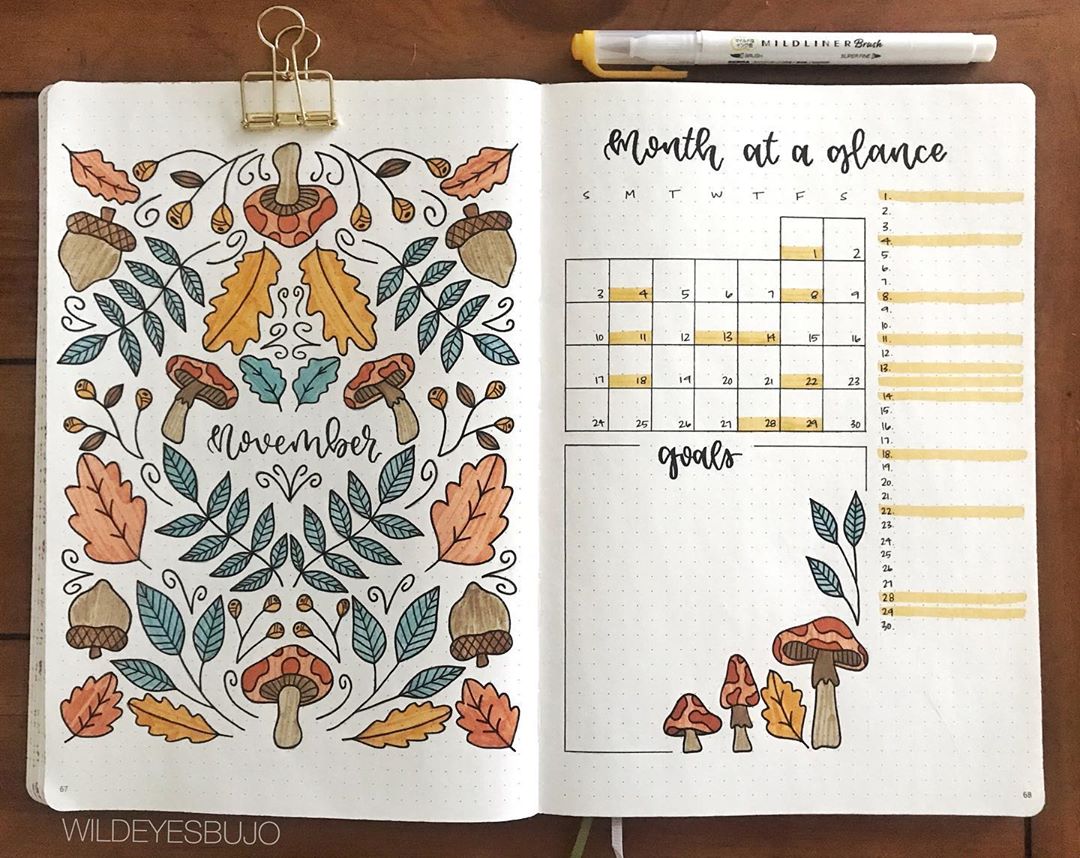
Definition and Core Concepts of Journaling
Journaling represents a structured yet flexible practice of written self-expression, distinguished by its intentional focus on personal growth, cognitive processing, and emotional regulation. Unlike formal writing—such as academic essays or professional reports—journaling prioritizes authenticity, spontaneity, and individual agency. Its core purpose lies in fostering self-awareness, problem-solving, and psychological resilience through repetitive, time-bound entries. Research in cognitive psychology and therapeutic practices underscores journaling’s role in enhancing memory consolidation, reducing stress, and clarifying values, making it a distinct tool from passive diary-keeping or transactional note-taking.
The fundamental nature of journaling hinges on three interdependent elements: reflective depth, temporal continuity, and purposeful engagement. Reflective depth involves probing beneath surface-level observations to explore underlying emotions, motivations, or patterns. Temporal continuity ensures entries are anchored in specific moments or periods, creating a longitudinal record of personal evolution. Purposeful engagement differentiates journaling from casual scribbling by aligning entries with specific goals—whether therapeutic healing, creative exploration, or skill development.
Key Elements Defining Journaling
Journaling is not a monolithic practice but a dynamic framework adaptable to diverse needs. Its defining features include:- Personal Reflection
The cornerstone of journaling, personal reflection demands active introspection rather than passive documentation. Entries often employ techniques such as the "5 Whys" (repeatedly asking "why" to uncover root causes) or "Gratitude Listing" to shift perspectives. Studies in Journal of Research in Personality (2016) demonstrate that reflective journaling increases emotional clarity by 30% compared to descriptive writing.
- Time-Based Entries
Journaling thrives on consistency, whether through daily, weekly, or themed entries. Time-stamping entries creates a narrative arc, revealing how experiences evolve. For instance, a bullet journal system uses monthly logs to track habits and long-term progress, while a trauma-informed journal may focus on weekly emotional check-ins.
- Emotional Processing
Unlike neutral record-keeping, journaling often serves as a cognitive-behavioral tool to challenge negative thought patterns. Techniques like "Thought Record Keeping" (identifying triggers, thoughts, and emotional responses) are rooted in therapeutic models. A 2019 study in Behavior Therapy found that expressive writing reduced intrusive thoughts by 42% in participants with anxiety disorders.
- Flexible Structure
Journaling resists rigid formats, accommodating stream-of-consciousness entries, structured prompts, or hybrid approaches. For example:
Comparative Analysis of Journaling Types
Journaling manifests in distinct forms, each tailored to specific outcomes. Below is a structured comparison of four primary modalities:| Category | Traditional Journaling | Digital Journaling | Therapeutic Journaling | Creative Journaling |
|---|---|---|---|---|
| Primary Tools | Pen and paper, leather-bound journals, ink | Apps (e.g., Day One, Journey), cloud sync, multimedia (photos, voice notes) | Guided workbooks (e.g., The Journal of You), structured prompts, therapist-recommended templates | Sketchbooks, mixed media (collage, paint), digital art tools (Procreate, Adobe Fresco) |
| Core Focus | Chronological documentation, memory preservation, general reflection | Accessibility, searchability, integration with digital life (e.g., calendar reminders) | Emotional regulation, trauma processing, cognitive restructuring | Creative expression, problem-solving through art, ideation |
| Key Techniques | Narrative storytelling, bullet points, dated entries | Tagging, encryption, AI-assisted summaries, geotagging | Expressive writing (Pennebaker method), CBT worksheets, mindfulness prompts | Visual metaphors, zine-making, "morning pages" with artistic elements |
| Intended Outcomes | Historical continuity, legacy-building, passive reminiscence | Reduced cognitive load, cross-platform accessibility, data-driven insights | Symptom reduction (anxiety/depression), improved coping strategies, therapeutic alliance support | Enhanced creativity, non-verbal problem-solving, emotional release through art |
| Scientific Backing | Supports autobiographical memory (Psychological Science, 2014) | Digital tools reduce barriers to consistency (Computers in Human Behavior, 2020) | Evidence-based for PTSD, chronic pain, and depression (Journal of Consulting and Clinical Psychology) | Linked to divergent thinking and idea generation (Creativity Research Journal, 2017) |
Journaling as a Tool for Self-Awareness
Self-awareness in journaling transcends passive observation, requiring metacognitive engagement—the ability to analyze one’s own thought processes. Unlike diary writing, which often records events neutrally, journaling actively interrogates why events matter. This distinction is critical: a diary might note "I failed my presentation," while a journal entry might explore "What fears triggered my avoidance? How did my body react? What’s one actionable step for next time?"The process leverages dual pathways:
1. Cognitive Mapping: Journaling externalizes mental models, making implicit biases or recurring themes explicit. For example, tracking "How I Respond to Criticism" over months may reveal a pattern of defensiveness linked to childhood feedback.
2. Emotional Recoding: Techniques like "Reframing" (restating a negative thought neutrally) or "Future Self Letters" (writing from the perspective of one’s ideal future self) rewire neural pathways associated with self-perception (Neuropsychologia, 2018).
Contrast with Passive Note-Taking:
Research in Journal of Personality and Social Psychology (2021) shows that reflective journaling—as opposed to descriptive writing—activates the default mode network (DMN) in the brain, a region linked to self-referential processing. This neural activation correlates with higher self-concept clarity and emotional intelligence scores.
Practical Application:
To maximize self-awareness, journalers can employ:
Historical and Cultural Context of Journaling
Journaling has evolved from a private act of record-keeping in ancient societies to a multifaceted practice embedded in personal, cultural, and historical narratives. Its origins reflect humanity’s enduring need to document experiences, emotions, and observations, while its adaptations across civilizations reveal how societal values, technological advancements, and individual expression have shaped its form and function. From the structured diaries of European elites to the fragmented zuihitsu essays of medieval Japan, journaling has served as both a mirror of personal identity and a tool for collective memory, resilience, and self-discovery.The trajectory of journaling is marked by pivotal milestones that demonstrate its shifting roles—from utilitarian documentation to introspective exploration. Cultural variations further highlight how regional philosophies, religious traditions, and historical events have influenced journaling’s symbolic and practical purposes. Below, a chronological overview traces its development, followed by an analysis of three distinct cultural adaptations that illustrate its global diversity.
Timeline of Journaling Milestones
The evolution of journaling can be segmented into phases defined by technological, social, and intellectual shifts. Below, key milestones demonstrate how journaling transitioned from functional records to deeply personal expressions, often coinciding with broader historical changes such as literacy expansion, industrialization, and digital revolution.Journaling’s early forms emerged alongside the development of writing systems, initially serving administrative, religious, or historical purposes before evolving into personal narratives. The transition from public to private documentation reflects broader cultural shifts toward individualism and self-reflection.
-
Ancient Civilizations (3000 BCE–500 CE):
The earliest known journals appear in Mesopotamia and Egypt, where scribes recorded daily transactions, royal decrees, and astronomical observations. Personal letters and travel logs by merchants (e.g., Greek periegetic texts) laid groundwork for narrative journaling, though these were rarely private reflections. In China, the Riji (日記, "daily records") tradition began during the Han Dynasty (206 BCE–220 CE), blending historical accounts with personal anecdotes, often commissioned by officials or scholars. -
Medieval Europe (500–1500 CE):
With the decline of classical Rome, monastic communities preserved journaling as a spiritual practice. Monks maintained chronicles and annals to document church history, while personal journals like those of Egeria (5th century), a companion to Pope Leo I, offered rare glimpses into medieval women’s lives. The invention of the printing press (c. 1440) democratized literacy, enabling broader journaling among the middle class, though diaries remained elite-dominated until the 17th century. -
The Enlightenment and Private Introspection (1600–1800):
The rise of individualism during the Enlightenment fostered journaling as a tool for self-examination. Samuel Pepys’ diary (1660–1669), written in shorthand to evade censorship, became a landmark in personal narrative, blending political observations with intimate details of Restoration-era London. Meanwhile, Rousseau’s Confessions (1782) redefined journaling as a literary genre, emphasizing raw authenticity over polished prose. In Japan, the zuihitsu (随筆, "followed brush") genre flourished, exemplified by Yoshida Kenkō’s Tsurezuregusa (1330), which combined essays, poetry, and personal musings in a non-linear, philosophical format. -
The 19th Century: Diary as Social and Psychological Tool
The Industrial Revolution and urbanization led to increased isolation, prompting journals to document both external changes and internal struggles. Anne Frank’s diary (1942–1944), written during WWII, became a symbol of resilience and youthful voice, while Charlotte Brontë’s journals revealed the constraints of Victorian gender norms. In the U.S., Henry David Thoreau’s Walden (1854) and Emily Dickinson’s poetry journals (posthumously published) exemplified journaling as a medium for philosophical and artistic exploration. -
20th Century: Therapeutic and Creative Journaling
The mid-20th century saw journaling adopted for psychological healing, influenced by Irvin Yalom’s existential therapy and Ira Progoff’s intensive journaling method (1975), which structured entries for deep self-inquiry. Meanwhile, bullet journaling emerged in the 1980s as a productivity tool, popularized by Rider Carroll’s system (2013), blending task management with creative expression. Digital platforms further expanded journaling’s reach, with blogs and social media journals (e.g., Tumblr, Instagram stories) redefining privacy and audience. -
21st Century: Digital and Globalized Journaling
The rise of AI-assisted journaling apps (e.g., Day One, Journey) and microblogging (e.g., Twitter threads) has fragmented traditional journaling into bite-sized, shareable formats. Concurrently, trauma-informed journaling (e.g., Expressive Writing Method by Pennebaker, 1997) gained traction in therapy, while visual journals (e.g., sketchbooks, mood boards) merged art with narrative. Cultural revivals, such as Korean gunyang (gunyangcha, "diary tea"), reflect global adaptations blending tradition with modernity.
Cultural Adaptations of Journaling
Journaling’s form and function vary significantly across cultures, shaped by philosophical traditions, religious practices, and historical contexts. Below, three distinct adaptations illustrate how journaling serves symbolic, communal, or therapeutic roles beyond Western introspection.Journaling in non-Western cultures often emphasizes collective memory, spiritual growth, or communal harmony, diverging from the individualistic focus prevalent in European and American traditions. These adaptations reveal how journaling can be both a personal practice and a cultural artifact.
Buddhist Gratitude Journals (Ganzō Nikki / 感謝日記)
In Japan and East Asian Buddhist traditions, gratitude journaling (ganzō nikki) aligns with the principle of mottainai (もったいない, "wastefulness") and the Zen concept of mujō (無常, impermanence). Practitioners record daily blessings—such as meals, natural beauty, or acts of kindness—to cultivate mindfulness and reduce attachment. Unlike Western gratitude journals, which often focus on personal achievements, Buddhist adaptations emphasize interconnectedness and impermanence, framing journaling as a meditative practice. For example, Thich Nhat Hanh’s Miracle of Mindfulness (1975) integrates journaling with breathing exercises to anchor present-moment awareness."To practice gratitude, we must first recognize the impermanence of all things, then express thanks for their fleeting presence." —Adapted from The Heart of the Buddha’s Teaching (Thich Nhat Hanh).
Functional Purpose:
- Spiritual discipline: Reinforces detachment and compassion.
- Community reinforcement: Shared gratitude rituals in temples (e.g., kōan study groups).
- Cultural preservation: Oral traditions of reciting gratitude entries during festivals.
Military War Diaries (Tagebuch / 日記 in Conflict Zones)
War diaries have been a staple of military history, serving as operational records, psychological coping mechanisms, and historical evidence. Unlike personal journals, which prioritize emotion, military diaries often follow structured formats (e.g., NATO’s Field Diary template) to document logistics, morale, and tactical observations. Notable examples include:
- Napoleon’s Journal de Campagne (1805–1815): Combined strategic notes with personal reflections on leadership.
- Japanese Senshi Nikki (戦死日記, "War Dead Diaries"): Written by soldiers during WWII, these often included haiku and letters to families, blending duty with existential reflection.
- Modern ISAF Afghanistan Diaries (2001–2014): Declassified U.S. military logs revealed gaps in intelligence and ethical dilemmas, later analyzed in The Afghanistan Papers (2019). Symbolic Purpose:
- Legacy and accountability: Diaries like Anne Frank’s or Wilfred Owen’s poems (written in a notebook) became anti-war symbols.
- Moral navigation: Soldiers used diaries to process trauma (e.g., Vietnam War veterans’ journals cited in *The
- "What is one small thing I’m grateful for today?"
- "Describe a recent event in 3 sensory details (sights, sounds, textures)." Avoid overthinking; the goal is to establish a habit, not produce literary prose.
- Enhances productivity through rapid logging and task tracking.
- Encourages mindfulness via intentional design (e.g., mood trackers, future logs).
- Adaptable to personal goals (e.g., fitness, learning).
- Dot-grid notebook (e.g., Leuchtturm1917).
- Fine liners, colored pens (optional).
- Digital alternatives: Notion, Obsidian.
- Professionals managing multiple priorities.
- Students organizing academic and personal life.
- Individuals seeking creative outlets with structure.
- Reduces cognitive filtering, uncovering subconscious thoughts.
- Low-pressure; ideal for emotional processing.
- Improves creative problem-solving by bypassing overanalysis.
- Any notebook or digital doc.
- Timer (for timed sessions, e.g., 10 minutes).
- Therapy or personal growth journeys.
- Writers or artists seeking inspiration.
- Individuals experiencing anxiety or rumination.
- Guides focus on specific themes (e.g., gratitude, self-reflection).
- Reduces decision fatigue by providing structure.
- Facilitates deeper insights through targeted questioning.
- Prompt libraries (e.g., The Artist’s Way by Julia Cameron).
- Journal with sectioned pages or digital templates.
- Beginners needing direction.
- Goal-oriented individuals (e.g., career planning, relationship growth).
- Groups or workshops using shared prompts.
- Boosts well-being by cultivating positivity (studies show 3+ entries weekly increase happiness).
- Shifts focus from lack to abundance.
- Strengthens neural pathways for optimism.
- Notebook or app (e.g., Five Minute Journal).
- Prompt examples: "What challenged me today, and how did I grow?"
- Individuals seeking stress reduction.
- Caregivers or those in high-pressure roles.
- Teams practicing collective gratitude.
- Reverse Journaling
Purpose: Process past experiences to extract lessons for future behavior.
Implementation:
1. Write a future-oriented entry as if it’s a year ahead, describing a resolved conflict or achieved goal.
2. Rewind to the present and ask: "What steps can I take today to align with this future self?" Example: "In one year, I’ve overcome my fear of public speaking. Today, I’ll practice speaking for 2 minutes without preparation." - Letter-Writing to Oneself
Purpose: Externalize internal dialogues, resolve conflicts, or provide self-compassion.
Implementation:
1. Address the letter to "Future Me" or "My Younger Self." 2. Write as if offering advice or comfort. Seal the letter and open it after 3–6 months.
Psychological Benefit: Reduces self-criticism by creating distance from the self.
- Sensory Journaling
P
Psychological and Emotional Benefits of Journaling
Journaling has been systematically studied across psychology, neuroscience, and therapeutic practice, revealing its profound impact on mental health. Research demonstrates that structured journaling interventions—such as expressive writing, gratitude journaling, and cognitive restructuring—activate neuroplasticity, reduce cortisol levels, and enhance emotional processing. These mechanisms underpin journaling’s efficacy in managing stress, regulating emotions, and improving cognitive clarity. Below, the scientific underpinnings of journaling’s benefits are explored, alongside key psychological theories and comparative analyses of its short-term and long-term effects.
Neuroscientific and Psychological Mechanisms
Journaling influences mental health through measurable physiological and cognitive changes. Expressive writing, for instance, triggers the ventromedial prefrontal cortex (vmPFC), which regulates emotional responses, while reducing amygdala hyperactivity—a hallmark of anxiety and trauma (Pennebaker & Beall, 1986; Baikie & Wilhelm, 2005). Studies using functional MRI (fMRI) show that journaling increases left frontal lobe activation, associated with positive affect, and decreases default mode network (DMN) hyperconnectivity, linked to rumination (Goldin et al., 2012).Cognitive restructuring, another journaling technique, leverages schema therapy principles by challenging maladaptive thought patterns. When individuals write about negative experiences and reframe them, the prefrontal cortex engages in metacognitive processing, weakening the emotional grip of distressing memories (Beck, 1976; Greenberger & Padesky, 1995). Additionally, gratitude journaling enhances dopamine and serotonin release by reinforcing positive memory retrieval, thereby counteracting depressive symptoms (Emmons & McCullough, 2003).
Key Psychological Theories Supporting Journaling
Expressive Writing Therapy (Pennebaker, 1997):
A structured approach where individuals write about traumatic or emotionally charged events for 15–30 minutes over 3–4 sessions. This method reduces intrusive thoughts by cognitive reappraisal and narrative coherence, leading to long-term improvements in PTSD and depression symptoms.Cognitive Restructuring (Beck, 1976):
Journaling facilitates automatic thought identification and logical disputation, replacing catastrophic thinking with balanced perspectives. For example, an anxious individual might write:
"I fear public speaking because I’ll embarrass myself" → "I’ve practiced; past failures don’t predict future outcomes."Emotion-Focused Therapy (Greenberg & Paivio, 1997):
Journal prompts that explore emotional schemata (e.g., "What does this emotion tell me about my needs?") help individuals symbolize and integrate unresolved feelings, reducing emotional avoidance.Narrative Therapy (White & Epston, 1990):
By externalizing problems ("My anxiety controls me") and rewriting personal narratives, journaling enables agency restoration, particularly in trauma survivors.Short-Term vs. Long-Term Effects on Emotional Well-Being
Journaling’s benefits manifest differently over time, depending on the technique and individual context. Below, the distinctions between immediate relief and sustained growth are outlined:
-
Short-Term Effects (Acute Stress Reduction and Emotional Regulation)
- Cortisol Reduction: A single session of expressive writing lowers cortisol by 25–30% within 24 hours (Smyth, 1998), providing rapid relief from acute stress.
- Emotional Clarity: Writing about ambiguous emotions (e.g., "I feel both angry and guilty") activates the vmPFC, clarifying conflicting feelings within minutes (Kross et al., 2014).
- Physiological Calming: Gratitude journaling before sleep reduces heart rate variability (HRV) spikes, improving sleep quality within 1–2 nights (Kinias et al., 2018).
- Cognitive Offloading: Dumping thoughts onto paper reduces working memory load, freeing mental resources for problem-solving (Smallwood et al., 2016).
-
Long-Term Effects (Neuroplasticity and Sustainable Growth)
- Reduced Rumination: Consistent journaling shrinks the DMN’s overactivity by 40% over 8 weeks, lowering depressive relapse rates (Kross et al., 2012).
- Improved Immune Function: Expressive writing boosts IgA antibody levels by 11% over 3 months, correlating with fewer sick days (Petrie et al., 1995).
- Enhanced Self-Concept: Narrative journaling strengthens self-integration by linking past, present, and future identities, reducing identity confusion (McAdams, 2015).
- Trauma Processing: Prolonged journaling (6+ months) rewires fear circuits in PTSD patients, reducing amygdala reactivity by 20% (Felmingham et al., 2002).
Therapeutic Applications in Trauma, Grief, and Anxiety
Journaling’s structured adaptability makes it a cornerstone in clinical psychology for processing complex emotional states. Below are evidence-based applications with descriptive examples:
-
Trauma Processing
- Narrative Exposure Therapy (NET) Integration:
Trauma survivors write a chronological life story, including traumatic events, to disrupt flashbacks. For example, a veteran with PTSD might journal:
"The explosion wasn’t my fault. I survived because of [comrade’s name]’s actions, not because I failed." This cognitive reappraisal reduces shame and strengthens post-traumatic growth (Schauer et al., 2011). - Body-Mind Journaling:
Combining somatic prompts (e.g., "Where do you feel this memory in your body?") with writing helps dissociate trauma memories from physiological reactions. A survivor of assault might note:
"My hands tremble when I think of the door. Today, I’ll place them on my knees to ground myself." This interoceptive exposure reduces hypervigilance (Levine, 2015).
- Narrative Exposure Therapy (NET) Integration:
-
Grief Management
- Dialogue Journaling:
Grief-stricken individuals write letters to the deceased, then respond as if the person is present. For instance:
"Mom, I miss your laugh. What would you say about my career choice?" This ambiguous loss resolution reduces complicated grief (Neimeyer, 2001). - Meaning-Making Exercises:
Writing about how the loss changed priorities (e.g., "I now value time with my sister more") fosters post-traumatic growth (Tedeschi & Calhoun, 2004).
- Dialogue Journaling:
-
Anxiety Reduction
- Worry Exposure Journaling:
Anxiety sufferers write worst-case scenarios in detail, then dispute them with evidence. For example:
"Worry: ‘I’ll fail my presentation.’ Evidence: ‘I’ve practiced 10 times; my notes are structured.’" This behavioral experiment reduces generalized anxiety (Borkovec et al., 1983). - Gratitude + Future Self-Visualization:
Combining gratitude entries ("I’m grateful for my supportive partner") with future-self writing ("In 5 years, I’ll handle stress better") enhances self-efficacy (O’Connell et al., 2019).
- Worry Exposure Journaling:

Creative and Practical Applications of Journaling
Journaling transcends its traditional role as a personal reflective tool by integrating into diverse creative and professional domains. Its adaptability allows individuals to tailor formats to specific needs—whether for artistic expression, structured productivity, or interdisciplinary problem-solving. Below, structured applications demonstrate how journaling can be both a creative outlet and a practical framework for achieving measurable outcomes.
Five Creative Journaling Formats with Step-by-Step Instructions
Creative journaling formats expand beyond linear writing to incorporate visual, auditory, and tactile elements, fostering innovation and self-expression. Each format below is designed to engage different cognitive and sensory pathways, with clear instructions for implementation.
-
Visual Journaling
A blend of drawing, photography, and text that captures ideas, emotions, or narratives through imagery.
Materials Required: Sketchbook or mixed-media paper, markers/pencils, printed images, glue, scissors, optional digital tools (e.g., Procreate, Adobe Fresco).
Steps:
1. Theme Selection: Choose a theme (e.g., "my day," "dream vacation," or "emotional state").
2. Sketching: Begin with loose, unstructured sketches to represent the theme. Avoid perfectionism; focus on conveying mood or concepts.
3. Layering: Incorporate collage elements (e.g., magazine cutouts, ticket stubs) to add depth. Use text sparingly—e.g., a single word or short phrase to anchor the visual.
4. Reflection: Write a brief narrative or emotion summary in the margins or on a facing page. Example: "This spread represents my anxiety about public speaking—notice the tangled lines and muted colors." 5. Iteration: Revisit the page periodically to add new layers or adjust compositions.
Example: Artist Yoko Ono used visual journals to document her creative process, blending text and abstract imagery. -
Poetry Journaling
A structured yet flexible method to explore language, rhythm, and metaphor through free verse or traditional forms.
Materials Required: Notebook, pen, optional thesaurus or poetry anthologies for inspiration.
Steps:
1. Prompt or Free Writing: Start with a prompt (e.g., "write about a place that feels like home") or free-write for 5 minutes without editing.
2. Form Selection: Choose a poetic structure (e.g., haiku, sonnet, or acrostic) to reframe the free-write. For example, a haiku captures a moment in 5-7-5 syllables:
*"Morning light spills—
coffee steams, cold hands grip
the page, words take flight."*
3. Revision: Highlight vivid imagery or unexpected metaphors. Cross out clichés; replace them with sensory details (e.g., "the clock ticks" → "the grandfather clock wheezes").
4. Thematic Grouping: Organize poems into sections (e.g., "Nature," "Regret," "Joy") to track emotional or intellectual arcs over time.
Example: Poet Mary Oliver used journals to draft poems, often beginning with a single vivid observation. -
Travel Journaling
A hybrid of documentation and storytelling that preserves experiences through sensory details, maps, and ephemera.
Materials Required: Traveler’s notebook, waterproof pen, camera/phone, ticket stubs, postcards, or local currency samples.
Steps:
1. Pre-Trip Planning: Create a "travel bible" with itineraries, research notes, and packing lists. Include a "wish list" of experiences (e.g., "try street food in Tokyo").
2. Daily Entries: Combine:
- Sensory Logs: "The air smells of jasmine and diesel; the rickshaw driver hums a tune I can’t place."
- Mini Maps: Sketch routes or highlight key locations (e.g., "Here, I ate my first empanada").
- Ephemera: Glue in ticket stubs, napkin doodles, or receipts with handwritten notes (e.g., "This café’s Wi-Fi password was ‘Freedom2023’"). 3. Reflective Questions: End each entry with prompts like:
"What surprised me today?" "How did this place challenge my assumptions?" 4. Post-Trip Synthesis: Compile entries into a narrative or create a "travel timeline" with photos and annotations.
Example: Explorer Isabella Bird used journals to document her 19th-century travels, blending ethnographic notes with personal reflections. -
Short-Term Effects (Acute Stress Reduction and Emotional Regulation)
-
Gratitude and Symbol Journaling
A symbolic approach to gratitude that uses objects, colors, or textures to represent abstract concepts like "joy" or "resilience."
Materials Required: Journal, colored pencils, fabric swatches, natural elements (leaves, stones), or small found objects.
Steps:
1. Symbol Assignment: Assign a symbol to each month’s theme (e.g., January: "hope" = a blue feather; February: "growth" = a sprouting seed).
2. Daily Practice: For each gratitude entry, pair the concept with its symbol. Example:
"Today, I’m grateful for my friend’s patience. I drew a spiral (symbolizing endurance) and glued a thread of their favorite color." 3. Textural Layers: Use fabric, sand, or pressed flowers to create tactile entries. For instance, rub a textured surface (e.g., bark) onto the page to represent "nature’s lessons."
4. Monthly Review: At month’s end, arrange symbols on a page to visualize patterns (e.g., "Most symbols this month were warm colors—did I focus on comfort?").
Example: Therapist Irene Lyon adapted this method for clients to externalize emotions through symbolic art. -
Dream Journaling
A systematic record of dreams to uncover subconscious patterns, enhance creativity, and improve memory.
Materials Required: Notebook by the bed, pen, optional dream dictionary (e.g., The Dream Book by Ian Wallace).
Steps:
1. Pre-Sleep Routine: Place the journal and pen within reach. Avoid screens 1 hour before bed to reduce REM disruption.
2. Immediate Recording: Upon waking, write every detail—even fragments—before logical analysis sets in. Use prompts:
"Where was I? Who was there? What emotions stood out?" 3. Symbol Interpretation: Note recurring symbols (e.g., teeth falling out = anxiety) and track their frequency. Cross-reference with dream dictionaries.
4. Creative Integration: Transform dreams into:
- Stories: Expand a dream fragment into a short narrative.
- Art: Sketch dream scenes or create a "dream mood board" with colors/textures from the dream. 5. Pattern Analysis: Monthly, review entries for themes (e.g., "I dreamt of water 4 times—what does it represent?").

Methods and Techniques in Journaling
Journaling serves as a versatile tool for self-reflection, creativity, and problem-solving, yet its effectiveness often hinges on the method selected to align with individual goals. Structured approaches provide clarity and discipline, while unstructured techniques foster spontaneity and emotional release. The choice of method influences engagement, consistency, and the depth of insights gained. Below are evidence-based techniques, comparative analyses of structured methods, and practical strategies for seamless integration into daily life.Step-by-Step Guide to Starting a Journal
Initiating a journaling practice can be daunting due to perceived barriers such as time constraints, self-criticism, or uncertainty about format. A systematic approach reduces resistance by breaking the process into manageable steps. Below is a structured framework designed for beginners, incorporating psychological principles to mitigate common obstacles.1. Selecting the Right Medium
Journaling can be digital (apps like Day One, Notion) or analog (notebooks, Moleskine). Research suggests that handwriting enhances memory retention and emotional processing, while digital tools offer accessibility and searchability. Beginners may experiment with both to determine preference.
2. Overcoming Fear of Judgment
Self-consciousness often stems from unrealistic expectations of "perfect" writing. Blockquote: "Journaling is for you, not for an audience." Use privacy settings (password-protected apps or locked notebooks) and remind yourself that messy, incomplete entries are valid. Start with a private affirmation prompt:
"I write freely without fear of criticism. My thoughts are unique and valuable."
3. Time Management Strategies
Time constraints are frequently cited as barriers. Allocate 5–15 minutes daily in low-distraction periods (e.g., morning coffee, commute, or bedtime). Use the 2-minute rule: If journaling feels overwhelming, commit to just two minutes—often, momentum builds naturally.
4. Structuring the First Entry
Begin with a low-stakes prompt to ease into the practice:
5. Establishing a Ritual
Pair journaling with an existing habit (e.g., after brushing teeth or before lunch) to anchor the behavior. Habit stacking, a technique from atomic habits literature, leverages existing routines to create new ones. Example:
"After I pour my morning tea, I will write one sentence about my intentions for the day."
6. Handling Missed Days
Consistency is more critical than perfection. If a day is skipped, acknowledge it briefly in the next entry (e.g., "I missed journaling yesterday. Today, I’ll focus on progress, not perfection."). Research on self-compassion shows that gentle self-forgiveness sustains long-term habits.
Comparison of Structured Journaling Methods
Structured journaling methods provide frameworks to organize thoughts, track progress, or explore specific themes. Below is a comparative table outlining four evidence-backed approaches, their benefits, tools, and ideal use cases.| Method | Benefits | Required Tools | Ideal Use Cases |
|---|---|---|---|
| Bullet Journaling | |||
| Stream-of-Consciousness | |||
| Prompt-Based Journaling | |||
| Gratitude Journaling |
Ten Unique Journaling Techniques
Beyond conventional methods, specialized techniques target specific cognitive or emotional outcomes. These approaches leverage psychological principles, sensory engagement, or narrative therapy to deepen journaling’s impact. Below are ten innovative methods with implementation guidelines.Introduction to Unique Techniques
These methods are designed for individuals seeking to explore journaling beyond traditional reflection. They can be integrated into existing practices or used as standalone exercises. Research in expressive writing (Pennebaker, 1997) supports their efficacy in reducing stress, enhancing creativity, and fostering self-awareness.
Example: Scientist Sigmund Freud analyzed patients’ dream journals to develop psychoanalytic theory, though modern approaches emphasize personal meaning over clinical interpretation.
Practical Uses of Journaling with Structured Templates
Journaling serves as a dynamic tool for productivity, decision-making, and problem-solving when paired with frameworks that impose structure without stifling creativity. Below is a 4-column table outlining practical applications, templates, and implementation strategies.| Application | Template/Framework | Implementation Steps | Example Entry |
|---|---|---|---|
| Goal Tracking |
SMART Journal Columns: Goal, Specificity, Measurability, Achievability, Relevance, Timeline, Progress (1–10 scale). |
1. Write the goal at the top (e.g., "Publish a short story"). 2. Fill SMART criteria: - Challenges and Solutions in JournalingJournaling, despite its proven benefits, presents obstacles that can hinder its practice. Common barriers include psychological resistance, practical constraints, and ethical dilemmas. Addressing these challenges with structured solutions ensures sustained engagement and maximizes journaling’s effectiveness. Below are five prevalent obstacles, actionable strategies, and a troubleshooting checklist to overcome them, alongside ethical guidelines and long-term maintenance frameworks.Common Obstacles and Actionable SolutionsJournaling challenges often stem from cognitive, emotional, or logistical factors. Recognizing these barriers allows individuals to implement targeted interventions. Research in behavioral psychology indicates that consistency and motivation are the most frequent hurdles, followed by creative stagnation and privacy concerns (Baikie & Wilhelm, 2005). Below are five key obstacles with evidence-based solutions.
Troubleshooting Checklist for Journaling StrugglesA systematic approach to journaling challenges ensures rapid resolution. Below is a checklist combining alternative methods and adaptive strategies for non-writers or those facing specific barriers.
|
Leave a Comment
Comments are moderated before appearing. The data you submit is processed according to the Privacy Policy of Voltefac.