What Is Sherry Wine Origins Production And Global Impact
Table of Contents
- Origins and Historical Context of Sherry Wine
- Ancient and Classical Foundations
- Colonial Expansion and the Rise of a Global Commodity
- Structured Timeline of Key Developments
- Adaptive Aging: The Solera System’s Evolution
- Production Methods and Techniques in Sherry Wine
- Grape Varieties and Vineyard Practices
- Fermentation and Fortification
- The Solera System: Fractional Blending and Aging
- Climate and Soil Influence on Sherry Characteristics
- Classification of Sherry by Style and Quality
- Flavor Profiles and Sensory Characteristics of Sherry Wine
- Sensory Breakdown: Taste, Aroma, and Texture
- Comparison with Other Fortified Wines
- Oxidative Aging and Flavor Development
- Acidity and Sweetness Balance in Sherry
- Cultural Significance and Pairings of Sherry Wine
- Sherry’s Role in Spanish and Global Cuisine
- Traditional Rituals and Historical Events Featuring Sherry
- Culinary Pairings: A Regional Guide
- Sherry in Modern Mixology: Versatility in Cocktails
- Sherry’s Acidity: The Culinary Alchemist
- FAQ
- What grapes are used to make sherry wine?
- How is sherry wine commonly used in cooking?
- What is sherry vinegar, and how is it different from regular vinegar?
- What are the main uses of sherry wine besides drinking?
- What is sherry wine powder, and how is it used?
- What specific dishes or techniques benefit from using sherry wine in cooking?
Sherry wine stands as a testament to Spain’s winemaking mastery, blending centuries of tradition with innovative techniques to produce a fortified wine unlike any other. Originating in the sun-drenched vineyards of Andalusia, this versatile libation has traversed continents, shaping trade, culture, and gastronomy since Roman times. Unlike conventional wines, sherry’s unique character emerges from its solera aging system—a meticulous fractional blending process that refines flavors through oxidative and biological evolution. From the crisp dryness of Fino to the luscious sweetness of Pedro Ximénez, each style reflects the interplay of climate, soil, and human craftsmanship, offering a sensory journey that transcends mere consumption.
The wine’s historical significance extends beyond borders, serving as a staple in British naval rations, a diplomatic gift in royal courts, and a cornerstone of Andalusian hospitality. Today, sherry remains a culinary chameleon, equally at home alongside tapas, blue cheese, or in classic cocktails. Its production methods, deeply rooted in adaptation to environmental challenges, continue to inspire modern winemakers seeking to balance tradition with innovation. Exploring sherry reveals not just a beverage, but a cultural artifact—one that encapsulates resilience, artistry, and the enduring allure of Mediterranean winemaking.
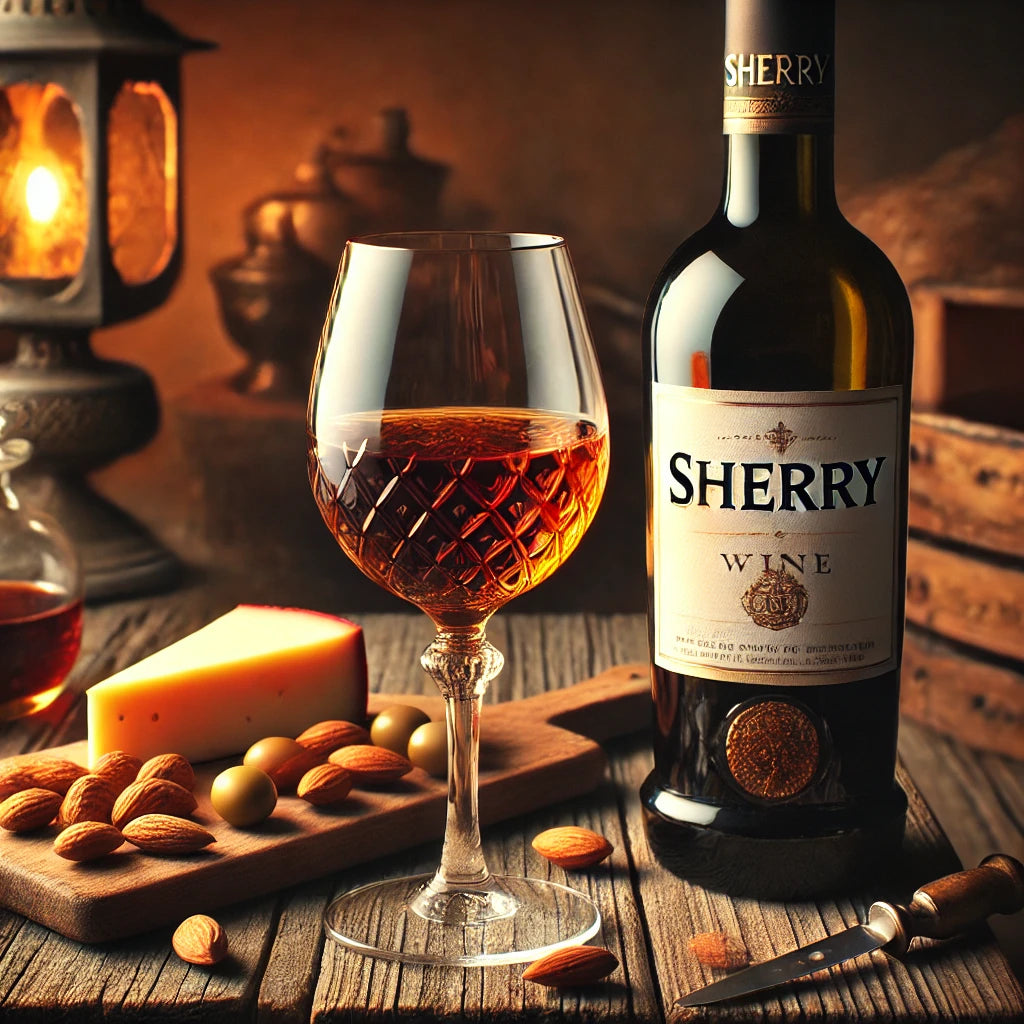
Origins and Historical Context of Sherry Wine
Sherry wine traces its roots to the sun-drenched vineyards of Andalusia, Spain, where the unique terroir of the Jerez-Xérès-Sherry region—comprising the towns of Jerez de la Frontera, Sanlúcar de Barrameda, and El Puerto de Santa María—created ideal conditions for its development. The wine’s evolution reflects centuries of cultural exchange, from Phoenician and Roman trade networks to the Mediterranean’s golden age of commerce, where sherry became a prized commodity in European and colonial markets. Its production methods, particularly the solera system, emerged as a response to climatic challenges and the demands of long-distance trade, ensuring consistency and quality despite variable harvests.The historical trajectory of sherry is marked by three pivotal phases: ancient influences, colonial expansion, and industrial adaptation. Each phase introduced innovations that solidified sherry’s reputation as a fortified wine of distinction. Below, a structured overview highlights these developments, followed by a comparative analysis of key eras and their lasting impact on production techniques.
Ancient and Classical Foundations
The origins of sherry can be linked to the Phoenicians and Carthaginians, who established early trade routes between the Mediterranean and Iberia as early as the 8th century BCE. These seafaring merchants introduced viticulture techniques to the region, leveraging the alkaline soils of Jerez—rich in gypsum and limestone—which imparted a unique mineral profile to the wines. The Romans further refined these practices during their occupation of Hispania (2nd century BCE–5th century CE), particularly in Baetica (modern-day Andalusia), where they cultivated Vitis vinifera grapes and developed early fortification methods using wine and brandy mixtures to preserve wine during voyages.By the Middle Ages, sherry’s production became intertwined with the Muslim rule of Al-Andalus (8th–15th centuries), during which the region’s vineyards thrived under advanced irrigation systems and agricultural science. The Reconquista (15th century) marked a turning point, as Christian rulers reclaimed Andalusia, integrating sherry into the Catholic Church’s trade networks and later, the Spanish Empire’s colonial economy. The wine’s fortification with brandy (aguardiente)—a technique perfected by Fray Gabriel de Santa María in the 17th century—became essential for survival during the long sea voyages to the Americas, where sherry’s high alcohol content and oxidative stability made it indispensable.
Colonial Expansion and the Rise of a Global Commodity
The 16th–18th centuries witnessed sherry’s transformation into a cornerstone of global trade, driven by Spain’s colonial ambitions and the British Empire’s commercial dominance. Key developments during this era included:- The British Trade Monopoly (17th–18th centuries): English merchants, particularly those from London and Bristol, established direct trade routes to Andalusia, bypassing Spanish restrictions. Sherry became a staple in British households, earning nicknames like "vino de Jerez" and "sack" (derived from "Jerez"). The Sherry Trade Act of 1678 formalized British control over sherry exports, with ships sailing from Cadiz to London under armed escort to prevent smuggling.
Structured Timeline of Key Developments
The following table synthesizes critical events that shaped sherry’s production, trade, and cultural significance across eras:| Era | Key Developments | Impact on Sherry Production |
|---|---|---|
| 8th–5th Century BCE |
|
|
| 8th–15th Century CE |
|
|
| 16th–18th Century |
|
|
| Late 19th Century |
|
|
| 20th–21st Century |
|
|
Adaptive Aging: The Solera System’s Evolution
The solera system, sherry’s defining innovation, evolved as a direct response to climate and trade imperatives. Originally, winemakers in Jerez faced summer heat and variable harvests, which risked inconsistent fermentation and oxidation. The solera’s layered aging—where wine from:max_bytes(150000):strip_icc()/Why-Dont-More-People-Drink-Sherry-VT-2-MAG0523-18dd5b044e794560809aab12798128f3.jpg)
Production Methods and Techniques in Sherry Wine
The production of sherry wine is a meticulously regulated process governed by the Denominación de Origen Protegida (DOP) Jerez-Xérès-Sherry, ensuring authenticity and adherence to traditional methods. Unlike conventional wines, sherry undergoes biological aging (for certain styles) and fortification with neutral grape spirit, which halts fermentation and preserves the wine’s unique characteristics. The terroir of Jerez de la Frontera, Sanlúcar de Barrameda, and El Puerto de Santa María—combined with specific grape varieties, climate, and soil—shapes its distinct profiles. Below, the step-by-step production process, fractional blending via the solera system, and the influence of environmental factors are examined in detail.Grape Varieties and Vineyard Practices
Sherry is primarily produced from three grape varieties, each contributing to the wine’s final expression through differences in sugar content, acidity, and aromatic potential.The Palomino grape dominates sherry production, accounting for over 95% of plantings in the region. It yields high-acid, low-sugar wines ideal for Fino and Manzanilla styles, where delicate floral and almond notes develop during biological aging. Pedro Ximénez (PX), a thick-skinned variety, produces rich, raisin-like wines with intense sweetness and dark fruit flavors, used exclusively for Pedro Ximénez sherry. Moscatel, though rare, contributes aromatic complexity to certain blends, particularly in Moscatel sherry.
Vineyard management in Jerez emphasizes low yields (typically 3,000–5,000 kg/ha) to concentrate flavors and preserve acidity. Bush training (vara y pulgar) is traditional, elevating grapes off the ground to reduce moisture retention and fungal risks. Irrigation is prohibited under DOP regulations, relying instead on the unique microclimate of the region, where hot days and cool nights preserve acidity while promoting sugar accumulation.
Fermentation and Fortification
Fermentation in sherry production follows a two-phase process, with fortification playing a critical role in determining the final style.1. Initial Fermentation: Grapes are crushed and fermented at controlled temperatures (18–22°C) to achieve alcoholic strengths of 5–7% ABV. For dry sherries (Fino, Amontillado, Oloroso), fermentation proceeds until residual sugar is minimal (≤4 g/L). In contrast, Pedro Ximénez undergoes partial fermentation to retain sweetness, often halting at 12–15% ABV with significant residual sugar (150–300 g/L).
2. Fortification: Neutral grape spirit (96% ABV) is added to arrest fermentation and stabilize the wine. The fortification level dictates the sherry’s style:
Key Principle: Fortification strength directly influences yeast activity and aging dynamics, with higher alcohol levels inhibiting biological aging and accelerating oxidative processes.
The Solera System: Fractional Blending and Aging
The solera system is the cornerstone of sherry production, enabling controlled fractional blending to maintain consistency while allowing gradual evolution. This dynamic aging method involves stacked butts (600L oak casks) arranged in descending order of age, with wine drawn from the oldest layer (criadera) and replenished from younger layers.Structure of the Solera:
Biological vs. Oxidative Aging:
Solera Dynamics: The system ensures that every bottle reflects a blend of multiple vintages, smoothing out annual variations in climate and grape quality.
Climate and Soil Influence on Sherry Characteristics
The microclimate of Jerez and the unique soil composition are indispensable to sherry’s terroir-driven qualities.Climatic Factors:
Soil Composition:
Three primary soil types define Jerez’s vineyards, each imparting distinct mineral and water-retention properties:
Terroir Interaction: The combination of Albariza’s moisture retention and Poniente’s drying effect creates an environment where Flor yeast thrives, a phenomenon unique to Jerez.
Classification of Sherry by Style and Quality
Sherry styles are categorized based on fortification level, aging process, and flavor development, as outlined below. The decision-making flowchart (visualized via `- Palomino (dry styles), Pedro Ximénez (sweet styles), Moscatel (aromatic styles).
- Vineyard practices ensure low yields and high acidity.
- Ferment to dryness (≤4 g/L residual sugar) for dry sherries.
- Fortify to:
- 15–16% ABV (Fino/Manzanilla) → Encourages Flor.
- 17–18% ABV (Amontillado) → Transition from biological to oxidative.
- 18–22% ABV (Oloroso) → Suppresses Flor, promotes oxidation.
- 15–17% ABV (Pedro Ximénez) → Preserves sweetness.
- Biological (Flor-aged): Fino, Manzanilla (6–12 months in solera).
- Oxidative (Oloroso-style): Oloroso, Pedro X
Flavor Profiles and Sensory Characteristics of Sherry Wine
Sherry wine distinguishes itself through a complex interplay of oxidative aging, grape variety, and production techniques, yielding distinct sensory profiles that range from bone-dry and nutty to lusciously sweet and raisin-laden. Its flavor evolution is deeply tied to the Solera system, where wines of varying ages interact, and to the oxidative processes that develop its signature aromas and textures. Understanding these characteristics—particularly the contrast between dry and sweet styles—reveals sherry’s versatility in gastronomy and its ability to pair with diverse culinary traditions. Below, the sensory dimensions of sherry are dissected, contrasted with other fortified wines, and contextualized within its oxidative aging framework.
Sensory Breakdown: Taste, Aroma, and Texture
Sherry’s sensory profile is shaped by its grape base (primarily Pedro Ximénez and Palomino Fino), fortification with neutral grape spirit, and aging under oxidative or biological conditions. The texture varies from silky and medium-bodied (Fino) to viscous and syrupy (Pedro Ximénez), while aromas evolve from fresh citrus and almond (younger styles) to dried fruit, caramel, and leather (oxidatively aged). Taste balances acidity, sweetness, and alcohol, with dry sherries (e.g., Fino, Amontillado) showcasing saline minerality and nutty depth, while sweet sherries (e.g., Moscatel, PX) emphasize concentrated fruit and honeyed richness.Key Sensory Contrasts by Style:
- Dry Sherries (Fino, Manzanilla, Amontillado):
- Taste: High acidity, low residual sugar, with flavors of green apple, almond, and a saline tang. Amontillado adds nutty, caramelized notes from oxidative aging.
- Aroma: Fresh citrus (lemon, grapefruit), white flowers, and a subtle oxidative "wet wool" or "leather" character in Amontillado.
- Texture: Light to medium body, with a crisp, almost effervescent mouthfeel due to flor yeast activity.
- Medium Sherries (Palomino, Oloroso):
- Taste: Balanced acidity and sweetness, with raisin, dried fig, and toasted almond notes. Oloroso is bolder, with caramel and chocolate undertones.
- Aroma: Oxidative complexity—hazelnut, coffee, and dried herbs—complemented by residual fruitiness.
- Texture: Medium to full-bodied, with a velvety, warming finish.
- Sweet Sherries (Pedro Ximénez, Moscatel):
- Taste: Intense sweetness (200–500 g/L residual sugar), with flavors of black cherry, date, and molasses. PX is particularly syrupy, with a jammy intensity.
- Aroma: Concentrated fruit (raisin, plum), spices (cinnamon, clove), and a honeyed, almost confectionary profile.
- Texture: Thick and viscous, with a lingering, almost oily mouthcoat.
Comparison with Other Fortified Wines
Sherry’s oxidative aging and biological complexity set it apart from other fortified wines, which rely on distinct climates, grapes, and fortification methods. The following table highlights key sensory and serving distinctions:
Notable Differences:Wine Type Key Aromas Serving Temperature Sherry (Fino) Green apple, almond, citrus zest, saline minerality (flor-aged); caramel, hazelnut (oxidative-aged) 8–10°C (46–50°F) Sherry (Pedro Ximénez) Black cherry, raisin, date, chocolate, vanilla 12–14°C (54–57°F) Port (Ruby) Blackberry, plum, chocolate, spice (clove, cinnamon) 14–16°C (57–61°F) Port (Tawny) Dried fruit (apricot, fig), caramel, toffee, nutmeg 16–18°C (61–64°F) Madeira Baked apple, caramel, nuts, dried herbs (depending on vintage/aging) 12–14°C (54–57°F) Marsala Citrus peel, almond, raisin, vanilla (oxidized styles); orange blossom (younger) 10–12°C (50–54°F)
- Oxidation vs. Reduction: Sherry and Madeira emphasize oxidative aging, yielding nutty, caramelized profiles, whereas Port and Marsala often retain more reductive fruitiness due to shorter aging or different fortification levels.
- Acidity: Sherry’s high acidity (especially in Fino) contrasts with the lower acidity of Port or Marsala, making it more versatile with salty or spicy dishes.
- Sweetness Spectrum: While sweet sherries (PX) rival dessert wines like Sauternes, their oxidative layers add complexity absent in younger, fruit-forward fortified wines.
Oxidative Aging and Flavor Development
Sherry’s unique character stems from two aging paradigms: biological aging (under flor yeast) and oxidative aging (in contact with air). Each stage imparts distinct chemical transformations, shaping the wine’s aroma and taste over decades.1. Biological Aging (Flor-Aged Sherries: Fino, Manzanilla)
The flor yeast (Saccharomyces beticus) forms a protective layer on the wine’s surface, preventing oxidation while consuming residual sugars and producing glycerol, higher alcohols, and esters. This process generates:
- Aromas: Fresh citrus (limonene), green apple (ethyl esters), and a subtle "wet wool" or "barnyard" note from yeast byproducts.
- Taste: Saline minerality (from glycerol and yeast activity) and almond-like bitterness (from glycerol oxidation).
- Texture: Light, almost effervescent, due to CO₂ micro-bubbles trapped under the flor.
Example: A Manzanilla from Sanlúcar de Barrameda may exhibit briny, almost sea-salt-like notes, a hallmark of its coastal terroir.2. Oxidative Aging (Oloroso, Amontillado, Pedro Ximénez)
When flor is disrupted (by fortification or temperature shifts), the wine oxidizes, developing complex aromas and flavors through Maillard reactions and phenolic oxidation. Key stages include:
- Early Oxidation (Amontillado):
- Aromas: Nuttiness (from aldehydes like acetaldehyde), dried apricot, and a "leather" or "tobacco" character as polyphenols oxidize.
- Taste: Almond and hazelnut notes emerge from glycerol oxidation, while residual acidity prevents cloying sweetness.
- Advanced Oxidation (Oloroso, PX):
- Aromas: Caramel, coffee, and dried fig, with a "burnt sugar" intensity in PX due to high sugar content reacting with oxygen.
- Taste: Raisin-like sweetness (from oxidized sugars) and a "toffee" or "chocolate" depth from phenolic compounds.
Example: An Oloroso aged 20+ years may exhibit a "sherry cask" aroma—layered with dried herbs, walnut, and a smoky, almost "petrol-like" note from prolonged oxidation.Chemical Insight:
Oxidation in sherry is gradual, with acetaldehyde (from ethanol oxidation) contributing to nutty aromas, while furfural (from sugar caramelization) adds caramelized sweetness. The absence of sulfur dioxide in traditional Solera systems accelerates these reactions, creating a continuum of flavors from fresh to deeply aged.
Acidity and Sweetness Balance in Sherry
Sherry’s equilibrium between acidity and sweetness defines its drinking experience, with each style offering a distinct sensory tension. The following blockquote encapsulates how these elements interact:<

Cultural Significance and Pairings of Sherry Wine
Sherry wine transcends its role as a beverage, embedding itself deeply into the culinary traditions, social rituals, and historical narratives of Spain and beyond. Originating in the sun-drenched vineyards of Andalusia, sherry has evolved from a practical naval ration to a symbol of hospitality, gastronomy, and even political diplomacy. Its versatility extends to modern mixology, where it bridges the gap between fortified wine and cocktail culture, while its acidity and complexity make it an indispensable pairing for both robust and delicate dishes. Below, its cultural impact is explored through traditional pairings, ceremonial uses, and culinary applications, alongside practical guidance for contemporary enjoyment.
Sherry’s Role in Spanish and Global Cuisine
Sherry’s integration into Spanish cuisine is foundational, particularly in Andalusia, where it complements the region’s signature dishes. Beyond Spain, sherry has influenced global gastronomy, appearing in Mediterranean, Latin American, and even British culinary traditions. Its ability to harmonize with salted, smoked, and fatty foods—while also enhancing sweet or bitter flavors—makes it a cornerstone of tapas culture. Historically, sherry’s high alcohol content and preservative properties ensured its durability during long sea voyages, a trait that later translated into its use in preserved foods like anchovies or olives. In modern kitchens, sherry remains a secret ingredient in sauces, marinades, and reductions, particularly for seafood, game, and aged cheeses.
Traditional Rituals and Historical Events Featuring Sherry
Sherry’s cultural significance extends beyond the table, featuring prominently in rituals, celebrations, and historical milestones. Its presence in these contexts reflects its symbolic value—whether as a gesture of honor, a diplomatic tool, or a marker of resilience. Key examples include:- Vino de Honor (Andalusia): A ceremonial sherry served during formal gatherings, particularly in Andalusian weddings and political events, symbolizing respect and hospitality. The practice dates back to Moorish Spain, where sherry was reserved for nobility and dignitaries.
- British Naval Rations: During the Age of Exploration and the Napoleonic Wars, sherry was issued to British sailors due to its fortifying properties and long shelf life. Ships returning from the Americas often carried barrels of Fino or Oloroso as part of their cargo.
- Diplomatic Gifts: Sherry has been a staple in Spanish diplomatic exchanges, including gifts to European monarchs and U.S. presidents. In 1976, King Juan Carlos I of Spain presented a cask of 100-year-old sherry to U.S. President Gerald Ford as a gesture of alliance.
- Religious and Funerary Traditions: In some Andalusian villages, sherry is included in funeral processions or quinceañera celebrations, reflecting its association with both life’s milestones and solemn occasions.
- Sherry in Colonial Trade: Spanish colonies in the Americas and the Philippines incorporated sherry into local cuisines, often blending it with indigenous ingredients. In the Philippines, sherry cobbler-inspired drinks remain popular.
Culinary Pairings: A Regional Guide
Sherry’s compatibility with diverse flavors is best illustrated through regional pairings, where specific styles align with local ingredients. The following table outlines traditional and modern recommendations, emphasizing the balance between sherry’s oxidative notes, acidity, and sweetness.
Dish Type Recommended Sherry Pairing Iberian Ham (Jamón Ibérico) Amontillado or Pedro Ximénez (PX) Sherry Grilled Sardines or Anchovies Fino or Manzanilla (dry, briny styles) Blue Cheese (e.g., Manchego or Cabrales) Medium or Cream Sherry (nutty, slightly sweet) Paella or Seafood Rice Amontillado (to cut through saffron and garlic) Torrijas (Spanish Sweet Bread) Pedro Ximénez (PX) Sherry (for drenching) Roasted Almonds or Marcona Almonds Dry Amontillado or Palo Cortado Chocolate Desserts (e.g., Tarta de Santiago) Cream Sherry or PX (to contrast bitterness) Grilled Lamb (e.g., Cordero al Chilindrón) Oloroso Sherry (bold, oxidative notes) Gazpacho or Salmorejo Manzanilla (refreshing acidity) Spanish Omelette (Tortilla Española) Fino or Amontillado (neutral yet crisp) Sherry in Modern Mixology: Versatility in Cocktails
Sherry’s unique profile—ranging from bone-dry to lusciously sweet—makes it a dynamic ingredient in cocktails, where it adds depth, acidity, and a touch of nostalgia. Classic drinks like the Sherry Cobbler or Boulevardier showcase its ability to elevate spirits, while contemporary bartenders experiment with sherry in highballs, spritzes, and even non-alcoholic mocktails. Its oxidative character and nutty undertones pair particularly well with bitters, citrus, and aromatic herbs. Below, a step-by-step guide for the Sherry Cobbler, a 19th-century American classic that highlights sherry’s refreshing yet complex qualities.
"The Cobbler’s genius lies in sherry’s ability to marry sweetness with acidity, creating a drink that is both quenching and sophisticated."
-
Ingredients:
- 50 ml (2 oz) Dry Amontillado Sherry
- 25 ml (1 oz) Gin or Brandy
- 15 ml (0.5 oz) Fresh Lemon Juice
- 15 ml (0.5 oz) Simple Syrup (adjust to taste)
- Crushed Ice
- Garnish: Lemon wheel, mint sprig, and a dusting of nutmeg
-
Method:
- In a shaker, combine sherry, gin/brandy, lemon juice, and simple syrup with ice. Shake vigorously until the outside of the shaker is frosted.
- Strain the mixture into a tall glass filled with fresh crushed ice. Stir gently to chill.
- Garnish with a lemon wheel, mint sprig, and a pinch of nutmeg. Serve with a long spoon for stirring.
-
Variations:
- Sherry Sour: Replace gin with bourbon and add 1 egg white for froth.
- Sherry Spritz: Top with soda water and a splash of Aperol for a lighter version.
- Non-Alcoholic: Substitute sherry with a grape-based shrub and use sparkling water.
Sherry’s Acidity: The Culinary Alchemist
Sherry’s defining characteristic—its bright acidity—serves as a culinary equalizer, cutting through richness and cleansing the palate. This property stems from the Flor yeast in Fino and Manzanilla styles, which imparts a saline, almost mineral sharpness, while oxidative aging in Oloroso or Amontillado contributes a deeper, caramelized tang. The acidity performs three critical functions in gastronomy:
1. Palate Cleansing: Between courses, a sip of Manzanilla or Fino resets taste buds, allowing diners to appreciate subsequent flavors. This technique is standard in Andalusian *tapasSherry wine embodies the fusion of history, science, and sensory artistry, offering a window into Andalusia’s legacy while proving its relevance in contemporary cuisine and cocktails. Its solera system, a response to climate and trade demands, remains a cornerstone of fortified wine production, yielding flavors that evolve from delicate almond notes to rich caramelized depths. Beyond its technical brilliance, sherry’s cultural footprint—from naval rations to tapas pairings—underscores its adaptability and global appeal. Whether enjoyed as an aperitif, a culinary enhancer, or a digestif, sherry invites exploration of its diverse styles, each telling a story of terroir, tradition, and the timeless craft of winemaking.
FAQ
What grapes are used to make sherry wine?
Sherry is primarily made from Palomino grapes, though Pedro Ximénez (for sweet styles) and Moscatel (for floral styles) are also used. These grapes are grown in the Andalusia region of Spain, particularly in Jerez.
How is sherry wine commonly used in cooking?
Sherry adds depth to sauces, marinades, and braises, especially for dishes like mushrooms, seafood, or pork. Its nutty, caramelized flavors work well in reductions, risottos, or deglazing pans. Dry styles (fino/amontillado) are versatile, while sweet styles (pedro ximénez) suit desserts.
What is sherry vinegar, and how is it different from regular vinegar?
Sherry vinegar is made by fermenting sherry wine into vinegar, retaining its nutty, fruity, or caramel notes. Unlike white or apple cider vinegar, it has a richer, more complex flavor, often used in dressings, marinades, or as a finishing touch for dishes like olives or cheeses.
What are the main uses of sherry wine besides drinking?
Sherry is used in cooking, cocktails (like a Sherry Cobbler), and as a base for vinegar or reductions. It’s also a key ingredient in sherry-soaked almonds, tapas, and flan, while its fortified nature makes it shelf-stable for long-term storage.
What is sherry wine powder, and how is it used?
Sherry wine powder is a dehydrated, concentrated form of sherry, often used as a flavor enhancer in cooking. It’s added to sauces, soups, or marinades to impart sherry’s depth without liquid. Brands like Knorr sell it for convenience, though homemade versions exist.
What specific dishes or techniques benefit from using sherry wine in cooking?
Sherry elevates dishes like sherry-glazed chicken, mushroom risotto, or seafood stews by adding umami and sweetness. It’s used to deglaze pans, make sherry jus, or poach fruits (e.g., peaches). Dry sherry brightens tomato-based sauces, while sweet sherry caramelizes in desserts like tiramisu or panna cotta.
Leave a Comment
Comments are moderated before appearing. The data you submit is processed according to the Privacy Policy of Voltefac.