What Is Transduction Exploring Energy Signal Conversion Across Fields
Table of Contents
- Definition and Core Concept of Transduction
- Comparative Analysis of Transduction Across Disciplines
- Fundamental Principles Governing Transduction
- Mechanistic Diversity and Adaptive Strategies
- Challenges and Limitations in Transduction
- Biological Transduction: Signal Conversion in Living Systems
- Receptor-Mediated Signal Initiation
- Amplification and Propagation via Secondary Messengers
- Pathway Cross-Talk and Integration
- Physical and Engineering Transduction: Sensors and Systems
- Principles of Physical Transduction in Sensors
- Design Procedure for a Temperature-to-Voltage Transduction System
- Component Specification Table for Temperature-to-Voltage Converter
- Acoustic and Mechanical Transduction: Sound and Vibration Conversion
- Biological Acoustic Transduction: The Cochlea’s Mechanisms
- Engineered Acoustic Transduction: Microphones and Piezoelectric Principles
- Vibration Transduction: Piezoelectric and Electromagnetic Systems
- Applications and Innovations in Transduction Technology
- Medical Devices: Precision and Life-Saving Transduction
- Renewable Energy Systems: Harvesting and Converting Sustainable Power
- Consumer Electronics: Enhancing User Interaction and Convenience
- Challenges and Limitations in Transduction Systems
- Common Challenges in Transduction Efficiency
- Comparative Analysis: Capacitive vs. Resistive Touchscreens
- FAQ
- What does transduction mean in the field of psychology?
- How does transduction work in bacteria?
- What is the general definition of transduction in biology?
- What role does transduction play in microbiology?
- How does transduction function in cell signaling?
- What is the significance of transduction in physiology?
Transduction represents the fundamental process by which energy or signals transition between distinct forms, serving as the cornerstone of biological communication, engineering innovation, and physical measurement. From the molecular cascades governing cellular responses to the sensors powering modern electronics, transduction bridges disparate domains by enabling precise signal interpretation and conversion. This mechanism underpins critical functions—whether translating mechanical vibrations into neural impulses in the cochlea or converting light into electrical currents in photovoltaic cells—demonstrating its indispensable role in both natural systems and technological advancements.
The principle of transduction extends beyond theoretical abstraction, manifesting in tangible applications that shape industries and daily life. In biology, it orchestrates biochemical pathways that regulate metabolism, growth, and immune responses, while in engineering, it drives the development of sensors, actuators, and energy-harvesting devices. By examining transduction through biological, physical, and acoustic lenses, we uncover a unifying concept that elucidates how input stimuli—whether chemical, mechanical, or electromagnetic—are systematically transformed into actionable outputs. This exploration reveals not only the scientific intricacies of the process but also its transformative potential in addressing contemporary challenges in medicine, energy, and communication.
Definition and Core Concept of Transduction
Transduction represents a fundamental process across multiple scientific and engineering disciplines, defined as the conversion of one form of energy, signal, or information into another while preserving or transforming its essential characteristics. This mechanism underpins critical functions in biological systems, physical phenomena, and engineered systems, where efficiency, fidelity, and specificity determine performance. In biological contexts, transduction often involves biochemical pathways converting external stimuli (e.g., light, mechanical stress) into cellular responses. In physical and engineering systems, it refers to the transformation of energy types—such as mechanical to electrical in sensors—or signal modulation in communication systems. The core principle revolves around maintaining signal integrity while enabling interaction between disparate domains (e.g., energy, information, or matter).The versatility of transduction stems from its role as an intermediary, bridging gaps between input and output modalities. For instance, in sensory biology, transduction enables organisms to perceive environmental changes; in electronics, it facilitates signal processing; and in acoustics, it governs the conversion of sound waves into electrical signals for amplification. Below, a comparative analysis elucidates how transduction manifests across these fields, highlighting shared principles and domain-specific adaptations.
Comparative Analysis of Transduction Across Disciplines
Transduction processes exhibit both universal principles and field-specific implementations. The following table contrasts transduction in biology, electronics, and acoustics, emphasizing input/output types and mechanistic examples. These distinctions underscore how transduction adapts to functional requirements while adhering to thermodynamic and informational constraints.| Field | Input Type | Output Type | Example Mechanism |
|---|---|---|---|
| Biology | Environmental stimuli (e.g., photons, chemicals, mechanical force) | Biochemical signals (e.g., second messengers, ion gradients, neural impulses) |
|
| Electronics | Physical quantities (e.g., pressure, temperature, light intensity) | Electrical signals (voltage, current, digital data) |
|
| Acoustics | Sound waves (pressure variations in a medium) | Electrical or mechanical energy |
|
Fundamental Principles Governing Transduction
The efficiency and accuracy of transduction depend on three interconnected principles: energy conservation, signal fidelity, and specificity. These principles are governed by physical laws and biological/engineering constraints, ensuring that the converted output retains meaningful information from the input while minimizing losses or distortions.Energy Conservation: Transduction processes adhere to the first law of thermodynamics, where the total energy before and after conversion remains constant. However, some energy may be dissipated as heat or noise, reducing the system’s efficiency. For example, in piezoelectric transducers, only a fraction of mechanical energy is converted to electrical energy, with the remainder lost as thermal energy.
Signal Fidelity: The output signal must accurately represent the input’s temporal and spatial characteristics. In biological systems, this is achieved through amplification cascades (e.g., phototransduction’s phototransduction cascade) or feedback mechanisms. In engineered systems, bandwidth, noise floor, and linearity of components (e.g., operational amplifiers in sensors) determine fidelity.
Specificity: Transduction mechanisms often exhibit selectivity for particular inputs. For instance, olfactory receptors bind specific odorant molecules with high affinity, while electronic filters (e.g., band-pass filters) isolate desired frequency ranges in acoustic signals. Lack of specificity can lead to cross-talk or false positives, degrading system performance.
Mechanistic Diversity and Adaptive Strategies
Transduction mechanisms vary widely in complexity, from simple physical interactions to highly regulated biochemical pathways. The diversity reflects evolutionary or design adaptations to optimize performance under specific conditions.-
Biological Adaptations:
Biological transduction often involves multi-step pathways to amplify weak signals and introduce regulatory control. For example, the visual system’s phototransduction pathway includes:
- Photoreceptor activation (rhodopsin isomerization) triggered by a single photon.
- Enzymatic amplification via phosphodiesterase, converting cGMP to GMP and closing ion channels.
- Neural integration in bipolar cells, ensuring spatial and temporal contrast enhancement.
-
Engineered Systems:
Electronic and acoustic transducers leverage material properties and circuit design to achieve precision. Key strategies include:
- Material Selection: Piezoelectric materials (e.g., lead zirconate titanate, PZT) are chosen for their high coupling coefficients, maximizing energy conversion efficiency.
- Feedback Loops: Active transducers (e.g., in hearing aids) use feedback to stabilize gain and reduce distortion, improving linearity.
- Modular Design: Systems like MEMS (microelectromechanical systems) integrate transduction, amplification, and processing into miniaturized devices, enabling applications in wearable sensors or lab-on-a-chip technologies.
-
Acoustic Optimization:
Acoustic transducers prioritize impedance matching to minimize reflection losses. For instance:
- Microphones use lightweight diaphragms to match air impedance, while underwater hydrophones employ dense materials (e.g., titanium) to couple with water.
- Loudspeakers incorporate crossover networks to direct different frequency ranges to specialized drivers, ensuring broad bandwidth and minimal distortion.
Challenges and Limitations in Transduction
Despite its ubiquity, transduction faces inherent challenges that limit performance, particularly in sensitivity, dynamic range, and environmental robustness.Noise and Signal-to-Noise Ratio (SNR): All transduction systems introduce noise, whether from thermal fluctuations (Johnson-Nyquist noise in electronics) or biochemical background activity (e.g., spontaneous photoreceptor activity in the eye). Improving SNR often requires:
- Cooling sensors (e.g., infrared detectors in astronomy).
- Signal averaging or filtering (e.g., lock-in amplifiers in weak-signal detection).
- Biological adaptations like dark adaptation in vision, where retinal cells adjust sensitivity dynamically.
Dynamic Range: The ability to detect both weak and strongBiological Transduction: Signal Conversion in Living Systems
Biological transduction represents a fundamental mechanism by which cells interpret and respond to external stimuli, converting extracellular signals into intracellular actions. This process is essential for cellular communication, homeostasis, and adaptive responses, enabling organisms to react to environmental changes, hormonal cues, or neural inputs. Signal transduction pathways integrate molecular components—such as receptors, enzymes, and secondary messengers—to propagate and amplify signals, ultimately regulating gene expression, metabolism, or cellular behavior.The efficiency and specificity of signal transduction rely on a cascade of molecular interactions, where extracellular ligands bind to membrane-bound or intracellular receptors, initiating a sequence of biochemical events. These pathways often involve phosphorylation cascades, G-protein-coupled mechanisms, or ion channel modulation, ensuring rapid and precise cellular responses. Below, the core components and mechanisms of signal transduction are explored, with emphasis on receptor-mediated activation and the role of secondary messengers in signal amplification.
Receptor-Mediated Signal Initiation
Signal transduction begins with the binding of an extracellular ligand—such as hormones (e.g., epinephrine, insulin), neurotransmitters (e.g., glutamate, acetylcholine), or growth factors—to a specific receptor on the cell membrane or within the cytoplasm. Receptors act as molecular switches, undergoing conformational changes upon ligand binding that trigger downstream signaling cascades. Three primary classes of receptors dominate signal transduction:- G-Protein-Coupled Receptors (GPCRs): The largest receptor family, GPCRs span the plasma membrane seven times and interact with heterotrimeric G-proteins upon activation. Ligand binding promotes GDP-to-GTP exchange on the G-protein’s α-subunit, leading to its dissociation from the βγ-subunits. These subunits then modulate effector proteins, such as adenylyl cyclase or phospholipase C, to generate secondary messengers.
Receptor Tyrosine Kinases (RTKs): RTKs dimerize upon ligand binding, activating intrinsic kinase domains that phosphorylate tyrosine residues on target proteins. This creates docking sites for adaptor proteins (e.g., Grb2, Shc) and initiates the Ras-MAPK pathway, crucial for cell proliferation and differentiation. Ion Channel-Linked Receptors: These receptors directly alter ion flux across membranes (e.g., ligand-gated ion channels for neurotransmitters), rapidly changing membrane potential or cytoplasmic calcium levels to trigger cellular responses. The specificity of ligand-receptor interactions ensures that distinct signals activate unique pathways, allowing cells to mount tailored responses. For instance, epinephrine binding to β-adrenergic GPCRs in cardiac muscle cells increases cAMP levels, enhancing contractility, while the same ligand binding to α-adrenergic receptors in blood vessels triggers vasoconstriction via a different G-protein-mediated pathway.
Amplification and Propagation via Secondary Messengers
Secondary messengers serve as intracellular intermediaries that amplify and propagate signals initiated at the receptor level. Their chemical properties—such as solubility, stability, and diffusibility—dictate their roles in signal transduction. Below are key secondary messengers and their mechanisms of action:
Secondary messengers function as molecular amplifiers, converting a single extracellular signal into a sustained or amplified intracellular response. Their production often involves enzymatic reactions (e.g., adenylate cyclase converting ATP to cAMP) or ion channel activity (e.g., release of Ca²⁺ from intracellular stores). The effects of secondary messengers are mediated through interactions with target proteins, including kinases, phosphatases, and transcription factors, leading to changes in enzyme activity, cytoskeletal dynamics, or gene expression.Key secondary messengers include:
Cyclic AMP (cAMP): Synthesized from ATP by adenylyl cyclase, cAMP activates protein kinase A (PKA), which phosphorylates substrates such as CREB (cAMP response element-binding protein) to regulate transcription. For example, glucagon binding to hepatic GPCRs elevates cAMP, stimulating glycogen breakdown via PKA-mediated phosphorylation of glycogen phosphorylase. Calcium Ions (Ca²⁺): Released from the endoplasmic reticulum or entering through plasma membrane channels, Ca²⁺ binds to calmodulin or directly activates enzymes like protein kinase C (PKC) or calcineurin. In muscle cells, Ca²⁺ triggers contraction by binding to troponin C, while in neurons, it promotes neurotransmitter release via voltage-gated channels. Inositol Trisphosphate (IP₃) and Diacylglycerol (DAG): Generated from PIP₂ by phospholipase C, IP₃ induces Ca²⁺ release from intracellular stores, while DAG activates PKC, a serine/threonine kinase involved in cell growth and differentiation. The IP₃-DAG pathway is critical in platelet activation and neuronal plasticity. Cyclic GMP (cGMP): Produced by guanylyl cyclase (e.g., in response to nitric oxide), cGMP activates PKG, relaxing smooth muscle cells in blood vessels by phosphorylating myosin light-chain phosphatase. The amplification effect of secondary messengers arises from their ability to activate multiple downstream effectors. For instance, a single GPCR-activated G-protein can stimulate adenylyl cyclase to produce thousands of cAMP molecules, each activating PKA to phosphorylate numerous target proteins. This cascade ensures that weak extracellular signals are transduced into robust intracellular responses.
Pathway Cross-Talk and Integration
Signal transduction pathways rarely operate in isolation; instead, they exhibit extensive cross-talk and integration to fine-tune cellular responses. For example:
Convergence: Multiple receptors may activate a single secondary messenger (e.g., both GPCRs and RTKs can elevate Ca²⁺ levels). Divergence: A single receptor can initiate multiple pathways (e.g., RTKs activate both the MAPK and PI3K-Akt pathways). Feedback Loops: Negative feedback (e.g., PKA phosphorylating and inhibiting adenylyl cyclase) or positive feedback (e.g., Ca²⁺-induced Ca²⁺ release) modulate pathway duration and intensity. Pathway integration allows cells to prioritize responses based on signal strength, duration, and context. For instance, in immune cells, the combination of cytokine and antigen receptor signals synergistically activates NF-κB, a transcription factor critical for inflammatory responses. Similarly, in metabolic regulation, insulin and glucagon signals converge on shared enzymes (e.g., glycogen synthase) but with opposing effects to maintain glucose homeostasis.
Physical and Engineering Transduction: Sensors and Systems
Transduction in engineering and physical systems refers to the conversion of non-electrical physical quantities—such as pressure, temperature, light, or sound—into measurable electrical signals. This process is fundamental to sensor technology, enabling real-time monitoring, automation, and data acquisition in diverse applications, from industrial machinery to biomedical devices. Sensors act as interfaces between the physical world and electronic systems, where the choice of transduction mechanism determines accuracy, sensitivity, and operational range.The efficiency of a transduction system depends on the interaction between the physical stimulus and the sensing element, followed by signal conditioning to ensure compatibility with processing units. Below, the principles governing common transduction mechanisms—piezoelectric, photodetector, and acoustic (microphone)—are examined, alongside a structured approach to designing a basic transduction system for environmental sensing.
Principles of Physical Transduction in Sensors
Transduction mechanisms exploit material properties or physical phenomena to generate electrical responses proportional to input stimuli. The selection of a sensor type is dictated by the nature of the measured variable, environmental constraints, and system requirements.Piezoelectric Transduction
Piezoelectric materials, such as quartz or lead zirconate titanate (PZT), generate an electric charge when subjected to mechanical stress (direct piezoelectric effect). Conversely, an applied voltage induces mechanical deformation (inverse effect). This property enables pressure, acceleration, and force sensors to operate without moving parts, offering high bandwidth and robustness.
Key Principle:Photodetector Transduction
Q = d₃₃ × F, where Q is the generated charge, d₃₃ is the piezoelectric coefficient (C/N), and F is the applied force.
Photodetectors convert light into electrical current or voltage via the photoelectric effect or photoconductivity. Semiconductor-based devices, such as photodiodes or phototransistors, rely on photon absorption to excite charge carriers, producing a current proportional to incident light intensity. The spectral sensitivity of the material determines the wavelength range detectable.
Key Principle:Acoustic Transduction (Microphones)
Iph = η × (Popt / hν), where Iph is photocurrent, η is quantum efficiency, Popt is optical power, h is Planck’s constant, and ν is photon frequency.
Microphones transduce sound waves into electrical signals using one of three primary methods:
1. Dynamic Principle: A coil moves within a magnetic field, inducing a voltage via Faraday’s law.
2. Condenser Principle: A vibrating diaphragm alters the capacitance of a capacitor, producing a voltage change.
3. Piezoelectric Principle: Sound waves deform a piezoelectric element, generating charge.The frequency response and sensitivity of a microphone depend on diaphragm material, coil design (for dynamic types), or electrode spacing (for condensers).
Design Procedure for a Temperature-to-Voltage Transduction System
A temperature-to-voltage converter leverages a thermistor or thermocouple to generate an analog voltage proportional to temperature. Below is a step-by-step procedure for assembling a basic system using a negative temperature coefficient (NTC) thermistor and operational amplifier (op-amp) configuration.System Overview
The design employs a voltage divider circuit with the thermistor to produce a voltage that varies with temperature. An op-amp amplifies this voltage for measurable output, with calibration ensuring linearity over the target range.
Design Constraints:Step-by-Step Assembly
Temperature range: 0°C to 100°C. Output voltage range: 0V to 5V. Accuracy: ±1°C.
1. Component Selection
Select a 10kΩ NTC thermistor (e.g., β = 3950K, nominal resistance at 25°C = 10kΩ) and a fixed 10kΩ resistor for the voltage divider. Choose a rail-to-rail op-amp (e.g., LM358) with low offset voltage and sufficient gain bandwidth.2. Voltage Divider Configuration
Connect the thermistor and fixed resistor in series across a stable 5V supply. The output voltage (Vout_div) at the junction between the two resistors is given by:Vout_div = Vsupply × (Rfixed / (Rthermistor + Rfixed))As temperature increases, the thermistor’s resistance decreases, increasing Vout_div.3. Signal Conditioning with Op-Amp
Configure the op-amp in non-inverting amplifier mode to scale Vout_div to the desired 0–5V range. The gain (A) is calculated as:A = (Vout_final – Vout_div_min) / (Vout_div_max – Vout_div_min)For example, if Vout_div spans 1V to 4V at 0°C–100°C, a gain of 1.25 (via resistor selection) maps the range to 0–5V.4. Calibration and Linearization
Measure the output voltage at known temperatures (e.g., ice point and boiling water) and adjust the op-amp’s reference voltage or gain if nonlinearity exceeds ±1°C. For improved accuracy, implement a lookup table or polynomial fit in software.5. Noise Reduction and Filtering
Add a low-pass filter (e.g., RC circuit) to mitigate high-frequency noise from the thermistor or op-amp. The cutoff frequency (fc) should be at least 10× higher than the expected temperature variation rate.
Component Specification Table for Temperature-to-Voltage Converter
The following table outlines the critical components, their functions, and technical specifications for the described system.
Component Function Technical Specifications NTC Thermistor Temperature-sensitive resistor; resistance decreases with increasing temperature.
- Nominal resistance at 25°C: 10kΩ (±1%).
- β (material constant): 3950K.
- Dissipation constant: 1.0 mW/°C.
- Operating range: –40°C to 150°C.
Fixed Resistor (Rfixed) Forms voltage divider with thermistor; determines sensitivity.
- Resistance: 10kΩ (±1%).
- Power rating: 0.25W.
- Temperature coefficient: ≤50 ppm/°C.
Operational Amplifier (LM358) Amplifies and conditions the thermistor’s voltage output.
- Supply voltage: ±2.2V to ±18V (single-supply compatible).
- Input offset voltage: 2 mV (max).
- Gain bandwidth product: 1 MHz.
- Slew rate: 0.5 V/μs.
Low-Pass Filter (RC Network) Reduces high-frequency noise in the output signal.
- Resistor (R): 10kΩ.
- Capacitor (C): 0.1μF (ceramic, X7R dielectric).
- Cutoff frequency: ~1.6 kHz (fc = 1/(2πRC)).
Power Supply (Vsupply) Provides stable reference voltage for the circuit.
- Voltage: 5V DC (±
Acoustic and Mechanical Transduction: Sound and Vibration Conversion
Acoustic and mechanical transduction represents a fundamental process by which sound waves and mechanical vibrations—imperceptible in their raw form—are converted into interpretable electrical or neural signals. This mechanism underpins critical applications in biology (e.g., auditory perception) and engineering (e.g., microphones, ultrasonic sensors). The human cochlea exemplifies biological transduction, where mechanical vibrations in fluid are transformed into electrochemical nerve impulses, while microphones and piezoelectric transducers achieve a similar conversion via material deformation and electrical charge generation. The interplay between pressure waves, fluid dynamics, and material properties governs the efficiency and fidelity of these systems, often quantified through mathematical relationships like the decibel scale and Ohm’s law adaptations for acoustic circuits.The transduction of sound and vibration relies on three core principles: mechanical energy capture, medium-specific propagation, and signal conversion. In biological systems, the cochlea’s basilar membrane vibrates in response to pressure waves, while in engineered transducers, diaphragms or piezoelectric crystals deform under acoustic pressure. The efficiency of conversion depends on impedance matching between the acoustic medium (air/water) and the transducer material, ensuring minimal energy loss. Mathematical modeling of these processes—such as the logarithmic decibel scale for sound pressure levels (SPL) and the relationship between acoustic impedance and electrical output—provides predictive tools for designing high-fidelity transducers.
Biological Acoustic Transduction: The Cochlea’s Mechanisms
The human cochlea operates as a frequency-selective mechanical-to-neural transducer, converting airborne sound waves into electrochemical signals via a cascade of mechanical and biochemical processes. Sound enters the outer ear, travels through the auditory canal, and induces vibrations in the tympanic membrane (eardrum). These vibrations are amplified and transmitted via the ossicles (malleus, incus, stapes) to the fluid-filled cochlea, where the basilar membrane—a graded structure with stiffness varying along its length—vibrates in response to specific frequencies. High-frequency sounds displace the membrane near the base (stiff region), while low frequencies affect the apex (flexible region). Hair cells, embedded in the membrane, bend in response to these vibrations, opening mechanosensitive ion channels that generate receptor potentials. These potentials trigger action potentials in auditory nerve fibers, encoding sound as neural impulses.Key components of cochlear transduction include:
- Tympanic membrane and ossicles: Amplify sound pressure by ~20–30 dB via impedance matching between air and fluid.
- Cochlear fluid dynamics: Perilymph and endolymph transmit vibrations with minimal attenuation, governed by the Helmholtz resonance in the cochlear duct.
- Hair cell mechanics: Stereocilia deflection induces mechanoelectrical transduction currents (via transduction channels sensitive to calcium influx), with adaptation mechanisms regulating sensitivity.
- Neural encoding: Auditory nerve fibers exhibit place coding (frequency localization) and temporal coding (phase-locking to low-frequency stimuli).
Cochlear Frequency Map (Place Theory):
The characteristic frequency (f) of a point along the basilar membrane is inversely proportional to its distance from the base (x), approximated by:
\[ f(x) \approx \frac{C}{\sqrt{x}} \]
where C is a constant (~1.5 mm·kHz) derived from anatomical measurements.Engineered Acoustic Transduction: Microphones and Piezoelectric Principles
Microphones convert acoustic pressure waves into electrical signals through electromagnetic, capacitive, or piezoelectric transduction, each optimized for specific applications. The choice of mechanism depends on factors such as frequency response, sensitivity, and environmental robustness. Piezoelectric transducers, for instance, exploit the direct piezoelectric effect, where mechanical stress in certain crystals (e.g., quartz, PVDF) generates a proportional electric charge. This principle is mathematically described by:
\[ D = d \cdot \sigma \]
where D is the electric displacement (C/m²), d is the piezoelectric coefficient (m/V), and σ is the applied mechanical stress (N/m²). For acoustic applications, the stress is derived from sound pressure (P) acting on the transducer’s effective area (A):
\[ \sigma = \frac{P}{A} \]
Thus, the generated voltage (V) across a piezoelectric layer of thickness (t) and capacitance (C) is:
\[ V = \frac{D \cdot t}{\epsilon} = \frac{d \cdot \sigma \cdot t}{\epsilon} = \frac{d \cdot P \cdot t}{A \cdot \epsilon} \]
where ε is the permittivity of the material.
Sound Pressure Level (SPL) and Electrical Output:Microphone types and their transduction mechanisms include:
The relationship between acoustic pressure (P) and SPL (in decibels) is logarithmic:
\[ \text{SPL} = 20 \log_{10}\left(\frac{P}{P_{\text{ref}}}\right) \]
where P_ref = 20 μPa (threshold of human hearing). For a piezoelectric microphone, the open-circuit voltage (V_oc) is proportional to SPL:
\[ V_{\text{oc}} \propto P \propto 10^{\text{SPL}/20} \]
Thus, a 6 dB increase in SPL doubles the pressure and voltage output, illustrating the transducer’s linear response in the logarithmic acoustic domain.
- Dynamic microphones: Use a moving coil in a magnetic field to generate voltage via Faraday’s law (V = B·L·v), where B is magnetic flux, L is coil length, and v is diaphragm velocity.
- Condenser microphones: Employ a variable capacitor between a fixed backplate and a vibrating diaphragm, with charge (Q) proportional to pressure:
\[ Q = C \cdot V = \frac{\epsilon A}{d} \cdot V \]
where d is the diaphragm-backplate gap, varying with acoustic pressure.
- Piezoelectric microphones: Rely on charge generation in materials like PVDF, with sensitivity optimized for high-frequency or rugged applications (e.g., ultrasonic sensors).
Acoustic Impedance Matching:
The transducer sensitivity (S) is maximized when the acoustic impedance of the medium (Z_ac) matches the mechanical impedance of the diaphragm (Z_mech):
\[ S \propto \frac{1}{1 + \left(\frac{Z_{\text{ac}}}{Z_{\text{mech}}}\right)^2} \]
For air (Z_ac ≈ 400 Pa·s/m), microphones use lightweight diaphragms (e.g., Mylar) to minimize Z_mech.Vibration Transduction: Piezoelectric and Electromagnetic Systems
Mechanical vibrations, whether from structural dynamics (e.g., bridges) or ultrasonic waves (e.g., medical imaging), are transduced into electrical signals using principles akin to acoustic systems but adapted for broader frequency ranges and material stresses. Piezoelectric transducers dominate in high-frequency applications due to their bandwidth and stiffness, while electromagnetic systems (e.g., geophones) excel in low-frequency seismic sensing. The piezoelectric constitutive equations generalize the direct and converse effects:
\[ S = s^T \cdot T + d \cdot E \]
\[ D = d \cdot T + \epsilon^T \cdot E \]
where S is strain, T is stress, E is electric field, D is electric displacement, s^T is compliance, and ε^T is permittivity under constant stress.In vibration monitoring, accelerometers integrate piezoelectric elements with a proof mass to measure inertial forces. The generated charge (Q) is proportional to acceleration (a) and mass (m):
\[ Q = d \cdot m \cdot a \]
For a cantilever-based piezoelectric transducer, the resonant frequency (f_n) is determined by:
\[ f_n = \frac{\lambda_n^2}{2\pi L^2} \sqrt{\frac{EI}{\rho A}} \]
where λ_n is the mode shape coefficient, L is length, E is Young’s modulus, I is moment of inertia, ρ is density, and A is cross-sectional area.
Ultrasonic Transducer Design:Applications of vibration transduction include:
For a circular piezoelectric element radiating into water (Z_water ≈ 1.5 MRayl), the radiation impedance (Z_rad) is:
\[ Z_{\text{rad}} = \frac{\pi f \rho_w c_w r^2}{2} \]
where f is frequency, ρ_w is water density, c_w is sound speed in water, and r is element radius. Matching Z_rad to the transducer’s mechanical impedance (Z_mech) via a quarter-wavelength matching layer maximizes acoustic power transfer.
- Structural health monitoring: Piezoelectric patches detect fatigue cracks via acoustic emission (AE) signals, with frequencies up to 1 MHz.
- Ultrasonic imaging: Phased arrays of piezoelectric transducers generate
Applications and Innovations in Transduction Technology
Transduction technology underpins transformative advancements across industries by converting energy between forms to enable sensing, communication, and energy harvesting. From life-saving medical interventions to sustainable energy solutions and intuitive consumer electronics, transduction mechanisms drive efficiency, precision, and functionality. Real-world implementations demonstrate how interdisciplinary innovations—spanning biology, physics, and engineering—address critical challenges in healthcare, energy conversion, and human-machine interaction.The following sections explore high-impact applications in medical devices, renewable energy systems, and consumer electronics, highlighting transduction types, key benefits, and technological hurdles. Each example illustrates the interplay between fundamental principles and practical engineering, emphasizing scalability, reliability, and adaptability in diverse environments.
Medical Devices: Precision and Life-Saving Transduction
Medical transduction systems enhance diagnostic accuracy, therapeutic efficacy, and patient monitoring by leveraging biological, acoustic, and electromagnetic signal conversion. These technologies often operate at micro- or nanoscales, requiring biocompatibility, low power consumption, and high sensitivity to minimize invasive procedures or discomfort.
"Transduction in medicine bridges the gap between biological signals and machine-readable data, enabling real-time interventions and personalized healthcare." — IEEE Engineering in Medicine and Biology SocietyKey applications include:
- Pacemakers and Implantable Cardioverter-Defibrillators (ICDs)
Transduction type: Electrical-to-Mechanical (Actuators) / Mechanical-to-Electrical (Sensors)
Key benefit: Restores cardiac rhythm by detecting abnormal electrical signals (via electrodes) and delivering precise mechanical stimuli (via piezoelectric or electromagnetic actuators).
Technological challenge: Biocompatibility of electrode materials to prevent inflammation or rejection over decades of implantation; power efficiency to extend battery life (e.g., energy harvesting from cardiac motion via piezoelectric transducers).- Ultrasound Imaging Systems
Transduction type: Electrical-to-Acoustic (Transmitters) / Acoustic-to-Electrical (Receivers)
Key benefit: Non-invasive visualization of internal organs/tissues using high-frequency sound waves, enabling prenatal monitoring, tumor detection, and vascular assessments.
Technological challenge: Resolution and penetration trade-off—higher frequencies improve resolution but attenuate rapidly in dense tissues; beamforming algorithms to compensate for signal distortion in complex geometries.- Glucose Biosensors (e.g., Continuous Glucose Monitors - CGMs)
Transduction type: Chemical-to-Electrical (Enzymatic Electrodes)
Key benefit: Real-time glucose level monitoring for diabetic patients, reducing hypoglycemic events via closed-loop insulin delivery systems.
Technological challenge: Sensor fouling from protein buildup or electrode poisoning; calibration drift requiring frequent recalibration against blood samples.- Neural Prosthetics (Cochlear Implants, Brain-Machine Interfaces)
Transduction type: Electrical-to-Neurological (Stimulators) / Neurological-to-Electrical (Electrocorticography - ECoG)
Key benefit: Restores sensory or motor function in patients with severe hearing loss or paralysis by translating external signals (e.g., sound, intent) into neural impulses.
Technological challenge: Signal selectivity to avoid stimulating non-target neurons (risk of phantom sensations or muscle spasms); long-term stability of electrode-tissue interfaces to prevent gliosis (scar tissue formation).- Optogenetic Tools for Research and Therapy
Transduction type: Optical-to-Electrical (Light-Activated Ion Channels)
Key benefit: Precise control of neuronal activity using light-sensitive proteins (e.g., Channelrhodopsin), enabling studies of neural circuits and potential treatments for epilepsy or Parkinson’s disease.
Technological challenge: Light penetration depth in tissue (limited to ~1 mm in mammals); scalability for clinical use beyond laboratory settings.
Renewable Energy Systems: Harvesting and Converting Sustainable Power
Transduction in renewable energy focuses on converting ambient or low-grade energy into usable electrical power, reducing reliance on fossil fuels and enabling off-grid solutions. These systems prioritize efficiency, durability, and adaptability to harsh environments (e.g., marine, desert, or space conditions).
"Energy transduction from renewable sources must balance thermodynamic efficiency with material sustainability to ensure long-term viability." — International Renewable Energy Agency (IRENA)Key applications include:
- Photovoltaic (PV) Solar Cells
Transduction type: Photon-to-Electrical (Semiconductor Junctions)
Key benefit: Direct conversion of sunlight into electricity via the photovoltaic effect, with modular scalability for rooftop or utility-scale installations.
Technological challenge: Material costs and efficiency limits—silicon-based cells achieve ~22% efficiency, while perovskite cells (33%+ in labs) face stability and toxicity concerns; thermal management to mitigate efficiency drops at high temperatures.- Piezoelectric Energy Harvesters
Transduction type: Mechanical-to-Electrical (Strain-Induced Polarization)
Key benefit: Captures kinetic energy from vibrations (e.g., footsteps, wind, or machinery) for low-power IoT devices or wireless sensors.
Technological challenge: Energy density—piezoelectric materials (e.g., PZT, PVDF) generate micro-to-milliwatts, insufficient for high-power applications; fatigue resistance in cyclic loading (e.g., road vibrations for roadside harvesters).- Thermoelectric Generators (TEGs)
Transduction type: Thermal-to-Electrical (Seebeck Effect)
Key benefit: Converts waste heat (e.g., industrial exhaust, automotive engines) into electricity, improving energy recovery in power plants or vehicles.
Technological challenge: Low efficiency (~5–10% for commercial TEGs); material toxicity (e.g., bismuth telluride) and high cost; thermal contact resistance reducing heat flux.- Wave and Tidal Energy Converters
Transduction type: Hydraulic-to-Electrical (Hydraulic Turbines / Linear Generators)
Key benefit: Harnesses ocean kinetic energy via oscillating water columns, tidal streams, or pressure differentials, offering predictable, high-density power.
Technological challenge: Corrosion resistance in saline environments; survivability in extreme storms (e.g., 30-meter waves); grid integration due to intermittent power output.- Radiofrequency (RF) Energy Harvesting
Transduction type: Electromagnetic-to-Electrical (Rectennas)
Key benefit: Scavenges ambient RF signals (e.g., Wi-Fi, TV broadcasts) to power remote sensors or RFID tags, enabling maintenance-free deployments.
Technological challenge: Low power levels (~µW–mW range); selectivity to avoid interference from multiple signal sources; antenna design for omnidirectional or directional harvesting.
Consumer Electronics: Enhancing User Interaction and Convenience
Transduction in consumer electronics focuses on seamless human-machine interfaces, energy efficiency, and compact form factors. Advances in materials science and microfabrication have enabled touchless controls, voice recognition, and adaptive displays, redefining user experiences.
"The miniaturization of transducers has democratized smart technology, embedding sensing and actuation into everyday objects with minimal user effort." — Consumer Electronics Association (CEA)Key applications include:
- Capacitive Touchscreens
Transduction type: Electrical Field-to-Mechanical (Displacement Sensing)
Key benefit: Enables multi-touch gestures (e.g., swipe, pinch) with high responsiveness and durability, replacing mechanical buttons in smartphones and tablets.
Technological challenge: Water and dust resistance (e.g., oleophobic coatings); power consumption during active sensing; edge effects distorting signal at screen boundaries.- Microelectromechanical Systems (MEMS) Microphones
Transduction type: Acoustic-to-Electrical (Vibration of Diaphragm)
Key benefit: Delivers high-fidelity audio capture in compact devices (e.g., smartphones, voice assistants) with low noise and wide dynamic range.
Technological challenge: Acoustic feedback in loud environments; thermal noise limiting sensitivity at high temperatures; package-level integration to reduce form factor.- Haptic Feedback Systems
Transduction type: Electrical-to-Mechanical (Electromagnetic/Eccentric Rotating Mass Actuators)
Key benefit: Provides tactile responses (e.g., vibrations, resistance) to simulate touch or confirm user actions, enhancing usability in gaming controllers, wearables, and AR/VR headsets.
Technological challenge: Precision control of force profiles; power efficiency for battery-operated devices; wear and tear in high-cycle applications (e.g., gaming peripherals).- Flexible and Stretchable Sensors
Transduction type: Mechanical/Strain-to-Electrical (Piezoelectric/Piezoresistive Materials)
Key benefit: Enables wearable health monitors (e.g., ECG patches, joint angle sensors) or foldable
Challenges and Limitations in Transduction Systems
Transduction systems, despite their critical role in converting energy across biological, physical, and engineering domains, face inherent constraints that limit performance, scalability, and reliability. These challenges arise from fundamental physical principles, material properties, and environmental interactions, often necessitating trade-offs between sensitivity, efficiency, and robustness. Addressing these limitations requires a multidisciplinary approach, integrating advancements in materials science, signal processing, and system design to optimize transduction mechanisms for specific applications.The efficiency of transduction processes is frequently compromised by noise interference, signal degradation, and material constraints, each imposing distinct operational challenges. Noise—whether electromagnetic, thermal, or acoustic—can distort input signals, reducing the signal-to-noise ratio (SNR) and degrading output fidelity. Signal degradation, often due to attenuation or distortion during conversion, further exacerbates inaccuracies in data acquisition or energy transfer. Material constraints, such as mechanical fragility, thermal instability, or chemical reactivity, restrict the selection of suitable transducer elements, particularly in harsh or dynamic environments. Mitigation strategies, including amplification techniques, adaptive filtering, and alternative material engineering, are essential to enhance performance while maintaining system integrity.
Common Challenges in Transduction Efficiency
Transduction efficiency is quantified by the ratio of output energy to input energy, where losses occur due to inherent resistances, parasitic effects, or environmental factors. Below are the primary challenges categorized by their origin, along with proposed solutions to counteract their impact.
Key Efficiency Metrics in Transduction:
- Conversion Efficiency (η): Output power/input power.
- Bandwidth: Range of frequencies effectively transduced without distortion.
- Sensitivity: Minimum detectable input signal (e.g., pressure, light, or voltage).
- Linearity: Proportionality between input and output over the operating range.
- Noise and Interference
Noise sources—such as electromagnetic interference (EMI) in electronic sensors or acoustic background in microphones—introduce random variations that obscure meaningful signals. In biological systems, ionic currents or neural cross-talk can mimic or distort transduction events (e.g., in ion channels or synaptic transmission).
- Solutions:
- Shielding and Grounding: Use of Faraday cages or twisted-pair cables to minimize EMI in electronic transducers.
- Signal Filtering: Implementation of bandpass or notch filters to suppress out-of-band noise (e.g., in piezoelectric sensors).
- Noise-Cancelling Algorithms: Adaptive filtering (e.g., Wiener filters) to dynamically subtract noise from signals.
- Biological Noise Reduction: Genetic or pharmacological modulation of non-specific ion channel activity in cellular transduction.
- Signal Degradation and Attenuation
As signals propagate through transduction pathways, energy dissipation occurs due to resistive losses (e.g., in conductive materials), dielectric leakage (in capacitive systems), or medium absorption (e.g., ultrasound in tissue). Mechanical transducers, such as loudspeakers or accelerometers, suffer from hysteresis or mechanical damping.
- Solutions:
- Impedance Matching: Optimizing the acoustic/electrical impedance between transducer and load to minimize reflections and losses (e.g., transformers in audio systems).
- Material Selection: Using low-loss materials (e.g., single-crystal piezoelectric ceramics like PZT or polymer-based electrets for capacitive sensors).
- Active Compensation: Feedback loops to dynamically adjust gain or phase (e.g., in MEMS-based inertial sensors).
- Signal Amplification: Low-noise amplifiers (LNAs) or operational amplifiers (op-amps) to restore signal integrity before processing.
- Material Constraints and Environmental Limitations
Transducer materials must withstand operational stresses, including temperature extremes, chemical exposure, or mechanical strain. For example, piezoelectric materials degrade at high temperatures (>300°C), while biological transducers (e.g., photoreceptors) are sensitive to pH or oxygen levels.
- Solutions:
- Alternative Materials:
- Piezoelectrics: Lead-free alternatives (e.g., KNN—Potassium Sodium Niobate) for medical applications.
- Biocompatible Polymers: PVDF or PDMS for flexible, implantable sensors.
- Graphene-Based Transducers: High surface-area materials for enhanced sensitivity in chemical/biological sensing.
- Encapsulation and Coatings: Protective layers (e.g., parylene or epoxy) to shield against corrosion or abrasion.
- Self-Healing Materials: Polymers with reversible bonds (e.g., supramolecular hydrogels) for durable biological interfaces.
- Dynamic Range and Nonlinearities
Transducers often exhibit nonlinear responses at high input levels, leading to distortion or saturation. For instance, capacitive sensors may display nonlinear capacitance-voltage relationships, while acoustic transducers suffer from harmonic generation at high amplitudes.
- Solutions:
- Calibration and Linearization: Piecewise linear approximations or lookup tables to correct nonlinearities.
- Closed-Loop Control: Proportional-integral-derivative (PID) controllers to stabilize output in real-time.
- Digital Signal Processing (DSP): Algorithms to compensate for nonlinearities (e.g., inverse modeling in audio equalizers).
Comparative Analysis: Capacitive vs. Resistive Touchscreens
Touchscreen technologies rely on distinct transduction mechanisms to detect user input, each offering trade-offs in performance, cost, and durability. Below is a comparative analysis of capacitive and resistive touchscreens, focusing on their operational principles, advantages, disadvantages, and optimal applications.
Core Transduction Mechanisms:
- Capacitive: Detects changes in electrostatic capacitance caused by a conductive object (e.g., finger).
- Resistive: Measures pressure-induced resistance changes between two conductive layers separated by a dielectric.
Feature Capacitive Touchscreens Resistive Touchscreens Mechanism
- Uses a grid of conductive layers (ITO—Indium Tin Oxide) to create a capacitive field.
- Detects touch via changes in capacitance when a conductive object (e.g., finger) approaches or contacts the surface.
- Supports multi-touch via mutual capacitance sensing (e.g., projected capacitive touch).
- Consists of two flexible, conductive layers (e.g., ITO-coated polyester) separated by a dielectric spacer.
- Pressure from a stylus or finger deforms the spacer, creating a closed circuit and altering resistance.
- Single-touch only; requires physical contact.
Advantages
- High durability (no moving parts; resistant to scratches and water when properly sealed).
- Multi-touch capability enables intuitive gestures (e.g., pinch-to-zoom).
- Faster response time (~10–20 ms) due to direct capacitance detection.
- Lower power consumption in active states.
- Lower cost (~$5–$20 vs. $50–$200 for capacitive).
- Works with any input (finger, gloved hand, or stylus).
- Simpler integration with existing electronics (no additional drivers required).
Disadvantages
- Higher cost due to ITO materials and complex driver circuitry.
- Sensitive to moisture and conductive interference (e.g., dust, static).
- Requires calibration for accuracy, especially in edge cases.Transduction exemplifies the elegance of interdisciplinary science, where biological precision meets engineering ingenuity to solve complex problems. Whether optimizing signal fidelity in medical diagnostics or enhancing energy efficiency in renewable systems, the mastery of transduction principles continues to redefine technological boundaries. As innovations in materials science and nanotechnology push the limits of sensor sensitivity and signal integrity, the future of transduction holds promise for breakthroughs in fields ranging from personalized healthcare to autonomous systems. By understanding its mechanisms—from the molecular scale of receptor activation to the macroscopic design of acoustic transducers—we gain insight into a process that is as fundamental to life as it is to progress, underscoring its enduring relevance in an increasingly interconnected world.
FAQ
What does transduction mean in the field of psychology?
In psychology, transduction refers to the process by which sensory stimuli (like light, sound, or pressure) are converted into electrical signals (nerve impulses) that the brain can interpret. This occurs in sensory receptors, such as rods and cones in the eyes or hair cells in the ears, before information is sent to the central nervous system for processing.
How does transduction work in bacteria?
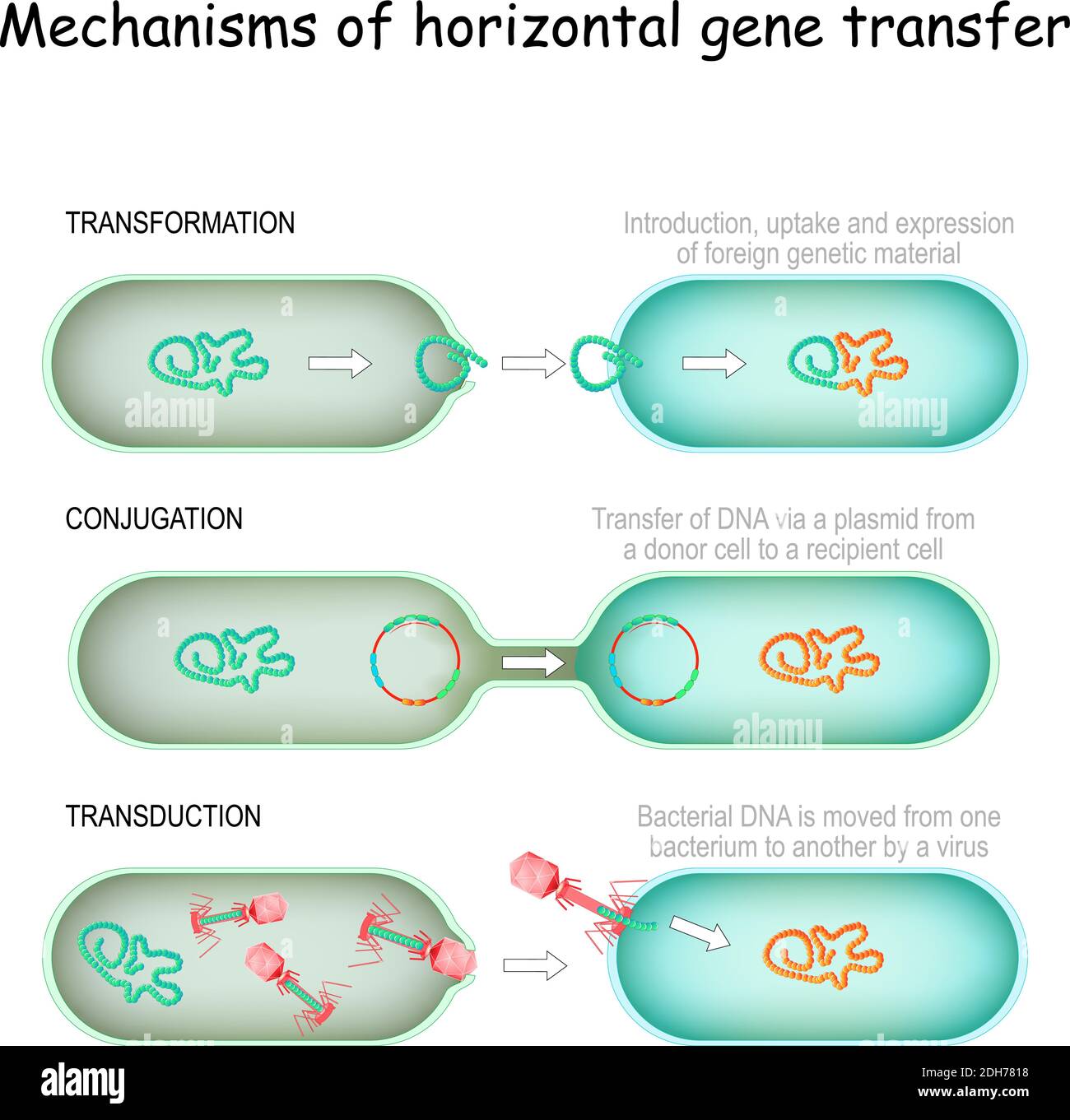
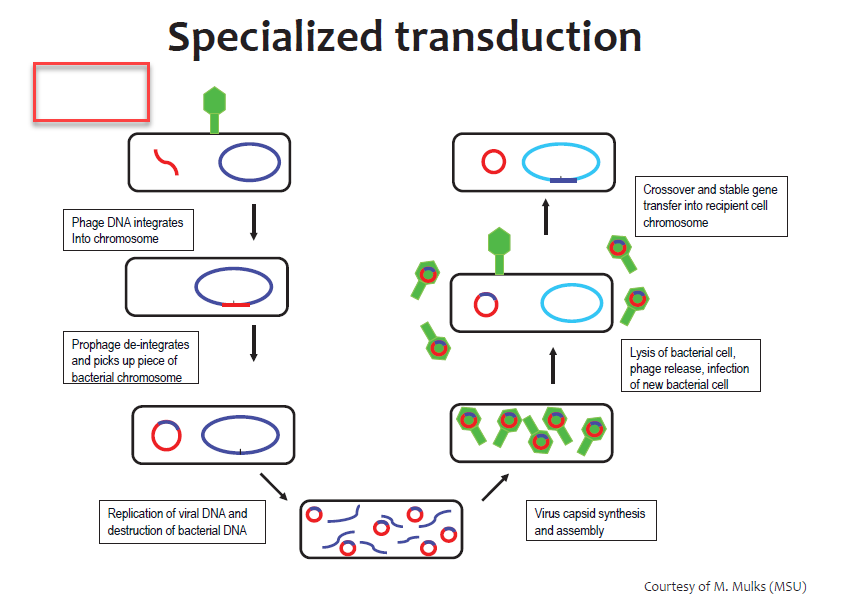
In bacteria, transduction is a method of horizontal gene transfer where bacterial DNA is moved from one cell to another via a bacteriophage (virus). The phage accidentally packages bacterial DNA instead of its own during assembly, then injects it into a new host bacterium, potentially altering its genetic makeup.
What is the general definition of transduction in biology?
In biology, transduction is the process of converting one form of energy or signal into another, often referring to the conversion of external stimuli (e.g., light, chemicals) into electrical or biochemical signals within cells or organisms. It’s a key step in sensory perception, gene transfer (as in bacteria), and signal transduction pathways.
What role does transduction play in microbiology?
In microbiology, transduction is a genetic recombination mechanism where bacteriophages transfer DNA between bacteria, enabling the spread of traits like antibiotic resistance or virulence factors. It’s one of three main methods of horizontal gene transfer, alongside conjugation and transformation.
How does transduction function in cell signaling?
In cell signaling, transduction refers to the relay and amplification of signals from receptors on the cell surface to internal targets (e.g., enzymes or transcription factors). Extracellular signals (like hormones) bind to receptors, triggering a cascade of molecular interactions that ultimately produce a cellular response.
What is the significance of transduction in physiology?
In physiology, transduction is critical for sensory perception, where physical stimuli (e.g., touch, temperature) are converted into action potentials by sensory neurons. It also describes how environmental signals (e.g., light in vision) are transformed into neural signals the brain can process, enabling awareness and response.

Leave a Comment
Comments are moderated before appearing. The data you submit is processed according to the Privacy Policy of Voltefac.