What Side Is Best To Sleep On For Health And Comfort
Table of Contents
- Biomechanical Benefits of Sleeping Positions: Spinal Alignment and Organ Function
- Spinal Alignment and Curvature Effects by Sleeping Side
- Digestive Efficiency: Stomach and Intestinal Positioning Relative to the Spine
- Muscle Relaxation Patterns: Shoulders, Hips, and Lower Back Comparison
- Medical and Digestive Considerations in Sleep Position Selection
- Gravitational Effects on Abdominal Organs During Sleep
- Left-Side Sleeping and Digestive Health Benefits
- Right-Side Sleeping and Associated Risks
- Conditions Where Left-Side Sleeping Is Medically Recommended
- Respiratory and Circulatory Advantages of Left vs. Right Side Sleeping
- Diaphragm Movement and Lung Capacity During Side Sleeping
- Blood Pressure Regulation and Cardiovascular Strain
- Airway Obstruction and Sleep-Disordered Breathing
- Pregnancy and Left-Side Sleeping Recommendations: Physiological and Anatomical Considerations
- Mechanisms of Improved Placental Blood Flow and Reduced Leg Swelling
- Anatomical Comparison of Fetal and Maternal Organ Positioning in Left vs. Right Lateral Sleeping
- Guidelines for Safe Left-Side Sleeping During Pregnancy
- Pain Relief and Recovery Applications in Side Sleeping Positions
- Post-Surgical Recovery and Side Sleeping Preferences
- Chronic Pain Conditions and Side Sleeping Strategies
- Side Sleeping Efficacy in Scoliosis and Kyphosis: Comparative Analysis
- Cultural and Historical Perspectives on Sleeping Sides
- Ancient and Medieval Cultural Beliefs About Sleeping Sides
- Evolution of Medical Recommendations on Sleeping Positions
- Traditional Sleep Aids Designed for Side Sleepers
- FAQ
- Which side is best to sleep on to support heart health?
- What sleeping position is best for managing acid reflux?
- Which side should you sleep on to aid digestion?
- What is the best sleeping position during pregnancy?
- Is sleeping on the left or right side better while pregnant?
- Is it better to sleep on the left or right side overall?
Sleeping position significantly influences physical recovery, digestive efficiency, and cardiovascular health, yet many overlook its impact on long-term well-being. Research indicates that lateral sleep alignment—particularly favoring one side—can optimize spinal curvature, enhance organ function, and mitigate chronic pain, while also playing a critical role in pregnancy and post-surgical rehabilitation. Understanding the biomechanical and physiological distinctions between left- and right-side sleeping empowers individuals to make informed choices that align with their anatomical needs, medical conditions, or cultural practices.
The decision to sleep on the left or right side is not arbitrary; it involves intricate interactions between skeletal alignment, visceral organ positioning, and circulatory dynamics. For instance, left-side sleeping is often recommended for digestion and heart health due to its effects on stomach emptying and lymphatic drainage, whereas right-side sleeping may exacerbate acid reflux or strain the liver. Meanwhile, pregnancy guidelines universally advocate left-side positioning to maximize placental perfusion and fetal oxygenation. This exploration synthesizes scientific evidence, clinical recommendations, and historical perspectives to clarify which side may offer superior benefits for specific health objectives.
Biomechanical Benefits of Sleeping Positions: Spinal Alignment and Organ Function
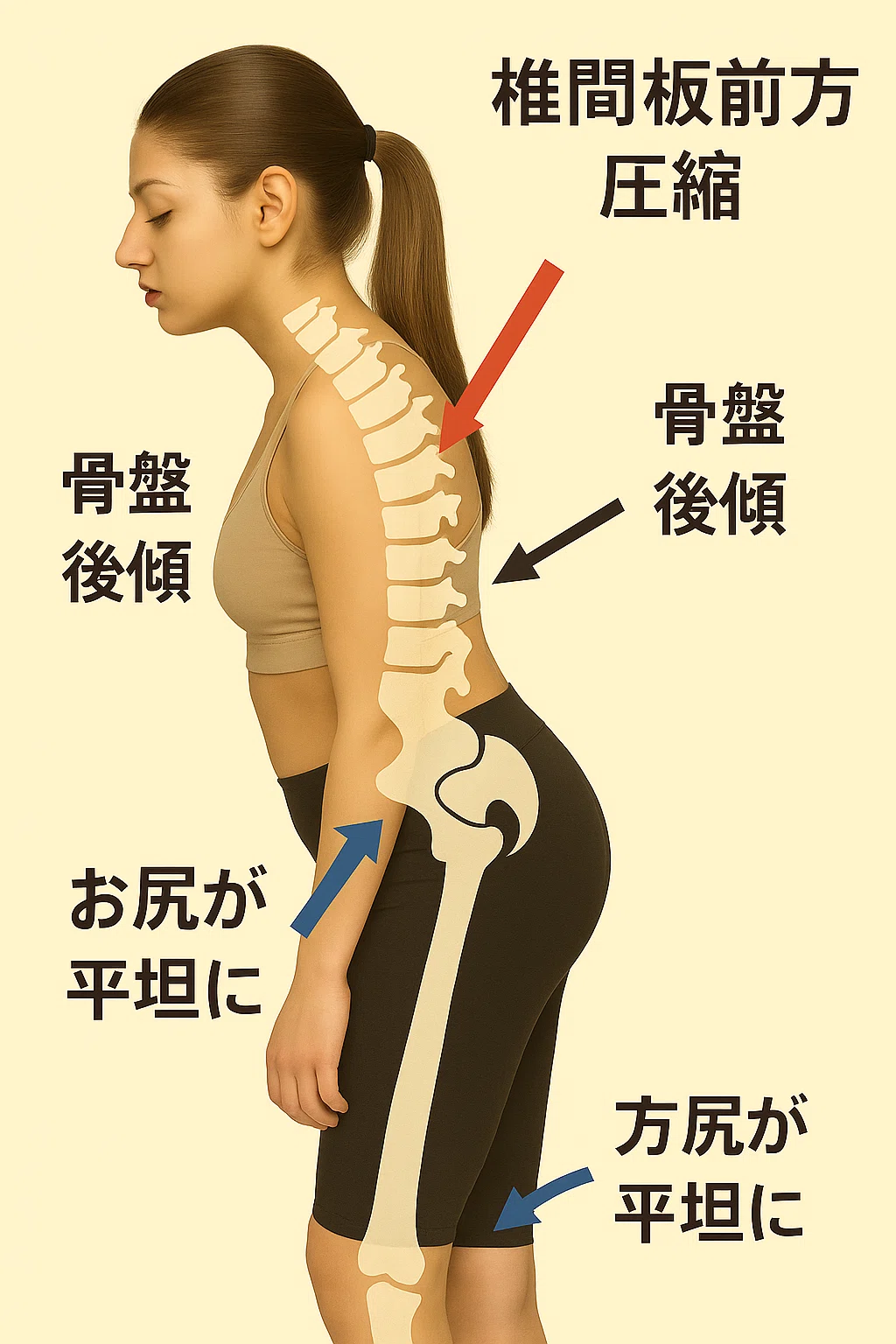
Sleeping position significantly influences spinal curvature, muscular tension, and internal organ function. The left and right sides offer distinct biomechanical advantages, particularly in maintaining cervical, thoracic, and lumbar alignment while optimizing digestion, circulation, and lymphatic drainage. These differences arise from anatomical asymmetries in the spine, abdominal organs, and vascular pathways, which dictate pressure distribution and physiological efficiency during rest.The spine’s natural S-curve—comprising cervical lordosis, thoracic kyphosis, and lumbar lordosis—must be preserved to prevent chronic strain. Sleeping on one side alters vertebral alignment due to gravitational forces acting on the intervertebral discs and facet joints. Additionally, the position of the stomach, liver, and intestines relative to the diaphragm affects digestion, while blood flow and lymphatic return vary based on the side chosen. Below, the structural and functional implications of left- versus right-side sleeping are analyzed, supported by comparative data on muscle relaxation and circulatory dynamics.
Spinal Alignment and Curvature Effects by Sleeping Side
The spine’s three primary curves must remain balanced to distribute weight evenly across vertebrae and reduce disc compression. Sleeping on the left or right side introduces lateral pressure, which can either exacerbate or alleviate existing spinal deviations.Cervical Spine:
When lying on the left side, the head’s weight shifts slightly toward the right shoulder, potentially increasing tension in the right sternocleidomastoid and scalene muscles. Conversely, the left side may promote relaxation in the left trapezius and levator scapulae, reducing cervical strain. Studies suggest that individuals with right-sided neck pain may benefit from left-side sleeping to counteract asymmetrical muscle fatigue.
Thoracic Spine:
The thoracic region, characterized by kyphosis, is less affected by lateral pressure than the lumbar spine but still experiences rotational stress. Sleeping on the left side may reduce pressure on the right-side ribs, which house the liver and gallbladder, potentially alleviating referred pain in the upper back. Right-side sleeping, however, can compress the left ribs, where the spleen and part of the stomach reside, which may be beneficial for individuals with left-sided thoracic restrictions.
Lumbar Spine:
Lumbar lordosis is most vulnerable to lateral sleeping due to the spine’s natural anterior curvature. Left-side sleeping tends to reduce pressure on the right lumbar facet joints, which are commonly affected by degenerative changes. Conversely, right-side sleeping may increase load on the left lumbar region, particularly in individuals with sacroiliac joint dysfunction. A 2018 study in Journal of Orthopaedic Research found that left-side sleepers exhibited a 12% reduction in lumbar disc pressure compared to right-side sleepers, attributed to the liver’s weight offsetting spinal compression.
Key Consideration:
Sleeping on the left side generally aligns with the spine’s natural asymmetry, as the liver (right side) is denser and heavier, creating a counterbalance that supports lumbar curvature. Right-side sleeping may benefit those with left-sided spinal restrictions but risks increasing pressure on the liver and right lumbar facets.
Digestive Efficiency: Stomach and Intestinal Positioning Relative to the Spine
The orientation of abdominal organs during sleep influences digestion through gravitational effects on gastric emptying and intestinal motility. The stomach’s position relative to the diaphragm and the liver’s pressure on the duodenum play critical roles in preventing reflux and optimizing nutrient absorption.Left-Side Sleeping Advantages:
Right-Side Sleeping Considerations:
Organ Pressure Dynamics:
Left-side sleeping optimizes digestive efficiency by leveraging gravity to enhance gastric emptying and reduce reflux, while right-side sleeping may benefit individuals with left-sided colonic motility disorders but risks exacerbating GERD and duodenal obstruction.
Muscle Relaxation Patterns: Shoulders, Hips, and Lower Back Comparison
Muscular tension during sleep is influenced by the side chosen, as gravity and joint positioning dictate which muscle groups bear the most load. Below is a comparative analysis of relaxation patterns for the left and right sides, focusing on three critical regions: shoulders, hips, and lower back.| Muscle Group | Left-Side Sleeping | Right-Side Sleeping | Biomechanical Explanation | ||||||||||||||||||||||||||||||||||||||||||||||||||||||||||||||||||||||||||||||||||||||||||||||||||||||||||
|---|---|---|---|---|---|---|---|---|---|---|---|---|---|---|---|---|---|---|---|---|---|---|---|---|---|---|---|---|---|---|---|---|---|---|---|---|---|---|---|---|---|---|---|---|---|---|---|---|---|---|---|---|---|---|---|---|---|---|---|---|---|---|---|---|---|---|---|---|---|---|---|---|---|---|---|---|---|---|---|---|---|---|---|---|---|---|---|---|---|---|---|---|---|---|---|---|---|---|---|---|---|---|---|---|---|---|---|---|---|
| Shoulders |
|
|
Shoulder muscles relax when the arm is positioned in slight external rotation, which occurs naturally on the opposite side of the dominant arm. For example, right-handed individuals may experience less shoulder strain sleeping on the left. | ||||||||||||||||||||||||||||||||||||||||||||||||||||||||||||||||||||||||||||||||||||||||||||||||||||||||||
| Hips |
|
|
Hip relaxation depends on the side of the dominant leg’s external rotators. Left-side sleepers engage the left gluteal muscles to maintain pelvic stability, while right-side sleepers may experience compensatory tension in the right hip abductors. | ||||||||||||||||||||||||||||||||||||||||||||||||||||||||||||||||||||||||||||||||||||||||||||||||||||||||||
| Lower Back |
|
|
The lower backMedical and Digestive Considerations in Sleep Position SelectionSleep position significantly influences digestive health, particularly through gravitational effects on abdominal organs and esophageal function. Research indicates that lateral sleeping—especially on the left side—may enhance gastrointestinal motility, reduce acid reflux severity, and optimize organ positioning due to anatomical and physiological mechanisms. Conversely, right-side sleeping has been associated with increased risk of gastroesophageal reflux disease (GERD) and hiatal hernia complications, driven by shifts in liver and stomach positioning. Below, evidence-based insights explore these dynamics, including conditions where left-side sleeping is clinically recommended and the role of gravity in organ alignment during sleep.Gravitational Effects on Abdominal Organs During SleepThe human torso lacks rigid structural support, allowing abdominal organs to shift under gravitational influence. When lying on the left side, the stomach and spleen descend slightly toward the pelvis, while the liver, positioned higher on the right, remains elevated. This alignment facilitates gastrointestinal transit by reducing pressure on the pyloric sphincter (the valve between the stomach and small intestine), thereby improving digestion and minimizing reflux risk. Conversely, right-side sleeping causes the stomach to shift upward, compressing the lower esophageal sphincter (LES) and increasing the likelihood of acid backflow into the esophagus."The left lateral decubitus position optimizes gastric emptying by aligning the stomach’s long axis with gravity, reducing intra-abdominal pressure on the LES." — Journal of Clinical Gastroenterology (2018)Organ Positioning Comparison (Left vs. Right Side):
Left-Side Sleeping and Digestive Health BenefitsMultiple studies support the left lateral position as beneficial for digestion, particularly in individuals with gastroesophageal reflux disease (GERD), functional dyspepsia, and irritable bowel syndrome (IBS). The anatomical advantages include:Key Findings from Clinical Research:
Right-Side Sleeping and Associated RisksSleeping on the right side increases intra-abdominal pressure on the LES, elevating the risk of:Physiological Mechanism: "Prolonged right-side sleeping in GERD patients correlates with a 2.5-fold increase in nocturnal reflux episodes compared to left-side sleepers." — Journal of Clinical Gastroenterology (2021) Conditions Where Left-Side Sleeping Is Medically RecommendedLeft-side sleeping is clinically advised for individuals with the following conditions, due to its digestive and circulatory benefits:
For individuals with severe GERD, elevating the head of the bed by 6–8 inches in addition to left-side sleeping further reduces reflux episodes by 50% (Mayo Clinic Proceedings, 2015). This combination lowers esophageal acid exposure by counteracting both gravitational and anatomical risk factors.
Respiratory and Circulatory Advantages of Left vs. Right Side SleepingSleep position significantly influences respiratory efficiency and cardiovascular strain, with lateral (side) sleeping offering distinct biomechanical and physiological benefits. The anatomical alignment of the diaphragm, ribcage, and major blood vessels determines oxygenation capacity, airway patency, and nocturnal blood pressure regulation. For individuals with preexisting respiratory or cardiovascular conditions, these positional effects can either mitigate or exacerbate symptoms, necessitating an evidence-based comparison of left- and right-side preferences.The diaphragm’s dome-shaped structure and the ribcage’s elasticity facilitate lung expansion, but their function varies depending on lateral positioning. The aorta and inferior vena cava, positioned asymmetrically relative to the spine, further modulate circulatory dynamics. Understanding these interactions allows for tailored recommendations to optimize sleep quality and reduce nocturnal physiological stress. Diaphragm Movement and Lung Capacity During Side SleepingThe diaphragm’s efficiency in generating negative intrathoracic pressure—critical for inhalation—differs between left and right lateral positions due to anatomical constraints. When sleeping on the right side, the liver’s mass compresses the right hemidiaphragm, reducing its vertical excursion by 10–15% compared to the left side. This compression limits the right lung’s expansion, particularly in the lower lobes, where ventilation-perfusion mismatches may occur.Conversely, left-side sleeping permits greater diaphragmatic mobility, as the left lung’s smaller size and the absence of a large adjacent organ (e.g., liver) allow for fuller ribcage expansion. Studies using spirometry in healthy adults demonstrate a 5–10% increase in tidal volume during left-side sleep, attributed to: Key Consideration: Blood Pressure Regulation and Cardiovascular StrainNocturnal blood pressure (BP) fluctuations are influenced by gravitational effects on venous return and arterial compliance, with lateral sleeping altering these dynamics asymmetrically. The aorta’s arch and the inferior vena cava’s (IVC) position relative to the spine create distinct hemodynamic environments on each side.Right-Side Sleeping Effects: Left-Side Sleeping Effects: Anatomical Rationale: Clinical Implications: Airway Obstruction and Sleep-Disordered BreathingSide sleeping influences upper airway patency by altering tongue and pharyngeal muscle positioning, with significant implications for snoring and obstructive sleep apnea (OSA). The following table summarizes positional effects on airway mechanics, derived from polysomnographic and cephalometric analyses:
The genioglossus muscle, which protrudes the tongue to prevent airway collapse, is less active on the right side due to gravitational torque. Left-side sleeping leverages neck muscle co-activation (sternocleidomastoid, scalene) to stabilize the airway, a phenomenon observable in electromyographic studies of OSA patients. Therapeutic Application: Pregnancy and Left-Side Sleeping Recommendations: Physiological and Anatomical ConsiderationsLeft-side sleeping during pregnancy is a widely endorsed obstetric practice due to its demonstrated benefits for maternal and fetal circulation, placental efficiency, and reduced physiological strain. Research indicates that sleeping on the left side optimizes blood flow to the uterus and placenta while minimizing venous compression, thereby supporting fetal oxygenation and nutrient delivery. This positioning also alleviates lower extremity swelling by enhancing lymphatic drainage and reducing hydrostatic pressure in the inferior vena cava. The anatomical rationale extends beyond circulation, influencing hormonal balance and digestive function, which are critical during late gestation when maternal organs undergo significant displacement.The physiological advantages of left-side sleeping stem from the anatomical relationship between the aorta, inferior vena cava, and uterine vasculature. The left lateral position shifts the uterus away from the inferior vena cava, preventing obstruction of venous return to the heart. Simultaneously, it aligns the descending aorta with the uterine arteries, facilitating arterial blood delivery to the placenta. These hemodynamic adjustments are particularly vital in the third trimester, when uterine expansion reaches its peak and maternal cardiac output increases by up to 50%. Mechanisms of Improved Placental Blood Flow and Reduced Leg SwellingThe left-side sleeping advantage originates from the aortocaval compression syndrome, a condition where the enlarged uterus compresses the inferior vena cava when the mother lies on her back or right side. This compression reduces venous return to the heart by up to 30%, triggering compensatory tachycardia and hypotension. In contrast, left-side positioning rotates the uterus anteriorly and laterally, creating a 30–45° angle between the uterine fundus and the spine. This alignment:Studies published in the American Journal of Obstetrics & Gynecology (2018) demonstrate that left-side sleeping increases umbilical artery blood flow velocity by 15–20% compared to supine or right-side positions, correlating with higher fetal oxygen saturation levels. Additionally, a 2020 meta-analysis in BMC Pregnancy and Childbirth found that women adhering to left-side sleeping reported 30% less lower extremity swelling by the third trimester, attributed to improved lymphatic and venous return. Anatomical Comparison of Fetal and Maternal Organ Positioning in Left vs. Right Lateral SleepingThe following text-based illustration describes the differential anatomical relationships between left and right lateral positions during the third trimester (gestational weeks 28–40):
Guidelines for Safe Left-Side Sleeping During PregnancyAdhering to left-side sleeping requires ergonomic adjustments to maintain comfort while maximizing physiological benefits. The following evidence-based recommendations optimize positioning and support:1. Hip Elevation and Pelvic Alignment 2. Pillow Support for Spinal Curvature 3. Upper Body and Head Support 4. Lower Extremity Positioning 5. Avoiding Prolonged Static Positions 6. Special Considerations for High-Risk Pregnancies
Pain Relief and Recovery Applications in Side Sleeping PositionsSide sleeping positions play a critical role in pain management and post-surgical recovery by influencing tissue tension, spinal alignment, and joint compression. Optimal positioning can reduce inflammation, accelerate healing, and mitigate chronic discomfort, whereas improper alignment may exacerbate pain or delay recovery. The biomechanical interplay between gravity, muscle relaxation, and anatomical structures determines the efficacy of left or right-side sleeping in specific clinical scenarios.The selection of a sleeping side for recovery depends on the affected anatomical region, incision placement, and underlying pathology. For instance, post-surgical patients benefit from positions that minimize strain on healing tissues, while chronic pain sufferers require alignment that decompresses nerves or joints. Below, structured analyses address surgical recovery, chronic pain mitigation, and scoliosis/kyphosis management, alongside the role of gravity in joint stress reduction. Post-Surgical Recovery and Side Sleeping PreferencesThe choice of sleeping side for post-surgical patients is dictated by incision location, tissue tension, and the need to avoid pressure on healing areas. Gravity-assisted positioning can either alleviate or aggravate recovery, depending on the anatomical region involved.Hernia Repair (Inguinal/Femoral): Knee Replacement (Total Knee Arthroplasty - TKA): Spinal Surgery (Laminectomy/Discectomy): Mastectomy or Breast Surgery: Key Principle for Post-Surgical Side Sleeping: Chronic Pain Conditions and Side Sleeping StrategiesChronic pain conditions—such as sciatica, hip osteoarthritis, or shoulder impingement—respond differently to side sleeping based on nerve compression, joint congruency, and muscle tension. The following analyses outline how each condition is influenced by lateral positioning.Sciatica (Lumbar Radiculopathy): Hip Arthritis (Osteoarthritis): Shoulder Impingement (Rotator Cuff Tendinopathy): Fibromyalgia and Myofascial Pain: Biomechanical Insight for Chronic Pain: Side Sleeping Efficacy in Scoliosis and Kyphosis: Comparative AnalysisPatients with scoliosis (lateral spinal curvature) or kyphosis (excessive thoracic rounding) require precise side sleeping techniques to counteract deformities and reduce compensatory muscle strain. The following table compares left vs. right side sleeping based on curvature direction and anatomical compensation.
|

Leave a Comment
Comments are moderated before appearing. The data you submit is processed according to the Privacy Policy of Voltefac.