What Was The Sun Made Of And Its Scientific Composition
Table of Contents
- Cosmic Origins and Stellar Composition of the Sun
- Elemental Breakdown and Nuclear Fusion in the Sun’s Core
- Formation Timeline: From Solar Nebula to Main-Sequence Star
- Nucleosynthesis in the Sun vs. Heavier Elements in Supernovae
- Comparative Stellar Composition: Sun vs. Other Stellar Types
- Depletion of Primordial Elements: De Nuclear Fusion Mechanics and Energy Production in the Sun The Sun’s sustained luminosity originates from nuclear fusion reactions in its core, where hydrogen nuclei undergo transformation into helium under extreme temperature (≈15 million K) and pressure conditions. These processes release energy via mass-defect conversion (E=mc²), sustaining the Sun’s radiative equilibrium while counteracting gravitational collapse. The dominant mechanism, the proton-proton (pp) chain, operates through a series of intermediate nuclear reactions, each contributing to the Sun’s energy output and elemental composition. Comparative analysis with the carbon-nitrogen-oxygen (CNO) cycle highlights the dependence of stellar fusion pathways on mass and temperature, while the conversion of high-energy gamma rays into visible light through radiative diffusion and convection elucidates the Sun’s layered energy transport. Neutrinos, as byproducts of fusion, serve as critical probes of these processes, though their detection challenges historically posed the "solar neutrino problem," later resolved through neutrino oscillation theories. Proton-Proton Chain Reaction and Energy Output
- Comparison of the CNO Cycle and Proton-Proton Chain
- Radiative Diffusion and Convection in Energy Transport
- Neutrinos as Probes of Fusion and the Solar Neutrino Problem
- Spectroscopy and Observational Evidence of the Sun’s Composition
- Absorption Lines and Elemental Identification
- Spectrograph Design and Wavelength Dispersion
- Spectral Signatures of Solar Eruptions
- Elemental Abundance in the Photosphere and Solar Wind Confirmation
- Historical Discoveries and Scientific Debates on the Sun’s Composition
- Early Proposals of Hydrogen-Helium Dominance and Skepticism
- Historical Models of the Sun: From Geocentrism to Astrophysics
- The Controversy Surrounding Helium’s Discovery in the Sun
- Key Milestones in Solar Composition Research
- The Solar Abundance Problem: Unresolved Debates
- FAQ
- What is the Sun made of for kids?
- What was the Sun made of?
- What is the Sun made of in simple terms?
- What is the Sun made of mostly?
- What is the Sun made of, and how do we know this?
- What elements is the Sun made of?
The Sun, our solar system’s radiant core, was forged from the primordial plasma of the early universe, its composition revealing a delicate balance of elemental forces that sustain stellar life. At its heart lies a fusion reactor powered by hydrogen, the most abundant element, which through nucleosynthesis transmutes into helium while releasing energy that defines life on Earth. Beyond its core, trace metals and heavier elements—products of ancient supernovae—paint a cosmic portrait of stellar recycling, where the Sun’s birth from a collapsing molecular cloud over 4.6 billion years ago set the stage for modern astrophysics.
Understanding the Sun’s elemental makeup is not merely an exercise in stellar chemistry but a window into the fundamental processes governing star formation, energy production, and the evolution of galaxies. From the proton-proton chain reactions in its core to the spectral signatures captured by telescopes, each discovery challenges and refines our models of cosmic origin. This exploration traces the Sun’s journey from theoretical speculation to empirical confirmation, highlighting how spectroscopy, neutrino detection, and solar probes have unraveled its secrets—while leaving room for ongoing debates about discrepancies in abundance measurements.
Cosmic Origins and Stellar Composition of the Sun
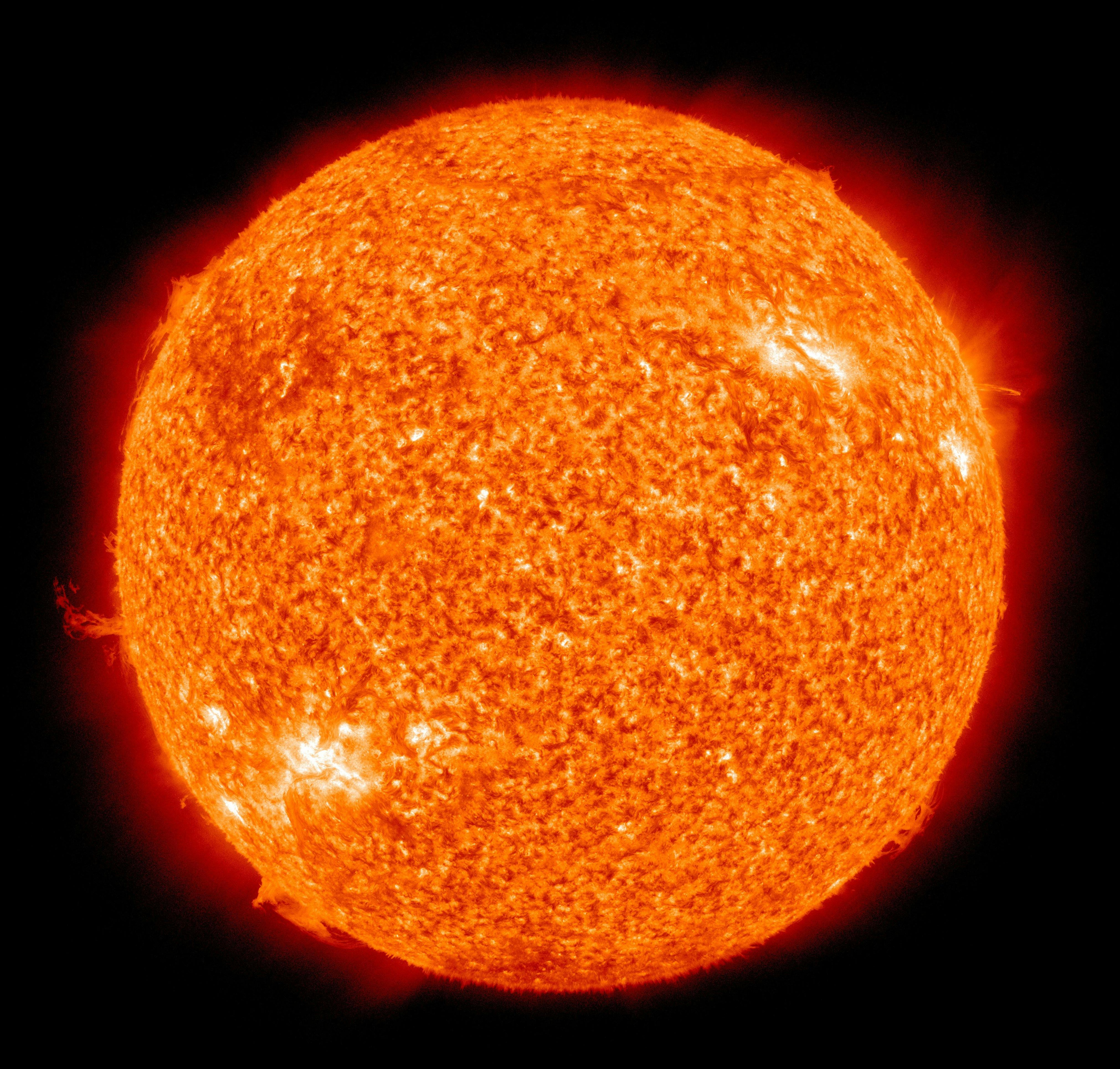
The Sun, a G2V main-sequence star, serves as the foundational reference for understanding stellar composition and nucleosynthesis in the universe. Its elemental makeup—primarily hydrogen and helium—drives nuclear fusion, sustaining its luminosity and structure. The Sun’s formation from a collapsing molecular cloud and its ongoing nucleosynthesis processes highlight the dynamic interplay between stellar evolution and elemental synthesis, distinguishing it from other stellar types and the primordial plasma of the early universe.The Sun’s core hosts a precise balance of elements critical to its energy production, with hydrogen constituting approximately 73.9% by mass, helium 24.8%, and trace metals (elements heavier than helium) accounting for 1.3%. This composition enables proton-proton chain reactions, where hydrogen nuclei (protons) fuse into helium-4, releasing energy via Einstein’s mass-energy equivalence (E=mc²). The trace metals, though minor, influence opacity, convection, and the Sun’s magnetic field, playing indirect but vital roles in stellar dynamics.
Elemental Breakdown and Nuclear Fusion in the Sun’s Core
The Sun’s elemental composition is a direct result of its formation and subsequent nucleosynthesis. Hydrogen dominates the core at ~91.2% by number of atoms, followed by helium at ~8.7%, with trace elements like oxygen (0.078%), carbon (0.043%), neon (0.038%), and iron (0.013% by mass) contributing to the remaining 1.3%.Proton-Proton Chain Dominance: The primary fusion process in the Sun converts 4 protons (¹H) into 1 helium-4 nucleus (⁴He), releasing 2 positrons, 2 neutrinos, and ~26.7 MeV of energy per reaction. This process requires temperatures exceeding 15 million K and densities of ~150 g/cm³ in the core.Trace metals, though scarce, affect the Sun’s radiative and convective zones. For instance, iron and nickel enhance the Sun’s opacity, influencing energy transport. The absence of heavier elements (e.g., uranium or thorium) means the Sun lacks significant long-lived radioactive heating, unlike older stars or planetary nebulae.
Formation Timeline: From Solar Nebula to Main-Sequence Star
The Sun’s origin traces back ~4.6 billion years ago when a giant molecular cloud (primarily H₂ and He) in the Orion Arm of the Milky Way collapsed under its own gravity. This collapse was triggered by external shocks, such as a nearby supernova, compressing the cloud to densities sufficient for fragmentation.1. Molecular Cloud Collapse (1–10 million years)
The cloud fragmented into dense cores, one of which became the protostellar disk. Gravitational potential energy converted into thermal energy, raising temperatures to ~2,000 K, allowing dust grains to evaporate and form a protoplanetary disk.
2. Protostar Phase (10,000–100,000 years)
The central core reached ~10 million K, initiating deuterium fusion (D + p → ³He + γ), a precursor to full hydrogen burning. The protostar, now a T Tauri star, exhibited strong stellar winds and accretion from the surrounding disk.
3. Main-Sequence Ignition (~50 million years)
Core temperatures stabilized at ~15 million K, enabling sustained proton-proton fusion, marking the Sun’s entry into the main sequence. The remaining gas and dust in the disk coalesced into planets, while the Sun’s outer layers expanded slightly before settling into its current equilibrium.
Nucleosynthesis in the Sun vs. Heavier Elements in Supernovae
The Sun’s nucleosynthesis is limited to light elements (H to Fe) due to its mass (~0.3% of the solar nebula’s original material). Heavier elements (e.g., gold, uranium) require supernova nucleosynthesis or neutron-capture processes in asymptotic giant branch (AGB) stars.| Process | Elements Produced | Energy Source | Stellar Environment |
|---|---|---|---|
| Proton-Proton Chain | ⁴He (primary), trace ⁷Li, ⁸B | Gravitational collapse + fusion | Main-sequence stars (0.5–10 M☉) |
| Triple-Alpha Process | ¹²C, ¹⁶O | Helium burning in red giants | AGB stars (>4 M☉) |
| Neutron Capture (s-process) | Ba, La, Pb | Slow neutron absorption in AGB stars | Low-mass stars (1–8 M☉) |
| Supernova r-process | Au, Pt, U | Rapid neutron capture in core-collapse SNe | Massive stars (>8 M☉) |
Key Distinction: The Sun’s core lacks the temperatures (>2.5 billion K) needed for silicon burning or iron peak synthesis, processes exclusive to supernovae. Elements like technetium (Tc) or uranium (U) are absent in the Sun but abundant in older stars or meteorites formed from supernova ejecta.
Comparative Stellar Composition: Sun vs. Other Stellar Types
Stellar composition varies with mass, age, and evolutionary stage. Below is a comparative table highlighting the Sun’s uniqueness alongside red giants, white dwarfs, and Population III stars.| Star Type | H/He Ratio (by mass) | Metallicity ([Fe/H]) | Dominant Nucleosynthesis Process | Example Stars |
|---|---|---|---|---|
| Sun (G2V) | 73.9% H / 24.8% He | 0.0 (solar reference) | Proton-proton chain, CNO cycle (minor) | Solar System host |
| Red Giant (e.g., Betelgeuse) | ~60% H / 35% He (core) | -0.3 to +0.5 (varies) | Helium burning (triple-alpha), s-process | α Orionis (Betelgeuse) |
| White Dwarf (e.g., Sirius B) | ~0.1% H / 99.9% He/C/O | -1.0 to +0.5 (accreted) | Degenerate matter (no fusion) | Sirius B, Procyon B |
| Population III Star (Theoretical) | ~75% H / 25% He (no metals) | -6.0 to -3.0 (metal-free) | Primordial nucleosynthesis (H → He only) | None observed (early universe) |
| Supernova Remnant (e.g., Cassiopeia A) | Trace H/He (enriched in metals) | +1.0 to +3.0 (super-solar) | r-process, explosive nucleosynthesis | Cassiopeia A, SN 1987A |
Depletion of Primordial Elements: De
Nuclear Fusion Mechanics and Energy Production in the Sun
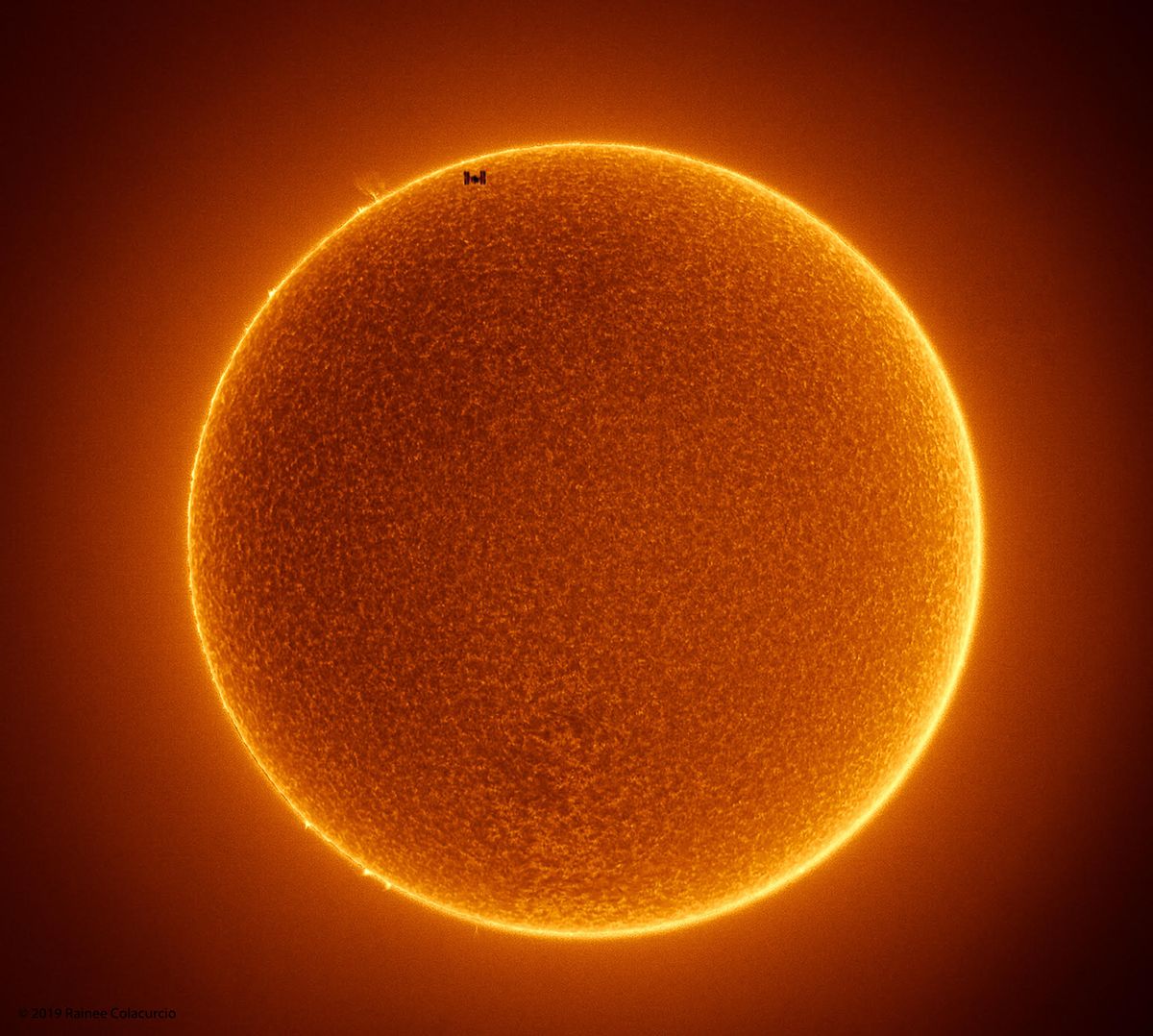
The Sun’s sustained luminosity originates from nuclear fusion reactions in its core, where hydrogen nuclei undergo transformation into helium under extreme temperature (≈15 million K) and pressure conditions. These processes release energy via mass-defect conversion (E=mc²), sustaining the Sun’s radiative equilibrium while counteracting gravitational collapse. The dominant mechanism, the proton-proton (pp) chain, operates through a series of intermediate nuclear reactions, each contributing to the Sun’s energy output and elemental composition. Comparative analysis with the carbon-nitrogen-oxygen (CNO) cycle highlights the dependence of stellar fusion pathways on mass and temperature, while the conversion of high-energy gamma rays into visible light through radiative diffusion and convection elucidates the Sun’s layered energy transport. Neutrinos, as byproducts of fusion, serve as critical probes of these processes, though their detection challenges historically posed the "solar neutrino problem," later resolved through neutrino oscillation theories.
Proton-Proton Chain Reaction and Energy Output
The proton-proton (pp) chain is the primary fusion cycle in the Sun, accounting for over 99% of its energy production. This process involves four hydrogen nuclei (protons) fusing into a helium-4 nucleus, with intermediate steps releasing positrons, neutrinos, and gamma rays. The dominant branch (pp-I) proceeds as follows:1. Proton-Proton Fusion (pp → d + e⁺ + νₑ)
Two protons collide, forming deuterium (²H), a positron (e⁺), and an electron neutrino (νₑ). The positron annihilates with an electron, emitting two 511 keV gamma rays.
Reaction: ¹H + ¹H → ²H + e⁺ + νₑ + 0.42 MeV (energy release)
2. Deuterium-Proton Fusion (d + ¹H → ³He + γ)
Deuterium fuses with another proton, forming helium-3 (³He) and releasing a 5.49 MeV gamma ray.
Reaction: ²H + ¹H → ³He + γ + 5.49 MeV
3. Helium-3 Fusion (³He + ³He → ⁴He + 2¹H)
Two helium-3 nuclei fuse into helium-4 (⁴He), releasing two protons and 12.86 MeV of energy.
Reaction: ³He + ³He → ⁴He + 2¹H + 12.86 MeV
Net Energy Output: The complete pp chain converts 6.49 × 10⁻¹³ joules per fusion cycle, with 99.75% of energy carried by neutrinos (initially undetected) and the remainder as gamma rays. The Sun’s total energy production is:
3.828 × 10²⁶ watts (equivalent to converting 600 million metric tons of mass into energy per second via E=mc²).
The pp chain’s dominance stems from its efficiency at the Sun’s core temperature (~1.57 × 10⁷ K), where proton-proton collisions overcome Coulomb barriers more frequently than the CNO cycle’s higher-temperature threshold (~1.5 × 10⁷ K for significant CNO contribution).
Comparison of the CNO Cycle and Proton-Proton Chain
The carbon-nitrogen-oxygen (CNO) cycle is a catalytic fusion pathway where carbon-12 acts as a catalyst to fuse hydrogen into helium, with nitrogen-14 and oxygen-15 as intermediate isotopes. While the pp chain dominates in the Sun, the CNO cycle becomes prevalent in stars with masses ≥1.3 M☉ due to its higher temperature sensitivity (∝T⁶⁰ vs. pp’s ∝T⁴). Key differences include:
Feature Proton-Proton Chain CNO Cycle
Dominance Temperature <1.57 × 10⁷ K (Sun’s core) >1.5 × 10⁷ K (higher-mass stars) Energy Output per Cycle 26.7 MeV (net) 25.0 MeV (net) Neutrino Production High (pp, ⁷Be branches) Lower (only in ¹⁵O decay) Catalyst Requirement None Carbon-12 (abundance-dependent) Mass Sensitivity Independent of metallicity Dependent on CNO abundance (metallicity)
Why the pp Chain Dominates in the Sun:
Lower Temperature Threshold: The pp chain’s first step (p-p fusion) has a lower Coulomb barrier, making it viable at the Sun’s core temperature.
Abundance Independence: The Sun’s hydrogen abundance (≈73% by mass) and lack of significant CNO catalysts (≈0.01% by mass) favor the pp chain.
Neutrino Transparency: The Sun’s core is opaque to high-energy neutrinos, but the pp chain’s neutrinos (primarily from the pp and ⁷Be branches) escape directly, providing observational constraints. In contrast, the CNO cycle’s efficiency scales with temperature and metallicity, making it the primary energy source in main-sequence stars like Sirius (A1V, 2 M☉) or massive O-type stars, where core temperatures exceed 2 × 10⁷ K.
Radiative Diffusion and Convection in Energy Transport
The energy produced in the Sun’s core as gamma rays (average 0.5–2.5 MeV) undergoes a multi-stage transformation before reaching the photosphere as visible light. This process involves radiative diffusion in the radiative zone and convection in the outer layers, each governed by distinct physical mechanisms:1. Radiative Diffusion (Core to Tachocline)
Gamma rays interact with plasma via inverse Compton scattering and photoelectric absorption, losing energy and being re-emitted at lower frequencies. This stochastic process, described by the radiative diffusion equation, results in an energy transport timescale of ≈170,000 years from core to tachocline (the boundary with the convective zone). Key characteristics:
Opacity Sources: Bound-free absorption (H⁻ ions), free-free emission, and electron scattering dominate.
Temperature Gradient: Adiabatic gradient (∇ₐd) is steeper than the radiative gradient (∇ₐd > ∇rad), preventing convection in the radiative zone.
Energy Degradation: Gamma rays degrade to X-rays (100 eV–1 keV) by the time they reach the base of the convective zone. 2. Convection Zone and Surface Cooling
Beyond the tachocline (~0.7 R☉), the temperature gradient exceeds the adiabatic limit (∇ > ∇ₐd), triggering convective overturning. Hot plasma rises through the convective zone (spanning ~0.7–0.96 R☉), cools near the photosphere, and sinks in downdrafts. This process:
Accelerates Energy Transport: Convection reduces the transport timescale to ≈1 month from tachocline to photosphere.
Generates Granulation: Surface patterns (granules, supergranules) reflect convective cells with lifetimes of 8–24 minutes and sizes up to 30 Mm.
Produces Visible Light: Photospheric temperatures (~5,778 K) peak in the green-yellow spectrum (500–600 nm), with blackbody emission modified by absorption lines (Fraunhofer lines). Spectral Evolution of Solar Radiation:
Core (Gamma Rays, 0.5–2.5 MeV) →
Radiative Zone (X-Rays, 100 eV–1 keV) →
Convective Zone (Ultraviolet, 1–100 eV) →
Photosphere (Visible Light, 1.6–3.2 eV, peak at 500 nm).
Neutrinos as Probes of Fusion and the Solar Neutrino Problem
Neutrinos (νₑ) are massless (or nearly massless) fermions produced in all branches of the pp chain, carrying ≈2% of the Sun’s fusion energy while escaping undetected by electromagnetic interactions. Their detection and properties provided critical tests of solar fusion models and neutrino physics.
Spectroscopy and Observational Evidence of the Sun’s Composition
Spectroscopy serves as the primary tool for deciphering the Sun’s elemental composition, leveraging the unique spectral fingerprints of atoms and ions in stellar atmospheres. The Sun’s spectrum, punctuated by dark absorption lines (Fraunhofer lines), encodes critical data on temperature, density, and abundance of elements. By analyzing these lines—ranging from the prominent Balmer series of hydrogen to the complex spectra of heavier elements like iron and helium—astronomers reconstruct the Sun’s photospheric and coronal makeup. Observational techniques, including high-resolution spectrographs and in situ measurements from solar probes, validate these findings, revealing dynamic processes such as solar flares and prominences that alter spectral signatures during eruptions.The Sun’s compositional analysis relies on the interaction between photons and atomic particles in its outer layers, where absorption lines form due to electron transitions in atoms and ions. These transitions produce discrete wavelengths that correspond to specific elements, enabling quantitative abundance measurements. The following sections detail the methodology of spectral analysis, the role of absorption lines in identifying key elements, and the confirmation of these findings through direct sampling of solar wind particles.
Absorption Lines and Elemental Identification
The Sun’s spectrum exhibits thousands of absorption lines, each arising from the selective absorption of light by atoms or ions in the photosphere. These lines are categorized by their origin: hydrogen lines (e.g., H-alpha at 656.3 nm, part of the Balmer series) dominate the visible spectrum, while metallic lines (e.g., iron at 527.0 nm, calcium at 396.8 nm) indicate the presence of heavier elements. The Fraunhofer lines, named after Joseph von Fraunhofer, include prominent features such as the D lines of sodium (589.0/589.6 nm) and the magnesium b triplet (516.7–518.4 nm), which are critical for photospheric diagnostics.The identification process involves comparing observed wavelengths with laboratory spectra of known elements. For instance:
Hydrogen is detected via the Balmer series (H-alpha, H-beta, H-gamma), where electron transitions from higher energy levels to n=2 produce distinct lines.
Helium was first discovered in the Sun (1868) through its D3 line at 587.6 nm, later identified on Earth.
Iron exhibits hundreds of lines across the visible spectrum, with ionization states (Fe I, Fe II) revealing temperature gradients in the photosphere. The ionization state of an element—whether neutral (e.g., Fe I) or ionized (e.g., Fe II)—provides insights into the local plasma conditions. Higher ionization states (e.g., Fe XIII in the corona) indicate regions of extreme temperature (>1 MK), detectable via ultraviolet (UV) and X-ray spectroscopy.
Spectrograph Design and Wavelength Dispersion
Spectrographs decompose sunlight into its constituent wavelengths using two primary methods: prisms and diffraction gratings, each offering distinct advantages in resolution and efficiency.Prism-based spectrographs rely on the refractive index of a transparent material (e.g., fused silica) to disperse light into a spectrum. The angular dispersion follows Snell’s law, where shorter wavelengths (blue) deviate more than longer wavelengths (red). However, prisms suffer from chromatic aberration and limited resolution for narrow spectral features.
Diffraction grating spectrographs use a ruled or holographic surface to split light via constructive interference. The grating equation,
\[ d(\sin \theta_m + \sin \theta_i) = m\lambda \]
where d is the grating spacing, θ are incident/refracted angles, m is the order, and λ is wavelength, governs dispersion. Gratings provide higher resolution (e.g., 0.01 nm) and are favored in modern instruments like the HARPS (High Accuracy Radial velocity Planet Searcher) spectrograph. Echelle gratings, with high groove densities (>100 lines/mm), enable simultaneous coverage of broad spectral ranges (e.g., 380–1000 nm) by combining orders.For solar observations, slit spectrographs isolate a narrow region of the solar disk to avoid blending of lines from different depths or temperatures. Fourier-transform spectrographs (e.g., on the Hinode satellite) use interferometry to achieve ultra-high resolution, capturing fine structure in lines influenced by magnetic fields (Zeeman effect).
Spectral Signatures of Solar Eruptions
Dynamic solar phenomena—such as flares and prominences—produce transient spectral changes that reveal their composition and physical conditions. During a flare, for example, the chromosphere is heated to >10,000 K, ionizing elements like silicon (Si IV at 139.4 nm) and carbon (C IV at 154.8 nm), detectable in UV spectra. The EUV Imaging Spectrometer (EIS) on Hinode resolves these lines, showing Doppler shifts that indicate plasma velocities up to 1,000 km/s.Prominences, anchored in the chromosphere, exhibit H-alpha absorption (656.3 nm) against the disk and emission when viewed at the limb. Their spectra include helium D3 (587.6 nm) and ionized calcium (Ca II H/K lines at 393.4/396.8 nm), with shifts revealing magnetic field structures. During eruptions, coronal rain—condensed plasma falling back to the chromosphere—produces iron (Fe X at 637.4 nm) and magnesium (Mg X at 624.9 nm) lines in the UV.
The IRIS (Interface Region Imaging Spectrograph) mission captures high-cadence spectra of these events, showing how nonthermal broadening of lines (e.g., O V at 629.7 nm) correlates with turbulent heating. Solar flares also emit hard X-rays (via bremsstrahlung), with lines from highly ionized nickel (Ni XXVII at 1.6 nm) marking temperatures exceeding 10 MK.
Elemental Abundance in the Photosphere and Solar Wind Confirmation
The following table summarizes key elements in the Sun’s photosphere, their dominant spectral lines, ionization states, and photospheric abundances (by number relative to hydrogen, N(H)=1.0×10^12 cm⁻³). Data are derived from 3D hydrodynamic models and high-resolution spectroscopy (e.g., from the Solar Physics Research Institute).
Element
Wavelength (nm)
Ionization State
Photospheric Abundance (log N/N_H)
Hydrogen (H)
656.3 (H-α), 486.1 (H-β)
H I
12.00 (reference)
Helium (He)
587.6 (D3), 1083.0 (IR triplet)
He I/He II
10.93
Oxygen (O)
777.2 (O I), 630.0 (O I)
O I
8.66
Carbon (C)
538.0 (C I), 247.9 (C II)
C I/C II
8.39
Neon (Ne)
638.3 (Ne I), 12.13 (Ne X)
Ne I/Ne VIII
7.84
Iron (Fe)
527.0 (Fe I), 637.4 (Fe X)
Fe I/Fe XVI
7.45
Magnesium (Mg)
517.3 (Mg
Historical Discoveries and Scientific Debates on the Sun’s Composition
The understanding of the Sun’s composition evolved through centuries of observational astronomy, theoretical physics, and interdisciplinary debates. Early astronomers faced skepticism about the dominance of hydrogen and helium, as these elements were initially considered "invisible" or chemically inert. The transition from alchemical and geocentric models to modern astrophysical interpretations required overcoming deep-rooted philosophical and empirical challenges. Key figures like Annie Jump Cannon and Cecilia Payne-Gaposchkin played pivotal roles in reshaping stellar composition theories, while controversies—such as the pre-terrestrial discovery of helium in the solar spectrum—highlighted the tension between observation and laboratory validation.The Sun’s elemental makeup was not always accepted as hydrogen-helium dominated. Early models, rooted in Aristotelian physics and Ptolemaic astronomy, treated celestial bodies as perfect, unchanging spheres composed of aether, a mythical fifth element. This geocentric framework persisted until the 16th and 17th centuries, when Copernican heliocentrism and Kepler’s laws introduced a dynamic solar system. However, even as heliocentrism gained traction, the chemical nature of the Sun remained speculative. Alchemical traditions, which classified matter into earth, air, fire, and water, influenced early solar theories, with some proposing the Sun was a terrestrial-like body or a concentrated form of fire. These ideas clashed with emerging spectroscopic evidence, which revealed the Sun’s spectrum contained lines unmatched by known terrestrial elements.
Early Proposals of Hydrogen-Helium Dominance and Skepticism
The foundational work of Annie Jump Cannon and Cecilia Payne-Gaposchkin in the early 20th century laid the groundwork for recognizing hydrogen and helium as the Sun’s primary constituents. Cannon’s classification of stellar spectra into types (O, B, A, F, G, K, M) provided an empirical framework, while Payne-Gaposchkin’s 1925 doctoral thesis at Radcliffe College argued that hydrogen and helium accounted for over 99% of the Sun’s mass. Her conclusions were initially met with resistance, as the scientific community questioned the dominance of these "light" elements, which were then considered chemically inert and of little terrestrial importance.Payne-Gaposchkin’s thesis, later published as Stellar Atmospheres (1929), faced skepticism from figures like Henry Norris Russell, who doubted the high abundance of hydrogen. Russell’s concerns stemmed from the prevailing view that stellar atmospheres should resemble Earth’s composition, with heavier elements like iron and silicon being more prominent. However, subsequent spectroscopic refinements and the development of quantum mechanics validated Payne-Gaposchkin’s hypothesis. By the 1930s, the hydrogen-helium paradigm became the cornerstone of stellar astrophysics, though debates persisted over the exact proportions and the role of heavier elements in solar dynamics.
Historical Models of the Sun: From Geocentrism to Astrophysics
The evolution of solar composition theories reflects broader shifts in cosmological thought. Early models, such as the geocentric system (Ptolemy, 2nd century CE), depicted the Sun as a celestial sphere orbiting Earth, with no consideration of its material nature. The heliocentric model (Copernicus, 1543) repositioned the Sun as the center of the solar system but did not address its chemical makeup. By the 17th century, Isaac Newton’s laws of motion and gravity provided a mechanical framework, but the Sun was still often described in alchemical terms—as a "perfectible" or "quintessential" substance.The 18th and 19th centuries saw the rise of spectroscopy, which transformed solar studies. Joseph von Fraunhofer’s discovery of dark absorption lines in the solar spectrum (1814) suggested the presence of chemical elements, though their identification remained elusive. Early spectroscopists, including Gustav Kirchhoff and Robert Bunsen, matched Fraunhofer lines to known terrestrial elements like iron, sodium, and calcium. However, three prominent lines (D₃, 587.5 nm, and others) defied classification, leading to speculation about unknown or "solar-specific" elements.
The transition to modern astrophysics in the late 19th and early 20th centuries integrated spectroscopy with thermodynamics and atomic theory. James Clerk Maxwell’s electromagnetic theory (1860s) explained spectral lines as transitions between atomic energy levels, while Johannes Rydberg’s formula (1890) provided a mathematical framework for hydrogen’s spectrum. These advances allowed Cecilia Payne-Gaposchkin to quantify the Sun’s composition, shifting focus from qualitative descriptions to quantitative models.
The Controversy Surrounding Helium’s Discovery in the Sun
The identification of helium in the Sun predated its terrestrial discovery by nearly three decades, exemplifying the interplay between astronomical observation and laboratory science. In 1868, Norman Lockyer and Édouard Frankland observed a bright yellow spectral line at 587.56 nm (later named the D₃ line) during a solar eclipse. This line did not match any known element, leading Lockyer to propose a new element, which he named helium (from Helios, the Greek sun god).The controversy arose because helium’s spectral signature in the Sun did not align with any terrestrial elements at the time. Lockyer’s claim was met with skepticism, as scientists struggled to isolate the element in laboratories. It was not until 1895 that William Ramsay detected helium on Earth in uranium ore, confirming its existence. The discrepancy between solar and terrestrial spectra highlighted the challenges of extrapolating laboratory results to stellar environments. This episode underscored the need for high-resolution spectroscopy and atomic physics to bridge the gap between observation and experimentation.
The helium discovery also sparked debates about the origin of elements. Lockyer’s "protosylvin" hypothesis suggested that some elements might be unique to the Sun, a radical idea that clashed with the prevailing view of a uniform chemical cosmos. The eventual terrestrial isolation of helium validated spectroscopic methods but also reinforced the importance of cross-disciplinary collaboration between astronomy and chemistry.
Key Milestones in Solar Composition Research
The development of solar composition theories was marked by critical milestones that integrated observational, theoretical, and computational advancements. Below is a timeline of pivotal discoveries and debates:
-
1814: Joseph von Fraunhofer discovers dark absorption lines in the solar spectrum, later named Fraunhofer lines. These lines hint at the presence of chemical elements but remain unclassified.
-
1868: Norman Lockyer and Édouard Frankland identify the D₃ line (587.56 nm) in the solar spectrum, proposing the existence of a new element, helium, which is not yet known on Earth.
-
1895: William Ramsay isolates helium on Earth in uranium ore, confirming Lockyer’s prediction and validating spectroscopic methods for stellar analysis.
-
1920s: Subrahmanyan Chandrasekhar develops models of white dwarf stars, demonstrating that electron degeneracy pressure could explain the stability of stellar remnants. His work indirectly supports the dominance of hydrogen and helium in stellar interiors.
-
1925: Cecilia Payne-Gaposchkin submits her doctoral thesis, arguing that the Sun is composed primarily of hydrogen and helium, a conclusion initially met with skepticism.
-
1930s: Arthur Eddington and Hans Bethe propose that nuclear fusion (proton-proton chain and CNO cycle) powers the Sun, linking stellar composition to energy production.
-
1950s: Hans Bethe formalizes the proton-proton chain reaction, explaining how hydrogen fusion into helium sustains the Sun’s luminosity. This theory resolves the solar abundance problem by quantifying the Sun’s fuel reserves.
-
1970s–1990s: Helioseismology emerges as a tool to probe the Sun’s interior, revealing discrepancies between photospheric abundance measurements and deeper layers. This leads to the "solar abundance problem", where photospheric spectra suggest lower heavy-element abundances than helioseismic models predict.
-
2000s–Present: High-precision spectroscopy and 3D solar models refine abundance estimates, though unresolved tensions persist between surface and interior measurements. The AGSS09 and AGSS15 solar abundance revisions further complicate interpretations, with implications for stellar evolution and cosmology.
The Solar Abundance Problem: Unresolved Debates
Despite decades ofThe Sun’s composition is a testament to the universe’s alchemy, where hydrogen and helium—born in the Big Bang—collide under extreme pressure to forge the light that governs our existence. Through centuries of observation, from the spectral lines that first hinted at helium’s presence to the modern-era confirmation of fusion via neutrinos, science has pieced together a narrative of stellar birth and decay. Yet, questions persist: Why do photospheric measurements of certain elements diverge from helioseismic models? How do solar winds carry the Sun’s isotopic signatures into the cosmos? These unresolved puzzles underscore the dynamic nature of astrophysical inquiry, where each answer opens new avenues for discovery. The Sun, in essence, remains both a finished masterpiece and an ongoing experiment in cosmic chemistry.
FAQ
What is the Sun made of for kids?
The Sun is mostly made of two gases: hydrogen (about 73%) and helium (about 25%). These are the same gases that fill stars. The Sun also has tiny amounts of other elements like oxygen, carbon, and iron.
What was the Sun made of?
The Sun is made mostly of hydrogen (70%) and helium (28%), with trace amounts of heavier elements like oxygen, carbon, neon, and iron. These gases formed from the collapse of a giant cloud of dust and gas about 4.6 billion years ago.
What is the Sun made of in simple terms?
The Sun is a giant ball of super-hot gas, mostly hydrogen and helium. The extreme heat and pressure in its core turn hydrogen into helium through a process called nuclear fusion, which powers the Sun’s light and heat.
What is the Sun made of mostly?
The Sun is 73% hydrogen and 25% helium by mass, with the remaining 2% consisting of heavier elements like oxygen, carbon, neon, and iron. These percentages come from studying the Sun’s light spectrum and solar wind samples.
What is the Sun made of, and how do we know this?
The Sun is 70% hydrogen and 28% helium by mass, with traces of other elements. Scientists determine this by analyzing the Sun’s light spectrum (spectroscopy), which reveals the chemical fingerprints of its gases, and by studying solar wind particles collected by spacecraft.
What elements is the Sun made of?
The Sun is primarily hydrogen and helium, but it also contains small amounts of heavier elements like oxygen (1%), carbon (0.3%), neon (0.2%), and trace metals such as iron, silicon, magnesium, and sulfur. These elements were created in earlier stars before the Sun formed.
Nuclear Fusion Mechanics and Energy Production in the Sun
The Sun’s sustained luminosity originates from nuclear fusion reactions in its core, where hydrogen nuclei undergo transformation into helium under extreme temperature (≈15 million K) and pressure conditions. These processes release energy via mass-defect conversion (E=mc²), sustaining the Sun’s radiative equilibrium while counteracting gravitational collapse. The dominant mechanism, the proton-proton (pp) chain, operates through a series of intermediate nuclear reactions, each contributing to the Sun’s energy output and elemental composition. Comparative analysis with the carbon-nitrogen-oxygen (CNO) cycle highlights the dependence of stellar fusion pathways on mass and temperature, while the conversion of high-energy gamma rays into visible light through radiative diffusion and convection elucidates the Sun’s layered energy transport. Neutrinos, as byproducts of fusion, serve as critical probes of these processes, though their detection challenges historically posed the "solar neutrino problem," later resolved through neutrino oscillation theories.Proton-Proton Chain Reaction and Energy Output
The proton-proton (pp) chain is the primary fusion cycle in the Sun, accounting for over 99% of its energy production. This process involves four hydrogen nuclei (protons) fusing into a helium-4 nucleus, with intermediate steps releasing positrons, neutrinos, and gamma rays. The dominant branch (pp-I) proceeds as follows:1. Proton-Proton Fusion (pp → d + e⁺ + νₑ)
Two protons collide, forming deuterium (²H), a positron (e⁺), and an electron neutrino (νₑ). The positron annihilates with an electron, emitting two 511 keV gamma rays.
Reaction: ¹H + ¹H → ²H + e⁺ + νₑ + 0.42 MeV (energy release)2. Deuterium-Proton Fusion (d + ¹H → ³He + γ)
Deuterium fuses with another proton, forming helium-3 (³He) and releasing a 5.49 MeV gamma ray.
Reaction: ²H + ¹H → ³He + γ + 5.49 MeV3. Helium-3 Fusion (³He + ³He → ⁴He + 2¹H)
Two helium-3 nuclei fuse into helium-4 (⁴He), releasing two protons and 12.86 MeV of energy.
Reaction: ³He + ³He → ⁴He + 2¹H + 12.86 MeVNet Energy Output: The complete pp chain converts 6.49 × 10⁻¹³ joules per fusion cycle, with 99.75% of energy carried by neutrinos (initially undetected) and the remainder as gamma rays. The Sun’s total energy production is:
3.828 × 10²⁶ watts (equivalent to converting 600 million metric tons of mass into energy per second via E=mc²).The pp chain’s dominance stems from its efficiency at the Sun’s core temperature (~1.57 × 10⁷ K), where proton-proton collisions overcome Coulomb barriers more frequently than the CNO cycle’s higher-temperature threshold (~1.5 × 10⁷ K for significant CNO contribution).
Comparison of the CNO Cycle and Proton-Proton Chain
The carbon-nitrogen-oxygen (CNO) cycle is a catalytic fusion pathway where carbon-12 acts as a catalyst to fuse hydrogen into helium, with nitrogen-14 and oxygen-15 as intermediate isotopes. While the pp chain dominates in the Sun, the CNO cycle becomes prevalent in stars with masses ≥1.3 M☉ due to its higher temperature sensitivity (∝T⁶⁰ vs. pp’s ∝T⁴). Key differences include:| Feature | Proton-Proton Chain | CNO Cycle |
|---|---|---|
| Dominance Temperature | <1.57 × 10⁷ K (Sun’s core) | >1.5 × 10⁷ K (higher-mass stars) |
| Energy Output per Cycle | 26.7 MeV (net) | 25.0 MeV (net) |
| Neutrino Production | High (pp, ⁷Be branches) | Lower (only in ¹⁵O decay) |
| Catalyst Requirement | None | Carbon-12 (abundance-dependent) |
| Mass Sensitivity | Independent of metallicity | Dependent on CNO abundance (metallicity) |
In contrast, the CNO cycle’s efficiency scales with temperature and metallicity, making it the primary energy source in main-sequence stars like Sirius (A1V, 2 M☉) or massive O-type stars, where core temperatures exceed 2 × 10⁷ K.
Radiative Diffusion and Convection in Energy Transport
The energy produced in the Sun’s core as gamma rays (average 0.5–2.5 MeV) undergoes a multi-stage transformation before reaching the photosphere as visible light. This process involves radiative diffusion in the radiative zone and convection in the outer layers, each governed by distinct physical mechanisms:1. Radiative Diffusion (Core to Tachocline)
Gamma rays interact with plasma via inverse Compton scattering and photoelectric absorption, losing energy and being re-emitted at lower frequencies. This stochastic process, described by the radiative diffusion equation, results in an energy transport timescale of ≈170,000 years from core to tachocline (the boundary with the convective zone). Key characteristics:
2. Convection Zone and Surface Cooling
Beyond the tachocline (~0.7 R☉), the temperature gradient exceeds the adiabatic limit (∇ > ∇ₐd), triggering convective overturning. Hot plasma rises through the convective zone (spanning ~0.7–0.96 R☉), cools near the photosphere, and sinks in downdrafts. This process:
Spectral Evolution of Solar Radiation:
Core (Gamma Rays, 0.5–2.5 MeV) →
Radiative Zone (X-Rays, 100 eV–1 keV) →
Convective Zone (Ultraviolet, 1–100 eV) →
Photosphere (Visible Light, 1.6–3.2 eV, peak at 500 nm).
Neutrinos as Probes of Fusion and the Solar Neutrino Problem
Neutrinos (νₑ) are massless (or nearly massless) fermions produced in all branches of the pp chain, carrying ≈2% of the Sun’s fusion energy while escaping undetected by electromagnetic interactions. Their detection and properties provided critical tests of solar fusion models and neutrino physics.Spectroscopy and Observational Evidence of the Sun’s Composition
Spectroscopy serves as the primary tool for deciphering the Sun’s elemental composition, leveraging the unique spectral fingerprints of atoms and ions in stellar atmospheres. The Sun’s spectrum, punctuated by dark absorption lines (Fraunhofer lines), encodes critical data on temperature, density, and abundance of elements. By analyzing these lines—ranging from the prominent Balmer series of hydrogen to the complex spectra of heavier elements like iron and helium—astronomers reconstruct the Sun’s photospheric and coronal makeup. Observational techniques, including high-resolution spectrographs and in situ measurements from solar probes, validate these findings, revealing dynamic processes such as solar flares and prominences that alter spectral signatures during eruptions.The Sun’s compositional analysis relies on the interaction between photons and atomic particles in its outer layers, where absorption lines form due to electron transitions in atoms and ions. These transitions produce discrete wavelengths that correspond to specific elements, enabling quantitative abundance measurements. The following sections detail the methodology of spectral analysis, the role of absorption lines in identifying key elements, and the confirmation of these findings through direct sampling of solar wind particles.
Absorption Lines and Elemental Identification
The Sun’s spectrum exhibits thousands of absorption lines, each arising from the selective absorption of light by atoms or ions in the photosphere. These lines are categorized by their origin: hydrogen lines (e.g., H-alpha at 656.3 nm, part of the Balmer series) dominate the visible spectrum, while metallic lines (e.g., iron at 527.0 nm, calcium at 396.8 nm) indicate the presence of heavier elements. The Fraunhofer lines, named after Joseph von Fraunhofer, include prominent features such as the D lines of sodium (589.0/589.6 nm) and the magnesium b triplet (516.7–518.4 nm), which are critical for photospheric diagnostics.The identification process involves comparing observed wavelengths with laboratory spectra of known elements. For instance:
The ionization state of an element—whether neutral (e.g., Fe I) or ionized (e.g., Fe II)—provides insights into the local plasma conditions. Higher ionization states (e.g., Fe XIII in the corona) indicate regions of extreme temperature (>1 MK), detectable via ultraviolet (UV) and X-ray spectroscopy.
Spectrograph Design and Wavelength Dispersion
Spectrographs decompose sunlight into its constituent wavelengths using two primary methods: prisms and diffraction gratings, each offering distinct advantages in resolution and efficiency.Prism-based spectrographs rely on the refractive index of a transparent material (e.g., fused silica) to disperse light into a spectrum. The angular dispersion follows Snell’s law, where shorter wavelengths (blue) deviate more than longer wavelengths (red). However, prisms suffer from chromatic aberration and limited resolution for narrow spectral features.
Diffraction grating spectrographs use a ruled or holographic surface to split light via constructive interference. The grating equation,
\[ d(\sin \theta_m + \sin \theta_i) = m\lambda \]where d is the grating spacing, θ are incident/refracted angles, m is the order, and λ is wavelength, governs dispersion. Gratings provide higher resolution (e.g., 0.01 nm) and are favored in modern instruments like the HARPS (High Accuracy Radial velocity Planet Searcher) spectrograph. Echelle gratings, with high groove densities (>100 lines/mm), enable simultaneous coverage of broad spectral ranges (e.g., 380–1000 nm) by combining orders.
For solar observations, slit spectrographs isolate a narrow region of the solar disk to avoid blending of lines from different depths or temperatures. Fourier-transform spectrographs (e.g., on the Hinode satellite) use interferometry to achieve ultra-high resolution, capturing fine structure in lines influenced by magnetic fields (Zeeman effect).
Spectral Signatures of Solar Eruptions
Dynamic solar phenomena—such as flares and prominences—produce transient spectral changes that reveal their composition and physical conditions. During a flare, for example, the chromosphere is heated to >10,000 K, ionizing elements like silicon (Si IV at 139.4 nm) and carbon (C IV at 154.8 nm), detectable in UV spectra. The EUV Imaging Spectrometer (EIS) on Hinode resolves these lines, showing Doppler shifts that indicate plasma velocities up to 1,000 km/s.Prominences, anchored in the chromosphere, exhibit H-alpha absorption (656.3 nm) against the disk and emission when viewed at the limb. Their spectra include helium D3 (587.6 nm) and ionized calcium (Ca II H/K lines at 393.4/396.8 nm), with shifts revealing magnetic field structures. During eruptions, coronal rain—condensed plasma falling back to the chromosphere—produces iron (Fe X at 637.4 nm) and magnesium (Mg X at 624.9 nm) lines in the UV.
The IRIS (Interface Region Imaging Spectrograph) mission captures high-cadence spectra of these events, showing how nonthermal broadening of lines (e.g., O V at 629.7 nm) correlates with turbulent heating. Solar flares also emit hard X-rays (via bremsstrahlung), with lines from highly ionized nickel (Ni XXVII at 1.6 nm) marking temperatures exceeding 10 MK.
Elemental Abundance in the Photosphere and Solar Wind Confirmation
The following table summarizes key elements in the Sun’s photosphere, their dominant spectral lines, ionization states, and photospheric abundances (by number relative to hydrogen, N(H)=1.0×10^12 cm⁻³). Data are derived from 3D hydrodynamic models and high-resolution spectroscopy (e.g., from the Solar Physics Research Institute).| Element | Wavelength (nm) | Ionization State | Photospheric Abundance (log N/N_H) |
|---|---|---|---|
| Hydrogen (H) | 656.3 (H-α), 486.1 (H-β) | H I | 12.00 (reference) |
| Helium (He) | 587.6 (D3), 1083.0 (IR triplet) | He I/He II | 10.93 |
| Oxygen (O) | 777.2 (O I), 630.0 (O I) | O I | 8.66 |
| Carbon (C) | 538.0 (C I), 247.9 (C II) | C I/C II | 8.39 |
| Neon (Ne) | 638.3 (Ne I), 12.13 (Ne X) | Ne I/Ne VIII | 7.84 |
| Iron (Fe) | 527.0 (Fe I), 637.4 (Fe X) | Fe I/Fe XVI | 7.45 |
| Magnesium (Mg) | 517.3 (Mg
Historical Discoveries and Scientific Debates on the Sun’s CompositionThe understanding of the Sun’s composition evolved through centuries of observational astronomy, theoretical physics, and interdisciplinary debates. Early astronomers faced skepticism about the dominance of hydrogen and helium, as these elements were initially considered "invisible" or chemically inert. The transition from alchemical and geocentric models to modern astrophysical interpretations required overcoming deep-rooted philosophical and empirical challenges. Key figures like Annie Jump Cannon and Cecilia Payne-Gaposchkin played pivotal roles in reshaping stellar composition theories, while controversies—such as the pre-terrestrial discovery of helium in the solar spectrum—highlighted the tension between observation and laboratory validation.The Sun’s elemental makeup was not always accepted as hydrogen-helium dominated. Early models, rooted in Aristotelian physics and Ptolemaic astronomy, treated celestial bodies as perfect, unchanging spheres composed of aether, a mythical fifth element. This geocentric framework persisted until the 16th and 17th centuries, when Copernican heliocentrism and Kepler’s laws introduced a dynamic solar system. However, even as heliocentrism gained traction, the chemical nature of the Sun remained speculative. Alchemical traditions, which classified matter into earth, air, fire, and water, influenced early solar theories, with some proposing the Sun was a terrestrial-like body or a concentrated form of fire. These ideas clashed with emerging spectroscopic evidence, which revealed the Sun’s spectrum contained lines unmatched by known terrestrial elements. Early Proposals of Hydrogen-Helium Dominance and SkepticismThe foundational work of Annie Jump Cannon and Cecilia Payne-Gaposchkin in the early 20th century laid the groundwork for recognizing hydrogen and helium as the Sun’s primary constituents. Cannon’s classification of stellar spectra into types (O, B, A, F, G, K, M) provided an empirical framework, while Payne-Gaposchkin’s 1925 doctoral thesis at Radcliffe College argued that hydrogen and helium accounted for over 99% of the Sun’s mass. Her conclusions were initially met with resistance, as the scientific community questioned the dominance of these "light" elements, which were then considered chemically inert and of little terrestrial importance.Payne-Gaposchkin’s thesis, later published as Stellar Atmospheres (1929), faced skepticism from figures like Henry Norris Russell, who doubted the high abundance of hydrogen. Russell’s concerns stemmed from the prevailing view that stellar atmospheres should resemble Earth’s composition, with heavier elements like iron and silicon being more prominent. However, subsequent spectroscopic refinements and the development of quantum mechanics validated Payne-Gaposchkin’s hypothesis. By the 1930s, the hydrogen-helium paradigm became the cornerstone of stellar astrophysics, though debates persisted over the exact proportions and the role of heavier elements in solar dynamics. Historical Models of the Sun: From Geocentrism to AstrophysicsThe evolution of solar composition theories reflects broader shifts in cosmological thought. Early models, such as the geocentric system (Ptolemy, 2nd century CE), depicted the Sun as a celestial sphere orbiting Earth, with no consideration of its material nature. The heliocentric model (Copernicus, 1543) repositioned the Sun as the center of the solar system but did not address its chemical makeup. By the 17th century, Isaac Newton’s laws of motion and gravity provided a mechanical framework, but the Sun was still often described in alchemical terms—as a "perfectible" or "quintessential" substance.The 18th and 19th centuries saw the rise of spectroscopy, which transformed solar studies. Joseph von Fraunhofer’s discovery of dark absorption lines in the solar spectrum (1814) suggested the presence of chemical elements, though their identification remained elusive. Early spectroscopists, including Gustav Kirchhoff and Robert Bunsen, matched Fraunhofer lines to known terrestrial elements like iron, sodium, and calcium. However, three prominent lines (D₃, 587.5 nm, and others) defied classification, leading to speculation about unknown or "solar-specific" elements. The transition to modern astrophysics in the late 19th and early 20th centuries integrated spectroscopy with thermodynamics and atomic theory. James Clerk Maxwell’s electromagnetic theory (1860s) explained spectral lines as transitions between atomic energy levels, while Johannes Rydberg’s formula (1890) provided a mathematical framework for hydrogen’s spectrum. These advances allowed Cecilia Payne-Gaposchkin to quantify the Sun’s composition, shifting focus from qualitative descriptions to quantitative models. The Controversy Surrounding Helium’s Discovery in the SunThe identification of helium in the Sun predated its terrestrial discovery by nearly three decades, exemplifying the interplay between astronomical observation and laboratory science. In 1868, Norman Lockyer and Édouard Frankland observed a bright yellow spectral line at 587.56 nm (later named the D₃ line) during a solar eclipse. This line did not match any known element, leading Lockyer to propose a new element, which he named helium (from Helios, the Greek sun god).The controversy arose because helium’s spectral signature in the Sun did not align with any terrestrial elements at the time. Lockyer’s claim was met with skepticism, as scientists struggled to isolate the element in laboratories. It was not until 1895 that William Ramsay detected helium on Earth in uranium ore, confirming its existence. The discrepancy between solar and terrestrial spectra highlighted the challenges of extrapolating laboratory results to stellar environments. This episode underscored the need for high-resolution spectroscopy and atomic physics to bridge the gap between observation and experimentation. The helium discovery also sparked debates about the origin of elements. Lockyer’s "protosylvin" hypothesis suggested that some elements might be unique to the Sun, a radical idea that clashed with the prevailing view of a uniform chemical cosmos. The eventual terrestrial isolation of helium validated spectroscopic methods but also reinforced the importance of cross-disciplinary collaboration between astronomy and chemistry. Key Milestones in Solar Composition ResearchThe development of solar composition theories was marked by critical milestones that integrated observational, theoretical, and computational advancements. Below is a timeline of pivotal discoveries and debates:
The Solar Abundance Problem: Unresolved DebatesDespite decades ofThe Sun’s composition is a testament to the universe’s alchemy, where hydrogen and helium—born in the Big Bang—collide under extreme pressure to forge the light that governs our existence. Through centuries of observation, from the spectral lines that first hinted at helium’s presence to the modern-era confirmation of fusion via neutrinos, science has pieced together a narrative of stellar birth and decay. Yet, questions persist: Why do photospheric measurements of certain elements diverge from helioseismic models? How do solar winds carry the Sun’s isotopic signatures into the cosmos? These unresolved puzzles underscore the dynamic nature of astrophysical inquiry, where each answer opens new avenues for discovery. The Sun, in essence, remains both a finished masterpiece and an ongoing experiment in cosmic chemistry. FAQWhat is the Sun made of for kids?The Sun is mostly made of two gases: hydrogen (about 73%) and helium (about 25%). These are the same gases that fill stars. The Sun also has tiny amounts of other elements like oxygen, carbon, and iron. What was the Sun made of?The Sun is made mostly of hydrogen (70%) and helium (28%), with trace amounts of heavier elements like oxygen, carbon, neon, and iron. These gases formed from the collapse of a giant cloud of dust and gas about 4.6 billion years ago. What is the Sun made of in simple terms?The Sun is a giant ball of super-hot gas, mostly hydrogen and helium. The extreme heat and pressure in its core turn hydrogen into helium through a process called nuclear fusion, which powers the Sun’s light and heat. What is the Sun made of mostly?The Sun is 73% hydrogen and 25% helium by mass, with the remaining 2% consisting of heavier elements like oxygen, carbon, neon, and iron. These percentages come from studying the Sun’s light spectrum and solar wind samples. What is the Sun made of, and how do we know this?The Sun is 70% hydrogen and 28% helium by mass, with traces of other elements. Scientists determine this by analyzing the Sun’s light spectrum (spectroscopy), which reveals the chemical fingerprints of its gases, and by studying solar wind particles collected by spacecraft. What elements is the Sun made of?The Sun is primarily hydrogen and helium, but it also contains small amounts of heavier elements like oxygen (1%), carbon (0.3%), neon (0.2%), and trace metals such as iron, silicon, magnesium, and sulfur. These elements were created in earlier stars before the Sun formed. |
Leave a Comment
Comments are moderated before appearing. The data you submit is processed according to the Privacy Policy of Voltefac.