| Pakistan (Karachi, Lahore) |
- Meat-heavy fillings (beef or chicken minced with fried onions and spices).
- Use of dried fenugreek leaves (kasuri methi) and food colors for vibrant appearance.
- Crust sometimes includes egg wash for extra shine.
|
- Deep-fried in vegetable oil with a second fry for extended shelf life.
- Baked samosas gaining popularity in health-focused cities.
|
- Common in Eid celebrations and
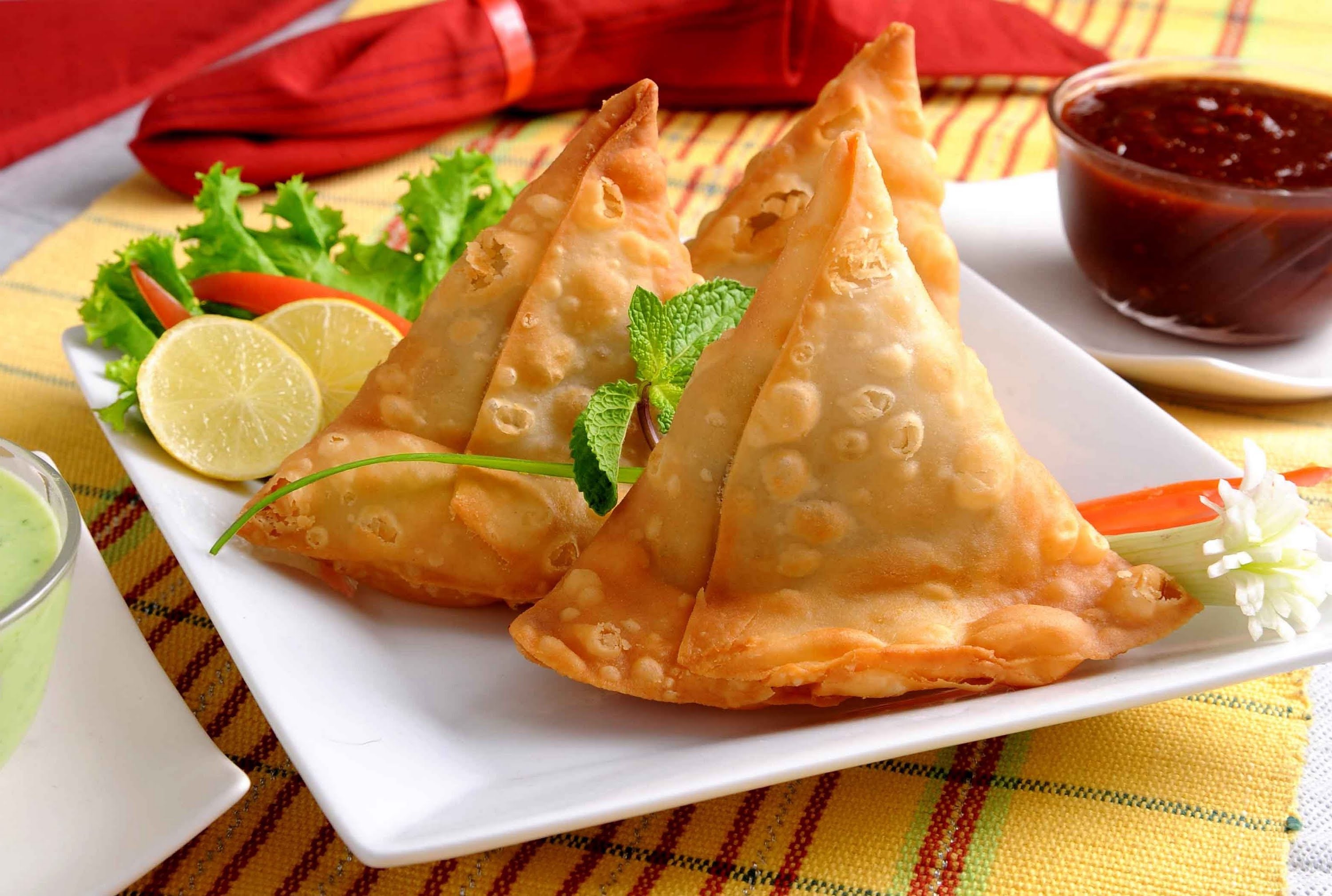
Regional and Global Variations of Samosas
The samosa’s journey beyond the Indian subcontinent reflects its adaptability as a culinary artifact shaped by migration, colonialism, and cultural exchange. Regional variations reveal how local ingredients, techniques, and traditions redefined its form, filling, and cultural significance. From the spiced pastries of the Middle East to the fusion desserts of East Asia, each iteration tells a story of culinary syncretism. Below, the evolution of samosas across continents is examined through structured comparisons, historical influences, and sensory identification methods.
Geographical Variations in Filling, Crust, and Serving Contexts
The following table categorizes key regional adaptations of samosas, highlighting how each area modifies the classic recipe to suit local tastes and culinary practices. Variations often stem from ingredient availability, religious dietary restrictions, or fusion with indigenous cuisines.
| Country/Region |
Signature Filling |
Crust Style |
Serving Context |
|---|
| India (Gujarat) |
Paneer (cottage cheese) with green chilies, coriander, and amchur (dried mango powder) |
Thin, crispy, layered dough with a slightly flaky exterior |
Street food staple; paired with chutneys (mint-coriander or tamarind) or served with tea |
| Nepal |
Spiced chicken (marinated in garlic, ginger, and turmeric) or potato and pea |
Thicker, softer dough with a golden-brown finish |
Breakfast item or festival offering (e.g., Tihar); often sold by mobile vendors |
| Pakistan (Punjab) |
Minced lamb or beef with fried onions, ginger, and garam masala |
Double-layered, puffed pastry (similar to paratha dough) |
Accompaniment to chai or raita; popular in wedding feasts |
| Sri Lanka |
Sweet potato and peas with coconut milk and curry leaves |
Crispy, deep-fried with a slightly oily texture |
Breakfast or snack; often served with lunu miris (Sinhala onion sambol) |
| Bangladesh |
Egg and potato with mustard oil and panch phoron (five-spice blend) |
Thin, delicate layers with a paper-like crispness |
Street food or eid delicacy; consumed with date chutney |
| Trinidad and Tobago (Caribbean) |
Chicken or curry goat with Scotch bonnet peppers and thyme |
Thick, flaky crust (influenced by roti dough) |
Part of samosa pie (baked version) or served with pepper sauce and lime |
| Singapore/Malaysia |
Spicy chicken or prawn with lemongrass and kaffir lime leaves |
Crispy, deep-fried with a glossy finish |
Street food or hawker stall item; paired with sambal or chili sauce |
| Japan |
Sweet fillings: red bean paste (anko), custard, or matcha-flavored cream |
Thin, delicate layers with a subtle sweetness in the dough |
Dessert or wagashi (traditional sweet); served during Hinamatsuri (Doll’s Festival) |
| United Kingdom (British Indian) |
Spiced chicken tikka or vegetarian palak paneer |
Thick, puffed pastry (similar to batter samosas) |
Pub snack or takeaway; often served with mango chutney or raita |
| Canada (Toronto) |
Beef or potato with maple syrup glaze (fusion twist) |
Crispy, deep-fried with a caramelized edge |
Part of samosa Monday culture in South Asian restaurants |
Key Observations:
Colonial trade routes and labor migration dispersed samosas globally, with each region incorporating local flavors. For instance, the Caribbean’s samosa pie—a baked version—emerged from British colonial influences, while Singapore’s samosa chutney reflects Malay-Indonesian spice blends. Japan’s sweet samosas illustrate how the dish transcends savory traditions, adapting to wagashi aesthetics.
Colonialism and Trade Routes: The Global Spread of Samosas
The samosa’s dissemination beyond South Asia was accelerated by three primary vectors: colonial armies, indented labor systems, and merchant trade networks. Each pathway introduced the dish to new culinary landscapes while subjecting it to local reinterpretation.Colonial Military Influence
British and Portuguese soldiers stationed in the Indian subcontinent during the 18th–19th centuries adopted samosas as portable, energy-rich rations. By the mid-20th century, British Indian regiments had stationed samosas in garrison canteens across Africa, the Caribbean, and Southeast Asia. In Trinidad and Tobago, for example, indentured Indian laborers (brought to work on sugar plantations) adapted the samosa by incorporating Scotch bonnet peppers and thyme, creating the samosa pie—a baked variant served in doubles stalls. Similarly, in Fiji, Indian migrant workers fused samosas with local lovo (earth oven) cooking, resulting in a steamed version wrapped in banana leaves. Southeast Asian Adaptations
The Straits Settlements (modern-day Singapore and Malaysia) saw samosas evolve through Peranakan (Straits Chinese) and Jawi Peranakan (Malay-Chinese) culinary traditions. Vendors in Chinatown experimented with fillings like prawns and lemongrass, while Malay communities incorporated turmeric and galangal. The samosa chutney—a spicy dipping sauce made with tamarind, shallots, and shrimp paste (belacan)—became a signature of hawker stalls, reflecting the region’s rempah* (spice paste) culture. Diaspora and Fusion in the West
In the United Kingdom, samosas became a staple of British Indian restaurants post-WWII, with adaptations like batter-fried crusts (resembling fish and chips aesthetics) and fillings such as chicken tikka masala. Meanwhile, in Canada, South Asian immigrants in Toronto popularized samosa Monday—a weekly tradition where restaurants offer discounted samosas, fostering community bonding. These examples demonstrate how samosas function as cultural anchors in diaspora, preserving heritage while integrating into local foodscapes.
Flowchart: Adaptation of Samosas in Non-Traditional Cuisines
The following conceptual flowchart illustrates how samosas transitioned from a savory street food to diverse culinary forms, including desserts, baked goods, and fusion dishes. Each branch represents a cultural or functional adaptation, driven by ingredient availability, dietary trends, or artistic experimentation.START
│
├─ Savory → Sweet Transformation (East Asia)
│ ├─ Japan: Red bean (anko) or matcha fillings; delicate dough infused with kinako (roasted soybean flour)
│ ├─ South Korea: Honey-glazed samosas with sweet potato and chestnut
│ └─ Taiwan: Bubble tea samosas (filled with tapioca pearls and brown sugar syrup)
│
├─ Street Food → Fine
Culinary Techniques and Preparation of Samosas
The art of crafting the perfect samosa lies in the delicate balance between texture, flavor, and structural integrity. Achieving a crisp yet flaky crust while maintaining a dry, aromatic filling requires precise techniques rooted in both traditional wisdom and scientific principles. This section explores the role of key ingredients like ghee and baking soda, the methodology behind two iconic fillings, and the comparative analysis of traditional versus modern preparation methods. Additionally, it examines the technical nuances of shaping, frying, and oil selection to ensure an optimal culinary outcome.
The Science Behind the Perfect Samosa Crust
The texture of a samosa crust—crisp on the outside, tender within—depends on the interaction of ingredients and their preparation. Ghee plays a dual role: it acts as a fat to create flakiness by forming layers during the rolling process, while its high smoke point ensures a golden-brown finish without burning. Baking soda, used in the dough, introduces carbon dioxide gas when activated by moisture or acidity (such as lemon juice or yogurt), resulting in a lighter, airier texture. Proper kneading aligns gluten strands in the dough, preventing excessive elasticity and ensuring the crust remains pliable yet sturdy enough to hold the filling without tearing. The ideal dough composition typically includes:
- Whole wheat flour (or all-purpose flour for a softer texture) as the base, contributing structure and a slightly nutty flavor.
- Ghee or oil (10–15% of flour weight) to enhance crispness and moisture retention.
- Baking soda (0.5–1 teaspoon per 250g flour) for leavening, activated by an acidifying agent like lemon juice or yogurt.
- Salt (0.5–1 teaspoon) to balance flavors and strengthen gluten.
- Water (adjusted to achieve a firm yet pliable dough, similar to playdough consistency).
Key Formula for Crust Integrity:
Ghee + Baking Soda Activation = Layered Flakiness
Gluten Alignment (Kneading) + Low Moisture = Structural Stability
Detailed Recipe Breakdown for Two Iconic Fillings
The filling of a samosa must achieve a harmonious blend of moisture, spice, and binding agents to prevent sogginess while delivering intense flavor. Below are two classic variations, with precise spice ratios and cooking methods to ensure optimal texture.### 1. Classic Potato (Aloo) Filling
Ingredients (for 20–25 samosas):
- 500g boiled potatoes (peeled, cubed, and lightly mashed)
- 1 large onion (finely chopped, ~150g)
- 2 green chilies (slit lengthwise)
- 1-inch ginger (grated)
- 4 garlic cloves (minced)
- 1 cup peas (fresh or frozen, thawed)
- 2 tbsp ghee or oil
- 1 tsp cumin seeds
- 1 bay leaf
- 1-inch cinnamon stick
- 4 green cardamom pods
- 1 tsp turmeric powder
- 1.5 tsp red chili powder (adjust to taste)
- 1 tsp coriander powder
- 1 tsp garam masala
- 1 tsp salt (adjust based on potato water absorption)
- 2 tbsp chopped cilantro (for garnish)
Cooking Method:
1. Tempering: Heat ghee in a pan over medium heat. Add cumin seeds, bay leaf, cinnamon, and cardamom. Sauté for 30 seconds until fragrant.
2. Aromatics: Add onions, ginger, garlic, and green chilies. Cook until onions turn translucent (~5 minutes).
3. Spices: Stir in turmeric, red chili powder, and coriander powder. Toast for 1 minute to bloom flavors.
4. Potatoes and Peas: Add mashed potatoes, peas, and salt. Gently mix to combine, ensuring potatoes absorb spices without breaking.
5. Finishing: Cook on low heat for 5–7 minutes, stirring occasionally, until excess moisture evaporates. The filling should be dry enough to hold shape when pressed but not crumbly.
6. Garnish: Remove from heat, stir in garam masala and cilantro. Cool before stuffing.
Critical Note on Moisture Control:
- Potatoes release starch when boiled; drain well and pat dry with a towel.
- Avoid overmashing to prevent a gluey texture. Aim for a coarse, chunky consistency.
- If filling appears too wet, spread it on a plate and refrigerate for 30 minutes to firm up.
2. Spiced Lentil (Dal) Filling
Ingredients (for 20–25 samosas):
- 1 cup yellow lentils (masoor dal, rinsed)
- 1 tbsp ghee or oil
- 1 tsp cumin seeds
- 1 bay leaf
- 1-inch ginger (grated)
- 2 garlic cloves (minced)
- 1 green chili (slit)
- 1 small onion (finely chopped, ~100g)
- 1 tsp turmeric powder
- 1.5 tsp red chili powder
- 1 tsp coriander powder
- 1 tsp amchur (dry mango powder, optional for tang)
- 1 tsp garam masala
- 1 tsp salt (adjust to taste)
- 2 tbsp chopped cilantro
- 1 tbsp lemon juice
Cooking Method:
1. Cooking Lentils: Pressure cook lentils with 1.5 cups water, ½ tsp turmeric, and ½ tsp salt until soft (~10–12 minutes). Drain excess water and mash coarsely.
2. Tempering: Heat ghee in a pan. Add cumin seeds, bay leaf, ginger, garlic, and green chili. Sauté for 1 minute.
3. Aromatics: Add onions and cook until golden brown (~4 minutes).
4. Spices: Stir in red chili powder, coriander powder, and amchur (if using). Toast for 30 seconds.
5. Lentil Integration: Combine with mashed lentils. Cook on low heat for 8–10 minutes, stirring frequently, until the mixture thickens and releases moisture.
6. Finishing: Remove from heat, mix in garam masala, cilantro, and lemon juice. Cool to room temperature before stuffing.
Lentil Filling Science:
- Lentils absorb flavors better when cooked separately and then combined with spices.
- Amchur (dry mango powder) enhances tanginess and balances richness, a common technique in North Indian cuisine.
- Overcooking lentils turns the filling mushy; aim for a firm, grainy texture.
Traditional vs. Modern Preparation Methods: A Comparative Analysis
The evolution of samosa preparation reflects adaptations to time constraints, ingredient availability, and regional preferences. Below is a side-by-side comparison of traditional and modern techniques, highlighting equipment, time efficiency, and trade-offs in texture and authenticity.
| Parameter |
Traditional Method |
Modern Shortcut |
Equipment Needed |
Time-Saving Hack |
|---|
| Dough Preparation |
Hand-kneaded with ghee, no baking soda (or minimal, using yogurt as activator). |
Mixers or food processors for uniform kneading; baking soda used for lift. |
- Wooden board or stone slab
- Rolling pin (traditional: heavy wooden or marble)
- Mixers (modern: stand or hand-held)
- Pastry brush (for ghee application)
|
- Pre-ferment dough overnight for softer texture (traditional).
- Use pre-cut dough sheets (store-bought or frozen) to skip kneading (modern).
|
| Filling Preparation |
Spices ground in a mortar and pestle; fillings cooked in heavy cast-iron kadhai. |
Spices pre-ground; fillings cooked in non-stick pans or pressure cookers. |
- Mortar and pestle (for whole spices)
- Kadhai or

Cultural and Social Impact of Samosas in South Asia and Beyond
The samosa transcends its role as a mere culinary delight to become a cultural emblem, bridging religious, social, and economic divides across South Asia. Its versatility—whether as a street food staple, a temple offering, or a symbol in media—reflects its deep integration into daily life, festivals, and even political discourse. From Bollywood narratives to grassroots movements, the samosa embodies nostalgia, modernity, and communal harmony, while its economic footprint supports millions of vendors and local economies. Below, its multifaceted impact is explored through historical presence, media portrayals, economic models, and socio-political significance.
Samosas as a Unifying Snack Across Religious and Social Divides
Samosas occupy a unique position in South Asian society as a universally accepted food item, transcending caste, creed, and regional boundaries. Their preparation often involves communal labor, with families, friends, and neighbors collaborating during festivals or religious ceremonies. In Hindu temples, samosas are frequently offered as prasad (blessed food) alongside sweets, symbolizing purity and hospitality. For instance, in Varanasi, samosas are a common sight at Durga Puja celebrations, where they are distributed among devotees regardless of background. Similarly, in Pakistan and Bangladesh, samosas appear in Eid-ul-Fitr feasts, prepared by Muslim families but consumed by communities of all faiths during interfaith gatherings. Their neutrality in dietary laws (being vegetarian and often meat-free in some interpretations) further cements their role as a neutral, inclusive snack.The samosa’s adaptability extends to Dalit and marginalized communities, where street vendors from these groups often operate mobile carts, challenging socio-economic barriers. In Kerala, for example, Muslim and Christian communities share samosa-making traditions during Onam, with variations like the Kerala-style samosa (spiced with coconut and mustard seeds) becoming a point of cultural pride. The 2013 Mumbai floods relief efforts saw samosas distributed by NGOs as part of emergency food kits, underscoring their role in humanitarian aid. This inclusivity is reinforced by linguistic diversity: in Punjabi, the word samoosa evokes warmth; in Bengali, somosa carries a sense of festivity; and in Urdu, samosa is synonymous with conviviality.
Samosas feature prominently in South Asian literature and media as symbols of nostalgia, modernity, and cultural identity. In Bollywood cinema, they often represent homely comfort or urban longing. The 1998 film Dil Se.. (Dir. Mani Ratnam) uses samosas as a metaphor for displacement, with the protagonist’s childhood memories tied to the aroma of street-side samosas in Chennai. Similarly, in 3 Idiots (2009), the samosas sold by the street vendor contrast the film’s critique of rigid education systems with the warmth of informal learning. Advertisements, such as the 2010 "Samosa Party" campaign by Haldiram’s, transformed the snack into a luxury item, appealing to middle-class aspirations.In Urdu and Hindi literature, samosas appear as motifs of shared heritage. The Pakistani poet Faiz Ahmed Faiz references samosas in his poetry as a symbol of pre-partition unity, while Indian author Khushwant Singh describes them in Train to Pakistan (1956) as a neutral ground during communal tensions. Even in Western media, samosas have gained recognition: the BBC’s "The Great British Bake Off" featured a samosa-themed challenge in 2018, highlighting its global appeal. Meanwhile, YouTube channels like Binging with Babish have popularized homemade samosa recipes, positioning them as a gateway to South Asian cuisine.
Samosas are central to numerous festivals and economic events, often serving as catalysts for local tourism and vendor livelihoods. Below is a chronological overview of key samosa-centric celebrations and their economic impact:
-
Pre-1947: Colonial-Era Street Food Culture
British colonial rule formalized street food markets, where samosas became a staple in bazaars like Delhi’s Chandni Chowk and Karachi’s Zainab Market. Vendors like Haji Ali’s samosa wallas (19th century) laid the foundation for modern mobile cart businesses.
-
1950s–1970s: Post-Independence Samosa Fairs
Cities like Mumbai and Kolkata hosted annual street food fairs, where samosas competed alongside pani puri and bhel puri. The 1960s Mumbai Samosa Week (organized by local chambers of commerce) drew crowds of 50,000+ visitors, boosting vendor revenues by 30–40%.
-
1990s: Globalization and Café Culture
The rise of Indian cafés in the West (e.g., London’s Brick Lane) introduced samosas to international palates. Meanwhile, India’s "Samosa Utsav" (1995, Delhi) became an annual event, featuring competitive samosa-making contests and attracting regional chefs.
-
2000s–Present: Corporate and Charity Initiatives
2005: Mumbai’s "Samosa for Education" – A charity drive where 10,000 samosas were sold to fund slum school libraries.
2012: "Samosa Week" (Mumbai) – Organized by the Mumbai Municipal Corporation, it included health workshops alongside samosa stalls, generating ₹5 million in local sales.
2018: "Samosa Festival" (Bangalore) – A tech-savvy event with QR-code orders, blending tradition with digital payments.
2020: COVID-19 Samosa Drives – Vendors in Pune and Hyderabad distributed free samosas to frontline workers, supported by Zomato and Swiggy delivery partnerships.
These events underscore samosas’ role in economic resilience, particularly for small businesses. For example, a 2019 study by the Indian Street Vendors’ Association found that 60% of Mumbai’s street food economy relies on samosas, with mobile carts contributing ₹12,000–₹20,000/month per vendor.
Business Models of Samosa Vendors: From Street Carts to Luxury Cafés
The samosa’s economic ecosystem ranges from informal street vendors to high-end fusion restaurants, each employing distinct revenue strategies. Below are the primary business models and their operational dynamics:
-
Mobile Cart Vendors (Informal Sector)
Revenue Model: Low overhead, high volume.
Operations: Vendors like Delhi’s "Samosa Wala" operate on ₹50–₹100 per day, selling 200–300 samosas at ₹10–₹20 each. Profit margins hover around 60–70% due to minimal rent and ingredient costs.
Challenges: Licensing hurdles, monsoon disruptions, and competition from dhabas (roadside eateries).
Innovation: Some use bicycle-powered carts (e.g., Cycle Samosa in Bengaluru) to reduce labor costs.
-
Roadside Dhabas and Stalls (Semi-Formal Sector)
Revenue Model: Bulk orders and loyalty programs.
Operations: Establishments like Pune’s "Sagar Ratna" serve 500+ samosas daily, with ₹500–₹1,000/month rent. They offer combo meals (samosas + chai) to increase average order value.
Upselling Tactics: "Double-spiced" or "cheese-stuffed" variants sold at 20–30% premium.
Tech Adoption: WhatsApp orders and UPI payments (post-2016 demonetization) boosted sales by 40%.
-
High-End Café and Fusion Restaurants (Formal Sector)
Revenue Model: Premium pricing and branding.
The samosa’s legacy transcends its status as a snack—it is a testament to how food shapes identity, fosters connection, and adapts to change. From its origins in Central Asia to its modern iterations in fusion cuisines, the samosa embodies resilience, creativity, and cultural pride. Whether enjoyed as a festival treat in India, a late-night street food in Singapore, or a symbol of nostalgia in diaspora communities, its universal appeal lies in its ability to unite people across borders. As vendors, chefs, and home cooks continue to innovate, the samosa remains a living culinary artifact, proving that even the simplest folded pastry can carry the weight of history and the promise of the future.
FAQ
What is samosa chaat and how is it different from regular samosas?
Samosa chaat is a popular Indian street food made by crushing samosas (deep-fried pastry shells filled with spiced potatoes and peas) and mixing them with yogurt, tamarind chutney, sev (crispy chickpea noodles), chopped onions, cilantro, and chili powder. Unlike plain samosas, it’s served as a tangy, creamy, and crunchy salad, often topped with boiled potatoes or boiled eggs for extra texture.
What ingredients are used in a traditional samosa pastry?
A classic samosa pastry is made from a dough of whole wheat flour, water, salt, and sometimes a pinch of baking soda or oil for flakiness. The dough is rolled thin, cut into circles or triangles, and filled with spiced potatoes, peas, lentils, or minced meat before deep-frying until golden and crisp.
What exactly is a samosa pastry?
A samosa pastry is a triangular or cone-shaped fried dough shell, typically made from wheat flour, that encases a savory filling. It’s crispy on the outside and soft inside, created by folding the dough around the filling and deep-frying it until puffed and golden.
What are the main ingredients in a samosa?
A traditional samosa consists of two parts: the pastry (wheat flour dough) and the filling, which usually includes boiled and spiced potatoes, peas, chickpeas, and aromatic spices like cumin, coriander, turmeric, and garam masala. Some versions also contain minced meat or paneer.
Is samosa chaat considered a type of Indian food, and what makes it unique?
Yes, samosa chaat is a beloved Indian street food, especially in North India. Its uniqueness comes from the combination of crushed samosas with yogurt, tangy chutneys, and crunchy toppings, creating a balance of flavors—spicy, sweet, sour, and creamy—that’s distinct from the original samosa.
What is samosas as a type of food?
Samosas are a popular South Asian savory snack or appetizer made of a deep-fried pastry dough filled with spiced ingredients like potatoes, peas, or meat. They originated in the Indian subcontinent and are now enjoyed worldwide as a crispy, flavorful dish, often served with chutneys or yogurt.
|
|

Leave a Comment
Comments are moderated before appearing. The data you submit is processed according to the Privacy Policy of Voltefac.