| Green Peppercorn |
- Berries harvested green-unripe and processed via:
- Freeze-drying: Retains vibrant green color and maximum volatile oils.
- Vacuum-drying: Preserves freshness with minimal oxidation.
- Brining: Submerged in brine to halt ripening (common in European markets).
|
- Bright, citrusy, and herbal with a fresh, slightly sweet character.
- Lower piperine content than black pepper but higher in essential oils (e.g., limonene).
- Described as crisp and vegetal, akin to freshly ground black pepper but milder.
|
Low to moderate (2–4 on the Scoville scale). |
- Ideal for fine dining and contemporary cuisine (e.g., green peppercorn pesto, ceviche).
- Used in cocktails (e.g., gin-based drinks, martinis)
Historical and Global Trade Significance of Peppercorn
The cultivation and trade of peppercorn (Piper nigrum) trace a trajectory that mirrors the rise and fall of empires, the expansion of maritime exploration, and the transformation of global economics. Originating in the humid tropical regions of southwestern India and the Malabar Coast, peppercorn became one of the most coveted commodities in antiquity, driving trade networks that connected Asia, Africa, and Europe. Its journey from a regional spice to a cornerstone of global commerce reflects its unparalleled value—both as a flavoring agent and as a medium of exchange—shaping diplomatic relations, military strategies, and economic systems for over two millennia. The scarcity of peppercorn, coupled with its indispensable role in preserving food and enhancing culinary complexity, ensured its dominance in trade routes, where its acquisition often determined the prosperity—or downfall—of civilizations.Peppercorn’s historical significance extends beyond its culinary applications, embedding itself in legal, medicinal, and symbolic practices across cultures. In medieval Europe, it functioned as a currency substitute, while in ancient China, it was integrated into traditional medicine. The spice’s strategic importance also manifested in conflicts, with colonial powers waging wars to monopolize its trade. This subtopic explores the origins of peppercorn cultivation, its evolution along key trade routes, and its multifaceted influence on diplomacy, warfare, and early global economics, culminating in a timeline of pivotal trade events that redefined world history.
Origins and Early Cultivation in Ancient India
The domestication of Piper nigrum is believed to have occurred in the Western Ghats of India, where favorable climatic conditions—high humidity, annual rainfall exceeding 200 cm, and temperatures ranging from 20°C to 30°C—created an ideal environment for its growth. Archaeological evidence suggests that pepper was cultivated as early as 3000 BCE, with references in Sanskrit texts such as the Charaka Samhita (circa 300–200 BCE), which documented its medicinal properties. The spice’s name derives from the Sanskrit pippali, while the Latin piper (source of "pepper") was adopted by the Romans, underscoring its early dissemination.Peppercorn’s initial trade was localized, primarily exchanged within the Indian subcontinent and neighboring regions like Sri Lanka and Indonesia. However, its value began to transcend borders as Indian merchants recognized its potential to command premium prices in distant markets. The spice’s rarity in other regions—due to its specific growing requirements—amplified its desirability, laying the foundation for its future role in long-distance trade. By the 1st century BCE, pepper had become a staple in Roman households, where it was used not only for culinary purposes but also as a preservative and a symbol of wealth.
Key Trade Routes: The Silk Road and the Spice Trade Networks
Peppercorn’s global dissemination was facilitated by two major trade systems: the Silk Road and the maritime Spice Routes. While the Silk Road primarily connected China to the Mediterranean via land, pepper’s journey to Europe often involved a combination of overland and sea-based logistics. Merchants from the Chola Dynasty (300 BCE–1279 CE) in southern India played a pivotal role in exporting pepper to the Roman Empire, where it was transported via the Red Sea and Persian Gulf routes. The Romans, in turn, traded pepper to northern Europe, where it became a luxury item reserved for the elite.The maritime Spice Trade, however, became the dominant conduit for pepper’s expansion after the fall of the Roman Empire (5th century CE). Arab and Indian traders dominated this network, sailing from the Malabar Coast to Aden, Mecca, and Alexandria, before reaching Byzantine and European markets. The Swahili Coast (modern-day Kenya and Tanzania) emerged as a critical hub, where pepper was traded in exchange for gold, ivory, and slaves. By the 10th century, the Sultanate of Kilwa in East Africa had become a major redistributor of pepper, demonstrating the spice’s ability to integrate into complex trade ecosystems. The Silk Road’s decline due to Mongol invasions in the 13th century did not diminish pepper’s importance; instead, it accelerated the shift toward maritime trade. The Portuguese and Dutch colonial expansions in the 15th and 16th centuries further centralized pepper’s trade, as European powers sought to bypass Arab and Italian middlemen to secure direct access to its source regions.
Economic and Diplomatic Influence: Peppercorn as Currency and Strategic Asset
Peppercorn’s scarcity and high demand transformed it into a de facto currency in several historical contexts. In medieval Europe, it was used to pay taxes and rents, a practice reflected in phrases like "peppercorn rent"—a nominal fee symbolizing feudal obligations. For example, in 1066, the Domesday Book recorded peppercorn as a standard unit of value in England, illustrating its role in land transactions. Similarly, in Byzantine Greece, pepper was exchanged for gold and silver, with 1 pound of pepper equaling 1 pound of silver in some markets.In China, pepper was incorporated into traditional medicine under the TCM (Traditional Chinese Medicine) framework, where it was prescribed for digestive ailments and as a warming agent. The Song Dynasty (960–1279 CE) documented pepper’s use in remedies, and its trade with the Arab world was regulated through tribute systems, where foreign merchants had to pay duties in kind, often including pepper. The spice’s strategic value also manifested in diplomatic gifts. The Roman Emperor Nero allegedly burned an entire year’s supply of pepper to demonstrate his wealth during a banquet. Meanwhile, Viking traders in the 9th and 10th centuries exchanged pepper for slaves and furs in their raids along the Russian river routes, highlighting its role in barter economies. In 16th-century Europe, pepper became a tool of colonial diplomacy, with the Portuguese using its trade to establish dominance in the Indian Ocean, while the Dutch East India Company (VOC) later monopolized its cultivation in Indonesia.
Major Peppercorn Trade Events: A Historical Timeline
The evolution of peppercorn trade can be segmented into distinct phases, each marked by shifts in power, technology, and economic structures. Below is a chronological overview of pivotal events that shaped its global trajectory:
Peppercorn’s trade history is a testament to human ingenuity in overcoming geographical and political barriers, with each era introducing new challenges—from piracy and monopolies to the eventual industrialization of spice production.
-
1st Century BCE – Roman Demand and Indian Monopoly
The Roman Empire’s insatiable appetite for pepper led to its status as the "king of spices." Annual imports reached 3,000 tons, with India supplying 90% of global demand. Roman traders paid for pepper in gold, silver, and glassware, while Indian merchants used it to finance local economies. The Chola Dynasty’s naval expeditions ensured a steady supply, but Roman reliance on pepper also made them vulnerable to supply disruptions.
-
7th–13th Centuries – Arab and Swahili Dominance
With the rise of Islam, Arab traders from Oman and Yemen took control of the Red Sea and Persian Gulf routes, imposing 25–50% tariffs on pepper transiting through their ports. The Swahili Coast cities (e.g., Kilwa, Mombasa) became critical nodes, where pepper was traded for gold from Zimbabwe and slaves from the African interior. The Mamluk Sultanate (Egypt) further restricted European access by taxing pepper heavily, forcing Venetian merchants to pay up to 10 times its production cost.
-
15th–17th Centuries – Portuguese and Dutch Monopolies
The Portuguese broke Arab dominance in 1498 when Vasco da Gama reached India, establishing Goa as a pepper trading hub. By 1510, they controlled 90% of the spice trade, using fortresses and naval blockades to suppress competitors. The Dutch East India Company (VOC), founded in 1602, later outmaneuvered the Portuguese by burning pepper crops in Indonesia to drive up prices, then monopolizing production in the Moluccas (Spice Islands). Their 1619 conquest of Malacca further consolidated control, leading to a 300% price increase in Europe.
-
18th–19th Centuries – British Colonial Plantations and Globalization
The British East India Company expanded pepper cultivation in India and Sri Lanka, introducing large-scale plantations to meet European demand. By 1800, Sri Lanka (Ceylon
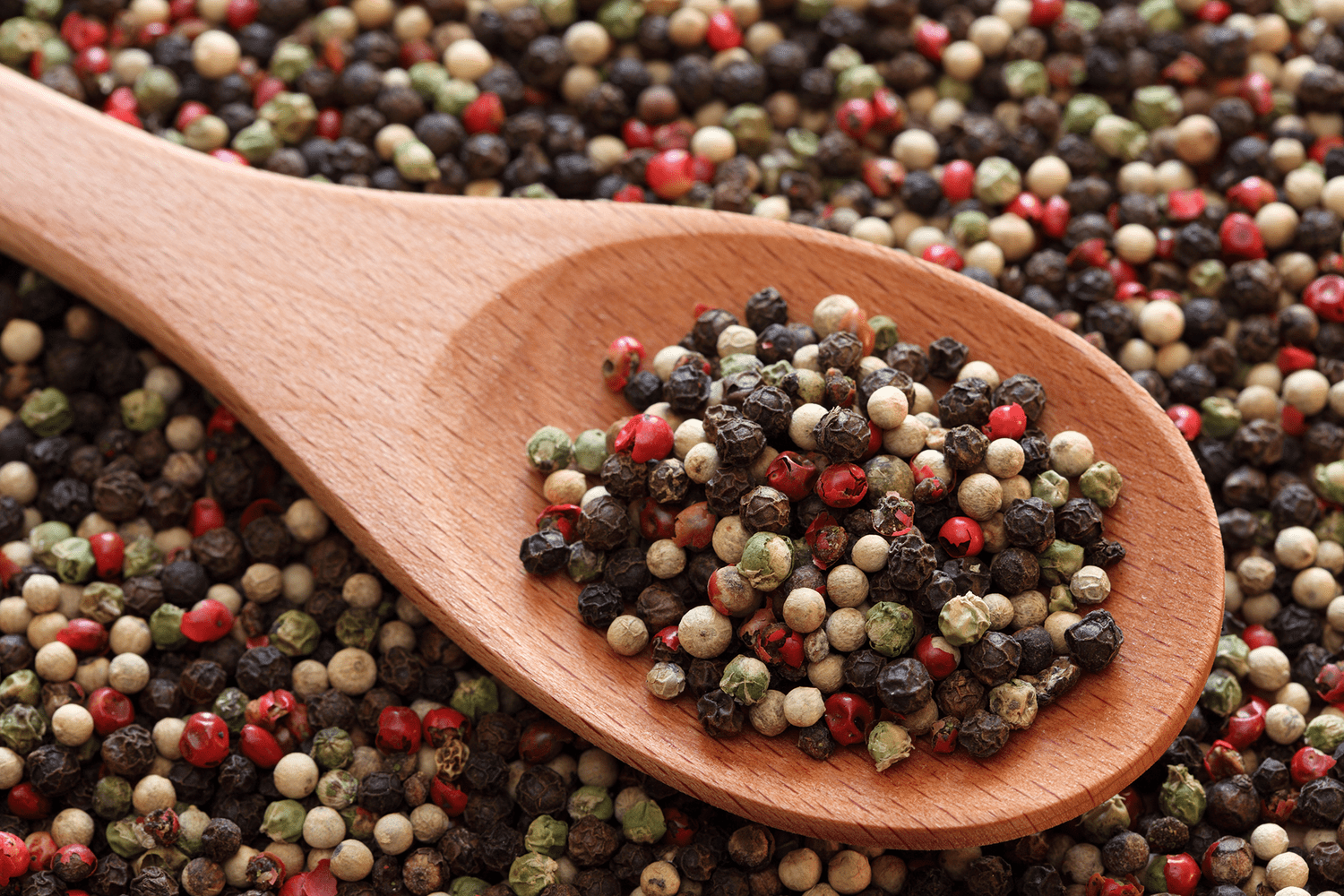
Culinary Applications and Pairings of Peppercorn
Peppercorn transcends its role as a mere spice to become a cornerstone of global culinary traditions, where its unique balance of heat, earthiness, and aromatic complexity elevates dishes from ordinary to extraordinary. Its versatility spans continents, from the buttery richness of French sauces to the fiery depth of Southeast Asian marinades, while its adaptability—whether whole, cracked, or ground—shapes texture, heat diffusion, and flavor release. This section explores peppercorn’s regional applications, iconic recipes, and unexpected pairings, emphasizing its transformative potential in both classic and contemporary gastronomy.
Regional Culinary Uses of Peppercorn
Peppercorn’s influence varies dramatically across cuisines, often reflecting historical trade routes and local flavor preferences. In European cuisine, its role is predominantly savory and aromatic, while in Asian and African traditions, it frequently contributes bold heat and umami. Below are categorized examples of its application, highlighting techniques and signature dishes.European Cuisines: Depth and Aromatics
Peppercorn is a defining element in French haute cuisine, where it is used to enhance sauces, marinades, and meat preparations. The spice’s slow-releasing oils and subtle heat allow it to integrate seamlessly without overpowering delicate flavors. - French Sauces and Stews
Peppercorn is a staple in sauce au poivre (peppercorn sauce), traditionally paired with duck or beef. The sauce is made by infusing cream or velouté with cracked black peppercorns, shallots, and brandy, creating a velvety, piquant accompaniment. Similarly, in boeuf bourguignon, peppercorns are toasted and added to the braising liquid to complement the wine and mushrooms. - German and Scandinavian Dishes
In Germany, Pfefferkuchen (peppercorn cookies) incorporate ground peppercorn for warmth, while Scandinavian cuisine uses it in pepparkakor (gingerbread) and smoked fish marinades to balance saltiness. The peppercorn schnapps (Pfefferlikör), a digestif, demonstrates its role in liqueurs. - British and Irish Classics
Peppercorn features in peppercorn sauce for roast beef, where it is simmered with stock, cream, and mustard. In Ireland, it is used in peppercorn sausages, where the spice’s heat cuts through the richness of pork fat. Asian and Middle Eastern Cuisines: Heat and Umami
Peppercorn’s heat and earthiness align with the bold flavors of these regions, often used in marinades, curries, and spice blends. - Indian and Pakistani Cuisines
While black pepper is more common, green and white peppercorns appear in biryanis and kebabs for a milder, aromatic punch. In peppercorn chutney (e.g., kala masala), whole peppercorns are toasted and ground to enhance the spice blend’s depth. - Thai and Vietnamese Dishes
In Thailand, satay marinades incorporate cracked peppercorns to complement lemongrass and galangal. Vietnamese phở broths sometimes include a touch of white peppercorn for subtle heat, while bún chả (grilled pork) benefits from a peppercorn-infused fish sauce. - Middle Eastern and North African Spice Blends
Peppercorn is a component in baharat (a Middle Eastern spice mix) and ras el-hanout, where it adds warmth to lamb tagines and couscous. In Morocco, peppercorn tea (shai bi-lfil) is brewed with green tea and the spice for a spicy, aromatic twist. American and Latin Cuisines: Fusion and Innovation
Peppercorn’s adaptability extends to modern American and Latin American dishes, where it is used in both traditional and fusion contexts. - American Comfort Food
Peppercorn appears in peppercorn-crusted meats (e.g., pork chops or chicken), where it is mixed with breadcrumbs for a crunchy, spicy coating. It also enhances peppercorn bisque, a creamy soup often paired with smoked salmon. - Latin American Marinades
In Brazil, moqueca (a seafood stew) sometimes includes green peppercorns for a citrusy heat. Argentine asado (barbecue) marinades incorporate cracked peppercorn to complement the smoky flavors of grilled meats.
Iconic Peppercorn-Based Recipes
Peppercorn’s versatility shines in these globally recognized dishes, each demonstrating its ability to transform ingredients through heat, aroma, and texture. The following recipes highlight its role in both savory and libation-based preparations, with precise techniques for optimal flavor extraction.
1. Peppercorn-Crusted Filet Mignon
A French-inspired dish where peppercorn’s heat and aroma penetrate the meat, creating a crust that balances richness.Ingredients (serves 4):
- 4 filet mignon steaks (6–8 oz each)
- ½ cup black peppercorns, lightly toasted and coarsely ground
- ½ cup panko breadcrumbs
- ¼ cup grated Parmesan cheese
- 2 tbsp Dijon mustard
- 2 tbsp olive oil
- 1 tbsp fresh thyme leaves
- Salt to taste
Preparation:
1. Marinate the steaks: Combine Dijon mustard, olive oil, thyme, and a pinch of salt. Coat the steaks and refrigerate for 2–4 hours.
2. Prepare the crust: Mix ground peppercorns, panko, and Parmesan in a shallow dish.
3. Coat and sear: Pat steaks dry, press into the peppercorn mixture, and sear in a hot skillet (oil or butter) for 3–4 minutes per side for medium-rare. Rest 5 minutes before serving. Key Technique: Toasting peppercorns before grinding intensifies their aroma, while the crust locks in juices during searing.
2. Peppercorn Bisque
A creamy, aromatic soup where peppercorn’s heat diffuses gently, complementing the sweetness of shellfish or vegetables.Ingredients (serves 6):
- 3 tbsp butter
- 1 large onion, finely diced
- 2 celery stalks, diced
- 2 carrots, diced
- 1 cup dry white wine
- 4 cups fish or vegetable stock
- 1 lb shrimp or scallops, peeled and deveined
- ½ cup heavy cream
- 2 tbsp whole black peppercorns, lightly crushed
- 1 bay leaf
- 1 tsp smoked paprika
- Salt to taste
Preparation:
1. Sauté aromatics: Melt butter in a pot, cook onion, celery, and carrots until soft (5–7 minutes).
2. Deglaze and simmer: Add wine, stock, crushed peppercorns, bay leaf, and paprika. Simmer 20 minutes.
3. Blend and finish: Remove bay leaf, blend until smooth, then stir in cream and seafood. Simmer 5 minutes until seafood is cooked. Adjust salt to taste. Key Technique: Crushed (not ground) peppercorns release heat gradually, avoiding bitterness while infusing the broth.
3. Peppercorn Martini
A sophisticated cocktail where peppercorn’s warmth contrasts with citrus and herbal notes, balancing sweet and savory profiles.Ingredients (serves 1):
- 2 oz vodka or gin
- 1 oz dry vermouth
- ½ oz fresh lemon juice
- ½ oz simple syrup
- 6–8 whole black peppercorns, lightly toasted
- 2 dashes orange bitters
- Ice
- Lemon twist and peppercorn garnish
Preparation:
1. Toast peppercorns: Lightly toast in a dry pan until fragrant (30 seconds), then crush lightly.
2. Shake: Combine vodka, vermouth, lemon juice, simple syrup, crushed peppercorns, and bitters with ice. Shake vigorously for 10–15 seconds.
3. Strain and serve: Strain into a chilled martini glass. Garnish with a lemon twist and a single peppercorn on a skewer. Key Technique: Toasting enhances peppercorn’s aroma, while crushing ensures even distribution without overpowering the drink.
Whole vs. Ground Peppercorn: Flavor and Functional Differences
The physical state of peppercorn—whole, cracked, or ground—directly influences its heat diffusion, aroma retention, and culinary application. Understanding these differences allows chefs to select the appropriate form for specific dishes.Heat Diffusion and Aroma Release
- Whole Peppercorns:
- Ad
Health Benefits and Nutritional Profile of Peppercorn
Peppercorn, derived from the dried berries of Piper nigrum, is not only a cornerstone of global cuisine but also a rich source of bioactive compounds with documented health-promoting properties. Its nutritional composition, particularly the presence of piperine—the compound responsible for its pungency—contributes to its therapeutic potential, ranging from anti-inflammatory effects to metabolic support. Below, the nutritional breakdown per 100 grams of black peppercorn is examined, followed by an exploration of its medicinal applications, mechanisms of action, and safety considerations.
Nutritional Composition and Key Bioactive Compounds
Peppercorn is a low-calorie spice with a dense profile of essential nutrients and phytochemicals. A 100-gram serving of ground black peppercorn (approximately 16 tablespoons) provides the following approximate nutritional values:- Calories: ~270 kcal
- Carbohydrates: ~60 g (including ~10 g dietary fiber, ~10 g sugars)
- Protein: ~10 g
- Fat: ~5 g (primarily unsaturated fatty acids)
- Minerals:
- Potassium: ~1,500 mg (32% DV)
- Manganese: ~1.5 mg (70% DV)
- Iron: ~3.5 mg (20% DV)
- Calcium: ~200 mg (20% DV)
- Magnesium: ~100 mg (24% DV)
- Vitamins:
- Vitamin K: ~10 mcg (8% DV)
- Vitamin A (beta-carotene): Trace amounts
- Piperine Content: ~5–9% by weight (varies by cultivar and processing)
- Antioxidants: Flavonoids (quercetin, kaempferol), polyphenols, and volatile oils (e.g., pinene, limonene).
The piperine in peppercorn is the most studied bioactive compound, accounting for its pungency and many of its physiological effects. It exhibits lipid-lowering, neuroprotective, and anti-cancer properties in preclinical models, though human studies often focus on its role in digestion and metabolism.
Mechanisms of Action and Health Benefits
The health benefits of peppercorn are primarily attributed to piperine, which interacts with biological pathways through multiple mechanisms:- Enhancement of Bioavailability: Piperine inhibits hepatic and intestinal glucuronidation, increasing the absorption of co-administered nutrients (e.g., curcumin, selenium, beta-carotene) by up to 2000% in some cases. This effect is leveraged in formulations combining peppercorn with poorly absorbed phytochemicals.
- Anti-Inflammatory and Antioxidant Activity: Piperine modulates NF-κB and COX-2 pathways, reducing pro-inflammatory cytokines (e.g., TNF-α, IL-6) and scavenging free radicals. Studies suggest its potential in managing oxidative stress-related conditions, such as arthritis and metabolic syndrome.
- Digestive Stimulation: Peppercorn triggers saliva and gastric juice secretion, accelerating digestion and reducing bloating. Its carminative properties (relieving gas) are linked to the stimulation of TRPV1 receptors, similar to capsaicin in chili peppers.
- Antimicrobial Effects: Piperine exhibits broad-spectrum antimicrobial activity, including against E. coli, Salmonella, and fungal pathogens like Candida. Its mechanism involves disrupting microbial cell membranes and inhibiting biofilm formation.
- Pain Relief and Analgesic Properties: Piperine blocks voltage-gated sodium channels and interacts with serotonin and opioid receptors, offering mild analgesic effects comparable to some over-the-counter pain relievers. It is being explored for neuropathic pain and migraine management.
- Metabolic and Cardiovascular Support: Piperine enhances insulin sensitivity by modulating AMPK and PPAR-γ pathways, potentially mitigating type 2 diabetes risk. It also lowers LDL cholesterol and triglycerides in animal models, though human trials are limited.
Medicinal Uses of Peppercorn: Infographic-Style Overview
Below is a structured table summarizing peppercorn’s traditional and emerging medicinal applications, supported by anecdotal, preclinical, and clinical evidence where applicable.
| Condition |
Proposed Benefit |
Traditional Use |
Modern Research Notes |
|---|
| Inflammatory Disorders (Arthritis, IBD) |
Reduces joint pain and inflammation via COX-2 inhibition. |
Ayurvedic and Chinese medicine for "vata" imbalance and "damp heat" syndromes. |
- Preclinical studies show 30–50% reduction in paw edema in arthritis models.
- Human trials on rheumatoid arthritis are ongoing but limited.
- Synergistic with turmeric (curcumin) due to piperine’s bioavailability enhancement.
|
| Digestive Disorders (Dyspepsia, IBS) |
Stimulates gastric secretion and relieves bloating. |
Used in European folk medicine for "weak digestion" and "wind colic." |
- Clinical studies confirm improved gastric emptying in healthy volunteers.
- May alleviate functional dyspepsia symptoms, though evidence is mixed.
- Contraindicated in gastritis or ulcers due to potential irritation.
|
| Neuropathic Pain and Migraines |
Modulates pain pathways via serotonin and opioid receptor interaction. |
Traditional use in Southeast Asia for "nerve pain" and headaches. |
- Animal studies demonstrate analgesic effects comparable to morphine at high doses.
- Human trials on migraine prophylaxis are exploratory.
- May interact with SSRIs or NSAIDs; caution advised.
|
| Metabolic Syndrome and Diabetes |
Improves insulin sensitivity and lowers lipid profiles. |
Ayurvedic use for "kapha" disorders linked to metabolic stagnation. |
- Preclinical data shows 20–30% reduction in fasting glucose in diabetic mice.
- Human studies on type 2 diabetes are inconclusive but promising.
- Potential synergy with berberine or metformin under investigation.
|
| Antimicrobial Infections (Bacterial/Fungal) |
Disrupts microbial cell membranes and inhibits biofilm formation. |
Historical use as a preservative in meats and a remedy for "putrefaction." |
- In vitro studies confirm activity against MRSA, Helicobacter pylori, and Candida species.
- Not a substitute for antibiotics but may reduce antibiotic resistance in combination therapies.
- Topical applications (e.g., peppercorn oil) are used in some traditional systems.
|
| Cognitive Decline and Neurodegeneration |
Protects against oxidative stress and amyloid plaque formation. |
Ayurvedic use for "medha" (mental clarity) and "vata" disorders. |
- Animal models show reduced amyloid beta accumulation in Alzheimer’s disease.
- Human studies on cognitive function are preliminary.
- Piperine crosses the blood
:max_bytes(150000):strip_icc()/pepper-bush--piper-nigrum-186250662-69da96bd3ca341baad1e4c9045850f49.jpg)
Cultural Symbolism and Superstitions of Peppercorn
Peppercorn has transcended its culinary and medicinal roles to embed itself deeply in cultural narratives, folklore, and symbolic practices across civilizations. From ancient trade routes to modern superstitions, its presence reflects human beliefs in protection, prosperity, and mystical connections. The spice’s rarity and pungency in early history amplified its mystique, leading to associations with power, love, and even spiritual ward-offs. Regional variations in its symbolic meanings highlight how a single botanical entity can carry divergent cultural weight—whether as a harbinger of fortune in East Asia or a talisman against malevolence in medieval Europe.The following exploration examines peppercorn’s multifaceted symbolic roles, its integration into religious and ritualistic traditions, and its enduring legacy in folklore, literature, and contemporary media. Historical superstitions and regional practices are organized to illustrate the spice’s adaptability in human cultural expression, while modern representations underscore its continued relevance in artistic and narrative contexts.
Peppercorn in Folklore and Mythology
Peppercorn’s symbolic significance in mythology often stems from its scarcity and perceived magical properties. In Hindu traditions, black pepper (Piper nigrum) is linked to the deity Shiva, particularly in the form of Kali, where it is used in rituals to invoke protection and purification. The spice’s fiery nature aligns with Shiva’s destructive yet regenerative aspects, and its use in prasad (blessed offerings) underscores its sacred role. Similarly, in Ayurveda, peppercorn is associated with the agni (digestive fire), symbolizing transformation and vitality—traits mirrored in Hindu cosmology.In European folklore, peppercorn was believed to possess apotropaic (warding-off evil) properties. Medieval charms involved sewing peppercorns into clothing or placing them in shoes to deter witches or malevolent spirits. A 16th-century German superstition held that carrying a peppercorn in one’s pocket could prevent drowning, while in Scottish traditions, scattering peppercorns on a threshold was thought to repel negative energy. The spice’s association with love and fidelity also persisted; Victorian-era couples exchanged peppercorns as tokens of enduring passion, a practice rooted in the belief that its pungency could "spice up" a relationship. Chinese mythology connects peppercorn to prosperity and abundance, particularly during Chinese New Year. Red envelopes (hóngbāo) traditionally included peppercorns as a symbol of wealth retention, as the spice’s granular form was believed to mimic gold coins. In Taiwanese folk beliefs, peppercorn is used in feng shui arrangements to attract financial luck, often placed near cash registers or doorways. Conversely, in some African traditions, peppercorn’s sharp aroma was linked to mourning rituals; its pungency was thought to "cleanse" the air of sorrow, though in other contexts, it was avoided during funerals to prevent "disturbing the spirits of the deceased."
Regional Superstitions and Ritualistic Uses
Peppercorn’s ritualistic applications vary widely, often tied to agricultural cycles, protection, or communal harmony. Below is a categorized list of historical and enduring practices, emphasizing regional specificity and cultural context.
"Pepper is not merely a spice; it is a guardian of the unseen, a bridge between the mundane and the mystical."
— 18th-century European grimoire (attributed to folk magicians)
Protection and Warding Off Evil
-
Medieval Europe (Christian and Pagan):
Peppercorn was burned in smudge rituals to purify homes, particularly before weddings or births. Sailors carried it to ward off storms and sea monsters, a practice documented in Norse sagas and Dutch maritime lore. In England, peppercorn was strewn on floors to prevent witches from entering, while in France, it was placed in chicken coops to protect livestock from hexes.
-
Southeast Asia (Animist and Hindu-Buddhist):
In Indonesia, peppercorn is used in kejawen (Javanese mysticism) to ward off evil spirits during exorcisms. Priests (dukun) may grind peppercorn into offerings for deities like Bathara Kala (a death deity) to ensure safe passage for the deceased. In Malaysia, peppercorn is burned in incense sticks during Chinese New Year to repel misfortune.
-
West Africa (Yoruba and Akan Traditions):
The Ewe people of Togo and Ghana use peppercorn in divination rituals to strengthen communication with ancestors. It is also placed in grave sites to prevent restless spirits from disturbing the living. Conversely, in Nigeria’s Igbo culture, peppercorn is avoided in funeral rites, as its scent was believed to anger ancestral spirits.
Love, Fertility, and Prosperity Charms
-
Victorian England and America:
Couples exchanged peppercorn rings as symbols of eternal love, a tradition popularized by the phrase "peppercorn for peppercorn" in marriage contracts (referencing the spice’s historical value). Love potions in 19th-century grimoires often included peppercorn to stir desire, mixed with honey and rose petals.
-
China and East Asia:
During Chinese New Year, peppercorn is placed in red envelopes alongside coins to ensure financial prosperity in the coming year. In Japan, peppercorn tea (koshō-cha) is served to newlyweds as a symbol of domestic harmony. The Korean shamanic tradition (muism) uses peppercorn in fertility rites, believing its heat stimulates vitality.
-
Caribbean and Latin America:
In Vodou (Haiti), peppercorn is used in love spells to bind two people’s fates, often combined with allspice and cinnamon. Brazilian Candomblé practitioners incorporate it into offerings to Exu (a trickster deity) to facilitate communication between worlds. In Mexico, peppercorn is sprinkled on altars during Día de los Muertos to attract the spirits of the dead.
Agricultural and Harvest Rituals
-
India (Kerala and Tamil Nadu):
Peppercorn farmers perform rituals to appease the pepper vines, believing the plants are inhabited by local deities. Offerings of peppercorn and coconut are made before harvesting to ensure a bountiful yield. In Kerala’s Theyyam tradition, peppercorn is used in sacred dances to honor the spirits of the land.
-
Indonesia (Sumatra and Java):
Peppercorn plantations in Lampung hold annual ceremonies where farmers toss peppercorns into rivers to thank the water spirits for nourishing the crops. In Bali, peppercorn is burned in offerings (canang sari) to purify agricultural tools.
-
Mediterranean (Ancient Greece and Rome):
Hippocrates recommended peppercorn in farmers’ amulets to protect vineyards from blight. Roman Bacchanalian festivals included peppercorn in wine offerings to Dionysus, symbolizing the union of earth and divinity.
Symbolic Meanings Across Cultures: A Comparative Analysis
Peppercorn’s symbolic interpretations often contrast sharply between cultures, reflecting divergent worldviews on power, luck, and the supernatural. The following table synthesizes key symbolic associations, organized by theme, region, and cultural function.
| Symbolic Theme |
Region/Culture |
Cultural Function |
Example or Ritual |
|---|
| Protection |
Medieval Europe |
Warding off evil spirits |
Burning peppercorn in homes to repel witches (England, Germany). |
| Southeast Asia |
Cleansing negative energy |
From the sun-drenched vineyards of Kerala to the spice markets of medieval Europe, peppercorn’s legacy is a testament to humanity’s enduring fascination with flavor, power, and symbolism. Its transformation from a highly coveted commodity to a kitchen staple underscores its adaptability, while its medicinal properties and cultural myths reveal deeper layers of intrigue. Whether as a culinary cornerstone, a historical currency, or a remedy rooted in ancient traditions, peppercorn remains a multifaceted subject—bridging science, commerce, and artistry in ways few spices can rival.
FAQ
What is peppercorn sauce and how is it used?
Peppercorn sauce is a creamy, spicy condiment made with ground peppercorns, often blended with ingredients like cream, butter, or yogurt. It’s commonly used as a dipping sauce for meats (especially beef), seafood, or vegetables, adding a sharp, piquant flavor. Some versions include garlic, shallots, or brandy for depth.
What does "peppercorn rent" mean in real estate?
Peppercorn rent refers to an extremely low or nominal rent (often just a symbolic amount, like one peppercorn) paid for property, usually in exchange for other benefits like a long lease term or development rights. It’s sometimes used in commercial deals where the landowner receives value indirectly (e.g., future profits from the property’s use). The term originates from medieval England, where a peppercorn was a legal minimum rent.
What is peppercorn ranch dressing?
Peppercorn ranch dressing is a variation of classic ranch dressing that includes ground black peppercorns for a spicy kick. It retains the creamy, herby base (buttermilk, sour cream, herbs like dill and parsley) but adds heat and complexity. It’s often served with fried foods, dips, or as a marinade.
What is ground rent, and why is it called "peppercorn"?
Ground rent is a periodic payment made by a leaseholder to the landowner for the right to use the land. When called "peppercorn rent," it means the payment is nominal (historically, a peppercorn was used as a token payment to satisfy legal requirements). This term highlights the minimal financial burden on the tenant while the landowner may benefit from other clauses, like future lease premiums or development control.
What ingredients are in peppercorn sauce?
Traditional peppercorn sauce includes ground black peppercorns as the key spice, blended with cream, butter, or crème fraîche for richness. Common additions are garlic, shallots, white wine, brandy, or a splash of lemon juice for brightness. Some recipes also include herbs like thyme or bay leaf, and a pinch of salt to balance the heat.
How do you say "peppercorn" in Hindi?
The word for "peppercorn" in Hindi is मिर्ची (mirchi—though this can also mean "chili" generally) or more precisely काली मिर्च की दाना (kali mirch ki dana, "seeds of black pepper"). For the condiment or sauce, you might say काली मिर्च का सॉस (kali mirch ka sauce).
|
|
Leave a Comment
Comments are moderated before appearing. The data you submit is processed according to the Privacy Policy of Voltefac.