What Is Cognac Definition History Production And Pairing
Table of Contents
- Definition and Core Characteristics of Cognac
- Legal Classification Criteria
- Sensory Profile of Cognac
- Comparison of Cognac to Other Similar Spirits
- Historical Evolution and Cultural Significance of Cognac
- Origins and Early Development in the Charente Region
- Royal Endorsements and the Rise of Cognac as a Diplomatic Tool
- Literary and Artistic Patronage in the 19th Century
- Timeline of Major Milestones in Cognac’s History
- Production Methods and Regional Variations in Cognac
- Terroir-Driven Regional Variations in Cognac Production
- Sub-Regional Styles: Chalons and Fins
- Distillation Techniques: Traditional vs. Modern Methods
- Cognac in Culinary and Pairing Contexts
- Classic French Dishes Traditionally Paired with Cognac
- The Art of Flambéing with Cognac
- FAQ
- what is the cognac color?
- what is the cognac region of france?
- what is the cognac made from?
- what is the cognac region?
- cognac drink?
- what is a cognac liquor?
Cognac stands as one of the world’s most revered spirits, a refined distillation of French heritage that blends precision in production with centuries of cultural prestige. Originating from the chalk-rich soils of the Charente region, this aged brandy is governed by strict legal standards that dictate grape varieties, distillation methods, and aging protocols—each contributing to its complex sensory profile of oak, fruit, and spice. Beyond its technical specifications, cognac has long been synonymous with luxury, diplomacy, and gastronomy, influencing everything from royal courts to modern mixology. Its ability to elevate both culinary experiences and social rituals underscores its enduring relevance in global beverage culture.
The spirit’s journey from vineyard to bottle reflects a harmonious balance of tradition and innovation, where terroir, craftsmanship, and time converge to produce a liquid embodying both elegance and depth. Whether sipped neat, paired with dessert, or used as a flambéing agent, cognac’s versatility extends its influence across culinary and social domains. Understanding its production intricacies—from designated growing regions like Grande Champagne to the nuances of barrel aging—reveals why it remains a benchmark for quality in distilled spirits. This exploration delves into the botanical, historical, and sensory dimensions that define cognac, offering insights into its production methods, cultural significance, and culinary applications.
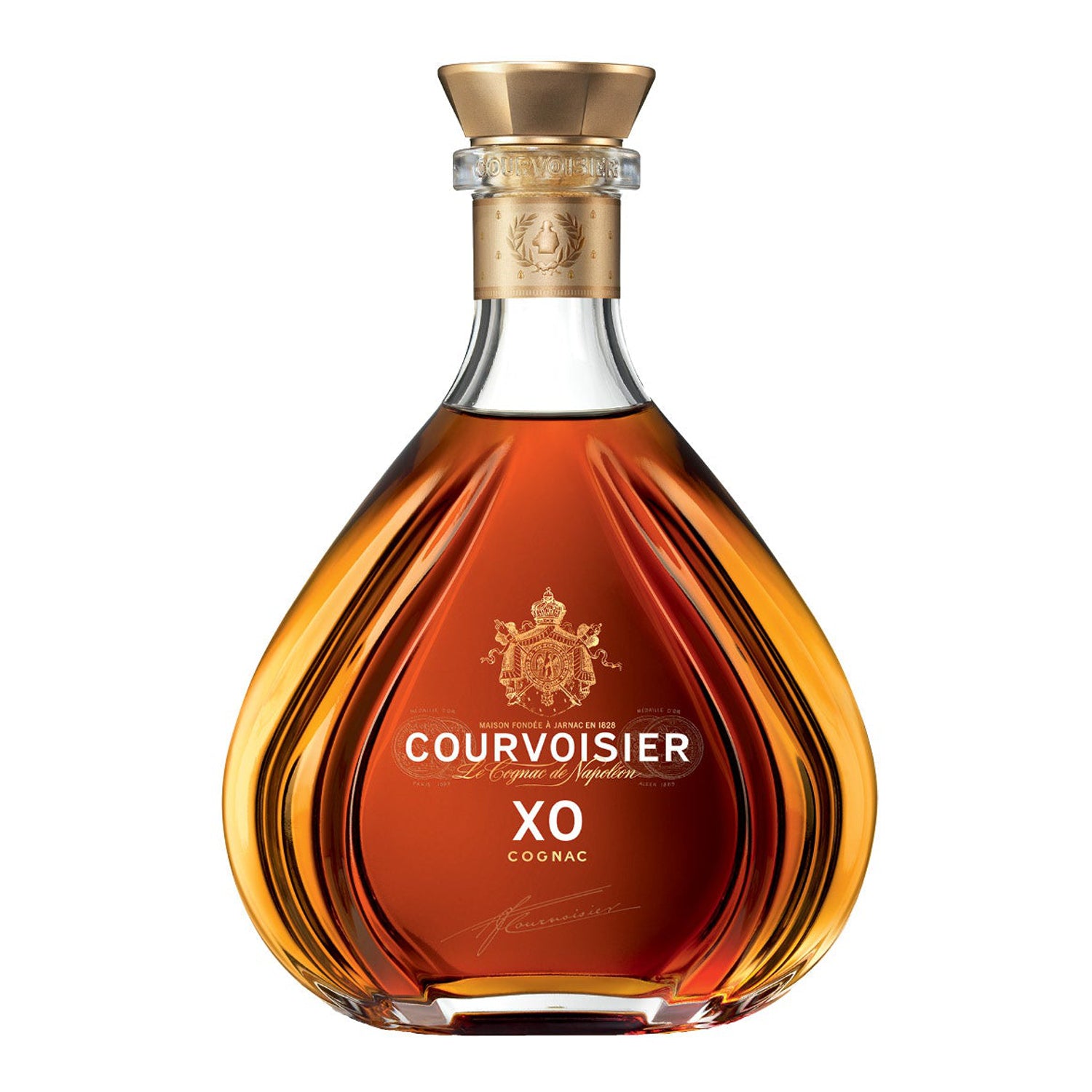
Definition and Core Characteristics of Cognac
Cognac stands as one of the most prestigious and regulated spirits in the world, distinguished by its strict production criteria, geographical origin, and sensory complexity. Legally defined under EU Protected Designation of Origin (PDO) standards, cognac is a brandy exclusively produced within a delimited region in western France, where climate, soil, and traditional techniques converge to create its unique profile. Unlike generic brandies, cognac adheres to precise grape varieties, distillation methods, aging protocols, and flavor benchmarks that ensure authenticity and quality.The spirit’s identity is rooted in its botanical and terroir-based foundations, where only specific grape varieties—primarily Ugni Blanc (Trebbiano), Folle Blanche, and Colombard—are permitted. These grapes are cultivated in designated vineyards spanning six crus (quality zones), each contributing distinct aromatic and structural nuances. The distillation process, conducted in Charentais copper pot stills, preserves delicate floral and fruity characteristics, while aging in Limousin oak barrels for a minimum of two years (though premium cognacs often mature for decades) develops layers of spice, toast, and caramel. The result is a spirit with a refined balance of sweetness, acidity, and subtle tannins, setting it apart from other distilled beverages.
Legal Classification Criteria
The Appellation Contrôlée (AOC) Cognac designation mandates compliance with the following criteria to ensure authenticity:- Geographical Origin:
Cognac must be produced within the Cognac region of France, bounded by the Charente, Charente-Maritime, Deux-Sèvres, and Vienne departments. The area is subdivided into six crus (Great, Good, Medium, and Small), each influencing the spirit’s profile based on soil composition and microclimate.
- Grape Varieties:
The AOC permits only three grape varieties, with Ugni Blanc accounting for 90%+ of production due to its high acidity and neutral profile, ideal for aging.
- Distillation Process:
Grapes are double-distilled in Charentais pot stills (copper, with a spherical shape and long neck) to preserve aromatic compounds. The first distillation (brouillis) yields a low-alcohol (~28–30% ABV) liquid, while the second distillation (bonne chauffe) produces the eau-de-vie at ~72% ABV, which is then diluted to ~40% ABV before aging.
- Aging Requirements:
Cognac must age in new oak barrels (traditionally Limousin oak) for a minimum of two years, though VS (Very Special) labels require at least three years, and XO (Extra Old) mandates minimum six years (with many exceeding 10–30 years). The barrels are stored in temperature-controlled cellars to prevent oxidation and ensure gradual maturation.
- Blending and Bottling:
Assemblage (blending) is a critical step, where master blenders combine eaux-de-vie from different crus, vintages, and aging periods to achieve consistency. The final product is diluted to ~40% ABV and may undergo light filtration (though some producers avoid this for a more rustic profile).
Sensory Profile of Cognac
Cognac’s sensory characteristics are defined by a harmonious interplay of fruit, oak, and spice, evolving from youthful freshness to complex maturity. The profile is categorized into three primary dimensions: aroma, flavor, and mouthfeel, each influenced by grape selection, distillation, aging, and blending.Aroma Notes:
Cognac exhibits a multi-layered bouquet that progresses from primary fruit and floral to secondary oak and spice as it ages. Key aroma descriptors include:
Flavor Spectrum:
The palate reflects the aroma’s depth, with sweetness, acidity, and tannic structure creating a dynamic experience:
Example Profiles of High-Quality Cognacs:
| Cognac Grade | Age | Key Aroma Notes | Flavor Profile | Mouthfeel |
|---|---|---|---|---|
| VS (Very Special) | 3+ years | Lemon, apple, vanilla, light oak | Honeyed citrus, subtle spice, crisp acidity | Light, elegant, dry finish |
| VSOP (Very Superior Old Pale) | 4–6 years | Orange blossom, pear, caramel, cinnamon | Ripe peach, marmalade, warm vanilla | Medium body, balanced sweetness |
| XO (Extra Old) | 10+ years | Dried fig, tobacco, leather, dark chocolate | Raisin, coffee, spice, oak tannins | Rich, full-bodied, lingering warmth |
| Napoleon | 15+ years | Petrol, truffle, aged fruit, mahogany | Complex caramel, leather, dried fruit | Heavy, velvety, long finish |
Comparison of Cognac to Other Similar Spirits
While cognac shares similarities with other fruit-based spirits, its geographical restrictions, distillation methods, and aging protocols distinguish it from brandy, armagnac, and whiskey. Below is a structured comparison highlighting key differences:| Feature | Cognac | Armagnac | Brandy (General) | Whiskey (e.g., Bourbon, Scotch) | |||||||||||||||||
|---|---|---|---|---|---|---|---|---|---|---|---|---|---|---|---|---|---|---|---|---|---|
| Origin | Charente region, France (6 crus). | Gascony, France (Ténarèze, Bas-Armagnac, etc.). | Global (e.g., Spain: Sherry Cask Brandy; USA: California Brandy). | Region-specific (e.g., Kentucky for Bourbon,
Historical Evolution and Cultural Significance of CognacThe origins of cognac trace back to the medieval wine-producing regions of southwestern France, where distillation techniques refined over centuries transformed local grapes into a spirit of unparalleled prestige. Beyond its technical evolution, cognac’s ascent to global prominence was intertwined with royal patronage, colonial trade networks, and its adoption as a diplomatic tool, cementing its status as a symbol of European sophistication. From the courts of French kings to the salons of 19th-century aristocrats, cognac’s cultural narrative reflects broader shifts in power, taste, and global commerce, with its legacy enduring through literary endorsements and modern luxury branding.Cognac’s historical trajectory reveals how a regional product became a cornerstone of international prestige, shaped by geopolitical alliances, technological advancements, and the whims of influential figures. Its journey from a modest wine derivative to an emblem of refinement underscores the interplay between craftsmanship, trade, and cultural exchange, with each era leaving an indelible mark on its identity. Origins and Early Development in the Charente RegionThe foundations of cognac were laid in the 12th century, when monks in the Charente Valley began distilling wine to preserve surplus harvests, a practice later adopted by local farmers. By the 15th century, the region’s unique terroir—comprising limestone soils, Atlantic breezes, and specific grape varieties like Ugni Blanc—yielded a spirit distinct from its Dutch and Flemish counterparts, which relied on grain-based distillation. The introduction of copper pot stills in the 16th century further refined the process, allowing for the separation of "heads" and "tails" to produce a smoother, more aromatic spirit. This innovation distinguished cognac from other European eaux-de-vie, such as brandy from Spain or Germany, and positioned it as a premium product.Key to cognac’s early development was the region’s proximity to the Atlantic coast, which facilitated trade with the New World. French settlers in the Caribbean and North America transported cognac as a currency and commodity, while the spirit’s durability during sea voyages made it a staple on ships. The establishment of the Cognac Syndicate (Syndicat des Grands Crus de Cognac) in 1909 formalized the appellation’s boundaries and quality standards, but its roots in medieval monastic distillation and 16th-century maritime commerce were equally pivotal. Royal Endorsements and the Rise of Cognac as a Diplomatic ToolThe 17th and 18th centuries marked cognac’s transformation from a regional specialty to a royal favorite, with French monarchs playing a decisive role in its legitimization. King Louis XIV, known as the "Sun King," reportedly consumed large quantities of cognac, and his court’s preference elevated the spirit’s status. The term "cognac" itself was officially recognized in 1724 when the French government granted the region exclusive rights to produce the spirit, a move that protected its reputation against imitators. This royal endorsement extended to diplomatic circles, as cognac became a gift of choice for European ambassadors and a staple in treaty negotiations.The Treaty of Utrecht (1713), which ended the War of Spanish Succession, included a clause allowing British merchants to import cognac duty-free, further boosting its international appeal. By the 18th century, cognac had become a symbol of French diplomacy, with bottles gracing the tables of European nobility and American Founding Fathers like Thomas Jefferson, who praised its quality in letters. The spirit’s association with power and prestige was solidified during the Napoleonic Wars, when French officers carried cognac as both sustenance and a marker of their elite status. Napoleon’s own fondness for the spirit—particularly the XO (Extra Old) blends—cemented its reputation as a drink for conquerors and statesmen alike. Literary and Artistic Patronage in the 19th CenturyThe 19th century witnessed cognac’s cultural apotheosis, as writers, artists, and philosophers immortalized it in their works, linking the spirit to intellectual and artistic circles. Ernest Hemingway, an avowed cognac enthusiast, famously declared in A Moveable Feast that "the only true American whiskey is bourbon, but the only true French brandy is cognac," elevating its status in literary canon. Similarly, Oscar Wilde and Marcel Proust referenced cognac in their writings, associating it with decadence and sophistication. The spirit’s presence in Parisian salons and cabarets, such as the Chat Noir, further entrenched its image as a drink of the avant-garde.Commercially, the 19th century saw the rise of cognac as a luxury export, driven by the Industrial Revolution and improved transportation. The Great Exhibition of 1851 in London featured cognac prominently, and by the century’s end, brands like Hennessy and Rémy Martin had established global distribution networks. The Paris Exposition Universelle (1900) showcased cognac as a symbol of French craftsmanship, with exhibitors highlighting its aging process and terroir. This era also saw the emergence of fine champagne and cognac cellars in European capitals, where the spirit was served alongside caviar and truffles, reinforcing its association with exclusivity. Timeline of Major Milestones in Cognac’s HistoryCognac’s evolution spans over eight centuries, with each period introducing innovations that shaped its identity. Below is a chronological overview of pivotal developments, illustrating how technological, political, and cultural factors converged to define the spirit’s legacy.
|

Leave a Comment
Comments are moderated before appearing. The data you submit is processed according to the Privacy Policy of Voltefac.