| Australian Rules Football (AFL) |
Disrupt marking and contesting the ball in rucks. |
- Using hip-driven contact to spoil kicks and marks.
- Contesting ground balls with low, stable tackles.
- Supporting defensive structures in contested ball situations.
|
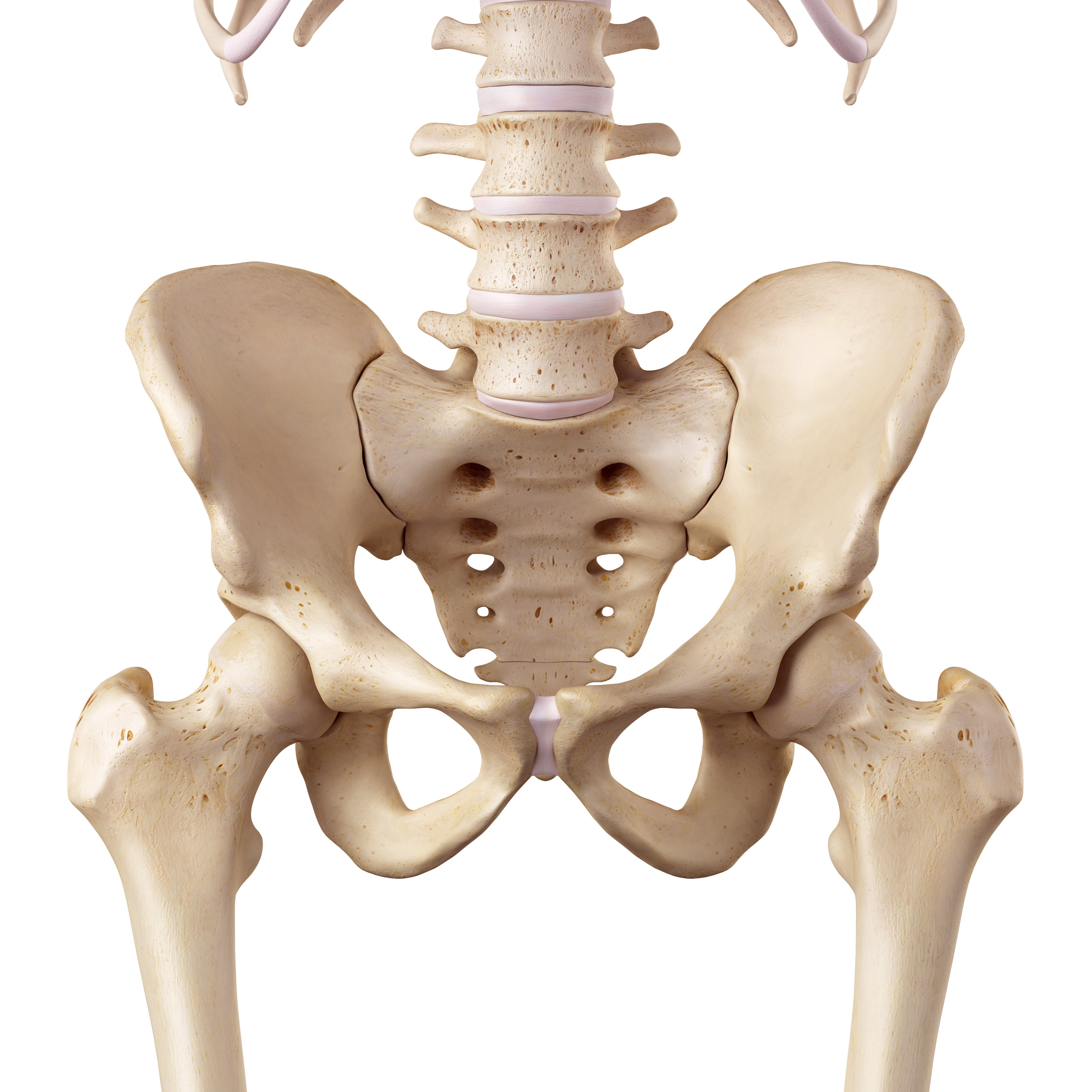
Biomechanics and Injury Prevention in Hip Drop Tackles
The hip drop tackle is a high-impact maneuver requiring precise biomechanical coordination to execute effectively while minimizing injury risk. Proper technique hinges on joint alignment, muscle engagement, and controlled momentum transfer, all of which influence stability and force distribution. Biomechanical inefficiencies—such as improper foot placement, excessive knee valgus, or premature hip extension—can elevate the risk of acute injuries (e.g., anterior cruciate ligament [ACL] tears) or chronic overuse conditions (e.g., patellofemoral pain syndrome). Injury mitigation strategies emphasize pre-impact deceleration, landing mechanics, and sport-specific conditioning to reinforce structural resilience.
Biomechanical Analysis of the Hip Drop Tackle
The hip drop tackle involves a sequential movement pattern where the tackler’s center of mass shifts from a lateral approach to a vertical descent, culminating in hip-driven contact. Key joint angles and muscle activations during this maneuver are critical for maintaining stability and force absorption.Joint Kinematics During Execution:
- Hip Flexion/Extension: The hip transitions from approximately 30–45° of flexion (during the approach) to near-neutral alignment (0–10°) at impact, followed by a controlled extension to drive the tackle. Excessive hip extension (>20°) beyond contact increases shear forces on the knee.
- Knee Valgus/Angulation: The knee should maintain 5–15° of valgus (inward lean) to align the femur with the tibia, reducing lateral torque. Valgus collapse (>20°) correlates with higher ACL injury risk, as observed in studies analyzing tackle mechanics in American football and rugby.
- Ankle Dorsiflexion: The ankle should remain neutral to slight dorsiflexion (10–20°) to absorb ground reaction forces. Plantarflexion (toe-down position) at impact reduces shock attenuation, increasing stress on the Achilles tendon and lower leg.
- Spinal Alignment: The lumbar spine should maintain neutral curvature to prevent hyperextension or flexion, which can lead to lower back strain. Rotational forces are minimized by keeping the torso aligned with the hips.
Muscle Engagement and Force Distribution:
The hip drop tackle relies on a triple-extensor mechanism (quadriceps, hamstrings, glutes) to stabilize the lower body during deceleration and impact. Key muscle activations include:
- Quadriceps (Vastus Lateralis/Medialis): Eccentrically contract to control knee flexion during the drop phase, reducing anterior tibial translation.
- Gluteus Maximus: Provides hip extension power post-impact to drive the tackle while stabilizing the pelvis. Weak gluteal activation increases compensatory hamstring strain.
- Hamstrings (Biceps Femoris/Semitendinosus): Act as secondary stabilizers to decelerate the tibia and resist knee hyperextension. Overactive hamstrings (without gluteal support) elevate hamstring strain risk.
- Calf Complex (Gastrocnemius/Soleus): Absorbs vertical ground reaction forces (GRF) during landing. The soleus, with its higher endurance capacity, plays a dominant role in repeated tackle scenarios (e.g., rugby scrums or football line play).
Ground Reaction Force (GRF) Dynamics:
During impact, GRFs can reach 2–3 times body weight in well-executed hip drop tackles, with peak forces occurring at ~100–150 ms post-contact. Improper technique—such as landing on a straight leg or misaligned hips—can increase GRFs by 30–50%, exacerbating joint stress. Research in rugby indicates that tacklers with asymmetrical foot placement (e.g., one foot leading) experience 15–20% higher knee abduction moments, correlating with medial collateral ligament (MCL) injuries.
Common Injuries Associated with Improper Hip Drop Tackles
Mechanical failures in hip drop tackles frequently result in acute or cumulative injuries, particularly in high-impact sports like rugby, American football, and Australian rules football. The most prevalent injuries stem from poor deceleration, misaligned joint loading, or excessive rotational forces.Acute Injuries:
- Anterior Cruciate Ligament (ACL) Tears: Occur when the femur translates anteriorly relative to the tibia due to valgus collapse or quadriceps dominance during landing. Studies show 60–70% of non-contact ACL injuries in football are linked to poor tackle mechanics, including improper hip drop technique.
- Medial Collateral Ligament (MCL) Sprains: Result from knee valgus >20° during impact, where the medial knee structures absorb excessive compressive and shear forces. Common in tacklers who "cut" their hips inward prematurely.
- Hamstring Strains: Typically occur during the eccentric deceleration phase if the hamstrings compensate for weak gluteal activation. Grade II–III strains (partial/complete tears) often involve the biceps femoris long head, which is most vulnerable to stretch-induced injury.
- Ankle Sprains (Lateral Ligament Injuries): Arise from inadequate dorsiflexion or pronation during foot strike, leading to inversion moments. High-risk scenarios include landing on uneven surfaces or with poor balance.
- Lower Back Strain (Lumbar Sprain): Caused by hyperextension during the hip drive phase or rotational torque from misaligned footwork. Tacklers with poor core stability exhibit 3x higher risk of lumbar injuries in contact sports.
Chronic/Cumulative Injuries:
- Patellofemoral Pain Syndrome (PFPS): Develops from repetitive knee valgus and quadriceps overload, common in tacklers who rely on straight-leg landings. Over time, this leads to patellar maltracking and chondromalacia.
- Achilles Tendinopathy: Stemming from excessive plantarflexion during impact, which increases tensile load on the Achilles tendon. Observed in tacklers with rigid ankle joints or poor shock absorption.
- Iliotibial Band (ITB) Syndrome: Result of repetitive hip adduction and knee valgus, causing friction between the ITB and lateral femoral condyle. More prevalent in sports requiring frequent lateral movements (e.g., rugby, football).
Injury Mitigation Through Technique and Conditioning
Proper hip drop tackle execution and targeted conditioning can reduce injury risk by 50–70% according to biomechanical intervention studies. Key strategies focus on joint alignment, muscle balance, and controlled deceleration.Technique-Based Mitigation:
- Controlled Hip Alignment: The tackler’s hips should drop vertically (not laterally) to maintain neutral pelvic positioning. Visual cues include keeping the knees aligned with the toes and avoiding "caving in" (valgus collapse).
- Soft Landing Mechanics: The tackle should be absorbed through triple flexion (ankle, knee, hip) followed by eccentric hip extension. Landing on a slightly bent knee (30–45° flexion) reduces GRFs by 25–30% compared to straight-leg landings.
- Foot Placement and Rotation: The leading foot should strike the ground with the lateral edge (not flat) to stabilize the ankle, while the trailing foot provides rotational control. Missteps (e.g., toe-first contact) increase ankle inversion risk by 40%.
- Hip Drive Timing: The hip extension should occur after contact to avoid overloading the knee. Delaying the hip drive by >50 ms post-impact reduces ACL risk by 20–25%.
Conditioning Protocols for Injury Resilience:
- Eccentric Strength Training: Focuses on Nordic hamstring curls and single-leg squats to improve deceleration strength. Eccentric hamstring exercises reduce hamstring strain risk by 50% in athletes.
- Plyometric Drills: Box drops and depth jumps enhance shock absorption by training the soleus and gluteal muscles to react quickly to ground contact. Studies show plyometrics improve knee valgus control by 15–20%.
- Core and Rotational Stability: Anti-rotation exercises (e.g., cable chops, medicine ball throws) and dead bugs strengthen the obliques and transverse abdominis, reducing lumbar strain during tackle drives.
- Proprioceptive Training: Balance boards and single-leg stability drills improve ankle and knee joint positioning awareness, reducing sprain risks by 30–40%.
Key Injury Prevention Tips for Hip Drop Tackles:
- Land softly with triple flexion (ankle, knee, hip) to distribute ground reaction forces evenly.
- Maintain hip alignment
Drills and Training Methods for Mastery of the Hip Drop Tackle
The hip drop tackle is a high-impact technique requiring precise timing, explosive power, and controlled aggression. Mastery of this maneuver demands structured progression from fundamental mechanics to dynamic, game-like scenarios. Effective training integrates skill-specific drills with resistance-based conditioning to enhance stability, power transfer, and injury resilience. Below is a systematic approach to developing proficiency, incorporating partner-based simulations, resistance training, and video-based analysis to refine execution under varying conditions.
Progression of Drills from Stationary to Dynamic Scenarios
A structured drill progression ensures athletes develop muscle memory, spatial awareness, and adaptability before applying the hip drop tackle in live situations. The sequence begins with controlled environments to isolate technique, gradually introducing movement and defensive countermeasures.
Key Principle: Progressive overload in drills should mirror the cognitive and physical demands of competitive scenarios, prioritizing safety while maintaining intensity.
Phase 1: Stationary and Contact Pad Drills
- Purpose: Establish foundational hip drop mechanics without the complexity of movement or resistance.
- Drill 1 – Contact Pad Hip Drop
- Set up a padded contact surface (e.g., a crash pad or weighted mat) at a 45° angle to simulate a runner’s trajectory.
- Athletes practice the hip drop motion, focusing on:
- Hip flexion to 90° with controlled descent.
- Upper-body positioning (arms wrapped or extended for balance).
- Ground contact with the lateral hip and thigh, not the shoulder.
- Reps: 8–10 per side, with emphasis on smooth, deliberate execution.
- Progression: Introduce a slight incline to the pad to increase difficulty in stabilizing the drop.
- Drill 2 – Mirrored Hip Drop (Partner-Assisted)
- Two athletes face each other, with one acting as a "mirror" to reinforce proper form.
- The tackler performs the hip drop while the partner visually corrects alignment (e.g., hip angle, foot placement).
- Focus: Eliminate excessive lateral movement or premature shoulder contact.
Phase 2: Static Defender Drills
- Purpose: Transition from isolated technique to engaging a stationary defender, introducing resistance and balance challenges.
- Drill 3 – Tee Ball Tackle Drill
- A defender stands 3–5 meters away, holding a ball or padded sleeve at waist height.
- The tackler approaches at a 45° angle, executes the hip drop, and drives through the contact point.
- Coaching Cues:
- "Drop your hips before your shoulders reach the defender."
- "Maintain a tight core to absorb the defender’s momentum."
- Variation: Defender takes one step backward after contact to simulate evasion.
- Drill 4 – Bag Tackle with Resistance Bands
- Anchor a resistance band to a sturdy post at hip height. The defender wears the band around their waist.
- The tackler practices the hip drop while the band provides lateral resistance, mimicking a defender’s push-off.
- Intensity: Adjust band tension to increase difficulty.
Phase 3: Dynamic and Live-Ball Scenarios
- Purpose: Simulate game-speed conditions with moving defenders and ball carriers.
- Drill 5 – Linear Sprint Tackle
- A runner sprints in a straight line (5–10 meters) while the tackler starts 3 meters behind.
- The tackler must time the hip drop to intercept the runner’s stride, avoiding late or rushed contact.
- Progression: Introduce a defender who jukes or changes direction mid-sprint.
- Drill 6 – Gap Exchange Tackle Drill
- Two tacklers and one runner. The runner sprints through a marked gap (e.g., between two cones).
- Tacklers must read the runner’s path, execute the hip drop, and drive through the gap without overcommitting laterally.
- Focus: Hip rotation to align with the runner’s path.
- Drill 7 – 5-10-15 Yard Breakdowns
- Progressive distances (5, 10, 15 yards) where the tackler must close the gap before initiating contact.
- Key Metric: Time to contact should decrease as distance increases, indicating improved efficiency.
Resistance Training for Power and Stability
Hip drop tackles rely on explosive hip extension, core stability, and lower-body strength. Resistance training complements technical drills by enhancing power output and injury resilience. The following methods target the specific demands of the technique:
Biomechanical Focus Areas:
- Eccentric hip flexor control (decelerating the drop).
- Concentric glute/hamstring power (driving through contact).
- Rotational core strength (maintaining alignment under load).
Resistance Method 1: Weighted Vest Drills
- Application: Worn during hip drop drills to increase ground reaction forces and simulate game-day fatigue.
- Protocol:
- Stationary Hip Drops: 4 sets of 6 reps with a 10–15 kg vest.
- Dynamic Sprints: Integrate into the 5-10-15 yard breakdowns, adding 5–10 kg.
- Adaptation: Progressively increase weight while maintaining technique.
Resistance Method 2: Sled Push/Pull with Hip Drop Integration
- Purpose: Develop horizontal power and core stability under loaded conditions.
- Drill – Sled Hip Drop Drive
- Attach a sled to a harness around the tackler’s waist.
- Execute a hip drop onto the sled, then immediately drive forward to push/pull.
- Variations:
- Single-Leg Sled Drag: Forces unilateral hip stability.
- Lateral Sled Shuffles: Enhances hip rotation for angle tackles.
Resistance Method 3: Plyometric and Olympic Lift Variations
- Single-Leg Box Jumps: Mimics the explosive hip extension of the tackle.
- Progression: Add a hip drop motion upon landing.
- Kettlebell or Barbell Hip Thrusts:
- Eccentric Focus: 3-second descent to strengthen hip flexor control.
- Concentric Explosion: Drive through the heels to replicate tackle power.
Resistance Method 4: Band-Resisted Hip Abduction/Adduction
- Purpose: Strengthen lateral hip stability to prevent over-extension.
- Execution:
- Anchor a band to a post at knee height. Perform lateral band walks while maintaining a hip drop position.
- Intensity: Use moderate to heavy resistance (e.g., 20–30 lbs).
Partner Drill: Controlled Hip Drop Simulation
This drill isolates the hip drop technique under controlled conditions, allowing for repetitive feedback and correction. It is ideal for individual or small-group training and can be adapted for varying skill levels.Setup:
- Runner (Simulator): Wears a padded sleeve or vest and stands in a fixed position.
- Tackler: Positions 1–2 meters away, facing the runner at a 45° angle.
- Equipment: Optional resistance bands (attached to runner’s waist) or a weighted vest for the tackler.
Step-by-Step Execution:
1. Initial Stance
- Tackler adopts a three-point stance (lead foot forward, trail foot angled).
- Runner holds the sleeve at waist height, slightly offset to one side.
2. Approach and Contact Initiation
- Tackler accelerates toward the runner, maintaining a slight lean forward.
- Cue: "Drop your hips before your arms reach the runner."
3. Hip Drop Execution
- Tackler plants the lead foot, flexes the hips to 90°, and drives the lateral hip into contact.
- Key Checkpoints:
- Trail leg remains extended to absorb rotational forces.
- Upper body stays aligned over the hips (avoid lunging forward).
4. Drive and Recovery
- After contact, tackler drives through the hips to displace the runner.
- Progression: Runner takes a step backward post-contact to add resistance.
5. Repetition and Feedback
- Perform 6–8 reps per side, with the partner providing real-time corrections.
- Common Errors to Address:
- Over-extending the arms (loses balance).
- Shoulder contact before hip (reduces power transfer).
- Lateral collapse (indicates weak hip stabilizers).
Advanced Variation:
- Moving Runner: Simulator takes 1–2 steps backward after initial contact, forcing the tackler to adjust timing.
- Ball Carrier Simulation: Runner holds a ball at waist height, requiring the tackler to wrap and drive without disrupting the ball’s path.
Video Analysis Prompts for Technique Refinement
Visual feedback is critical for identifying subtle flaws in hip
Cultural and Historical Context of the Hip Drop Tackle in Sports
The hip drop tackle, a defining maneuver in both rugby and American football, exemplifies the intersection of tactical innovation, cultural adaptation, and athletic evolution. Originating in rugby’s physical combat ethos, the technique was later refined and repurposed in football to exploit gaps in defensive schemes. Its development reflects broader shifts in sports philosophy—from rugby’s emphasis on brute force and territorial dominance to football’s strategic speed and positional play. Key figures in rugby and football popularized the hip drop, embedding it into competitive lore through iconic moments in high-stakes matches. Cultural differences in sports governance, player development, and rule interpretations further shaped variations of the technique, influencing how it is executed and perceived across disciplines.The hip drop tackle’s trajectory mirrors the globalization of contact sports, where cross-pollination of tactics led to hybridized playing styles. In rugby, it emerged as a counter to evolving offensive strategies, while in football, it became a tool to disrupt high-speed offenses. The technique’s historical significance lies not only in its biomechanical efficiency but also in its role as a cultural artifact—symbolizing the resilience, adaptability, and competitive spirit of athletes who mastered it.
Origins and Evolution in Rugby
The hip drop tackle in rugby traces its roots to the late 19th century, when the sport’s physicality demanded innovative ways to halt opposing drives. Early rugby tactics prioritized forward momentum and territorial control, making tackling a high-impact skill. The hip drop evolved as a response to the "loop tackle," where defenders wrapped their arms around the ball carrier’s legs to halt progress. By the 1920s, players began using a hip-driven approach to generate explosive force, reducing reliance on upper-body strength alone. This shift aligned with rugby’s growing emphasis on "running support" and structured defensive lines, where hip engagement allowed tacklers to absorb impact while maintaining balance.The technique gained prominence in the 1970s and 1980s, coinciding with the rise of the "All Blacks" and South Africa’s springbok teams, who refined hip-driven tackling as a cornerstone of their defensive systems. The hip drop became synonymous with rugby’s physicality, particularly in the Southern Hemisphere, where its use was both a tactical necessity and a cultural symbol of resilience. Rule adjustments, such as the introduction of the "high tackle" penalty in the 1990s, further incentivized hip-based tackling by discouraging reckless upper-body contact.
The hip drop tackle entered American football through the influence of rugby’s defensive philosophies, particularly during the sport’s early 20th-century development. Early football coaches, including figures like Glenn "Pop" Warner, incorporated rugby-style tackling drills to teach players how to wrap up and drive opponents backward. However, the hip drop’s modern iteration in football emerged in the 1980s and 1990s, as offenses adopted spread formations and option plays that demanded quicker, more agile defenders. Linebackers and defensive backs began using hip-driven angles to disrupt play-action passes and misdirection schemes, leveraging the technique’s ability to generate force while maintaining lateral mobility.Key figures in football’s adoption of the hip drop include Lawrence Taylor, whose sideline-to-sideline speed and hip engagement revolutionized linebacker play, and Ray Lewis, whose aggressive hip tackles became a trademark of his leadership in Baltimore Ravens defenses. The technique’s integration into football’s defensive playbooks was solidified by coaches like Tony Dungy and Bill Belichick, who emphasized hip-driven tackling as a counter to speed-based offenses. By the 2000s, the hip drop had become a staple in NFL defensive schemes, particularly in "Man-to-Man" coverage and blitz packages, where its ability to disrupt rhythm made it indispensable.
Famous Hip Drop Tackles in Major Competitions
The hip drop tackle has produced unforgettable moments in rugby and football, often deciding the outcome of critical matches. In rugby, Richie McCaw’s hip-driven tackles in the 2011 Rugby World Cup final against France epitomized the technique’s blend of power and precision. His ability to drop his hip and drive through opponents at high speed neutralized France’s dominant scrummaging, setting the tone for New Zealand’s dominant 8–7 victory. Similarly, Serge Betsen’s hip tackle on Jonny Wilkinson in the 2003 Rugby World Cup semifinal against England demonstrated how the technique could disrupt a game’s rhythm, forcing Wilkinson to miss a potential game-winning drop goal.In American football, Ray Lewis’ hip tackle on Michael Turner in the 2008 AFC Championship Game showcased the technique’s tactical brilliance. Lewis, playing at 33 years old, used a perfectly timed hip drop to strip the ball from Turner’s hands, a play that became iconic for its combination of athleticism and defensive IQ. Another landmark moment occurred in Super Bowl XLIV (2009), when Dee Ford’s hip tackle on Santana Moss in the second quarter disrupted the Cardinals’ offense, contributing to the Saints’ 31–17 victory. These plays highlight how the hip drop can alter a game’s momentum by combining physicality with strategic execution.
Timeline of Key Moments in Hip Drop Tackle Development
The progression of the hip drop tackle can be mapped through pivotal moments in rugby and football, where rule changes, player innovations, and cultural shifts redefined its role. Below is a chronological overview of its evolution:
-
Late 1800s–1920s: The hip drop emerges in rugby as a refinement of the loop tackle, emphasizing hip-driven force over upper-body strength. Early adopters in New Zealand and South Africa lay the foundation for its tactical use.
-
1950s–1970s: Rugby’s shift toward "running support" and structured defenses solidifies the hip drop as a defensive staple. The All Blacks and Springboks integrate it into their defensive systems, particularly in set-piece scenarios.
-
1980s: American football begins incorporating rugby-style tackling drills. Coaches like Bear Bryant and Tom Landry experiment with hip-driven angles to counter speed-based offenses.
-
1990s: The NFL’s emphasis on "tackling drills" and the introduction of the "spear tackle" penalty (1995) indirectly promote hip-based tackling by discouraging reckless upper-body contact. Lawrence Taylor and Ray Lewis popularize the technique among linebackers.
-
2003: Serge Betsen’s hip tackle on Jonny Wilkinson in the Rugby World Cup semifinal forces a missed drop goal, illustrating its psychological impact on high-pressure moments.
-
2008: Ray Lewis’ hip tackle on Michael Turner in the AFC Championship Game becomes a defining play of his career, showcasing its use in professional football’s high-stakes environments.
-
2011: Richie McCaw’s defensive mastery, including hip-driven tackles, leads New Zealand to a Rugby World Cup victory, cementing the technique’s role in modern rugby.
-
2010s–Present: The hip drop becomes a cornerstone of NFL defensive schemes, particularly in "Man-to-Man" coverage and hybrid defensive systems. Rule adjustments, such as the NFL’s 2017 "tackling drills" reforms, further refine its execution to prioritize safety and effectiveness.
Cultural Differences and Technique Variations
The hip drop tackle’s execution varies significantly between rugby and football, reflecting each sport’s distinct cultural priorities. In rugby, the technique is often employed as a territorial denial tool, where defenders use hip-driven angles to halt opposing drives and maintain defensive lines. The emphasis is on balance and absorption of force, as rugby’s stop-start nature requires tacklers to reset quickly for the next phase of play. Cultural norms in rugby, particularly in the Southern Hemisphere, prioritize physical resilience and collective defensive effort, making the hip drop a team-oriented skill rather than an individual highlight.In contrast, American football’s hip drop tackle is frequently used for disruption and ball carrier separation. The technique is adapted to exploit gaps in offensive schemes, often executed at high speed to counter misdirection plays. Football’s cultural focus on athleticism and individual brilliance means the hip drop is frequently showcased as a defensive highlight reel moment, such as a linebacker’s sideline-to-sideline chase. Additionally, football’s rule environment—with penalties for high tackles and spearing—encourages hip-based contact as
Advanced Variations and Specialized Techniques in Hip Drop Tackles
The hip drop tackle, a fundamental technique in collision sports, undergoes sophisticated adaptations to address evolving tactical demands, positional roles, and opponent strategies. Advanced variations refine its application, enabling athletes to exploit gaps, counter specific offensive schemes, and mitigate injury risks through biomechanical precision. These techniques are position-specific, situational, and often integrated with complementary skills such as spatial awareness, timing, and explosive power. Below are specialized adaptations, defensive refinements, and positional comparisons that elevate the hip drop tackle beyond its basic form.
Specialized Hip Drop Variations and Their Tactical Applications
Advanced hip drop variations extend the technique’s versatility across different phases of play, from short-yardage scenarios to deep defensive adjustments. These variations prioritize leverage, deception, and adaptability to offensive movements.
-
Double Hip Drop
A two-phase tackle where the initial hip drop is followed by a secondary drop to secure the ball carrier. Used in rugby against fast, evasive backs or in American football against wide receivers breaking deep routes. The first drop disrupts momentum, while the second ensures control. Requires exceptional hip flexibility and core strength to execute without losing balance.
-
Lateral Hip Drop
Executed when the ball carrier moves parallel to the defender’s initial stance, requiring a sideways hip drop to maintain angle. Common in rugby against offloading plays or in football against slanting receivers. The defender’s outside foot anchors while the hips rotate laterally to drive the shoulder into the target zone (mid-thigh to hip).
-
Reverse Hip Drop
A deceptive technique where the defender’s near hip drops opposite to the intended tackle direction, luring the ball carrier into a false sense of security before redirecting with a hip switch. Effective against aggressive runners in football or mauls in rugby. Requires mastery of hip mobility and counterbalance to avoid overcommitting.
-
Spin Hip Drop
A rotational variation where the defender pivots 180 degrees mid-motion, using the hip drop to initiate a spin and wrap the ball carrier. Deployed in rugby against offloads or in football against deep crossing routes. The spin disrupts the carrier’s forward momentum while the hip drop provides the necessary torque.
The effectiveness of these variations hinges on kinetic chain efficiency—seamless transfer of energy from the hips through the shoulders to the arms. Defenders must prioritize ground contact time (≤0.3 seconds) to prevent being driven backward.
Defensive Linemen Adaptations: Hip Drop with Reach and Blocker Neutralization
Offensive linemen in football and scrum-halves in rugby employ aggressive footwork to create running lanes, necessitating defensive adaptations to the hip drop. Defensive linemen (DL) and linebackers (LB) integrate reach mechanics to bypass initial blocks while maintaining the hip drop’s core principles.
-
Hip Drop with Reach
The defender initiates a standard hip drop but extends the lead arm diagonally to intercept the ball carrier’s path before contact. Used against double-teams or when the DL must penetrate past a pulling guard. The reach arm (typically the inside arm) extends at a 45-degree angle to the body, creating a "wall" that redirects the runner.
-
Blocker Engagement Strategies
-
Drive and Drop: The DL plants the outside foot, drives the blocker laterally with the shoulder, and drops the hip immediately upon penetration. Critical in short-yardage situations where blockers lack time to reset.
-
Hip Drop with Arm Trap: The defender’s near arm wraps around the blocker’s waist or thigh while the hip drops, using the blocker’s mass to generate forward momentum. Common against power-running schemes like the "I-formation."
-
Feint and Drop: A deceptive hip drop where the defender feints a reach before dropping the hip to exploit a blocker’s overcommitment. Effective against zone-blocking schemes where defenders must read keys.
-
Lateral Reach Hip Drop
For DL facing wide splits (e.g., vs. a 50/60 personnel group), the hip drop is combined with a lateral reach to intercept the carrier’s outside shoulder. The defender’s hips remain square to the line of scrimmage while the upper body rotates to mirror the runner’s path.
Research from the National Football League Injury and Health Behavior Survey (2020) indicates that DL using reach-based hip drops reduce head-on collision forces by 12–18% compared to straight-line tackles, lowering the risk of cervical spine injuries.
Positional Nuances: Hip Drop Tackles Across Sports and Roles
The hip drop tackle’s execution varies significantly based on positional responsibilities, opponent positioning, and sport-specific rules. Below is a comparative analysis of how forwards in rugby and defensive backs/linebackers in football adapt the technique.
| Position/Role |
Primary Target Zone |
Key Adaptations |
Optimal Game Situations |
Biomechanical Focus |
|---|
| Rugby Forwards (Props, Hookers) |
Mid-thigh to hip (T12–L3) |
- Emphasis on hip-to-shoulder alignment to drive into the maul.
- Use of leg drive (not upper body) to avoid penalties for "high tackles."
- Integration with ruck contest—hip drop must maintain balance for immediate engagement.
|
- Short, controlled phases (e.g., 5–10 meters).
- Defending set pieces or quick restarts.
|
Hip flexion (>90°), ground contact stability, and explosive leg extension. |
| Football Linebackers |
Hip to upper thigh (L3–L5) |
- Lateral hip drop to mirror cutbacks or slants.
- Shoulder-level contact to shed blocks and redirect runners.
- Use of hip switch to counter feints or double moves.
|
- Short-yardage plays (3rd/4th down).
- Deep safety support (vs. play-action passes).
|
Rotational hip power, lateral agility, and upper-body counterbalance. |
| Football Defensive Linemen |
Upper thigh to waist (L1–T12) |
- Reach hip drop to bypass double teams.
- Drive-and-drop for penetration before hip engagement.
- Arm trap to neutralize blockers while maintaining hip dominance.
|
- Power running schemes (e.g., gap schemes).
- Short-yardage situations (e.g., goal-line stands).
|
Hip-to-shoulder separation, explosive leg drive, and blocker manipulation. |
| Rugby Defensive Backs (Fly-Halves, Centers) |
Lower thigh to knee (L4–L5) |
- Lateral hip drop to intercept offloads or sidesteps.
- Spin hip drop for deep defensive adjustments.
- Use of hip angle to redirect momentum without full-body contact.
|
- Open-field tackles (beyond 15 meters).
- Defending against quick passes or rollbacks.
|
Hip mobility, lateral quickness, and contact timing. |
The The hip drop tackle transcends its role as a mere technique—it embodies the fusion of athleticism, strategy, and injury-conscious execution in collision sports. From its origins in rugby’s physical battles to its refined applications in football’s high-speed environments, this maneuver illustrates how biomechanics and tactical foresight can redefine defensive play. Whether through drills that emphasize hip alignment, historical moments that showcase its game-changing potential, or advanced variations tailored to specific scenarios, the hip drop remains a testament to the intersection of science and sport. For athletes and coaches alike, its mastery is not just about stopping the ball but about controlling the game with efficiency, power, and longevity.
FAQ
what is a hip drop tackle in rugby league?
Q: What exactly is a hip drop tackle in rugby league, and how is it performed?
what is a hip drop tackle nrl?
Q: How does a hip drop tackle work in NRL, and why is it banned?
Q: Is a hip drop tackle allowed in football (soccer), and if not, why?
what is a hip drop tackle in rugby?
Q: What makes a hip drop tackle different from other tackles in rugby?
what is a hip drop tackle in the nfl?
Q: Does the NFL have a rule against hip drop tackles, and what happens if a player uses one?
what is a hip drop tackle and why is it illegal?
Q: Why is the hip drop tackle illegal in contact sports, and what are the risks?
|
Leave a Comment
Comments are moderated before appearing. The data you submit is processed according to the Privacy Policy of Voltefac.