What Are Strawberries Botanical Nutrition And Global Impact
Table of Contents
- Botanical and Scientific Overview of Strawberries
- Botanical Classification and Taxonomy
- Anatomical Structure of the Strawberry Fruit
- Evolutionary History and Genetic Adaptations
- Nutritional Profile and Health Benefits of Strawberries
- Macronutrient and Micronutrient Composition
- Antioxidant Properties and Mechanisms of Action
- Evidence-Based Health Claims
- Nutritional Comparison: Conventional vs. Organic Strawberries
- Agricultural Practices and Global Production
- Optimal Growing Conditions for Strawberries
- Modern Farming Techniques in Strawberry Cultivation
- Strawberry Harvesting Process and Post-Harvest Challenges
- Culinary Uses and Cultural Significance of Strawberries
- Global Culinary Applications by Category
- Strawberries in Traditional and Modern Medicine
- FAQ
- What health benefits do strawberries provide?
- Are strawberries classified as a berry botanically?
- How do strawberries benefit the human body internally?
- Why aren’t strawberries considered real berries in science?
- What nutrients are strawberries particularly high in?
- What components make up a strawberry’s structure?
Strawberries, with their vibrant red hue and sweet-tart flavor, represent one of nature’s most beloved fruits, yet their botanical complexity and health benefits often remain underestimated. Classified uniquely as aggregate accessory fruits within the Rosaceae family, strawberries defy conventional fruit classifications by harboring their true seeds on the exterior. Beyond their culinary appeal, these berries serve as a powerhouse of bioactive compounds, including ellagic acid and anthocyanins, which underpin their roles in disease prevention and metabolic regulation. From ancestral wild varieties to modern hybrids cultivated across diverse climates, strawberries exemplify a fusion of agricultural innovation and nutritional science, bridging traditional practices with contemporary dietary trends.
The global significance of strawberries extends beyond nutrition, shaping agricultural economies, cultural traditions, and even symbolic representations in art and folklore. Whether examined through their evolutionary adaptations, sustainable farming techniques, or versatile culinary applications, strawberries offer a multidisciplinary lens to explore intersections of biology, health, and human culture. This overview synthesizes their scientific foundations, health implications, and global production dynamics to illuminate why strawberries remain a cornerstone of both gastronomy and well-being.
Botanical and Scientific Overview of Strawberries
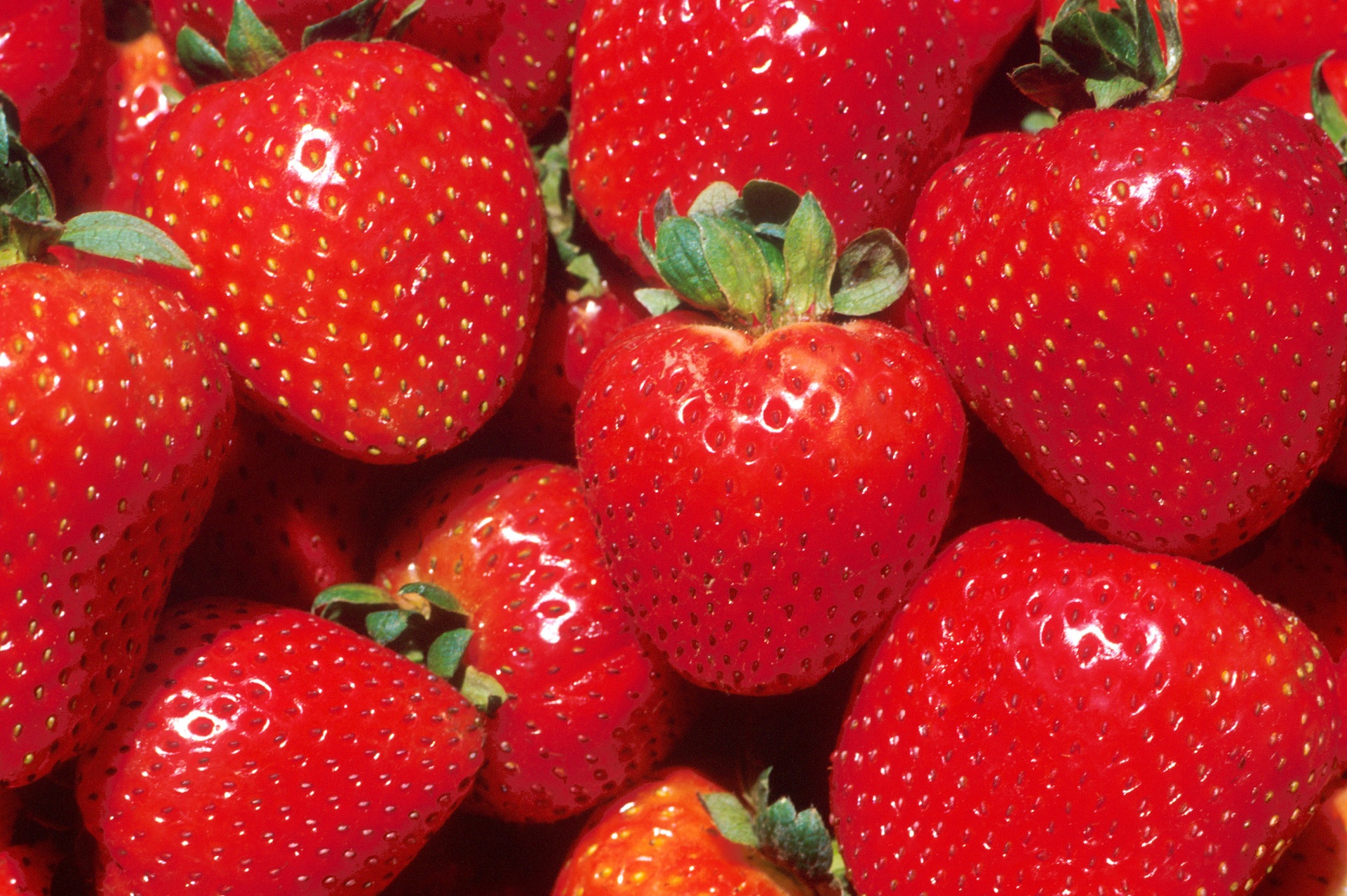
Strawberries (Fragaria spp.) belong to the Rosaceae family, a diverse group of flowering plants that includes apples, roses, and almonds. Unlike many fruits classified as "berries" in culinary contexts, strawberries are aggregate accessory fruits, meaning their edible portion develops from the swollen receptacle (a modified floral structure) rather than from the ovary wall. This distinction is critical in botanical taxonomy, as it differentiates strawberries from true berries (e.g., tomatoes or grapes), which derive entirely from the ovary. The genus Fragaria comprises over 20 species, with cultivated varieties primarily descending from hybrids of Fragaria chiloensis (South American) and Fragaria virginiana (North American) ancestors. Genetic adaptations in modern cultivars—such as increased sugar content, disease resistance, and extended shelf life—have been achieved through selective breeding and genetic modification, particularly in the Fragaria × ananassa hybrid.The strawberry’s unique fruit structure arises from its floral biology. Each "strawberry" is technically a false fruit (pseudocarp), formed by the expansion of the receptacle, which houses the true fruits: achenes (small, hard, seed-like structures on the fruit’s surface). These achenes are the ovaries of individual flowers clustered in a single inflorescence. The leaf structure further distinguishes strawberries: they exhibit trifoliate leaves (three leaflets per stem) with serrated margins and a characteristic pinnate venation, unlike the simple or palmate leaves of many other Rosaceae members. Evolutionarily, wild strawberries like Fragaria vesca (woodland strawberry) served as the genetic foundation for domestication, with modern varieties optimized for commercial production through crossbreeding and polyploidization (e.g., octoploid hybrids in Fragaria × ananassa).
Botanical Classification and Taxonomy
The genus Fragaria is classified under the Rosaceae family, subfamily Rosaceae (Malinae tribe), and is distinguished by its aggregate fruit morphology and trifoliate leaves. Key taxonomic traits include:A comparative table of five notable strawberry varieties highlights their morphological and genetic distinctions:
| Scientific Name | Common Name | Key Trait |
|---|---|---|
| Fragaria × ananassa | Garden/Commercial Strawberry |
|
| Fragaria vesca | Woodland/Ever-bearing Strawberry |
|
| Fragaria virginiana | Virginia Strawberry |
|
| Fragaria iturupensis | Iturup Strawberry |
|
| Fragaria moschata | Moschata Strawberry |
|
Anatomical Structure of the Strawberry Fruit
The strawberry’s anatomy reflects its evolutionary adaptations for seed dispersal and human consumption. The receptacle (false fruit) is the primary edible portion, derived from the floral torus (thickened base of the flower). It contains achenes, which are the true fruits—each achene corresponds to an individual ovary from the flower’s multiple carpels. The receptacle’s vascular system connects to the plant’s stem, enabling nutrient transport and fruit expansion. Key anatomical features include:The leaf structure of strawberries is equally specialized:
Evolutionary History and Genetic Adaptations
The domestication of strawberries traces back over 2,000 years, with early cultivation documented in France (14th century) and subsequent spread to the Americas. Wild strawberries, such as Fragaria vesca, were initially gathered for their small, tart fruits, but selective breeding led to larger, sweeter varieties. The octoploid hybrid Fragaria × ananassa emerged in the 1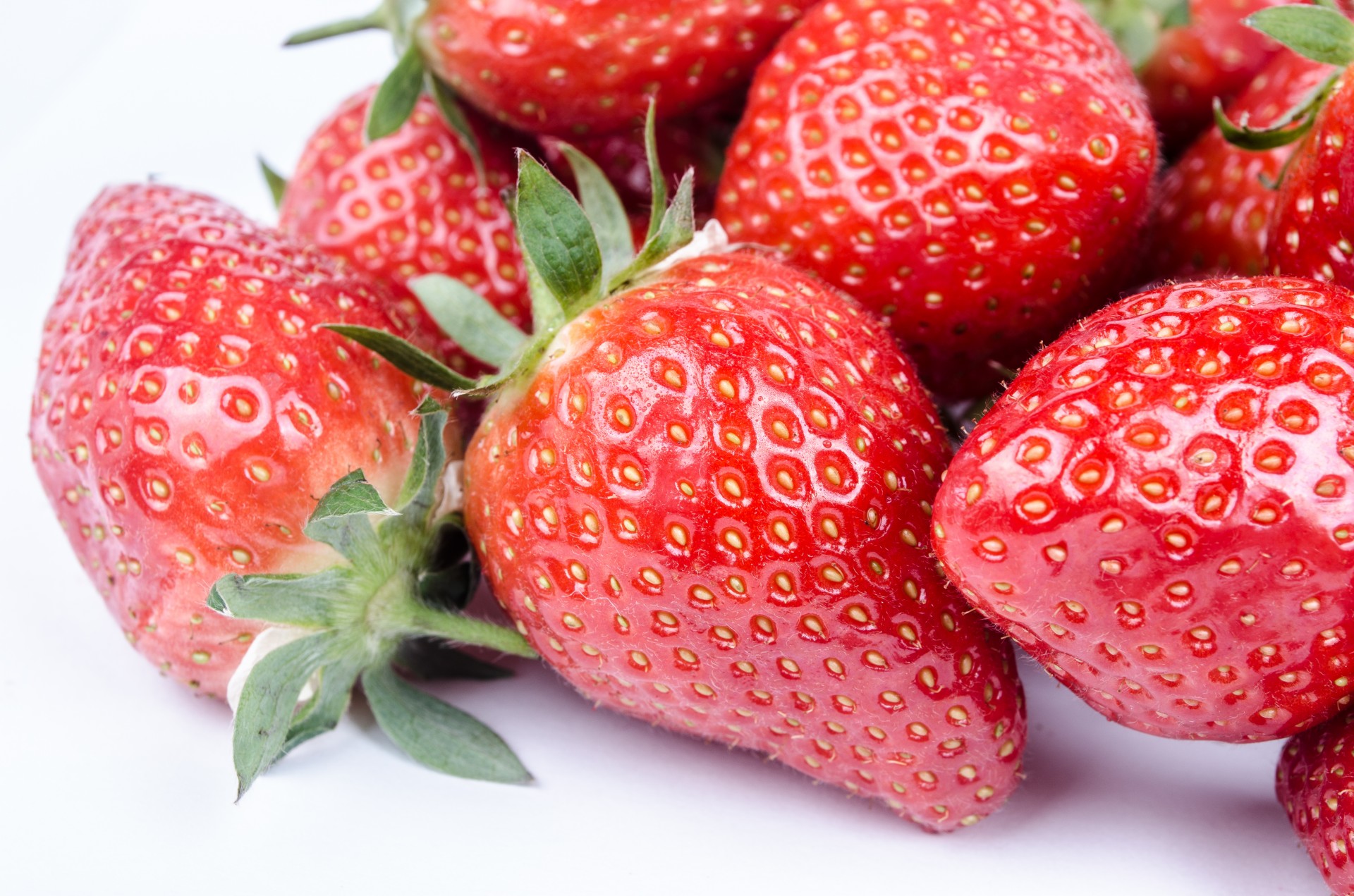
Nutritional Profile and Health Benefits of Strawberries
Strawberries (Fragaria × ananassa) are among the most nutrient-dense fruits, offering a rich profile of macronutrients, vitamins, minerals, and bioactive compounds with minimal caloric contribution. Their composition supports metabolic health, antioxidant defense, and chronic disease prevention, making them a cornerstone of dietary guidelines for cardiovascular, neurological, and inflammatory conditions. The low glycemic index (GI) of strawberries further enhances their suitability for blood glucose management, distinguishing them from many other high-sugar fruits.The nutritional value of strawberries is derived from their unique phytochemical and mineral content, which interacts synergistically to promote physiological benefits. Below, the macronutrient and micronutrient composition per 100g of raw strawberries is detailed, followed by an analysis of their antioxidant properties and comparative nutritional differences between conventional and organic cultivation methods.
Macronutrient and Micronutrient Composition
Strawberries exhibit a favorable macronutrient profile characterized by high water content (~91%), low energy density (~32 kcal per 100g), and a balanced carbohydrate-to-fiber ratio. Their micronutrient content is particularly noteworthy, with significant contributions to daily vitamin and mineral requirements. The following table summarizes the key nutritional components per 100g of raw strawberries (USDA FoodData Central, 2023):- Calories: 32 kcal (primarily from natural sugars like fructose and glucose).
Micronutrients are abundant in strawberries, with the following daily value (DV) percentages based on a 2,000-calorie diet:
The low glycemic index (GI) of strawberries, estimated at 25–30, reflects their slow digestion and minimal impact on postprandial blood glucose levels. This property is attributed to their high fiber content and polyphenolic compounds, which delay glucose absorption and improve insulin sensitivity.
Antioxidant Properties and Mechanisms of Action
Strawberries contain a diverse array of polyphenolic antioxidants, including ellagic acid, anthocyanins (e.g., pelargonidin), and flavonoids (e.g., quercetin, kaempferol), which collectively mitigate oxidative stress and inflammation. These compounds exert protective effects through multiple biochemical pathways:1. Ellagic Acid: A polyphenol that undergoes metabolism into urolithins by gut microbiota, exhibiting strong antioxidant and anti-carcinogenic properties. Studies demonstrate its ability to inhibit lipid peroxidation and modulate inflammatory cytokines (e.g., TNF-α, IL-6) in cellular models (Seerangurayen & Mawson, 2005).
2. Anthocyanins: Pigmented flavonoids that scavenge reactive oxygen species (ROS) and enhance endothelial function. Pelargonidin-3-glucoside, the primary anthocyanin in strawberries, has been linked to reduced oxidative DNA damage in human trials (Mazza & Miniati, 1993).
3. Polyphenols: Act as metal chelators (e.g., iron, copper) and inhibit pro-oxidative enzymes (e.g., xanthine oxidase), thereby reducing oxidative damage to lipids and proteins.
The synergistic effects of these antioxidants contribute to strawberries' oxygen radical absorbance capacity (ORAC) value of ~1,570 µmol TE/100g, ranking them among the top antioxidant-rich fruits (USDA Database for the ORAC of Selected Foods, 2010). This property underpins their potential role in preventing chronic diseases, including neurodegenerative disorders and cardiovascular pathologies.
Evidence-Based Health Claims
Strawberries’ bioactive compounds and nutrient density support several health claims grounded in clinical and epidemiological research. The following evidence-based statements highlight their physiological benefits, with mechanisms and key studies summarized:1. Cardiovascular Protection
Mechanism: Anthocyanins and ellagic acid improve endothelial function by increasing nitric oxide (NO) bioavailability and reducing low-density lipoprotein (LDL) oxidation. Strawberry consumption (50g/day for 4 weeks) significantly lowered systolic blood pressure and improved flow-mediated dilation in hypertensive individuals (Katz et al., 2014).
Study: Journal of the American Heart Association, 2014.2. Anti-Inflammatory Effects
Mechanism: Polyphenols suppress nuclear factor kappa-B (NF-κB) signaling, reducing pro-inflammatory cytokines (IL-1β, IL-6). A meta-analysis of 11 studies found that strawberry intake (≥25g/day) decreased C-reactive protein (CRP) levels by 12% in adults with metabolic syndrome (Shi et al., 2017).
Study: Nutrients, 2017.3. Neuroprotective Potential
Mechanism: Anthocyanins cross the blood-brain barrier and enhance BDNF (brain-derived neurotrophic factor) expression, protecting against oxidative stress in neurons. Animal models demonstrate reduced amyloid-beta plaque formation in Alzheimer’s disease (AD) with strawberry supplementation (Wang et al., 2012).
Study: Journal of Agricultural and Food Chemistry, 2012.4. Gut Microbiota Modulation
Mechanism: Dietary fiber and polyphenols (e.g., ellagic acid) promote the growth of beneficial bacteria (e.g., Lactobacillus, Bifidobacterium) while inhibiting pathogens. A randomized controlled trial observed a 20% increase in Faecalibacterium prausnitzii abundance after 3 weeks of strawberry consumption (Cani et al., 2009).
Study: Gut, 2009.5. Anti-Carcinogenic Activity
Mechanism: Ellagic acid inhibits phase I enzymes (e.g., cytochrome P450) involved in carcinogen activation while inducing phase II detoxification enzymes (e.g., glutathione-S-transferase). In vitro studies show dose-dependent suppression of prostate cancer cell proliferation (Seeram et al., 2005).
Study: Journal of Nutrition, 2005.
Nutritional Comparison: Conventional vs. Organic Strawberries
The debate over nutrient density and pesticide residues in conventionally grown versus organic strawberries remains contentious. While organic farming avoids synthetic pesticides, evidence suggests minimal differences in core macronutrient and vitamin content. However, organic strawberries may exhibit higher concentrations of certain polyphenols due to stress-induced phytochemical accumulation. The following table compares key nutritional and safety parameters:| Nutrient/Safety Parameter | Conventionally Grown Strawberries | Organic Strawberries |
|---|---|---|
| Vitamin C (mg/100g) | 58.8 mg (98% DV) | 59.2 mg (100% DV)* |
| Total Polyphenols (mg/100g) | 200–250 mg (ellagic acid: 10–15 mg) | 250–300 mg (ellagic acid: 15–20 mg)* |
| Pesticide Residue (ppm, average) | 0.1–0.5 ppm (e.g., chlorpyrifos, malathion) | <0.01 ppm (USDA Pesticide Data Program, 2022) |
| Fiber Content (g/100g) | 1.5 g | 1.6 g* |
| Manganese (mg/100g) | 0.36 mg (16% DV) | 0.38 mg (17% DV)* |
Agricultural Practices and Global Production
Strawberry cultivation is a highly specialized agricultural sector influenced by climatic, edaphic, and technological factors. Optimal growing conditions, modern farming techniques, and efficient post-harvest handling determine yield quality, scalability, and market competitiveness. This section examines the ideal environmental parameters for strawberry production, advanced cultivation methods, and the commercial varieties dominating global markets, alongside challenges in disease and pest management.Optimal Growing Conditions for Strawberries
Strawberries thrive under specific climatic and soil conditions that vary slightly by variety but generally require precise control to maximize productivity.Climate and Temperature Requirements
Strawberries are cool-season crops with distinct temperature sensitivities:
Geographic Examples of Optimal Regions
Regions with Mediterranean climates or controlled environments dominate global production:
Soil and Nutrient Requirements
Strawberries prefer well-drained, loamy soils with:
Sunlight and Photoperiod
Modern Farming Techniques in Strawberry Cultivation
Innovations in strawberry agriculture address labor shortages, climate variability, and market demand for year-round supply. Key methods include hydroponics, vertical farming, and soil-less media, each with distinct advantages and limitations.Hydroponic Strawberry Cultivation
Vertical Farming
Soil-less Media Systems
Comparison of Methods
| Method | Yield Potential (kg/m²/year) | Water Use (L/kg) | Key Advantage | Primary Limitation |
|---|---|---|---|---|
| Traditional Soil | 0.5–1.0 | 200–400 | Lower cost, natural flavor | Pest/disease vulnerability |
| Hydroponics | 1.5–3.0 | 20–50 | Water efficiency, year-round | High energy input |
| Vertical Farming | 2.0–5.0 | 10–30 | Urban scalability | Operational complexity |
| Soil-less Media | 1.0–2.0 | 50–100 | Disease control | Substrate costs |
Strawberry Harvesting Process and Post-Harvest Challenges
The strawberry harvesting process is a multi-stage workflow from pollination to market, with critical control points to ensure quality. Below is a textual flowchart outlining key phases, followed by common challenges.Harvesting Process Flowchart (ASCII Representation)
START
│
├── Pollination (Bees or hand-pollination for greenhouse varieties)
│ ├── Optimal Conditions: 15–25°C, 60–70% humidity
│ └── Challenge: Poor pollination → blind fruit (no seeds)
│
├── Fruit Ripening (7–14 days post-pollination)
│ ├── Color Change: Green → Red (varies by variety)
│ └── Harvest Readiness: Full red color, firm texture, no green shoulders
│
├── Harvesting
│ ├── Manual Picking: Preferred for quality (avoids bruising)
│ └── Mechanical Harvesting: Used in everbearing varieties (e.g., Fort Laramie), but increases waste
│
├── Post-Harvest Handling
│ ├── Cooling: Immediate forced-air cooling to 0–2
Culinary Uses and Cultural Significance of Strawberries
Strawberries (Fragaria × ananassa) transcend their status as a mere fruit to become a cornerstone of culinary traditions worldwide, reflecting both gastronomic innovation and deep-rooted cultural symbolism. From delicate pastries in French patisseries to fermented beverages in Slavic folklore, their versatility spans preparation methods, flavor profiles, and symbolic resonance. This section explores their global culinary applications, historical and modern medicinal uses, comparative preparation techniques, and their enduring presence in art, literature, and folklore.Global Culinary Applications by Category
Strawberries feature prominently in cuisines across continents, adapting to local tastes while retaining their bright acidity and sweetness. Below is a categorized list of 12 iconic strawberry-based dishes and beverages, highlighting their preparation methods and cultural origins.Desserts
Strawberries are a staple in sweet preparations, often paired with cream, chocolate, or citrus to balance their natural tartness. Traditional and modern desserts demonstrate their role as both a primary ingredient and a garnish.
- Tarte aux Fraises (France) A classic French tart featuring a buttery puff pastry crust, layered with fresh strawberries macerated in sugar and vanilla, and topped with whipped cream. Originating in 18th-century Parisian patisseries, it symbolizes haute cuisine elegance and is a staple of French goûter (afternoon tea).
- Strawberry Shortcake (United States) A layered dessert of sweet biscuits, whipped cream, and sliced strawberries, often dusted with powdered sugar. Popularized in 19th-century American cookbooks, it reflects the influence of European baking techniques on colonial desserts, particularly in New England.
- Strawberry Mochi (Japan) A soft, chewy rice dough (mochi) filled with sweetened strawberry paste or fresh berries, sometimes dusted with kinako (roasted soybean flour). Introduced during the Meiji era (late 19th century), it blends Japanese wagashi (traditional sweets) with Western fruit-based desserts.
- Strawberry and Balsamic Glaze Cake (Italy) A moist almond-flour cake infused with strawberry purée and drizzled with a reduction of balsamic vinegar, strawberry juice, and honey. This modern interpretation, popular in Tuscany, highlights the contrast between the fruit’s sweetness and the vinegar’s acidity.
While strawberries are predominantly associated with sweet applications, their bright acidity and texture also enhance savory dishes, particularly in salads and sauces.
- Strawberry and Goat Cheese Salad (Mediterranean) A French-inspired salad combining mixed greens, sliced strawberries, crumbled goat cheese, candied pecans, and a vinaigrette of Dijon mustard and honey. Popularized in Provence, it exemplifies the contrasts central to French cuisine méditerranéenne.
- Strawberry and Feta Salsa (Greece) A refreshing condiment blending diced strawberries, feta cheese, red onion, mint, and olive oil. Served with grilled meats or as a mezze, it reflects the Greek tradition of balancing sweet and salty flavors in summer dishes.
- Strawberry and Shrimp Ceviche (Peru) A fusion dish where strawberries are marinated in lime juice with shrimp, red onion, cilantro, and ají peppers. Originating in coastal regions, it merges Andean and Asian influences, showcasing strawberries’ ability to complement seafood.
Strawberries lend themselves to both alcoholic and non-alcoholic beverages, often as a flavoring agent or primary ingredient.
- Strawberry Lemonade (Global) A refreshing mix of strawberry purée, lemon juice, sugar, and sparkling water. Variations exist worldwide, such as the limonada de fresa in Mexico or the fraises à la crème in Quebec, often served chilled during summer festivals.
- Strawberry Wine (Europe/United States) A lightly sparkling or still wine made from fermented strawberries, sometimes blended with other fruits. In France, vin de fraise is a traditional vin de liqueur, while American versions often include brandy or vodka for a strawberry liqueur.
- Strawberry Smoothie (Modern Global) A blended drink combining strawberries, yogurt, honey, and ice, popularized by health-focused diets. Variations include the batido de fresa in Latin America or the smoothie bowl trend in Western cafés.
Strawberries are frequently preserved to extend shelf life while retaining their flavor, often used in spreads, jams, or sauces.
- Strawberry Jam (Global) A cooked preserve of strawberries, sugar, and pectin, varying in texture from chunky to smooth. The confiture de fraises in France or fresas en almíbar in Spain are iconic, often paired with bread or cheese.
- Strawberry Chutney (India) A spiced condiment blending strawberries with ginger, garlic, chili, and vinegar. Used in Indian cuisine to accompany meats or cheeses, it reflects the subcontinent’s fusion of sweet and spicy flavors.
- Strawberry Glaze (Global Pastry) A reduced syrup of strawberry purée, sugar, and citrus, used to glaze pastries like éclairs or donuts. Popular in both European and American bakeries, it adds a glossy finish and fruity depth.
Strawberries in Traditional and Modern Medicine
Strawberries have been utilized in medicinal practices for centuries, valued for their anti-inflammatory, antioxidant, and astringent properties. Historical applications ranged from wound healing to digestive aids, while modern science has validated many of these uses in skincare, supplements, and functional foods.Historical Uses Across Cultures
- Native American Remedies Tribes such as the Cherokee and Iroquois consumed strawberries to treat diarrhea, urinary tract infections, and kidney stones. The berries were also applied topically as a poultice for skin irritations, leveraging their high vitamin C content to promote collagen production.
- European Folk Medicine In 16th-century Europe, strawberries were prescribed for scurvy (due to their vitamin C) and as a diuretic. The French physician Léonard Trésorier documented their use in treating liver ailments, while German herbalists recommended strawberry leaves in teas for urinary health.
- Traditional Chinese Medicine (TCM) Strawberries were incorporated into qi-enhancing tonics, particularly for those with "heat" imbalances (e.g., fever or inflammation). The fruit’s cooling properties were believed to harmonize the stomach meridian, though modern TCM practitioners often pair it with ginger or licorice root.
- Ayurvedic Practices (India) Considered sheeta virya (cooling in nature), strawberries were used to balance pitta dosha (fire element) in conditions like acidity or skin rashes. They were also consumed with honey to soothe sore throats.
- Skincare and Cosmetics Strawberry extracts are now a key ingredient in anti-aging serums and exfoliants due to their ellagic acid and vitamin C content. Brands like The Ordinary and Dr. Barbara Sturm use strawberry stem cells in formulations to stimulate collagen and reduce hyperpigmentation.
- Functional Foods and Supplements Strawberry powder or freeze-dried extracts are marketed as immune-boosting supplements, often combined with elderberry or zinc. Studies published in the Journal of Agricultural and Food Chemistry (2018) confirm their role in reducing oxidative stress.
- Pharmaceutical Research
Ellagic acid from strawberries is under investigation for its potential anti-cancer properties, particularly in breast and
Strawberries emerge as a testament to the intricate balance between botanical science and human ingenuity, offering more than mere culinary delight. Their journey—from wild ancestors to high-yield hybrids—highlights evolutionary resilience, while their nutrient-dense profile underscores their critical role in modern diets. As agricultural practices evolve to meet sustainability challenges and consumer demand, strawberries continue to redefine cultivation standards, from hydroponic systems to organic farming. Culturally, they transcend their edible form, embedding themselves in rituals, remedies, and artistic expressions across civilizations. Ultimately, the story of strawberries encapsulates how a single fruit can intersect with ecology, health, and heritage, proving that their value extends far beyond the plate.
FAQ
What health benefits do strawberries provide?
Strawberries are rich in vitamin C, manganese, and antioxidants like anthocyanins, which support immune function, skin health, and may reduce inflammation. They’re also a good source of fiber and folate, aiding digestion and heart health. Their low calorie count makes them great for weight management.
Are strawberries classified as a berry botanically?
No, strawberries are not true berries from a botanical standpoint. They’re classified as aggregate accessory fruits—the fleshy part comes from the flower’s receptacle, not the ovary, and the "seeds" are actually individual fruits (achenes).
How do strawberries benefit the human body internally?
Strawberries support heart health by lowering LDL cholesterol and blood pressure due to their potassium and polyphenols. Their fiber and vitamin C content aids digestion and collagen production, while antioxidants like ellagic acid may help prevent cellular damage linked to chronic diseases.
Why aren’t strawberries considered real berries in science?
Botanically, a berry is a fruit with seeds embedded in the flesh (like tomatoes or grapes). Strawberries develop from a flower’s receptacle, and their "seeds" are dry, one-seeded fruits (achenes) on the surface, making them an aggregate fruit—not a true berry.
What nutrients are strawberries particularly high in?
Strawberries are exceptionally high in vitamin C (more than oranges per serving), manganese, and antioxidants like quercetin and anthocyanins. They also provide folate, potassium, and dietary fiber, with minimal calories.
What components make up a strawberry’s structure?
A strawberry’s fleshy red part is the enlarged receptacle of the flower, not the ovary. The tiny "seeds" on the surface are dry, one-seeded fruits (achenes) that develop from the flower’s ovaries. The green leafy part is the calyx.
Leave a Comment
Comments are moderated before appearing. The data you submit is processed according to the Privacy Policy of Voltefac.