What Is Tax Fraud Explained Legally Methods And Impacts
Table of Contents
- Definition and Legal Framework of Tax Fraud
- Legal Definition and Core Elements of Tax Fraud
- Comparative Analysis of Tax Fraud Laws
- Prosecutorial Framework for Proving Tax Fraud
- Common Methods and Tactics Used in Tax Fraud
- Five Distinct Methods of Tax Fraud
- Digital Tools and Anonymity in Tax Fraud
- Detectable Patterns in Fraudulent Tax Filings
- Financial and Operational Impact of Tax Fraud
- Direct and Indirect Costs of Tax Fraud
- Distortion of Economic Policies Due to Tax Fraud
- 1. Revenue Forecasting and Budgeting
- 2. Public Spending Prioritization
- 3. Tax Policy Design
- Case Study: Enron’s Tax Fraud Scheme and Its Ripple Effects
- Key Impacts on Stakeholders:
- Detection and Prevention Strategies for Tax Fraud
- Proactive Detection Methods Used by Tax Authorities
- Comparison of Manual vs. Automated Fraud Detection Tools
- Step-by-Step Guide for Businesses to Implement Internal Controls Against Tax Fraud
- Ethical and Societal Implications of Tax Fraud
- Moral Arguments: Individual Rights vs. Collective Responsibility
- Real-World Examples of Tax Fraud Exacerbating Inequality
- Intersection of Tax Fraud, Money Laundering, and Corruption
- FAQ
- What exactly is tax fraud?
- What is the difference between tax fraud and tax evasion?
- What are the punishments for committing tax fraud?
- Is tax fraud or tax evasion worse?
- Can you give examples of tax fraud?
- What are some famous cases of tax fraud?
Tax fraud represents one of the most pervasive financial crimes globally, undermining trust in legal systems while imposing staggering economic burdens on societies. Beyond mere evasion, it involves deliberate deception—whether through falsified documents, hidden assets, or sophisticated digital schemes—to manipulate tax obligations. Governments spend billions annually combating these practices, yet the evolving tactics of fraudsters, from cryptocurrency laundering to AI-generated invoices, continually outpace traditional detection methods. This exploration dissects the legal frameworks governing tax fraud, its operational mechanics, and the far-reaching consequences for economies and ethical norms, revealing why its prevention demands both technological innovation and rigorous enforcement.
The implications of tax fraud extend far beyond courtroom penalties, distorting public policy, exacerbating inequality, and eroding confidence in institutions. While some argue that tax avoidance is a matter of individual rights, the line between legitimate financial planning and fraudulent deception remains a contentious battleground. By examining real-world cases—from corporate scandals like Enron to individual schemes enabled by identity theft—this analysis highlights the multifaceted nature of tax fraud and the critical strategies employed to detect, prevent, and mitigate its impact. Understanding these dynamics is essential for policymakers, businesses, and citizens alike in safeguarding fiscal integrity.
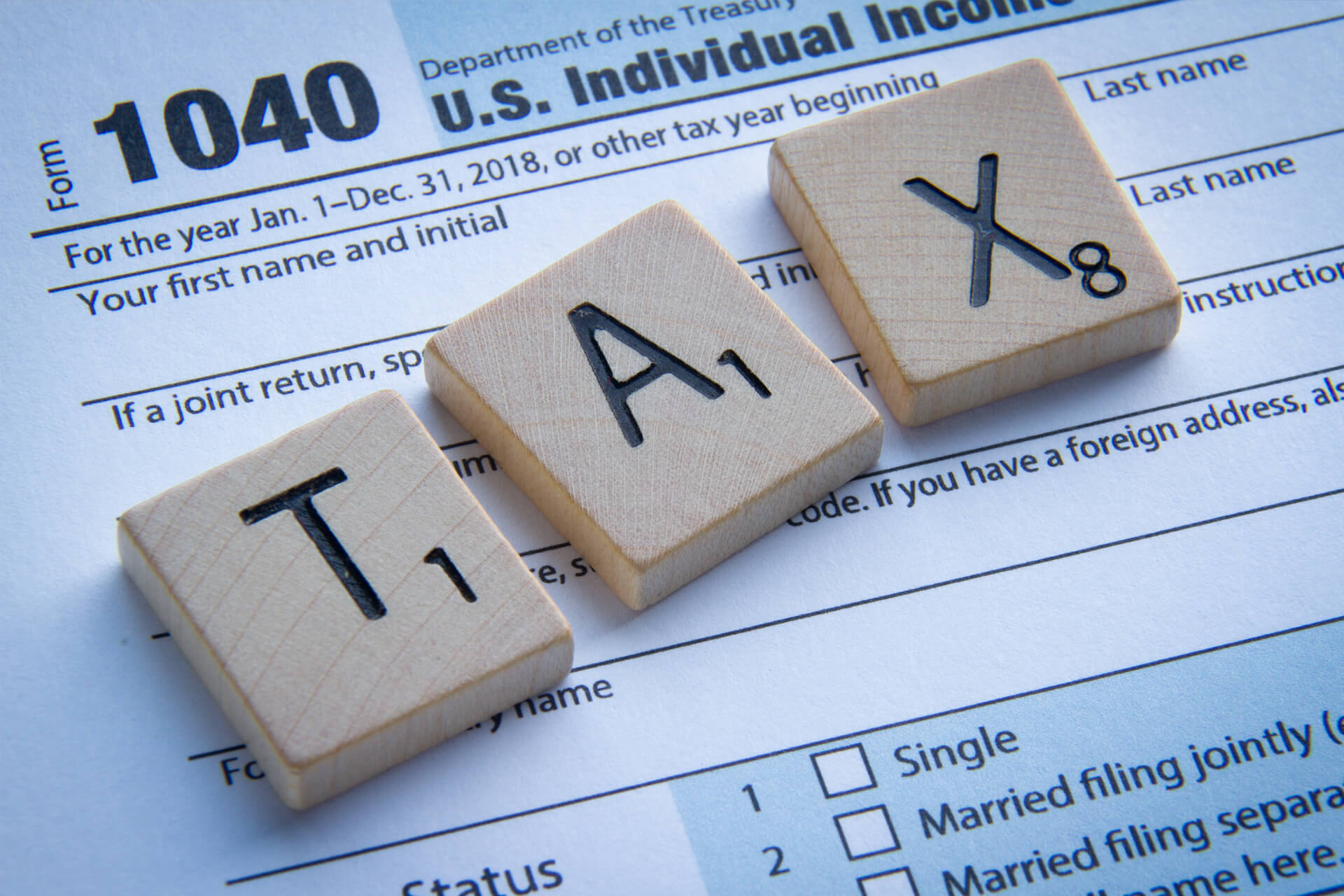
Definition and Legal Framework of Tax Fraud
Tax fraud represents a deliberate and willful deception by individuals or entities to evade tax obligations imposed by law. Unlike civil tax non-compliance, which may arise from negligence or misunderstanding, tax fraud involves intentional misrepresentation, concealment, or omission of material facts to reduce tax liability. Key elements include specific intent to defraud, false statements or documents, and material financial impact on tax revenue. Jurisdictions worldwide criminalize such conduct under strict legal frameworks, often requiring prosecutors to prove beyond a reasonable doubt that the accused acted with fraudulent intent, not merely negligence or error.Legal Definition and Core Elements of Tax Fraud
Tax fraud is defined by three foundational elements:1. Intent to Defraud: The accused must have acted with knowledge that their actions violated tax laws and aimed to deprive the government of revenue. This intent distinguishes fraud from accidental errors or honest disputes over tax liability.
2. Deceptive Conduct: The fraud may involve false statements (e.g., inflating deductions, underreporting income), forgery (e.g., altering documents), or concealment (e.g., hiding assets in offshore accounts).
3. Material Misrepresentation: The deception must significantly affect the tax owed, such as by altering the taxable income, deductions, or credits claimed.
Jurisdictions often rely on statutory definitions that incorporate these elements, with variations in how intent is proven. For example, some legal systems require willfulness (knowing violation of a known legal duty), while others focus on reckless disregard for tax obligations.
Comparative Analysis of Tax Fraud Laws
Tax fraud laws vary across jurisdictions, reflecting differences in legal traditions and enforcement priorities. Below is a structured comparison of key provisions in the U.S., UK, Canada, and Australia, focusing on statutory frameworks, penalties, and defining elements.| Country | Relevant Statute | Penalty Range | Key Provisions |
|---|---|---|---|
| United States | 26 U.S. Code § 7201 (Tax Evasion), § 7206 (Fraud and False Statements) |
|
|
| United Kingdom | Fraud Act 2006 (Section 2: Fraud by False Representation), HMRC Criminal Investigations Manual |
|
|
| Canada | Income Tax Act (Section 238: Tax Evasion), Criminal Code (Section 365: Fraud) |
|
|
| Australia | Criminal Code Act 1995 (Section 134.1: Dishonestly Obtaining a Financial Advantage), Taxation Administration Act 1953 (Part IVA) |
|
|
Prosecutorial Framework for Proving Tax Fraud
Establishing tax fraud in court requires prosecutors to demonstrate a chain of evidence linking the accused to fraudulent intent, deception, and material harm. Below is a step-by-step flowchart outlining the prosecutorial burden, structured for clarity in legal proceedings.Step 1: Establish the Tax Obligation
Prosecutors must prove the accused had a clear legal duty to file accurate tax returns or remit taxes. This includes demonstrating the existence of a tax liability (e.g., income, assets, or transactions subject to tax).
Step 2: Prove Deceptive Conduct
Evidence must show the accused engaged in one or more fraudulent acts, such as:
- Filing false or misleading returns (e.g., inflated deductions, hidden income).
- Using forged or altered documents (e.g., fake receipts, shell company records).
- Concealing assets (e.g., offshore accounts, cryptocurrency transfers).
- Making false statements to tax authorities (e.g., claiming nonexistent dependents).
Step 3: Demonstrate Specific Intent to Defraud
Intent is the most critical element. Prosecutors may use:
- Circumstantial evidence (e.g., pattern of underreporting over multiple years).
- Expert testimony (e.g., forensic accountants linking discrepancies to fraud).
- Admissions or communications (e.g., emails, conversations referencing tax evasion).
- Gross valuation misstatements (e.g., undervaluing property
Common Methods and Tactics Used in Tax Fraud
Tax fraud encompasses a range of deceptive practices designed to evade tax obligations, exploit loopholes, or manipulate financial reporting. While some methods rely on traditional financial misrepresentations, modern tactics increasingly leverage digital tools to obscure transactions, enhance anonymity, and bypass regulatory oversight. Understanding these methods—from overt falsifications to sophisticated digital schemes—is critical for auditors, tax authorities, and financial institutions to detect and mitigate fraudulent activities effectively.The evolution of technology has introduced new complexities, particularly in areas such as cryptocurrency transactions, AI-generated documentation, and the use of shell entities. These tools enable fraudsters to create plausible yet fabricated records, obscure the true nature of income, or exploit jurisdictional gaps. Below, five distinct methods are examined, alongside their digital adaptations and detectable patterns in fraudulent filings.
Five Distinct Methods of Tax Fraud
Tax fraud tactics vary in sophistication, from straightforward misrepresentations to highly orchestrated schemes involving multiple entities. The following methods represent common approaches, each with unique risks and detection challenges:
- Fake Deductions and Expense Claims
Fraudsters inflate deductions by submitting inflated receipts, creating fictitious business expenses (e.g., "consulting fees" for non-existent services), or misclassifying personal expenditures as business-related. For example, a sole proprietor may falsely claim home office deductions for a space not used for business or exaggerate mileage logs to justify higher vehicle expense claims. In some cases, vendors collude with taxpayers to issue fraudulent invoices for services never rendered, often using shell companies to launder the transactions.
- Offshore Accounts and Hidden Assets
Wealthy individuals and corporations exploit offshore jurisdictions to conceal assets, income, or capital gains from tax authorities. Common tactics include depositing funds into foreign bank accounts, investing in offshore trusts, or purchasing assets (e.g., real estate, yachts) through intermediaries. The use of "tax haven" entities, such as the British Virgin Islands or the Cayman Islands, allows fraudsters to obscure ownership and transaction trails. The Panama Papers and Paradise Papers leaks exposed widespread use of such schemes by high-net-worth individuals and multinational corporations to avoid tax liabilities.
- Payroll Fraud and Employee Misclassification
Employers commit payroll fraud by underreporting wages, misclassifying employees as independent contractors to avoid payroll taxes, or falsifying hours worked. Independent contractors, unlike employees, are not subject to withholding taxes, leading some businesses to reclassify full-time staff as contractors. Additionally, "phantom employees"—individuals added to payroll systems without actually working—generate fraudulent tax credits or deductions. The Internal Revenue Service (IRS) estimates that payroll tax fraud costs the U.S. government billions annually, with cases involving both small businesses and large corporations.
- Cryptocurrency and Virtual Asset Manipulation
The decentralized and pseudonymous nature of cryptocurrencies makes them attractive for tax evasion. Fraudsters fail to report crypto transactions, understate the value of holdings, or engage in "wash trading" (buying and selling the same asset between wallets to create artificial gains). Additionally, mixing services (e.g., Tornado Cash) obscure transaction origins, while DeFi (Decentralized Finance) platforms enable anonymous lending and borrowing without traditional audit trails. The IRS Criminal Investigation Division has prioritized crypto tax evasion cases, citing underreporting as a growing concern in digital asset markets.
- Shell Companies and Round-Tripping Fraudsters create shell companies—entities with no substantive business activity—to funnel income through jurisdictions with lower tax rates or no tax obligations. Round-tripping involves routing funds through a foreign entity to artificially inflate deductions or defer taxes. For instance, a U.S. company might transfer profits to a shell company in a tax haven, then "loan" the funds back to itself at inflated interest rates, creating deductible expenses. The Organisation for Economic Co-operation and Development (OECD) reports that shell companies are used in up to 60% of cross-border tax evasion cases, often involving misrepresented related-party transactions.
Digital Tools and Anonymity in Tax Fraud
The proliferation of digital tools has transformed tax fraud from a paper-based activity to one reliant on technological obfuscation. Fraudsters exploit the following methods to enhance anonymity and evade detection:
- Artificial Intelligence-Generated Invoices and Documentation
AI tools can create realistic but fabricated invoices, contracts, or receipts that mimic legitimate business transactions. For example, fraudsters use generative AI to produce invoices for non-existent services, complete with forged signatures, timestamps, and even watermarked letterheads. These documents may pass initial audits, especially if auditors lack the tools to verify their authenticity. The rise of AI-driven fraud detection tools by tax authorities is a direct response to this trend, with machine learning algorithms now cross-referencing invoices against known patterns of fraudulent activity.
- Cryptocurrency and Blockchain Anonymization
While blockchain transactions are public, the use of mixing services, privacy coins (e.g., Monero, Zcash), and multi-signature wallets complicates traceability. Fraudsters also exploit decentralized exchanges (DEXs) to trade assets without KYC (Know Your Customer) requirements. The IRS uses blockchain forensics tools to track crypto transactions, but anonymization techniques remain a persistent challenge, particularly in cases involving darknet markets or peer-to-peer transactions.
- Shell Companies and Corporate Veils
Digital platforms facilitate the rapid creation of shell companies through incorporation services that operate in jurisdictions with lax regulatory oversight. Fraudsters may use nominee directors (individuals who act as fronts for anonymous owners) and virtual offices to further obscure identities. The European Union’s 6th Anti-Money Laundering Directive (AMLD6) requires beneficial ownership registers, but enforcement varies, and some jurisdictions still allow anonymous company formations.
- Automated Tax Return Manipulation
Fraudsters employ software to generate tax returns with pre-loaded errors, such as incorrect deductions or inflated credits. Some programs can even file returns on behalf of victims after stealing their identities. The IRS’s "Dirty Dozen" tax scams list includes cases where fraudsters use stolen Social Security numbers to file multiple returns, claiming refunds before the legitimate taxpayer can file.
- Dark Web and Cybercrime Syndicates Underground markets on the dark web offer services like stolen tax identification numbers, fake W-2 forms, and identity theft kits tailored for tax fraud. Cybercriminals may also deploy ransomware to encrypt tax records, then demand payment to restore access—or sell the data to fraudsters. The Federal Bureau of Investigation (FBI) reports a 400% increase in business email compromise (BEC) scams targeting payroll and tax vendors since 2020.
Detectable Patterns in Fraudulent Tax Filings
Auditors and tax authorities rely on red flags—consistent patterns in filings that deviate from normative behavior—to identify potential fraud. The following table outlines common schemes and their detectable indicators:
Scheme Red Flags for Auditors Fake Deductions - Deductions exceeding industry-standard percentages (e.g., meal expenses of 50%+ of reported revenue).
- Lack of supporting documentation or receipts for claimed expenses.
- Recurring deductions for the same vendor with identical amounts but no verifiable business relationship.
- Home office deductions disproportionate to reported income or without proof of business use.
- Sudden spikes in deductions in the final quarter of a fiscal year.
Offshore Accounts - Unexplained

Financial and Operational Impact of Tax Fraud
Tax fraud imposes substantial financial burdens on governments, businesses, and individuals, distorting economic stability and resource allocation. The direct and indirect costs extend beyond lost revenue, affecting fiscal policies, market integrity, and societal trust. Governments face reduced funding for public services, while businesses and individuals bear higher compliance costs and systemic inefficiencies. Understanding these impacts—through quantifiable losses, policy distortions, and real-world case studies—highlights the urgency of fraud detection and prevention.
Direct and Indirect Costs of Tax Fraud
Tax fraud generates measurable financial losses across sectors, categorized into direct costs (immediate revenue loss) and indirect costs (secondary economic disruptions). Below is a comparative breakdown of these costs, based on global studies and government audits.
Key Insight: Indirect costs often exceed direct losses, as fraud erodes trust in institutions and increases transactional friction. For instance, businesses in high-fraud regions spend 20–30% more on compliance (Deloitte, 2022), while governments redirect 15–25% of lost revenue to fraud detection rather than public services (IMF, 2021).Cost Type Example Annual Estimated Loss (Global) Direct Costs Losses directly attributed to underreported or evaded taxes. Revenue Shortfalls Corporate tax evasion via transfer pricing schemes. $483 billion (OECD, 2023) Individual Tax Evasion Underreporting income in cash-based economies (e.g., gig workers). $380 billion (World Bank, 2022) VAT/GST Fraud Carousal schemes exploiting cross-border VAT refunds. $250 billion (EU Commission, 2021) Indirect Costs Secondary economic and operational consequences. Compliance Costs Businesses hiring auditors to navigate fraudulent loopholes. $1.4 trillion (PwC, 2023) Market Distortions Tax competition among jurisdictions due to aggressive tax planning. Not quantifiable; disrupts FDI flows Public Service Cuts Reduced funding for healthcare/education due to lost tax revenue. Varies by country (e.g., UK loses £100B/year to fraud) Opportunity Costs Lost investments in infrastructure due to misallocated budgets. Context-dependent (e.g., $500B/year in U.S. infrastructure gaps)
Distortion of Economic Policies Due to Tax Fraud
Tax fraud undermines the effectiveness of economic policies by creating asymmetrical data, leading to misallocated resources and inefficient interventions. Below are policy areas most affected, with comparisons of scenarios with and without fraud.
1. Revenue Forecasting and Budgeting
Governments rely on tax revenue projections to allocate budgets. Fraud inflates tax gaps, forcing underestimation of income. For example:
- With Fraud: A country expects $50B in corporate tax revenue but collects $35B due to transfer pricing schemes. The budget allocates $35B to education, leaving a $15B shortfall.
- Without Fraud: Accurate revenue of $50B allows for expanded healthcare funding or debt reduction.
Result: Austerity measures are imposed prematurely, stifling economic growth. The OECD estimates fraud-related budget shortfalls cost 2–5% of GDP annually in developed economies.
2. Public Spending Prioritization
Fraud distorts spending priorities by skewing data on economic needs. For instance:
- With Fraud: A government assumes 60% of citizens pay income tax, leading to underfunding of social safety nets. In reality, only 40% comply, forcing cuts to welfare programs.
- Without Fraud: Accurate tax data reveals higher compliance, enabling targeted subsidies for low-income groups.
Result: Inequitable resource distribution, exacerbating inequality. The World Bank reports that fraud-driven misallocation costs $1.26 trillion/year in lost social spending globally.
3. Tax Policy Design
Fraud incentivizes policymakers to create regressive tax structures to capture elusive revenue. Examples:
- With Fraud: A country introduces a flat tax rate (e.g., 20%) to simplify compliance, but high-net-worth individuals exploit loopholes, reducing revenue by 30%. The government then increases rates for middle-income earners.
- Without Fraud: Progressive taxation remains viable, with higher rates applied only to verifiable high incomes.
Result: Capital flight and reduced investment, as businesses relocate to lower-tax jurisdictions. The Tax Justice Network estimates that $483B/year leaves developing economies due to aggressive tax planning.
Case Study: Enron’s Tax Fraud Scheme and Its Ripple Effects
The Enron scandal (2001) exemplifies how corporate tax fraud destabilizes markets, erodes investor confidence, and imposes systemic costs. Enron, an energy-trading giant, engaged in offshore shell companies, mark-to-market accounting fraud, and false revenue recognition to evade $1.2 billion in taxes over five years.
Key Impacts on Stakeholders:
- Investors: Shareholders lost $74 billion in market value post-collapse, with Enron’s stock plummeting from $90 to $0.26. Pension funds and 401(k) holders faced $2 billion in unpaid benefits.
- Government: The IRS recovered only $150 million of the $1.2 billion evaded, with additional costs of $200 million for investigations and legal proceedings. The U.S. Congress passed the Sarbanes-Oxley Act (2002), imposing $1.4 billion/year in compliance costs on public companies.
- Inconsistent financial statements (e.g., discrepancies between reported income and bank deposits).
- Unusual deductions (e.g., excessive charitable contributions relative to income).
- Pattern recognition in filing behaviors (e.g., repeated late filings or last-minute amendments).
- Shell company schemes where transactions are funneled through offshore entities to evade taxes.
- Payroll fraud, including fake employees or inflated wages.
- Expense reimbursement fraud, where business expenses are falsely claimed.
- Unrealistic profit margins (e.g., a retail business reporting 80% gross margins when the industry average is 30%).
- Abnormal expense ratios (e.g., a restaurant claiming 50% of revenue as "cost of goods sold" when the standard is 30–35%).
- Cash flow mismatches (e.g., high reported revenue but low bank deposits).
- Automatic Exchange of Information (AEOI) under the OECD Common Reporting Standard (CRS), where banks share account holder data with home countries.
- Joint audits between tax agencies (e.g., IRS and HMRC sharing data on U.S.-UK taxpayers).
- Cryptocurrency tracking, where authorities monitor blockchain transactions for unreported income (e.g., the IRS’s "Virtual Currency Compliance Framework").
- High contextual understanding (e.g., interpreting ambiguous filings).
- Prone to human error (e.g., oversight of subtle anomalies).
- Accuracy varies by expertise level (e.g., 85–95% for senior auditors vs. 60–75% for juniors).
- High labor costs (e.g., $50–$150/hour for tax specialists).
- No recurring software expenses but requires training and salaries.
- Immediate but scalability issues (e.g., processing 10,000 returns manually takes months).
- Dependent on team availability (e.g., seasonal audits slow response times).
- High scalability (e.g., 90–98% accuracy in identifying rule-based anomalies).
- Struggles with nuanced fraud (e.g., creative accounting schemes requiring judgment).
- Improves over time with machine learning (e.g., adapting to new fraud patterns).
- High upfront costs (e.g., $50,000–$500,000 for AI tools like SAS Fraud Management or IBM Watson).
- Recurring costs for data licensing and maintenance (e.g., $10,000–$50,000/year).
- Longer implementation (e.g., 3–12 months for AI training and integration).
- Requires IT infrastructure (e.g., cloud computing, data warehouses).
-
Conduct a Fraud Risk Assessment
Identify vulnerabilities in tax-related processes by analyzing:
- Process gaps

Ethical and Societal Implications of Tax Fraud
Tax fraud disrupts the moral and economic fabric of societies by challenging the balance between individual liberties and collective welfare. While proponents argue that tax evasion is a form of civil disobedience against oppressive fiscal policies, critics frame it as a violation of social contracts that undermine public trust and exacerbate inequality. This section examines the ethical dilemmas surrounding tax fraud, its real-world consequences on societal equity, and the psychological motivations behind such behavior, alongside its intersections with broader financial crimes.
Moral Arguments: Individual Rights vs. Collective Responsibility
The debate over tax fraud often hinges on conflicting ethical frameworks, where individual autonomy clashes with societal obligations. Below are opposing viewpoints presented as a structured dialogue:
Pro-Tax Fraud Perspective (Individual Rights)
Taxation is a form of coercive redistribution, and citizens retain the right to withhold funds if they perceive the state’s use of revenue as unjust or wasteful. Philosophers like Robert Nozick argue that forced contributions violate property rights, while libertarians advocate for voluntary taxation as a moral alternative. In this view, tax fraud is a form of resistance against bureaucratic overreach, particularly when governments fail to deliver efficient public services or engage in corruption.Anti-Tax Fraud Perspective (Collective Responsibility)
The tension between these perspectives reflects broader societal values: whether tax compliance is a civic duty or a negotiable obligation contingent on perceived fairness. Empirical studies, such as those by the Institute for Fiscal Studies (IFS), show that public trust in tax systems correlates with lower evasion rates, suggesting that ethical norms play a pivotal role in compliance behaviors.
Tax fraud erodes the social contract, which relies on mutual trust and shared sacrifice for collective goods like infrastructure, education, and healthcare. John Rawls’ theory of justice emphasizes fairness in taxation as a means to reduce inequality and ensure equitable access to resources. From this standpoint, tax evasion free-rides on the contributions of honest taxpayers, creating a moral hazard that destabilizes public institutions. The resulting fiscal deficits often lead to austerity measures disproportionately affecting vulnerable populations.
Real-World Examples of Tax Fraud Exacerbating Inequality
Tax fraud disproportionately affects marginalized communities by shifting the burden of public funding onto compliant taxpayers, often those with lower incomes. Below are three documented cases illustrating this dynamic:
-
Tax fraud by multinational corporations in developing nations diverts critical revenue needed for healthcare and education.
For example, in Nigeria, a 2021 investigation by the International Consortium of Investigative Journalists (ICIJ) revealed that Shell and other oil companies underreported profits by billions, depriving the federal government of funds allocated for poverty alleviation programs. The resulting budget shortfalls forced cuts to subsidies for basic goods, disproportionately impacting low-income households who rely on state-supported food prices.Tax evasion by high-net-worth individuals undermines progressive taxation systems designed to reduce wealth gaps.
In India, the Black Money Investigation Team exposed cases where wealthy individuals and businesses used offshore accounts to hide assets worth over $1.4 billion (2016). The lost revenue forced the government to increase taxes on middle-class earners while failing to invest in rural infrastructure, widening the urban-rural divide. Studies by the World Inequality Database link such evasion to a 30% increase in income inequality over a decade in affected regions.Tax fraud by financial elites distorts economic policies, leading to regressive austerity measures.
The Panama Papers (2016) leak demonstrated how global elites, including politicians and celebrities, used shell companies to evade taxes in Spain, Greece, and Portugal. The resulting revenue losses contributed to the Eurozone debt crisis, where austerity measures—such as pension cuts and public sector layoffs—were imposed on middle-class citizens while the wealthy protected their assets. The OECD estimated that such evasion cost these countries €1 trillion annually, exacerbating unemployment rates in already struggling economies.
Intersection of Tax Fraud, Money Laundering, and Corruption
Tax fraud frequently overlaps with money laundering and corruption, forming a triad of financial crimes that exploit legal loopholes and institutional weaknesses. Below is a Venn diagram-style comparison (described for textual representation) illustrating their intersections:
Key Overlaps Explained:Tax FraudMoney LaunderingCorruptionTax Evasion + Money LaunderingTax Fraud + CorruptionMoney Laundering + CorruptionTriple Overlap
- Tax Fraud + Money Laundering: Businesses or individuals use fake invoices or offshore accounts to underreport income while disguising illicit funds as legitimate transactions (e.g., 1MDB scandal, where Malaysian officials laundered $4.5 billion through tax-dodging shell companies).
- Tax Fraud + Corruption: Public officials collude with taxpayers to falsify records or issue fraudulent tax exemptions in exchange for bribes (e.g., Brazil’s Car Wash Operation, where politicians used tax fraud to launder campaign funds).
- Money Laundering + Corruption: Criminal enterprises bribe regulators to legitimize illicit proceeds, often through tax havens (e.g., HSBC’s 2012 scandal, where the bank processed $881 million in drug trafficking proceeds via fraudulent tax structures).
- Triple Overlap: The most severe cases involve all three crimes, such as Vladimir Putin’s alleged tax evasion through shell companies linked to Russian oligarchs
Tax fraud is not merely a legal or financial issue but a systemic challenge that intersects with technology, ethics, and economic stability. As digital tools reshape the landscape of fraudulent activity, authorities must adapt with advanced analytics, whistleblower protections, and international cooperation to close loopholes. The ripple effects of tax fraud—from skewed revenue projections to heightened inequality—underscore its role as a silent destabilizer of societal trust. By adopting proactive detection methods, reinforcing internal controls, and fostering public awareness, stakeholders can collectively mitigate these risks. Ultimately, the battle against tax fraud is a testament to the balance between individual autonomy and collective responsibility, demanding vigilance at every level to preserve the integrity of tax systems worldwide.
FAQ
What exactly is tax fraud?
Tax fraud is the intentional deception or misrepresentation on tax returns to avoid paying taxes owed. This includes falsifying income, deductions, credits, or hiding assets to underreport taxable income or overstate refunds. It differs from tax evasion in that fraud involves deliberate lies or concealment, while evasion may include illegal but less direct methods.
What is the difference between tax fraud and tax evasion?
Tax fraud is the willful act of lying, falsifying records, or omitting information on tax returns to cheat the government, often involving criminal intent. Tax evasion is broader and includes any illegal effort to avoid paying taxes, such as hiding income or using offshore accounts, but doesn’t always require fraudulent intent (though it often does). Both are illegal, but fraud carries stricter penalties.
What are the punishments for committing tax fraud?
Tax fraud penalties include fines up to 75% of the underpaid tax, plus interest, and possible criminal charges like jail time (up to 5 years per offense in the U.S. under 26 U.S. Code § 7201). Additional consequences may include asset seizures, probation, or professional license revocation. Civil penalties can also exceed the tax owed.
Is tax fraud or tax evasion worse?
Tax fraud is generally considered worse because it involves deliberate deception (e.g., forging documents, lying under oath) and carries harsher criminal penalties, including felony charges and imprisonment. Tax evasion can overlap with fraud but may include less direct methods (e.g., underreporting income without outright lies), though both are illegal and prosecuted aggressively.
Can you give examples of tax fraud?
Common examples include claiming false deductions (e.g., fake charitable donations), inflating business expenses, hiding income in secret accounts, or filing multiple returns to claim the same refund. Another example is using someone else’s Social Security number to file a return or altering payroll records to reduce reported wages. Identity theft-related fraud is also prevalent.
What are some famous cases of tax fraud?
Notable cases include Al Capone, convicted in 1931 for tax evasion (not his mob crimes), serving 11 years; Warren Buffett’s 2008 fraud case, where his company was fined $100M for underpaying taxes; and Leveson Inquiry (UK), where celebrities like James May and James Corden faced scrutiny for tax avoidance schemes. Corporate examples include Goldman Sachs ($5B settlement in 2019 for tax fraud violations).
- Process gaps
Detection and Prevention Strategies for Tax Fraud
Tax fraud detection and prevention require a combination of advanced analytical techniques, regulatory compliance, and proactive internal controls. Tax authorities and businesses leverage structured methodologies to identify anomalies, mitigate risks, and enforce compliance with fiscal laws. Effective strategies integrate technology-driven tools, human oversight, and risk assessment frameworks to adapt to evolving fraud tactics. This section explores four key detection methods employed by tax authorities, a comparative analysis of manual and automated detection tools, and actionable steps for businesses to implement internal safeguards.
Proactive Detection Methods Used by Tax Authorities
Tax authorities employ a multi-layered approach to detect fraudulent activities, combining statistical analysis, behavioral monitoring, and collaborative reporting mechanisms. These methods are designed to identify patterns that deviate from expected tax behaviors, such as underreported income, inflated deductions, or misclassified transactions.Data Analytics and Artificial Intelligence (AI)
Tax authorities utilize predictive analytics and machine learning algorithms to analyze vast datasets for inconsistencies. AI-driven tools, such as natural language processing (NLP), scan tax filings for red flags, such as:
For example, the Internal Revenue Service (IRS) in the U.S. employs the Discriminant Function System (DIF) to score tax returns for audit likelihood based on statistical anomalies. Similarly, the UK’s HMRC uses AI-powered tools like Connect to cross-reference data from multiple sources, including third-party reports and digital transactions.
AI-driven fraud detection reduces false positives by 30–50% compared to rule-based systems, improving audit efficiency while maintaining compliance accuracy.
Whistleblower Programs and Tip-Based Reporting
Whistleblower programs incentivize individuals—such as employees, contractors, or external stakeholders—to report suspected tax fraud in exchange for financial rewards or legal protections. These programs are particularly effective in uncovering internal collusion or high-level fraud schemes, such as:
The U.S. IRS Whistleblower Office has recovered over $6 billion since 2008 through such programs, with awards ranging from 15–30% of the collected proceeds. Similarly, the European Union’s Directive 2011/16/EC mandates member states to establish whistleblower protections for tax-related disclosures.
Whistleblower reports account for 40% of IRS fraud investigations, making them a critical component of proactive detection.
Benchmarking and Industry-Specific Analysis
Benchmarking involves comparing a taxpayer’s financial data against industry averages or historical trends to identify outliers. Tax authorities use this method to detect:
For instance, the Australian Taxation Office (ATO) uses Single Touch Payroll (STP) data to benchmark employer contributions against industry standards, flagging discrepancies for further review. This method is particularly effective in SMEs, where manual oversight is limited.
Benchmarking reduces audit selection bias by 25% by focusing on statistical deviations rather than subjective judgments.
Cross-Jurisdictional Data Matching
Tax authorities collaborate internationally to cross-reference financial data from multiple jurisdictions, exposing offshore evasion schemes and transfer pricing manipulations. Key tactics include:
The Panama Papers leak (2016) demonstrated the power of cross-jurisdictional data matching, leading to $1.2 billion in recovered taxes globally. Similarly, the CRS has identified over 100 million financial accounts linked to non-resident taxpayers since 2018.
Cross-jurisdictional data matching increases detection rates for offshore fraud by up to 60% compared to domestic-only investigations.
Comparison of Manual vs. Automated Fraud Detection Tools
The choice between manual and automated fraud detection tools depends on factors such as accuracy requirements, budget constraints, and implementation timelines. Below is a comparative analysis of their strengths and weaknesses:
Tool Type Accuracy Cost Implementation Time Manual Detection (Human Review) Automated Detection (AI/Rule-Based Systems) Hybrid models (combining manual review for high-risk cases and automated screening for low-risk filings) achieve 95%+ accuracy while optimizing costs.
Step-by-Step Guide for Businesses to Implement Internal Controls Against Tax Fraud
Proactive internal controls reduce exposure to tax fraud by establishing checks and balances within financial processes. Below is a structured approach for businesses to mitigate risks:
- Fake Deductions and Expense Claims
Fraudsters inflate deductions by submitting inflated receipts, creating fictitious business expenses (e.g., "consulting fees" for non-existent services), or misclassifying personal expenditures as business-related. For example, a sole proprietor may falsely claim home office deductions for a space not used for business or exaggerate mileage logs to justify higher vehicle expense claims. In some cases, vendors collude with taxpayers to issue fraudulent invoices for services never rendered, often using shell companies to launder the transactions.
Leave a Comment
Comments are moderated before appearing. The data you submit is processed according to the Privacy Policy of Voltefac.