What Is A Tartan Exploring History Culture And Design
Table of Contents
- Historical Origins and Evolution of Tartan
- Archaeological and Early Written Evidence of Tartan
- Clan and Regional Tartans in the 16th–18th Centuries
- Tartan’s Role in Conflict and Cultural Suppression
- Decline and Revival: A Timeline of Tartan’s Cultural Trajectory
- Tartan Patterns: Design Principles and Symbolism
- Geometric and Chromatic Rules in Traditional Tartan Design
- Regional and Clan-Specific Symbolism in Tartan Patterns
- Modern Adaptations and Contemporary Tartan Design
- Lesser-Known Tartan Patterns and Their Cultural Significance
- Tartan in Textiles and Practical Uses
- Traditional Tartan Weaving Techniques
- Durability and Functional Advantages in Historical Contexts
- Modern Tartan Production: Industrial vs. Handcrafted Methods
- Comparative Analysis: Historical vs. Contemporary Tartan Textiles
- Tartan and Cultural Identity: Nationalism, Fashion, and Global Perception
- Tartan as a Symbol of Scottish Nationalism and Its Key Figures
- Tartan in Irish, Welsh, and Other Celtic Cultures: Design and Political Connotations
- Tartan in Global Fashion: High-End to Streetwear and Cultural Appropriation Debates
- Cross-Cultural Impact of Tartan: A Comparative Table
- Tartan in Modern Media: Heritage, Rebellion, and Nostalgia
- FAQ
- What is a tartan track?
- What is a tartan army?
- What is a tartan in Scotland?
- What is a tartan pattern?
- What is a tartan bag?
- What is a tartan skirt?
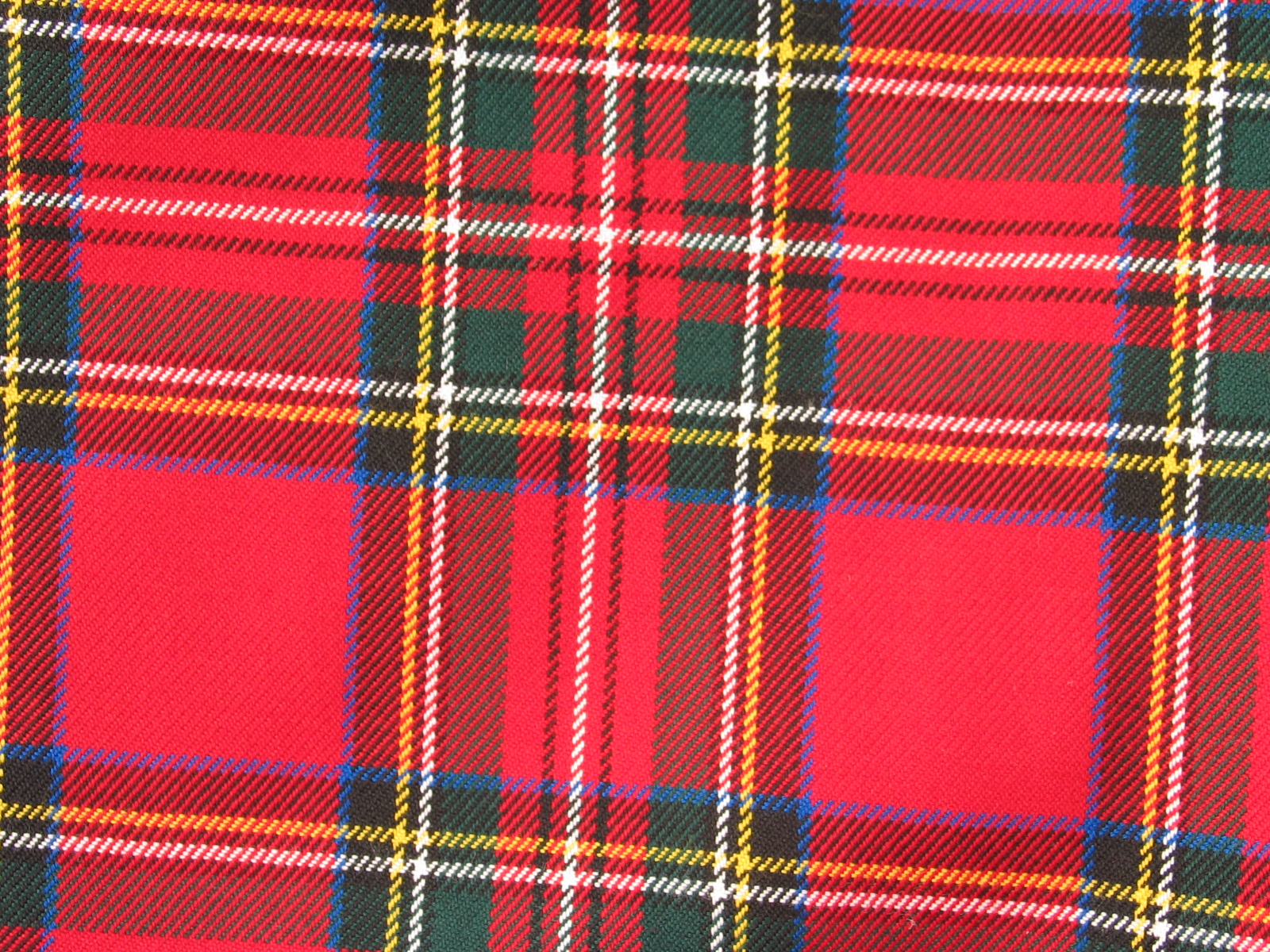
Tartan, a woven textile renowned for its distinctive geometric patterns, transcends its origins as a practical Highland garment to emerge as a potent emblem of cultural heritage, national identity, and artistic expression. Rooted in Scotland’s medieval and early modern history, tartan evolved from functional attire into a symbol deeply intertwined with clan loyalty, regional pride, and political resistance. Its intricate designs—comprising intersecting stripes of color—encode centuries of tradition, from the rugged landscapes of the Scottish Highlands to the political struggles of the Jacobite era. Beyond its historical significance, tartan has permeated global fashion, military history, and contemporary media, adapting to modern aesthetics while retaining its profound symbolic resonance.
The fabric’s journey from utilitarian cloth to a globally recognized icon reflects broader themes of cultural preservation and reinvention. Archaeological findings and historical records reveal tartan’s early associations with social status and territorial belonging, while its suppression during the 18th century and subsequent revival in the Victorian era underscore its dynamic role in shaping national narratives. Today, tartan persists as a bridge between tradition and innovation, challenging perceptions of cultural authenticity in an increasingly interconnected world. This exploration examines tartan’s evolution, its design principles, and its enduring influence across textiles, fashion, and identity.
Historical Origins and Evolution of Tartan
The origins of tartan trace back to pre-Roman Scotland, where plaided woolen textiles served as both functional garments and markers of identity. Archaeological evidence, such as fragments of tartan-like fabrics discovered in peat bogs and burial sites, suggests that early versions of tartan were woven as early as the Bronze Age (c. 2000–800 BCE), with more refined patterns emerging by the Iron Age (c. 500 BCE–500 CE). Written records from the 6th–12th centuries, including references in Gaelic poetry and chroniclers like Adamnan of Iona (Life of St. Columba, 7th century), describe woolen garments adorned with stripes and checks, though these were not yet standardized as clan-specific tartans. The term "tartan" itself derives from the Scottish Gaelic "tairtan" (meaning "crossed" or "striped"), reflecting its characteristic crisscrossed pattern.By the 16th and 17th centuries, tartan evolved into a structured system of identification, closely tied to clan allegiance, regional affiliation, and social hierarchy. Unlike modern assumptions, early tartans were not rigidly clan-exclusive; instead, they varied by weaving technique, local dye availability, and personal preference. The first documented clan tartans appear in 16th-century legal and military records, such as the 1538 Statutes of Iona, which mention "plaids of the MacDonalds" and "plaids of the Campbells" in disputes over cattle raids. The 17th-century Highland hostilities, including the Jacobite Risings (1689–1746), further cemented tartan’s association with military units, where distinct patterns helped commanders distinguish allies from enemies on the battlefield.
Archaeological and Early Written Evidence of Tartan
Direct archaeological evidence of tartan predates written records by millennia. Excavations at sites like Crannogs (artificial islands) and Pictish burial chambers have uncovered fragments of twill-woven wool with diagonal stripes, dating to the 1st–5th centuries CE. Notably, a 4th-century tartan-like fabric found in Edinburgh’s Nor’ Loch (1985) exhibited a checkered pattern, suggesting early experimentation with geometric designs. Written sources from the medieval period provide indirect confirmation:These sources collectively indicate that tartan was a practical, utilitarian textile long before it became a symbol of clan identity. The lack of standardized patterns in pre-18th-century records suggests that tartans were fluid and adaptive, reflecting local craftsmanship rather than a formalized system.
Clan and Regional Tartans in the 16th–18th Centuries
The association of tartan with clans solidified during the 16th and 17th centuries, though the connection was loose and context-dependent. Tartan patterns were influenced by:Documented examples from this era include:
Contrary to modern myths, no single authoritative source existed for clan tartans before the 19th century. Patterns were oral traditions passed down through families, with variations even within the same clan. The Highland Dress Act of 1746, which banned tartan to suppress Jacobite support, inadvertently preserved tartan as a subversive symbol of Highland identity.
Tartan’s Role in Conflict and Cultural Suppression
Key historical events reshaped tartan’s cultural significance, often in response to political oppression and military repression:The 19th century marked a turning point, as commercial tartan manufacturers (e.g., William Wilson of Bannockburn) began mass-producing patterns, often with invented clan associations to capitalize on tourist demand. This period also saw the creation of "dress tartans" (e.g., Royal Stewart, Black Watch) for formal wear, further distancing tartan from its original practical and regional roots.
Decline and Revival: A Timeline of Tartan’s Cultural Trajectory
The following table outlines tartan’s evolution through key eras, highlighting its functional, political, and symbolic roles:| Era | Tartan Type | Cultural Role | Notable References | ||||||||||||||||||||||||||||||||||
|---|---|---|---|---|---|---|---|---|---|---|---|---|---|---|---|---|---|---|---|---|---|---|---|---|---|---|---|---|---|---|---|---|---|---|---|---|---|
| Pre-12th Century | Undyed wool twill; early check/ stripe patterns | Practical clothing for warmth and durability; no clan association | Archaeological finds (e.g., Nor’ Loch fabric, Pictish brooches) | ||||||||||||||||||||||||||||||||||
| 13th–15th Century | Regional plaids (e.g., Heathery tartans, Island checks) | Distinction between Highland and Lowland attire; early military use | Statutes of Iona (1538), Gaelic poetry (e.g., Duncan Ban Macintyre) | ||||||||||||||||||||||||||||||||||
| 16th–17th Century | Clan-associated patterns (e.g., MacLeod, Campbell, MacDonald) | Military identification; political allegiance (Jacobite vs. Crown) | 1609 Lewis dispute records, 1672 Glengarry muster rolls | ||||||||||||||||||||||||||||||||||
| 18th Century (Pre-1746) | Highland military tartans (e.g., Black Watch, Fraser of Lovat) | State-sanctioned suppression; tartan as subversive symbol | Highland Dress Act (1746), Battle of Culloden (1746) | ||||||||||||||||||||||||||||||||||
| 19th Century (Victorian Era) | Commercialized
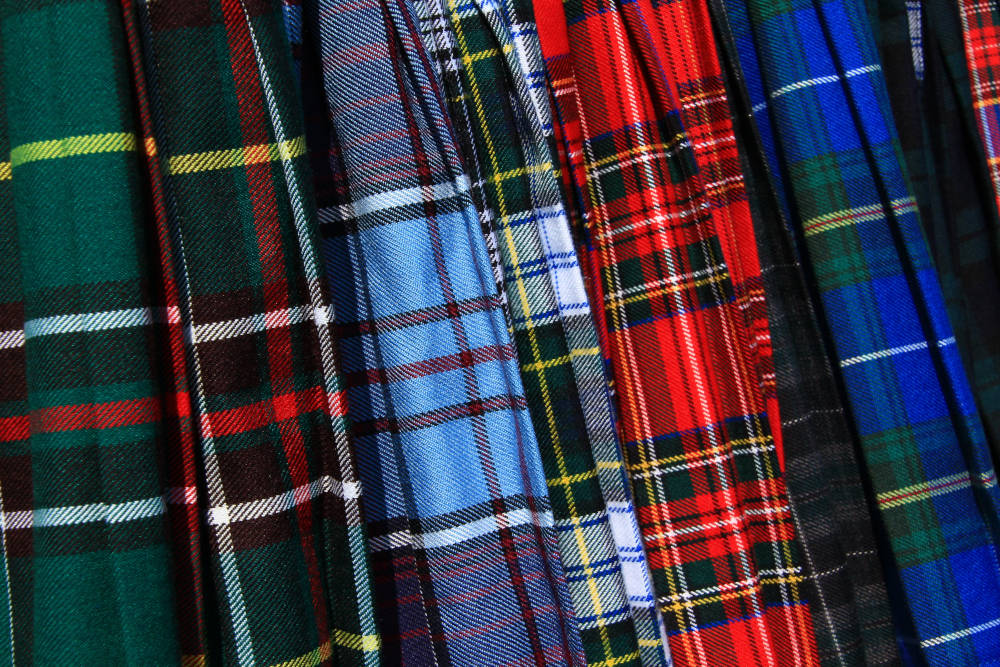
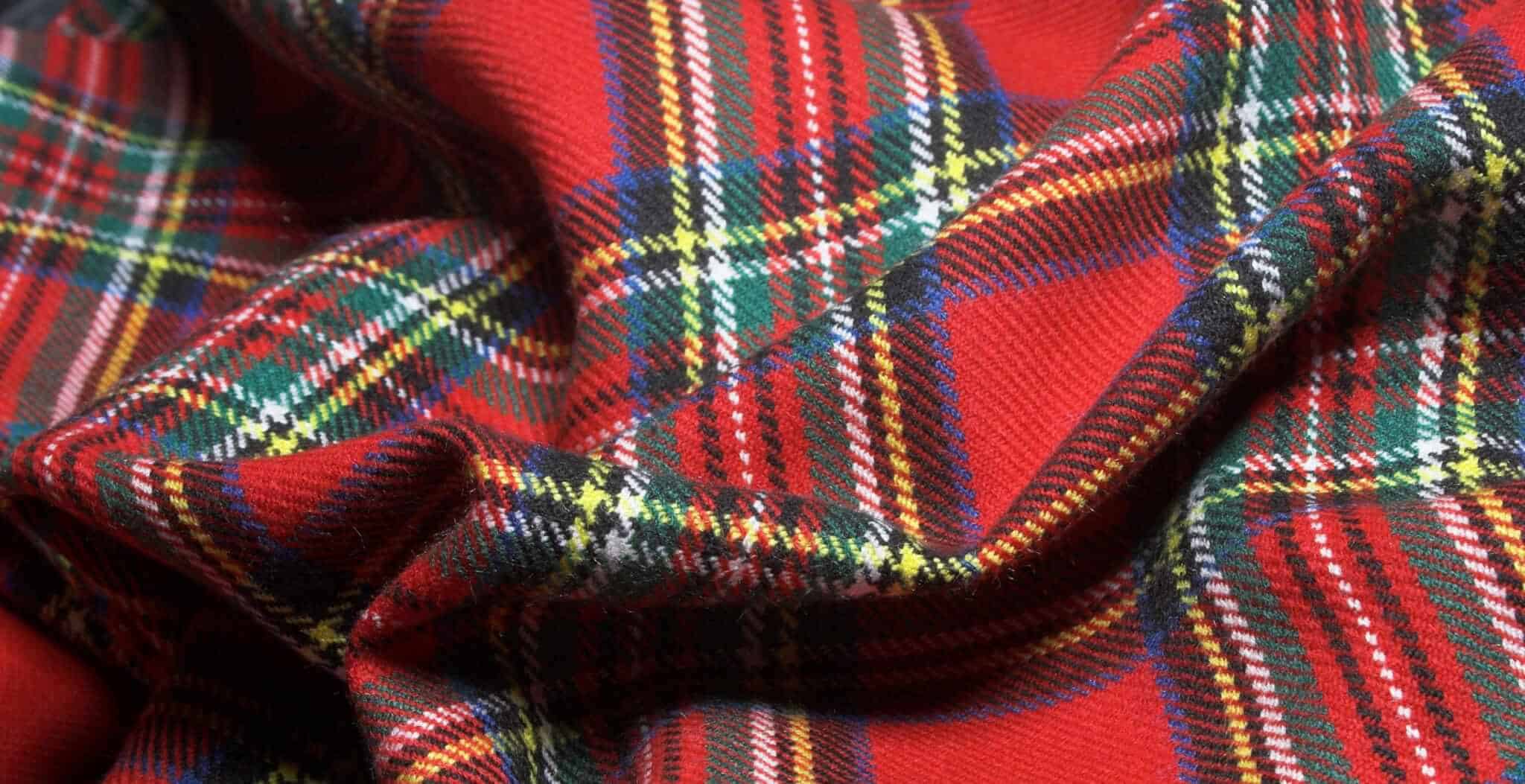
Tartan Patterns: Design Principles and SymbolismTartan patterns embody a sophisticated fusion of geometry, color theory, and cultural narrative, serving as both functional textiles and visual markers of identity. Rooted in Highland Scotland but expanded across global contexts, these designs adhere to structured rules governing thread counts, stripe alignment, and chromatic harmony while encoding historical, geographical, and clan-specific symbolism. Modern adaptations reimagine these principles through digital innovation and abstract experimentation, preserving tradition while embracing contemporary aesthetics.The geometric precision of tartan derives from its foundational structure: a repeating pattern of vertical stripes (called sett) intersected by horizontal bands, creating a grid of intersecting colors. Thread counts—measured in threads per inch—dictate texture and durability, with traditional tartans often employing 12, 16, or 24 threads per inch for weaving. Stripe widths vary by region, with Highland tartans featuring broader bands to withstand harsh climates, while Lowland or Border tartans use finer, more intricate patterns. Color palettes are equally deliberate, drawn from natural dyes historically sourced from heather (Calluna vulgaris), madder root, woad, and lichen, each hue carrying associations with terrain, flora, or clan heritage. Geometric and Chromatic Rules in Traditional Tartan DesignThe construction of a tartan follows a mathematical framework where the sett—the sequence of colored stripes—determines its uniqueness. Each tartan’s design is recorded in a standardized format, such as the Register of Tartans, where the sett is documented as a series of numbers representing thread counts and color placements. For example, the Black Watch tartan (officially Government Tartan) features a sett of 12 threads per inch with bold black and green stripes, reflecting its military origins and the moorland landscapes of the Scottish Highlands.Color selection in tartan is not arbitrary; it reflects environmental and cultural influences. Earthy tones like browns, greens, and grays evoke heather-covered hills, while blues and whites may symbolize rivers or lochs. Clan tartans often incorporate signature colors: the MacLeod tartan uses red and black to honor the clan’s historical strongholds, while the Campbell tartan integrates gold to represent the family’s association with royal patronage. The use of setts of honor—distinctive patterns reserved for specific clans—further solidifies these connections, with some, like the Royal Stewart tartan, reserved exclusively for direct descendants of the Stuart monarchy. Modern tartan designers retain these geometric and symbolic foundations while experimenting with materials and techniques. Digital printing allows for precise color matching and intricate patterns that mimic traditional weaving, while synthetic dyes enable vibrant hues previously unattainable with natural pigments. Abstract tartans, such as those by contemporary artists like Graham Summers or Tartan Weaving Mill, reinterpret the grid structure through asymmetrical layouts or minimalist palettes, appealing to a global audience without abandoning historical resonance. Regional and Clan-Specific Symbolism in Tartan PatternsTartan patterns serve as visual histories, with colors and motifs directly tied to geography, ecology, and lineage. Highland tartans, for instance, often feature deep greens and blacks to reflect the dense forests and peat bogs of the region, while Island tartans incorporate blues and whites to mirror the Atlantic coastline and seaweed-dyed fabrics. The Lewis tartan, associated with the Outer Hebrides, uses a muted palette of browns and grays to evoke the island’s barren yet rugged terrain, while the Sutherland tartan includes silver threads to honor the region’s silver mining heritage.Clan tartans encode genealogical pride through color associations. The MacDonald tartan traditionally includes red and blue stripes, reflecting the clan’s dominance over the Isles and their historical alliances with Norwegian settlers. The Fraser tartan, with its gold and green, pays homage to the clan’s lands along the River Spey, where heather and golden heath thrive. Even modern clan tartans, such as the MacKenzie tartan, retain these connections, with its blue and green stripes symbolizing the clan’s ancestral ties to the Moray Firth and the Cairngorms. Natural elements frequently inspire tartan motifs beyond color. The Glengarry tartan, for example, incorporates a subtle chevron pattern reminiscent of the Glengarry glen’s river valleys. The Argyll tartan features a diamond-shaped motif ("the Argyll diamond") that mimics the geometric patterns found in ancient Celtic knotwork and the region’s stone circles. These motifs are not merely decorative; they are mnemonic devices, preserving oral histories and geographical knowledge across generations. Modern Adaptations and Contemporary Tartan DesignWhile traditional tartans adhere to centuries-old conventions, modern designers leverage technology and cultural exchange to redefine the medium. Digital tartan weaving, pioneered by mills like House of Tartan in Glasgow, uses computer-aided design to replicate historical patterns with precision, enabling customization for global markets. This approach has democratized tartan access, allowing individuals to commission personal tartans that blend clan heritage with modern sensibilities.Abstract tartans challenge the sett’s rigidity by prioritizing artistic expression. Designers like Tartan Authority create tartans for celebrities, corporations, and fictional universes (e.g., Harry Potter’s Gryffindor tartan), using the grid as a canvas for branding rather than heritage. These designs often abandon naturalistic color schemes in favor of bold, high-contrast palettes or metallic threads, appealing to urban fashion trends. Meanwhile, sustainable tartan initiatives, such as those by Heather Tartan, revive eco-conscious dyeing techniques, using plant-based pigments and upcycled wool to align with contemporary environmental ethics. The fusion of tradition and innovation is evident in hybrid tartans, which merge historical sett structures with modern motifs. The Urban Tartan Project, for instance, collaborates with street artists to integrate graffiti-inspired patterns into classic Highland designs. Similarly, Japanese tartan ("Tartan Kimono") adapts the sett to kimono fabrics, incorporating indigo and gold threads to reflect Shinto aesthetics while retaining the tartan’s geometric integrity. Lesser-Known Tartan Patterns and Their Cultural SignificanceBeyond iconic clan and regional tartans, several obscure patterns offer insights into specialized histories and craftsmanship. These designs often emerge from niche communities or serve functional purposes, yet they preserve unique cultural narratives.1. The Dandy Tartan 2. The Jacobite Tartan 3. The Gaelic Athletic Association (GAA) Tartan
|
Leave a Comment
Comments are moderated before appearing. The data you submit is processed according to the Privacy Policy of Voltefac.