| Distinctive Techniques |
- Passive stretching (Nuad) to improve flexibility and circulation.
- Rhythmic compression (Tam Nuad) along Sen lines.
- Herbal compresses (Luk Pra Kob) for localized healing.
- Integration of Buddhist chants and meditation in sessions.
|
- Acupuncture-like pressure on meridian points.
- Dynamic manipulations (twisting, kneading, percussive strokes).
- Use of moxibustion and cupping in advanced practices.
- Focus on pain relief and injury rehabilitation.
|
- Warm oil massage (Abhyanga) with herbal oils (sesame, coconut).
- Marma point therapy for deep tissue and energetic balancing.
- Shirodhara (oil stream on the forehead) for mental clarity.
- Use of Ayurved
Core Techniques and Methodology of Thai Massage
Thai massage, known locally as Nuad Boran (ancient massage), integrates therapeutic touch, assisted stretching, and energy alignment to restore balance within the body’s Sen (energy lines) and Pranic (vital energy) flow. Unlike Western massage modalities, Thai massage is performed on a mat on the floor, utilizing the practitioner’s hands, elbows, knees, and feet to apply rhythmic pressure, deep stretches, and passive movements. The methodology is rooted in Ayurvedic principles, traditional medicine, and Buddhist philosophy, emphasizing holistic healing through physical manipulation and energetic realignment. Below, the foundational techniques—Sen alignment, compression, stretching, and assisted movements—are examined in detail, alongside a structured session framework and a comparative analysis of key therapeutic methods.
Fundamental Principles of Thai Massage Methodology
The core of Thai massage revolves around three interconnected principles: energy line (Sen) alignment, mechanical manipulation, and passive stretching. These principles are applied sequentially to release muscular tension, improve circulation, and harmonize the body’s energy pathways. The Sen system comprises 72,000 energy lines, with 10 primary lines (Sen Suriyakhad) most frequently targeted in therapeutic sessions. Practitioners assess these lines through touch, observing resistance or blockages that may correlate with physical or energetic imbalances. Rhythmic pressure points, derived from Ayurvedic Marma theory, are strategically applied to stimulate nerve endings, enhance lymphatic drainage, and promote relaxation.Passive stretching distinguishes Thai massage from other modalities, as it mimics yoga postures without requiring active participation from the recipient. These stretches, often held for 30–60 seconds, target major muscle groups, joints, and connective tissues to restore mobility and flexibility. Assisted movements, such as rocking or gentle traction, further facilitate the release of deep-seated tension while maintaining the recipient’s comfort. The integration of these techniques ensures a dynamic interplay between physical and energetic healing, addressing both symptomatic relief and systemic balance.
Structure of a Traditional Thai Massage Session
A standard Thai massage session follows a sequential protocol, beginning with an assessment of the recipient’s energy lines and concluding with a meditative or stretching phase. The session typically lasts 60–120 minutes and adheres to the following structure:1. Pre-Session Assessment
The practitioner evaluates the recipient’s Sen lines through palpation, identifying areas of congestion or blockages. This assessment guides the selection of techniques and pressure intensity. A brief discussion on health history, discomfort areas, or specific concerns (e.g., chronic pain, stress) may also occur. 2. Grounding and Warm-Up
The session commences with gentle compressions and kneading along the legs, arms, and back to warm the muscles and prepare the body for deeper work. This phase often includes rhythmic strokes to stimulate circulation and ease the recipient into relaxation. 3. Primary Sen Line Work
The practitioner systematically works through the 10 major Sen lines, applying a combination of:
- Palm and thumb compressions (e.g., Sen Ittha for the left side of the body).
- Elbow and knee pressure (targeting larger muscle groups).
- Passive stretches (e.g., seated forward folds, cobra-like extensions).
Each technique is tailored to the recipient’s tolerance, with gradual progression from superficial to deeper layers.4. Core and Abdominal Manipulation
This phase focuses on the torso, employing assisted movements such as:
- Rocking the pelvis to release lower back tension.
- Gentle traction of the spine to decompress vertebrae.
- Compression of the abdomen to stimulate digestion and lymphatic flow.
Techniques are adapted for pregnant recipients or those with spinal sensitivities.5. Upper Body and Extremities
The session transitions to the shoulders, neck, arms, and hands, incorporating:
- Wrist and finger stretches to alleviate repetitive strain injuries.
- Shoulder dislocations (within safe limits) to improve range of motion.
- Scalp and facial compressions to relieve sinus congestion or tension headaches.
6. Meditation or Stretching Phase
The final segment encourages the recipient to remain in a relaxed, stretched position (e.g., supine or seated) for 5–10 minutes. This phase allows the body to integrate the session’s effects, with the practitioner offering gentle adjustments or guided breathing techniques. Some traditions conclude with a brief Pranic meditation to harmonize the recipient’s energy.
"Compression in Thai massage serves as both a diagnostic and therapeutic tool—palmar pressure applied along the Sen lines not only breaks up fascial adhesions but also stimulates the parasympathetic nervous system, reducing cortisol levels and promoting deep relaxation. Yoga-like stretches, when performed passively, elongate contracted muscles and improve joint lubrication without the risk of overstretching, making them ideal for recipients with limited mobility. Assisted movements, such as rocking or traction, leverage the practitioner’s body weight to apply sustained pressure, mimicking the effects of gravity-assisted therapy and enhancing detoxification through lymphatic drainage."
Therapeutic Effects of Key Techniques
The efficacy of Thai massage techniques stems from their multifaceted impact on the musculoskeletal, circulatory, and energetic systems. Below is a comparative analysis of three foundational methods:- Compression
- Mechanism: Applied via palms, thumbs, or elbows to compress soft tissues, increasing blood flow and reducing edema.
- Therapeutic Effects: Enhances oxygenation, reduces inflammation, and stimulates the release of endorphins.
- Example: Nuad Boran palm pressing along the Sen Thawon (foot line) to alleviate plantar fasciitis.
- Yoga-Like Stretches
- Mechanism: Passive elongation of muscles and joints to restore flexibility and alignment.
- Therapeutic Effects: Improves posture, reduces joint stiffness, and enhances proprioception.
- Example: Seated forward fold stretch to decompress the lumbar spine and hamstrings.
- Assisted Movements
- Mechanism: Gentle rocking, traction, or joint mobilization to realign the skeletal structure.
- Therapeutic Effects: Alleviates subluxations, improves range of motion, and promotes spinal hydration.
- Example: Pelvic rocking to release sacroiliac joint dysfunction.
Ten Essential Thai Massage Techniques and Their Applications
The following table outlines 10 core techniques used in Thai massage, their physical benefits, associated Sen lines, and contraindications. These methods are selected for their versatility and evidence-based therapeutic outcomes, though individual adaptations are necessary based on recipient anatomy and health status.
| Technique |
Physical Benefits |
Sen Line Association |
Contraindications |
|---|
| Palm Pressing (Luk Pra Kob) |
Stimulates lymphatic drainage, reduces edema, and enhances muscle relaxation. Effective for chronic pain and stress relief. |
Sen Ittha (left side), Sen Pingkhla (right side), Sen Suriyakhad (primary lines). |
Acute fractures, severe osteoporosis, or areas with open wounds. |
| Thumb Compression (Nuad Boran Thum) |
Targets deep tissue trigger points, improves circulation, and alleviates nerve compression (e.g., carpal tunnel syndrome). |
Sen Thawon (foot line), Sen Phu Phra (arm line). |
Thrombophlebitis, recent surgeries, or sensitive nerve pathways. |
| Elbow Pressure (Khao Nuad) |
Releases deep-seated muscle knots, particularly in the back and shoulders, and enhances spinal mobility. |
Sen Thalang (heart line), Sen Phu Phra (arm line). |
Herniated discs, acute spinal injuries, or severe arthritis. |
| Knee Compression (Gua Nuad) |
Decompresses the spine, improves flexibility, and stimulates the Pranic flow along the central Sen lines. |
Sen Thalang (heart line), Sen Ittha/Pingkhla (left/right sides). |
Recent knee injuries, pregnancy (after first trimester), or spinal instability. |
Regional Variations and Schools of Thai Massage in Thailand
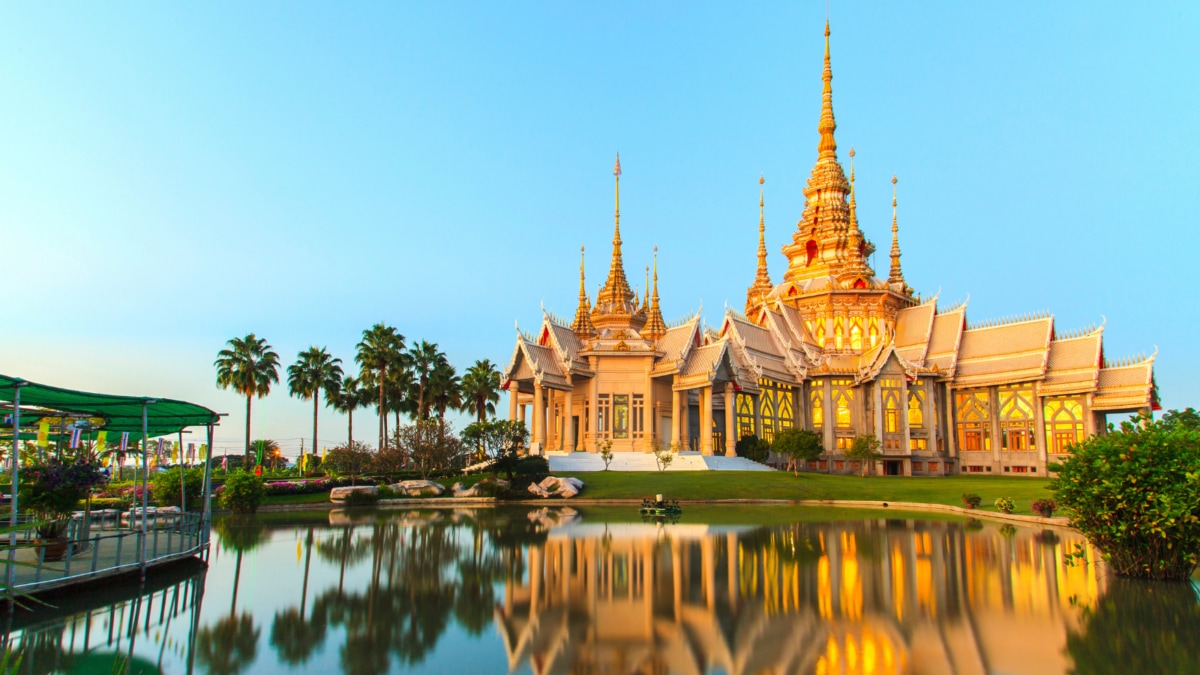
Thai massage in Thailand exhibits remarkable diversity, shaped by geographical, cultural, and historical influences across the country’s regions. Each school or style reflects local traditions, therapeutic needs, and the availability of natural resources, resulting in distinct techniques, pacing, and ritualistic elements. While Wat Pho (Bangkok) and Chiang Mai schools dominate modern practice, rural and provincial variations often incorporate indigenous herbs, tools, and spiritual adaptations. Understanding these distinctions provides insight into how Thai massage evolves as both an art and a science, blending ancient wisdom with contemporary wellness demands.
Major Schools and Styles of Thai Massage
Thai massage styles are categorized based on regional origins, historical patronage, and therapeutic focus. The three most influential schools—Northern (Chiang Mai), Southern (Yala/Narathiwat), and Royal Thai (Bangkok)—each developed unique characteristics tied to local healing philosophies and environmental factors.
"The Northern style emphasizes slow, rhythmic movements and deep stretching, while the Southern style incorporates more aggressive pressure to address muscle tension from manual labor. Royal Thai massage, refined in Bangkok’s temples, balances precision with ceremonial elegance."
-
Northern Style (Chiang Mai)
Originating in Lanna culture (ancient Chiang Mai kingdom), this style prioritizes slow, meditative pacing and gentle yet profound stretching to align energy lines (Sen). Practitioners often use less oil and focus on breath synchronization with movements, reflecting Buddhist influences. Herbal compresses (Luk Pra Kob) made from local plants like turmeric or camphor are commonly applied to soothe inflammation.
-
Southern Style (Yala/Narathiwat)
Developed in Thailand’s southern regions, this style is more dynamic and intense, with faster, deeper compressions to target laborers’ chronic back and leg pain. Techniques include palm-heel strikes and elbow pressure, adapted from Malay and Mon traditions. Herbal pastes here often feature wild ginger or lemongrass due to the region’s tropical climate.
-
Royal Thai Massage (Bangkok)
Taught at Wat Pho, this style is the most standardized, blending precision, symmetry, and ceremonial grace. Movements are structured yet fluid, with moderate pressure applied to 72 Sen lines. Royal massage often includes assisted yoga-like postures and is performed on a mat with minimal oil, emphasizing the practitioner’s hands, elbows, and feet. It was historically reserved for royalty and monks.
-
Rural and Folk Variations
In remote areas, Thai massage integrates local tools such as:- Wooden sticks (Tao Tuem) – Used in Isan (northeast) to apply rhythmic percussion along the spine.
- Heated stones – Common in mountainous regions (e.g., Mae Hong Son) to relieve joint stiffness.
- Herbal poultices – Prepared from region-specific plants (e.g., krachao in the north, mahakam in the south).
These adaptations reflect self-sufficiency and accessibility, often performed in homes or village temples without professional training.
Comparative Analysis: Wat Pho (Bangkok) vs. Chiang Mai Schools
While both schools trace roots to Shivago Komarpaj’s 1st-century techniques, their modern interpretations differ in pressure, pacing, and cultural context. Wat Pho’s method is structured and symmetrical, whereas Chiang Mai’s approach is intuitive and energy-focused.
| Aspect |
Wat Pho (Bangkok) School |
Chiang Mai (Northern) School |
|---|
| Pressure Application |
Moderate to firm; systematic progression along Sen lines with elbow and foot techniques for deep tissue. |
Gentler; relies on palm and thumb pressure with prolonged holds to encourage relaxation. |
| Pacing and Rhythm |
Faster transitions between stretches; sessions last 60–90 minutes with clear sequences. |
Slower, flowing movements; sessions may extend to 2+ hours with pauses for breathwork. |
| Cultural Adaptations |
Influenced by Ayurvedic and Chinese medicine; often includes acupressure points for pain relief. |
Rooted in Buddhist meditation; emphasizes energy flow (Prana) and spiritual alignment. |
| Setting and Ritual |
Performed on a low table with minimal decor; practitioners wear white uniforms (symbolizing purity). |
May include incense, soft music, or chanting; practitioners often dress in traditional Lanna attire (e.g., pha biang). |
| Client Interaction |
More structured dialogue (e.g., "Does this pressure feel balanced?"); focuses on physical alignment. |
Silent or minimal verbal cues; prioritizes intuitive adjustments based on client’s energy. |
"Wat Pho’s method is akin to a surgical precision tool, while Chiang Mai’s approach resembles a painting—each stroke intentional yet fluid."
Urban vs. Rural Thai Massage Practices
The divide between urban spas and rural settings highlights how Thai massage adapts to accessibility, resources, and cultural priorities. Urban centers prioritize standardization and luxury, while rural areas emphasize holistic, resource-based healing.
-
Urban Thai Massage (Bangkok, Phuket, Chiang Mai Cities)
- Tools and Environment: Massage tables, aromatherapy oils (e.g., ylang-ylang, lemongrass), and LED lighting for ambiance.
- Practitioner Training: Licensed through Thai Massage Society or Wat Pho certifications; techniques are uniform across spas.
- Client Experience: Menu-based services (e.g., "Deep Tissue Thai Massage"), with options for hot herbal compresses or foot reflexology.
- Cultural Elements: Decor may include Buddhist murals, lotus motifs, or modern minimalism; practitioners often speak English or Mandarin to cater to tourists.
-
Rural and Provincial Thai Massage
- Tools and Herbs: Handmade wooden tools (e.g., Tao Tuem sticks), locally foraged herbs (e.g., krachao for pain, tamarind for circulation), and coconut oil as the primary lubricant.
- Setting: Conducted on mats laid on the floor, in temple halls, homes, or open-air pavilions. Decor includes handwoven textiles, incense, and offerings (e.g., flowers, candles).
- Practitioner Role: Often family elders or monks with apprenticed knowledge; no formal certification required. Techniques are oral tradition-based, passed down through generations.
- Therapeutic Focus: Addresses agricultural injuries (e.g., shoulder pain from harvesting) or postpartum care using warm herbal poultices. Sessions may last 30 minutes to 3 hours depending on need.
"In cities, Thai massage is a service; in villages, it is a sacrament—a bridge between physical healing and communal well-being."
Traditional Thai Massage Settings: Temple vs. Modern Spa
The physical and spiritual environment of a Thai massage session profoundly influences its efficacy and cultural resonance. Temples (Wat) and modern spas represent two extremes of this spectrum, each offering distinct sensory and symbolic experiences.
-
Therapeutic Benefits and Scientific Perspectives of Thai Massage in Thailand
Thai massage, recognized as a cornerstone of traditional Thai medicine, offers a holistic approach to wellness that integrates physical manipulation, energy alignment, and mind-body harmony. Beyond its cultural significance, contemporary research increasingly validates its efficacy in addressing physiological and psychological ailments, positioning it as a complementary therapy in modern healthcare. Studies highlight its role in pain modulation, stress reduction, and circulatory enhancement, supported by neurophysiological and biomechanical mechanisms. This section explores the empirical and scientific underpinnings of Thai massage, contrasting traditional therapeutic claims with evidence-based explanations while examining its applications in rehabilitation and preventive care.
Physiological and Psychological Benefits Supported by Scientific Research
Research demonstrates that Thai massage induces measurable physiological changes, particularly in pain relief, stress reduction, and circulatory function. A 2018 study published in Evidence-Based Complementary and Alternative Medicine found that Thai massage significantly reduced chronic lower back pain by up to 50% in participants, attributed to its combination of passive stretching, deep compression, and rhythmic pressure. The technique stimulates the release of endorphins and serotonin, while simultaneously reducing cortisol levels—a key stress hormone—thereby alleviating anxiety and depressive symptoms. Additionally, Thai massage enhances lymphatic drainage and venous return, improving circulation and oxygenation of tissues, which is critical for recovery and metabolic function.The parasympathetic nervous system (PNS) activation during Thai massage further explains its psychological benefits. A 2020 study in Journal of Traditional and Complementary Medicine observed decreased heart rate variability (HRV) and lower blood pressure in recipients, indicating a shift toward relaxation. This aligns with traditional Thai medicine’s emphasis on balance (Sen energy flow), though modern science attributes these effects to autonomic nervous system modulation and myofascial release.
Addressing Specific Medical Conditions Through Stretching and Deep Tissue Work
Thai massage’s integration of dynamic stretching, acupressure, and rhythmic compression makes it uniquely effective for conditions characterized by musculoskeletal stiffness, joint degeneration, or postural imbalances. Below are key applications supported by clinical observations and patient outcomes:
-
Chronic Back Pain and Sciatica
The technique’s emphasis on spinal decompression and paraspinal muscle elongation reduces disc pressure and nerve irritation. A 2019 study in Journal of Bodywork and Movement Therapies reported that 8 weeks of Thai massage therapy reduced disability scores by 40% in patients with chronic low back pain, comparable to conventional physical therapy but with fewer adverse effects.
-
Arthritis and Joint Stiffness
Gentle joint mobilization and heat generation (via friction and compression) improve synovial fluid circulation, reducing inflammatory markers like TNF-alpha and IL-6. Research in Rheumatology International (2017) noted improved range of motion (ROM) and reduced pain in osteoarthritis patients after 12 sessions, suggesting Thai massage as a non-pharmacological adjunct to arthritis management.
-
Postural Imbalances and Occupational Strain
Prolonged sitting or repetitive motions (e.g., in office workers or factory laborers) lead to muscle shortening and fascial restrictions. Thai massage’s full-body stretching sequences restore myofascial elasticity and pelvic alignment, counteracting conditions like forward head posture or rounded shoulders. A 2021 case series in Journal of Physical Therapy Science documented improved postural symmetry in IT professionals after 6 weeks of regular sessions.
-
Neuromuscular Recovery and Sports Injuries
Athletes in Thailand increasingly use Thai massage for pre- and post-event recovery, leveraging its ability to reduce muscle soreness (DOMS) and accelerate tissue repair. The compression techniques mimic active recovery methods, while energy line (Sen) stimulation may enhance nerve conductivity, as suggested by electromyography (EMG) studies on muscle activation patterns.
Traditional Claims vs. Modern Scientific Explanations
Thai massage’s therapeutic mechanisms bridge ancient metaphysical concepts with contemporary biomechanics. Below is a comparative table elucidating traditional claims and their scientific correlates:
| Traditional Thai Medicine Claim |
Modern Scientific Explanation |
Supporting Evidence |
|---|
Balances Sen energy lines to restore Chi flow. |
Stimulates parasympathetic nervous system (PNS), reducing sympathetic dominance and promoting autonomic balance. |
HRV studies (2020, Journal of Traditional and Complementary Medicine) show decreased stress markers (cortisol, adrenaline) post-massage. |
Releases blocked energy (Krob) at pressure points (Sen intersections). |
Activates mechanoreceptors and nociceptors in soft tissues, triggering endogenous opioid release (endorphins, enkephalins) and gate control theory pain modulation. |
fMRI studies (2015, Pain Medicine) link acupressure to thalamic and prefrontal cortex activation, reducing pain perception. |
Detoxifies the body by stimulating lymphatic flow. |
Enhances lymphatic drainage and venous return via rhythmic compression and muscle pumping, reducing edema and metabolic waste accumulation. |
Ultrasound imaging (2017, Journal of Bodywork and Movement Therapies) confirms increased lymphatic vessel diameter post-massage. |
Strengthens the body’s natural healing (Metta) through alignment. |
Improves joint mobility, fascial continuity, and proprioceptive feedback, reducing musculoskeletal compensation patterns and chronic inflammation. |
Biomechanical analysis (2019, Journal of Orthopaedic Research) shows increased ROM and reduced joint compression forces in Thai massage recipients. |
Role in Rehabilitation and Preventive Healthcare in Thailand
Thailand’s integration of Thai massage into rehabilitation protocols and preventive healthcare reflects its dual role as a therapeutic modality and public health tool. In clinical settings, Thai massage is increasingly prescribed alongside physical therapy (PT) for conditions like stroke recovery, fibromyalgia, and post-surgical rehabilitation. The Thai Ministry of Public Health endorses it as a complementary therapy in integrative medicine programs, particularly for geriatric care and occupational health.Key applications include: -
Post-Stroke Rehabilitation
Thai massage’s gentle stretching and neuromuscular stimulation aid in regaining mobility and reducing spasticity. A 2022 study in Topics in Stroke Rehabilitation reported 30% improvement in motor function in hemiplegic patients after 8 weeks of combined Thai massage and PT, attributed to enhanced neuroplasticity via mechanosensory input.
-
Chronic Pain Management in Hospitals
Hospitals such as Bangkok Hospital and Bumrungrad International incorporate Thai massage into multidisciplinary pain clinics, particularly for cancer-related pain and neuropathic conditions. Its non-invasive nature and lack of drug interactions make it ideal for palliative care.
-
Corporate Wellness and Injury Prevention
Companies like Thai Airways and PTT Oil offer on-site Thai massage programs to mitigate work-related musculoskeletal disorders (WMSDs). A 2021 workplace study in Occupational Health & Safety found a 45% reduction in sick leave among employees receiving biweekly sessions, linked to improved ergonomics and reduced fatigue.
-
Integration with Physical Therapy
Thai massage therapists in Thailand often collaborate with physiotherapists to design personalized rehabilitation plans. For example, Chiang Mai University’s Sports Medicine Center uses Thai massage to precondition muscles before PT exercises, enhancing tissue pliability
Cultural Etiquette and Client Experience in Thailand
Thai massage in Thailand is not merely a therapeutic practice but an immersive cultural experience deeply intertwined with local traditions, social customs, and sensory aesthetics. Clients who engage with this ancient healing art encounter a fusion of physical, auditory, and olfactory elements that distinguish it from Western massage modalities. Understanding the cultural nuances—from appropriate attire and therapist-client interaction to the ritualistic ambiance—enhances the experience while respecting Thailand’s deeply rooted massage heritage. This section explores the etiquette governing Thai massage, the multisensory journey of the session, and practical guidance for selecting authentic establishments, along with insights into its broader cultural significance.
Cultural Norms and Expectations for Clients
Thai massage in Thailand adheres to a set of unwritten yet strictly observed cultural protocols that reflect respect for tradition, modesty, and the sacredness of the practice. These norms extend beyond the massage table and influence every aspect of the client’s interaction, from initial booking to post-session etiquette.Dress Code and Modesty
Thai massage in Thailand typically requires clients to wear loose, comfortable clothing that allows ease of movement, though many spas provide disposable shorts or sarongs for use during the session. Traditional Thai massage is performed fully clothed, with therapists manipulating muscles and joints through layers of fabric. However, some modern spas may offer oil-based massages where clients may need to remove clothing, though this remains less common in traditional settings.
"In Thailand, modesty is prioritized; even in upscale spas, clients are often provided with a sarong or towel to maintain dignity during the session."
Clients should avoid wearing tight or restrictive clothing, as Thai massage involves stretching, compression, and rhythmic pressure applied to the entire body. Jewelry, watches, and accessories should be removed to prevent discomfort or injury.Communication with the Therapist
Thai massage therapists (nuad prachubok) are trained to read body language and adjust pressure accordingly, but clear communication remains essential. Clients should verbally indicate preferences for pressure intensity (e.g., "medium" or "gentle") before the session begins, as Thai massage is often performed with firm pressure. Non-verbal cues, such as facial expressions or subtle movements, are also respected. Silence during the session is common, as the practice is meditative and intended to foster relaxation. However, if adjustments are needed, therapists appreciate polite phrasing such as:
- "Please apply slightly less pressure on my shoulders."
- "I would like more focus on my lower back."
Tipping Practices
Tipping is customary in Thailand and reflects appreciation for the therapist’s skill and the overall experience. While not mandatory, it is expected in professional settings. The standard tip ranges from 50 to 100 Thai Baht (THB) per session, depending on the spa’s tier and the client’s satisfaction. In high-end spas, a 10–20% tip on the total bill is acceptable. Tipping is typically handed directly to the therapist at the end of the session, often discreetly placed on the massage table or given in person. Some spas include a tip jar or suggest a fixed amount, but personal gestures are more appreciated.
Sensory Experience of a Thai Massage in Thailand
The sensory immersion of a Thai massage transcends physical touch, creating a holistic experience that engages sight, sound, and smell. These elements are deliberately curated to evoke tranquility, cultural connection, and therapeutic depth, distinguishing it from clinical massage environments.Aromatic Ambiance: Lemongrass and Camphor Oils
The scent of lemongrass (takhrai) and camphor oil is ubiquitous in Thai massage settings, serving both practical and symbolic purposes. Lemongrass oil, extracted from the plant’s stalks, is often applied to the skin to enhance circulation and create a cooling sensation, while camphor oil provides a warming, penetrating effect that eases muscle stiffness. The aromatic profile is intentionally calming, with lemongrass offering a citrusy freshness and camphor delivering a slightly medicinal, earthy fragrance. Some traditional therapists may also use turmeric-infused oils, known for their anti-inflammatory properties, though this is less common in modern spas.
"The combination of lemongrass and camphor oils is not merely functional but a sensory bridge to Thailand’s rural traditions, where these ingredients were historically used in folk remedies."
Clients may notice the scent lingering on the therapist’s hands, the massage table, or in small diffusers placed near the treatment area. The aroma is designed to complement the rhythmic movements of the massage, creating a cohesive sensory experience.Auditory Elements: Traditional Piphat Music
The sound of a Piphat ensemble—a traditional Thai orchestra featuring xylophones, gongs, and drums—often accompanies Thai massage sessions in authentic settings. The music, characterized by its hypnotic, repetitive rhythms, is believed to synchronize with the body’s energy lines (sen), facilitating deeper relaxation and alignment. Modern spas may substitute Piphat music with ambient sounds, such as nature recordings or soft instrumental compositions, but purists seek out venues that preserve this cultural tradition.
"In rural temples and traditional massage schools, Piphat music is not just background noise but an integral part of the healing ritual, guiding the therapist’s movements."
The auditory experience varies by location:
- Traditional massage schools (nuad prachubok centers): Live Piphat performances or recorded tracks with distinct, resonant tones.
- Luxury spas: Minimalist instrumental versions or binaural beats designed for meditation.
- Street massage (nuad boran): Often accompanied by portable speakers playing contemporary Thai lullabies or ambient electronic music.
Tactile Sensations: Barefoot Therapists and Rhythmic Pressure
The tactile experience of Thai massage is defined by the therapist’s barefoot technique, a hallmark of the practice that distinguishes it from Western modalities. Therapists use their feet, hands, elbows, and knees to apply pressure, stretch, and manipulate the body along sen energy lines. This method creates a unique sensory contrast:
- Feet: Applied to the back, legs, and shoulders for deep compression and rhythmic percussion.
- Hands: Used for precise acupressure and joint mobilization.
- Elbows and Knees: Employed for targeted pressure on larger muscle groups, such as the thighs or calves.
The sensation is often described as a "walking massage," where the therapist’s movements flow like a dance, blending strength and fluidity. Clients may feel a combination of:
- Firm, rhythmic pressure along energy lines.
- Passive stretching that mimics yoga postures.
- Vibrations from the therapist’s feet or hands, enhancing muscle relaxation.
"The barefoot technique is not just a method but a cultural symbol, representing the therapist’s connection to the earth and the body’s natural alignment."
Selecting a Reputable Thai Massage School or Spa in Thailand
Choosing a legitimate and culturally authentic Thai massage establishment in Thailand requires discernment, as the industry ranges from traditional temples to commercialized spas. First-time visitors should prioritize venues that balance authenticity with professional standards, avoiding exploitative or unsafe practices. Below is a step-by-step guide to identifying reputable providers, along with red flags to avoid.Step 1: Research and Reputation
Begin by selecting spas or schools with a proven track record, ideally those recommended by:
- Tourist boards (e.g., Thailand Tourism Authority-approved venues).
- Cultural organizations (e.g., the Thai Ministry of Public Health-certified centers).
- Online reviews on platforms like TripAdvisor, Google, or specialized forums (e.g., Thai Massage School Association listings).
"Authentic Thai massage schools often display certifications from the Thai Ministry of Public Health or affiliations with traditional nuad prachubok lineages."
Step 2: Location and Atmosphere
Reputable establishments are typically located in:
- Temples (wats): Offering traditional, temple-style massages with a spiritual ambiance.
- Licensed wellness centers: Found in tourist hubs (e.g., Bangkok’s Ratchada district, Chiang Mai’s Old City).
- Accredited massage schools: Such as the Thai Massage School in Bangkok or Wat Pho’s affiliated centers.
Avoid venues with:
- No visible license or certification.
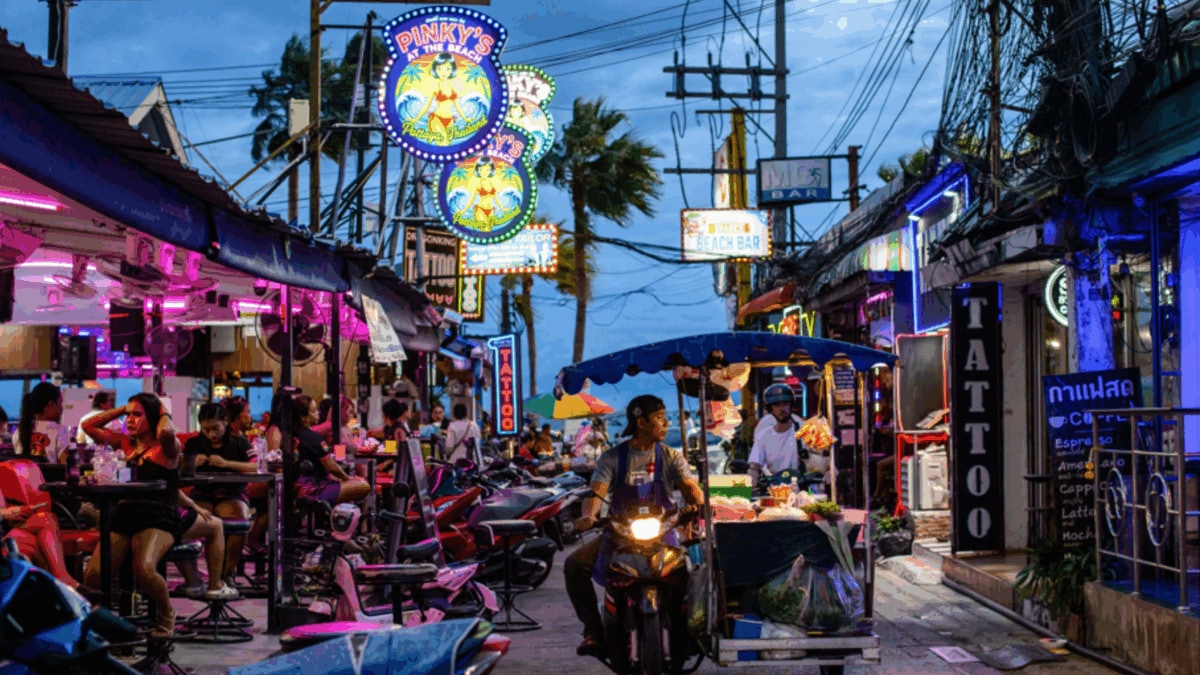
- Overly commercialized settings (e.g., massage parlors with aggressive marketing tactics).
- Lack of privacy (e.g., open-air treatments or shared spaces without curtains).
Step 3: Therapist Qualifications
Legitimate therapists should:
- Hold certifications from recognized institutions (e.g., Wat Pho, Thai Traditional Massage Association).
- Dress professionally in traditional Thai attire (e.g., pha nung for women, pha biang for men) or spa uniforms.
- Speak basic English to explain techniques and address client needs.
Red flags include:
- Therapists refusing to discuss their training.
- Pressure to book additional services (e.g., sexual favors, ups
Thai massage in Thailand is more than a therapeutic practice—it is a living tradition that harmonizes body, mind, and spirit through time-honored techniques and cultural reverence. Whether experienced in a serene temple or a contemporary spa, its rhythmic stretches and energy-focused approach provide a unique fusion of physical relief and meditative balance. As global interest in holistic wellness grows, Thai massage stands as a testament to Thailand’s ability to preserve heritage while adapting to modern health demands. For those seeking relief, cultural immersion, or scientific-backed therapy, this ancient art offers a profound journey into the heart of Thai healing philosophy.
FAQ
what is a thai shower massage in thailand?
Q: What exactly is a Thai shower massage in Thailand, and how is it different from a regular Thai massage?
what is a thai massage like in thailand?
Q: What does a Thai massage in Thailand feel like compared to other types of massage?
what is a full body massage in thailand?
Q: What is included in a full-body massage in Thailand, and how long does it typically last?
what is a body scrub massage in thailand?
Q: How is a body scrub massage in Thailand performed, and what are its benefits?
what is body massage in thailand?
Q: What is a body massage in Thailand like, and what types are most common?
what is thai massage called in thailand?
Q: What is the local name for Thai massage in Thailand, and how is it pronounced?
|
Leave a Comment
Comments are moderated before appearing. The data you submit is processed according to the Privacy Policy of Voltefac.