Understanding What Is Seminary And Its Theological Foundations
Table of Contents
- Definition and Core Purpose of Seminary
- Historical Development and Institutional Goals
- Comparison of Seminary Education with Other Forms of Higher Learning
- Typical Curriculum Components by Degree Level
- Bachelor of Divinity (BDiv or BTh)
- Master of Divinity (MDiv)
- Types of Seminaries and Their Specializations
- Categories of Seminaries and Their Educational Philosophies
- Specializations Within Seminary Programs
- Admission Requirements and Academic Pathways in Seminary Education
- Standard Admission Criteria for Seminaries
- Academic Pathways from Undergraduate Studies to Seminary Graduation and Beyond
- Role of Recommendation Letters, Personal Statements, and Interviews in Admissions
- Curriculum Structure and Key Subjects in Seminary Education
- Thematic Clusters in Seminary Curriculum
- 1. Scripture and Exegesis
- 2. Theology and Doctrine
- 3. Ministry Skills and Practical Theology
- 4. Ethics and Moral Theology
- 5. Interdisciplinary and Contextual Studies
- Sample Semester-by-Semester Curriculum for a Master of Divinity (M.Div.) Program
- Practical Training and Ministry Preparation in Seminary Education
- Forms of Practical Training in Seminary Programs
- Balancing Theoretical Learning with Experiential Training
- Step-by-Step Guide for Securing and Maximizing Practical Ministry Opportunities
- Career Outcomes and Post-Seminary Opportunities
- Categorized Career Paths for Seminary Graduates
- Comparative Analysis of Job Prospects, Salaries, and Advancement
- FAQ
- What is seminary school and what does it entail?
- What is seminary in the context of The Church of Jesus Christ of Latter-day Saints (LDS)?
- Is there a seminary program available for high school students?
- What is the role of seminary in a church setting?
- What is it like to attend seminary school?
- How does seminary function within the Mormon (LDS) faith?
A seminary represents the cornerstone of advanced theological education, serving as both an academic institution and a vocational training ground for religious leaders. Rooted in centuries of ecclesiastical tradition, seminaries distinguish themselves from secular universities by blending rigorous scholarship with practical ministry preparation. Their core mission extends beyond theoretical study to cultivate competent, ethically grounded practitioners capable of addressing contemporary spiritual and societal challenges. From denominational-specific training to interdisciplinary theological inquiry, seminaries adapt their curricula to reflect evolving religious landscapes while preserving foundational doctrines.
The distinction between seminary education and other forms of higher learning lies in its dual emphasis on intellectual mastery and pastoral competence. While universities prioritize broad academic disciplines, seminaries integrate biblical exegesis, systematic theology, and ethical reasoning with hands-on ministry skills—such as preaching, counseling, and community leadership. This hybrid approach ensures graduates are not only well-versed in doctrinal debates but also equipped to apply theological insights in real-world contexts, whether in parish settings, missionary fields, or academic research. The evolution of seminary programs further reflects their responsiveness to global religious dynamics, offering specialized tracks in areas like interfaith dialogue, digital ministry, and social justice advocacy.
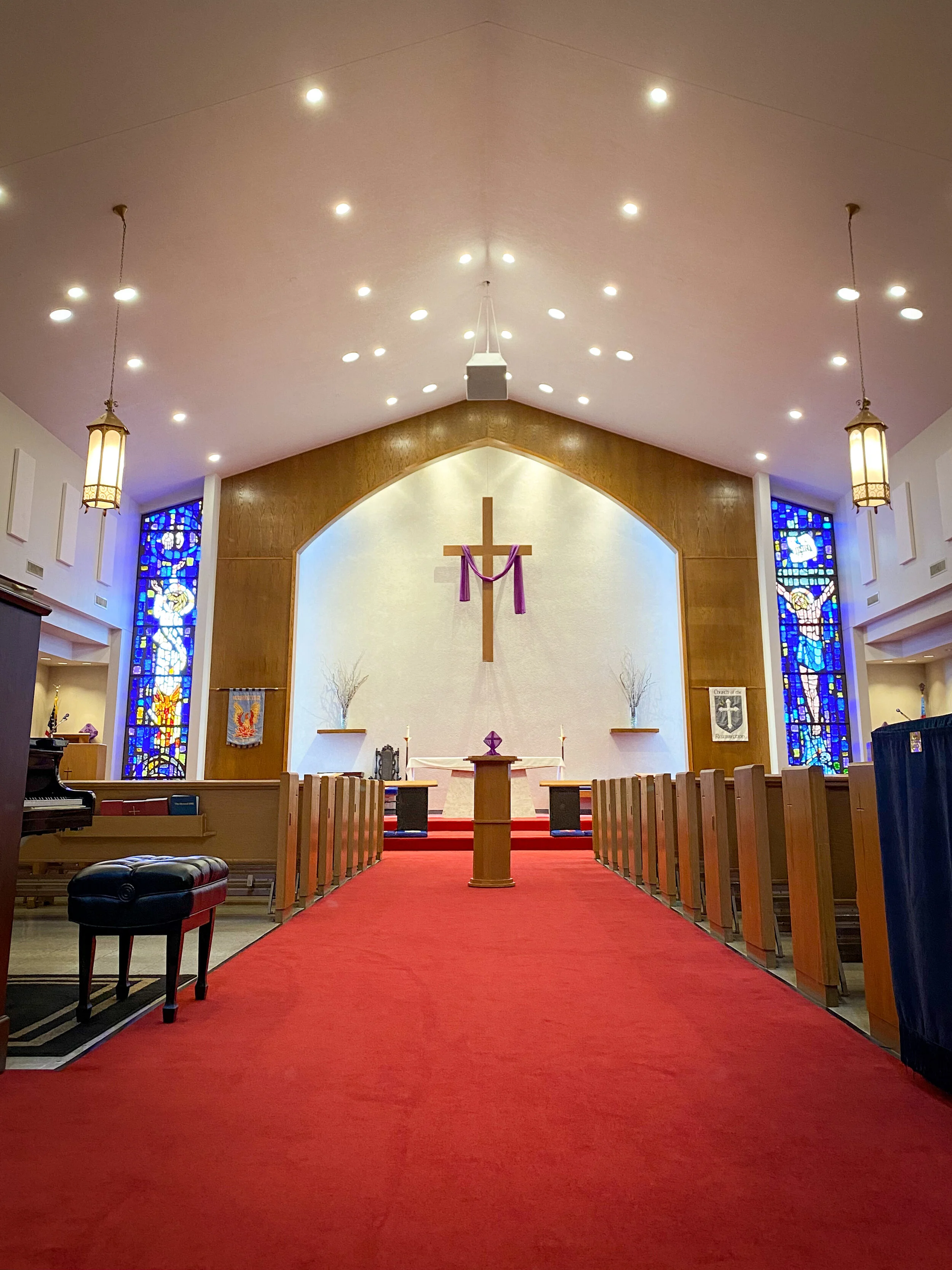
Definition and Core Purpose of Seminary
Seminary education represents a specialized form of higher learning designed to equip individuals for religious leadership, ministry, and theological scholarship. Rooted in the historical need to train clergy and religious professionals, seminaries serve as institutions distinct from secular universities or vocational colleges, blending academic rigor with practical spiritual formation. Their primary objectives include fostering deep theological understanding, ethical development, and the acquisition of skills essential for pastoral, missionary, or academic service within faith communities.The origins of seminaries trace back to the early Christian era, with formalized training programs emerging in the 16th century during the Protestant Reformation. Institutions such as the Geneva Academy (founded by John Calvin in 1559) and later Princeton Theological Seminary (1812) established models for systematic theological education. Unlike secular universities, seminaries prioritize the integration of faith, doctrine, and ministry practice, often incorporating mentorship, worship, and service as integral components of the curriculum.
Historical Development and Institutional Goals
The evolution of seminaries reflects broader theological and ecclesiastical movements. During the Reformation, seminaries addressed the need for educated clergy capable of interpreting Scripture and administering sacraments in the face of doctrinal disputes. In the 19th century, seminaries in North America and Europe expanded their focus to include biblical studies, church history, and pastoral theology, aligning with the rise of denominational identities. Contemporary seminaries continue this legacy while adapting to modern challenges, such as interfaith dialogue, ethical dilemmas in a pluralistic society, and the digital transformation of religious communication.The core goals of a seminary can be categorized into three interdependent domains:
These objectives distinguish seminaries from secular institutions, where the primary emphasis is often on career preparation or research. While universities prioritize interdisciplinary knowledge and vocational training programs focus on technical proficiency, seminaries balance intellectual rigor with the cultivation of character and vocation.
Comparison of Seminary Education with Other Forms of Higher Learning
The following table contrasts seminary education with vocational training, theological studies (as an academic discipline), and secular higher education, highlighting key differences in curriculum, institutional mission, and outcomes.| Aspect | Seminary Education | Vocational Training | Theological Studies (Academic) | Secular Higher Education |
|---|---|---|---|---|
| Primary Focus | Preparation for religious leadership, ministry, and spiritual formation. | Development of job-specific skills for immediate employment (e.g., trades, healthcare). | Scholarly research and critical analysis of religious traditions, often without vocational intent. | Broad liberal arts education or specialized professional training (e.g., law, medicine, business). |
| Curriculum Structure |
|
|
|
|
| Institutional Mission | To produce competent, compassionate, and doctrinally grounded religious leaders. | To prepare individuals for entry-level employment in a specific trade or profession. | To advance scholarly understanding of religion as an academic field. | To foster critical thinking, civic engagement, and professional expertise across disciplines. |
| Outcomes |
|
|
|
|
| Spiritual vs. Secular Integration | Seminary education is inherently faith-based, requiring students to engage with religious doctrine, worship practices, and ethical frameworks as foundational to their studies. |
Secular in focus; spiritual or religious elements are incidental or absent. | May include religious content but is framed within academic neutrality (e.g., studying Christianity as a historical phenomenon). | Secular; religious perspectives are studied as cultural or philosophical subjects unless in theology programs. |
Typical Curriculum Components by Degree Level
Seminary curricula are structured to progressively deepen theological knowledge and practical skills, with variations depending on the degree level and denominational affiliation. Below is an overview of common components for three primary degree programs:Bachelor of Divinity (BDiv or BTh)
The Bachelor of Divinity serves as an undergraduate foundation for vocational ministry, combining foundational theological coursework with introductory practical training. This degree is often required for ordination in many Christian denominations.Key curriculum components include:
- Exegesis of the Hebrew Bible/Old Testament and New Testament, including language training (Hebrew, Greek, or Aramaic).
- Study of core doctrines (e.g., Trinity, Christology, soteriology) within denominational traditions.
- Survey of ecclesiastical developments from early Christianity to the modern era.
- Introduction to preaching, worship leadership, and pastoral care.
- Courses in philosophy, ethics, and social sciences to contextualize theological studies.
Master of Divinity (MDiv)
The Master of Divinity is the most common graduate degree for professional ministry, offering advanced training in theology, ministry skills, and specialized areas. It typically requires 72–90 credit hours and includes a thesis or integrative project.Key curriculum components include:
- Specialized courses in
- Baptist Seminaries (e.g., Southern Baptist Theological Seminary, Fuller Theological Seminary): Emphasize evangelism, expository preaching, and congregational autonomy, often requiring adherence to confessional statements like the Baptist Faith and Message.
- Anglican Seminaries (e.g., Virginia Theological Seminary, Wycliffe Hall): Focus on liturgical tradition, Anglican theology (e.g., via media), and pastoral leadership within the Episcopal Church or global Anglican Communion.
- Lutheran Seminaries (e.g., Concordia Seminary, Luther Seminary): Prioritize confessional Lutheran theology (e.g., Book of Concord), worship renewal, and service to local congregations, often requiring students to affirm the Formula of Concord.
- Presbyterian Seminaries (e.g., Princeton Theological Seminary, Union Theological Seminary): Integrate Reformed theology (e.g., Westminster Confession), ecclesial polity, and social ethics, with an emphasis on ordained ministry within Presbyterian denominations.
- Evangelical Seminaries (e.g., Dallas Theological Seminary, Trinity Evangelical Divinity School): Stress biblical inerrancy, dispensationalism, or Reformed theology, with curricula emphasizing global missions, apologetics, and practical ministry skills.
- Mainline Protestant Seminaries (e.g., Yale Divinity School, Union Theological Seminary in NYC): Blend liberal theological perspectives with social justice advocacy, historical-critical biblical studies, and interfaith dialogue.
- Liberal Arts-Integrated Seminaries (e.g., Seattle School of Theology & Psychology, Fuller’s Brehm Center): Combine theological training with psychology, counseling, or arts-based ministry, addressing holistic formation and contemporary cultural issues.
- Diocesan Seminaries (e.g., St. Mary’s Seminary & University, Mount St. Mary’s Seminary): Affiliated with specific dioceses, offering formation in Catholic doctrine, sacramentology, and pastoral leadership, with mandatory celibacy for priests and adherence to the Catechism of the Catholic Church.
- Religious Order Seminaries (e.g., Pontifical North American College, Jesuit School of Theology at Berkeley): Serve orders (e.g., Jesuits, Franciscans, Dominicans) with specialized training in their charisms (e.g., Ignatian spirituality, contemplative prayer).
- Pontifical Universities (e.g., Pontifical Gregorian University, Catholic University of America): Offer advanced degrees (e.g., STB, STL, STD) with rigorous philosophical and theological training, often required for academic or high-level ecclesiastical roles.
- Greek Orthodox Seminaries (e.g., Holy Cross Greek Orthodox School of Theology, St. Tikhon’s Orthodox Theological Seminary): Focus on Byzantine liturgy, patristic exegesis, and the Philokalia, with courses on iconography and Orthodox spirituality.
- Russian Orthodox Seminaries (e.g., St. Vladimir’s Orthodox Theological Seminary): Integrate Slavic theological traditions (e.g., works of St. Theophan the Recluse) with contemporary pastoral challenges, often requiring fluency in Church Slavonic.
- Antiochian and Other Oriental Orthodox Seminaries (e.g., St. George’s Seminary): Emphasize Syriac or Coptic theological heritage, with specialized courses on early Christian history and monasticism.
- Ecumenical Seminaries (e.g., Boston University School of Theology, Ecumenical Institute of Bossey): Collaborate with multiple denominations to address shared theological or ethical issues (e.g., climate justice, interreligious relations).
- Jewish and Islamic Seminaries (e.g., Hebrew Union College-Jewish Institute of Religion, Hartford Seminary): Offer rabbinical or imam training with interfaith curricula, blending traditional religious education with contemporary ethical dilemmas.
-
Biblical Languages (Hebrew, Greek, Aramaic)
Intensive study of original biblical texts to facilitate exegesis, translation, and historical-critical analysis. Programs often require mastery of tools like Biblia Hebraica or Novum Testamentum Graece, with courses in syntax, grammar, and paleography.
Example: A student specializing in Hebrew may analyze the Masoretic Text alongside the Dead Sea Scrolls to reconstruct textual variants in the Book of Isaiah.
-
Systematic Theology
Examines core Christian doctrines (e.g., Trinity, atonement, eschatology) through historical confessions and contemporary debates. Seminaries may emphasize specific traditions (e.g., Reformed, Thomistic, or process theology).
Example: A course on Christology might compare Athanasius’ De Deo Homine with modern feminist or liberationist critiques.
-
Historical Theology
Traces the development of Christian doctrine from patristic to modern periods, often with a focus on councils (e.g., Chalcedon, Trent), reformations, or global Christianity. Some programs require theses on specific theological movements.
-
Patristics
Specializes in early Christian writers (e.g., Augustine, Gregory of Nyssa, John Chrysostom) and their influence on liturgy, asceticism, and ecclesiology. Orthodox seminaries often mandate primary-source reading in Greek or Latin.
-
Pastoral Care and Counseling
Combines theology with psychology (e.g., grief counseling, addiction recovery) and practical skills like homiletics or liturgical leadership. Accreditation (e.g., APA for counseling programs) may be required for licensure.
Example: A course on pastoral theology might integrate Bonhoeffer’s Cost of Discipleship with modern trauma-informed care models.
-
Homiletics and Preaching
Focuses on sermon preparation, rhetorical theory, and contextualized proclamation. Evangelical seminaries often emphasize expository preaching, while liturgical traditions may prioritize homiletics tied to the lectionary.
-
Worship and Liturgical Studies
Designs liturgical practices, music, and architecture, with denominational variations (e.g., Anglican Book of Common Prayer, Catholic Roman Missal, or charismatic worship styles). Some programs offer lab courses for planning services.
-
Church History
Explores the institutional development of Christianity, from apostolic times to modern denominations. Courses may cover missions history, hagiography, or the role of
Admission Requirements and Academic Pathways in Seminary Education
Seminary admission reflects a rigorous selection process designed to ensure candidates possess both the intellectual and spiritual preparedness for theological study. Unlike undergraduate programs, seminaries emphasize a combination of academic qualifications, personal character, and vocational alignment with ministry or academic theology. The pathways from initial enrollment to graduation—and beyond to ordination or advanced degrees—are structured to balance foundational knowledge with practical application. Below, the standard criteria for admission are outlined, followed by a detailed academic progression framework and the role of non-academic evaluations in assessing a candidate’s suitability.
Standard Admission Criteria for Seminaries
Admission to seminary programs varies by institution, denomination, and academic focus, but core requirements typically include a mix of educational prerequisites, prerequisite courses, and non-academic evaluations. These criteria ensure candidates can engage critically with theological material while demonstrating commitment to ministry or scholarly work.Educational Prerequisites
Most seminaries mandate a bachelor’s degree as the minimum educational requirement, though specific fields of study may be preferred or required. For example:
- Divinity or Theology Programs: Candidates with degrees in religious studies, philosophy, or related humanities fields often align closely with seminary curricula.
- Ministry-Focused Programs: Some seminaries prioritize applicants with degrees in psychology, sociology, or education, particularly for programs emphasizing pastoral counseling or chaplaincy.
- Academic Theology Programs: PhD-track seminaries may require a master’s degree in theology or a related discipline, with prior research experience.
- Biblical Studies: Introductory courses in Old Testament/Hebrew Bible, New Testament/Greek, or hermeneutics (e.g., "Introduction to Biblical Interpretation").
- Theological Foundations: Survey courses in Christian doctrine, church history, or systematic theology (e.g., "Theology 101" or "Historical Theology").
- Ministry Experience: Practical exposure to pastoral work, such as internships in churches, parachurch organizations, or volunteer roles (e.g., youth ministry, disaster relief).
- Language Proficiency: For programs emphasizing biblical languages, demonstrated competence in Greek (Koine) or Hebrew (e.g., completion of a 200-level language course or equivalent).
- Recommendation Letters: Typically 2–3 letters from academic advisors, clergy, or professional mentors who can attest to the applicant’s character, intellectual rigor, and suitability for ministry. Letters often highlight traits such as leadership, ethical integrity, and resilience.
- Personal Statements: A 500–1,500-word essay outlining the applicant’s theological journey, career goals, and reasons for pursuing seminary. Strong statements articulate a clear vision for ministry or scholarship, supported by personal anecdotes or formative experiences.
- Interviews: One-on-one or panel discussions with faculty, admissions committees, or denominational representatives. Interviews assess communication skills, theological convictions, and alignment with the seminary’s mission (e.g., evangelical, mainline Protestant, or Catholic traditions). Some institutions include spiritual formation evaluations, such as reflections on personal faith development.
- Bachelor’s degree (GPA typically 2.5–3.0+ on a 4.0 scale).
- Prerequisite courses or demonstrated proficiency in biblical languages/theology.
- Recommendation letters, personal statement, and interview.
- Denominational affiliation or commitment to ministry (for MDiv programs).
- Biblical exegesis and languages (Greek/Hebrew).
- Systematic theology and ethics.
- Church history and denominational studies.
- Practical ministry skills (preaching, counseling, administration).
- Electives tailored to specialization (e.g., missiology, pastoral care).
- Ordination: Submission of seminary transcripts, completion of denominational requirements (e.g., background checks, interviews), and ordination exams (e.g., for United Methodist or Episcopal clergy).
- Doctoral Studies (PhD/ThD): For academic theology, candidates apply to doctoral programs with research proposals, language proficiency (e.g., Latin, Syriac), and faculty mentorship.
- Advanced Ministry Training: Licensure programs (e.g., for chaplaincy or counseling) or specialized certifications (e.g., in conflict resolution or digital ministry).
- Pastoral ministry (senior pastor, associate pastor).
- Academic roles (professor, researcher, theologian).
- Nonprofit leadership (NGOs, parachurch organizations).
- Public theology (journalism, policy advocacy, interfaith dialogue).
- Intellectual Rigor: Evidence of critical thinking, research skills, or teaching potential (e.g., "Excels in exegetical analysis" or "Published a paper on early Christian apologies").
- Character and Ethics: Traits such as integrity, humility, and resilience, particularly in high-pressure environments (e.g., "Demonstrated unwavering commitment during a crisis in [context]").
- Ministry Fit: For pastoral programs, letters from clergy may highlight leadership in worship, discipleship, or conflict resolution (e.g., "Led a small group that grew from 5 to 50 members").
- Theological Reflection: Articulation of core beliefs and how they have been shaped (e.g., "My study of liberation theology during my time in [region] deepened my understanding of justice as integral to the Gospel").
- Vocational Clarity: Specific goals for ministry or scholarship, with examples of how seminary will equip the candidate (e.g., "I seek to integrate trauma-informed care into pastoral counseling, inspired by my work with veterans").
- Self-Awareness: Honest acknowledgment of limitations or areas for growth, paired with a plan for development (e.g., "While my Greek proficiency is intermediate, I am committed to achieving advanced fluency through [program]").
- Theological Conviction: Ability to articulate beliefs coherently and engage in respectful dialogue (e.g., "Describe your stance on [controversial theological issue] and how it informs your ministry").
- Old Testament Studies: Survey of literary genres (e.g., prophecy, wisdom literature), historical backgrounds, and theological themes.
- New Testament Studies: Analysis of Pauline and Johannine literature, Jesus’ teachings, and early Christian theology.
- Biblical Languages: Intensive study of Koine Greek (required for M.Div. programs) and, in some seminaries, Hebrew or Aramaic.
- Hermeneutics: Theories of interpretation, including historical-critical, literary, and canonical approaches.
- Systematic Theology: Doctrines of God (theology proper), Christology, soteriology, ecclesiology, and eschatology.
- Historical Theology: Development of Christian doctrine from the patristic era to the Reformation and modern movements.
- Philosophy of Religion: Engagement with apologetics, epistemology, and the relationship between faith and reason.
- Contextual Theology: Theological reflection shaped by cultural, political, or global contexts (e.g., liberation theology, feminist theology).
- Preaching and Homiletics: Expository preaching, sermon construction, and rhetorical strategies.
- Pastoral Care and Counseling: Grief counseling, crisis intervention, and spiritual direction.
- Church Leadership and Administration: Governance models, fundraising, and organizational development.
- Missiology and Evangelism: Strategies for global and local outreach, including cross-cultural ministry.
- Christian Ethics: Foundational principles from Scripture and tradition (e.g., natural law, agape).
- Applied Ethics: Bioethics (e.g., end-of-life care), business ethics, and environmental stewardship.
- Social Ethics: Justice, poverty, and systemic change (e.g., civil rights, human trafficking).
- Legal and Political Ethics: Church-state relations, religious liberty, and advocacy.
- Psychology and Counseling: Understanding human development, trauma, and mental health within a biblical framework.
- Sociology and Anthropology: Analyzing cultural trends, subcultures, and the sociology of religion.
- History and Archaeology: Contextualizing biblical events and the development of Christian institutions.
- Global and Urban Studies: Addressing ministry in multicultural or urban environments.
- Introduction to Biblical Interpretation
- Old Testament Survey
- New Testament Survey
- Christian Doctrine I (Theology Proper, Christology)
- Church History I (Patristic to Reformation)
- Introduction to Ministry Skills
- Greek Exegesis I (Koine Greek)
- World Religions
- Introduction to Apologetics
- Hermeneutics
- Systematic Theology II (Soteriology, Ecclesiology)
- Church History II (Modern Era)
- Ethics: Foundations and Contemporary Issues
- Homiletics I (Preaching Methods)
- Hebrew Exegesis I
- Pastoral Theology
- Introduction to Missions
- Advanced Exegesis (Old Testament)
- Advanced Exegesis (New Testament)
- Systematic Theology III (Eschatology, Angelology)
- Christian Ethics: Applied Issues
- Leadership and Administration
- Counseling Skills
- Global Christianity
- Digital Ministry and Technology
- Theology of Worship
- History of Christian Spirituality
- Capstone Seminar (Integration of Learning)
- Elective: Denominational Studies or Specialization
- Intercultural Communication
- Nonprofit Management
- Advanced Greek/Hebrew
- Local churches (e.g., assisting pastors in worship planning, small-group leadership, or crisis counseling).
- Denominational agencies (e.g., working with youth ministries, missionary organizations, or diocesan offices).
- Nonprofit and parachurch organizations (e.g., relief agencies, prison ministries, or interfaith dialogue initiatives).
- Participate in weekly pastoral duties (e.g., leading Bible studies, conducting weddings/funerals, or managing church administration).
- Complete reflective journals or portfolios documenting their growth, challenges, and theological insights.
- Receive biweekly supervision from a faculty member to assess competency and address ethical dilemmas.
- Global ministry tracks, where students partner with international churches or NGOs.
- Specialized ministries, such as hospital chaplaincy or military chaplaincy, requiring certification (e.g., Clinical Pastoral Education, or CPE).
- Emergency response training, collaborating with organizations like Samaritan’s Purse or World Vision to gain crisis management experience.
- Role-playing exercises with peers or standardized patients (common in counseling programs).
- Mock sermons critiqued by faculty using rubrics aligned with homiletical best practices.
- Case-study analyses of real ministry scenarios (e.g., handling a church scandal or theological dispute).
- A Biblical Studies course on leadership may require students to analyze a pastor’s sermon series and propose improvements.
- A Church Administration class might task students with drafting a budget for a hypothetical congregation, then presenting it to a local ministry for feedback.
- Portfolio reviews documenting field education experiences.
- Supervisor feedback reports assessing pastoral competencies (e.g., emotional intelligence, cultural adaptability).
- Reflective essays connecting theological concepts to ministry challenges (e.g., applying bonhoefferian ethics to a prison ministry scenario).
- Wheaton College’s Center for Applied Christian Leadership pairs students with nonprofit leaders to tackle community issues, blending social science research with hands-on service.
- Regent College (Vancouver) integrates integrative seminars where students apply interdisciplinary knowledge (e.g., psychology + theology) to counseling cases under faculty supervision.
- Dallas Theological Seminary’s Urban Ministry Program requires students to complete a ministry residency in underserved neighborhoods, combining exegesis with grassroots evangelism.
- Self-assessment: Use seminary career counseling resources (e.g., Gallup StrengthsFinder, vocational interest inventories) to clarify ministry focus areas (e.g., youth ministry, chaplaincy, denominational leadership).
- Research placements: Review seminary handbooks or databases (e.g., ATS Field Education Directory) to identify sites matching your specialization. For example:
- Aspiring chaplains should seek CPE-accredited hospitals or military bases.
- Future nonprofit directors may target organizations like World Relief or Habitat for Humanity.
- Leverage faculty networks: Professors often have pre-established relationships with ministry partners. Request introductions or recommendations.
- Submit formal applications: Many sites require:
- A cover letter outlining your interests and relevant coursework.
- A resumé highlighting academic projects, volunteer work, or prior ministry experience.
- References from professors or pastors who can attest to your character and potential.
- Attend seminary-hosted placement fairs: These events connect students directly with ministry representatives (e.g., Baylor University’s Field Education Expo).
- Clarify expectations: Schedule a pre-placement meeting with your supervisor to discuss:
- Learning objectives (e.g., "I want to observe how you handle congregational conflict").
- Confidentiality agreements (critical in counseling or legal-sensitive roles).
- Evaluation criteria (e.g., weekly check-ins, midterm reviews).
- Develop a reflection plan: Create a field education journal template to document:
- Observations (e.g., "Noted how the pastor adapted sermons for multigenerational audiences").
- Theological questions (e.g., "How does this ministry reconcile justice and mercy?").
- Personal growth areas (e.g., "Need to improve active listening in counseling sessions").
- Embrace humility and initiative: Volunteer for tasks beyond assigned duties (e.g., organizing a community outreach event) to demonstrate commitment.
- Request structured feedback:
- Weekly micro-feedback: Ask supervisors for immediate insights (e.g., "How could I improve my delivery in that teaching moment?").
- Midterm evaluations: Use these to adjust your focus areas (e.g., shifting from preaching to administrative skills if needed).
- Document achievements: Compile a competency portfolio with:
- Supervisor testimonials (e.g., "Exhibited exceptional empathy in crisis counseling").
- Photographs/videos (with permission) of ministry activities (e.g., leading a worship service).
- Reflective essays linking field experiences to coursework (e.g., "Applied Nelson Mandela’s reconciliation model to post-conflict mediation").
- Leverage connections: Many placements lead to
-
Pastoral Ministry
Responsibilities encompass preaching, sacraments, counseling, and leading congregational operations. Positions include senior pastor, associate pastor, or youth/family minister in denominations such as Baptist, Methodist, Lutheran, or Episcopal churches.
Employment settings vary from small rural churches to megachurches in urban centers. Salaries typically range from $40,000–$80,000 annually (varies by congregation size and location), with benefits such as housing allowances in some traditions.
-
Chaplaincy
Provides spiritual care in healthcare, military, correctional, or educational institutions. Chaplains require certification (e.g., Board of Chaplaincy Certification Inc. [BCCI]) and often specialize in areas like hospice, trauma, or campus ministry.
Job prospects are strong in hospitals (e.g., $50,000–$70,000/year), military branches ($50,000–$90,000, including benefits), and universities ($45,000–$65,000). Advancement opportunities include supervisory roles (e.g., Chief of Chaplains in the military) or specialized certifications (e.g., grief counseling).
-
Denominational Leadership
Includes roles such as bishop, district superintendent, or denominational executive (e.g., working for the United Methodist General Board of Global Ministries or the Catholic Diocese of New York).
Entry often requires additional ecclesiastical training or doctoral studies. Compensation varies widely ($60,000–$150,000+), with higher earnings tied to administrative or policy-making positions. Networking within denominational structures is critical for access.
-
Missionary and Cross-Cultural Ministry
Involves service in international or indigenous contexts, often through parachurch organizations (e.g., World Vision, Cru) or direct denominational support.
Salaries are modest ($30,000–$50,000) due to cost-of-living adjustments in host countries, but benefits may include housing, language training, and travel stipends. Long-term sustainability depends on fundraising or organizational sponsorship.
-
Nonprofit and Social Sector Leadership
Roles in organizations focused on poverty alleviation (e.g., Habitat for Humanity), human rights (e.g., Amnesty International), or faith-based advocacy (e.g., Sojourners).
Positions range from program director ($50,000–$80,000) to executive director ($80,000–$120,000), with opportunities for grant writing, policy influence, and cross-sector collaboration. Seminary graduates often lead initiatives combining faith and social justice.
-
Academia and Theological Research
Includes teaching at seminaries, colleges, or universities, as well as research in ethics, religious studies, or interfaith dialogue. Terminal degrees (e.g., PhD, ThD) are typically required for tenure-track positions.
Academic salaries vary by institution ($50,000–$100,000+), with adjunct roles paying significantly less ($2,000–$5,000 per course). Research-focused positions (e.g., at the Center for American Progress or Harvard Divinity School) may offer higher compensation and prestige.
-
Publishing and Media
Opportunities exist in religious publishing (e.g., Zondervan, Baker Books), journalism (e.g., faith-based outlets like Christianity Today), or digital content creation (e.g., podcasts, YouTube channels).
Entry-level roles (e.g., editor, writer) start at $35,000–$50,000, with senior positions (e.g., managing editor, author) earning $60,000–$120,000. Freelance or platform-based careers offer flexibility but require self-promotion and niche expertise.
-
Counseling and Mental Health
Seminary graduates with additional licensure (e.g., LPC, LMFT) provide spiritual and clinical counseling, often in private practice, hospitals, or community agencies.
Licensed professionals earn $40,000–$80,000, with private practice incomes scaling higher ($90,000–$150,000+). Integration of faith-based counseling requires state-specific licensure and ethical training beyond seminary.
-
Interfaith and Intercultural Dialogue
Roles in organizations like the Parliament of the World’s Religions or the United Nations Alliance of Civilizations, focusing on conflict resolution, religious literacy, or policy advocacy.
Salaries range from $50,000–$90,000, with international positions offering stipends or relocation support. Networking in global forums and fluency in multiple languages enhance employability.
- Denominational leadership (e.g., district superintendent)
- Specialized ministry (e.g., trauma-informed pastoral care)
- Multi-site or online church leadership
Types of Seminaries and Their Specializations
Seminaries serve as specialized institutions for theological education, but their structures, curricula, and denominational affiliations vary significantly to reflect diverse theological traditions, vocational goals, and pedagogical approaches. These differences shape how seminaries prepare students for ministry, scholarship, or leadership within specific religious contexts. Below is an exploration of the primary categories of seminaries, their distinct educational philosophies, and the specialized fields of study they offer. Additionally, a structured framework is provided to guide prospective students in selecting an institution aligned with their theological and professional aspirations.Categories of Seminaries and Their Educational Philosophies
Seminaries are broadly categorized based on their denominational affiliation, theological orientation, and integration with broader academic disciplines. Each category reflects unique theological emphases, historical legacies, and ministerial priorities.Denominational Seminaries
These institutions are affiliated with specific Christian denominations (e.g., Baptist, Methodist, Lutheran, Presbyterian) and design curricula to align with the doctrines, worship practices, and governance structures of their respective traditions. For example:
Non-Denominational Seminaries
These institutions serve students from diverse theological backgrounds or those unaffiliated with a specific denomination. They often adopt ecumenical or interdenominational approaches, though their theological leanings may still reflect broader movements (e.g., evangelicalism, mainline Protestantism, or progressive Christianity). Examples include:
Catholic Seminaries
These institutions prepare students for ordained ministry within the Roman Catholic Church, adhering to the Code of Canon Law and papal directives (e.g., Optatam Totius). Key features include:
Orthodox Seminaries
These institutions train clergy and lay leaders for Eastern Orthodox traditions, emphasizing patristic theology, liturgical worship, and communal ecclesiology. Examples include:
Interdenominational and Interfaith Seminaries
These institutions foster dialogue across traditions or religions, often with a focus on peacebuilding, comparative theology, or ecumenism. Examples include:
Specializations Within Seminary Programs
Seminaries offer concentrations or degrees tailored to vocational paths, theological disciplines, or interdisciplinary fields. Below is a categorized list of common specializations, their definitions, and illustrative coursework or requirements.Theological and Biblical Studies
Prerequisite Courses or Competencies
Before admission, candidates may need to complete foundational coursework or demonstrate proficiency in key areas. Common prerequisites include:
Non-Academic Evaluations
Seminaries prioritize holistic assessments to gauge a candidate’s spiritual maturity, vocational calling, and fit for the program. Key components include:
Academic Pathways from Undergraduate Studies to Seminary Graduation and Beyond
The progression from undergraduate studies to seminary graduation—and subsequent ordination or doctoral work—follows a structured yet flexible framework. Below is a flowchart-style representation of typical pathways, categorized by degree level and vocational outcomes.Undergraduate Degree (Bachelor’s)
Completion of a bachelor’s degree in any field, though majors in theology, religious studies, or related disciplines are preferred. Prerequisite courses (e.g., biblical languages, introductory theology) may be required or recommended.
Prerequisite Preparation (Optional)
For candidates lacking foundational coursework, enrollment in online or extension programs (e.g., through denominational bodies or universities) to fulfill requirements in biblical studies, church history, or ministry practice.
Seminary Admission (Master’s Level)
Application to an accredited seminary (e.g., Master of Divinity [MDiv], Master of Arts in Theology [MAT], or Master of Theology [ThM]). Admission requires:
Seminary Coursework (2–4 Years)
Core curriculum includes:
Thesis or capstone projects are common in ThM programs, while MDiv programs often require a pastoral residency or internship.
Graduation and Ordination Preparation
Upon completion, graduates pursue:
Post-Graduation Outcomes
Career trajectories include:
Role of Recommendation Letters, Personal Statements, and Interviews in Admissions
Non-academic evaluations serve as critical indicators of a candidate’s potential for success in seminary, particularly in areas where academic transcripts alone cannot capture nuanced qualities. These components collectively assess three dimensions: intellectual preparedness, spiritual maturity, and vocational alignment.Recommendation Letters
Letters from academic or professional references provide third-party validation of an applicant’s abilities. Effective letters address:
Personal Statements
A well-crafted personal statement serves as a narrative bridge between a candidate’s past experiences and future aspirations. Strong statements include:
Interviews
Interviews offer a dynamic assessment of communication skills, adaptability, and alignment with the seminary’s mission. Common evaluation criteria include:
Curriculum Structure and Key Subjects in Seminary Education
The curriculum of a seminary is designed to equip students with the intellectual, spiritual, and practical tools necessary for effective ministry. It balances foundational theological study with applied skills, ensuring graduates can engage critically with Scripture, articulate doctrinal truths, and lead congregations or organizations with competence. The structure varies by denomination, institution, and program level (e.g., Bachelor of Divinity, Master of Divinity, or Doctor of Ministry), but core thematic clusters—such as Scripture, Theology, Ministry Skills, and Ethics—remain consistent. These clusters are further divided into specialized courses that address historical, philosophical, and contemporary challenges in Christian thought and practice.The integration of interdisciplinary studies reflects the complexity of modern ministry, where pastoral leadership often intersects with psychology, sociology, cultural studies, and even business administration. Seminaries increasingly emphasize contextual learning, blending theoretical knowledge with hands-on training in preaching, counseling, conflict resolution, and community outreach. Below, thematic clusters are explored, followed by a sample curriculum framework for a Master of Divinity (M.Div.) program and in-depth analyses of two critical subjects: hermeneutics and systematic theology.
Thematic Clusters in Seminary Curriculum
Seminary curricula are organized into thematic clusters that provide a structured progression from foundational knowledge to advanced specialization. These clusters ensure a holistic education by addressing biblical, theological, historical, and practical dimensions of ministry. The primary clusters include:1. Scripture and Exegesis
This cluster focuses on the interpretation, translation, and application of biblical texts. Courses cover language studies (Hebrew, Aramaic, Greek), textual criticism, and exegetical methodologies. Students learn to analyze Scripture within its historical, literary, and theological contexts, ensuring accurate and relevant theological conclusions. Key subtopics include:2. Theology and Doctrine
Theological studies explore the nature of God, Christ, salvation, and the Church through systematic and historical lenses. This cluster distinguishes between systematic theology (organizing doctrine into coherent frameworks) and historical theology (tracing doctrinal development across Christian history). Courses often engage with denominational traditions, ecumenical dialogues, and contemporary theological debates. Subtopics include:3. Ministry Skills and Practical Theology
Practical theology bridges theory and practice, preparing students for real-world ministry roles. This cluster emphasizes leadership, communication, and pastoral care. Courses often include supervised fieldwork, such as internships or practicums. Key areas include:4. Ethics and Moral Theology
Ethics courses examine moral decision-making within Christian frameworks, addressing personal conduct, social justice, and bioethical dilemmas. Seminaries often integrate case studies to apply ethical theories (e.g., deontological, utilitarian, virtue ethics) to contemporary issues. Topics may include:5. Interdisciplinary and Contextual Studies
Modern seminaries increasingly incorporate disciplines outside traditional theology to address the complexities of ministry in diverse settings. These courses provide tools to engage with secular knowledge while maintaining theological integrity. Examples include:Sample Semester-by-Semester Curriculum for a Master of Divinity (M.Div.) Program
The following table outlines a typical 3-year M.Div. program (6 semesters), combining required core courses, elective specializations, and practical components. Course loads vary by seminary but generally follow this structure, with variations for part-time or accelerated programs. Electives allow students to tailor their studies to denominational emphases (e.g., Baptist, Lutheran, Pentecostal) or career paths (e.g., chaplaincy, academia, nonprofit leadership).| Semester | Core Courses (Required) | Electives (Specialization Options) | Practical Components | |||||||
|---|---|---|---|---|---|---|---|---|---|---|
| Year 1: Foundations | Orientation to Field Education | |||||||||
| Field Education Placement (e.g., internship at a church) | ||||||||||
| Year 2: Specialization | Advanced Field Education | |||||||||
| Thesis or Project Proposal Development | ||||||||||
| Year
Practical Training and Ministry Preparation in Seminary EducationSeminary education transcends theoretical instruction by embedding rigorous practical training into its curriculum, ensuring graduates are not only academically equipped but also competent in real-world ministry contexts. This integration bridges the gap between classroom learning and the demands of pastoral leadership, equipping students with hands-on experience in counseling, preaching, administration, and community engagement. Institutions employ diverse methodologies—such as supervised internships, field education placements, and immersive ministry rotations—to cultivate adaptability, ethical discernment, and relational skills essential for effective ministry.The synergy between theoretical study and experiential learning is a cornerstone of seminary pedagogy, reflecting institutional philosophies that prioritize competency-based formation over mere academic attainment. For example, the Association of Theological Schools (ATS) in the U.S. mandates that seminaries demonstrate how their programs integrate practical training with theological reflection, often through structured field education requirements. Similarly, institutions like Fuller Theological Seminary and Princeton Theological Seminary emphasize "learning by doing" as a means to develop pastoral identity, where students engage in supervised ministry while receiving real-time feedback from faculty and field supervisors. Forms of Practical Training in Seminary ProgramsPractical training in seminary education manifests through structured, supervised experiences designed to mirror the complexities of professional ministry. These opportunities are tailored to align with the student’s vocational trajectory—whether in parish ministry, nonprofit leadership, chaplaincy, or denominational service. Below are the primary modalities through which seminaries facilitate experiential learning:"Theological education must be a seamless integration of intellectual formation and practical ministry preparation. Without the latter, the former risks producing scholars disconnected from the needs of the church." — Association of Theological Schools (ATS) Standards for AccreditationSupervised Internships Internships are the most common form of practical training, typically requiring 300–600 hours of engagement under the guidance of a licensed clergy member or ministry professional. These placements occur in: Field Education Hands-On Ministry Placements Simulated Environments Balancing Theoretical Learning with Experiential TrainingThe equilibrium between academic rigor and practical ministry preparation is deliberate, grounded in institutional philosophies that view theology as both a discipline and a lived practice. This balance is achieved through:1. Curricular Integration 2. Competency-Based Assessment 3. Institutional Case Studies "The goal is not to produce pastors who can recite doctrines but pastors who can discern God’s voice in the noise of a broken world. Field education is where theory meets the raw material of human need." — Dr. Amy Sherman, Senior Fellow at the Sagamore Institute for Church Leadership Step-by-Step Guide for Securing and Maximizing Practical Ministry OpportunitiesStudents can proactively shape their seminary experience by strategically pursuing and leveraging practical training opportunities. Below is a structured approach to identifying, securing, and optimizing these experiences:Step 1: Align Opportunities with Vocational Goals Step 2: Initiate Contact and Secure Placements Step 3: Prepare for the Placement Step 4: Engage Actively and Seek Feedback Step 5: Transition to Post-Seminary Ministry Career Outcomes and Post-Seminary OpportunitiesSeminary education equips graduates with a blend of theological expertise, leadership skills, and practical ministry experience, positioning them for diverse career paths within and beyond traditional religious institutions. While many pursue ordained ministry, seminary-trained professionals also thrive in nonprofit leadership, academia, publishing, counseling, and interfaith dialogue. The career trajectories available reflect the adaptability of seminary training, which emphasizes critical thinking, ethical engagement, and community service. Below, structured insights detail the breadth of opportunities, comparative job prospects, professional transition pathways, and the role of institutional support in career advancement.Categorized Career Paths for Seminary GraduatesSeminary graduates occupy roles that leverage their theological training, communication skills, and commitment to service. These paths are categorized into traditional ministry roles (directly tied to religious institutions) and non-traditional or interdisciplinary roles (applied in secular or hybrid contexts). Each category reflects distinct skill sets and career trajectories, though overlap exists—particularly in leadership, advocacy, and education.Traditional Ministry Roles Seminary graduates apply their training to fields beyond the pulpit, drawing on analytical, ethical, and communicative skills. Notable pathways include: Comparative Analysis of Job Prospects, Salaries, and AdvancementThe following table synthesizes data on career outcomes for seminary graduates across key fields, including job growth trends, salary ranges (U.S. averages), and pathways for advancement. Data sources include the Barna Group, U.S. Bureau of Labor Statistics (BLS), denominational reports, and industry surveys (e.g., Chaplaincy Network).
|

Leave a Comment
Comments are moderated before appearing. The data you submit is processed according to the Privacy Policy of Voltefac.