Exploring What To Do In Guatemala For Unforgettable Experiences
Table of Contents
- Cultural Experiences & Historical Landmarks in Guatemala
- Significance of Tikal’s Mayan Ruins and Architectural Comparisons
- Sensory Exploration of Antigua’s Colonial Streets
- Lesser-Known Indigenous Villages and Mayan Heritage Preservation
- Adventure & Nature Activities in Guatemala
- Hiking Pacaya Volcano: Gear, Seasons, and Nearby Attractions
- Lake Atitlán Water Sports: Kayaking and Paddleboarding Checklist
- Exploring Semuc Champey: A Step-by-Step Guide to Caves, Waterfalls, and Pools
- Eco-Tourism in Guatemala: Birdwatching and Biosphere Reserves
- Culinary Delights & Local Markets
- Traditional Pepián: A Culinary Legacy of Spanish-Mayan Fusion
- Iconic Guatemalan Street Foods: Regional Variations and Where to Find Them
- Chicharrón: Guatemala’s Versatile Staple and Cultural Cornerstone
- Day Trips & Nearby Destinations from Guatemala City
- Day-Trip Options from Guatemala City
- Logistics for Visiting Mirador Nacional in Guatemala City
- Step-by-Step Day Trip Plan to Cobán Region
- FAQ
- What are the best things to do in Guatemala City?
- What can I do in Guatemala City in just one day?
- What should I do in Guatemala for a week?
- What are the top activities in Antigua, Guatemala?
- What do Reddit users recommend doing in Guatemala?
- What’s the best way to spend time in Guatemala in December?
Guatemala stands as a vibrant tapestry of ancient civilizations, breathtaking landscapes, and rich cultural traditions, offering travelers a multifaceted journey into Central America’s heart. From the towering Mayan ruins of Tikal, where history whispers through stone corridors, to the volcanic peaks of Pacaya and the serene turquoise waters of Lake Atitlán, the country blends adventure with heritage seamlessly. Its culinary scene, rooted in indigenous and colonial influences, invites exploration through markets brimming with flavors like pepián and chicharrón, while nearby destinations such as Cobán and Quetzaltenango reveal hidden gems for day trips. Whether seeking archaeological wonders, adrenaline-fueled escapades, or authentic local crafts, Guatemala delivers an immersive experience that transcends typical tourism.
The country’s diversity is further highlighted by its indigenous communities, where traditions like weaving huipiles and celebrating festivals preserve centuries-old customs. Eco-tourism opportunities, from birdwatching in Petén to navigating Semuc Champey’s caves, underscore Guatemala’s commitment to sustainable exploration. Meanwhile, colonial charm in Antigua and modern urban energy in Guatemala City create contrasts that reflect the nation’s dynamic identity. This guide distills the essence of Guatemala’s offerings—cultural depth, natural beauty, and gastronomic delights—into actionable insights for travelers eager to engage with its soul.

Cultural Experiences & Historical Landmarks in Guatemala
Guatemala’s cultural heritage is a profound fusion of Mayan traditions and Spanish colonial influences, embodied in its archaeological wonders, colonial architecture, and living indigenous communities. The country’s historical landmarks, from the towering pyramids of Tikal to the cobblestone streets of Antigua, offer immersive experiences that reflect its complex past. Below, an exploration of Guatemala’s most significant cultural sites, their architectural comparisons, sensory descriptions, and structured itineraries for deeper engagement.Significance of Tikal’s Mayan Ruins and Architectural Comparisons
Tikal, a UNESCO World Heritage Site in the Petén region, stands as one of the most iconic Mayan city-states, flourishing between 200–900 CE. Its grandeur lies in its monumental pyramids—such as Temple IV (57 meters tall) and Temple of the Great Jaguar (65 meters)—which served as ceremonial and astronomical centers. The site’s stelae (carved stone monuments) and ball courts reveal intricate political and religious narratives, including the dynasty of Jasaw Chan K’awiil I, whose reign marked Tikal’s peak.The following table compares Tikal’s architectural features with those of Copán (Honduras) and Palenque (Mexico), highlighting regional stylistic and functional distinctions:
| Feature | Tikal (Guatemala) | Copán (Honduras) | Palenque (Mexico) |
|---|---|---|---|
| Primary Purpose | Military and ceremonial center; astronomical observations (e.g., Venus cycles). | Artistic and intellectual hub; focus on hieroglyphic inscriptions and sculpture. | Religious and dynastic power; integration of water management (e.g., Palenque’s "Water Tunnel"). |
| Architectural Style | Massive stepped pyramids with broad bases; use of limestone and stuccco. | Elaborate altars and stelae with intricate carvings; smaller-scale structures. | Open courtyards and palace complexes (e.g., Palace of Pakal); influence of Teotihuacan. |
| Notable Structures | Temple IV, Temple of the Jaguar, Lost World Pyramid, Ball Court. | Hieroglyphic Stairway, Temple 16, Rosilla Stela. | Temple of the Sun, Temple of the Inscriptions (tomb of Pakal), Cross Group. |
| Unique Innovations | Advanced sound engineering (acoustics in ball courts); mirador system for long-distance communication. | Mastery of glyphic writing (longest known Mayan text at Hieroglyphic Stairway). | Use of corbel arches (rare in Mayan architecture); observatory for celestial alignment. |
| Cultural Context | Dominant K’iche’ Maya influence; linked to the Popol Vuh (creation myth). | Lenca Maya and Quiché Maya interactions; decline due to ecological stress. | Chontal Maya and Toltec influences; Pakal’s dynasty tied to feathered serpent symbolism. |
Sensory Exploration of Antigua’s Colonial Streets
Antigua, declared a UNESCO World Heritage Site in 1979, preserves the essence of Spanish colonial Guatemala through its baroque churches, arched doorways, and volcanic stone streets. The city’s sensory experience is a layered tapestry of history, where every detail—from the cobblestones’ uneven texture to the aromatic blend of coffee and panaderías—evokes the past.As dawn breaks over the Calle del Arco, the air carries the scent of freshly baked conchas from Panadería La Merced, their sweet, buttery aroma mingling with the earthy notes of roasted corn sold by street vendors. The cobblestones, worn smooth by centuries of footsteps, cool beneath bare feet, while the clop of horse-drawn carriages and the tinkling of church bells from La Merced Cathedral create a rhythmic backdrop. By midday, the shadows of jacaranda trees paint the pastel facades in shifting hues of violet and pink, and the hum of Spanish being spoken in rapid, melodic tones contrasts with the indigenous K’iche’ dialects still heard in nearby markets. The texture of a colonial-era door, carved with floral motifs and religious symbols, invites touch, while the distant sound of a marimba from a nearby plaza hints at the syncretism of Mayan and European traditions.Architectural Highlights:
Lesser-Known Indigenous Villages and Mayan Heritage Preservation
Beyond tourist hotspots, Guatemala’s indigenous villages serve as living museums of Mayan culture, where traditional crafts, rituals, and languages remain vibrant. Two standout communities are Santiago Atitlán (Tz’utujil Maya) and Livingston (Garifuna), each offering unique insights into heritage preservation.Santiago Atitlán:
Livingston (Garifuna Culture):
Adventure & Nature Activities in Guatemala
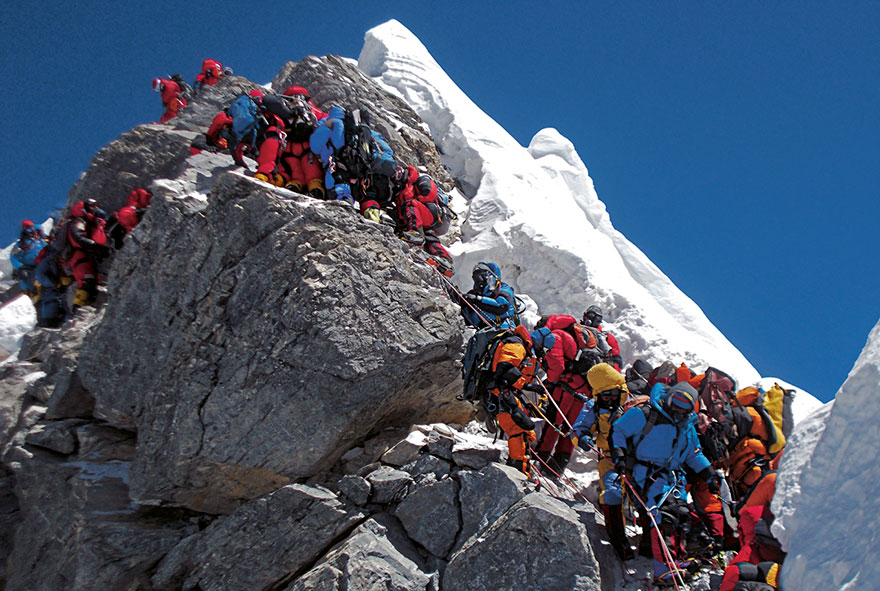
Guatemala’s diverse topography—from towering volcanoes and serene lakes to lush rainforests and dramatic caves—offers unparalleled opportunities for adventure and immersion in nature. Whether scaling volcanic peaks, navigating crystalline waters, or exploring biodiverse ecosystems, travelers can engage in activities that combine physical challenge with cultural and ecological discovery. Safety, seasonal timing, and local expertise are critical to maximizing these experiences while preserving Guatemala’s natural heritage.The country’s adventure tourism sector thrives on responsible practices, with operators adhering to international safety standards and sustainable tourism guidelines. Below are curated guides for iconic destinations, emphasizing preparation, environmental respect, and logistical insights to ensure memorable and secure excursions.
Hiking Pacaya Volcano: Gear, Seasons, and Nearby Attractions
Pacaya Volcano, one of Guatemala’s most accessible active volcanoes, offers a moderate yet rewarding hike with panoramic views of the surrounding landscape. The ascent involves loose volcanic rock, steep inclines, and potential ash deposits, requiring careful preparation.Gear Requirements
Essential equipment includes:
Nearby Attractions
After summiting Pacaya, explore:
Safety Note: Always hike with a licensed guide (mandatory for Pacaya). Check eruption status via INSIVUMEH (Guatemala’s volcano monitoring institute) before ascending.
Lake Atitlán Water Sports: Kayaking and Paddleboarding Checklist
Lake Atitlán’s turquoise waters and consistent winds make it a prime destination for kayaking and paddleboarding. However, weather variability and strong currents demand thorough preparation to ensure safety and enjoyment.Preparation Checklist
Popular Routes:
Local Tip: Rent gear from EcoPuerto in Panajachel, which offers eco-friendly tours supporting indigenous communities.
Exploring Semuc Champey: A Step-by-Step Guide to Caves, Waterfalls, and Pools
Semuc Champey, a UNESCO-recognized natural wonder in the Petén region, features emerald-green pools, limestone caves, and turquoise waterfalls carved by the Cahabón River. The site’s remote location and fragile ecosystem require meticulous planning to preserve its beauty.Step-by-Step Itinerary
1. Transportation to Lanquín:
2. Permits and Guides:
3. Key Attractions and Routes:
4. Wildlife and Conservation:
5. Best Time to Visit:
Pro Tip: Pack a quick-dry towel, waterproof phone pouch, and lightweight hammock for relaxation between pools.
Eco-Tourism in Guatemala: Birdwatching and Biosphere Reserves
Guatemala’s biodiversity hotspots, including the Petén rainforest and Rio Dulce biosphere, offer immersive eco-tourism experiences focused on conservation and wildlife observation. These regions are home to endemic species and critical habitats, with guided tours supporting local communities and research initiatives.Key Eco-Tourism Destinations
Culinary Delights & Local Markets
Guatemala’s gastronomy is a vibrant fusion of Indigenous Mayan traditions and Spanish colonial influences, reflecting the country’s rich cultural heritage. The cuisine emphasizes fresh, locally sourced ingredients—corn, beans, squash, and chili peppers—transformed into hearty stews, street snacks, and festive dishes. Markets serve as the lifeblood of this culinary tradition, offering everything from aromatic spices to handcrafted ceramics, while street food stalls provide quick, flavorful bites that define daily life. This section explores iconic dishes, market experiences, and the artisanal techniques behind Guatemala’s most beloved foods.Traditional Pepián: A Culinary Legacy of Spanish-Mayan Fusion
Pepián is Guatemala’s national dish, a complex stew combining Mayan techniques with Spanish ingredients introduced during the colonial era. The name derives from the Nahuatl word pipián, referring to the ground seeds of pumpkin, sesame, and almonds that form its signature sauce. Historically, Indigenous peoples used similar seed-based sauces, while Spanish settlers contributed pork, tomatoes, and European spices. Today, pepián is a symbol of Guatemalan identity, often served with tortillas de maíz (corn tortillas) and arroz blanco (white rice).Recipe for Pepián de Pollo (Guatemalan Chicken Stew)
Serves 6 | Prep: 30 mins | Cook: 1 hr 30 minsIngredients:
2 lbs (900g) chicken (thighs and drumsticks), cut into pieces 1 large onion, quartered 4 cloves garlic, minced 1 cup pumpkin seeds, toasted ½ cup sesame seeds, toasted ½ cup almonds, toasted 1 tbsp cumin seeds, toasted 1 tsp black peppercorns, toasted 1 tsp ground cloves 1 tsp ground cinnamon 1 tsp ground allspice 1 tbsp achiote paste (or 2 tbsp annatto seeds, toasted and ground) 1 Roma tomato, chopped 2 tbsp tomato paste 1 cup chicken broth 2 cups water 2 tbsp vegetable oil Salt to taste 4 corn tortillas, lightly fried (for serving) Instructions:
1. Toast the seeds and spices: In a dry skillet, toast pumpkin seeds, sesame seeds, almonds, cumin, peppercorns, and achiote until fragrant (about 5–7 minutes). Transfer to a blender and grind into a coarse powder.
2. Sauté aromatics: Heat oil in a large pot over medium heat. Add onion and garlic, cooking until soft (5 mins). Stir in tomato, tomato paste, and ground spices, cooking for 3–4 minutes until fragrant.
3. Simmer the stew: Add chicken, broth, and water. Bring to a boil, then reduce heat to low. Cover and simmer for 45 minutes, skimming foam as needed.
4. Thicken the sauce: Stir in the ground seed mixture and spices. Simmer uncovered for 30–45 minutes, stirring occasionally, until the sauce thickens to a paste-like consistency. Adjust salt to taste.
5. Serve: Ladle stew into bowls, accompanied by fried tortillas and white rice. Garnish with fresh cilantro if desired.Historical Note: The original pepián recipes varied by region, with some versions including hoja santa (a fragrant tropical leaf) or chiles pasilla for depth. Modern adaptations often replace almonds with peanuts for affordability, but purists insist on the traditional nut blend.
Iconic Guatemalan Street Foods: Regional Variations and Where to Find Them
Street food in Guatemala is a dynamic tapestry of flavors, textures, and regional pride. Vendors prepare dishes using wood-fired grills, clay comals, and cast-iron pots, often incorporating ingredients like queso fresco, chicharrón, and hoja santa. Below are three staples, each with distinct local adaptations and cultural significance.| Dish | Description | Regional Variations & Locations |
|---|---|---|
| Tamales | Steamed corn dough filled with meats, cheese, or vegetables, wrapped in banana leaves or corn husks. Tamales are a pre-Hispanic staple, often prepared for holidays like Día de los Santos (November 1st). |
|
| Chuchitos | Deep-fried dough balls topped with creamy queso fresco and a drizzle of crema agria (sour cream). Originating in the western highlands, chuchitos are a breakfast or late-night snack. |
|
| Empanadas de Plátano | Fried pastries stuffed with ripe plantains, cheese, and sometimes pork or beans. These empanadas reflect the Caribbean influence in Guatemala’s Pacific coast, particularly in Escuintla and Suchitepéquez. |
|
Chicharrón: Guatemala’s Versatile Staple and Cultural Cornerstone
Chicharrón—deep-fried pork skin and meat—is a foundational element of Guatemalan cuisine, prized for its crispy texture and rich flavor. The preparation involves rendering pork fat until golden, then frying thin slices of skin and meat until puffed and crunchy. Beyond its culinary role, chicharrón holds deep cultural significance, particularly during religious festivals. On Día de los Santos (November 1st) and Semana Santa (Holy Week), families prepare elaborate chicharrón dishes as offerings or communal meals. The dish also symbolizes abundance, as it utilizes every part of the pig, aligning with Indigenous principles of sustainability.In modern Guatemalan restaurants, chicharrón has evolved into fusion creations:

Day Trips & Nearby Destinations from Guatemala City
Guatemala City serves as the ideal base for exploring the country’s diverse landscapes, cultural heritage, and natural wonders. Day trips from the capital offer a mix of relaxation, adventure, and immersion in local traditions, ranging from volcanic lakes and colonial towns to indigenous communities and eco-paradises. These excursions are designed to maximize efficiency, ensuring travelers can experience Guatemala’s highlights without extended travel times. Below are curated options, logistical insights, and comparative analyses to optimize planning.Day-Trip Options from Guatemala City
A well-organized table summarizes four key day trips, including travel logistics, highlights, and optimal visiting periods. These destinations balance accessibility with unique experiences, catering to different interests—whether nature, history, or culinary exploration.| Destination | Travel Time (One Way) | Highlights | Best Time to Visit |
|---|---|---|---|
| Lake Amatitlán | 45–60 minutes |
|
|
| Cerro del Águila | 30–45 minutes |
|
|
| Antigua Guatemala (Partial Day Trip) | 1.5–2 hours |
|
|
| Zunil & Acatenango Volcano (Advanced) | 2.5–3 hours (drive to Zunil) |
|
|
Logistics for Visiting Mirador Nacional in Guatemala City
The Mirador Nacional, located atop Cerro del Águila, offers the most comprehensive view of Guatemala City’s urban sprawl and the surrounding volcanic landscape. Access requires minimal physical effort but rewards visitors with iconic cityscape photography and historical insights.How to Reach Mirador Nacional:
What to See:
Photography Tips:
Pro Tip:
Arrive 30 minutes before sunrise to secure a prime spot and photograph the city’s lights transitioning to daylight. The cloud cover (common in the rainy season) can create dramatic backdrops—check the Guatemala Meteorological Institute forecast for clarity.
Step-by-Step Day Trip Plan to Cobán Region
Cobán, the capital of Alta Verapaz, is a gateway to coffee country, Maya biosphere reserves, and indigenous culture. This itinerary balances adventure, sustainability, and cultural exchange, with a focus on ecotourism and community-based tourism.Logistics:
Itinerary:
1. Morning: Coffee Farm Tour in Cobán
Guatemala is more than a destination; it is a living narrative of resilience, creativity, and natural splendor, where every ruin, recipe, and ritual tells a story. The journey through its Mayan heritage, volcanic trails, and bustling markets reveals a land that balances tradition with innovation, inviting travelers to participate rather than merely observe. Whether tracing the footsteps of ancient civilizations, savoring street food under the shade of ceibas, or embracing the thrill of whitewater rafting, the experiences here linger long after departure. By embracing Guatemala’s layered tapestry—from the sacred to the adventurous—visitors leave not just with memories, but with a deeper appreciation for a culture that continues to thrive against the backdrop of its storied past.
FAQ
What are the best things to do in Guatemala City?
Visit the National Palace of Culture and National Museum of Archaeology and Ethnology for history, explore Chapín Market for local crafts, and hike Cerro del Carmen for panoramic city views. Don’t miss Zoológico La Aurora or a traditional café at Café Sky or Café Roof.
What can I do in Guatemala City in just one day?
Start with breakfast at Café Sky, then tour the National Palace and Metro Center (for modern architecture). Visit Chapín Market for souvenirs, lunch at Mercado Central, and end with sunset at Cerro del Carmen or a salsa night at La Zecca.
What should I do in Guatemala for a week?
Split your time between Guatemala City (culture, markets), Antigua (colonial charm, coffee farms), Lake Atitlán (hiking, indigenous villages), Tikal (Mayan ruins), and Semuc Champey (turquoise pools). Include a traditional cooking class and a Xela day trip for adventure.
What are the top activities in Antigua, Guatemala?
Walk the cobblestone streets, visit Santa Catalina Arch and La Merced Church, hike Agua Volcano or Pacaya Volcano, and tour coffee farms like Finca Filadelfia. Don’t miss hot springs at Fuentes Georginas or a Spanish lesson at a local school.
What do Reddit users recommend doing in Guatemala?
Top recommendations include Lake Atitlán (San Pedro, San Marcos, or San Juan for backpacking), Tikal National Park (multi-day ruins trek), Semuc Champey (for swimming in caves), and Antigua’s nightlife (bars like Café Sky or El Pueblito). Many travelers also highlight local food (pepián, tamales, atol) and cheap healthcare in Guatemala City.
What’s the best way to spend time in Guatemala in December?
December marks Las Posadas (Christmas celebrations with processions and piñatas) in Antigua and Guatemala City. Visit Christmas markets, enjoy cooler weather for hiking Pacaya or Acatenango Volcano, and explore Semuc Champey before crowds arrive. Pack layers—mornings/evenings are chilly.
Leave a Comment
Comments are moderated before appearing. The data you submit is processed according to the Privacy Policy of Voltefac.