What Is Japan Famous For Global Innovations And Cultural Legacy
Table of Contents
- Cultural Icons and Traditions in Japan
- Cherry Blossoms ( Sakura ) in Japanese Culture
- Traditional Japanese Festivals: Regional Origins and Rituals
- Kimono: Evolution, Materials, and Regional Styles
- Culinary Innovations and Global Influence
- Iconic Japanese Dishes and Their Global Adaptations
- Japanese Knife Craftsmanship and Culinary Precision
- Wagashi and Seasonal Themes: Traditional Sweets and Modern Pairings
- Technological and Scientific Advancements in Japan
- Robotics: From Industrial Automation to Service Applications
- Automotive Engineering: Hybridization, Safety, and Global Influence
- Earthquake-Resistant Architecture: Materials and Design Principles
- Space Exploration: JAXA’s Missions and Collaborative Breakthroughs
- Artistic and Creative Expressions in Japan
- Ukiyo-e Woodblock Prints: Techniques, Masters, and Global Influence
- Modern Japanese Animation (Anime): Themes, Studios, and Global Reach
- Japanese Manga: Genre Diversity, Iconic Artists, and Publishing Trends
- Traditional Japanese Pottery: Bizen, Shigaraki, and the Philosophy of Craftsmanship
- Natural Wonders and Scenic Landmarks
- Japan’s National Parks: Biodiversity and Seasonal Transformations
- Mount Fuji: Sacred Peak and Cultural Symbol
- Hidden Gems Beyond Tokyo: Architectural and Culinary Treasures
- FAQ
- What makes Japan famous for shopping?
- What is Japan famous for producing?
- What is Japan famous for in terms of food?
- What is Japan famous for when it comes to gifts?
- What is Japan famous for making?
- What is Japan famous for in manufacturing?
Japan stands as a global leader in blending centuries-old traditions with cutting-edge advancements, shaping its identity across culture, technology, and creativity. From the delicate artistry of cherry blossoms and tea ceremonies to the precision of robotics and earthquake-resistant architecture, its influence transcends borders. This exploration delves into the pillars defining Japan’s reputation—whether through iconic culinary innovations like sushi and ramen, groundbreaking scientific achievements in automotive and space engineering, or the mesmerizing world of anime and ukiyo-e that captivate global audiences. Each element reflects a society where heritage and modernity coexist seamlessly, offering insights into why Japan remains a fascination for travelers, scholars, and innovators alike.
The country’s cultural icons, such as kimonos and festivals like Gion Matsuri, embody deep historical roots while adapting to contemporary lifestyles. Simultaneously, its technological prowess—from AI-driven service robots to hybrid vehicles—sets benchmarks in efficiency and sustainability. Natural wonders like Mount Fuji and seasonal landscapes further underscore Japan’s harmony between human craftsmanship and nature’s grandeur. Together, these facets illustrate how Japan’s legacy is not merely a product of its past but a dynamic force shaping the future.

Cultural Icons and Traditions in Japan
Japan’s cultural heritage is deeply intertwined with nature, spirituality, and meticulous craftsmanship, reflecting centuries of refined traditions. Among its most revered symbols are cherry blossoms (sakura), which embody the transient beauty of life (mono no aware), while festivals like Gion Matsuri and Hadaka Matsuri showcase regional uniqueness and communal devotion. Equally iconic is the kimono, a garment evolved from Heian-era aristocratic robes into a modern fashion statement, blending historical elegance with contemporary adaptability. Tea ceremonies (chanoyu) further exemplify Japan’s philosophical depth, where every gesture aligns with wabi-sabi (imperfect beauty) and wa (harmony), reinforcing cultural values of mindfulness and respect.Cherry Blossoms (Sakura) in Japanese Culture
The cherry blossom, scientifically Prunus serrulata, holds profound symbolic significance in Japan, representing renewal, mortality, and the fleeting nature of existence. Historically, sakura was first cultivated during the Nara Period (710–794 CE) by Buddhist monks, who planted them near temples to symbolize enlightenment and the impermanence of life (mujō). By the Heian Period (794–1185 CE), aristocrats adopted sakura as a motif in poetry (waka) and courtly aesthetics, immortalizing its beauty in works like The Tale of Genji. The tradition of hanami (flower viewing) emerged during the Kamakura Period (1185–1333 CE), evolving from a private aristocratic pastime into a nationwide springtime ritual celebrated with picnics under blooming trees.The seasonal cycle of sakura is meticulously observed, with forecasts predicting bloom dates (sakura-zakura) based on temperature data—regional variations range from late March in Okinawa to early April in Tokyo. Key celebrations include:
"The cherry blossom is the symbol of the Japanese people, embodying both resilience and fragility—a reminder that beauty is ephemeral." — Yukio Mishima, The Temple of the Golden Pavilion
Traditional Japanese Festivals: Regional Origins and Rituals
Japan’s festivals (matsuri) are vibrant expressions of local identity, blending Shinto, Buddhist, and folk traditions. Below is a comparative analysis of three iconic festivals, highlighting their historical roots, ceremonial practices, and cultural impact.| Festival | Region/Origin | Key Rituals | Cultural Impact |
|---|---|---|---|
| Gion Matsuri (Kyoto, July) | Kyoto (Heian Period, 869 CE; formalized in 11th century) |
|
|
| Nebuta Matsuri (Aomori, August) | Aomori Prefecture (Edo Period, 17th century; linked to Dengaku rice-planting dances) |
|
|
| Hadaka Matsuri (Okayama, Akita, Wakayama; February) | Multiple regions (e.g., Okayama’s Setsubun festival, Akita’s Namahage traditions) |
|
|
Kimono: Evolution, Materials, and Regional Styles
The kimono, meaning "thing to wear" (ki = wear, mono = thing), traces its origins to the Heian Period (794–1185 CE), when aristocrats wore juni-hitoe (twelve-layered robes) as status symbols. By the Edo Period (1603–1868), the kimono evolved into a practical garment for all social classes, standardized by the komon (small pattern) and kataginu (over-kimono) styles. Modern adaptations include the yukata (summer kimono) and furisode (long-sleeved wedding kimono), while contemporary designers like Issey Miyake and Rei Kawakubo (Comme des Garçons) have reimagined kimono fabrics in avant-garde fashion.Materials and Craftsmanship
Kimono are constructed from high-quality fabrics, each with distinct properties:
Culinary Innovations and Global Influence
Japan’s culinary heritage transcends tradition, blending centuries-old techniques with contemporary innovation to shape global gastronomy. From the meticulous artistry of sushi and the comforting depth of ramen to the delicate precision of wagashi (Japanese sweets), Japanese cuisine exemplifies harmony between flavor, texture, and presentation. This section explores the evolution of iconic dishes, the craftsmanship behind Japanese culinary tools, the seasonal poetry of wagashi, and the structured elegance of traditional multi-course meals like kaiseki, illustrating how these elements have not only defined Japanese identity but also redefined international dining experiences.Iconic Japanese Dishes and Their Global Adaptations
Japanese cuisine’s global reach is evident in its adaptability, where traditional dishes have been reimagined to suit local palates while retaining their core essence. The following dishes represent Japan’s most influential contributions to world gastronomy, each with distinct regional variations and modern fusion interpretations.Sushi
Originating in Southeast Asia as a method of preserving fish, sushi evolved in Japan into an art form centered on fresh nigiri (hand-pressed rice topped with fish) and maki (rolled seaweed wraps). Global adaptations include:
Ramen
Brought to Japan by Chinese immigrants in the late 19th century, ramen became a national staple with four primary broth-based styles: shoyu (soy), miso, tonkotsu (pork bone), and shio (salt). Global adaptations include:
Tempura
A dish of light, deep-fried seafood and vegetables in a wheat-based batter, tempura’s global appeal lies in its crispy-yet-delicate texture. Regional adaptations include:
Okonomiyaki
Known as "Japanese pizza," this savory pancake combines cabbage, meat, and seafood with a sweet-savory sauce. Global variations include:
Japanese Knife Craftsmanship and Culinary Precision
Japanese knives are celebrated for their razor-sharp edges, ergonomic designs, and durability, rooted in a tradition spanning over a millennium. The craftsmanship emphasizes honeshime (sharpness), toji (grind pattern), and hamon (temper line), which define a blade’s performance. Key knives and their roles in culinary precision include:Santoku Knife
Sujihiki (Chef’s Knife)
Technique Highlights
Global Impact
Japanese knives are now essential tools in professional kitchens globally, with brands like Shun, Global, and Masamoto gaining international acclaim. Chefs praise their ability to reduce prep time while enhancing flavor through cleaner cuts, influencing Western knife designs (e.g., the adoption of Granton edges in European knives).
Wagashi and Seasonal Themes: Traditional Sweets and Modern Pairings
Wagashi (和菓子) are traditional Japanese sweets designed to complement matcha (powdered green tea) and reflect seasonal aesthetics (kigo). Their flavors and textures evolve with the calendar, often incorporating natural ingredients like red bean paste (anko), mochi (glutinous rice), and flower petals. Modern desserts increasingly blend wagashi techniques with global trends, creating hybrid creations.Seasonal Wagashi and Their Pairings
The following table outlines iconic wagashi by season, their traditional pairings, and modern adaptations:
| Season | Wagashi | Traditional Tea Pairing | Modern Adaptation | Visual/Texture Description |
|---|---|---|---|---|
| Spring | Sakura Mochi | Gyokuro (high-grade matcha) | Sakura Macarons (French-Japanese fusion with cherry blossom flavoring) | Pink mochi wrapped in cherry leaves, filled with sweet red bean paste; modern versions use floral gels and edible gold. |
| Hana Mochi | Sencha (light green tea) | Hana Mochi Parfait (layered with coconut and lychee) | Round mochi dusted with kinako (roasted soybean flour), often shaped like flowers. | |
| Summer | Kakigori | Genmaicha (brown rice tea) | Sorbet Kakigori (shaved ice with fruit sorbets) | Fluffy shaved ice topped with anko, fruit, or condensed milk; modern versions use citrus or mango sorbets. |
| Mitarashi Dango | Hojicha (roasted green tea) | Dango Sushi (skewered mochi with sushi fillings) | Three chewy rice dumplings skewered on bamboo, glazed with soy-mirin; modern versions pair with salmon or avocado. | |
| Autumn | Kuri Kinton | Bancha (coarse green tea) | Chestnut Tart (French-Japanese pastry with chestnut purée) | Sweet chestnut purée steamed into a glossy, jelly-like texture; modern tarts use chestnut flour and caramel. |
| Tsukimi Dango | Matcha Latte | Moon Viewing Donuts (baked with red bean filling) | Three dumplings symbolizing the moon, often dusted with matcha or coated in soy glaze. | |
| Winter | Nerikiri | Kukicha (twig tea) | Nerikiri Truffes (chocolate |

Technological and Scientific Advancements in Japan
Japan’s commitment to innovation has positioned it as a global leader in technological and scientific breakthroughs, particularly in robotics, automotive engineering, earthquake-resistant architecture, and space exploration. These advancements reflect a blend of cutting-edge research, precision engineering, and adaptive problem-solving, addressing both industrial and societal challenges. From humanoid robots that assist in daily life to vehicles that redefine sustainability, Japan’s contributions have set benchmarks in multiple fields, often influencing global standards and fostering international collaboration.Robotics: From Industrial Automation to Service Applications
Japan’s leadership in robotics stems from its early adoption of automation in manufacturing, driven by labor shortages and the need for precision in industries like automotive and electronics. Industrial robots, such as those from Fanuc and Yaskawa, dominate global markets with their adaptability and efficiency, often integrated into smart factories (Factory 4.0) for tasks ranging from welding to material handling. These systems leverage artificial intelligence (AI) and machine learning to optimize production lines, reducing human error and operational costs.The transition from industrial to service robots marked a pivotal shift, emphasizing human-robot interaction in public and private sectors. ASIMO (Advanced Step in Innovative Mobility), developed by Honda, exemplifies this evolution, showcasing bipedal locomotion, facial recognition, and gesture-based communication. While ASIMO’s commercial applications remain limited, its research laid groundwork for social robots like SoftBank Robotics’ Pepper, designed for customer service, education, and elder care. Pepper’s emotional intelligence algorithms enable it to adapt responses based on user interactions, demonstrating Japan’s focus on human-centered robotics.
Ethical considerations in AI and robotics development have become increasingly prominent, particularly in addressing privacy concerns, job displacement, and autonomous decision-making. Japan’s Society 5.0 initiative, outlined by the Cabinet Office, envisions a future where robots and AI augment human capabilities while ensuring equitable access and ethical governance. Key frameworks include:
Japan’s robotics sector contributes $10.8 billion annually to its economy (2022 data), with exports accounting for 30% of global industrial robot shipments (IFR, 2023). The country hosts over 30% of the world’s industrial robots, primarily in automotive and electronics manufacturing.
Automotive Engineering: Hybridization, Safety, and Global Influence
Japan’s automotive industry has consistently pioneered hybrid and electric vehicle (EV) technology, with Toyota and Honda leading the charge in mass-market adoption. The Toyota Prius, launched in 1997, became the world’s first gasoline-electric hybrid vehicle, combining a nickel-metal hydride (NiMH) battery with a 1.5L engine to achieve 60–80 km/L fuel efficiency. This innovation not only reduced emissions but also demonstrated the viability of hybrid powertrains, influencing global automakers to adopt similar technologies. Subsequent models, such as the Prius Prime (plug-in hybrid, 2016) and Toyota Mirai (hydrogen fuel cell, 2014), expanded Japan’s portfolio to include zero-emission alternatives.Safety innovations have further cemented Japan’s reputation, with electronic stability control (ESC), pre-collision systems (PCS), and advanced driver-assistance systems (ADAS) becoming industry standards. Honda’s VCM (Vehicle Stability Assist) and Toyota’s Toyota Safety Sense (TSS) integrate LiDAR, radar, and cameras to mitigate collisions, reduce injuries, and enhance autonomous driving capabilities. Japan’s Japan Light Vehicle Type Approval Order (JLVTAO) enforces stringent safety regulations, often exceeding UN ECE standards, and serving as a model for Euro NCAP and NHTSA assessments.
The global impact of Japanese automotive technology is evident in market dominance and regulatory influence:
The Toyota Prius has sold over 5 million units worldwide, making it the best-selling hybrid vehicle in history. Japan’s automotive exports exceed $100 billion annually, with 70% of Toyota’s global sales attributed to hybrid/EV models (2023).
Earthquake-Resistant Architecture: Materials and Design Principles
Japan’s vulnerability to seismic activity has driven advancements in earthquake-resistant architecture, blending structural engineering, materials science, and computational modeling. The 1995 Great Hanshin Earthquake (magnitude 6.9) and 2011 Tōhoku Earthquake (magnitude 9.0) underscored the need for resilient infrastructure, prompting innovations in base isolation, damping systems, and adaptive designs. Modern Japanese buildings incorporate:Design principles emphasize redundancy, energy dissipation, and redundancy in load paths. For instance, Tokyo Skytree’s lattice structure distributes seismic forces vertically, while Osaka’s Nankai Tower uses triangular bracing to absorb horizontal stresses. Case studies highlight real-world efficacy:
Japan’s Building Standard Law (1981, revised 2000) mandates seismic design categories based on ground motion risk, with Tokyo and Osaka requiring highest-tier compliance. Over 80% of new structures in seismic zones incorporate base isolation or damping systems (Ministry of Land, Infrastructure, Transport, and Tourism, 2022).
Space Exploration: JAXA’s Missions and Collaborative Breakthroughs
Japan’s space agency, JAXA (Japan Aerospace Exploration Agency), has achieved milestones in asteroid exploration, satellite technology, and international collaboration, often through cost-effective and innovative missions. The Hayabusa series stands as a testament to Japan’s precision engineering, with Hayabusa (2003–2010) becoming the first spacecraft to return samples from an asteroid (Itokawa). Its successor, Hayabusa2 (2014–2020), deployed MINERVA-II rovers and collected 5.4 grams of material from Ryugu, providing insights into solar system formation and organic compounds.JAXA’s contributions extend to satellite constellations and lunar exploration:
Artistic and Creative Expressions in Japan
Ukiyo-e Woodblock Prints: Techniques, Masters, and Global Influence
Ukiyo-e, meaning "pictures of the floating world," emerged in Japan during the Edo period (1603–1868) as a genre depicting scenes of urban life, landscapes, and mythological themes. The medium relied on woodblock printing (nishiki-e), a collaborative process involving artists, carvers, and printers. Artists sketched designs on paper, which were then transferred to woodblocks by carvers, who meticulously etched the reverse image. Printers applied ink to the raised surfaces and pressed paper onto the blocks, often using multiple colors achieved through sumizuri (ink application) and kento (color registration) techniques. The result was vibrant, high-contrast imagery that emphasized bold outlines and flat areas of color.The genre’s most iconic figures, Katsushika Hokusai (1760–1849) and Ando Hiroshige (1797–1858), elevated ukiyo-e to an art form of global significance. Hokusai’s The Great Wave off Kanagawa (c. 1830) exemplifies the fusion of naturalism and symbolic depth, while Hiroshige’s Fifty-three Stations of the Tōkaidō series captured the romanticism of travel and seasonal change. Their works introduced Western artists—including Van Gogh, Monet, and Gauguin—to Japanese aesthetics, inspiring movements like Japonisme and Impressionism. The flat perspectives, dynamic compositions, and emphasis on everyday beauty in ukiyo-e challenged European conventions, demonstrating how Japanese art could redefine global visual language.
Modern Japanese Animation (Anime): Themes, Studios, and Global Reach
Japanese animation, or anime, has evolved from experimental shorts in the 1910s to a multibillion-dollar industry shaping global pop culture. The medium’s distinctive visual style—exaggerated expressions, dynamic camera angles, and genre-blending narratives—stems from technical innovations like limited animation (cost-effective frame-by-frame production) and cell animation (hand-painted cels). Studios such as Studio Ghibli, founded by Hayao Miyazaki and Isao Takahata, redefined anime as an art form through cinematic storytelling. Films like Spirited Away (2001) and Princess Mononoke (1997) explore environmentalism, folklore, and human resilience, blending mythological motifs with universal themes. Their success underscores anime’s ability to transcend cultural barriers, earning Academy Award nominations and inspiring Western adaptations.Contemporary series like Attack on Titan (2013–2023) exemplify anime’s thematic complexity, addressing existentialism, political oppression, and moral ambiguity through dystopian narratives. The show’s global phenomenon—with over 100 million copies sold and a dedicated fanbase—demonstrates how anime adapts to international audiences while retaining cultural specificity. The rise of streaming platforms (e.g., Crunchyroll, Netflix) has further accelerated anime’s reach, with Japanese animation accounting for 60% of global anime revenue (2023), surpassing traditional media exports.
Japanese Manga: Genre Diversity, Iconic Artists, and Publishing Trends
Manga, Japan’s comic book culture, encompasses a vast array of genres, each catering to distinct demographics. The shonen (targeting young boys) and seinen (targeting adult men) categories dominate the market, with One Piece (Eiichiro Oda) and Berserk (Kentaro Miura) serving as quintessential examples. Shonen manga often feature serialized adventures, power systems, and team dynamics, while seinen explores psychological depth, historical drama, and mature themes. The medium’s visual storytelling relies on speed lines, panel composition, and expressive character designs, with artists like Tezuka Osamu (Astro Boy, 1952) pioneering cinematic techniques that influenced global comics.The global manga industry has expanded through digital publishing, localization, and merchandising, with Viz Media and Shueisha leading translations into over 40 languages. Japan’s manga sales exceeded $2.5 billion annually (pre-2020), and titles like Demon Slayer (Koyoharu Gotouge) have achieved record-breaking sales, with the anime adaptation grossing $500 million worldwide. The genre’s adaptability—from slice-of-life (A Silent Voice) to cyberpunk (Ghost in the Shell)—reflects its role as a mirror of societal trends, blending traditional storytelling with futuristic innovation.
Traditional Japanese Pottery: Bizen, Shigaraki, and the Philosophy of Craftsmanship
Japanese pottery embodies the wabi-sabi philosophy—embracing imperfection, transience, and rustic beauty—through techniques honed over centuries. Two iconic styles, Bizen-yaki and Shigaraki-yaki, originate from regions known for their unrefined, earthy aesthetics. Bizen ware, originating in Okayama Prefecture, is fired at 1,200–1,300°C in an open kiln, resulting in cracked glaze (kila-dev) and asymmetrical forms that highlight natural irregularities. Shigaraki, from Shiga Prefecture, undergoes reduction firing, producing matte, stone-like surfaces with a muted palette of browns and grays. Both styles reject ornamental glazes, prioritizing textural honesty and functional simplicity.The craftsmanship philosophy centers on mokuhyō (objective form) and mokuhyō-geijutsu (artistic objectivity), where the potter’s hand guides the clay while allowing the kiln to dictate the final outcome. Potters like Hamada Shōji and Kobayashi Kiyoshi championed this approach, influencing modern ceramic movements. Today, Bizen and Shigaraki ware are celebrated in international exhibitions, with pieces fetching $10,000–$50,000 at auctions, reflecting their status as living cultural heritage. The enduring appeal lies in their tactile connection to nature, a testament to Japan’s reverence for handcrafted authenticity over mass production.
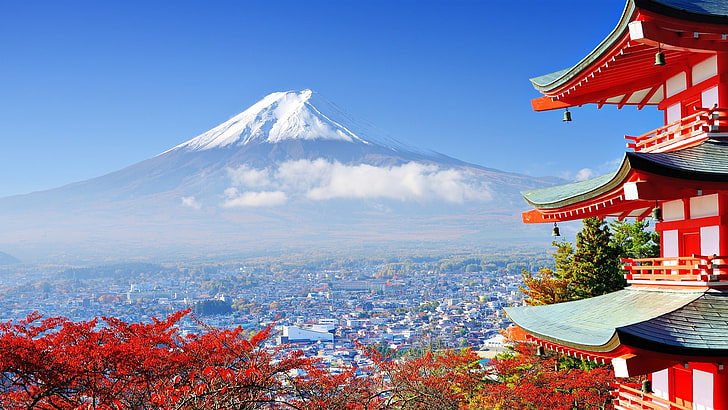
Natural Wonders and Scenic Landmarks
Japan’s diverse topography, shaped by volcanic activity, tectonic shifts, and centuries of cultural reverence, presents a tapestry of natural wonders that captivate both domestic and international visitors. From the sacred slopes of Mount Fuji to the untouched wilderness of Shiretoko, the country’s landscapes embody a harmonious blend of ecological richness and spiritual significance. National parks, hidden villages, and seasonal transformations offer immersive experiences that reflect Japan’s deep connection to nature, where every season unveils a distinct aesthetic—whether it’s the ethereal bloom of cherry blossoms (sakura) or the fiery hues of autumn foliage (kōyō). These landmarks are not merely geographical features but living testaments to Japan’s heritage, sustainability, and artistic sensibilities.The preservation of these natural sites underscores Japan’s commitment to biodiversity and cultural conservation, as recognized by UNESCO World Heritage designations. Below, the exploration focuses on the ecological and spiritual dimensions of Japan’s national parks, the symbolic role of Mount Fuji, and the allure of lesser-known destinations that showcase the country’s architectural and culinary traditions. A seasonal guide further elucidates how Japan’s landscapes evolve, inviting travelers to witness the cyclical beauty that has inspired poets, painters, and pilgrims for generations.
Japan’s National Parks: Biodiversity and Seasonal Transformations
Japan’s national parks, established under the National Parks Law of 1931, encompass over 25% of the country’s land area, safeguarding ecosystems ranging from alpine meadows to subtropical forests. These protected areas are home to endemic species, including the Japanese macaque (Macaca fuscata), the Hokkaido brown bear (Ursus arctos yesoensis), and the Iriomote cat (Prionailurus bengalensis iriomotensis), a critically endangered feline found only on Okinawa’s Iriomote Island. The parks also serve as critical habitats for migratory birds, such as the black-faced spoonbill (Platalea minor), which winters in the Chūgoku San-in Kaigan park.Hiking trails within these parks offer varying degrees of challenge, from the Kumano Kodo’s ancient pilgrimage routes in Kii Peninsula National Park to the rigorous ascents of Daisetsuzan National Park in Hokkaido, where temperatures can plummet below -20°C in winter. Seasonal changes dramatically alter the parks’ landscapes:
Conservation Efforts: Parks like Shiretoko, designated a UNESCO Natural Heritage Site, enforce strict visitor limits to protect the Ezo deer and brown bears. Sustainable tourism initiatives, such as guided eco-tours, ensure minimal environmental impact while promoting appreciation for Japan’s natural heritage.
Mount Fuji: Sacred Peak and Cultural Symbol
Rising 3,776 meters above sea level, Mount Fuji (Fujisan) is Japan’s highest mountain and a UNESCO World Heritage Site recognized for its cultural and spiritual significance. Revered as a sacred entity in Shintoism, Fuji is believed to be the dwelling place of the deity Konohanasakuya-hime, a mythological figure associated with rice cultivation. The mountain’s symmetrical cone, formed by volcanic activity approximately 10,000 years ago, has inspired art, literature, and religious practices for over 1,300 years.Shinto Traditions and Pilgrimage:
Climbing Routes and Seasons:
Fuji’s seven main trails cater to varying skill levels, with the Yoshida Trail (most popular) and Subashiri Trail (least crowded) being the most accessible. Climbing is permitted from early July to mid-September, when the Jōyama Trail (for experienced hikers) is open. Permits are required for overnight stays at the Fifth Station (2,300m elevation). The ascent is a multi-day endeavor, with climbers typically starting at dawn to avoid altitude sickness and extreme weather.
Artistic and Literary Depictions:
Fuji’s image is immortalized in ukiyo-e prints, most famously in Hokusai’s Thirty-Six Views of Mount Fuji (1830–1832), where the mountain emerges through mist (Fuji in Clear Weather). In literature, Matsuo Bashō’s haiku "Old pond / A frog jumps in— / Sound of water" contrasts with Fuji’s grandeur, symbolizing the interplay between nature and human perception. Modern depictions include Studio Ghibli’s Princess Mononoke, where the mountain represents both destruction and rebirth.
Ecological Importance:
Fuji’s ecosystem supports rare species like the Fuji five-needled pine (Pinus pentaphylla), found only at high altitudes, and the Japanese serow (Capricornis crispus), a wild goat-like mammal. The mountain’s lava fields and crater lakes (e.g., Kawaguchi-ko) are protected to preserve their geological integrity.
Hidden Gems Beyond Tokyo: Architectural and Culinary Treasures
Japan’s rural landscapes harbor villages and towns that have remained frozen in time, offering an escape from urbanization while showcasing traditional architecture, handicrafts, and regional cuisine. These destinations, often overlooked by mainstream tourism, provide authentic experiences rooted in history and local craftsmanship.Shirakawa-go and Gokayama (Gifu/Toyama):
Takayama (Gifu):
Kanazawa (Ishikawa):
Tottori Sand Dunes (Tottori):
Japan’s global prominence stems from its ability to preserve tradition while pioneering progress, creating a tapestry of innovation and cultural depth unparalleled in the modern world. Whether through the serene elegance of a tea ceremony, the precision of a sushi knife, or the imaginative storytelling of anime, each aspect reveals a society where discipline, creativity, and respect for heritage intersect. As Japan continues to influence industries from robotics to gastronomy, its lessons in balance—between nature and technology, past and future—serve as a testament to its enduring allure. This exploration underscores not just what Japan is famous for, but why its contributions resonate universally, inviting further discovery and admiration.
FAQ
What makes Japan famous for shopping?
Japan is famous for its unique shopping culture, including high-end department stores like Mitsukoshi and Isetan, specialty shops in districts like Ginza and Harajuku, and affordable electronics in Akihabara. It’s also known for duty-free shopping in airports, where luxury goods and cosmetics are popular. Traditional markets (e.g., Tsukiji) and pop culture merchandise (anime, manga) also draw global shoppers.
What is Japan famous for producing?
Japan is renowned for producing high-quality electronics (e.g., Sony, Panasonic), automobiles (Toyota, Honda), machinery, and robotics. It’s a global leader in automotive innovation, consumer goods, and industrial technology. Traditional crafts like ceramics (e.g., Arita-yaki), textiles (kimono), and paper (Washi) also highlight its production excellence.
What is Japan famous for in terms of food?
Japan is famous for sushi, ramen, tempura, and washoku (traditional cuisine), with many dishes using fresh, seasonal ingredients. Street food like takoyaki and yakitori, as well as desserts such as mochi and matcha treats, are globally beloved. The country’s food culture is UNESCO-listed for its heritage and precision.
What is Japan famous for when it comes to gifts?
Japan is famous for high-quality, culturally significant gifts like matcha sets, handmade ceramics (e.g., Kintsugi), and traditional lacquerware (urushi). Stationery (e.g., washi tape, calligraphy sets) and anime/manga merchandise are also popular. Gift-giving etiquette (omiyage, otoshidama) reflects deep social customs.
What is Japan famous for making?
Japan is famous for making cutting-edge technology (e.g., bullet trains, robots), precision instruments, and luxury goods like cameras (Nikon, Canon) and watches (Seiko, Grand Seiko). Traditional crafts such as swords (katana), tea ceremony ware, and woodblock prints (ukiyo-e) also showcase its craftsmanship.
What is Japan famous for in manufacturing?
Japan is famous for manufacturing automobiles, electronics, and industrial machinery with a focus on quality and innovation. Brands like Toyota, Honda, and Sony dominate global markets. The country also excels in robotics, semiconductors, and renewable energy technologies, maintaining a reputation for reliability and efficiency.
Leave a Comment
Comments are moderated before appearing. The data you submit is processed according to the Privacy Policy of Voltefac.