Osaka What To Do Explore Culture Food And Trips
Table of Contents
- Exploring Osaka’s Must-Visit Landmarks
- Historical Significance and Architectural Comparison of Osaka Castle
- Step-by-Step Guide to Visiting the Osaka Aquarium Kaiyukan
- Culinary Adventures in Osaka’s Food Scene
- Osaka’s Top 5 Street Food Dishes: Recipes, Variations, and Authentic Locations
- Day Trips and Nearby Attractions from Osaka: Comprehensive Exploration Guide
- Two-Day Itinerary: Nara, Kyoto, and Kobe
- Cultural Significance of Himeji Castle vs. Osaka Castle
- Seasonal Guide to Osaka’s Nearby Attractions
- FAQ
- What are the best activities to do in Osaka with kids?
- What does Reddit recommend doing in Osaka?
- What can you do in Osaka at night?
- What are the best things to do in Osaka in one day?
- What should I do in Osaka if it’s raining?
- What are the best things to do in Osaka in two days?
Osaka stands as Japan’s vibrant gateway to tradition and innovation, where centuries-old landmarks coexist with cutting-edge culinary experiences and day trips to neighboring wonders. This guide distills the city’s essence into actionable insights, from navigating Osaka Castle’s historic grandeur and Dotonbori’s sizzling street food scene to crafting seamless itineraries for Nara’s sacred deer and Kyoto’s bamboo forests. Each element is curated to balance depth with practicality, ensuring travelers maximize their time in a city where every district tells a story.
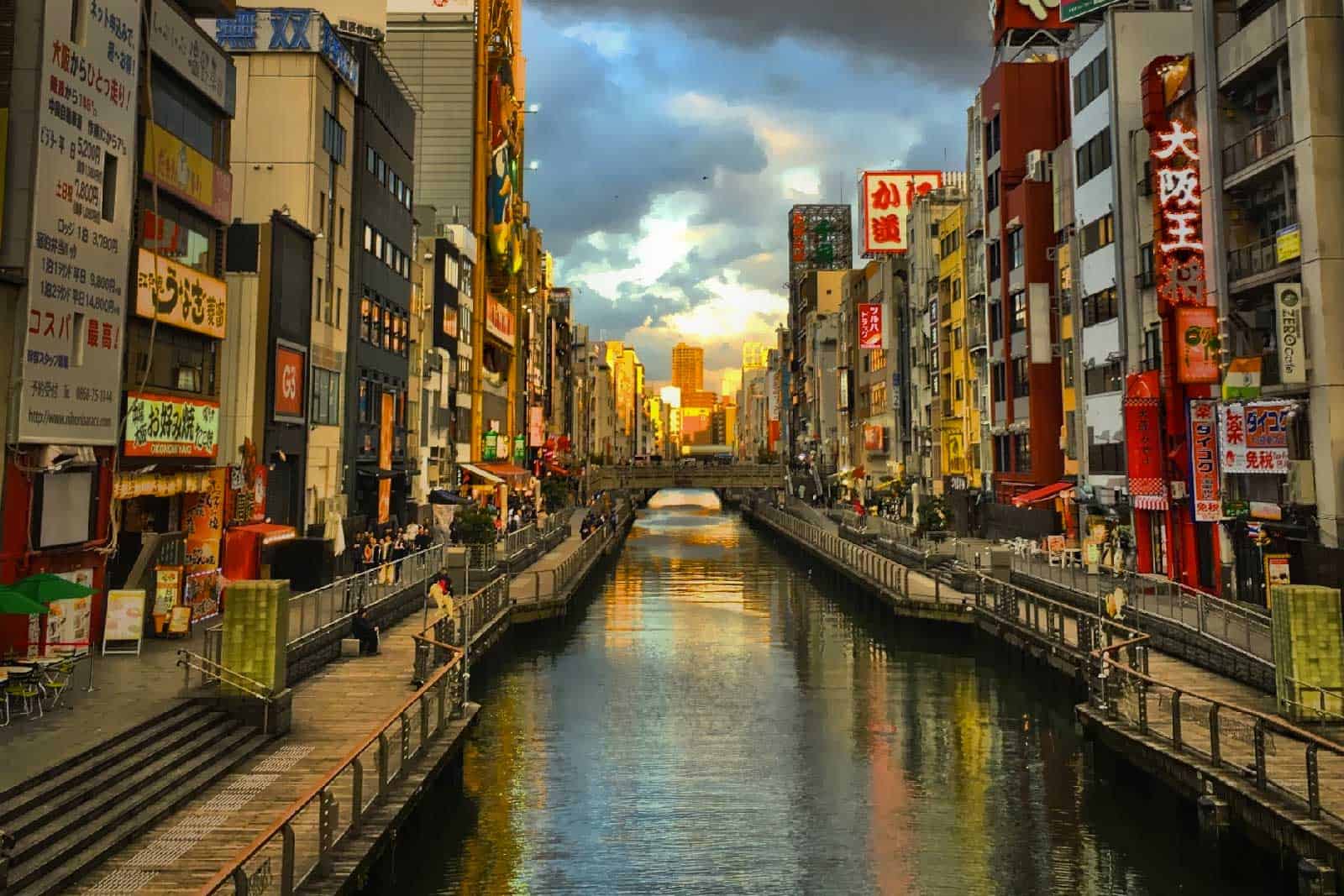
The journey begins with Osaka’s iconic landmarks—where the imposing stone walls of Osaka Castle echo feudal battles, while the Osaka Aquarium Kaiyukan transports visitors into a mesmerizing underwater world. Culinary adventures unfold in Dotonbori’s neon-lit alleys, where takoyaki and okonomiyaki offer a taste of Osaka’s rebellious spirit, later evolving into izakaya nights of skewered meats and aged sake. Beyond the city, day trips to Himeji’s fairy-tale castle or Universal Studios Japan’s thrilling rides showcase Osaka’s role as a springboard to discovery. Every recommendation is grounded in local expertise, from hidden temple courtyards to budget-friendly transport hacks, ensuring an immersive experience tailored to both first-time explorers and seasoned travelers.
/OsakaStreetsFeatured-0218be9676f246f6beaf9bdff2f36ad6.jpg)
Exploring Osaka’s Must-Visit Landmarks
Osaka’s landmarks blend historical grandeur, cultural depth, and modern innovation, offering visitors a multifaceted experience of Japan’s vibrant urban heritage. From the fortified resilience of Osaka Castle to the spiritual serenity of Shitennoji Temple, each site reflects the city’s evolution as a nexus of trade, religion, and architectural ingenuity. This section examines the historical and cultural significance of these landmarks, supported by comparative analyses, operational insights, and navigational strategies to optimize exploration.Historical Significance and Architectural Comparison of Osaka Castle
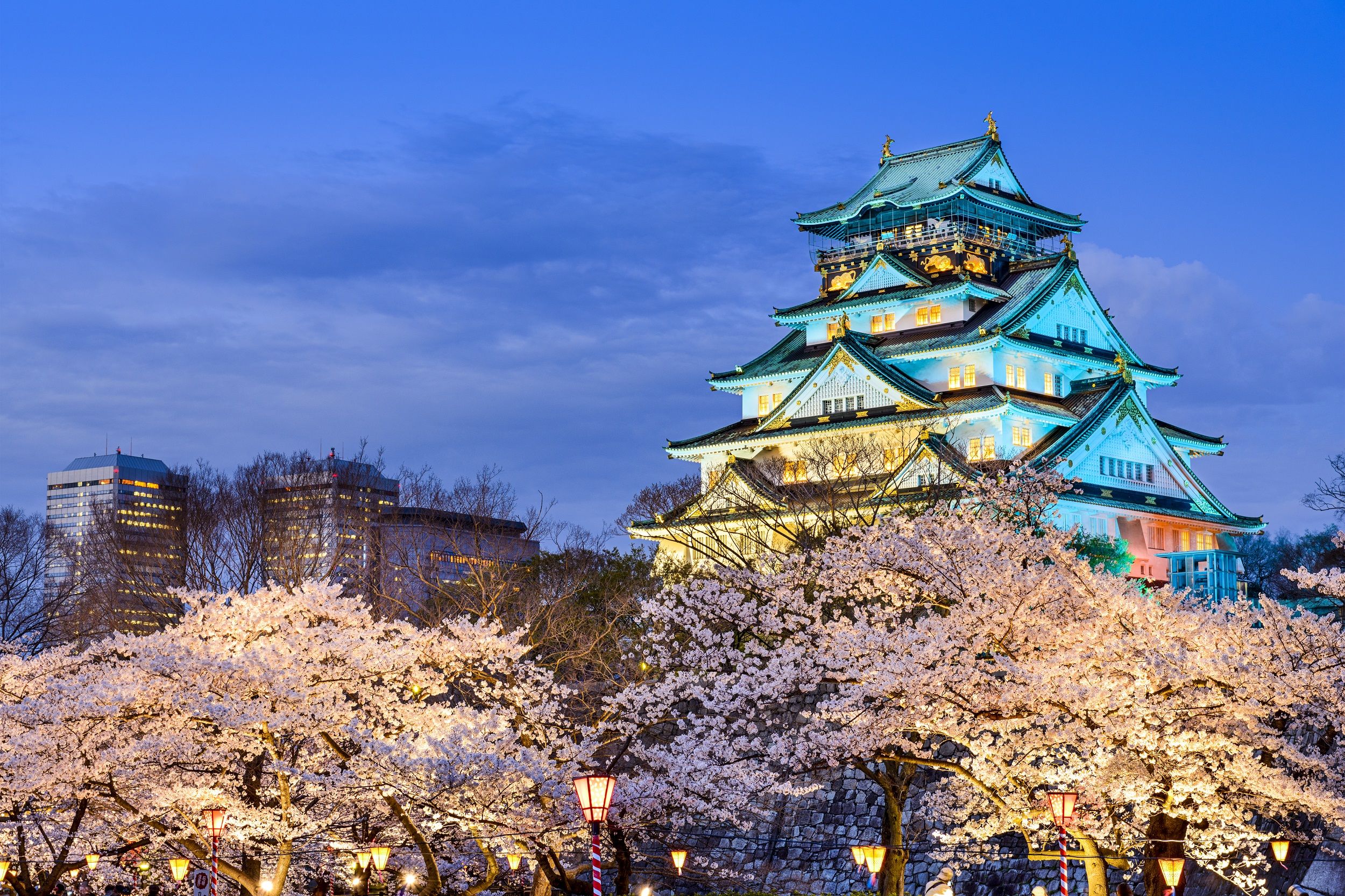
Osaka Castle, constructed in 1583 by Toyotomi Hideyoshi, stands as a symbol of Japan’s feudal unification and the zenith of the Momoyama period. Its original five-story main keep (tenshu) and surrounding fortifications were designed to project military dominance while incorporating Zen Buddhist aesthetics, blending functionality with artistic expression. The castle’s role in the Battle of Sekigahara (1600) and its subsequent restoration under the Tokugawa shogunate cemented its status as a cultural icon. Today, it serves as a UNESCO World Heritage Site and a repository of artifacts illustrating Japan’s Edo-period governance."Osaka Castle’s white exterior and gold leaf accents were not merely decorative but symbolized the shogunate’s authority, reflecting the kinpaku (golden pavilion) tradition of elite power displays."Architectural, Cultural, and Visitor Statistics Comparison
| Category | Osaka Castle | Shitennoji Temple |
|---|---|---|
| Architecture |
|
|
| Cultural Events |
|
|
| Visitor Statistics |
|
|
Step-by-Step Guide to Visiting the Osaka Aquarium Kaiyukan
The Osaka Aquarium Kaiyukan, housed within Tempozan Harbor, is the largest aquarium in Japan and a global leader in marine conservation. Its centerpiece is the Kuromi’s Deep Sea exhibit, a 5.5-meter-deep tank simulating the Pacific Ocean’s abyss, while the Jellyfish Tunnel offers a mesmerizing, bioluminescent experience. The aquarium’s design prioritizes ecological accuracy, with habitats replicating coral reefs, kelp forests, and polar regions. Below is a structured guide to maximize the visit, including exhibit details and operational logistics.Marine Life Exhibits and Key Features
Osaka Kaiyukan’s exhibits are organized thematically to educate visitors on marine biodiversity and conservation challenges. Notable sections include:
- Kuromi’s Deep Sea (Main Tank)
- Dimensions: 5.5m deep, 10m wide, with a 100-ton capacity for marine life.
- Species: Giant Pacific octopus (Enteroctopus dofleini), leafy seadragon (Phycodurus eques), and deep-sea fish like the grenadier (Macrourus).
- Design: Simulated moonlight projections and pressure-resistant glass to mimic abyssal conditions.
- Conservation Note: The aquarium participates in global breeding programs for endangered species like the vaquita (Cuvier’s beaked whale).
- Species: Millions of Aequorea victoria (bioluminescent jellyfish) and Mauve Stinger (Pelagia noctiluca).
- Species: Beluga whales, walruses, and Arctic cod in a -2°C environment.
- Species: Clownfish (Amphiprioninae), lionfish (Pterois volitans), and seahorses (Hippocampus).
To avoid crowds and align with feeding schedules, visitors should plan their itinerary around the following timeline:
| Time | Activity | Notes |
|---|
| Dish | Recipe & Technique | Regional Variations | Authentic Locations in Osaka | |||||
|---|---|---|---|---|---|---|---|---|
| Takoyaki | Ingredients: Octopus (tako), wheat flour, dashi stock, tenkasu (tempura scraps), pickled ginger (beni shoga), green onion, takoyaki sauce (a tangy mix of Worcestershire, soy, and mirin), mayonnaise, bonito flakes. Method: Mix batter with diced octopus and tenkasu. Pour into a takoyaki pan (with semi-spherical molds) and cook on medium-high heat, stirring continuously to form golden-brown balls. Once set, top with sauce, mayo, and bonito flakes. The key lies in the timing: the center must remain soft while the exterior crisps. Traditional takoyaki is served with takoyaki sauce (not okonomiyaki sauce) and a sprinkle of katsuobushi. Pro Tip: The batter should be thick enough to hold its shape but fluid enough to coat the pan evenly. Overmixing causes toughness. |
Kansai vs. Kansai: While Osaka’s takoyaki is crispy outside and gooey inside, Hiroshima-style uses a sweeter sauce and adds cheese. Fukuoka versions often include mentaiko (spicy mayonnaise). In Osaka, the dish is typically octopus-based, whereas in Kyoto, kakiage (mixed seafood fritters) may substitute. |
|
|||||
| Okonomiyaki | Ingredients: Cabbage, wheat flour, egg, dashi, pork belly (buta bara), shrimp, tenkasu, okonomiyaki sauce (similar to takoyaki but thicker), mayo, bonito flakes, seaweed (aonori). Method: Osaka-style okonomiyaki is a layered dish, cooked in a teppan (iron griddle). First, mix cabbage, batter, and egg into a thick pancake. Layer with pork, shrimp, and tenkasu, then top with sauce and mayo. The griddle must be hot enough to caramelize the pork while keeping the cabbage crisp. Unlike Hiroshima’s mixed batter, Osaka’s version is assembled in layers, allowing for customization. Regional Debate: Osaka’s style is jiga-okonomiyaki ("mixed" okonomiyaki), where ingredients are combined in the batter, but the city’s modern interpretation often uses a layered approach for easier sharing. |
Hiroshima vs. Osaka: Hiroshima’s okonomiyaki is a pre-mixed batter cooked on a round griddle, while Osaka’s is layered and rectangular, often served with katsuobushi and pickled ginger. Kitakyushu adds yuzu zest for a citrusy twist. |
|
|||||
| Kushikatsu | Ingredients: Pork cutlets, shrimp, lotus root (renkon), eggplant, cabbage, tempura batter, ketchup, tonkatsu sauce, mayo, cabbage slaw. Method: Kushikatsu are skewered ingredients deep-fried in light, crispy batter. The skewers (kushi) are dipped into the batter, ensuring even coating, then fried until golden. The key is double-frying: first for structure, then for crispiness. Serve with a mix of ketchup, tonkatsu sauce, and mayo for dipping. Unlike tempura, kushikatsu prioritizes crunchy exterior and tender interior. Historical Note: Kushikatsu originated in 1935 at Daruma in Osaka, created by Tatsuzō Nakamura as a way to use |
Leave a Comment
Comments are moderated before appearing. The data you submit is processed according to the Privacy Policy of Voltefac.