Oslo What To Visit Explore Norways Capital Efficiently
Table of Contents
- Top Attractions in Oslo: Must-See Landmarks and Cultural Sites
- Vigeland Sculpture Park: Artistic Mastery and Historical Legacy
- Architectural and Cultural Comparison: Oslo Opera House vs. Oslo Cathedral
- Akershus Fortress: Military History and Strategic Vantage Points
- One-Day Itinerary: Exploring Oslo’s UNESCO-Listed Sites
- Hidden Gems and Local Experiences: Off-the-Beaten-Path Exploration in Oslo
- Underrated Oslo Neighborhoods: Unique Shops, Cafés, and Local Traditions
- Oslo’s Best Seasonal Activities: Weather-Specific Adventures
- Culinary Delights: Food and Drink Highlights in Oslo
- Themed Food Tour: Traditional Norwegian Dishes with Modern Twists
- Oslo’s Top 10 Cafés and Brunch Spots
- Outdoor Adventures: Nature and Scenic Escapes Near Oslo
- Oslo’s Best Hiking Trails: Difficulty, Scenic Viewpoints, and Gear Requirements
- Winter Activities in Oslo: Skiing, Dog Sledding, and Ice Skating
- FAQ
- What are the best places to visit in Oslo, Norway?
- What is Oslo like to visit for tourists?
- What are the must-see places to visit in Oslo?
- Which islands near Oslo should I visit?
- What are the top things to do and visit in Oslo?
- What are the best places to visit in Oslo during winter?
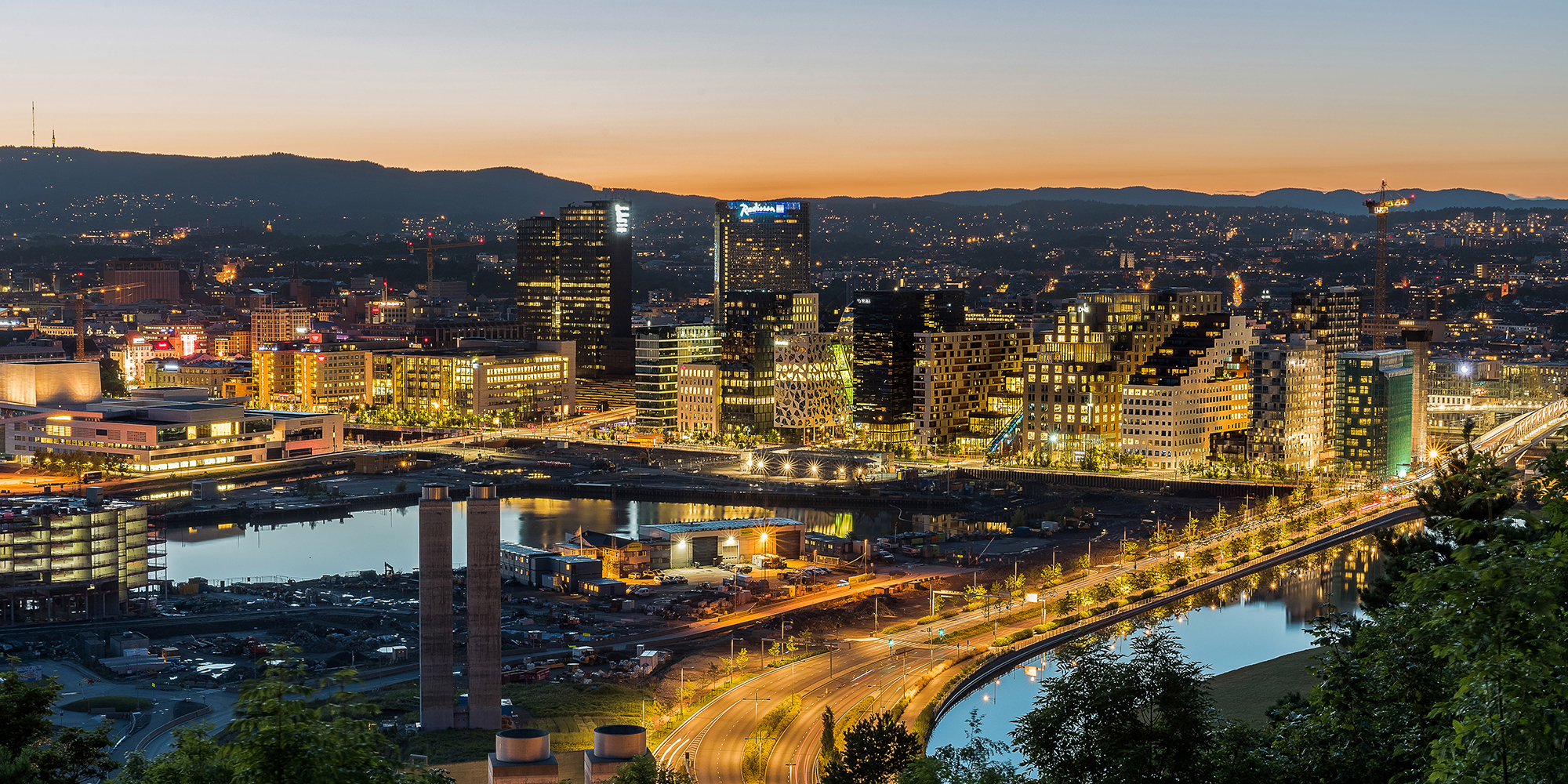
Oslo seamlessly blends Scandinavian modernity with deep-rooted cultural heritage, offering travelers a dynamic tapestry of history, art, and natural beauty. From the iconic Vigeland Sculpture Park’s surreal bronze figures to the Oslo Opera House’s innovative architecture, the city presents a curated experience where each landmark tells a story. Beyond its well-known attractions, Oslo’s hidden neighborhoods like Grünerløkka and Frogner reveal local traditions, while seasonal activities—from winter skiing to fjord excursions—ensure year-round exploration. This guide navigates Oslo’s essence, balancing iconic sights with offbeat discoveries to craft an immersive itinerary.
The city’s culinary scene further enriches the experience, from traditional lutefisk reimagined in contemporary kitchens to seafood markets brimming with king crab and herring. Meanwhile, Oslo’s proximity to fjords, national parks, and winter wonderlands transforms it into a playground for outdoor enthusiasts. Whether you’re drawn to UNESCO-listed sites, underground tunnels, or street art murals, Oslo delivers a harmonious fusion of urban sophistication and untamed nature, making it a destination that caters to every curiosity.
Top Attractions in Oslo: Must-See Landmarks and Cultural Sites
Oslo’s cultural and historical landscape is defined by landmarks that blend artistic innovation with deep-rooted heritage. Among these, the Vigeland Sculpture Park, Oslo Opera House, Akershus Fortress, and Oslo Cathedral stand as pillars of Norwegian identity, each offering unique insights into the nation’s military history, architectural brilliance, and sculptural mastery. These sites attract over 3 million visitors annually, with seasonal variations influencing crowd dynamics and accessibility. Below, structured explorations highlight their significance, design features, and practical visiting considerations, ensuring an immersive experience for travelers.Vigeland Sculpture Park: Artistic Mastery and Historical Legacy
The Vigeland Sculpture Park, designed by Gustav Vigeland between 1908 and 1943, is the world’s largest sculpture park by a single artist, featuring over 212 bronze and granite works. Located in Frogner Park, the park’s centerpiece is the Monolith, a spiraling column symbolizing human life’s journey from birth to death, while the Wheel of Life and Children’s Playground exemplify Vigeland’s focus on human emotion and innocence. The park’s open-air museum design encourages contemplative walking, with pathways deliberately winding to enhance the immersive experience.Visitor statistics reflect its global appeal: 1.2 million visitors annually, with peaks in summer (June–August) due to extended daylight and outdoor events. Winter visits (November–February) offer a serene, snow-covered atmosphere, though some exhibits may be partially obscured. The park’s free admission and accessibility via public transport (tram line 12 to Frogner Station) make it a cornerstone of Oslo’s cultural tourism. Seasonal highlights include Vigeland Day (August), featuring guided tours and performances, and Christmas markets in December, which transform the park into a festive landscape.
Architectural and Cultural Comparison: Oslo Opera House vs. Oslo Cathedral
The following table contrasts the Oslo Opera House and Oslo Cathedral, two architectural icons that define Oslo’s skyline and cultural narrative, emphasizing their distinct roles in visitor experience and historical significance.| Feature | Oslo Opera House (2008) | Oslo Cathedral (1697) |
|---|---|---|
| Architecture | Modernist design by Snøhetta, with a sloped roof for public use, white marble cladding, and sustainable features (rainwater harvesting, geothermal heating). | Baroque Revival architecture by Christian IV of Denmark, featuring a tall spire (60m), red-brick facade, and Gothic-inspired elements (e.g., pointed arches, stained glass). |
| Visitor Experience |
|
|
| Cultural Importance | Represents Norwegian modernity and innovation, symbolizing Oslo’s role as a cultural and technological hub. The opera house hosts international premieres and is a UNESCO-recognized landmark for sustainable design. | Serves as a national symbol of Lutheran heritage and unification history (site of Norway’s first parliament in 1814). The cathedral’s bells (carillon) are a UNESCO-listed intangible cultural treasure. |
| Best Visiting Times |
|
|
Akershus Fortress: Military History and Strategic Vantage Points
Akershus Fortress, constructed between 1299 and 1300 under King Haakon V of Norway, is a UNESCO World Heritage Site and one of Europe’s best-preserved medieval castles. Originally built to protect Oslo’s harbor, the fortress expanded into a military stronghold during the Kalmar Union (1397–1523) and later served as a prison (notably for Vigeland, who was detained here in 1902). Today, it stands as a symbol of Norway’s resistance, particularly during World War II, when it was a key Allied command center.Visitor access includes:The fortress’s panoramic views of the Oslo Fjord and surrounding hills make it a prime spot for photography and hiking. Less-known exhibits include:
The Underground Tunnels: Used during WWII for secret communications, now open for guided tours. The Artillery Museum: Showcasing 19th-century coastal defense systems, including cannons from the Swedish-Norwegian War (1814). The King’s Garden: A 17th-century Baroque garden restored in 2010, featuring rare plant species and historical statues.
One-Day Itinerary: Exploring Oslo’s UNESCO-Listed Sites
This itinerary focuses on Oslo’s UNESCO-recognized sites, optimized for walking routes and public transport efficiency. Total walking distance: ~8 km (moderate pace). Start at Oslo Central Station for accessibility.-
Morning: Bryggen (UNESCO-listed Hanseatic Wharf)
- Time: 9:00 AM – 11:30 AM (2.5 hours)
- Route: Walk 15 minutes from Central Station to Bryggen, passing Stavangergate and Akershus Square.
- Highlights:
-
<
-
Grünerløkka
A former industrial district transformed into Oslo’s bohemian heart, Grünerløkka blends Scandinavian minimalism with global influences. The area’s Torggata street is lined with vintage shops like Vintage Company and Kjelleren, while Café Opera offers artisanal coffee in a historic setting. Local traditions include the Grünerløkka Market (weekends), where farmers and artisans sell organic produce, handmade crafts, and international street food. The neighborhood’s music scene—fueled by venues like Blå and Sentralen—reflects its countercultural roots, with open mic nights and indie performances. -
Frogner
Home to Oslo’s most prestigious villa district, Frogner also hosts the Vigeland Sculpture Park, but its lesser-known side includes Frognerparken’s hidden paths, leading to secluded sculptures like The Monolith and The Dream. The area’s Frogner Torg is a hub for boutique shopping, with stores like Frogner Allé offering Scandinavian design and Café Frogner serving traditional Norwegian pastries. Locals frequent the Frogner Church’s annual Christmas market, a quieter alternative to the city center’s festivities. -
St. Hanshaugen
A former aristocratic enclave, St. Hanshaugen now balances upscale living with grassroots culture. The St. Hanshaugen Church and surrounding parks host free outdoor concerts in summer, while Café St. Hanshaugen is a café-photography hybrid, where patrons can sip coffee while viewing rotating exhibitions. The neighborhood’s antique shops, such as Antikkhuset, specialize in mid-century Norwegian furniture, and its annual Midsummer festival features bonfires and traditional folk dancing. -
Søndre Nordstrand
A coastal village absorbed by Oslo, Søndre Nordstrand retains a village-like charm with wooden houses, local bakeries like Bakeriet Søndre Nordstrand, and the Nordstrand Beach—a rare urban swimming spot. The area’s Søndre Nordstrand Church dates back to 1861, and its summer open-air cinema screens Nordic films under the stars. Residents gather at Café Strand for brunost (brown cheese) fondue, a regional specialty. -
Bjølsen
Once an industrial hub, Bjølsen is now a melting pot of cultures, reflected in its diverse eateries (e.g., Bjølsen Matbar, a food hall with global cuisines) and Bjølsen Park, a green oasis with a petting zoo and seasonal events. The neighborhood’s Bjølsen Church hosts multicultural services, and its annual Bjølsen Festival celebrates immigrant communities through music, dance, and food. For a taste of local history, the Bjølsen Museum (a former factory turned cultural space) showcases Oslo’s working-class heritage. -
Winter (December–March): Snow and Cultural Festivities
-
Skiing and Snowshoeing at Holmenkollen
The Holmenkollen Ski Museum (a UNESCO-listed site) serves as the gateway to Norway’s winter heritage. Nearby, the Holmenkollen Ski Jump offers panoramic views, while the Nordmarka forest trails provide cross-country skiing routes. For a unique experience, try night skiing under the Aurora Borealis (visible in clear winter skies). -
Ice Skating and Christmas Markets
The Frogner Park ice rink (operational from December) hosts skating sessions with mulled wine stalls, while Oslo Cathedral’s Christmas market features handcrafted ornaments and gløgg (Norwegian mulled wine). The Akershus Fortress transforms into an ice-skating rink with views of the fjord. -
Northern Lights Chasing in Nordmarka
Just 20 minutes from the city, Nordmarka’s dark skies and snow-covered trails are ideal for aurora hunting. Guided tours from Oslo Aurora provide equipment and expertise, with hot drinks awaiting at cabins like Sognsvann Hytter.
Tip: Layer clothing in wool or thermal fabrics; Oslo’s winter winds can drop temperatures to -10°C (14°F).
-
Skiing and Snowshoeing at Holmenkollen
-
Spring (April–May): Blooming Nature and Renewal
-
Hiking the Konnerud Trail
This 4.5 km loop in Nordmarka offers wildflowers and birdwatching, with Konnerud Church as a historic midpoint. Spring brings migratory birds, including rare species like the bluetit. -
Fjord Kayaking in Drøbak
A 45-minute train ride from Oslo, Drøbak’s calm fjords are perfect for spring kayaking tours (e.g., with Oslo Fjord Kayaking), where participants paddle past 19th-century wooden houses and spot seals. -
Urban Picnics in Ekebergparken
The Ekeberg Sculpture Park’s terraces provide sunset views over Oslo, ideal for picnics with locally sourced cheese from Oslost (Oslo’s famous cheese) and sandwiches from Café Opera.
Note: Spring weather is unpredictable; pack waterproof layers and a light jacket.
-
Hiking the Konnerud Trail
-
Summer (June–August): Midnight Sun and Outdoor Festivals
-
Hiking the Oslo Pilgrim Trail
A 17 km route through Nordmarka, this trail connects historic sites like Grefsen Church and Sognsvann Lake, with midnight hikes (June–July) under the sun’s 24-hour glow. -
Open-Air Cinema at St. Hanshaugen
The St. Hanshaugen Church’s summer film series screens Nordic classics, accompanied by ice cream from Isverkstedet. -
Boat Trips to Hovedøya Island
A 30-minute ferry ride from Aker Brygge, Hovedøya is a car-free island with a 12th-century monastery, wildflowers, and picnic spots by the sea. Rent bikes to explore its trails.
Safety: Use insect repellent for hiking; mosquitoes thrive in summer’s warmth.
-
Hiking the Oslo Pilgrim Trail
-
Autumn (September–November): Golden Forests and Harvest
-
Mushroom Foraging in Nordmarka
Guided tours with Oslo Natur teach identification of edible species like chanterelles and porcini, with harvests prepared in local restaurants. -
Apple Picking in Søndre Nordstrand
Orchards like Ekeberg Hage offer
Culinary Delights: Food and Drink Highlights in Oslo
Oslo’s culinary scene seamlessly blends Norway’s rustic traditions with contemporary innovation, offering visitors an immersive experience through its iconic dishes, vibrant markets, and artisanal craftsmanship. From the hearty flavors of coastal seafood to the refined elegance of Nordic cuisine, the city’s food culture reflects its deep connection to nature and modern Scandinavian gastronomy. Below, curated experiences highlight Oslo’s gastronomic diversity, from themed food tours to seafood traditions and locally inspired cocktails, ensuring a well-rounded exploration of the city’s dining landscape.
Themed Food Tour: Traditional Norwegian Dishes with Modern Twists
A themed food tour in Oslo pairs classic Norwegian staples with creative reinterpretations, showcasing the country’s culinary evolution. The tour typically spans three to four stops, each featuring a dish rooted in regional history alongside a contemporary chef’s innovation. Locations include Michelin-starred restaurants, historic eateries, and urban bistros, with pairings designed to contrast textures, techniques, and seasonal influences.Tour Outline and Pairings
Tour LogisticsDish (Traditional) Modern Twist Location Culinary Note Lutefisk (dried fish treated with lye) Lutefisk tartare with cloudberry compote and crispy potato skins Restaurant Maaemo (Michelin-starred, Nordic tasting menu) Balances the dish’s acquired taste with sweet-tart contrast and modern plating. Raspeballer (potato dumplings) Raspeballer with smoked reindeer ragout and juniper-infused cream Café Torggata 4 (historic setting, seasonal specials) Highlights Norway’s Arctic ingredients with a rustic yet refined presentation. Fårikål (lamb and cabbage stew) Deconstructed fårikål with fermented cabbage chips and lamb fat emulsion Restaurant Køkkenet (New Nordic cuisine) Reinterprets a national dish through fermentation and texture play. Sursild (pickled herring) Herring ceviche with dill, apple, and aquavit glaze Fish market stall at Aker Brygge (live preparation) Modernizes a street food classic with bright, citrus-forward flavors.
- Duration: 3–4 hours, including transportation between stops.
- Guides: Local chefs or food historians provide context on ingredients and techniques.
- Seasonal Adjustments: Winter tours may feature smoked fish and root vegetables; summer tours emphasize fresh seafood and berries.
- Booking: Available through Oslo Food Tours or Withlocals, with options for private or group experiences.
Oslo’s Top 10 Cafés and Brunch Spots
Oslo’s café culture thrives on Scandinavian minimalism, artisanal coffee, and inventive brunch menus that cater to both locals and tourists. The following spots are celebrated for their ambiance, quality ingredients, and Instagram-worthy aesthetics, ranging from cozy hideaways to modern social hubs. Signature items often feature locally sourced produce, house-made pastries, and specialty coffee brews.
-
Café Opera
- Signature Item: "The Opera" – a layered cake with coffee, chocolate, and caramel.
- Ambiance: Elegant, retro-chic interior with a focus on live music performances.
- Instagram Detail: The mirrored walls and vintage decor create a photogenic backdrop for desserts.
- Location: Karl Johans gate 42, central Oslo.
-
Blå
- Signature Item: Smoked salmon bagel with herring cream and dill.
- Ambiance: Industrial-chic space with exposed brick and a rooftop terrace.
- Instagram Detail: The minimalist tables and natural light highlight the fresh seafood platters.
- Location: Tollbugata 2, Grünerløkka.
-
Café Hell
- Signature Item: "The Hell" – a spiced rum-infused hot chocolate.
- Ambiance: Dark, moody interior with a speakeasy vibe, frequented by artists.
- Instagram Detail: The dim lighting and vintage furniture enhance the mysterious allure of the drinks.
- Location: Tollbugata 1, Grünerløkka.
-
Kaffistova
- Signature Item: House-made cinnamon buns with cardamom glaze.
- Ambiance: Scandinavian hygge with wooden tables and soft lighting.
- Instagram Detail: The rustic oven and hand-painted ceramics add warmth to the setting.
- Location: Storgata 2, Oslo city center.
-
Bastard
- Signature Item: "The Bastard" – a breakfast bowl with smoked trout, avocado, and quinoa.
- Ambiance: Urban, industrial space with a focus on healthy, plant-based options.
- Instagram Detail: The vibrant, colorful bowls stand out against the neutral tones of the café.
- Location: Tollbugata 12, Grünerløkka.
-
Café X
- Signature Item: "The X" – a coffee and chocolate mousse with sea salt.
- Ambiance: Minimalist, with a focus on coffee education and barista craft.
- Instagram Detail: The sleek espresso machines and marble countertops create a modern aesthetic.
- Location: Tollbugata 2, Grünerløkka.
-
Café Schønnemann
- Signature Item: "The Schønnemann" – a pastry with whipped cream and raspberry compote.
- Ambiance: Classic Norwegian café with ornate details and a nostalgic charm.
- Instagram Detail: The antique furniture and vintage posters add a timeless quality to the photos.
- Location: Karl Johans gate 32, Oslo.
-
Café Kaffistova (Akershus)
- Signature Item: "The Viking
Outdoor Adventures: Nature and Scenic Escapes Near Oslo
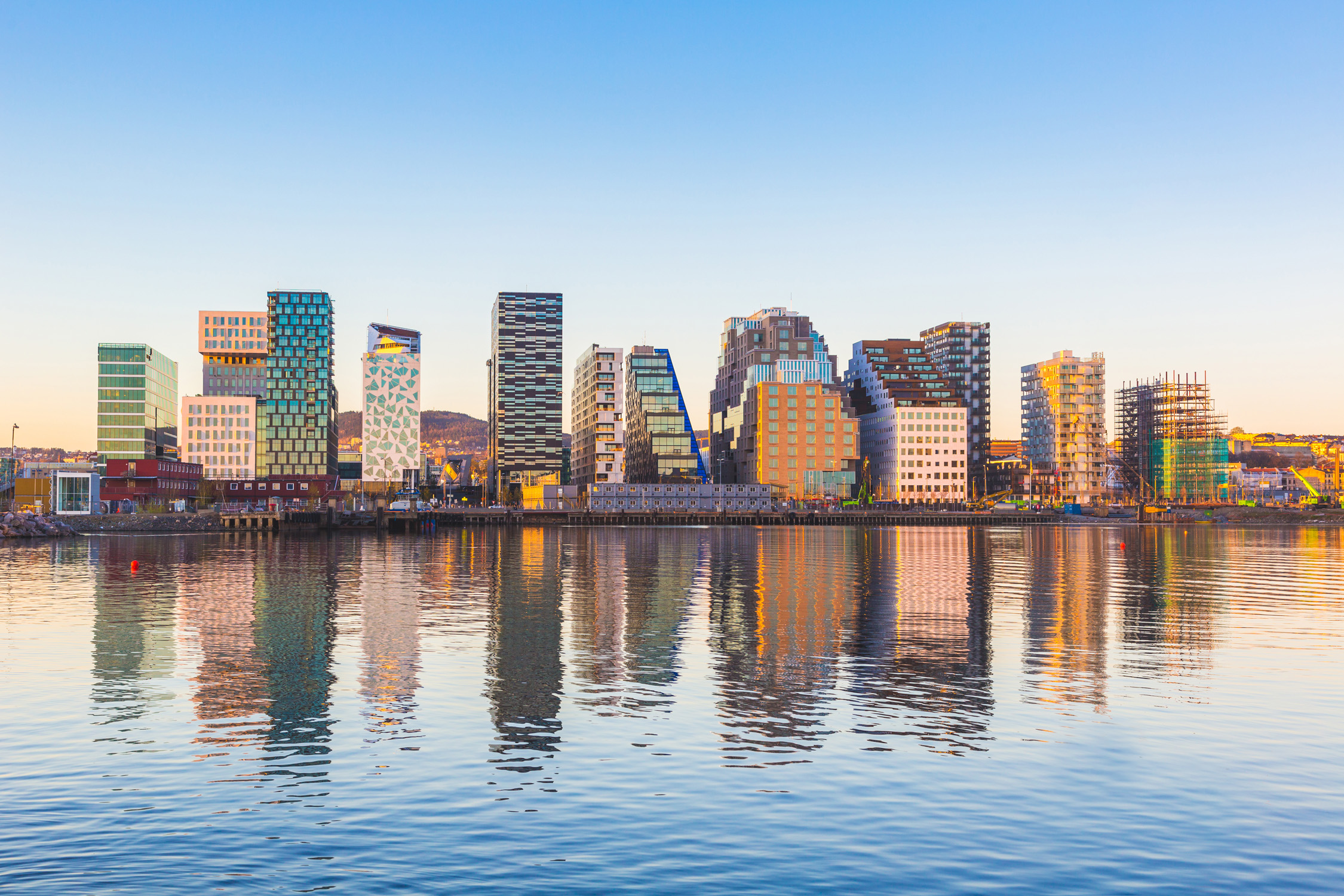
Oslo’s proximity to pristine forests, fjords, and alpine landscapes makes it an ideal gateway for outdoor enthusiasts seeking adventure and natural beauty. Beyond urban attractions, the region offers diverse experiences, from challenging hiking trails with panoramic vistas to serene winter activities and coastal explorations. This section highlights structured outdoor opportunities, emphasizing accessibility, seasonal variations, and logistical considerations for visitors.
Oslo’s Best Hiking Trails: Difficulty, Scenic Viewpoints, and Gear Requirements
Oslo’s hiking trails cater to all skill levels, ranging from gentle forest walks to demanding alpine ascents, with many offering breathtaking views of the city and surrounding wilderness. Proper preparation—including footwear, weather-appropriate clothing, and navigation tools—is essential, particularly for remote or exposed routes.
Gear Essentials for Hiking Near Oslo:
- Sturdy, ankle-supportive hiking boots with grips for rocky or snowy terrain.
- Layers for temperature fluctuations (windproof jacket, moisture-wicking base layers).
- Navigation: Offline maps (e.g., Komoot, Fjellvett app) or a compass; GPS recommended for backcountry trails.
- Sufficient water (2L minimum) and high-energy snacks (nuts, chocolate, dried fruit).
- First-aid kit, whistle, and emergency blanket for remote areas.
- Winter-specific: Crampons, trekking poles, and thermal gloves; check avalanche risk via NAV.no.
Notable Trails by Difficulty and Scenic Highlights: -
Frognerseteren Trail (Frognerseteren Sti)
- Difficulty: Easy to Moderate (3–4 hours round trip; 5.5 km). Paved sections available for strollers.
- Scenic Viewpoints: Summit at 390 meters offers 360° views of Oslo, the fjord, and Holmenkollen Ski Jump. The trail winds through pine forests and historic military bunkers.
- Gear Notes: Comfortable shoes suffice; sun protection recommended for exposed sections.
- Access: Start at Holmenkollen Station (T-bane Line 1) or Frognerseteren Parking (P105).
-
Sognsvann to Maridalsvann (Sognsvannsveien)
- Difficulty: Moderate (4–5 hours round trip; 10 km). Flat but long; ideal for beginners with endurance goals.
- Scenic Viewpoints: Follows the lakefront with glimpses of Oslo’s skyline. Passes through Østmarka’s dense forests and open meadows.
- Gear Notes: Pack water and snacks; avoid muddy sections after rain.
- Access: Start at Sognsvann Station (T-bane Line 1) or Maridalsvann Parking (P106).
-
Kjekstadfjellet (Kjekstad Trail)
- Difficulty: Challenging (5–6 hours round trip; 12 km). Steep climbs and rocky terrain; requires fitness and balance.
- Scenic Viewpoints: Summit at 621 meters provides sweeping views of the Oslofjord and Drammensfjord. Remote sections feature wildflower meadows (summer) and snow-covered ridges (winter).
- Gear Notes: Mandatory: Crampons (winter), trekking poles, and headlamp for early starts/late finishes.
- Access: Trailhead at Kjekstad Parking (P107); 1-hour drive from Oslo. Combine with the Randsfjorden loop for a multi-day trek.
-
Preikestolen via Blåfjell (Blåfjell–Preikestolen Ridge)
- Difficulty: Strenuous (8–10 hours round trip; 18 km). Exposed ridges and loose scree; not recommended for inexperienced hikers.
- Scenic Viewpoints: Connects Blåfjell (a lesser-known peak) to Preikestolen (Pulpit Rock) in Norway’s Lysefjord region. Offers dramatic fjord and mountain vistas.
- Gear Notes: Essential: Harness, rope, and helmet for scrambling sections; check weather forecasts for wind risks.
- Access: Start at Blåfjell Parking (P108); requires a 3-hour drive from Oslo. Permits not needed but register with Fjellvett.no for safety.
-
Skiing at Tryvann
- Facilities: Oslo’s largest ski resort with 10 km of groomed trails (easy to advanced), a ski school, and a café. Artificial snow ensures consistent conditions.
- Safety Notes:
- Rent gear on-site or bring personal equipment (helmets recommended).
- Trail difficulty marked by color (green = easy, black = expert); avoid closed areas.
- Lift tickets: NOK 250–400/day; family passes available.
- Access: 20-minute drive from Oslo; accessible via bus 35 from Majorstuen.
-
Dog Sledding in Nordmarka
- Experience: Guided tours with Alaskan huskies through snow-covered forests and frozen lakes. Tours last 1–3 hours, with options for beginners and experienced mushers.
- Safety Notes:
- Wear insulated boots, gloves, and layered clothing; temperatures drop below -15°C.
- Guides provide sleds, harnesses, and safety briefings; no prior experience needed.
- Book through licensed operators (e.g., Nordmarka Huskies or Oslo Huskies).
- Access: Meet at Sognsvann or Frognerseteren; 30-minute drive from central Oslo.
-
Ice Skating on Frozen Lakes (e.g., Øyeren or Sognsvann)
- Locations:
- Øyeren: Largest natural ice rink in Oslo; 1–2 cm thick ice required for safety (check NAV.no for updates).
- Sognsvann: Popular for figure skating; artificial ice rinks (e.g., Frognerparken) offer alternatives.
- Safety Notes:
- Never skate alone; use a leash for skates and wear a helmet.
- Avoid thin or cracked ice; test thickness with a pole before stepping.
- Emergency contact: 112 for rescue operations.
- Access: Øyeren: 20-minute drive from Oslo; Sognsvann: 15 minutes via T-bane.
- Locations:
-
Backcountry Skiing in Hallingskarvet National Park
- Terrain: Off-p
Oslo transcends the conventional travel narrative by offering a multifaceted journey where history, creativity, and adventure intertwine. The city’s ability to surprise—whether through the quiet charm of Akershus Fortress’s lesser-known exhibits or the vibrant energy of Grünerløkka’s cafés—ensures that every visit feels both familiar and exhilarating. By embracing its seasonal rhythms, from summer hiking in Nordmarka to winter dog sledding in Nordmarka, Oslo invites exploration beyond the ordinary. Whether you’re savoring a cocktail infused with aquavit or gazing over Drøbak’s fjords, the city’s essence lies in its capacity to inspire, leaving visitors with memories as rich as the experiences they’ve curated.
FAQ
What are the best places to visit in Oslo, Norway?
Oslo’s top attractions include the Vigeland Sculpture Park (world’s largest sculpture park), the Norwegian Museum of Cultural History (open-air museum with historic buildings), and Akershus Fortress (medieval castle with fjord views). Don’t miss the Opera House (walkable rooftop) and Fram Museum (Arctic exploration history). Public transport is efficient, and most sights are within the city center.
What is Oslo like to visit for tourists?
Oslo is a compact, modern capital with a mix of urban energy and green spaces, blending Scandinavian design with Nordic history. It’s walkable and safe, with excellent museums (like the Munch Museum), vibrant street life, and easy access to nature (forests, fjords, and islands). English is widely spoken, and the city has a relaxed but culturally rich vibe.
What are the must-see places to visit in Oslo?
Must-visit spots include the Oslo Cathedral (stunning architecture), Holmenkollen Ski Jump (iconic hill with museum), and Bygdøy Peninsula (home to five major museums, including the Kon-Tiki Museum). The Royal Palace (summer residence) and Grünerløkka (trendy neighborhood) are also highlights, along with the Munch Museum for art lovers.
Which islands near Oslo should I visit?
The Hovedøya island offers a medieval monastery, hiking trails, and picnic spots, while Langøyene (connected by bridge) has beaches and nature reserves. Malmøya is a quieter retreat with cliffs and birdwatching, and Hovedøya’s summer concerts are famous. Ferries from Aker Brygge make access easy.
What are the top things to do and visit in Oslo?
Top experiences include exploring Vigeland Park’s surreal sculptures, taking a fjord cruise to Fredrikstad Fortress, and visiting the Nordic Museum (traditional Norwegian life). Foodies should try Mathallen Oslo (food hall) or Vippa (gourmet market), and the Oslo Fjord offers kayaking or sauna boat trips.
What are the best places to visit in Oslo during winter?
Winter highlights include Holmenkollen Ski Jump (skiing and museum), Frogner Park’s snowy sculpture park, and Oslo Winter Park (downhill skiing). The Christmas markets (like at Stortorget) and ice skating at Frognerbadet are festive, while Nordmarka forest offers cross-country skiing trails. The Opera House’s rooftop is also magical in snow.
- Terrain: Off-p
Winter Activities in Oslo: Skiing, Dog Sledding, and Ice Skating
Oslo’s winter transforms into a playground for snow sports, with options for beginners and thrill-seekers alike. Activities range from groomed ski slopes to backcountry adventures, though participants must adhere to safety protocols, particularly in remote areas where avalanche risks and sub-zero temperatures pose challenges.Key Winter Destinations and Safety Guidelines:
- Signature Item: "The Viking
-
Mushroom Foraging in Nordmarka

Hidden Gems and Local Experiences: Off-the-Beaten-Path Exploration in Oslo
Oslo’s allure extends far beyond its iconic landmarks, revealing a tapestry of underrated neighborhoods, seasonal adventures, and vibrant cultural expressions. While the city’s historic quarters and museums draw global attention, its lesser-known districts offer authentic encounters with local traditions, art, and nature. This section highlights Oslo’s hidden treasures—from neighborhood gems to seasonal escapades and the city’s dynamic street art scene—alongside practical guides to its subterranean wonders, ensuring an immersive experience beyond conventional tourism.
Underrated Oslo Neighborhoods: Unique Shops, Cafés, and Local Traditions
Oslo’s neighborhoods each carry distinct identities shaped by history, migration, and creativity. These five areas provide a glimpse into the city’s alternative side, where vintage markets, niche cafés, and community-driven traditions thrive.
Oslo’s Best Seasonal Activities: Weather-Specific Adventures
Oslo’s climate dictates distinct seasonal experiences, from winter sports to summer hiking. These activities leverage the city’s natural and urban landscapes, offering year-round engagement with local culture and outdoor pursuits.
-
Grünerløkka
Leave a Comment
Comments are moderated before appearing. The data you submit is processed according to the Privacy Policy of Voltefac.