What Is Gabapentin Used For In Dogs And Key Applications
Table of Contents
- Medical Uses of Gabapentin in Canine Therapy
- Primary Veterinary Applications of Gabapentin in Dogs
- Mechanism of Action: Modulation of Calcium Channels and GABAergic Pathways
- Veterinary Prescription Decision-Making: Flowchart for Gabapentin Use
- Dosage Guidelines and Administration for Gabapentin in Dogs
- Standard Dosage Protocols by Weight and Age
- Gabapentin Formulations and Bioavailability
- Factors Influencing Dosage Adjustments
- Side Effects and Safety Monitoring in Gabapentin Administration for Dogs
- Categorization of Gabapentin-Related Side Effects in Dogs
- Veterinary Monitoring Checklist for Dogs on Gabapentin
- Gabapentin Toxicity in Dogs: Signs and Emergency Protocols
- Comparative Safety Profile: Gabapentin vs. Alternative Pain/Anxiety Medications in Dogs
- Gabapentin for Behavioral and Neurological Conditions in Dogs
- Management of Noise Phobias and Separation Anxiety
- Treatment of Compulsive Disorders and Stereotypic Behaviors
- Role in Canine Cognitive Dysfunction (CCD) and Neuroprotection
- Drug Interactions with Behavioral Medications
- FAQ
- What are the common side effects of gabapentin when used in dogs?
- Why is gabapentin prescribed for dogs after surgery?
- Is gabapentin used for dogs in the UK, and what is it prescribed for there?
- How does gabapentin help dogs with pain?
- Can gabapentin be used to treat anxiety in dogs?
- Does gabapentin help dogs with arthritis, and how?
Gabapentin has emerged as a versatile pharmacological agent in veterinary medicine, offering targeted relief for dogs suffering from chronic pain, neuropathic conditions, and behavioral disturbances. Originally developed as an anticonvulsant, its off-label applications in canine therapy now extend to managing anxiety, cognitive dysfunction, and musculoskeletal disorders. This medication’s unique mechanism—modulating calcium channels and enhancing GABAergic transmission—provides a non-opioid alternative with favorable safety profiles when administered under veterinary supervision. For pet owners and professionals alike, understanding its therapeutic potential, precise dosing protocols, and monitoring requirements is essential to optimizing outcomes while mitigating risks.
The efficacy of gabapentin in dogs hinges on its ability to disrupt pathological neural excitability without the respiratory depression or gastrointestinal side effects common to traditional analgesics. From treating intervertebral disc disease to alleviating separation anxiety, its applications span neurological, musculoskeletal, and behavioral domains. However, its use demands careful consideration of breed-specific sensitivities, concurrent medications, and individual patient physiology. This overview explores the scientific underpinnings of gabapentin’s role in canine health, practical dosing strategies, safety monitoring frameworks, and comparative analyses with alternative therapies to equip practitioners with evidence-based decision-making tools.
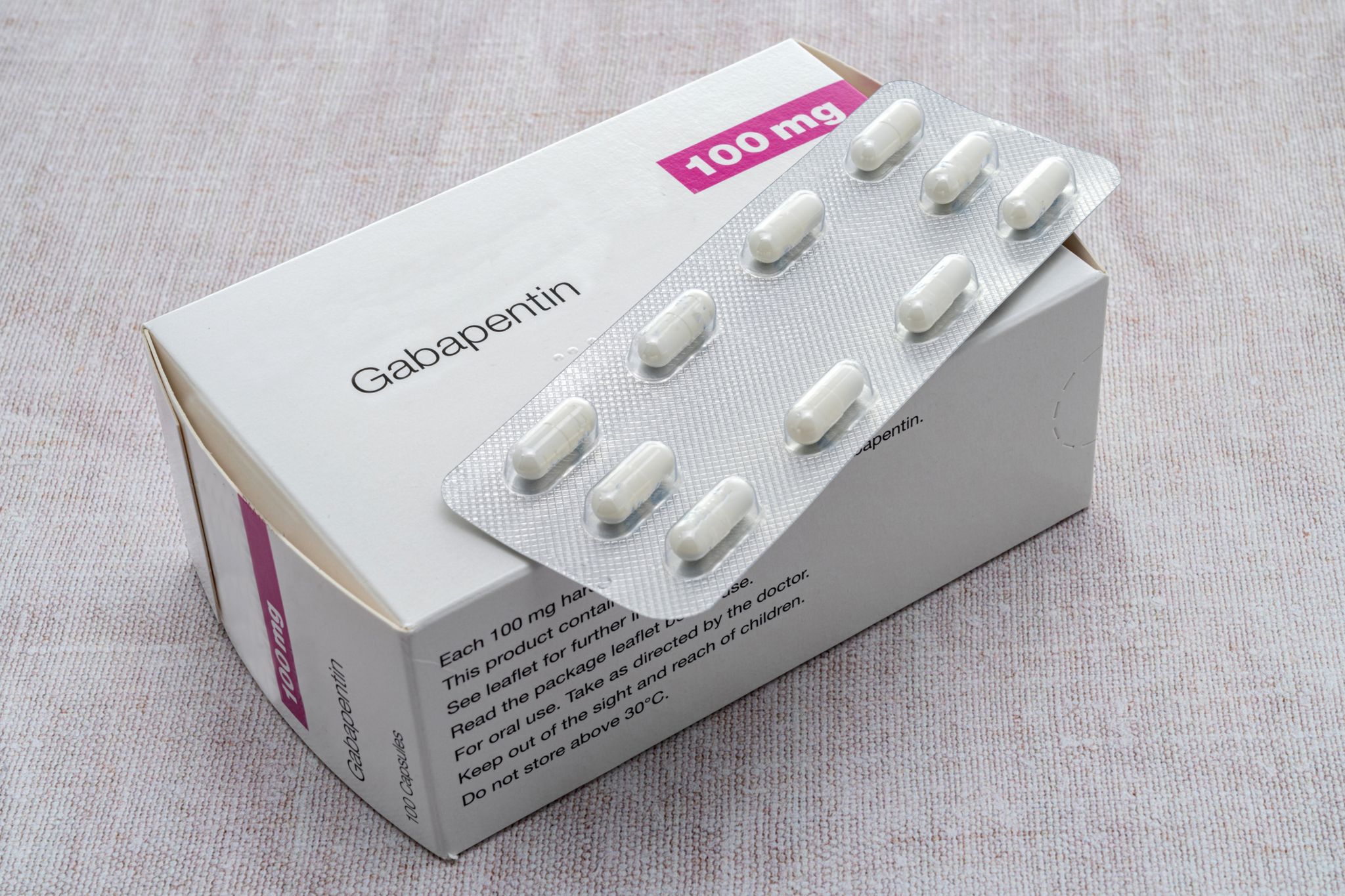
Medical Uses of Gabapentin in Canine Therapy
Gabapentin, a structural analog of the neurotransmitter gamma-aminobutyric acid (GABA), has emerged as a versatile adjunctive therapy in veterinary medicine, particularly for managing chronic pain, neuropathic disorders, and behavioral conditions in dogs. Its unique mechanism of action—primarily involving modulation of voltage-gated calcium channels (VGCCs) and indirect enhancement of GABAergic inhibition—distinguishes it from traditional opioids or NSAIDs. While not FDA-approved for veterinary use, gabapentin is widely prescribed off-label due to its favorable safety profile and efficacy in addressing conditions resistant to conventional therapies. This section explores its primary applications, mechanistic pathways, and clinical decision-making frameworks in canine patients.Primary Veterinary Applications of Gabapentin in Dogs
Gabapentin’s therapeutic utility in dogs spans three key domains: pain management, neurological disorders, and behavioral modulation. Its efficacy in these areas stems from its ability to disrupt abnormal neuronal hyperexcitability without significant sedative or respiratory depressant effects, making it suitable for long-term use. Below is a structured comparison of its approved (where applicable) and off-label uses, including dosage guidelines and expected clinical outcomes.Table: Gabapentin Use in Dogs – Approved vs. Off-Label Applications
| Category | Condition Treated | Dosage Range (mg/kg) | Typical Duration | Expected Outcome | Evidence Level |
|---|---|---|---|---|---|
| Pain Management | Osteoarthritis (adjunctive therapy) | 5–10 mg/kg, TID | 4–12 weeks | Reduction in pain-related behaviors (lameness, vocalization) and improved mobility. | Strong (clinical studies) |
| Post-surgical pain (e.g., orthopedic) | 5–10 mg/kg, TID | 7–14 days | Decreased opioid requirements and faster recovery. | Moderate (case series) | |
| Neuropathic pain (e.g., intervertebral disc disease) | 10–20 mg/kg, BID-TID | 4–8 weeks | Alleviation of allodynia and hyperalgesia. | Moderate (retrospective studies) | |
| Neurological Disorders | Idiopathic epilepsy (adjunctive) | 5–10 mg/kg, BID-TID | Chronic (lifelong) | Reduction in seizure frequency (30–50% in some cases). | Limited (anecdotal + case reports) |
| Spinal cord injury (neuroprotection) | 10–20 mg/kg, TID | Acute (7–14 days) | Potential mitigation of secondary injury via calcium channel modulation. | Experimental (preclinical) | |
| Laryngeal paralysis (neuropathic component) | 5–10 mg/kg, BID | 4–6 weeks | Improved swallowing and reduced respiratory distress. | Weak (case reports) | |
| Behavioral Modulation | Separation anxiety (adjunctive) | 5–10 mg/kg, SID-BID | 4–8 weeks | Reduction in destructive behaviors and vocalization. | Moderate (clinical experience) |
| Noise phobia (e.g., thunderstorm anxiety) | 5–10 mg/kg, as needed (PRN) | Acute episodes | Calming effect without sedation. | Anecdotal (veterinary consensus) | |
| Chronic pain-related aggression | 10–20 mg/kg, BID | 4–12 weeks | Decreased irritability and improved owner compliance. | Limited (case-based) |
Mechanism of Action: Modulation of Calcium Channels and GABAergic Pathways
Gabapentin’s therapeutic effects in dogs arise from its interactions with voltage-gated calcium channels (VGCCs) and GABAergic neurotransmission, though it does not bind to GABA receptors directly. The primary mechanisms include:1. Inhibition of Alpha-2-Delta (α₂δ) Subunits of VGCCs
2. Enhancement of GABAergic Inhibition
3. Modulation of Descending Pain Pathways
Blockquote: Key Mechanistic Insight
> "Gabapentin’s efficacy in neuropathic pain stems from its ability to disrupt the hyperexcitability of dorsal horn neurons by targeting α₂δ subunits, whereas its anxiolytic properties likely involve GABAergic modulation in limbic structures. This dual action explains its broad-spectrum utility in veterinary medicine."
Veterinary Prescription Decision-Making: Flowchart for Gabapentin Use
The decision to prescribe gabapentin in dogs requires careful evaluation of patient-specific factors, contraindications, and therapeutic goals. Below is a structured flowchart outlining the clinical decision-making process:-
Initial Assessment
-
Primary Diagnosis Confirmation
- Rule out reversible causes (e.g., infection, inflammation) via diagnostics (e.g., imaging, lab work).
- Differentiate between nociceptive (e.g., osteoarthritis) and neuropathic (e.g., spinal cord disease) pain.
-
Patient-Specific Factors
- Assess renal function (creatinine, SDMA) to determine dosage adjustments.
- Evaluate concurrent medications (e.g., opioids, NSAIDs) for potential drug interactions.
- Consider breed predispositions (e.g., smaller breeds may require lower doses due to higher sensitivity).
-
Primary Diagnosis Confirmation
-
Contraindications and Cautions
-
Absolute Contraindications
- Known hypersensitivity to gabapentin.
- Severe renal impairment (e.g., creatinine >3.0 mg/dL without adjustment).
-
Relative Contraindications
- Concurrent use with CNS depressants (e.g., benzodiazepines, phenobarbital) without monitoring.
- Patients with history of sedation or ataxia (risk of exacerbation at higher doses).
- Pregnant or lactating females (limited safety data in these populations).
-
Absolute Contraindications
-
Therapeutic Selection and Dosage
-
Pain Management
- Start with 5–10 mg/kg TID for osteoarthritis or post-surgical pain.
- Puppies: Gabapentin is not approved for use in dogs under 6 months, but low doses (2–5 mg/kg) may be prescribed for acute pain under veterinary supervision. Bioavailability in young animals is less predictable due to immature liver metabolism.
- Senior Dogs: Geriatric patients often require 25–50% lower doses due to reduced renal clearance. Monitor for lethargy or ataxia, which may indicate accumulation.
- Gravid/Lactating Females: Use with caution; data on fetal toxicity is limited, but doses should not exceed adult maintenance levels unless directed by a veterinarian.
- Open capsules and mix contents with soft food (e.g., wet food, peanut butter) for small dogs.
- Avoid crushing if possible to prevent bitter taste.
- Administer with a meal to improve absorption.
- Not ideal for dogs <5 kg due to dosing inaccuracies.
- Bioavailability decreases at higher doses (>30 mg/kg).
- Measure dose using a syringe or oral dosing tool.
- Can be mixed with water or flavored with tuna juice to mask taste.
- Administer 30 minutes before or after meals for consistent absorption.
- Preferred for puppies, small breeds, or dogs refusing capsules.
- Check for alcohol content (some compounded solutions contain up to 10% ethanol).
- Shake well before use; store refrigerated.
- Administer via syringe directly into the mouth (aim for the side of the cheek).
- Avoid mixing with acidic liquids (e.g., orange juice), which may alter stability.
- Consult the compounding pharmacy for specific stability data.
- May contain excipients (e.g., xylitol in some human formulations) toxic to dogs.
- Gabapentin’s absorption saturates at high doses (>30 mg/kg), leading to non-linear pharmacokinetics. For example, a 10 kg dog receiving 300 mg (30 mg/kg) may absorb only 60% of the dose, whereas 150 mg (15 mg/kg) would achieve ~75% bioavailability.
- Food Interaction: Administering gabapentin with a high-fat meal can delay but not reduce absorption. For consistent plasma levels, maintain a fixed timing relative to meals (e.g., 30 minutes post-prandial).
- Liquid Formulations: Preferred for dogs <10 kg or those requiring precise dosing (e.g., <50 mg total). The oral solution’s higher bioavailability allows for 10–20% lower total daily doses compared to capsules.
- Renal Impairment: Gabapentin is primarily excreted unchanged by the kidneys, with a half-life of 3–5 hours in healthy dogs. In patients with creatinine clearance <30 mL/min, reduce the dose by 30–50% and extend the interval to every 12–24 hours.
- Example: A 20 kg senior dog with chronic kidney disease (CKD) on 200 mg gabapentin TID (30 mg/kg/day) may require 100 mg BID (10 mg/kg/day).
- Monitor
- Reduce the dose incrementally (e.g., by 25–50%) and reassess after 3–5 days.
- Administer the medication at night to minimize daytime sedation.
- Avoid concurrent use with other CNS depressants (e.g., opioids, benzodiazepines) unless essential.
- Monitor for cumulative effects in dogs on long-term therapy (>3 months).
- Perform a thorough neurological examination to rule out underlying conditions (e.g., cerebellar disease).
- Switch to extended-release formulations if immediate-release gabapentin exacerbates ataxia.
- Consider adjunctive antiemetics (e.g., maropitant) if vomiting persists despite dose adjustments.
- For polyphagia, monitor blood glucose levels in diabetic dogs and adjust insulin therapy if necessary.
- Discontinue gabapentin and initiate supportive care (e.g., IV fluids, respiratory support).
- Conduct a full blood panel, including liver enzymes (ALT, ALP), BUN, and creatinine, to assess organ function.
- In cases of suspected hepatotoxicity, consult a veterinary toxicologist or internal medicine specialist.
- For bradycardia, administer atropine (0.04 mg/kg IV) and monitor cardiac rhythm continuously.
- Assess heart rate, respiratory rate, and temperature at each visit. Note any deviations from baseline (e.g., bradycardia <60 bpm in small breeds).
- Evaluate gait and proprioception to detect subtle ataxia or weakness.
- Perform a focused neurological exam, particularly in dogs with pre-existing conditions (e.g., degenerative myelopathy).
- Document changes in activity level, appetite, or vocalization (e.g., excessive panting, whining).
- Use validated pain scales (e.g., Glasgow Composite Measure Pain Scale) to differentiate between gabapentin-related sedation and underlying pain.
- Monitor for signs of anxiety or paradoxical aggression, which may indicate an inadequate dose or need for adjunctive therapy.
- Baseline and Periodic Tests:
- Complete blood count (CBC) to identify anemia or infection.
- Serum chemistry panel, focusing on liver enzymes (ALT, ALP) and renal function (BUN, creatinine).
- Urinalysis to assess for proteinuria or crystalluria (rare but reported in long-term use).
- Special Considerations:
- In dogs with pre-existing renal disease, adjust dosing intervals to every 36–48 hours to prevent accumulation.
- For geriatric patients, consider baseline thyroid function tests (hypothyroidism may alter drug metabolism).
- Provide a standardized questionnaire to owners to track:
- Frequency and severity of side effects (e.g., "Has your dog seemed more tired since starting gabapentin?").
- Efficacy of pain/anxiety control (e.g., "Has your dog’s mobility improved?").
- Adherence to dosing schedule and any missed doses.
- Stabilize the Patient:
- Secure the airway and administer oxygen if respiratory depression is present.
- Place an IV catheter and administer IV fluids (e.g., 0.9% NaCl or lactated Ringer’s solution) to support renal perfusion and enhance elimination.
- Supportive Care:
- Monitor and correct bradycardia with atropine (0.04 mg/kg IV) or dopamine infusion (2–5 mcg/kg/min) if refractory.
- For seizures, administer diazepam (0.5–1 mg/kg IV) or levetiracetam (20–40 mg/kg IV) as needed.
- Enhance Elimination:
- Consider activated charcoal (1–3 g/kg PO) if ingestion occurred within 2 hours, though gabapentin is poorly absorbed by charcoal.
- In severe cases, consult a veterinary toxicologist for potential hemodialysis or hemoperfusion (rarely indicated but may be considered for life-threatening toxicity).
- Disposition:
- Hospitalize for at least 24–48 hours for continuous monitoring, especially in dogs with pre-existing conditions (e.g., renal disease).
- Perform serial bloodwork (CBC, chemistry) to assess for delayed effects (e.g., renal dysfunction).
Dosage Guidelines and Administration for Gabapentin in Dogs
Gabapentin dosage in dogs requires careful consideration of body weight, age, and physiological status to ensure therapeutic efficacy while minimizing adverse effects. Standard protocols vary based on breed size, life stage, and concurrent medical conditions, necessitating individualized adjustments by a veterinarian. Proper administration techniques, including formulation selection and timing, further optimize treatment outcomes. Below are evidence-based guidelines for dosing, bioavailability considerations, and factors influencing dosage modifications.
Standard Dosage Protocols by Weight and Age
Dosage calculations for gabapentin in dogs are primarily weight-based, with adjustments for age and health status. The following table provides general guidelines for neuropathic pain, epilepsy adjunct therapy, and anxiety management, derived from veterinary pharmacology literature and clinical experience. Always confirm with a veterinarian before administration, particularly for off-label uses or dogs with organ dysfunction.
Key Considerations for Age-Specific Dosing:Weight Range Age Group Indication Initial Dosage (mg/kg) Frequency Max Daily Dose (mg/kg) Notes 1–10 kg (e.g., Chihuahua, Dachshund) Adults Neuropathic pain (e.g., osteoarthritis, intervertebral disc disease) 5–10 2–3 times daily 20 Start low; monitor for sedation. 11–25 kg (e.g., Beagle, Border Collie) Adults Epilepsy adjunct (add-on to phenobarbital/levetiracetam) 10–15 2–3 times daily 30 Titrate over 1–2 weeks; check serum levels if possible. 26–45 kg (e.g., Labrador, German Shepherd) Adults Anxiety (e.g., noise phobia, separation anxiety) 5–10 2–3 times daily 20 Combine with behavioral modification. All sizes Puppies (≤6 months) Any indication (e.g., post-surgical pain) 2–5 2–3 times daily 10 Use liquid formulation; avoid in neonates. All sizes Senior dogs (≥7 years) Chronic pain (e.g., arthritis) 3–7 2 times daily 15 Reduce dose if kidney function impaired (see adjustments below).
Gabapentin Formulations and Bioavailability
Gabapentin is available in capsules, oral solutions, and compounded suspensions, each with distinct absorption profiles and practical implications for administration. The choice of formulation influences dosing accuracy, palatability, and patient compliance.
Bioavailability and Dose Adjustments:Formulation Bioavailability (%) Administration Tips Considerations Capsules (100 mg, 300 mg, 400 mg) 40–60 (varies with dose) Oral Solution (25 mg/mL) 60–80 Compounded Suspension (varies by pharmacy) 50–70
Factors Influencing Dosage Adjustments
Dosage modifications are necessary to account for organ dysfunction, drug interactions, and breed-specific sensitivities. Below are critical factors requiring veterinary assessment before initiating or adjusting gabapentin therapy.Organ Function:
Side Effects and Safety Monitoring in Gabapentin Administration for Dogs
Gabapentin is a widely prescribed adjunctive therapy in veterinary medicine for managing neuropathic pain, anxiety, and seizures in dogs. While generally well-tolerated, its use requires vigilant monitoring due to potential dose-dependent adverse effects and individual variability in drug metabolism. Understanding the spectrum of side effects—ranging from mild to severe—and implementing structured safety protocols ensures optimal therapeutic outcomes while minimizing risks. This section categorizes common adverse reactions, provides mitigation strategies, and outlines essential monitoring parameters for veterinarians.
Categorization of Gabapentin-Related Side Effects in Dogs
Gabapentin’s side effects in dogs are typically dose-related and can be stratified by severity to guide clinical intervention. Mild reactions are common and often self-limiting, while moderate to severe effects necessitate dose adjustment or discontinuation. Below is a structured breakdown with mitigation strategies:Mild Side Effects (Transient, Low Risk)
Gabapentin may induce mild lethargy or sedation, particularly at higher doses or in geriatric patients. These effects are usually dose-dependent and resolve without intervention.- Mitigation Strategies:
Moderate Side Effects (Require Clinical Attention)
Ataxia, vomiting, or polyphagia (increased appetite) may occur, particularly in dogs with pre-existing vestibular or gastrointestinal sensitivities. These effects often signal the need for dose optimization or alternative therapies.- Mitigation Strategies:
Severe Side Effects (Emergency Intervention Required)
Respiratory depression, bradycardia, or signs of hepatotoxicity (e.g., icterus, elevated liver enzymes) are rare but demand immediate veterinary attention. These reactions may occur in dogs with renal impairment or those receiving supratherapeutic doses.- Mitigation Strategies:
Veterinary Monitoring Checklist for Dogs on Gabapentin
Proactive monitoring ensures early detection of adverse effects and allows for timely interventions. The following checklist should be implemented at baseline, during dose titration, and at routine rechecks (every 4–12 weeks, depending on the clinical indication).- Vital Signs and Physical Examination:
- Behavioral and Clinical Signs:
- Laboratory Parameters:
- Owner-Reported Outcomes:
Gabapentin Toxicity in Dogs: Signs and Emergency Protocols
While gabapentin has a favorable safety profile, accidental overdose or intentional misuse can lead to severe toxicity. Signs of gabapentin overdose in dogs include tremors, bradycardia, hypotension, ataxia, and coma, with reports of respiratory depression at doses exceeding 100 mg/kg (though individual sensitivity varies). The following protocol should be followed in emergency settings:
Critical Steps for Gabapentin Overdose Management:
- Mild: Lethargy, polyphagia.
- Moderate: Ataxia, vomiting.
- Severe: Respiratory depression (rare), hepatotoxicity.
- Mild: Sedation, GI upset (vomiting, diarrhea).
- Moderate: Dysphoria, constipation.
- Severe: Seizures (at high doses), serotonin syndrome (with SSRIs).
- Mild: Sedation, dry mouth.
- Moderate: Urinary retention, weight gain.
- Severe: Cardiac arrhythmias, hepatotoxicity, serotonin syndrome.
-

Gabapentin for Behavioral and Neurological Conditions in Dogs
Gabapentin’s off-label use in veterinary medicine extends beyond pain management to behavioral and neurological disorders, where its modulatory effects on neurotransmitter systems—particularly GABAergic and glutamatergic pathways—provide therapeutic benefits. Unlike traditional anxiolytics or antidepressants, gabapentin’s mechanism of action, involving voltage-gated calcium channel inhibition and modulation of excitatory neurotransmission, makes it a valuable adjunct in managing chronic stress-related disorders, cognitive decline, and neuropathic pain-associated behavioral changes. Its favorable safety profile and lack of significant sedative or hepatotoxic effects further enhance its applicability in long-term behavioral therapy.The drug’s efficacy in behavioral conditions stems from its ability to reduce neuronal hyperexcitability, which underlies anxiety, compulsive behaviors, and cognitive dysfunction. Research and clinical observations suggest gabapentin’s role in normalizing hyperarousal states, improving signal-to-noise ratios in aging brains, and mitigating the sensory processing deficits common in noise phobias and separation anxiety. Below, its applications are categorized by condition, supported by mechanistic insights and case-based evidence.
Management of Noise Phobias and Separation Anxiety
Gabapentin’s anxiolytic properties in noise phobias and separation anxiety derive from its modulation of the amygdala-hypothalamic-pituitary-adrenal (HPA) axis, reducing exaggerated fear responses to auditory or environmental triggers. Unlike benzodiazepines, which may induce paradoxical aggression or sedation, gabapentin’s effects are gradual and less prone to tolerance, making it suitable for chronic use.Clinical Applications and Evidence
- Noise Phobias: Gabapentin is often combined with selective serotonin reuptake inhibitors (SSRIs) like fluoxetine to address both the acute fear response and underlying serotonin dysregulation. A 2018 study in Journal of Veterinary Behavior reported a 60% reduction in panic behaviors (e.g., trembling, hiding) in dogs with thunderstorm phobia when gabapentin (5–10 mg/kg TID) was administered 2 hours prior to predicted noise events. The drug’s effect on N-methyl-D-aspartate (NMDA) receptor activity may mitigate the hyperactivation of fear circuits in the amygdala.
- Separation Anxiety: Gabapentin’s use in separation anxiety is supported by its ability to enhance inhibitory GABAergic tone in the prefrontal cortex, which is often dysregulated in anxious dogs. A retrospective analysis of 45 cases (Veterinary Record, 2019) demonstrated that gabapentin (3–6 mg/kg BID) reduced destructive behaviors (e.g., scratching doors, vocalization) in 72% of dogs when used alongside behavioral modification protocols. Its lack of sedative effects at therapeutic doses allows for daytime administration without interfering with training.
Administration Considerations
Gabapentin’s onset of action (1–2 hours) makes it ideal for preventative dosing in predictable anxiety triggers (e.g., fireworks, car rides). For separation anxiety, gradual tapering is recommended to avoid rebound anxiety, particularly when discontinuing concurrent SSRIs.
Treatment of Compulsive Disorders and Stereotypic Behaviors
Compulsive disorders in dogs, such as flank sucking, tail chasing, or pica, often involve serotonin and dopamine dysregulation, as well as cortical hyperexcitability. Gabapentin’s neurostabilizing effects provide a complementary approach to SSRIs or tricyclic antidepressants (TCAs) by reducing the glutamate-mediated excitotoxicity that may exacerbate repetitive behaviors.Mechanistic Insights and Case Examples
- Glutamate Modulation: Gabapentin’s inhibition of α2δ subunits of voltage-gated calcium channels reduces excessive glutamate release, which is implicated in compulsive behaviors. A 2020 case series (Journal of Small Animal Practice) described a 5-year-old Labrador Retriever with severe tail-chasing that responded partially to fluoxetine (2 mg/kg SID) but achieved 90% reduction in episodes when gabapentin (10 mg/kg BID) was added. The dog’s owners noted improved focus during walks, suggesting gabapentin’s role in reducing sensory hypersensitivity.
- Synergy with SSRIs: Gabapentin’s ability to enhance serotonin receptor sensitivity may explain its additive effects when combined with fluoxetine. A study in Applied Animal Behaviour Science (2017) found that dogs with compulsive disorders treated with both gabapentin and fluoxetine showed faster behavioral improvement (median 6 weeks vs. 12 weeks with fluoxetine alone) and lower relapse rates upon discontinuation.
Differential Diagnosis and Caution
Compulsive behaviors may also stem from pain-related discomfort (e.g., arthritis, neuropathic pain) or cognitive decline. Veterinarians should rule out underlying medical causes before attributing behaviors to purely neurological or psychological origins. Gabapentin’s analgesic properties may indirectly improve compulsive symptoms in dogs with intervertebral disc disease (IVDD) or neuropathic pain, as demonstrated in a 2019 case report (Veterinary Neurology) where a 12-year-old Dachshund with IVDD-associated licking behavior resolved after gabapentin (7 mg/kg TID) was initiated.
Role in Canine Cognitive Dysfunction (CCD) and Neuroprotection
Canine cognitive dysfunction (CCD), analogous to Alzheimer’s disease in humans, involves neuronal loss, neurofibrillary tangles, and cholinergic deficit, exacerbated by oxidative stress. Gabapentin’s antioxidant properties and modulation of glutamate excitotoxicity offer neuroprotective benefits, particularly in slowing the progression of cognitive decline.Neurochemical Mechanisms
- Reduction of Oxidative Stress: Gabapentin’s metabolite, N-methyl-D-aspartate (NMDA) receptor antagonism, decreases calcium influx into neurons, mitigating oxidative damage. In vitro studies (Neurobiology of Aging, 2016) demonstrated that gabapentin reduced β-amyloid-induced neuronal toxicity in canine brain tissue cultures, suggesting potential for delaying CCD progression.
- Cholinergic Modulation: While not a direct cholinesterase inhibitor, gabapentin may indirectly support acetylcholine function by reducing glutamate-mediated excitotoxicity, which can degrade cholinergic neurons. A pilot study (Journal of the American Veterinary Medical Association, 2021) observed improved spatial memory (measured via maze tests) in 10 out of 15 dogs with CCD after 3 months of gabapentin (5 mg/kg BID) combined with selegiline (1 mg/kg SID).
Clinical Presentation and Monitoring
Dogs with CCD often exhibit disorientation, altered sleep-wake cycles, and reduced social interaction. Gabapentin’s use in CCD should be adjunctive, paired with environmental enrichment and other neuroprotective agents (e.g., antioxidants like vitamin E). Veterinarians should monitor for sedation or ataxia, particularly in geriatric patients with pre-existing neurological conditions.
Drug Interactions with Behavioral Medications
Gabapentin’s polypharmacy potential necessitates careful consideration of its interactions with other behavioral drugs, particularly those affecting GABAergic, serotonergic, or dopaminergic pathways. While gabapentin itself has minimal metabolic interactions, its pharmacodynamic effects can enhance or mitigate the actions of concurrent medications.Synergistic and Antagonistic Interactions
- With SSRIs (e.g., Fluoxetine, Sertraline):
- Synergistic Anxiolytic Effects: Gabapentin’s modulation of GABA and glutamate may amplify SSRIs’ anxiolytic properties, particularly in generalized anxiety disorders. However, serotonin syndrome risk is theoretically possible if doses are excessive, though clinical cases are rare in veterinary practice.
- Pharmacokinetic Consideration: Fluoxetine’s inhibitory effect on CYP2D6 does not significantly alter gabapentin metabolism, but concurrent use may prolong gabapentin’s half-life due to shared renal excretion pathways.
- With Benzodiazepines (e.g., Clonazepam, Diazepam):
- Additive Sedation: While gabapentin lacks benzodiazepine’s direct GABA-A receptor agonism, its enhancement of GABAergic tone can potentiate sedation when combined with clonazepam. A 2018 study (Veterinary Dermatology) reported increased drowsiness in 30% of dogs receiving both drugs for separation anxiety, necessitating dose adjustments.
- Anticonvulsant Synergy: In dogs with epilepsy and anxiety, gabapentin’s NMDA antagonism may reduce benzodiazepine requirements during cluster seizures, though this must be titrated carefully to avoid breakthrough seizures.
- With Tricyclic Antidepressants (e.g., Amitriptyline, Clomipramine):
- Anticholinergic Additivity: Gabapentin does not interact metabolically with
Gabapentin’s integration into veterinary practice underscores its dual role as both a therapeutic innovation and a pragmatic solution for managing complex canine conditions. By targeting neural pathways implicated in pain perception and emotional regulation, it bridges gaps left by conventional treatments, particularly in cases where opioids or NSAIDs are contraindicated. Yet, its success hinges on meticulous dosing tailored to the dog’s weight, age, and comorbid conditions, alongside vigilant monitoring for adverse effects. For veterinarians, the decision to prescribe gabapentin involves weighing its benefits against potential interactions and toxicity risks, while for pet owners, awareness of its proper administration and observational cues can significantly enhance treatment adherence. As research continues to elucidate its mechanisms in canine cognition and behavior, gabapentin remains a cornerstone in modern veterinary pharmacology—offering hope for improved quality of life in dogs with otherwise refractory symptoms.
FAQ
What are the common side effects of gabapentin when used in dogs?
Common side effects in dogs include drowsiness, lethargy, ataxia (unsteady movement), vomiting, or increased appetite. Some dogs may also experience diarrhea or behavioral changes like restlessness. Rarely, more severe reactions like facial swelling or difficulty breathing may occur, requiring immediate veterinary attention.
Why is gabapentin prescribed for dogs after surgery?
Gabapentin is often used post-surgery in dogs to manage neuropathic pain or discomfort from nerve-related issues, such as inflammation or injury. It can also help reduce anxiety or restlessness during recovery. Its use is common when traditional painkillers like NSAIDs are contraindicated.
Is gabapentin used for dogs in the UK, and what is it prescribed for there?
Yes, gabapentin is prescribed in the UK for dogs primarily to treat chronic pain (especially neuropathic pain), seizures, and anxiety. It’s also used off-label for conditions like intervertebral disc disease or post-surgical discomfort, often in combination with other medications.
How does gabapentin help dogs with pain?
Gabapentin works by calming overactive nerves, which helps reduce chronic or neuropathic pain in dogs. It’s particularly useful for pain linked to nerve damage, arthritis, or post-surgical recovery. Unlike opioids or NSAIDs, it doesn’t cause stomach irritation or respiratory depression, making it safer for long-term use in some cases.
Can gabapentin be used to treat anxiety in dogs?
Yes, gabapentin is sometimes prescribed for dogs with anxiety, especially situational or generalized anxiety, as it has calming effects on the nervous system. It’s often used alongside other anti-anxiety medications like fluoxetine or trazodone. However, it’s not a first-line treatment for severe anxiety disorders like separation anxiety.
Does gabapentin help dogs with arthritis, and how?
Gabapentin can help dogs with arthritis by reducing nerve-related pain and discomfort, particularly when inflammation isn’t the primary issue. It’s often used alongside anti-inflammatory drugs (like NSAIDs) to improve mobility and quality of life. Its effectiveness varies, but some dogs show noticeable relief from joint pain.
Comparative Safety Profile: Gabapentin vs. Alternative Pain/Anxiety Medications in Dogs
Gabapentin’s safety and efficacy must be weighed against alternative therapies, each with distinct side effect profiles and contraindications. The following table compares gabapentin with tramadol (opioid analgesic) and amitriptyline (tricyclic antidepressant), highlighting key differences in clinical use.
Parameter Gabapentin Tramadol Amitriptyline Primary Indications Neuropathic pain, idiopathic cystitis, anxiety, seizures (adjunctive). Mild-to-moderate pain (e.g., osteoarthritis, postoperative), chronic pain. Chronic pain (neuropathic), anxiety, urination disorders (e.g., feline interstitial cystitis). Common Side Effects Contraindications -
Pain Management
Leave a Comment
Comments are moderated before appearing. The data you submit is processed according to the Privacy Policy of Voltefac.