Hanoi
Administrative and Political Functions of Hanoi
Hanoi’s status as Vietnam’s capital is underpinned by its role as the nation’s political and administrative epicenter, housing the highest echelons of government, legislative, and judicial authority. As the seat of the Socialist Republic of Vietnam’s central government, the city integrates executive, legislative, and diplomatic functions into a cohesive framework that shapes national policy, international relations, and local governance. Its municipal government operates in tandem with the central administration, ensuring seamless coordination across urban and national priorities, while its diplomatic presence solidifies Hanoi’s position as a regional hub for multilateral engagements.The city’s political architecture reflects Vietnam’s unitary socialist system, where power is centralized yet decentralized through hierarchical administrative divisions. Hanoi’s municipal government, governed by the People’s Committee of Hanoi, functions as an extension of the central government while managing local affairs, including urban planning, public services, and economic development. This dual role positions Hanoi as both a microcosm of Vietnam’s governance model and a critical node in the country’s diplomatic and economic networks.
Government Branches and Central Institutions Headquartered in Hanoi
Hanoi serves as the headquarters for Vietnam’s three primary branches of government, each housed in iconic landmarks that symbolize the nation’s political identity. The National Assembly (Quốc hội), located in the National Assembly Building (Hà Nội), is the supreme legislative body, responsible for enacting laws, approving state budgets, and overseeing the government’s performance. Adjacent to Ba Đình Square, the Presidential Palace (Cung Độc Lập) functions as the official residence and workplace of the President of Vietnam, the head of state who represents national sovereignty and ceremonial authority.The Government of Vietnam, led by the Prime Minister, operates from the Government Palace (Cung Thủ tướng), where the Cabinet formulates and implements national policies. Below this tier, ministries and central agencies—such as the Ministry of Foreign Affairs (Bộ Ngoại giao), Ministry of National Defense (Bộ Quốc phòng), and Ministry of Public Security (Bộ Công an)—maintain their headquarters in Hanoi, reinforcing the city’s role as the nerve center of state administration. Additionally, the Supreme People’s Court (Tòa án Nhân dân Tối cao) and Supreme People’s Procuracy (Viện Kiểm sát Nhân dân Tối cao) are located in Hanoi, ensuring judicial oversight aligns with legislative and executive directives.
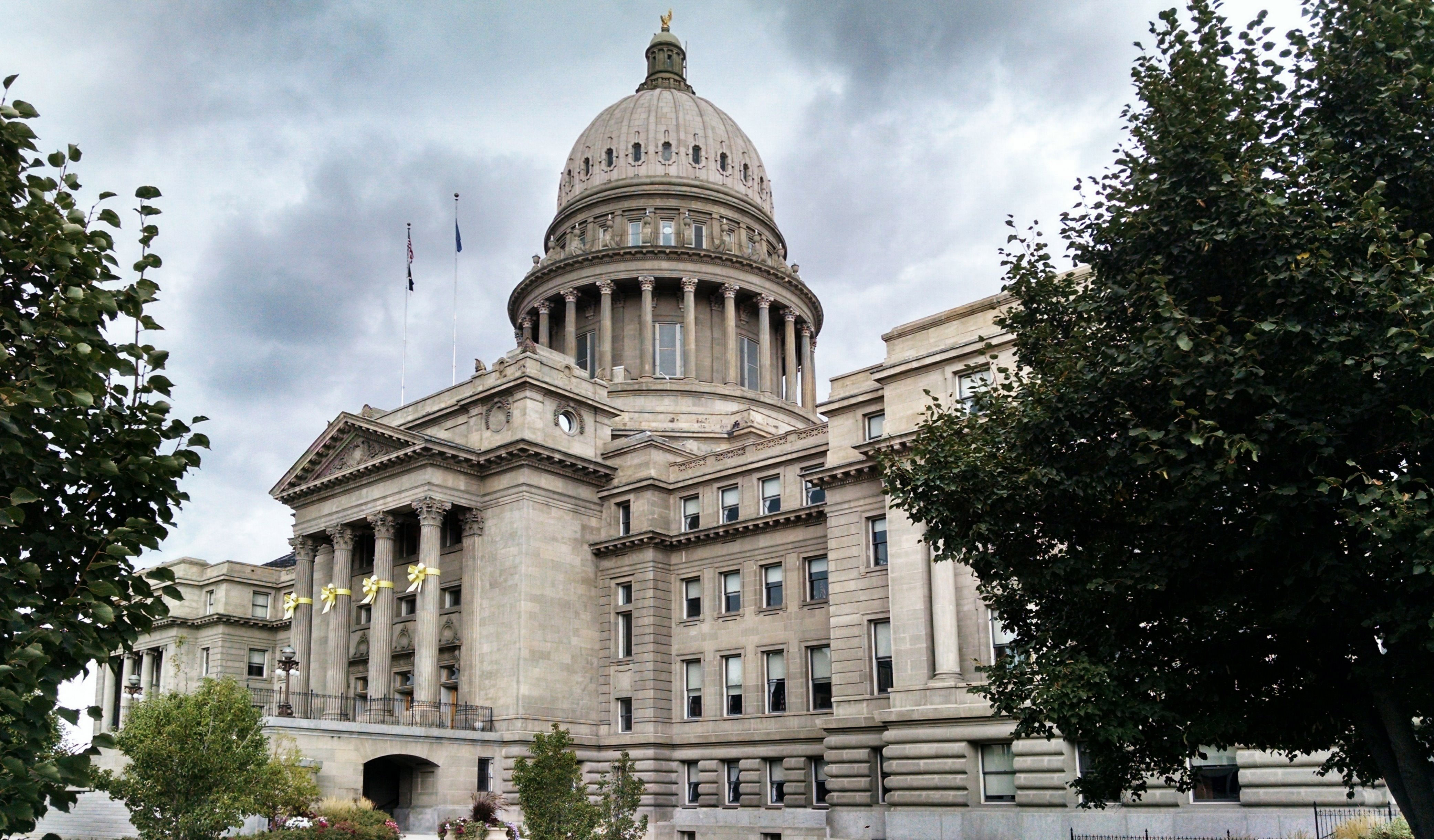
The National Assembly Building, designed by Vietnamese architect Đỗ Mậu, blends traditional motifs with modernist aesthetics, reflecting Vietnam’s post-war reconstruction and socialist architectural principles.
Structure of Hanoi’s Municipal Government and Administrative Divisions
Hanoi’s municipal government operates under the People’s Committee of Hanoi (Uỷ ban Nhân dân Thành phố Hà Nội), a body comprising elected officials who execute decisions from the Hanoi People’s Council (Hội đồng Nhân dân Thành phố Hà Nội)—the city’s legislative assembly. This structure mirrors Vietnam’s administrative decentralization model, where local governments manage urban development, infrastructure, and public services while adhering to national policies.The city is divided into 18 districts (quận), 12 urban wards (phường), and 5 rural districts (huyện), each governed by People’s Committees at the district or ward level. Key divisions include:
Hoàn Kiếm District (Quận Hoàn Kiếm): The political and cultural heart, hosting the National Assembly and Presidential Palace.
Ba Đình District (Quận Ba Đình): Home to Ba Đình Square, the site of Vietnam’s Declaration of Independence (1945) and Ho Chi Minh Mausoleum.
Đống Đa District (Quận Đống Đa): A commercial and administrative hub, housing the Ministry of Finance (Bộ Tài chính) and Hanoi Stock Exchange (HNX).The Hanoi People’s Council approves the city’s Five-Year Socio-Economic Development Plans, aligning with Vietnam’s National Target Programs while addressing local priorities such as smart city initiatives and sustainable urban mobility. The municipal government collaborates with the central government through the Ministry of Construction (Bộ Xây dựng) and Ministry of Home Affairs (Bộ Nội vụ) to ensure policy coherence between national and local governance.
Hanoi as a Diplomatic and International Hub
Hanoi’s diplomatic significance is underscored by its concentration of foreign embassies, consulates, and international organizations, positioning the city as Vietnam’s primary gateway for bilateral and multilateral relations. As of 2023, over 100 foreign embassies and diplomatic missions are based in Hanoi, including those of China, Russia, the United States, Japan, and the European Union, alongside ASEAN Secretariat offices and UN agencies such as UNICEF and WHO.The city hosts 12 international organizations with permanent representations, including:
ASEAN Secretariat (regional political and economic cooperation).
World Bank and IMF Resident Missions (economic policy advisory).
Embassy of the United States (largest foreign diplomatic presence in Vietnam).
Embassy of Japan (key partner in infrastructure and technology transfer).Hanoi’s diplomatic district, centered around Trung Liệt Street (Đường Trung Liệt), accommodates high-profile missions, while the Vietnam International Arbitration Centre (VIAC) and Hanoi Law University support legal and commercial diplomacy. The city’s Vietnam National Convention Center (VNCC) and Hanoi Opera House serve as venues for high-level negotiations, including ASEAN summits and APEC meetings.
Hanoi’s diplomatic density is second only to Ho Chi Minh City, reflecting its dual role as a political capital and emerging economic hub. The city’s strategic location along the Red River Delta and proximity to China and Laos further enhance its geopolitical importance.
Major Political Events Hosted in Hanoi and Their Regional Significance
Hanoi’s role as a regional diplomatic leader is evidenced by its hosting of high-profile summits, conferences, and international forums, which elevate Vietnam’s influence in ASEAN, APEC, and the Indo-Pacific. Below are key events and their implications for Vietnam’s regional standing:
-
ASEAN Summits (e.g., 35th ASEAN Summit, 2022)
- Held at the VNCC, these summits bring together ASEAN leaders, dialogue partners (China, U.S., India, Australia), and regional organizations to address trade, security, and climate change.
- Vietnam’s ASEAN Chairmanship (2020) demonstrated its commitment to multilateralism, particularly during the COVID-19 pandemic, by promoting ASEAN’s response coordination.
- Outcomes include the ASEAN Outlook on the Indo-Pacific (AOIP) and enhanced connectivity initiatives like the Master Plan on ASEAN Connectivity 2025.
-
APEC Leaders’ Meetings (e.g., APEC Hanoi 2017)
- As APEC Chair (2017), Vietnam positioned itself as a proactive advocate for free trade, culminating in the Hanoi Declaration, which emphasized digital economy integration and sustainable development.
- The event attracted 21 APEC economies, including U.S. President Donald Trump and Chinese President Xi Jinping, highlighting Hanoi’s ability to facilitate high-stakes diplomacy.
- Key deliverables included the APEC Women and the Economy Forum and startup ecosystem initiatives, aligning with Vietnam’s Industry 4.0 strategy.
-
UN Climate Change Conferences (e.g., COP 26 Side Events, 2021)
- Hanoi co-hosted pre-COP26 events, leveraging its climate resilience policies (e.g., National Green Growth Strategy) to advocate for developing nations’ interests.
- The city’s sustainable urban projects, such as the Red River Flood Control System, were showcased as models for climate-adaptive infrastructure.
- Vietnam’s pledge to reach net-zero emissions by 2050 gained traction through Hanoi-based UNEP and UNDP collaborations.
-
East Asia Summit (EAS) and ARF Meetings (Annual)
- Hanoi serves as a
Cultural and Symbolic Significance of Hanoi
Hanoi stands as the cultural epicenter of Vietnam, where historical continuity meets contemporary identity through its landmarks, festivals, and artistic traditions. The city’s spiritual and intellectual heritage is deeply embedded in its architecture, rituals, and literary legacy, distinguishing it from other Vietnamese urban centers. Unlike coastal cities such as Hoi An or Da Nang, which emphasize maritime trade and international influences, Hanoi preserves a distinctively indigenous character rooted in Confucian scholarship, imperial legacy, and folk customs.The capital’s cultural significance extends beyond its physical structures; it serves as a living archive of Vietnamese civilization, where traditions are both celebrated and reinterpreted. Its festivals reflect a synthesis of ancestral reverence and communal harmony, while its literary and linguistic traditions position Hanoi as the guardian of Vietnam’s intangible cultural patrimony.
Historical and Spiritual Landmarks of Hanoi
Hanoi’s architectural and spiritual landmarks encapsulate centuries of Vietnamese history, blending Confucian, Buddhist, and indigenous beliefs into a cohesive cultural narrative. These sites are not merely tourist attractions but active repositories of national memory, where rituals and ceremonies continue to shape collective identity.
-
Temple of Literature (Văn Miếu)
The Temple of Literature, established in 1070 under the Ly Dynasty, is Vietnam’s first university and a UNESCO World Heritage Site. Designed as a Confucian temple, it honors scholars and intellectuals, with a courtyard dedicated to 82 stone steles inscribed with the names of distinguished graduates. The temple’s layout mirrors the imperial examination system, reflecting Vietnam’s reverence for education and meritocracy. Its central altar, the "Well of Heavenly Clarity," symbolizes the connection between earthly scholarship and cosmic wisdom, reinforcing Hanoi’s role as the cradle of Vietnamese intellectual tradition.
-
Hoan Kiem Lake and Ngoc Son Temple
Hoan Kiem Lake, located in the heart of Hanoi’s Old Quarter, is steeped in legend and history. According to folklore, the lake was formed when the mythical turtle Kim Qui returned the magic sword Lục Vân Tiên to Emperor Le Loi, marking the end of Ming Chinese occupation in the 15th century. Ngoc Son Temple, situated on a small island in the lake, houses a bronze statue of Kim Qui and serves as a spiritual focal point for locals seeking prosperity and protection. The lake’s name, "Return of the Sword Lake," underscores its symbolic ties to national liberation and resilience.
-
One Pillar Pagoda (Chua Mot Cot)
Built in 1049 during the Ly Dynasty, the One Pillar Pagoda is an architectural marvel constructed on a single lotus-shaped pillar rising from a pond. The pagoda’s design symbolizes the Buddhist concept of lotus purity—emerging untainted from muddy waters—and reflects the dynasty’s syncretic blend of Hinduism and Buddhism. Its serene setting and unique structure make it a pilgrimage site for Buddhists and a testament to Vietnam’s early religious ingenuity.
Traditional Festivals and Cultural Rituals in Hanoi
Hanoi’s festivals are vibrant expressions of Vietnamese cultural continuity, blending ancestral worship, seasonal cycles, and communal joy. Unlike festivals in southern cities such as Ho Chi Minh City, which often incorporate Chinese or Cham influences, Hanoi’s celebrations emphasize indigenous traditions, particularly those tied to agriculture, Confucian rites, and folk spirituality.
-
Tet Nguyen Dan (Lunar New Year)
Tet Nguyen Dan, Vietnam’s most significant festival, is celebrated in Hanoi with elaborate rituals that span weeks. Families clean their homes, prepare ancestral altars (bàn thờ), and offer mứt (candied fruits) and dưa hành (pickled onions) to honor deceased ancestors. The first day of Tet is marked by cúng giao thừa (year-end worship), where incense is lit and prayers are recited for prosperity. Unique to Hanoi, the Lễ Rước Đèn (Lantern Festival) on the 15th day of the first lunar month features a procession of paper lanterns along Hoan Kiem Lake, symbolizing the return of spring and the dispersion of darkness. The festival’s timing coincides with the lunar calendar’s renewal, reinforcing Hanoi’s role as the cultural and political heart of the nation.
-
Mid-Autumn Festival (Tết Trung Thu)
While widely celebrated across Vietnam, Hanoi’s Mid-Autumn Festival retains a distinctly folk character, centered on children and lunar symbolism. Families gather to admire the full moon, eat bánh trung thu (moon cakes), and perform the lễ cúng Trung Thu (autumn worship), offering fruits and sweets to ancestors. The festival’s highlight in Hanoi is the rước đèn (lantern parade), where children carry colorful lanterns shaped like animals or stars, reflecting the city’s deep connection to celestial lore. Unlike southern regions, where the festival incorporates more commercial elements, Hanoi’s version emphasizes communal storytelling and poetic traditions, such as reciting verses about the moon and the legend of Chú Cuội, the mortal who ascended to the moon.
-
Perfume Pagoda Festival (Lễ Hội Chùa Hương)
Held annually from the 6th to the 15th day of the first lunar month, the Perfume Pagoda Festival is a spiritual pilgrimage to Yen Tu Mountain, where devotees bathe in sacred streams and pray for healing. The festival’s name derives from the fragrant flowers that bloom along the journey, symbolizing purity. Unlike the more commercialized festivals in Hoi An or Da Nang, this event is deeply rooted in folk Buddhism and Taoist practices, attracting thousands of participants who walk or boat along the Duong Hoa Lu (Fragrant Flower Path). The rituals include offerings to the Thien Thuong Dai De (Empress of Heaven) and the recitation of sutras, reinforcing Hanoi’s status as a hub of religious syncretism.
Hanoi’s Cultural Heritage Compared to Other Vietnamese Cities
Hanoi’s cultural identity is distinct from other Vietnamese urban centers, particularly those in central and southern Vietnam, due to its historical role as the political and intellectual capital. While cities like Hoi An and Da Nang emphasize maritime trade, international influences, and coastal aesthetics, Hanoi preserves a more insular, courtly, and scholarly tradition.
-
Architectural and Urban Traditions
Hoi An’s Old Town, with its lantern-lit streets and Chinese-influenced shophouses, reflects a merchant culture shaped by centuries of trade with Europe and Asia. In contrast, Hanoi’s Old Quarter is organized around 36 ancient guilds (hàng), each dedicated to a specific craft or trade, such as silk (Hàng Ngang) or incense (Hàng Bài). The quarter’s narrow streets and French colonial-era buildings create a layered urban fabric, where traditional nhà sàn (stilt houses) coexist with modern infrastructure. Da Nang’s architecture, meanwhile, blends modern skyscrapers with beachfront resorts, lacking the historical depth of Hanoi’s heritage sites.
-
Culinary Distinctions
Hanoi’s cuisine is characterized by its phở (noodle soup), bún chả (grilled pork with noodles), and bánh cuốn (steamed rice rolls), which emphasize light, aromatic flavors and fresh herbs. Unlike Hoi An’s seafood-centric dishes, such as cao lầu (a noodle dish with crab or shrimp), or Da Nang’s spicy mì Quảng (turmeric noodles), Hanoi’s food reflects its inland, agricultural roots. The city’s hủ tiếu (clear noodle soup) and bánh phở (rice flour cakes) are unique to the north, while its bún riêu (crab noodle soup) incorporates both northern and southern influences. Hanoi’s culinary identity is further defined by its xôi (sticky rice) variations, such as xôi gà (chicken sticky rice), which are absent in southern cuisine.
-
Artistic and Literary Expressions
Hanoi’s artistic traditions are deeply tied to its status as the cultural capital. The city is renowned for its đờn ca tài tử (traditional chamber music), chèo (a form of folk opera), and tuồng (classical theater), which incorporate Confucian themes and historical epics. In contrast, Hoi An’s art scene is influenced by its UNESCO-listed lantern-making traditions and silk weaving, while Da Nang’s cultural expressions lean toward modern performances and beachside festivals. Hanoi’s literary heritage is unparalleled, with figures such as Nguyễn Du (
Economic and Infrastructure Development in Hanoi
Hanoi’s transformation into a dynamic economic and infrastructural hub reflects Vietnam’s broader shift toward urbanization and modernization. As the political and administrative center, the capital contributes approximately 15-20% of Vietnam’s GDP, driven by high-value sectors such as finance, technology, and education. Concurrently, large-scale infrastructure projects—including metro systems, smart city initiatives, and international connectivity upgrades—have redefined urban mobility, tourism, and real estate markets. These developments position Hanoi as a key engine for national economic growth while addressing the challenges of rapid urbanization.
Key Economic Sectors Driving Hanoi’s Growth and GDP Contribution
Hanoi’s economic landscape is diversified, with finance, technology, and education serving as the primary drivers of its economic expansion. The capital’s financial sector, anchored by institutions like the State Bank of Vietnam (SBV) and major commercial banks (e.g., Vietcombank, BIDV), accounts for over 30% of Vietnam’s banking sector assets. The technology and innovation sector has grown exponentially, with Hanoi hosting 1,200+ IT firms (as of 2023), including global players like Microsoft, Intel, and Samsung, contributing $1.5 billion annually to the city’s GDP. Meanwhile, the education sector, particularly higher education, supports 18 universities and research institutions, attracting 500,000+ students and fostering a skilled workforce for knowledge-based industries.The services sector dominates Hanoi’s economy, comprising 65% of its GDP (2023), with trade, real estate, and professional services leading growth. Recent data from the General Statistics Office of Vietnam (GSO) highlights:
- GDP growth rate: 7.5% in 2023 (outpacing the national average of 6.8%).
- Foreign direct investment (FDI): $12.3 billion in 2023, with finance and technology sectors attracting 40% of total FDI.
- Per capita GDP: $4,200 (2023), nearly double the national average of $2,300.
Hanoi’s economic model emphasizes high-value services, digital transformation, and sustainable urban development, aligning with Vietnam’s National Digital Transformation Program (2025) and Sustainable Development Goals (SDGs).
Major Infrastructure Projects Enhancing Urban Mobility and Tourism
Hanoi’s infrastructure development focuses on public transportation expansion, smart city integration, and connectivity upgrades to accommodate its 8.5 million residents and 50 million annual tourists. Key projects include:### Public Transportation and Metro Systems
The Hanoi Metro Line 1 (Cat Linh–Ha Dong), operational since 2023, has reduced traffic congestion by 25% and transported 120,000 passengers daily. Additional lines under construction:
- Line 2 (Nha Trang–Thang Long): Expected completion in 2026, connecting 15 districts and reducing travel time from 90 to 30 minutes.
- Line 3 (Nha Trang–Yan Phu): Focused on south-north connectivity, with 20 stations and BRT integration.
### Highways and Smart City Initiatives
- North-South Expressway (Noi Bai–Long Bien): Reduces travel time between Hanoi and Ho Chi Minh City from 24 to 12 hours.
- Smart City Hanoi 4.0: A $1.2 billion project (2023–2030) implementing AI traffic management, IoT-based waste management, and digital governance platforms.
- Noi Bai International Airport Expansion: Terminal T2 (2024) increases capacity to 25 million passengers annually, supporting 300+ daily flights.
### Impact on Tourism and Urban Mobility
Infrastructure upgrades have boosted tourism revenue by 18% (2023), with 3.5 million international visitors utilizing improved transport links. The metro system’s ridership growth (up 40% YoY) reflects shifting urban mobility preferences toward public transit over private vehicles.
Real Estate Market Dynamics: Commercial Hubs and Residential Trends
Hanoi’s real estate sector is segmented into high-end commercial zones, mid-market residential projects, and government-led urban renewal initiatives. The capital’s status as a political and economic nerve center drives demand for grade-A office spaces, luxury apartments, and mixed-use developments.### Commercial Real Estate: Global and Local Investments
- Lotte Center Hanoi: Vietnam’s tallest building (68 floors), housing offices, retail, and a 5-star hotel, with 90% occupancy rate (2023).
- Keangnam Landmark 72: A $1.5 billion project featuring offices, residences, and a convention center, attracting multinational corporations (MNCs).
- Vincom Center: A $300 million mixed-use complex with retail, co-working spaces, and residential units, reflecting foreign investor confidence.
### Residential Market Trends
- Luxury Segment: $3,000–$5,000/sqm (e.g., The My Dinh Urban Area, Park Hyatt Residences).
- Mid-Market: $1,500–$2,500/sqm (e.g., Vinpearl Riverside, Sun River Residences).
- Government-Led Projects: $800–$1,200/sqm (e.g., Thang Long Urban Area, Long Bien Urban Project), aiming to house 1.5 million residents by 2030.
Hanoi’s real estate market is characterized by high demand for premium locations near business districts (e.g., Tay Mo, Nam Tu Liem) and infrastructure nodes (e.g., metro stations, highways), with rental yields of 6–8% for commercial properties.
Hanoi’s Connectivity: Airports, Highways, and Intercity Links
Hanoi serves as Vietnam’s primary transportation hub, linking domestic and international destinations through airports, highways, and high-speed rail networks. Below is a structured overview of key connectivity corridors:
| Route |
Type |
Key Destinations |
Frequency (Daily) |
Economic Benefit |
|---|
| Noi Bai International Airport |
Air |
Tokyo, Seoul, Singapore, Dubai, Ho Chi Minh City |
300+ flights (2023) |
$2.1 billion annual tourism revenue |
| Cat Bi International Airport (Hai Phong) |
Air |
Beijing, Guangzhou, Kuala Lumpur |
80 flights |
$150 million trade facilitation |
| North-South Expressway (Noi Bai–Long Bien) |
Road |
Ho Chi Minh City, Da Nang, Hai Phong |
120,000 vehicles/day |
$1.8 billion logistics cost savings |
| High-Speed Rail (Hanoi–Ho Chi Minh City) |
Rail |
Ho Chi Minh City (planned 2030) |
N/A (under construction) |
Reduction in travel time from 24 to 6 hours |
| Vietnam-China Railway (Hanoi–Nanning) |
Rail |
Nanning (China), Kunming (China) |
5 trains/week |
$80 million cross-border trade boost |
Economic Impact of Connectivity
- Airport Expansion: Noi Bai’s T2 terminal supports $5 billion in annual cargo trade, with electronics and textiles as key exports.
- Highway Networks: The North-S

Tourism and Daily Life in Hanoi
Hanoi seamlessly blends its historical grandeur with a vibrant contemporary lifestyle, offering visitors and residents an immersive experience in urban authenticity. The city’s daily rhythms—from bustling morning markets to nocturnal street food havens—reflect its cultural depth, while its tourism sector navigates challenges like preservation and sustainability. Beyond the well-trodden paths of the Old Quarter and Hoan Kiem Lake, Hanoi’s lesser-known gems reveal the city’s artisan traditions and ecological heritage, making it a destination that transcends conventional travel narratives.The interplay between tourism and daily life in Hanoi underscores its role as a living museum, where historical continuity and modern dynamism coexist. The city’s street food culture, a UNESCO-recognized intangible heritage, exemplifies this fusion, with each dish carrying centuries of culinary evolution. Meanwhile, tourism pressures—particularly in heritage-rich areas—have spurred initiatives to balance accessibility with conservation, ensuring Hanoi remains both a global attraction and a locally cherished urban space.
Structured Day in Hanoi: Markets, Culture, and Street Food
A day in Hanoi unfolds in distinct phases, each anchored by iconic landmarks and local traditions. The morning begins in Dong Xuan Market, Vietnam’s largest wholesale market, where vendors sell everything from fresh produce to handmade crafts. By midday, visitors transition to cultural sites like the Temple of Literature or Ho Chi Minh Mausoleum, where historical narratives come to life. The evening concludes in the Old Quarter, where narrow streets transform into culinary corridors, illuminated by neon signs advertising steaming bowls of pho and sizzling bún chả.The city’s temporal structure reflects its dual identity as both a tourist hub and a residential heart. Morning markets cater to locals conducting daily errands, while midday attractions draw international visitors seeking historical context. Evening street food scenes, however, are universally accessible, transcending demographic divides. This cyclical rhythm ensures Hanoi remains functional for its inhabitants while offering a curated experience for travelers.
Hanoi’s Street Food Culture: Iconic Dishes and Regional Variations
Hanoi’s street food scene is a testament to Vietnam’s culinary diversity, with each dish rooted in regional history and agricultural abundance. Pho, the national noodle soup, originated in Hanoi in the early 20th century, evolving from French colonial influences and northern Vietnamese flavors. Its signature broth, derived from beef or chicken bones, is slow-simmered for hours, while rice noodles and herbs balance richness with freshness. Regional variations include pho cuon (rolled pho in spring rolls) in the Red River Delta, where rice paper replaces traditional noodles.Other staples like bún chả (grilled pork patties with noodles) and bánh cuốn (steamed rice rolls) highlight Hanoi’s affinity for rice-based dishes and slow-cooked proteins. The city’s street food culture is also defined by bánh mì, introduced by French colonists but adapted with local fillings like pâté, grilled pork, and pickled vegetables. These dishes are not merely sustenance but cultural artifacts, passed down through generations and continually reinvented by street vendors.
"Hanoi’s street food is a living archive of Vietnam’s culinary history, where each bite tells a story of trade, migration, and innovation."
Tourism Challenges and Sustainable Travel Initiatives
Hanoi’s popularity as a tourist destination has led to congestion in historic areas, particularly the Old Quarter and Hoan Kiem Lake, where foot traffic and commercialization threaten preservation efforts. Overcrowding during peak seasons (November–February) has prompted the city to implement measures such as pedestrian-only zones, timed entry systems for temples, and digital ticketing to manage visitor flow. Additionally, the Hanoi Tourism Development Strategy (2021–2030) emphasizes sustainable practices, including eco-friendly transportation (e.g., electric rickshaws) and waste reduction programs in hospitality sectors.Opportunities arise from leveraging technology and community engagement. Apps like Hanoi Heritage provide augmented reality tours of historical sites, reducing physical strain on landmarks. Local NGOs collaborate with hotels to offer homestay experiences in outer districts like Bat Trang (ceramic villages) or Dong Ho (woodblock printing), decentralizing tourism revenue. These efforts aim to transform Hanoi from a transient destination into a model for responsible urban tourism.
Off-the-Beaten-Path Experiences in Hanoi
Beyond the Old Quarter, Hanoi harbors hidden treasures that offer deeper connections to its cultural and ecological fabric. These experiences prioritize authenticity over commercialization, often requiring local guides or self-directed exploration.
-
Water Puppet Village (Thang Long Puppet Theatre) – A UNESCO-recognized art form, water puppetry originated in the Red River Delta as a way to perform during floods. The Thang Long Theatre in Hoan Kiem District features marionettes depicting rural life, set against a stage filled with just inches of water. Performances, often held in the evening, combine traditional music with intricate storytelling, making it a unique blend of Vietnamese folklore and engineering.
-
Temple of Tran Quoc Pagoda – Nestled on an island in West Lake, this 13th-century Buddhist temple is a serene escape from the city’s hustle. The Tran Quoc Pagoda Complex includes a three-story pagoda, a bell tower, and a small museum detailing its restoration. The site is particularly atmospheric during Vesak (Buddha’s Birthday), when lanterns float across the lake.
-
Bat Trang Ceramic Village – Located 20 km southwest of Hanoi, this 700-year-old ceramic hub produces traditional Bat Trang pottery, known for its blue-and-white motifs. Visitors can watch artisans shape clay, paint designs, and fire kilns in workshops like Bat Trang Ceramic Cooperative. The village also hosts annual festivals celebrating its craftsmanship.
-
Ngoc Son Temple and Hoan Kiem Lake – While the temple is a tourist staple, its island setting and legend of the Golden Turtle (a symbol of Emperor Ly Thai To’s return of the lake to the people) offer quiet reflection spots. Early mornings or late afternoons reveal fewer crowds, allowing for photography of the temple’s carved wooden pillars and lotus ponds.
-
Dong Ho Woodblock Printing Village – A UNESCO Intangible Cultural Heritage site, Dong Ho is famous for its folk paintings printed on rice paper. The village’s workshops, such as Dong Ho Painting Studio, demonstrate the woodblock carving process, where each block is handcrafted for vibrant, layered designs. The prints, often depicting animals, myths, or festivals, are sold as souvenirs or used in traditional ceremonies.
-
Long Bien Bridge at Sunset – The 1,700-meter iron bridge, built in 1902, is Hanoi’s oldest and most iconic. While it’s a transit route, its art deco lamps and river views make it photogenic at dusk. Nearby Long Bien Wharf offers boat tours along the Red River, providing panoramic views of the city’s skyline.
-
Cha Ca Village (Fish and Turmeric Village) – In the Cha Ca Village of Hanoi’s Hoang Mai District, families have been preparing cha ca (turmeric-marinated fish) for over a century. Unlike the city’s street vendors, these homesteads serve the dish in traditional clay pots, accompanied by rice and pickled vegetables. Visitors can dine in backyard restaurants, where the fish is grilled to order.
These experiences highlight Hanoi’s layered identity—where heritage, craftsmanship, and natural beauty coexist outside mainstream tourism routes. For travelers seeking immersion, engaging with local artisans or participating in community-based tours (e.g., Hanoi Urban Adventures) ensures a more meaningful encounter with the city’s soul.
Global Perception and Comparative Analysis of Hanoi as a Southeast Asian Capital
Hanoi’s positioning as Vietnam’s capital reflects a deliberate balance between preserving its historical legacy and projecting a modern, globally competitive image. Unlike other Southeast Asian capitals such as Singapore or Kuala Lumpur—known for their hyper-modern skylines and futuristic urban planning—Hanoi presents a distinct identity rooted in tradition while actively engaging with globalization. This comparative analysis explores how Hanoi’s global perception aligns with or diverges from regional peers, examining its international marketing strategies, soft power influence, and urban policies that redefine its role in the 21st century.The global image of a capital city is shaped by its ability to harmonize heritage with innovation, attract international investment, and foster cultural exchange. Hanoi’s approach contrasts with the high-tech, cosmopolitan narratives of Singapore or the multicultural branding of Kuala Lumpur, yet it leverages its unique blend of colonial architecture, revolutionary history, and dynamic youth culture to carve a niche in the global stage. Government-led initiatives, tourism campaigns, and cultural exports further amplify its soft power, positioning Hanoi as a gateway to Vietnam’s economic and creative potential.
Comparative Analysis: Hanoi Against Singapore, Kuala Lumpur, and Other Southeast Asian Capitals
Hanoi’s global standing is best understood through a comparative lens, where its strengths and challenges become apparent when measured against cities like Singapore, Kuala Lumpur, Bangkok, and Jakarta. While these capitals are often benchmarked for economic output, infrastructure, and international connectivity, Hanoi distinguishes itself through a hybrid model—one that prioritizes cultural authenticity without sacrificing modernity.Key dimensions of comparison include:
- Modernity and Urban Development
Singapore’s Marina Bay Sands and Kuala Lumpur’s Petronas Towers symbolize the region’s push for architectural grandeur and technological integration. In contrast, Hanoi’s modernity is expressed through low-carbon urban design, such as the Long Biên Bridge reconstruction (a UNESCO-listed heritage site repurposed for contemporary use) and the Hanoi Urban Railway Project, which aims to reduce congestion while preserving historic neighborhoods like Old Quarter. The city’s smart city initiatives, such as the Hanoi Smart City Master Plan (2025–2030), focus on digital governance and sustainable mobility, though at a slower pace than Singapore’s Smart Nation framework.- Heritage Preservation and Tourism Appeal
While Bangkok and Jakarta blend ancient temples with modern megaprojects, Hanoi’s heritage strategy is more selective and narrative-driven. The 36 Streets of the Old Quarter, a UNESCO-recognized site, are marketed not just as a tourist attraction but as a living museum of Vietnamese craftsmanship and trade history. Unlike Kuala Lumpur’s Bukit Bintang—a commercial hub that erases much of its colonial past—Hanoi’s French Quarter (District 1) retains its pavement cafés, opera houses, and colonial villas, creating a curated experience that appeals to heritage tourists. However, rapid urbanization risks diluting this identity, as seen in the demolition of historic buildings for high-rise developments in Hoàn Kiếm District. - International Connectivity and Business Hub Status
Singapore and Kuala Lumpur serve as global financial and logistical hubs, hosting multinational corporations and regional headquarters. Hanoi, while growing as a manufacturing and tech outsourcing hub (e.g., Samsung’s Noi Bai Industrial Park), lags in financial services and aviation connectivity. Its Noi Bai International Airport, though expanding, remains overshadowed by Changi (Singapore) and KLIA (Malaysia) in terms of direct international routes and premium amenities. However, Hanoi compensates with lower operational costs, attracting BPO (Business Process Outsourcing) firms and startup incubators like VinBigData and Hanoi Innovation Hub. - Soft Power and Cultural Export
Singapore’s media dominance (e.g., Channel NewsAsia) and Kuala Lumpur’s festival tourism (e.g., GEORGE Town Festival) project cultural influence globally. Hanoi’s soft power is more grassroots and creative, with cinema (The Scent, The Rebel), music (e.g., BTS’s collaboration with Vietnamese artists), and fashion (e.g., Hanoi Fashion Week’s fusion of áo dài with contemporary designs) gaining traction. The Vietnamese diaspora, particularly in the U.S. and Australia, also amplifies Hanoi’s cultural reach through food trends (e.g., phở and bánh mì in global rankings) and remittance-driven tourism.
Hanoi’s global promotion is a multi-layered campaign combining government-led initiatives, private-sector tourism branding, and digital storytelling. Unlike Singapore’s nation-branding agency (Enterprise Singapore) or Malaysia’s Tourism Malaysia, Vietnam’s approach is decentralized but highly targeted, focusing on niche audiences such as digital nomads, luxury travelers, and heritage seekers.Key marketing strategies include:
- Government and Public Sector Campaigns
The Vietnam National Administration of Tourism (VNAT) positions Hanoi as the "Heart of Vietnam" through campaigns like "Hanoi: Where East Meets West" and "3000 Years of Civilization." The city’s annual festivals, such as the Hanoi International Film Festival and Water Puppet Festival, are promoted as cultural ambassadors, aligning with Vietnam’s soft power diplomacy. Additionally, the Hanoi Capital City Development Strategy (2030) emphasizes sustainable tourism, encouraging slow travel and eco-friendly stays in areas like Tam Coc and Ninh Bình.- Tourism Advertisements and Digital Engagement
Private tourism boards, such as Hanoi Tourism, leverage Instagram and TikTok to showcase micro-influencers exploring hidden gems (e.g., Ngoc Son Temple, Bat Trang Ceramic Village). The "Hanoi: Beyond the Old Quarter" campaign highlights modern attractions like the Museum of Ethnology, Hanoi Opera House, and Samsung Museum, appealing to culture vultures and tech enthusiasts. Unlike Kuala Lumpur’s #VisitMalaysia or Bangkok’s #AmazingThailand, Hanoi’s digital narrative is less polished but more authentic, focusing on local experiences over staged aesthetics. - Media and Cinematic Representations
International media often portrays Hanoi through contrasts: the chaotic yet charming streets, the fusion of French and Vietnamese cuisine, and the youth-driven startup scene. Films like The Scent (2014) and The Rebel (2019) have elevated Hanoi’s cinematic profile, while Netflix documentaries (Vietnam War: The Last Battle) and YouTube travel vlogs (e.g., Abroad in Vietnam) reinforce its war history and resilience. However, negative portrayals—such as traffic congestion or pollution—require counter-narratives, addressed through green city initiatives like Hanoi’s "Clean Air Action Plan."
Hanoi’s Role in Vietnam’s Soft Power Strategy
Soft power—the ability to influence through culture, education, and diplomacy—is a cornerstone of Vietnam’s global rebranding from a war-torn nation to a dynamic Southeast Asian player. Hanoi serves as the epicenter of this strategy, leveraging its cultural exports, educational exchanges, and diplomatic engagements to enhance Vietnam’s international standing.Key soft power levers include:
- Cultural Exports and Creative Industries
Hanoi’s film, music, and fashion scenes are increasingly recognized as cultural bridges. The Hanoi International Film Festival, co-organized with UNESCO, attracts A-list directors and emerging talents, while Vietnamese K-pop collaborations (e.g., BTS x Vietnamese artists) expand the country’s youth cultural influence. The Hanoi Fashion Week has become a platform for sustainable fashion, with designers like Minh Hương gaining Paris Fashion Week recognition. Additionally, Vietnamese cuisine—particularly street food—is promoted through global food festivals (e.g., Expo 2020 Dubai) and Michelin-starred adaptations in cities like Tokyo and Paris.- Educational and Academic Exchanges
Hanoi’s universities, such as the Vietnam National University (VNU) and Hanoi University of Science and Technology (HUST), are strengthening ties with Western and Asian institutions through student exchange programs (e.g., Erasmus Mundus, DAAD). The Hanoi University of Foreign Languages offers Confucius Institute partnerships, while tech hubs like FPT University collaborate with MIT and Stanford on AI and cybersecurity Hanoi’s identity as Vietnam’s capital transcends mere geography or governance—it is a narrative woven from resistance, reinvention, and relentless forward motion. From its ancient pagodas to its futuristic metro lines, the city encapsulates the duality of a nation that honors its past while charting a path toward global relevance. As a hub for diplomacy, culture, and economic innovation, Hanoi does more than administer; it represents—a living archive of Vietnamese heritage and a stage for the country’s ambitions on the world stage. Yet its greatest strength lies in its ability to remain accessible, where a bowl of pho in the Old Quarter carries the same weight as a high-stakes trade negotiation at the Lotte Center. In an era of rapid urbanization, Hanoi’s challenge—and triumph—is preserving its essence while embracing the future, proving that a capital can be both a guardian of memory and a architect of progress.
FAQ
What is the current capital of Vietnam?
The capital of Vietnam is Hanoi. It has been the capital since 1945, replacing Saigon (now Ho Chi Minh City). Hanoi is located in the northern part of the country and serves as its political, cultural, and economic center.
Where in Vietnam is the capital located?
Vietnam’s capital, Hanoi, is located in the Red River Delta region of northern Vietnam. It sits along the banks of the Red River and is bordered by several provinces, including Hanoi City itself (a special urban district).
Where can I find a map showing the capital of Vietnam?
The capital of Vietnam, Hanoi, is centrally located in the northern part of the country. On a map, it appears near the Gulf of Tonkin, roughly halfway between the Chinese border and Ho Chi Minh City in the south.
What is the capital of the Vietnamese people?
The capital of Vietnam (the country) is Hanoi. If referring to the Vietnamese diaspora, there is no single capital, but major communities exist in cities like Paris, San Jose, or Sydney, depending on the group.
What is the capital city of Vietnam as a country?
The capital city of Vietnam is Hanoi. It has held this status since reunification in 1976 and is the seat of the government, including the president’s palace and National Assembly.
What is the name of Vietnam’s capital city?
Vietnam’s capital city is officially called Hanoi (Hà Nội in Vietnamese). The name means "Between Rivers," referring to its location along the Red River and its historic role as a trading hub.
|
Leave a Comment
Comments are moderated before appearing. The data you submit is processed according to the Privacy Policy of Voltefac.