What Food Has B 12 Vitamins Key Sources Nutrition Facts
Table of Contents
- Sources of Vitamin B12 in Animal-Based Foods: Bioavailability, Biochemistry, and Dietary Applications
- Top 10 Animal-Derived Foods Ranked by Vitamin B12 Content per 100g
- Biochemical Role of Vitamin B12 in Animal Tissues and Cooking Method Impacts
- Fortified and Plant-Based Alternatives for Vitamin B12
- Comparison of Fortified Plant-Based Foods and Their B12 Content
- Risks and Quality Considerations for Synthetic B12 in Fortified Foods
- Step-by-Step Guide for Vegans to Assess and Optimize B12 Intake
- B12 Deficiency Symptoms and Food-Based Mitigation
- Neurological and Cardiovascular Symptoms in B12 Deficiency
- Progression of Dietary B12 Deficiency Over Time: A Text-Based Flowchart
- Efficacy of Dietary B12 Sources in Reversing Mild Deficiency
- Case Study Outline: Pernicious Anemia and Food-Based Absorption Strategies
- Cultural and Regional Variations in Vitamin B12-Rich Diets: Traditional Practices and Nutritional Integration
- Traditional Cuisines and Staple B12 Sources Across Regions
- Geographic and Climatic Influences on B12 Availability
- Historical Trade and Preservation of B12-Rich Foods
- Recipes Highlighting B12-Rich Preparation Methods
- FAQ
- Which foods naturally contain vitamin B12?
- What types of food are high in vitamin B12?
- Which foods contain vitamin B12 inside them?
- What food is rich in vitamin B12?
- Which foods have both vitamin B12 and B6?
- What foods contain vitamin B12 and iron?
Vitamin B12 is an essential nutrient critical for neurological function, red blood cell production, and DNA synthesis, yet its natural sources are predominantly confined to animal-derived foods. Understanding which foods contain the highest concentrations of B12—and how dietary choices, cultural practices, and biochemical processes influence bioavailability—is vital for preventing deficiency, particularly among populations with restricted diets. From liver and seafood to fortified plant-based alternatives, the spectrum of B12-rich options reflects both evolutionary adaptations in human nutrition and modern innovations in food science. This exploration examines the biochemical underpinnings of B12 in food, evaluates traditional and contemporary dietary strategies, and assesses the risks and benefits of supplementation to ensure optimal intake.
The interplay between food selection, preparation methods, and individual metabolism determines how effectively B12 is absorbed and utilized. For instance, cooking techniques like boiling can degrade up to 60% of B12 in certain foods, while fermentation in traditional cuisines may enhance its bioavailability. Meanwhile, plant-based diets introduce unique challenges, as synthetic B12 in fortified foods must meet stringent quality standards to avoid inefficacy or contamination. By dissecting these dynamics—through comparative nutritional data, historical dietary patterns, and clinical insights—this analysis provides actionable guidance for designing B12-sufficient diets across diverse lifestyles, from omnivorous meal plans to vegan supplementation protocols.
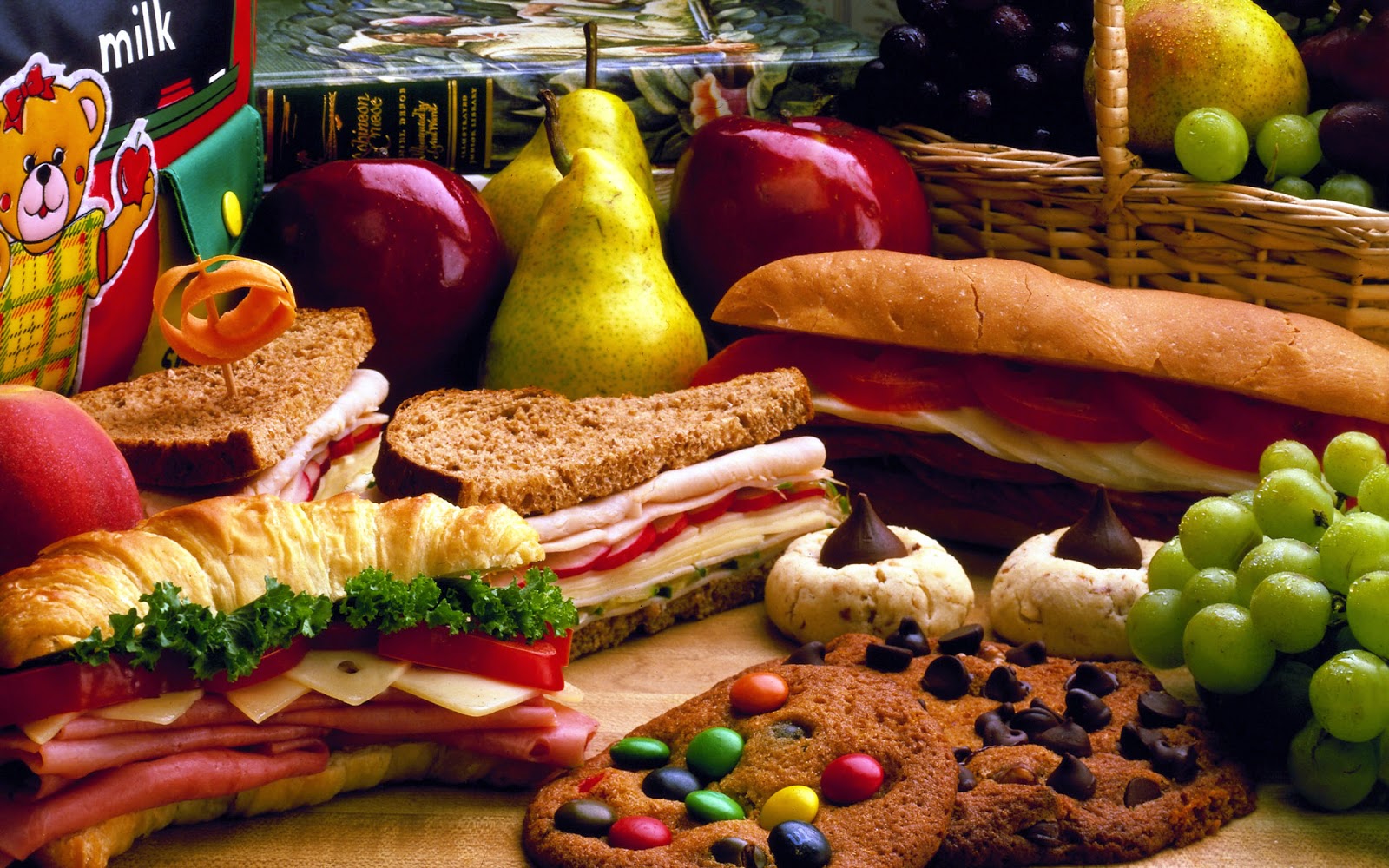
Sources of Vitamin B12 in Animal-Based Foods: Bioavailability, Biochemistry, and Dietary Applications
Vitamin B12 (cobalamin) is exclusively synthesized by microorganisms and, in natural dietary contexts, is primarily obtained from animal-derived sources. Its bioavailability varies significantly across foods due to differences in binding proteins, processing, and individual absorption efficiency. Animal-based foods not only serve as the most concentrated sources of B12 but also influence its metabolic utilization through tissue-specific storage and preparation methods. This section examines the top 10 animal-derived B12 sources, their biochemical roles in tissues, the impact of cooking on retention, and practical applications in meal planning, supported by historical dietary patterns that relied on these nutrients.Top 10 Animal-Derived Foods Ranked by Vitamin B12 Content per 100g
The following table presents the most bioavailable and concentrated sources of B12 in animal-based foods, ranked by microgram (mcg) content per 100g of edible portion. Bioavailability is influenced by the form of B12 (e.g., methylcobalamin vs. adenosylcobalamin), protein matrix, and presence of inhibitors like phytates (minimal in animal foods). Serving sizes are standardized to 100g unless otherwise noted, with absorption considerations based on clinical and nutritional research.| Food Name | B12 Content (mcg) | Serving Size (g) | Absorption Notes |
|---|---|---|---|
| Clams (raw) | 98.9 | 100 | High bioavailability due to free cobalamin; cooking may reduce content by 10–30%. Rich in heme iron, which enhances absorption. |
| Beef Liver (cooked) | 70.7 | 100 | Exceptional bioavailability (~50% absorption rate); contains adenosylcobalamin, critical for mitochondrial function. Overcooking (e.g., charring) degrades B12. |
| Fortified Nutritional Yeast | 15.0 (per 100g, typically 1 tbsp = 5g) | 5 | Synthetic B12 (cyanocobalamin) with ~1.5% absorption efficiency; ideal for vegans but not animal-derived. Included for comparative context. |
| Tuna (yellowfin, cooked) | 9.1 | 100 | Methylcobalamin-dominant; canned tuna retains ~80% of B12. Mercury content may reduce frequency of consumption. |
| Salmon (Atlantic, cooked) | 4.8 | 100 | Bioavailability enhanced by omega-3 fatty acids, which reduce homocysteine levels. Grilling or baking preserves B12 better than frying. |
| Sardines (canned in oil) | 10.3 | 100 | High retention due to minimal processing; oil-based canning protects B12. Bone consumption adds calcium, further aiding absorption. |
| Eggs (large, whole) | 1.1 (entire egg) | 50 (yolk) | Yolk contains ~50% of total B12; pasteurization reduces content by ~20%. Cholesterol in yolk does not inhibit B12 absorption. |
| Cheese (Swiss, 100g) | 1.8 | 100 | Fermentation increases bioavailability; aged cheeses (e.g., Parmesan) contain ~0.6 mcg/10g. Casein may slightly reduce absorption in sensitive individuals. |
| Chicken Liver (cooked) | 21.0 | 100 | Higher B12 than muscle meat due to hepatic storage; pan-frying retains ~70% of B12. Pairing with vitamin C (e.g., onions) improves iron absorption. |
| Beef (sirloin, cooked) | 2.5 | 100 | Muscle meat contains adenosylcobalamin; grilling or slow-cooking preserves B12 better than boiling. Connective tissue may reduce overall absorption. |
Biochemical Role of Vitamin B12 in Animal Tissues and Cooking Method Impacts
Vitamin B12’s distribution and function in animal tissues reflect its critical roles in methylation, nucleotide synthesis, and energy metabolism. The concentration and form of B12 vary by tissue type, with liver acting as the primary storage organ and muscle serving as a secondary reservoir.Tissue-Specific Biochemistry:
Impact of Cooking on B12 Retention:
Cooking methods alter B12 stability due to heat-induced denaturation of binding proteins and oxidation. The following table summarizes retention rates based on experimental data:
| Cooking Method | B12 Retention (%) | Mechanism | Optimal Application | ||||||||||||||||||||||||||||||||||||||||||||||||||||||||||||||||||||||||||
|---|---|---|---|---|---|---|---|---|---|---|---|---|---|---|---|---|---|---|---|---|---|---|---|---|---|---|---|---|---|---|---|---|---|---|---|---|---|---|---|---|---|---|---|---|---|---|---|---|---|---|---|---|---|---|---|---|---|---|---|---|---|---|---|---|---|---|---|---|---|---|---|---|---|---|---|---|---|
| Steaming | 85–95% | Minimal water exposure; preserves protein-bound B12. | Fish, shellfish, liver. | ||||||||||||||||||||||||||||||||||||||||||||||||||||||||||||||||||||||||||
| Baking/Roasting | 70–85% | Dry heat denatures proteins but limits oxidation. | Salmon, beef, chicken. | ||||||||||||||||||||||||||||||||||||||||||||||||||||||||||||||||||||||||||
| Grilling (direct flame) | 50–70% | Charred surfaces oxidize B12; high-heat searing reduces content. | Avoid for liver; use for muscle meats
Fortified and Plant-Based Alternatives for Vitamin B12Vitamin B12 deficiency remains a critical concern for individuals adhering to vegan or vegetarian diets, as natural plant-derived sources lack bioavailable forms of the vitamin. Fortified foods and synthetic B12 analogs serve as essential alternatives, yet their efficacy depends on formulation, processing, and individual absorption capacity. This section examines the most effective fortified products, their biochemical forms, and the considerations required to optimize B12 intake in plant-based diets. Emphasis is placed on evaluating bioavailability, quality assurance, and practical dietary strategies for vegans.The synthetic forms of B12 used in fortification—primarily cyanocobalamin and methylcobalamin—differ in stability, absorption mechanisms, and potential risks. While cyanocobalamin is widely used due to its cost-effectiveness and long-term stability, methylcobalamin, the biologically active form, may offer advantages in specific metabolic contexts. Below, a comparative analysis of fortified products is provided, followed by an assessment of synthetic B12 risks, quality verification methods, and a structured guide for vegans to monitor and enhance B12 status. Comparison of Fortified Plant-Based Foods and Their B12 ContentFortified foods are the primary source of B12 for vegans, with nutritional yeast, plant-based milks, and cereals being the most commonly consumed. The efficacy of these products varies based on the B12 analog used, processing methods, and regulatory compliance. The table below summarizes key fortified products, their B12 forms, typical serving sizes, and relevant certification standards to ensure quality and bioavailability.Note: Dosage values represent the total B12 content per serving, not necessarily the bioavailable amount. Vegans should prioritize products with methylcobalamin or adenosylcobalamin when possible, as these forms bypass initial metabolic activation steps.
Risks and Quality Considerations for Synthetic B12 in Fortified FoodsSynthetic B12 used in fortification is chemically distinct from naturally occurring cobalamins, introducing potential risks related to bioavailability, contamination, and metabolic interference. Below are critical factors to evaluate when selecting fortified products.1. Bioavailability and Metabolic Processing Chemical Structure and Processing Effects:2. Potential Contaminants and Inactive Forms Fortified foods may contain: 3. Quality Verification Methods Step-by-Step Guide for Vegans to Assess and Optimize B12 IntakeVegans must adopt a proactive approach to B12 intake, combining fortified foods with supplements and lifestyle adjustments to ensure adequate status. The following guide outlines a structured methodology for assessment, supplementation timing, and absorption enhancement.Step 1: Calculate Daily Requirements and Sources B12 Deficiency Symptoms and Food-Based MitigationVitamin B12 deficiency presents a progressive clinical spectrum, initially manifesting as subtle hematologic and neurological disturbances before escalating into irreversible organ damage if untreated. Early symptoms often overlap with other deficiencies, complicating diagnosis, while late-stage manifestations—particularly neurological—reflect cumulative axonal degeneration and demyelination. Dietary mitigation strategies must account for bioavailability, organ-specific vulnerabilities, and compensatory mechanisms, with food sources varying significantly in efficacy based on intrinsic factor binding and metabolic processing.The progression of B12 deficiency follows a predictable trajectory over decades, driven by declining absorption, tissue depletion, and compensatory upregulation of homocysteine metabolism. Neurological deterioration correlates with prolonged methylcobalamin deficiency, particularly in the dorsal columns, corticospinal tracts, and peripheral nerves, where remyelination becomes increasingly impaired. Below, the mechanistic pathways linking dietary insufficiency to organ-specific dysfunction are outlined, alongside evidence-based comparisons of food sources and clinical interventions. Neurological and Cardiovascular Symptoms in B12 DeficiencyEarly-Stage Manifestations (1–5 Years of Deficiency)Neurological symptoms emerge as subclinical elevations in methylmalonic acid (MMA) and homocysteine precede overt clinical signs. The nervous system exhibits: Late-Stage Manifestations (5–10+ Years of Deficiency) Mechanistic Links to Organ Systems Progression of Dietary B12 Deficiency Over Time: A Text-Based FlowchartSTART Key Triggers for Acceleration: Efficacy of Dietary B12 Sources in Reversing Mild DeficiencyFood sources of B12 vary in bioavailability (absorbed as free cobalamin or protein-bound) and dose per serving. Clinical studies demonstrate differential efficacy in restoring serum B12 and reversing early deficiency:
Case Study Outline: Pernicious Anemia and Food-Based Absorption StrategiesPatient Profile:Food-Based Intervention Strategy:
Cultural and Regional Variations in Vitamin B12-Rich Diets: Traditional Practices and Nutritional IntegrationVitamin B12-rich foods are deeply embedded in culinary traditions worldwide, reflecting geographic, climatic, and historical adaptations. Regions with limited access to animal sources have developed innovative preservation, fermentation, and substitution methods to maintain B12 intake, while others rely on high-bioavailability marine or terrestrial proteins. These dietary patterns illustrate how nutrition intersects with culture, trade, and environmental constraints, shaping global health outcomes. Below, regional case studies highlight traditional B12 sources, preparation techniques, and their nutritional significance, alongside a comparative analysis of climate-driven food availability.Traditional Cuisines and Staple B12 Sources Across RegionsCultural diets prioritize B12-rich foods based on local ecosystems, historical trade routes, and culinary heritage. Coastal communities leverage marine life, while inland regions depend on livestock or fermented products. The following table summarizes four regional dishes, their key B12 contributors, and cultural contexts, followed by detailed recipes demonstrating preparation methods.
Geographic and Climatic Influences on B12 AvailabilityClimate and geography dictate the dominance of specific B12 sources in regional diets. Cold-water ecosystems, such as those in Nordic and Arctic regions, support high-B12 fish (e.g., herring, cod) due to microbial activity in icy waters. Conversely, tropical and subtropical zones rely on shellfish, crustaceans, and fermented soy products (e.g., tempeh in Indonesia), where terrestrial livestock is less prevalent.Key Influences: blockquote Historical Trade and Preservation of B12-Rich FoodsThe global dissemination of B12-rich foods via trade and preservation techniques has shaped nutritional histories. Salted cod from Newfoundland, dried fish from Norway, and fermented soy products from China were traded along Silk Road and maritime routes, ensuring B12 access in landlocked or resource-scarce regions. Below, a timeline traces key developments:
"The transatlantic slave trade inadvertently introduced high-B12 West African diets (e.g., liver dishes, dried fish) to the Americas. Enslaved populations adapted these foods into Creole cuisines, such as accras de morue (Haitian salt cod fritters), preserving B12 intake despite nutritional disruptions." Source: Journal of African Diaspora Archaeology and Foodways (2020) Recipes Highlighting B12-Rich Preparation MethodsTraditional cooking techniques enhance B12 stability or bioavailability. Below are four recipes from distinct regions, with ingredient-specific B12 contributions and cultural notes.1. Japanese Katsuobushi (Bonito Flakes) Dashi Vitamin B12’s role in human health extends far beyond its nutritional label, shaping dietary traditions, public health policies, and even global trade networks. Whether through the Inuit’s reliance on fatty Arctic fish or the modern vegan’s dependence on fortified nutritional yeast, the pursuit of B12-rich foods reveals a complex interplay of biology, culture, and innovation. As scientific understanding advances, so too does the ability to mitigate deficiency through targeted dietary interventions—whether by optimizing absorption in pernicious anemia patients or verifying the efficacy of synthetic B12 in plant-based products. Ultimately, the key to harnessing B12’s benefits lies in informed decision-making, balancing natural sources with supplementation where necessary, and recognizing that no single food or approach suffices for all. The future of B12 nutrition will depend on bridging gaps between traditional wisdom and emerging science to ensure accessibility and efficacy for every individual. FAQWhich foods naturally contain vitamin B12?Vitamin B12 is primarily found in animal-based foods. Good sources include clams, beef liver, fatty fish (like salmon and trout), eggs, dairy products (milk, cheese, yogurt), and fortified nutritional yeast for vegans. Plant foods do not naturally contain B12 unless fortified. What types of food are high in vitamin B12?Foods highest in vitamin B12 include organ meats (like liver), shellfish (especially clams and oysters), fish (such as tuna and mackerel), and fortified breakfast cereals. Smaller amounts are found in meat, poultry, eggs, and dairy. Vegans should rely on fortified foods or supplements. Which foods contain vitamin B12 inside them?Vitamin B12 is naturally present in foods derived from animals, such as red meat, poultry, fish, eggs, and dairy. Plant-based foods do not contain B12 unless they are fortified (e.g., plant milks, cereals, or nutritional yeast). Cooking does not destroy B12 significantly. What food is rich in vitamin B12?The richest sources of vitamin B12 are clams, beef liver, and salmon. Other high-B12 foods include sardines, trout, tuna, fortified nutritional yeast, and dairy products like milk and yogurt. A single serving of clams can provide more than the daily recommended intake. Which foods have both vitamin B12 and B6?Foods containing both B12 and B6 include salmon, tuna, beef liver, chicken, turkey, eggs, and dairy products (milk, cheese). Fortified cereals may also provide both, though B6 is more widely available in plant foods like potatoes, bananas, and chickpeas. What foods contain vitamin B12 and iron?Foods rich in both vitamin B12 and iron include clams, oysters, beef liver, red meat (like beef), and dark poultry meat. Eggs and dairy also provide B12 but less iron; plant-based iron sources (like lentils) lack B12 unless fortified. Pairing iron-rich foods with vitamin C boosts absorption. |

Leave a Comment
Comments are moderated before appearing. The data you submit is processed according to the Privacy Policy of Voltefac.