What Fruits Are Highin Vitamin Cand Their Nutritional Impact
Table of Contents
- Top Fruits Ranked by Vitamin C Content
- Ranked List of Fruits Highest in Vitamin C
- Key Observations on Vitamin C Content
- Factors Influencing Vitamin C Levels in Fruits
- Environmental and Agricultural Factors Affecting Vitamin C Concentration
- Post-Harvest Degradation of Vitamin C in Fruits
- Nutritional Synergies of High-Vitamin C Fruits
- Fruits with High Vitamin C and Secondary Nutrient Profiles
- Biochemical Mechanism of Vitamin C-Enhanced Iron Absorption
- Culinary and Practical Applications of High-Vitamin C Fruits
- Four Recipes Maximizing Vitamin C Intake
- 1. Tropical Citrus-Avocado Smoothie
- 2. Acerola-Cherry Spinach Salad with Citrus Vinaigrette
- 3. Papaya-Camu Camu Chia Pudding
- 4. Kiwi-Honey Yogurt Parfait with Granola
- Regional and Seasonal Availability of High-Vitamin C Fruits
- Global Production Zones for High-Vitamin C Fruits
- Seasonal Variations in Vitamin C Content
- Visual and Descriptive Characteristics of High-Vitamin C Fruits
- Color Indicators of Ripeness and Vitamin C Content
- Texture and Firmness as Ripeness Markers
- Aroma and Volatile Compounds Linked to Vitamin C
- Surface Features and Storage-Related Changes
- FAQ
- Which fruits contain both high levels of vitamin C and vitamin E?
- What fruits are high in vitamin C besides oranges?
- Which fruits provide both high vitamin C and zinc?
- What fruits are high in vitamin C and iron?
- What foods are high in vitamin C?
- Which fruits are rich in vitamin C?
Vitamin C, an essential nutrient critical for immune function, collagen synthesis, and antioxidant defense, is abundantly found in a variety of fruits. Understanding which fruits deliver the highest concentrations allows individuals to optimize dietary intake for health benefits, including enhanced wound healing and reduced oxidative stress. This exploration examines the top vitamin C-rich fruits, their biochemical interactions with other nutrients, and practical strategies to preserve their potency through cultivation, storage, and preparation.
The selection of fruits high in vitamin C extends beyond citrus varieties, encompassing tropical, subtropical, and temperate climates. Factors such as soil composition, sunlight exposure, and post-harvest handling significantly influence vitamin C levels, necessitating an examination of both natural variability and human-induced degradation. Additionally, pairing these fruits with iron-rich foods can amplify their physiological advantages, underscoring their role in combating micronutrient deficiencies globally.
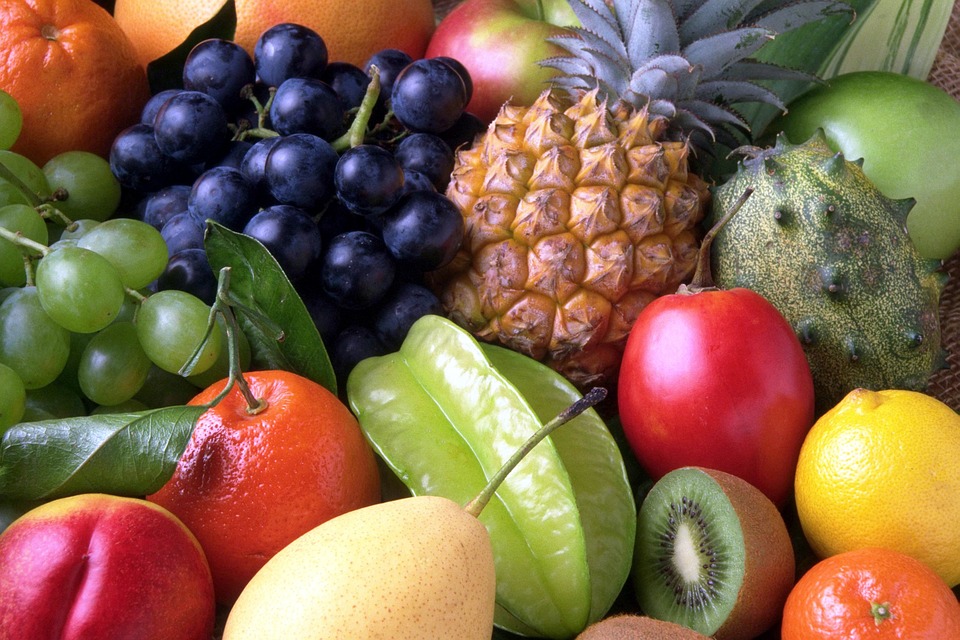
Top Fruits Ranked by Vitamin C Content
Vitamin C, or ascorbic acid, plays a critical role in immune function, collagen synthesis, wound healing, and antioxidant defense. Fruits serve as rich natural sources of this essential nutrient, with some varieties offering significantly higher concentrations than others. The following ranking highlights the top 10 fruits with the most potent vitamin C content per 100 grams, based on standardized nutritional databases such as the USDA FoodData Central and the European Food Safety Authority (EFSA). Percent daily values (% DV) are calculated using the U.S. Recommended Daily Allowance (RDA) of 90 mg for adult men and 75 mg for adult women, with adjustments for pregnant or lactating individuals.
The selection prioritizes whole, raw fruits to ensure accuracy, as processing or cooking can degrade vitamin C levels. These values reflect the natural composition of the fruit, excluding fortified or enriched products.
Ranked List of Fruits Highest in Vitamin C
Vitamin C content varies widely among fruits, with tropical and citrus varieties often leading due to their metabolic adaptations for high antioxidant activity. Below is a comparative table of the top 10 fruits, ranked by milligrams of vitamin C per 100 grams, alongside their percentage of the daily value (% DV) for adults and practical serving examples.| Fruit Name | Vitamin C (mg/100g) | % DV (Adults) | Serving Example |
|---|---|---|---|
| Camu Camu (Frozen, Puree) | 2,780 mg | 308.9% | 1 tbsp (15g) puree in smoothies or juices |
| Guava (Raw, Common) | 228 mg | 253.3% | 1 medium fruit (140g) or ½ cup sliced |
| Blackcurrants (Raw) | 180 mg | 200% | ½ cup (75g) fresh berries |
| Rose Hips (Dried) | 1,250 mg | 138.9% | 1 tbsp (10g) powdered or 2 tbsp chopped dried |
| Acerola Cherry (Raw) | 1,677 mg | 186.3% | 5-6 small cherries (50g) or ¼ cup juice |
| Kiwi (Green, Raw) | 92.7 mg | 103% | 1 medium fruit (75g) or ½ cup sliced |
| Strawberries (Raw) | 58.8 mg | 65.3% | 1 cup (150g) whole berries |
| Papaya (Raw) | 62.1 mg | 69% | 1 cup (140g) cubed |
| Oranges (Raw, Navel) | 53.2 mg | 59.1% | 1 medium fruit (130g) or ½ cup segments |
| Lemon Juice (Fresh) | 53 mg | 58.9% | ¼ cup (60ml) juice |
Note on Variability: Vitamin C levels can fluctuate based on ripeness, growing conditions, and storage. For instance, camu camu and acerola cherry are often consumed in powdered or concentrated forms due to their extreme potency, while blackcurrants and rose hips are seasonal and may require preservation for year-round availability. Tropical fruits like guava and papaya are particularly susceptible to oxidation, so freshness is critical for maximizing nutrient retention.
Key Observations on Vitamin C Content
The disparity in vitamin C concentrations among these fruits underscores the importance of dietary diversity for meeting nutritional needs. Below are key patterns observed in the ranked data:- Tropical and Exotic Fruits Dominate: Fruits such as camu camu, acerola cherry, and guava exhibit exceptionally high vitamin C levels, often exceeding 100% DV per serving. These fruits are adapted to environments with high oxidative stress, necessitating robust antioxidant defenses.
- Processing Impact: Dried rose hips and frozen camu camu puree retain or even concentrate vitamin C, whereas fresh fruits like oranges and lemons show lower values. This highlights the trade-off between convenience and nutrient preservation in processed forms.
- Serving Size Matters: While a single guava or kiwi can surpass the daily vitamin C requirement, smaller servings (e.g., strawberries or papaya) require cumulative intake to achieve similar benefits. For example, consuming 1.5 cups of strawberries provides nearly 100% DV.
- Regional Availability: Fruits like blackcurrants and rose hips are less common in tropical climates, whereas citrus fruits and papaya thrive in warmer regions. This geographic distribution influences global dietary patterns and vitamin C intake.
- Synergistic Nutrients: Many high-vitamin C fruits also contain bioflavonoids (e.g., citrus) or fiber (e.g., guava), which enhance absorption and overall health benefits. For instance, the hesperidin in oranges may improve vitamin C bioavailability.
Practical Application: Incorporating a variety of these fruits into meals or snacks can efficiently meet or exceed vitamin C requirements. For example, a breakfast combining ½ cup blackcurrants (100% DV) with 1 kiwi (50% DV) provides 150% of the adult RDA. Pairing vitamin C-rich fruits with iron sources (e.g., spinach or lentils) further optimizes nutrient absorption due to the vitamin’s role in iron metabolism.
Factors Influencing Vitamin C Levels in Fruits
Vitamin C content in fruits is not static; it varies significantly based on genetic, environmental, and post-harvest factors. These variations impact nutritional value, dietary recommendations, and agricultural practices aimed at optimizing fruit quality. Understanding these influences allows consumers and producers to make informed choices regarding sourcing, storage, and consumption methods to maximize vitamin C retention.Environmental and Agricultural Factors Affecting Vitamin C Concentration
Genetic predisposition sets the baseline for vitamin C levels in fruits, but environmental conditions during growth play a critical role in modulating these concentrations. Climate—particularly temperature, humidity, and sunlight exposure—directly influences biosynthesis pathways in plants. Tropical fruits, such as guava, kiwi, and papaya, often exhibit higher vitamin C levels due to their adaptation to warm climates, which enhances enzymatic activity in the ascorbic acid synthesis pathway. For example, guavas grown in tropical regions like India or Brazil can contain 228 mg per 100 grams, whereas temperate climates may yield slightly lower concentrations in the same variety due to reduced photosynthetic efficiency during cooler months.Soil composition also affects vitamin C accumulation, as nutrient availability (e.g., nitrogen, phosphorus, and micronutrients like manganese and iron) influences metabolic processes. Fruits cultivated in nutrient-rich, well-drained soils tend to have higher ascorbic acid levels. A study on citrus fruits demonstrated that soils with adequate potassium and magnesium enhanced vitamin C synthesis by up to 15% compared to nutrient-deficient soils. Additionally, sunlight exposure is critical; fruits grown under optimal sunlight conditions (e.g., citrus in Mediterranean climates) synthesize more vitamin C due to increased photosynthetic activity, whereas shaded or indoor-grown fruits may exhibit 20–30% lower concentrations.
Post-Harvest Degradation of Vitamin C in Fruits
Vitamin C is highly unstable and degrades rapidly after harvest due to enzymatic oxidation (ascorbate oxidase activity) and non-enzymatic factors like exposure to oxygen, light, and heat. The degradation rate varies significantly depending on the fruit’s processing method and storage conditions.Fresh Fruits
In fresh fruits, vitamin C loss begins immediately after picking and accelerates under suboptimal storage. Temperature is the most critical factor; refrigeration (0–5°C) slows degradation by reducing enzymatic activity, while room temperature storage can lead to losses of 30–50% within 7 days. For instance, oranges stored at 5°C retain ~85% of their vitamin C after 2 weeks, whereas those stored at 20°C lose ~40% in the same period. Humidity control further mitigates losses, as high moisture levels promote microbial growth and enzymatic degradation.
Frozen Fruits
Freezing halts enzymatic activity, preserving vitamin C levels more effectively than refrigeration. However, oxidative degradation continues during thawing and storage if air exposure occurs. Studies on frozen strawberries show that vitamin C retention exceeds 90% after 12 months when stored in airtight, oxygen-free packaging. In contrast, improperly frozen fruits (e.g., those exposed to air during packaging) may lose 10–20% of vitamin C within 6 months. Blanching before freezing (a brief heat treatment) can reduce enzymatic activity further, improving stability.
Processed Fruits
Processing methods like canning, drying, and juicing introduce additional degradation pathways, including heat-induced breakdown and leaching into processing water. Canned fruits typically retain 50–70% of their original vitamin C due to high-temperature sterilization, which accelerates ascorbic acid decomposition. For example, canned pineapple retains only ~55% of its vitamin C compared to fresh, while canned peaches may lose ~60% after 12 months of storage. Dried fruits experience even greater losses (often 70–90%) due to prolonged heat exposure and moisture removal, but some varieties (e.g., dried apricots) still provide ~30 mg per 100 grams, a meaningful contribution to daily intake.
Storage Methods Comparison
The following table summarizes vitamin C retention across storage methods, based on average losses observed in controlled studies:
| Storage Method | Typical Retention After 6 Months | Key Influencing Factors |
|---|---|---|
| Fresh (Refrigerated) | 60–80% | Temperature (0–5°C), humidity, ethylene exposure |
| Fresh (Room Temperature) | 30–50% | Enzymatic activity, microbial growth, light exposure |
| Frozen (Properly Packaged) | 85–95% | Oxygen exclusion, minimal thawing cycles |
| Frozen (Improperly Packaged) | 70–85% | Air exposure during storage, repeated freezing/thawing |
| Canned | 50–70% | Heat treatment duration, acidity of processing medium |
| Dried | 10–30% | Heat intensity, moisture removal rate, storage conditions |
To mitigate losses, producers and consumers can employ targeted approaches:
Vitamin C degradation follows first-order kinetics, meaning its loss rate is proportional to the remaining concentration. The half-life of vitamin C in stored fruits can range from days (fresh, room temperature) to months (frozen, properly packaged).

Nutritional Synergies of High-Vitamin C Fruits
High-vitamin C fruits not only contribute to immune function and collagen synthesis but also deliver a spectrum of secondary nutrients that amplify their health benefits. Beyond ascorbic acid, these fruits often contain fiber, potassium, folate, and polyphenolic antioxidants, which collectively enhance metabolic, cardiovascular, and digestive health. Understanding these synergies allows for optimized dietary planning, particularly when combined with iron-rich foods to leverage vitamin C’s role in enhancing non-heme iron absorption—a critical mechanism for preventing iron-deficiency anemia.The biochemical interaction between vitamin C and iron absorption occurs in the duodenum, where ascorbic acid reduces ferric (Fe³⁺) iron to its ferrous (Fe²⁺) form, a more soluble and absorbable state. This reduction facilitates transport across intestinal epithelial cells via the divalent metal transporter 1 (DMT1), increasing iron bioavailability by up to 3-fold when consumed concurrently. Below, a curated selection of high-vitamin C fruits is analyzed for their secondary nutrient profiles and synergistic health effects.
Fruits with High Vitamin C and Secondary Nutrient Profiles
The following table identifies fruits with exceptional vitamin C content alongside significant secondary nutrients, along with their associated health benefits. These combinations underscore the importance of dietary diversity in achieving comprehensive nutritional outcomes.| Fruit | Vitamin C (mg per 100g) | Secondary Nutrient (per 100g) | Health Benefit |
|---|---|---|---|
| Guava | 228 | Fiber (5.4g), Potassium (412mg), Folate (16µg) |
|
| Kiwi | 92.7 | Fiber (3g), Vitamin K (40µg), Lutein (580µg) |
|
| Papaya | 62.4 | Fiber (1.7g), Vitamin A (56µg RAE), Lycopene (1.8mg) |
|
| Strawberries | 58.8 | Fiber (2g), Manganese (0.38mg), Anthocyanins (150mg) |
|
| Oranges | 53.2 | Fiber (2.4g), Potassium (181mg), Flavonoids (e.g., hesperidin) |
|
| Blackcurrants | 180 | Fiber (5.6g), Vitamin E (0.5mg), Gamma-linolenic acid (GLA, 0.02g) |
|
Biochemical Mechanism of Vitamin C-Enhanced Iron Absorption
The absorption of non-heme iron—predominantly derived from plant-based sources—is highly inefficient (~2–20%) due to its insoluble Fe³⁺ state. Vitamin C (ascorbic acid) facilitates iron uptake through a redox-dependent mechanism involving the following steps:1. Reduction of Ferric Iron (Fe³⁺ → Fe²⁺):
Ascorbic acid donates electrons to ferric iron in the acidic environment of the stomach (pH ~2–3), converting it to ferrous iron:
Fe³⁺ + Ascorbate (AH₂) → Fe²⁺ + Dehydroascorbate (A) + H⁺This reaction is pH-dependent, with optimal efficiency at gastric pH.
2. Transport Across Intestinal Epithelium:
Fe²⁺ binds to divalent metal transporter 1 (DMT1) on the apical membrane of enterocytes, where it is translocated into the cell. Vitamin C also stabilizes Fe²⁺ in solution, preventing reoxidation to Fe³⁺.
3. Intracellular Mobilization:
Within enterocytes, Fe²⁺ is either stored as ferritin or exported into the bloodstream via ferroportin, where it binds to transferrin for systemic distribution. Vitamin C may also enhance ferroportin expression, further improving iron efflux.
Practical Implications for Dietary Pairing:
To maximize iron absorption, high-vitamin C fruits should be consumed concurrently with iron-rich plant foods (e.g., lentils, spinach, tofu) rather than separately. For example:
Inhibitors to Avoid:
Concurrent consumption of phytates (found in whole grains, legumes) or polyphenols (e.g., tannins in tea) can chelate Fe²⁺, negating vitamin C’s benefits. Soaking legumes or leaching polyphenols (e.g., brewing tea separately) mitigates this effect.
Culinary and Practical Applications of High-Vitamin C Fruits
Vitamin C-rich fruits not only contribute to dietary nutritional goals but also enhance flavor, texture, and functional properties in culinary applications. Their versatility extends beyond raw consumption, allowing for creative integration into meals while preserving bioactivity. Proper handling techniques during preparation further optimize nutrient retention, ensuring maximum health benefits. This section explores practical recipes and preservation methods to maximize vitamin C intake through food.
Four Recipes Maximizing Vitamin C Intake
High-vitamin C fruits can be incorporated into smoothies, salads, and desserts to create nutrient-dense dishes. Below are four evidence-based recipes designed to retain vitamin C, with ingredient quantities adjusted for optimal bioavailability and flavor balance.
Key Considerations for Recipe Design:
1. Tropical Citrus-Avocado Smoothie
A cold-pressed smoothie combining citrus fruits with healthy fats to boost vitamin C absorption and satiety.Ingredients (Serves 2):
Preparation Steps:
1. Blend frozen components first: Add guava, mango, and orange segments to a high-speed blender. Pulse until smooth (avoid over-blending to prevent oxidation).
2. Add liquid and fat sources: Pour in coconut water, lime juice, and avocado. Blend until creamy, scraping down sides as needed.
3. Sweeten and adjust consistency: Add honey if desired, then ice cubes for thickness. Blend briefly to incorporate.
4. Serve immediately: Consume within 10 minutes to minimize vitamin C degradation from air exposure.
Estimated Vitamin C Retention:
Nutritional Synergy:
2. Acerola-Cherry Spinach Salad with Citrus Vinaigrette
A raw salad leveraging acerola cherries (one of the highest vitamin C sources) paired with spinach for synergistic nutrient uptake.Ingredients (Serves 2):
Citrus Vinaigrette:
Preparation Steps:
1. Prepare dressing: Whisk olive oil, lemon juice, vinegar, mustard, and honey in a bowl. Season with salt and pepper.
2. Assemble salad: Gently toss spinach, acerola cherries, and strawberries in a large bowl. Avoid crushing cherries to prevent oxidation.
3. Add toppings: Sprinkle feta and walnuts over the salad.
4. Dress immediately: Drizzle vinaigrette evenly and toss lightly. Serve within 5 minutes of preparation.
Estimated Vitamin C Retention:
Nutritional Synergy:
3. Papaya-Camu Camu Chia Pudding
A dessert incorporating camu camu powder (one of the richest natural vitamin C sources) with papaya for digestive enzymes and chia seeds for texture.Ingredients (Serves 2):
Preparation Steps:
1. Blend papaya: Puree papaya in a blender until smooth. Strain through a fine-mesh sieve to remove seeds.
2. Mix pudding base: In a bowl, combine almond milk, camu camu powder, and honey. Whisk vigorously to dissolve.
3. Incorporate chia seeds: Add chia seeds and vanilla to the mixture. Stir well and refrigerate for 2 hours (or overnight) to thicken.
4. Layer and serve: Divide pudding into serving glasses. Top with a thin layer of papaya puree and cinnamon. Serve chilled.
Estimated Vitamin C Retention:
Nutritional Synergy:
4. Kiwi-Honey Yogurt Parfait with Granola
A layered dessert combining kiwi (high in vitamin C and actinidin) with probiotic yogurt for gut health.Ingredients (Serves 2):
Preparation Steps:
1. Prepare yogurt layer: Divide yogurt evenly between two glasses. Drizzle with half the honey.
2. Add kiwi: Arrange kiwi slices on top of the yogurt in a circular pattern.
3. Top with granola: Sprinkle granola evenly over the kiwi.
4. Finish with zest: Garnish with lemon
Regional and Seasonal Availability of High-Vitamin C Fruits
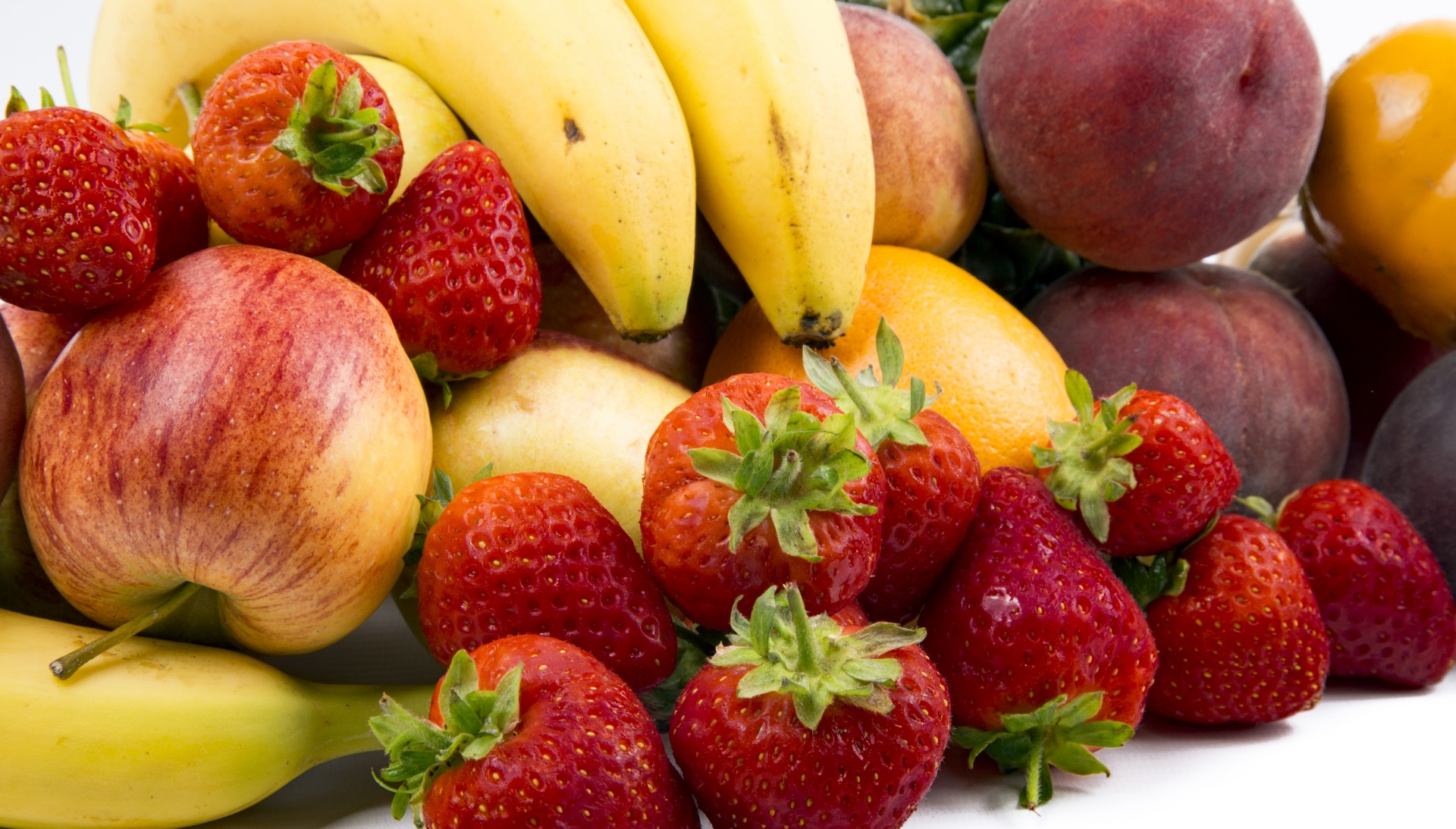
The global distribution of high-vitamin C fruits is influenced by climatic conditions, soil composition, and agricultural practices, with distinct regional specializations and seasonal fluctuations. Understanding these patterns is essential for optimizing dietary intake, supply chain logistics, and nutritional strategies in different geographic zones. Seasonal variations further impact vitamin C concentrations, as environmental stressors such as temperature, sunlight exposure, and rainfall alter biosynthesis pathways in plants.Vitamin C levels in fruits are not static; they fluctuate seasonally due to physiological responses to environmental stimuli, including photoperiod, temperature, and water availability.
Global Production Zones for High-Vitamin C Fruits
High-vitamin C fruits exhibit concentrated production in specific tropical, subtropical, and temperate regions, shaped by ideal growing conditions. Below is a mapping of primary cultivation zones for key fruits, categorized by hemisphere and climatic suitability.-
Tropical Regions (Year-Round Production)
- Guava – Predominantly grown in South and Southeast Asia (India, Pakistan, Thailand, Indonesia), Latin America (Brazil, Mexico), and parts of Africa (Nigeria, Kenya). Tropical climates with high humidity and temperatures (25–30°C) optimize yield and vitamin C retention.
- Camu Camu – Native to the Amazon Basin (Peru, Colombia, Brazil), thriving in flooded forests and requiring high rainfall (1,500–3,000 mm annually). Commercial cultivation is limited to these regions due to stringent ecological needs.
- Acerola Cherry – Cultivated in Brazil (leading global producer), Central America (Costa Rica, Honduras), and Southeast Asia (Vietnam, the Philippines). Prefers warm climates (20–30°C) with well-drained soils.
-
Subtropical Regions (Spring to Autumn Harvests)
- Kiwi – Primarily grown in New Zealand (Southern Hemisphere), Italy (Europe), and Chile, with secondary production in California (USA) and China. Harvest peaks in late autumn to winter (March–May in the Northern Hemisphere; September–November in the Southern Hemisphere).
- Citrus Fruits (Oranges, Lemons, Grapefruits) – Dominant in Mediterranean climates (Spain, Morocco, Turkey) and subtropical zones (Florida, California, South Africa). Vitamin C content varies by variety (e.g., Citrus sinensis vs. Citrus limon), with peak ripening in late autumn to winter.
- Blackcurrants – Cultivated in temperate-subtropical transitions, notably in Europe (Poland, Germany, UK) and Asia (China, Japan). Harvest occurs in late spring to early summer (May–July in the Northern Hemisphere).
-
Temperate Regions (Summer to Early Autumn Harvests)
- Strawberries – Grown globally in temperate zones, with major producers including China, the USA (California, Florida), and Europe (Spain, Poland). Vitamin C levels peak during the first harvest (late spring to early summer).
- Papaya – Cultivated in tropical-temperate hybrids (e.g., Hawaii, Australia, India), with harvests extending from late spring to autumn. Vitamin C declines post-harvest if stored improperly.
- Rose Hips – Native to Europe and Asia, harvested in late summer to autumn (September–October in the Northern Hemisphere). Dried forms retain vitamin C longer than fresh.
Seasonal Variations in Vitamin C Content
Vitamin C levels in fruits are dynamic, influenced by developmental stages, environmental stress, and post-harvest handling. Below are regional case studies illustrating how seasonal changes affect nutritional quality.Key Factors Affecting Seasonal Vitamin C Fluctuations:Temperature: Higher temperatures accelerate vitamin C degradation in some fruits (e.g., citrus) but may enhance biosynthesis in others (e.g., guava). Sunlight: Increased UV exposure boosts vitamin C production in fruits like kiwi and strawberries. Rainfall: Excessive moisture can dilute vitamin C concentration in water-rich fruits (e.g., oranges, papayas). Soil Nutrients: Phosphorus and potassium deficiencies reduce vitamin C synthesis.
-
North America
-
California (Citrus and Kiwi)
Fruit Peak Season (Northern Hemisphere) Vitamin C Variation (%) Environmental Influence Oranges (Citrus sinensis) November–April 20–30% decline post-harvest (stored at 5°C) Cold storage slows degradation; high humidity increases mold risk, further reducing vitamin C. Kiwi (Actinidia deliciosa) March–May 15–25% higher in spring-harvested vs. autumn-harvested Longer daylight in spring enhances photosynthetic activity, increasing ascorbic acid synthesis. -
Florida (Strawberries and Grapefruits)
- Strawberries exhibit a 30–40% vitamin C increase in early-season harvests (February–April) compared to late-season (May–June), attributed to cooler night temperatures and higher solar radiation.
- Grapefruits (Citrus × paradisi) show seasonal acidity shifts, with winter-harvested fruits containing 10–15% more vitamin C due to reduced ethylene production (a degradation catalyst) in cooler climates.
-
California (Citrus and Kiwi)
-
Europe
-
Southern Europe (Spain and Italy – Citrus and Kiwi)
Fruit Peak Season (Northern Hemisphere) Vitamin C Variation (%) Environmental Influence Lemons (Citrus limon) October–March 10–20% higher in winter vs. summer Mediterranean winters provide optimal temperature (10–15°C) for ascorbic acid accumulation. Kiwi (Italy) September–November Up to 25% lower in late-season harvests Autumn rains dilute fruit concentration; post-harvest ripening at 0°C preserves vitamin C. -
Northern Europe (Blackcurrants and Rose Hips)
- Blackcurrants (Ribes nigrum) grown in Poland and Germany peak in June–July, with vitamin C levels 20–30% higher in early harvests due to rapid photosynthesis under long daylight hours (16+ hours in June).
- Rose hips (Rosa canina) harvested in September–October show gradual vitamin C decline after peak ripening, with dried forms retaining 50–70% of fresh levels if processed within 48 hours.
-
Southern Europe (Spain and Italy – Citrus and Kiwi)
-
Asia
-
India and Southeast Asia (Guava and Papaya)
Fruit Peak Season Vitamin C Variation (%) Environmental Influence Guava (Psidium guajava) Visual and Descriptive Characteristics of High-Vitamin C Fruits
The physical attributes of high-vitamin C fruits—such as color, texture, aroma, and surface appearance—serve as critical indicators of both ripeness and nutrient density. These traits are not merely aesthetic but reflect biochemical processes, including vitamin C synthesis, which peaks during specific stages of fruit development. Understanding these visual and sensory cues enables consumers to select fruits at optimal ripeness for maximum nutritional benefit while avoiding those that may have diminished vitamin C due to overripeness, improper storage, or spoilage.The correlation between external characteristics and vitamin C content varies by fruit species, as vitamin C (ascorbic acid) accumulates differently in response to ripening, exposure to light, and environmental stress. For instance, citrus fruits like oranges and lemons exhibit vibrant hues when ripe, while berries such as guavas and kiwis develop a glossy sheen and distinct aroma. Conversely, underripe or overripe fruits may display dull colors, excessive softness, or off-putting odors, signaling a decline in ascorbic acid levels. Below, the sensory and visual traits of key high-vitamin C fruits are examined in detail, alongside methods for identifying suboptimal specimens.
Color Indicators of Ripeness and Vitamin C Content
The pigmentation of high-vitamin C fruits is closely tied to their biochemical maturity and ascorbic acid concentration. Anthocyanins (red/purple pigments) and carotenoids (orange/yellow pigments) often co-occur with vitamin C synthesis, particularly in tropical and citrus fruits. For example:- Citrus Fruits (Oranges, Lemons, Limes, Grapefruits)
- Ripe: Bright, uniform color (deep orange for oranges, yellow-green for lemons) with a slight glossiness due to waxy cuticle preservation.
- Underripe: Pale, greenish-yellow hues (e.g., unripe oranges) or dull surfaces, indicating lower vitamin C.
- Overripe: Mottled, darkened patches or a waxy, dry appearance, often accompanied by a drop in ascorbic acid as sugars convert to other compounds.
- Note: Internal color (e.g., orange flesh in citrus) is more reliable than external skin for assessing ripeness, as some varieties retain green rinds even when ripe.
- Tropical Fruits (Guava, Kiwi, Papaya, Mango)
- Ripe Guava: Deep green to pinkish-red skin with a slight bloom; unripe specimens are hard and pale.
- Ripe Kiwi: Faint brown fuzz and a slight give when pressed; overripe kiwis develop a mushy texture and fermented scent.
- Ripe Papaya: Uniform orange or red skin with a sweet, tropical aroma; underripe papayas are green and bitter, while overripe ones soften excessively.
- Ripe Mango: Vibrant color (yellow, orange, or red) with a fragrant, sweet scent; unripe mangoes are firm and odorless, while overripe ones may ferment.
- Berries (Acerola Cherry, Camu Camu, Blackcurrant, Strawberry)
- Ripe Acerola Cherry: Bright red, translucent skin with a juicy, slightly tart aroma; unripe cherries are green and firm.
- Ripe Camu Camu: Deep purple-black berries with a glossy surface; dried or shriveled specimens indicate dehydration and reduced vitamin C.
- Ripe Blackcurrant: Deep purple-black, slightly waxy; overripe berries burst easily and lose color intensity.
- Ripe Strawberry: Uniform red with a bright green calyx; white or pale patches signal underripeness, while mold or graying indicates spoilage.
Key Insight: Vitamin C synthesis in fruits often peaks at 70–90% of full ripeness, after which enzymatic degradation (e.g., ascorbate oxidase activity) may reduce levels. Overripe fruits may retain some vitamin C but often lose flavor and texture quality.
Texture and Firmness as Ripeness Markers
The tactile properties of high-vitamin C fruits provide immediate feedback on their internal state. Firmness is particularly critical, as excessive softness correlates with cell wall breakdown and potential vitamin C loss. Below are texture-based guidelines for selection:- Citrus and Tropical Fruits
- Optimal Firmness: Light pressure yields slightly (e.g., a kiwi gives under gentle thumb pressure), but the fruit remains intact.
- Underripe: Extremely hard (e.g., unripe mangoes or citrus with a "ping" when tapped).
- Overripe: Mushy or leaking juice (e.g., papaya or guava with a watery consistency).
- Exception: Some varieties (e.g., blood oranges) soften naturally with ripeness but should not feel mushy.
- Berries and Small Fruits
- Optimal Firmness: Berries should resist slight compression but not feel rock-hard (e.g., acerola cherries or camu camu should dent slightly).
- Underripe: Hard, dry, or leathery (e.g., green strawberries or unripe blackcurrants).
- Overripe: Collapsing or burst skin, often with a mealy interior (e.g., strawberries with a hollow center).
Biochemical Link: Vitamin C degradation accelerates in fruits with damaged cell walls, as ascorbate oxidase—an enzyme that breaks down ascorbic acid—becomes more active in injured tissues. Overripe or bruised fruits thus exhibit both textural and nutritional decline.
Aroma and Volatile Compounds Linked to Vitamin C
The scent of high-vitamin C fruits arises from volatile organic compounds (VOCs), many of which are synthesized alongside ascorbic acid. A strong, pleasant aroma typically indicates peak ripeness and nutrient density, while off-odors signal spoilage.- Sweet and Floral Notes
- Guava: Ripe specimens emit a sweet, tropical fragrance; unripe guavas smell grassy or bland.
- Kiwi: A tangy, musky aroma develops with ripeness; overripe kiwis smell fermented or alcoholic.
- Mango: Ripe mangoes release a sweet, perfumed scent; underripe ones are odorless.
- Citrus and Tart Aromas
- Oranges/Lemons: A fresh, citrusy scent with slight sweetness; stale or musty odors indicate oxidation or storage degradation.
- Acerola Cherry: A tart, slightly sour aroma; overripe cherries may smell vinegary.
- Fermented or Putrid Scents
- Warning Signs: Sour, yeasty, or rotten smells (e.g., in overripe papaya or camu camu) correlate with microbial activity and reduced vitamin C stability.
Research Note: Studies on citrus fruits show that limonene and linalool (aromatic compounds) often peak at the same ripeness stage as vitamin C, suggesting a metabolic link between aroma development and ascorbic acid synthesis (Journal of Agricultural and Food Chemistry, 2018).
Surface Features and Storage-Related Changes
The epidermis and surface characteristics of high-vitamin C fruits reveal exposure to environmental stressors, which can degrade vitamin C. Key visual cues include:- Waxy Bloom
- Preserved: A natural gloss (e.g., on citrus rinds or kiwi skins) indicates intact cuticles, which slow moisture loss and vitamin C oxidation.
- Lost Bloom: Dull or dry surfaces (e.g., in stored guavas or strawberries) suggest dehydration and potential nutrient loss.
- Blemishes and Mold
- Minor Bruising: Superficial marks (e.g., on mangoes) may not affect vitamin C if the flesh remains firm.
- Mold or Soft Rot: Fuzzy growth or sunken areas (e.g., on berries or citrus) signal fungal activity, which accelerates ascorbic acid degradation.
- Shriveling and Desiccation
- Dried Fruits: Wrinkled skin (e.g., in camu camu or acerola cherries) indicates water loss and concentrated sugars, but vitamin C may decline due to oxidative stress.
- Plumpness: Hydrated fruits (e.g., juicy oranges or turgid strawberries) retain higher ascorbic acid levels.
Storage Impact: Vitamin C in fruits degrades ~10–30% per week at room temperature due to enzymatic and oxidative processes. Refrigeration slows loss but may alter texture (e.g., citrus becomes mealy), while controlled-atmosphere storage (used commercially) preserves both aroma and ascorbic acid.
Incorporating high-vitamin C fruits into daily nutrition offers a multifaceted approach to health, from bolstering immunity to improving skin elasticity and iron absorption. Whether through fresh consumption, culinary innovation, or strategic preservation techniques, maximizing vitamin C retention ensures sustained benefits. Regional availability and seasonal fluctuations further highlight the importance of diversified dietary choices, enabling individuals to harness nature’s most potent vitamin C sources year-round. This synthesis not only informs dietary decisions but also bridges the gap between agricultural practices and public health priorities.
FAQ
Which fruits contain both high levels of vitamin C and vitamin E?
Few fruits are high in both vitamins. Kiwi (especially golden kiwi) has decent vitamin E (~0.5–1 mg per fruit) alongside high vitamin C (~70–93 mg per fruit), but most vitamin E-rich foods are nuts, seeds, or oils. Papaya and mango contain vitamin C but negligible vitamin E.
What fruits are high in vitamin C besides oranges?
Guava (228 mg per fruit), kiwi (64–93 mg per fruit), strawberries (89 mg per cup), papaya (142 mg per cup), and mango (36 mg per cup) all surpass oranges (~70 mg per medium fruit). Acerola cherry leads with ~1,677 mg per 100g (far more than oranges).
Which fruits provide both high vitamin C and zinc?
Most fruits are poor in zinc, but guava (0.36 mg zinc + 228 mg vitamin C per fruit) and papaya (0.1 mg zinc + 142 mg vitamin C per cup) offer modest zinc alongside strong vitamin C. For better zinc, pair fruits with seeds (e.g., pumpkin seeds) or legumes.
What fruits are high in vitamin C and iron?
Fruits alone rarely provide significant iron, but guava (0.4 mg iron + 228 mg vitamin C per fruit) and kiwi (0.2 mg iron + 64–93 mg vitamin C per fruit) offer small amounts. For iron, combine with vitamin C-rich fruits to enhance absorption (e.g., strawberries with spinach).
What foods are high in vitamin C?
Beyond fruits, bell peppers (190 mg per cup), broccoli (81 mg per cup), Brussels sprouts (73 mg per cup), and dark leafy greens (e.g., parsley, 133 mg per cup) are top non-fruit sources. Citrus (oranges, grapefruit) and tropical fruits (kiwi, guava) also lead.
Which fruits are rich in vitamin C?
Acerola cherry (1,677 mg per 100g), camu camu (2,000–3,000 mg per 100g), guava (228 mg per fruit), kiwi (64–93 mg per fruit), and strawberries (89 mg per cup) rank highest. Cooking destroys vitamin C, so eat raw or lightly processed.
-
India and Southeast Asia (Guava and Papaya)
Leave a Comment
Comments are moderated before appearing. The data you submit is processed according to the Privacy Policy of Voltefac.