Wales What Country Its Political Cultural Economic Identity
Table of Contents
- Geopolitical Overview of Wales: Constitutional Status and Political Evolution
- Current Political Status: Devolution and the Senedd
- Historical Political Milestones: From Roman Wales to Devolution
- Comparative Analysis: Wales’ Political System vs. Scotland, Northern Ireland, and England
- Cultural and Linguistic Identity of Wales
- National Symbols and Their Historical Significance
- Preservation and Promotion of the Welsh Language
- Welsh Myths, Legends, and Literary Traditions
- Comparative Analysis: Welsh Language Revival and Regional Movements
- Economic and Industrial Landscape of Wales
- Key Industries and GDP Contributions
- Historical Industrial Hubs and Modern Economic Challenges
- Infrastructure and Wales’ Role in the UK’s Economy
- Geography and Natural Environment of Wales
- Topographical Diversity and Key Mountain Ranges
- Coastal Regions and Marine Ecosystems
- Protected Areas and Ecological Importance
- Urban-Rural Contrast: Population, Economy, and Culture
- Cardiff
- FAQ
- What is the country code for Wales?
- Which country is Wales part of?
- What country is South Wales in?
- Which country is Cardiff in, if it’s in Wales?
- What country is North Wales in?
- Is Newport in Wales its own country?
Wales, a nation steeped in history and distinct cultural heritage, occupies a unique position within the United Kingdom as a constituent country with devolved governance. Beyond its political framework—rooted in centuries of evolution from Roman occupation to modern devolution—Wales embodies a vibrant linguistic tradition, a resilient industrial legacy, and a natural landscape that ranges from towering mountains to rugged coastlines. This exploration examines Wales’ multifaceted identity, from its constitutional autonomy and economic diversification to its enduring cultural symbols and environmental significance, offering a comprehensive perspective on what defines this principality today.
The political landscape of Wales reflects a delicate balance between integration within the UK and the preservation of its distinct identity. The Senedd, Wales’ devolved parliament, exercises authority over key sectors such as education, healthcare, and transport, while reserved powers—including defense and foreign affairs—remain under Westminster’s jurisdiction. Historical milestones, from the Laws in Wales Acts of 1535–1542 to the Government of Wales Act 1998, underscore Wales’ evolving relationship with England, shaping its modern governance structure. Meanwhile, debates over full independence or deeper devolution continue to spark discourse, highlighting the tension between national pride and pragmatic cooperation within the Union.

Geopolitical Overview of Wales: Constitutional Status and Political Evolution
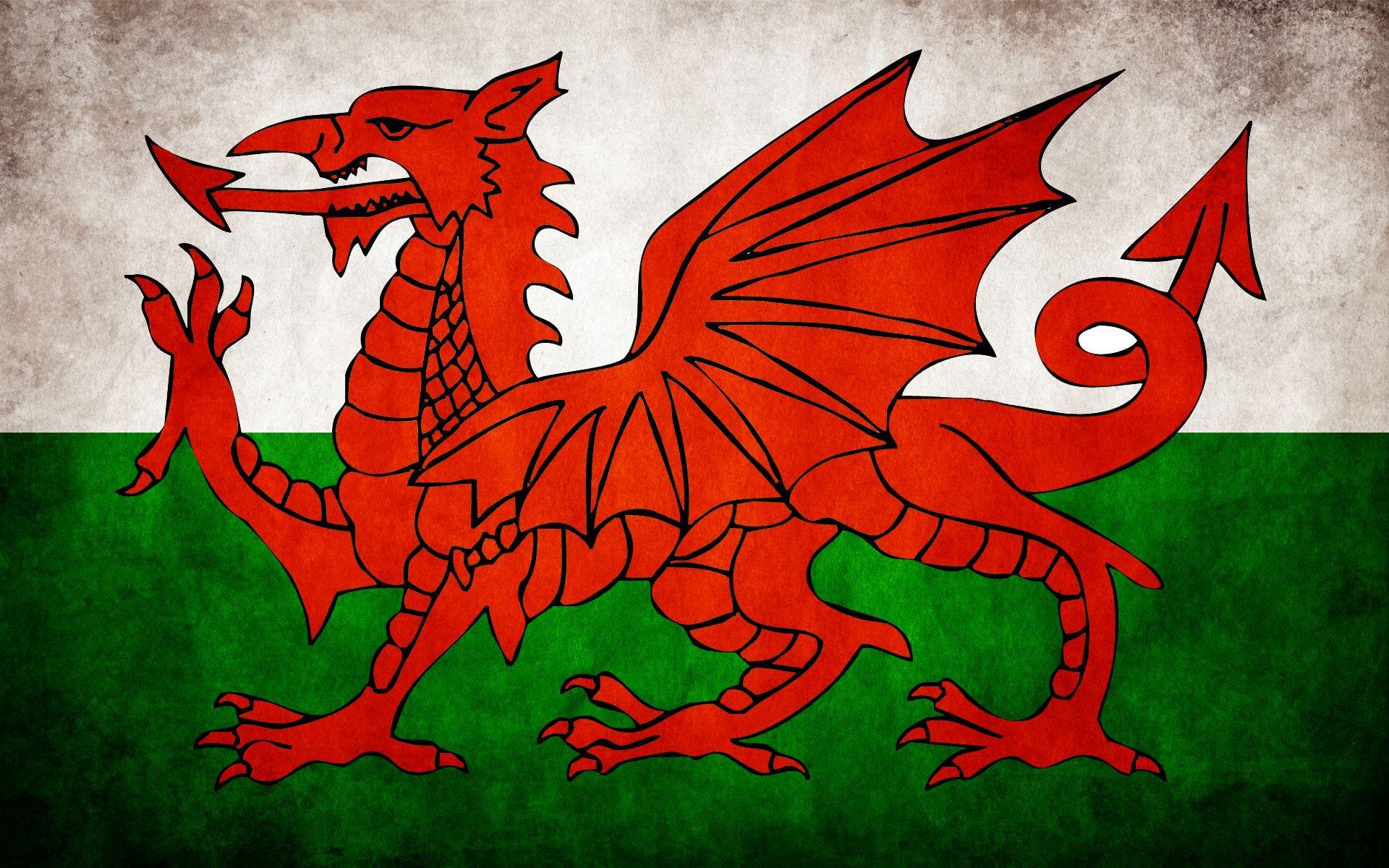
Wales, a constituent country of the United Kingdom, occupies a distinct position within the UK’s devolved governance framework. Unlike England, Wales operates under a devolved system where certain legislative and administrative powers are transferred from the UK Parliament to the Senedd (Welsh Parliament) and the Welsh Government, based in Cardiff. This arrangement reflects Wales’ historical trajectory from Roman occupation to modern constitutional debates over autonomy, including discussions on full independence or deeper devolution. The political landscape is shaped by legal milestones such as the Laws in Wales Acts (1535–1542), which integrated Wales into England’s legal system, and the Government of Wales Act (1998), which established the current devolved institutions.The interplay between Westminster and Cardiff is governed by the Sewel Convention, a constitutional agreement that allows Welsh laws to override UK legislation in devolved areas without formal parliamentary approval. Key devolved powers include healthcare (via NHS Wales), education, transport, agriculture, and language policy (e.g., Welsh-medium education). However, reserved powers—such as defense, foreign affairs, and economic policy—remain under UK jurisdiction. Wales’ unique status as a principality (historically linked to the title of Prince of Wales) and its bilingual culture further distinguish it from other UK nations, influencing contemporary political identity.
Current Political Status: Devolution and the Senedd
The Government of Wales Act 2006 and subsequent amendments formalized Wales’ devolved governance, granting the Senedd (formerly the National Assembly for Wales) primary legislative authority over 20 devolved policy areas. The Senedd operates under a hybrid system: members (MSs) are elected via a mixed-member proportional (MMP) system, ensuring representation for both geographic constituencies and regional party lists. The Welsh Government, led by the First Minister (currently Mark Drakeford, as of 2023), executes policies approved by the Senedd, with the Welsh Ministers holding executive responsibility.Key legislative powers of the Senedd include:
Reserved powers—such as taxation (except for limited devolved taxes like landfill levies), defense, and international relations—remain under UK Parliament control. The Sewel Convention allows Welsh laws to proceed without UK scrutiny in devolved areas, though its legal status remains a subject of debate, particularly regarding its binding nature.
Historical Political Milestones: From Roman Wales to Devolution
Wales’ political evolution reflects its shifting relationships with external powers, from Roman conquest to modern devolution. Key milestones include:Ancient and Medieval Periods (Pre-16th Century)
Early Modern Period: Legal Integration and Identity
19th–20th Century: Nationalism and Devolution Movements
Modern Devolution (1997–Present)
Comparative Analysis: Wales’ Political System vs. Scotland, Northern Ireland, and England
The following table contrasts Wales’ devolved model with those of Scotland, Northern Ireland, and England, focusing on autonomy, governance structure, and reserved vs. devolved powers:| Feature | Wales | Scotland | Northern Ireland | England | ||||||||||||||||||||||||||||||||||||||||||
|---|---|---|---|---|---|---|---|---|---|---|---|---|---|---|---|---|---|---|---|---|---|---|---|---|---|---|---|---|---|---|---|---|---|---|---|---|---|---|---|---|---|---|---|---|---|---|
| Constitutional Status | Constituent country of the UK; devolved governance under the Senedd and Welsh Government. | Constituent country with a parliament (Holyrood) and government; broader devolved powers than Wales. | Constituent country with a devolved assembly (Stormont) and executive; powers suspended 2017–2020 due to political instability. | No devolved legislature; governance via UK Parliament and local councils. | ||||||||||||||||||||||||||||||||||||||||||
| Legislative Body | Senedd (60 MSs, mixed-member proportional election system). | Scottish Parliament (129 MSPs, additional member system). | Northern Ireland Assembly (90 MLAs, single transferable vote). | None; UK Parliament (House of Commons + Lords) governs England directly. | ||||||||||||||||||||||||||||||||||||||||||
| Devolved Powers | Health, education, transport, agriculture, environment, language policy, housing, and some economic levers (e.g., landfill tax). | Health, education, justice, transport, environment, and partial tax powers (e.g., income tax rates). | Education, health, agriculture, environment, and policing (shared with UK government). | None; all powers reserved to UK Parliament (except local council functions). | ||||||||||||||||||||||||||||||||||||||||||
| Reserved Powers | Defense, foreign affairs, social security, economic policy, taxation (except devolved taxes), and constitutional matters. | Same as Wales, plus reserved tax powers (e.g., VAT, corporation tax). | Same as Wales, with additional shared powers (e.g., welfare, EU transition post-Brexit). | All powers except those explicitly devolved to other UK nations. | ||||||||||||||||||||||||||||||||||||||||||
| Executive Leadership | First Minister (elected by Senedd MSs), supported by Welsh Ministers. | <
| Region | Language | Revival Strategies | Challenges | Key Statistics (2020s) |
|---|---|---|---|---|
| Wales | Welsh (Cymraeg) | Bilingual education, S4C, Welsh Language Act | Generational decline, urban-rural divide | 19% home speakers, 50% primary Welsh-medium |
| Catalonia | Catalan (Català) | Immersion schools, Generalitat media policies | Political tension with Spain, economic barriers | 95% literacy, 40% home speakers |
| Ireland | Irish (Gaeilge) | Gaeltacht regions, TG4 broadcasting | Low daily usage outside Gaeltacht | 40% can speak, <1% home speakers (outside Gaeltacht) |
| Scotland | Scots Gaelic (Gàidhlig) | Bòrd na Gàidhlig, Gaelic-medium schools | Limited media presence, rural concentration | 1.1% daily speakers, 16% literacy |
| Breton | Breton (Brezhoneg) | Diwan schools, local government support | Small speaker base, French dominance | 200,000 speakers, 30% under 30 |
Economic and Industrial Landscape of Wales
Wales’ economic structure reflects a deliberate transition from its historic reliance on heavy industry to a diversified, innovation-driven model. While sectors such as coal mining and steel production once dominated the South Wales Valleys, the modern economy now emphasizes renewable energy, advanced manufacturing, and high-value services. The Welsh Government’s strategic investments in green infrastructure, digital connectivity, and tourism have positioned Wales as a key contributor to the UK’s economic resilience, particularly in regions with legacy industrial challenges. This section examines Wales’ primary industries, their GDP contributions, and the infrastructure underpinning its economic growth, alongside ongoing efforts to address structural disparities and leverage post-Brexit opportunities.Key Industries and GDP Contributions
Wales’ economy is characterized by a mix of traditional and emerging sectors, with renewable energy, aerospace, and tourism serving as growth engines. According to the Welsh Government’s 2023 Gross Value Added (GVA) estimates, the services sector accounts for approximately 70% of Wales’ economy, followed by manufacturing (15%), agriculture (4%), and construction (7%). Within services, tourism generates £8.7 billion annually (Visit Wales, 2023), while advanced manufacturing—particularly in aerospace, electronics, and life sciences—supports £5.2 billion in output (Welsh Development Agency, 2022). Renewable energy, led by wind farms in Snowdonia and the Celtic Sea, contributes £1.2 billion yearly and employs 12,000+ workers (RenewableUK, 2023).Renewable Energy
Wales hosts Europe’s largest offshore wind farm, the Rhiannon Project, with a capacity of 960 MW, and land-based turbines in Snowdonia and Pembrokeshire generate 20% of Wales’ electricity. The Welsh Government’s Net Zero Wales Action Plan targets 100% renewable electricity by 2030, with investments in green hydrogen (e.g., H2 Wales in Deeside) and tidal energy (e.g., Swansea Bay Tidal Lagoon).
Advanced Manufacturing
Tourism
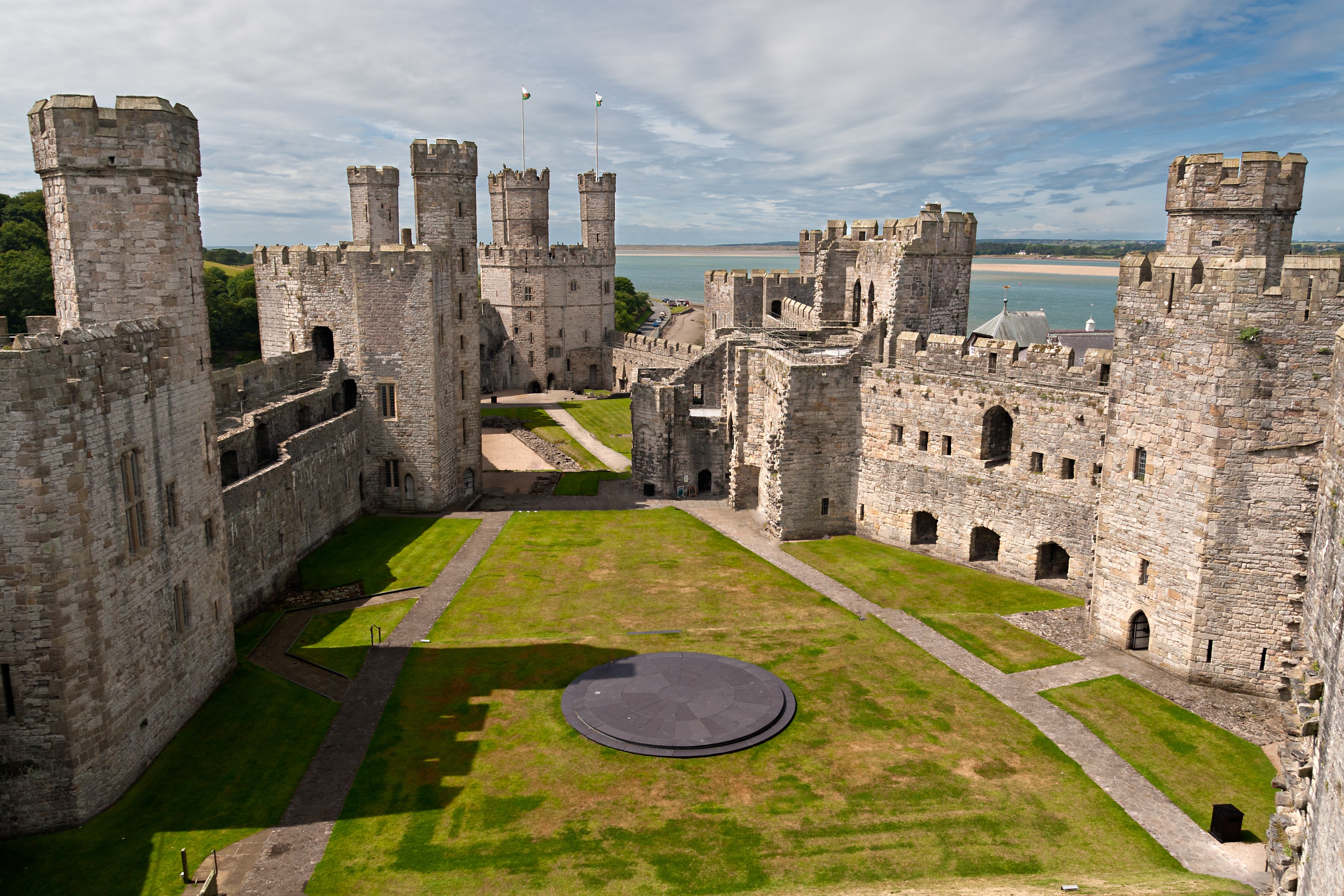
Wales attracts 20 million visitors annually, with castles (e.g., Caernarfon, Cardiff Castle), national parks (Brecon Beacons, Snowdonia), and coastal destinations (Pembrokeshire, Anglesey) driving £8.7 billion in revenue. The Welsh Tourism Alliance highlights dark tourism (e.g., Big Pit National Coal Museum) and adventure tourism (e.g., Zip World’s Velocity 2) as niche growth areas.
Historical Industrial Hubs and Modern Economic Challenges
Wales’ industrial legacy—rooted in coal, steel, and shipbuilding—shaped its economic geography but also left structural vulnerabilities that persist today. The following table contrasts historical industrial clusters with contemporary challenges:| Major Economic Sectors | Historical Industrial Hubs | Modern Economic Challenges |
|---|---|---|
| Renewable Energy- Wind (onshore/offshore) - Hydro (Dyneddau, Elan Valley) - Tidal (Swansea Bay) |
South Wales Coalfield- Rhondda, Merthyr Tydfil: Deep-mining hubs (peak: 1913, 260,000 miners) - Port Talbot: Steelworks (British Steel, now Tata Steel) North Wales- Llanwern Steelworks: Last deep-mining pit (closed 1999) |
Brain Drain & Skills Gaps- 20% youth unemployment in former mining towns (e.g., Neath Port Talbot) - Shortage of STEM graduates in green tech (only 12% of renewables workforce holds higher education qualifications) Infrastructure Bottlenecks- M4 corridor congestion limits logistics for advanced manufacturing - Rural broadband gaps hinder remote work in tourism/agriculture |
| Advanced Manufacturing- Aerospace (Broughton) - Electronics (Swansea Bay) - Life Sciences (Cardiff) |
Shipbuilding & Heavy Industry- Swansea Docks: WWII shipyards (employed 30,000) - Newport Docks: Transatlantic passenger liners (Cunard) - Cardiff’s Roath Dock: Railway workshops |
Rural-Urban Divide- Cardiff-Swansea axis captures 60% of R&D investment, leaving Pembrokeshire/Anglesey with 30% lower GDP per capita - Aging workforce: 25% of manufacturing jobs held by workers aged 55+ Brexit Trade Barriers- 30% increase in customs delays for aerospace exports to EU (e.g., Airbus components) - Loss of EU funding: €1.1 billion (2014–2020) in structural funds redirected |
| Tourism & Creative Industries- Heritage (castles, UNESCO sites) - Outdoor recreation (Surf Snowdonia) - Film/TV (Dragon Studios, Cardiff) |
Agriculture & Light Industry- Mid Wales: Sheep farming (historically 50% of UK wool) - Monmouthshire: Cider production (e.g., Thornhill Farm) - Wrexham: Light engineering (e.g., Vauxhall Motors) |
Seasonality & Overtourism- 60% of tourism revenue generated in summer months - Pressure on housing: Airbnb listings outnumber permanent rentals in Snowdonia - Climate vulnerability: 2022 droughts reduced hydropower output by 15% |
Infrastructure and Wales’ Role in the UK’s Economy
Wales’ strategic location as a gateway to Europe and its integrated transport networks are critical to its economic function. The M4 corridor, connecting Cardiff to London (1h40m by train), supports £20 billion in annual trade, while Cardiff Airport handles 5.5 million passengers (2023) and serves as a hub for EU connections via Ryanair and easyJet. Post-Brexit, Wales has sought to diversify trade routes, with Port Talbot (deep-water port) and Holyhead (Irish Sea ferry link) becoming focal points for EU-UK trade.Transport Networks
Geography and Natural Environment of Wales
Wales presents a striking contrast between rugged mountainous interiors and expansive coastal landscapes, shaped by glacial activity, tectonic forces, and maritime influences. The country’s diverse topography—ranging from the highest peaks in the UK to sheltered valleys and dynamic shorelines—supports a rich ecological tapestry, including protected habitats, rare wildlife, and climates that influence agriculture and outdoor recreation. These geographical features underpin Wales’ identity as a land of natural beauty, biodiversity, and economic resilience, particularly in sectors like tourism, renewable energy, and sustainable farming.Topographical Diversity and Key Mountain Ranges
Wales’ landscape is dominated by ancient, eroded mountain ranges formed during the Caledonian orogeny (400–500 million years ago), which created the backbone of the country’s geography. The Cambrian Mountains, stretching from Snowdonia in the north to the Brecon Beacons in the south, are characterized by their steep slopes, deep valleys, and upland plateaus. These ranges are integral to Wales’ hydrology, feeding rivers such as the Severn and Wye, which carve through limestone and granite bedrock.- Snowdonia (Eryri):
- Brecon Beacons (Bannau Brycheiniog):
- Cambrian Mountains (Deheubarth):
Coastal Regions and Marine Ecosystems
Wales’ 1,270 km coastline is a mosaic of cliffed headlands, sandy beaches, and estuarine wetlands, shaped by Atlantic storms and tidal forces. The western coast, exposed to the Irish Sea, features dramatic sea stacks and dunes, while the Bristol Channel in the south hosts salt marshes and intertidal zones. These areas are vital for marine biodiversity, including seabird colonies, kelp forests, and endemic species like the white-clawed crayfish.- Pembrokeshire Coast National Park:
- Anglesey (Ynys Môn):
- Gower Peninsula:
Protected Areas and Ecological Importance
Wales’ 13 National Parks and 32 Areas of Outstanding Natural Beauty (AONBs) cover 20% of the land area, safeguarding biodiversity hotspots, geological formations, and cultural landscapes. These designations align with EU Habitats Directive and UK post-Brexit environmental frameworks, emphasizing rewilding, peatland restoration, and marine conservation.- Key Protected Designations:
- Rare Species and Conservation Efforts:
Urban-Rural Contrast: Population, Economy, and Culture
Wales exhibits a polarized demographic and economic landscape, with highly urbanized areas concentrated in the south and sparsely populated rural communities dominating the north and west. This contrast reflects historical industrial legacies, deindustrialization, and post-industrial diversification toward renewable energy, agriculture, and tourism.| Urban Centers | Rural Communities |
|---|---|
Cardiff
|
Leave a Comment
Comments are moderated before appearing. The data you submit is processed according to the Privacy Policy of Voltefac.