What Flowers Are Popularfor Weddingsand Their Regional Seasonal Symbolic T
Table of Contents
- Trends in Wedding Flower Popularity by Region
- Regional Flower Trends and Cultural Influences
- Top 5 Most Requested Wedding Flowers in Urban vs. Rural Settings
- Seasonal Flower Trends and Their Impact on Wedding Planning
- Seasonal Flower Dominance and Symbolic Significance
- Peak Availability and Cost Fluctuations
- Durability and Care Requirements by Season
- Decision-Making Flowchart for Seasonal Flower Selection
- Symbolism and Meaning Behind Popular Wedding Flowers
- Symbolic Meanings of 10 Widely Used Wedding Flowers
- Innovative and Non-Traditional Wedding Flowers
- Emerging Trends in Unconventional Wedding Blooms
- Cost and Maintenance Comparison: Traditional vs. Trendy Flowers
- Foraged and Locally Sourced Flowers in Wedding Design
- FAQ
- What are the most popular flowers used in weddings right now?
- Which flowers are considered the best for a wedding bouquet or centerpieces?
- What flowers should I include for my wedding to create a cohesive and beautiful look?
- What essential flowers do we absolutely need for a wedding setup?
Wedding flowers serve as the visual and symbolic cornerstone of celebrations, blending aesthetic appeal with deep cultural resonance. From the lush tropical blooms of Hawaii to the timeless roses of European ceremonies, regional climates and traditions dictate the most sought-after varieties. Urban and rural preferences further diversify selections, influenced by budget constraints, seasonal availability, and the desire to reflect personal or local heritage. Understanding these dynamics allows couples and planners to curate arrangements that harmonize with both practical logistics and emotional significance, ensuring a memorable and cohesive wedding experience.
The interplay between tradition and innovation continues to redefine floral choices, with emerging trends introducing unconventional blooms alongside classic favorites. Seasonal variations not only impact cost and durability but also shape the narrative of a wedding, from the delicate softness of spring peonies to the bold symbolism of autumn chrysanthemums. Meanwhile, the growing emphasis on sustainability and local sourcing is transforming how couples approach floral decor, prioritizing ethical considerations without compromising visual impact. This exploration examines the multifaceted role of wedding flowers—how they are selected, styled, and imbued with meaning across cultures, seasons, and evolving preferences.
Trends in Wedding Flower Popularity by Region
The selection of wedding flowers is deeply influenced by regional climate, cultural traditions, and seasonal availability, shaping floral aesthetics that reflect local identity. From the lush tropical blooms of Hawaii to the structured elegance of European roses, each region’s floral preferences are a blend of practicality and symbolism. Understanding these trends allows wedding planners to curate arrangements that resonate with the couple’s heritage and the natural environment, ensuring both visual harmony and cultural significance.Climate dictates the feasibility of certain flowers—arid regions favor drought-resistant blooms, while temperate zones thrive on seasonal perennials. Cultural traditions further refine these choices, with some flowers carrying historical or spiritual meanings tied to rituals. Below, regional variations are analyzed through comparative data, urban-rural demand breakdowns, and planner-driven aesthetics.
Regional Flower Trends and Cultural Influences
Geographical and cultural factors determine the dominance of specific flowers in wedding floristry. Tropical regions, such as Hawaii or Southeast Asia, prioritize bold, fragrant blooms like orchids and birds of paradise, while colder climates in Europe or Canada rely on hardy flowers such as peonies and hydrangeas. Below is a comparative table illustrating these trends:| Region | Dominant Flowers | Seasonal Availability | Cultural Significance |
|---|---|---|---|
| Japan | Peonies, cherry blossoms, camellias, wisteria | Spring (March–May), autumn (October–November) | Peonies symbolize prosperity; cherry blossoms represent fleeting beauty (hanami tradition). |
| Mediterranean (Italy, Greece) | Roses, lavender, pomegranates, eucalyptus | Summer (June–September) | Lavender signifies purity; pomegranates appear in bridal bouquets for fertility symbolism. |
| Rural United States (e.g., Midwest) | Sunflowers, dahlias, ranunculus, wildflowers | Summer (July–August), early autumn | Sunflowers represent loyalty; wildflowers evoke rustic charm and sustainability. |
| Brazil | Hibiscus, heliconias, bromeliads, ginger lilies | Year-round (tropical climate) | Hibiscus symbolizes hospitality; heliconias are tied to indigenous traditions. |
| Scandinavia (Sweden, Norway) | Ranunculus, white roses, eucalyptus, anemones | Spring (May–June), early summer | Minimalist arrangements reflect lagom (balance) philosophy; white roses denote purity. |
| India (South Asian weddings) | Marigolds, roses, jasmine, lotus | Year-round (varies by state) | Marigolds are essential in sindoor ceremonies; lotus symbolizes divine beauty. |
Top 5 Most Requested Wedding Flowers in Urban vs. Rural Settings
Urban and rural wedding preferences diverge due to access to floral markets, budget constraints, and aesthetic trends. Urban couples often opt for high-impact, long-lasting blooms that align with fast-paced lifestyles, while rural weddings favor seasonal, locally sourced flowers with nostalgic appeal. Below is a breakdown of demand and pricing variations (based on 2023–2024 industry reports from The Florist Review and WeddingWire):Urban Settings (e.g., New York, London, Tokyo)
Urban weddings prioritize flowers with extended vase life and bold visual statements, often at a premium due to limited local growing conditions. Planners in cities frequently source from global markets, increasing costs but ensuring year-round availability.
-
Roses (Hybrid Tea or Spray Roses)
Most requested for bouquets and centerpieces; symbolizes love and elegance.
- Price: $2.50–$5.00 per stem (urban markets); $150–$300 per standard bouquet.
- Trend: Deep reds, blush tones, and "dusty" pastels for modern brides.
-
Anemones
Dark, velvety petals contrast with minimalist arrangements; popular in Scandinavian and Japanese urban weddings.
- Price: $3.00–$6.00 per stem; $180–$400 for mixed bouquets.
- Note: Requires careful handling (toxic sap); often paired with eucalyptus.
-
Orchids (Phalaenopsis or Cattleya)
Exotic and long-lasting; favored in tropical urban hubs (e.g., Miami, Singapore).
- Price: $5.00–$12.00 per stem; $200–$500 for statement bouquets.
- Cultural note: In China, orchids symbolize refinement and prosperity.
-
Ranunculus
Paper-like petals create lush, romantic textures; dominant in European urban weddings.
- Price: $4.00–$8.00 per stem; $250–$500 for hand-tied bouquets.
- Seasonal peak: March–May (imported year-round in cities).
-
Protea
Drought-resistant and visually striking; increasingly popular in arid urban climates (e.g., Los Angeles, Dubai).
- Price: $6.00–$15.00 per stem; $300–$600 for mixed arrangements.
- Sustainability note: Often sourced from South Africa (water-efficient cultivation).
Rural weddings emphasize locally grown, seasonal flowers to reduce costs and support regional agriculture. Bouquets often feature wildflowers or heirloom varieties, reflecting a back-to-nature ethos.
-
Sunflowers
Symbolizes loyalty and happiness; staple in American and European rural weddings.
- Price: $1.50–$3.50 per stem; $80–$150 for loose bouquets.
- Varietal trend: 'Moulin Rouge' (double-petaled) for texture.
-
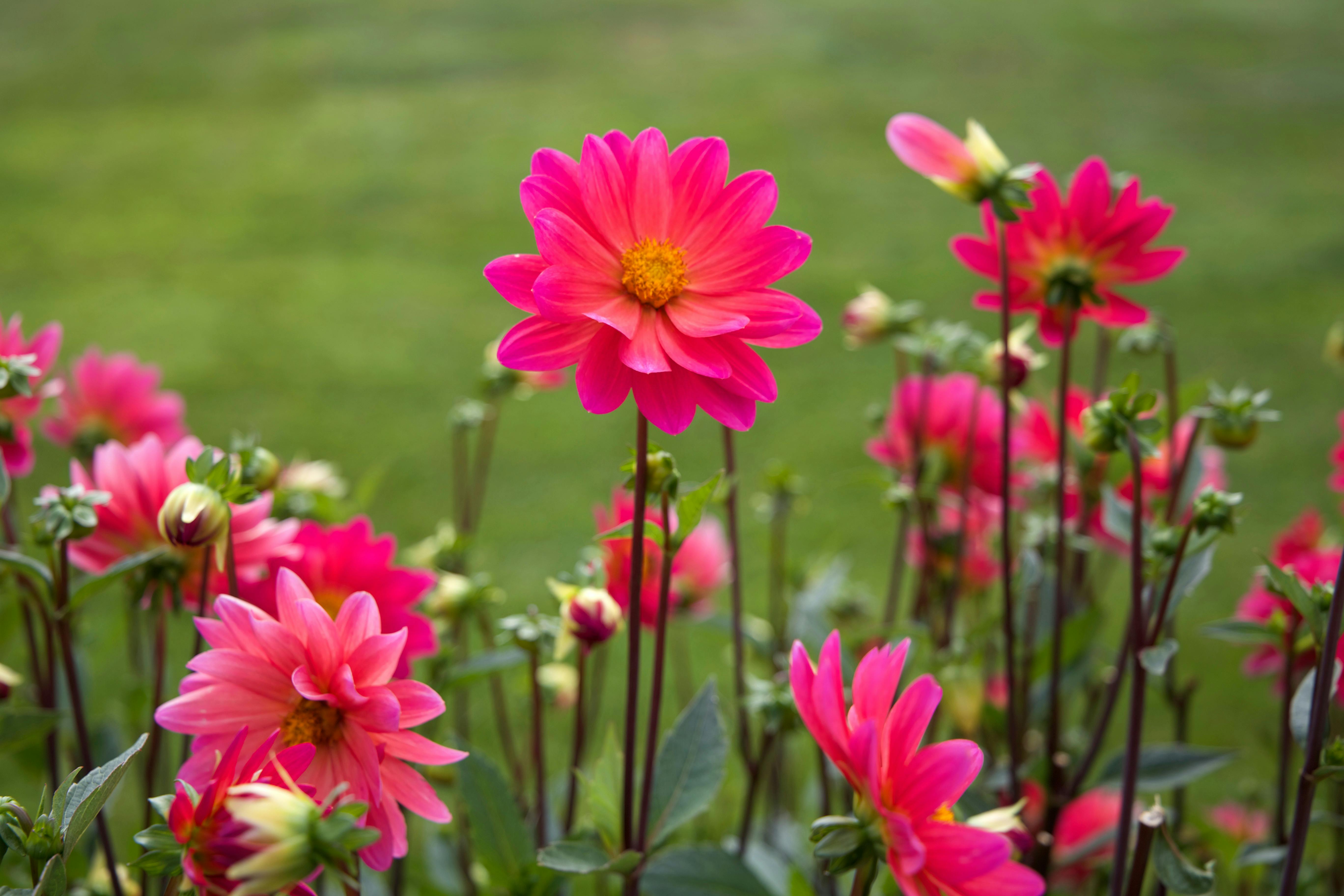
Dahlias
Versatile shapes and colors; popular in Latin American and Southern U.S. rural weddings.
- Price: $2.00–$5.00 per stem; $100–$200 for mixed bouquets.
- Cultural note: In Mexico, dahlias are used in Día de los Muertos celebrations.

Seasonal Flower Trends and Their Impact on Wedding Planning
Seasonal flower selections play a pivotal role in wedding aesthetics, symbolism, and logistical feasibility, directly influencing color palettes, budget allocation, and event execution. Flowers thrive under specific climatic conditions, and their availability, cost, and durability vary significantly across seasons. Understanding these trends allows couples and planners to align floral arrangements with natural cycles, ensuring visual harmony while optimizing practical considerations such as vase life, temperature sensitivity, and regional availability.The choice of seasonal flowers also reflects cultural symbolism and regional preferences, which can enhance the thematic coherence of a wedding. For instance, spring blooms often evoke renewal and romance, while autumnal flowers may carry connotations of harvest and gratitude. Below, seasonal trends are analyzed for their dominance in wedding floristry, supported by availability timelines, care requirements, and decision-making frameworks tailored to event logistics.
Seasonal Flower Dominance and Symbolic Significance
Spring (March–May)
Spring weddings are characterized by soft pastels, delicate textures, and an emphasis on freshness, as flowers emerge after winter dormancy. Peonies, with their lush petals and intoxicating fragrance, dominate spring bouquets and centerpieces due to their symbolism of prosperity and a happy marriage. Tulips, available in vibrant hues, represent perfect love and are often paired with ranunculus for layered, romantic arrangements. Hydrangeas, with their voluminous blooms, add structure and volume, though they require careful handling to maintain shape. The season’s limited availability of certain varieties (e.g., peonies peaking in May) can drive up costs, necessitating early bookings.Summer (June–August)
Summer florals prioritize bold colors, tropical influences, and long vase life, with roses (particularly hybrid teas and spray roses) remaining perennial favorites for their timeless elegance and durability. Dahlias, introduced in late summer, offer dramatic foliage and deep hues, symbolizing commitment and binding love. Sunflowers and zinnias provide vibrant pops of color and are cost-effective, while garden roses and lisianthus add softness to arrangements. Summer’s extended daylight hours and warm temperatures accelerate bloom cycles, but humidity can shorten vase life, requiring preservatives and careful transportation.Fall (September–November)
Autumn weddings embrace earthy tones, dried elements, and flowers with symbolic ties to harvest and transition. Chrysanthemums, the official flower of November weddings in the U.S., represent longevity and joy, while dahlias and anemones add depth with their layered petals. Roses in deep burgundy or black hues complement fall palettes, while eucalyptus and dried wheat stalks introduce rustic textures. Cooler temperatures extend vase life, but early frost in some regions may limit availability of delicate blooms like garden roses, favoring hardier options like camellias or hellebores for late-season events.Winter (December–February)
Winter florals focus on evergreens, structural elements, and blooms that thrive in cold climates. White and silver roses, amaryllis, and paperwhites symbolize purity and new beginnings, while poinsettias and holly add festive contrast. Camellias, with their glossy petals, are prized for their winter resilience, while forced tulips and hyacinths offer early-season color. Indoor arrangements dominate due to limited outdoor options, but cold-sensitive flowers (e.g., peonies) are unavailable, requiring reliance on preserved or dried flowers. Indoor lighting and temperature control become critical to maintaining bloom quality.
Peak Availability and Cost Fluctuations
Flower availability and pricing are dictated by regional growing seasons, storage conditions, and demand cycles. Below is a timeline of peak months for key wedding flowers, including notes on cost variations and logistical considerations.
Roses: June–August (global peak; hybrid teas and spray roses)
Cost and Logistics Notes:
Dahlias: September–October (late summer/fall; highest demand for deep hues)
Peonies: May (spring; limited availability post-June)
Tulips: March–April (early spring; forced bulbs extend availability into winter)
Hydrangeas: June–July (summer; macropoda varieties thrive in heat)
Chrysanthemums: September–November (fall; symbolism drives demand)
Camellias: December–February (winter; cold-hardy and long-lasting)
Sunflowers: July–August (summer; cost-effective and abundant)
Ranunculus: March–May (spring; delicate but short-lived)
Anemones: September–November (fall; dark centers for dramatic effect)
Eucalyptus: Year-round (structural filler; dried varieties extend winter use)
- Peak Season (June–August): Highest demand for roses, dahlias, and hydrangeas drives up prices by 30–50% compared to off-season.
- Early Spring (March–April): Tulips and ranunculus are affordable but require refrigerated transport to preserve freshness.
- Fall (September–October): Chrysanthemums and dahlias are cost-effective but may incur shipping fees if sourced from warmer climates.
- Winter (December–February): Forced blooms (e.g., tulips) and preserved flowers (e.g., dried lavender) mitigate scarcity but may lack freshness.
Durability and Care Requirements by Season
The longevity and maintenance needs of seasonal flowers influence wedding-day logistics, including setup timelines, preservation methods, and venue constraints. Below is a comparison of durability and care requirements for select flowers, categorized by season.
Durability Key:
- High (5–7+ days): Roses, chrysanthemums, camellias (with preservatives).
- Moderate (3–5 days): Dahlias, hydrangeas, peonies (require hydration and temperature control).
- Low (1–3 days): Ranunculus, tulips, anemones (delicate petals; prone to wilting).
Care Requirements: - Temperature Sensitivity:
- Cold-Sensitive: Peonies, dahlias (damaged by frost; require indoor storage pre-event).
- Heat-Tolerant: Sunflowers, zinnias (thrive in summer but wilt in direct indoor heat).
- Indoor-Friendly: Camellias, paperwhites (adapt to controlled environments).
- Hydration Needs:
- High: Hydrangeas, roses (require daily water changes; preservatives extend vase life).
- Moderate: Chrysanthemums, eucalyptus (retain moisture but may drop leaves if overwatered).
- Low: Dried flowers (eucalyptus, wheat stalks; no watering needed).
- Handling Precautions:
- Fragile: Ranunculus, tulips (petals bruise easily; transport in protective wraps).
- Structural: Dahlias, sunflowers (heavy stems; secure in arrangements to prevent toppling).
- Outdoor Weddings: Summer flowers (e.g., sunflowers) may wilt in afternoon heat; shade and misting systems are recommended.
- Indoor Venues: Winter flowers (e.g., paperwhites) require proximity to light sources to prevent premature wilting.
- Transport: Spring blooms (e.g., peonies) may arrive bruised if not refrigerated during transit; confirm delivery times with florists.
-
Venue and Season Alignment
- Assess venue’s natural light and climate (e.g., greenhouse vs. outdoor garden).
- Identify seasonal limitations (e.g., winter weddings in snowy regions favor evergreens).
- Confirm structural elements (e.g., indoor heaters may limit tropical flowers).
-
Budget Tiers and Availability
-
Low Budget (<$1,500):
- Prioritize seasonal staples (e.g., sunflowers, zinnias, dried wheat).
- Avoid peak-season flowers (e.g., May peonies).
- Use foliage (e.g., eucalyptus, olive branches) to stretch arrangements.
-
Mid-Range ($1,500–$4,000):
- Combine seasonal blooms with preserved elements (e.g., dried lavender with summer roses).
- Opt for hybrid varieties (e.g., spray roses over standard roses for cost savings).
- Negotiate bulk discounts with local farms for in-season flowers.
- Red: Passion, respect, and courage.
- White: Purity, innocence, and new beginnings.
- Pink: Gratitude, sweetness, and admiration.
- Peach: Sincerity and gratitude.
- White: Purity, majesty, and humility.
- Stargazer (pink/white): Wealth, prosperity, and confidence.
- Callalily (orange): Passion and fascination.
- Pink: Shyness and compassion.
- White: Peace, grace, and new beginnings.
- Coral: Celebration and joy.
- Blue: Loyalty, devotion, and apology.
- Pink: Gratitude and happiness.
- Purple: Enchantment and royalty.
- White: Purity and elegance.
- White: Wealth and purity.
- Pink: Admiration and grace.
- Red: Passion and desire.
- Purple: Enchantment and spirituality.
- White: Peace and serenity.
- Blue: Constancy and everlasting bonds.
- White: Innocence and new beginnings.
- Yellow: Friendship, happiness, and vitality.
- Red: Passion and confidence.
- Red: True love and passion.
- Pink: Affection and caring.
- White: Purity and forgiveness. <
- Orchids: Increasingly used for their elegance and longevity, particularly in tropical or bohemian-themed weddings. Species like Phalaenopsis or Dendrobium offer bold patterns and extended shelf life (up to 3 weeks post-harvest).
- Calla Lilies: Favored for their sleek, architectural shape and association with purity (common in East Asian weddings). Their waxy petals create a modern, almost sculptural aesthetic.
- Dahlias: Revived for their dramatic forms and seasonal abundance (fall/winter), often paired with eucalyptus or dried grasses for a rustic-luxe vibe.
- Sweet Peas: Aromatic and delicate, these climbers are gaining traction for their vintage charm and ability to thrive in cooler climates, reducing transportation emissions.
- Hydrangeas: Their voluminous clusters offer a lush, romantic backdrop, though they require careful handling to preserve their shape.
- Daily water changes to prevent bacterial growth.
- Sensitive to ethylene gas (avoid storing near fruits).
- Prone to thorns; requires careful handling.
- Low water needs (once every 5–7 days).
- Resistant to wilting if kept in indirect light.
- Non-toxic; safe for venues with pets.
- Stems must be recut and water changed every 2 days.
- Sensitive to cold drafts; ideal for indoor venues.
- Leaves yellow if overwatered.
- High water usage in greenhouse production.
- Often flown in from Ecuador/Colombia (carbon footprint).
- Disposable stems contribute to floral waste.
- Longer lifespan reduces waste.
- Some orchids (e.g., native species) can be propagated post-event.
- Lower pesticide use in commercial orchid farms.
- Biodegradable; compostable when dried.
- Local varieties (e.g., Zantedeschia aethiopica) minimize transport emissions.
- Supports seasonal farming economies.
- Wildflower Meadows: Couples in rural areas (e.g., England’s Cotswolds, Canada’s Prairies) incorporate native wildflowers like black-eyed Susans, coneflowers, or
Wedding flowers transcend their decorative purpose, serving as a silent yet powerful language that communicates love, tradition, and individuality. Whether through the regional dominance of peonies in Japan or the vibrant sunflowers of rural American weddings, floral selections reflect a synthesis of climate, culture, and personal expression. Seasonal trends introduce strategic considerations, from vase life to budget allocation, while symbolic meanings allow couples to weave deeper messages into their ceremonies—whether through the loyalty of blue hydrangeas or the passion of red roses. As sustainability and innovation reshape the industry, the future of wedding florals lies in balancing timeless elegance with contemporary values, ensuring that every bloom tells a story as unique as the love it celebrates.
Symbolism and Meaning Behind Popular Wedding Flowers
Wedding flowers transcend their aesthetic appeal, serving as powerful symbols that reflect the values, emotions, and cultural narratives of couples. Each bloom carries historical, mythological, and regional significance, allowing couples to embed personal or thematic messages into their ceremonies. The deliberate selection of flowers—whether in bouquets, centerpieces, or ceremony decor—can reinforce vows, honor traditions, or celebrate individuality. Below, the symbolic meanings of 10 widely used wedding flowers are explored, alongside their cultural nuances and practical applications in wedding planning.
Symbolic Meanings of 10 Widely Used Wedding Flowers
The following table outlines the primary symbolism of 10 flowers frequently chosen for weddings, including their color variations and cultural considerations. Understanding these meanings enables couples to align floral choices with their intentions, whether for romantic gestures, familial tributes, or spiritual connections.
Flower Name Primary Symbolism Color Variations and Meanings Cultural Taboos Roses (Rosa spp.) Love, passion, and commitment. Red roses symbolize deep romantic love, while yellow represents friendship and joy. In some Middle Eastern cultures, red roses are avoided for weddings as they may symbolize death or mourning. White roses are universally safe but should not be paired with chrysanthemums (associated with funerals in Western cultures).
Lilies (Lilium spp.) Purity, devotion, and rebirth. Often associated with the Virgin Mary in Christian traditions, symbolizing divine love. White lilies are taboo in some European cultures, particularly in funerary contexts. In China, lilies represent death and are avoided in weddings. Stargazer lilies, while popular, may be restricted in certain venues due to their strong fragrance.
Peonies (Paeonia spp.) Prosperity, good fortune, and a happy marriage. In Chinese culture, peonies are called "the king of flowers" and signify honor and wealth. In Victorian England, peonies were considered bad luck if given before marriage, as they symbolized bashfulness or shyness. Some Asian cultures avoid red peonies, associating them with blood and misfortune.
Hydrangeas (Hydrangea macrophylla) Grace, gratitude, and heartfelt emotions. Their color-changing properties (based on soil pH) symbolize adaptability and emotional depth. In Japan, hydrangeas are linked to vanity and are rarely used in weddings. Some Western florists avoid blue hydrangeas for bridal bouquets due to their association with sadness in certain color psychology interpretations.
Ranunculus (Ranunculus asiaticus) Charm, radiance, and fleeting beauty. Their layered petals resemble a bride’s gown, symbolizing elegance and femininity. In some European folklore, ranunculus was believed to bring bad luck if placed near a wedding altar, as it was associated with the goddess Hera’s tears over her unfaithful husband.
Lavender (Lavandula spp.) Calmness, purity, and devotion. Historically used in bridal crowns and sachets to ward off evil spirits. In some Mediterranean cultures, lavender is avoided in weddings as it was historically burned to "cleanse" negative energy, which could be misinterpreted as an omen. However, it remains popular in Provence-inspired weddings for its soothing aroma.
Forget-Me-Nots (Myosotis sylvatica) True love, remembrance, and fidelity. Named after a medieval knight who picked them for his dying love to remind her of him. In some Native American traditions, forget-me-nots are considered bad luck if planted near a home, as they were believed to attract negative spirits. Couples often include them in bouquets as a nod to enduring love.
Sunflowers (Helianthus annuus) Loyalty, adoration, and longevity. Their sunward growth symbolizes devotion and the pursuit of light. In some African cultures, sunflowers are associated with the sun god and are used in fertility rites. While not taboo, their boldness may dominate a wedding palette if overused.
Tulips (Tulipa spp.) Perfect love, declaration of affection, and eternal bond. In Ottoman culture, tulips symbolized paradise.

Innovative and Non-Traditional Wedding Flowers
Wedding floral design has evolved beyond classic roses and peonies, embracing bold experimentation with unconventional blooms that reflect contemporary aesthetics, sustainability, and personal storytelling. Non-traditional flowers introduce unique textures, unexpected color palettes, and structural diversity, allowing couples to craft arrangements that feel fresh, intentional, and aligned with modern sensibilities. These alternatives often prioritize longevity, eco-conscious sourcing, and visual impact, challenging conventional norms while offering cost-effective or low-maintenance solutions.The shift toward innovative florals is driven by several factors: the rise of minimalist and maximalist design philosophies, increased awareness of seasonal and regional availability, and a growing demand for bespoke, Instagram-worthy centerpieces. Florists and couples alike are reimagining weddings through foraged elements, hybrid arrangements (combining fresh and dried flowers), and blooms historically underutilized in Western ceremonies—such as proteas, anemones, or ranunculus. Below, the focus lies on emerging trends, comparative cost analyses, sustainability practices, and a curated mood board for a modern bouquet.
Emerging Trends in Unconventional Wedding Blooms
The wedding industry is witnessing a surge in demand for flowers that defy traditional expectations, often characterized by their striking visual contrasts, extended vase life, or symbolic resonance. Ranunculus, with their layered, papery petals resembling roses or peonies, have surged in popularity due to their versatility in color (from blush to deep burgundy) and ability to mimic high-end blooms at a fraction of the cost. Anemones, with their dramatic, almost black centers and delicate petals, add a moody, artistic touch to arrangements, while proteas—native to South Africa—bring exotic allure with their spiky, velvety textures and vibrant hues (e.g., coral, magenta, or white).Other notable trends include:
These flowers often serve as statement pieces in bouquets, centerpieces, or aisle decorations, where their structural uniqueness commands attention without overwhelming the design.
Cost and Maintenance Comparison: Traditional vs. Trendy Flowers
The financial and logistical trade-offs between classic and innovative florals vary significantly based on seasonality, geographic sourcing, and arrangement complexity. Below is a structured comparison of roses (a traditional staple) versus orchids and calla lilies (trendy alternatives), including pros, cons, and maintenance considerations.
Key Takeaway: While roses remain a safe, familiar choice, orchids and calla lilies offer cost savings in longevity and design uniqueness, albeit with higher upfront costs for imported varieties. Local sourcing (e.g., calla lilies from U.S. farms) can mitigate expenses and environmental impact.Factor Roses (Traditional) Orchids (Trendy) Calla Lilies (Trendy) Average Cost per Stem (USD, 2024) $2.50–$15 (varies by variety; hybrid teas cost more than spray roses). $5–$20 (Phalaenopsis orchids are pricier; Dendrobium or Cattleya offer mid-range options). $3–$10 (bulk purchases reduce costs; white callas are typically cheaper than colored varieties). Seasonal Availability Year-round (greenhouse-grown), but peak in spring/summer. Winter roses require higher costs. Year-round (imported from Colombia/Ecuador), but tropical orchids thrive in warmer months. Spring–fall (peak in summer); winter callas are rare and expensive. Longevity in Arrangements 3–7 days (cut roses last 5–7 days with proper care; spray roses wilt faster). 2–3 weeks (orchids are slow to decay; ideal for pre-event arrangements). 7–10 days (longer than roses if stems are sealed and watered daily). Maintenance Requirements Symbolism and Design Flexibility Universally associated with love and passion; versatile for romantic or classic themes. Limited by color saturation (deep reds/whites dominate).
Symbolizes strength, beauty, and rarity; ideal for modern or exotic themes. Color patterns (e.g., Phalaenopsis’ "butterfly" markings) add visual intrigue.
Represents purity and rebirth in Eastern traditions; sleek shape suits minimalist or art deco designs. Monochromatic arrangements create a cohesive look.
Sustainability Considerations
Foraged and Locally Sourced Flowers in Wedding Design
The "slow wedding" movement has popularized the use of foraged or farm-fresh flowers, where couples prioritize hyper-local, seasonal blooms to reduce carbon footprints and celebrate regional biodiversity. This trend aligns with ethical sourcing, budget-conscious planning, and the desire for one-of-a-kind arrangements. However, it also introduces logistical and legal considerations, particularly regarding wildcrafting ethics, permits, and sustainability.Practical Applications:
FAQ
What are the most popular flowers used in weddings right now?
The most popular wedding flowers in recent years include roses (especially peonies and ranunculus), hydrangeas, dahlias, eucalyptus, and lilies. Seasonal favorites like garden roses, tulips, and calla lilies also dominate. Neutral tones (ivory, blush, sage) and bold colors (deep red, emerald) are trending. Local, in-season blooms are increasingly favored for sustainability.
Which flowers are considered the best for a wedding bouquet or centerpieces?
The best wedding flowers depend on style and season, but roses (for romance), peonies (for lushness), and ranunculus (for texture) are top choices. For durability, chrysanthemums, carnations, or proteas work well. Unusual picks like anemones, dahlias, or orchids add drama, while greenery (eucalyptus, ferns) balances arrangements. Consider allergies and venue restrictions when selecting.
What flowers should I include for my wedding to create a cohesive and beautiful look?
Start with a bouquet (5–7 stems of 2–3 flower types, like roses + ranunculus + greenery) and centerpieces (mix blooms and foliage, e.g., dahlias + hydrangeas + baby’s breath). Add ceremony flowers (boutonnieres, corsages) and venue decor (hanging installations, aisle petals). Stick to 3–5 colors max for cohesion, and repeat flowers across all elements. Consult a florist for seasonal availability in your location.
What essential flowers do we absolutely need for a wedding setup?
The minimum includes a bridal bouquet, bridesmaids’ bouquets, boutonnieres (for groomsmen), and ceremony arch/altar flowers (e.g., garlands or scattered blooms). For centerpieces, you’ll need table arrangements (1–2 per table) and candles/vases to hold them. Optional but common additions are wrist corsages, ring bearer flowers, and exit confetti petals. Prioritize durability and venue space when choosing.
-
Low Budget (<$1,500):
Logistical Impact:
Leave a Comment
Comments are moderated before appearing. The data you submit is processed according to the Privacy Policy of Voltefac.