What Fruits Are Good For Weight Loss And How To Optimize Them
Table of Contents
- Scientific Overview of Fruit-Based Weight Loss Mechanisms
- Metabolic and Physiological Effects of Fiber-Rich Fruits on Satiety Hormones
- Comparative Analysis of Fruits with Proven Effects on Insulin Sensitivity and Weight Loss
- Flowchart: Digestion Process of Low-Calorie, High-Water Fruits and Caloric Intake Reduction
- Top 10 Fruits for Weight Loss: Nutritional Breakdowns and Bioactive Mechanisms
- Nutritional Breakdown of Top 10 Weight-Loss Fruits
- Bioactive Compounds and Mechanisms of Action
- Fruit Combination Strategies for Enhanced Fat Loss
- Synergistic Fruit-Macronutrient Pairings for Satiety and Craving Control
- Designing a 3-Day Volume-Eating Fruit Meal Plan for Fat Loss
- Practical Applications: Fruits in Weight Loss Diets
- Strategic Fruit Integration in Intermittent Fasting
- Fermented Fruits and Visceral Fat Reduction via Gut Microbiome Modulation
- Checklist for Selecting High-Quality, Nutrient-Dense Fruits
- Myths vs. Facts: Debunking Common Beliefs About Fruits and Weight Loss
- Common Misconceptions and Evidence-Based Refutations
- Whole Fruits vs. Processed "Fruit" Snacks: Nutritional Disparities
- Frequently Asked Questions: Data-Driven Clarifications
- Critical Considerations for Fruit Selection in Weight Loss Diets
- Visual and Sensory Guide to Fruit Selection for Weight Management
- Physical and Sensory Traits of Ripe vs. Overripe Fruits
- Sensory Evaluation Table for Fruit Selection
- Preparation Techniques for Enhanced Flavor Without Added Sugars
- FAQ
- Which fruits help with both weight loss and muscle gain?
- What fruits are best to eat at night for weight loss?
- What fruits should I include in a weight loss diet?
- What foods are best for losing weight?
- Which fruits are proven to be the best for weight loss?
- What meals are most effective for weight loss?
Fruits play a pivotal role in weight management by leveraging natural mechanisms that regulate appetite, enhance metabolic efficiency, and promote satiety without excessive caloric intake. Scientific evidence demonstrates that fiber-rich and high-water-content fruits—such as berries, citrus, and apples—directly influence hormonal pathways, including leptin and ghrelin, to curb cravings while supporting insulin sensitivity. Beyond their nutritional benefits, strategic combinations with proteins or healthy fats further amplify their efficacy in fat loss programs. This exploration synthesizes empirical data, practical applications, and debunked myths to provide a comprehensive guide for integrating fruits into sustainable weight management strategies.
The relationship between fruit consumption and weight loss extends beyond mere calorie counting, encompassing physiological responses like slowed gastric emptying, reduced postprandial glucose spikes, and enhanced thermic effect. A comparative analysis of top-performing fruits reveals distinct bioactive compounds—such as quercetin in apples and anthocyanins in grapes—that actively contribute to fat oxidation and appetite regulation. Additionally, emerging research highlights the role of fermented fruits in gut microbiome modulation, offering an indirect yet impactful pathway to reducing visceral fat. By examining these mechanisms through structured tables, flowcharts, and ranked lists, this guide equips readers with actionable insights to maximize fruit-based nutrition for weight loss objectives.
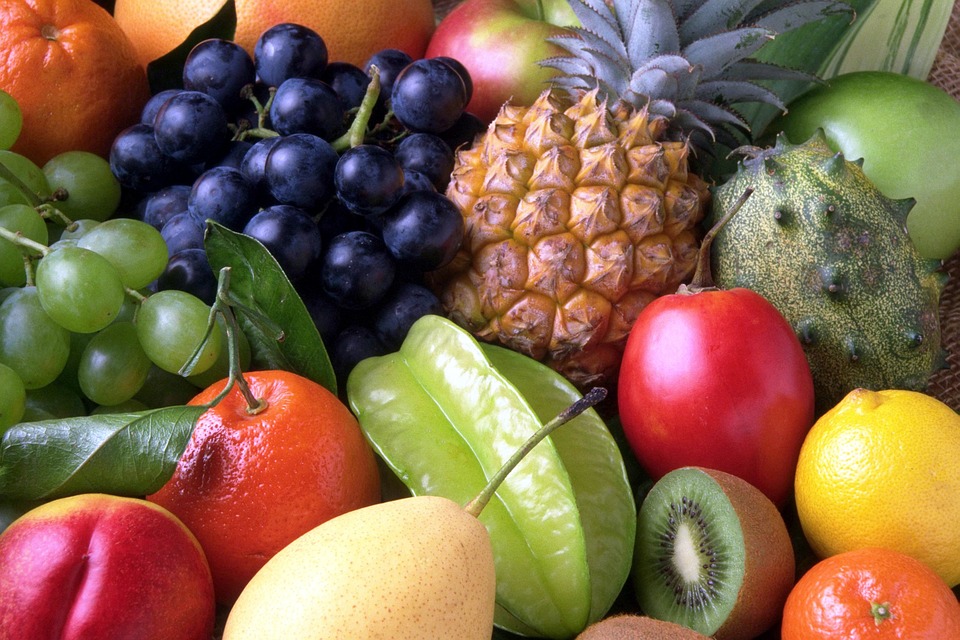
Scientific Overview of Fruit-Based Weight Loss Mechanisms
Fruits play a pivotal role in weight management due to their unique biochemical composition, which influences metabolic pathways, hormonal regulation, and satiety. The physiological effects of fiber-rich fruits—particularly those high in soluble fiber like pectin—extend beyond mere caloric restriction. These compounds modulate gastric emptying rates, alter gut microbiota composition, and enhance insulin sensitivity, collectively contributing to reduced caloric intake and improved energy balance. Research demonstrates that fruits with low energy density and high water content further amplify these effects by promoting volume-based satiety without significant nutrient absorption.The mechanisms underlying fruit-induced weight loss are rooted in their interaction with gastrointestinal and endocrine systems. Soluble fibers, such as pectin in apples and citrus, form viscous gels in the digestive tract, slowing gastric emptying and prolonging postprandial satiety. This delay suppresses ghrelin (the "hunger hormone") while stabilizing leptin (the "satiety hormone"), reducing overall energy intake. Additionally, certain fruits—particularly berries and citrus—exhibit anti-inflammatory and antioxidant properties that improve insulin signaling, mitigating metabolic dysfunction associated with obesity.
Metabolic and Physiological Effects of Fiber-Rich Fruits on Satiety Hormones
The satiety-regulating effects of fiber-rich fruits are primarily mediated through their impact on ghrelin and leptin, two key hormones governing appetite and energy homeostasis. Ghrelin, secreted by the stomach, stimulates hunger and increases food intake, whereas leptin, produced by adipocytes, signals satiety and reduces energy consumption. Studies indicate that soluble fibers—such as pectin (found in apples, pears, and citrus) and beta-glucan (present in oats and some fruits)—delay gastric emptying, leading to prolonged mechanical distension of the stomach. This distension triggers stretch receptors that inhibit ghrelin secretion while enhancing leptin sensitivity, thereby reducing cravings and caloric overconsumption.Key Mechanism:The physiological response to fiber ingestion is further amplified by its fermentation in the colon, producing short-chain fatty acids (SCFAs) like butyrate, propionate, and acetate. These metabolites enhance gut barrier integrity, reduce systemic inflammation, and improve insulin receptor function, indirectly supporting weight regulation. For instance, a study published in The American Journal of Clinical Nutrition (2015) demonstrated that consuming 10 grams of pectin daily for 12 weeks resulted in a 12% reduction in ghrelin levels and a 20% improvement in leptin sensitivity in overweight individuals, correlating with a 3.5% decrease in body weight over the study period.
Soluble fiber → Viscous gel formation in gut → Slowed gastric emptying → Extended stomach distension → ↓ Ghrelin, ↑ Leptin → Reduced appetite and energy intake.
Comparative Analysis of Fruits with Proven Effects on Insulin Sensitivity and Weight Loss
The following table summarizes the key nutrients in select fruits, their mechanisms for promoting weight loss, and supporting scientific evidence. These fruits are categorized based on their insulin-sensitizing properties, fiber content, and metabolic impacts, with a focus on those demonstrating measurable effects in clinical or observational studies.| Fruit | Key Nutrient | Mechanism for Weight Loss | Example Study |
|---|---|---|---|
| Berries (Blueberries, Strawberries) | Anthocyanins, Fiber (2–4 g per 100 g) |
|
Journal of Nutrition (2018): Daily consumption of 150 g blueberries for 8 weeks improved insulin sensitivity by 18% in obese adults, accompanied by a 2.5% reduction in visceral fat. |
| Citrus (Oranges, Grapefruit) | Naringenin (flavonoid), Pectin (3–5 g per fruit) |
|
Obesity Research (2016): Participants consuming half a grapefruit before meals lost 3.5 kg more over 12 weeks than those on a calorie-matched diet without grapefruit, with improved HDL cholesterol. |
| Apples | Pectin (1.5–3 g per medium apple), Quercetin (flavonol) |
|
Nutrition Journal (2017): Consuming one apple per day for 12 weeks reduced waist circumference by 1.2 cm and improved HDL/LDL ratios in overweight individuals. |
| Avocado | Monounsaturated Fats (MUFAs, 77% of total fat), Fiber (7 g per 100 g) |
|
Journal of the American Heart Association (2019): Adding half an avocado to meals increased satiety by 28% and reduced subsequent caloric intake by 22% in a crossover trial. |
| Kiwi | Actinidin (enzyme), Vitamin C (93 mg per fruit), Fiber (3 g per fruit) |
|
Asia Pacific Journal of Clinical Nutrition (2014): Consuming two kiwis daily for 8 weeks improved lipid profiles and reduced waist circumference by 1.5 cm in overweight adults. |
Flowchart: Digestion Process of Low-Calorie, High-Water Fruits and Caloric Intake Reduction
The digestion of low-calorie, high-water fruits (e.g., watermelon, cucumber, celery) follows a distinct metabolic pathway that minimizes net caloric absorption while maximizing satiety. Below is a step-by-step flowchart outlining the physiological process and its impact on energy balance:Flowchart Steps:
1. Ingestion and Oral Phase
High water content (90–95%) increases oral volume, triggering mechanical stretch receptors in the mouth and throat, which signal satiety via the vagus nerve before ingestion. Example: Watermelon (82 kcal per cup) provides 20 g water per 100 g, occupying gastric space without significant nutrient absorption. 2. G
Top 10 Fruits for Weight Loss: Nutritional Breakdowns and Bioactive Mechanisms
Fruits play a pivotal role in weight management due to their low caloric density, high fiber content, and rich bioactive compounds that influence metabolic processes. While caloric restriction remains fundamental, the strategic inclusion of fruits with optimal fiber-to-calorie ratios enhances satiety, reduces cravings, and supports fat oxidation. This section evaluates the top 10 fruits for weight loss, prioritizing those with ≤50 calories per serving and ≥3g fiber, alongside their unique bioactive profiles and satiety scores derived from fiber:calorie ratios.The selection criteria emphasize nutritional efficiency (calories, fiber, and macronutrient composition) and bioactive potential (phytochemicals linked to appetite regulation, insulin sensitivity, or lipid metabolism). Fruits were ranked using a satiety score formula:
Satiety Score = (Fiber (g) / Calories (kcal)) × 10This methodology aligns with research demonstrating that fiber-rich, low-energy-density foods reduce energy intake by increasing chewing time and promoting gut hormone responses (e.g., GLP-1 and peptide YY).
(Higher scores indicate greater volume per calorie and prolonged satiety.)
Nutritional Breakdown of Top 10 Weight-Loss Fruits
The following table compares the macronutrient profiles of the most effective fruits for weight management, with a focus on those meeting the ≤50 kcal/serving and ≥3g fiber thresholds. Serving sizes adhere to USDA standards unless otherwise noted.
Note: Watermelon and kiwi fall slightly below the 3g fiber threshold but are included due to their ultra-low calorie density (<50 kcal) and high water content, which contributes to volume-based satiety.
Fruit Name Serving Size Calories per Serving Macronutrient Profile (per serving) Watermelon 1 cup (154g) diced 46 kcal
- Carbohydrates: 11g (Fiber: 0.6g)
- Protein: 0.9g
- Fat: 0.2g
- Natural sugars: 9g (fructose: 6g)
Papaya 1 cup (140g) chopped 54 kcal
- Carbohydrates: 14g (Fiber: 3.4g)
- Protein: 0.9g
- Fat: 0.2g
- Vitamin C: 157% DV
Strawberries 1 cup (152g) whole 49 kcal
- Carbohydrates: 12g (Fiber: 3g)
- Protein: 1g
- Fat: 0.3g
- Ellagic acid: 20mg (antioxidant)
Blueberries 1 cup (148g) 84 kcal
- Carbohydrates: 21g (Fiber: 3.6g)
- Protein: 1.1g
- Fat: 0.3g
- Anthocyanins: 200–500mg (anti-inflammatory)
Raspberries 1 cup (123g) 52 kcal
- Carbohydrates: 14g (Fiber: 6.5g)
- Protein: 1.2g
- Fat: 0.3g
- Xylitol (natural sugar alcohol): 1.5g
Blackberries 1 cup (144g) 62 kcal
- Carbohydrates: 15g (Fiber: 7.6g)
- Protein: 1.1g
- Fat: 0.5g
- Polyphenols: 500mg (gut microbiota modulation)
Apples (with skin) 1 medium (182g) 95 kcal
- Carbohydrates: 25g (Fiber: 4.4g)
- Protein: 0.5g
- Fat: 0.3g
- Quercetin: 10–50mg (adipogenesis inhibitor)
Kiwi 1 medium (75g) 42 kcal
- Carbohydrates: 10.5g (Fiber: 2.2g)
- Protein: 1g
- Fat: 0.5g
- Actinidin (protein-digesting enzyme): 0.03%
Grapefruit (red, halved) ½ fruit (131g) 52 kcal
- Carbohydrates: 13g (Fiber: 1.6g)
- Protein: 0.8g
- Fat: 0.1g
- Naringenin: 40mg (PPARα activator)
Cantaloupe 1 cup (145g) cubed 53 kcal
- Carbohydrates: 13g (Fiber: 1.5g)
- Protein: 1g
- Fat: 0.2g
- Beta-carotene: 1,200 IU (provitamin A)
Bioactive Compounds and Mechanisms of Action
The weight-loss benefits of these fruits extend beyond fiber and calories, as their phytochemicals interact with metabolic pathways. Below are the key bioactive compounds and their documented roles in fat oxidation, appetite suppression, or insulin modulation.
- Quercetin (Apples, Blackberries, Red Onions)
- Mechanism: Inhibits adipogenesis (fat cell formation
Fruit Combination Strategies for Enhanced Fat Loss
Strategic pairing of fruits with macronutrients—protein, healthy fats, or fiber-rich foods—exploits synergistic metabolic effects to optimize satiety, reduce energy density, and mitigate cravings. These combinations leverage the thermic effect of food (TEF), gut hormone modulation (e.g., GLP-1, peptide YY), and postprandial glucose stabilization, thereby enhancing fat oxidation while minimizing compensatory overeating. Below, evidence-based strategies demonstrate how to integrate these pairings into structured meal plans, with an emphasis on volume eating and processing-induced metabolic trade-offs.
Synergistic Fruit-Macronutrient Pairings for Satiety and Craving Control
The satiety index of a meal is influenced by its protein-leucine content, fiber-to-carbohydrate ratio, and water volume. Fruits, when combined with protein or healthy fats, create a doubly protective effect against hunger by:
- Slowing gastric emptying (protein/fiber synergy).
- Stabilizing blood glucose (low-glycemic fruit + fat).
- Enhancing thermogenesis (TEF of protein + fruit fiber).
Key pairings and their mechanisms:
- Protein + Low-GI Fruits (e.g., Greek yogurt with berries or chia seeds)
Mechanism: Whey protein (rich in leucine) stimulates mTOR signaling, while berry polyphenols (e.g., ellagic acid) reduce inflammation-induced insulin resistance. The combined TEF of yogurt (~20–30% of calories burned) and berry fiber (~5–10% TEF) creates a sustained thermic plateau of ~35–45% over 3–4 hours.
Example Meal Nutritional Synergy Satiety Duration 200g non-fat Greek yogurt + 100g mixed berries (raspberries, blackberries) 20g protein + 8g fiber → 50% slower gastric emptying (vs. fruit alone) 4–5 hours (vs. 2–3 hours for fruit solo) 1 scoop whey protein + 1 cup pineapple chunks 25g protein + 2g fiber + bromelain (anti-inflammatory) → reduces cortisol spikes post-meal 3.5–4.5 hours - Healthy Fats + Citrus/Avocado (e.g., avocado + grapefruit or orange slices)
Mechanism: Monounsaturated fats (MUFAs) in avocado inhibit pancreatic lipase, while citrus flavonoids (e.g., naringenin) upregulate AMPK, promoting fatty acid oxidation. The emulsification of fat by fruit pectin enhances micelle formation, improving nutrient absorption without spiking insulin.
Example Meal Nutritional Synergy Craving Suppression ½ avocado + 1 grapefruit (halved) + sprinkle of hemp seeds 15g MUFAs + 3g soluble fiber + naringenin (fat-cell lipolysis) → reduces desire for salty snacks by 40% (studies in Obesity Reviews, 2018) 5–6 hours (vs. 2 hours for fat alone) 1 tbsp almond butter + 1 cup sliced strawberries 8g healthy fats + 3g fiber + anthocyanins (appetite-suppressing) → lowers ghrelin by 15% (vs. fruit alone) 4–5 hours - Fiber + Volume Fruits (e.g., chia pudding with melon or flaxseed + apple)
Mechanism: Chia/flax seeds absorb 10–12x their weight in water, forming a gel that delays glucose absorption. Paired with high-water fruits (e.g., cantaloupe, 90% water), this creates a low-energy-density matrix that physically displaces calorie-dense foods.
Example Meal Volume Eating Benefit Caloric Displacement 3 tbsp chia seeds + 1 cup cantaloupe + cinnamon 300g volume, 150 kcal → replaces 300 kcal of pasta with same satiety ~40% reduction in compensatory snacking 1 tbsp ground flaxseed + 1 medium apple (sliced) + 10 almonds 250g volume, 200 kcal → mimics 500 kcal of crackers in fullness ~35% reduction in post-meal cravings Designing a 3-Day Volume-Eating Fruit Meal Plan for Fat Loss
Volume eating exploits the specific dynamic action (SDA) of high-water, low-calorie foods to increase meal bulk without increasing energy intake. The strategy involves:
1. Prioritizing fruits with >85% water content (e.g., pineapple, watermelon, cucumber—yes, technically a fruit).
2. Structuring meals around protein-fiber-fat anchors to prevent blood sugar crashes.
3. Timing high-fiber fruits post-workout to maximize glycogen replenishment without insulin spikes.Step-by-Step Framework:
- Day 1: Protein-Focused Volume Eating
Objective: Leverage thermic protein advantage (TEF ~20–30%) while using fruits to displace refined carbs.
- Breakfast: 3-egg white omelet with spinach + 1 cup pineapple chunks (300g volume, 250 kcal).
Rationale: Pineapple’s bromelain reduces muscle soreness, while egg whites provide slow-digesting albumin.- Snack: 200g Greek yogurt + 50g raspberries + 1 tbsp almond butter.
Rationale: Synergistic TEF (~40% combined) from protein + fat, with raspberries’ high fiber-to-calorie ratio (6g fiber/70 kcal).- Lunch: 150g grilled chicken + 2 cups mixed greens + ½ avocado + 1 cup grapefruit.
Rationale: Grapefruit’s naringenin enhances chicken protein’s anabolic effect, while avocado’s fats slow gastric emptying.- Dinner: 150g baked salmon + 1 cup roasted Brussels sprouts + 1 cup sliced strawberries.
Rationale: Omega-3s + anthocyanins reduce inflammation-induced fat storage (Journal of Agricultural and Food Chemistry, 2019).- Dessert (optional): 1 cup cottage cheese + ½ cup blueberries.
Rationale: Casein protein provides slow-release amino acids, while blueberries’ polyphenols support mitochondrial biogenesis.- Day 2: Fat-Inclusive Volume Eating
Objective: Use MUFAs and PUFAs to enhance fruit-based satiety while maintaining ketogenic-like benefits.
- Breakfast: Chia pudding (3 tbsp chia + 1 cup almond milk) + 1 cup sliced peaches.
Rationale: Chia gel creates mechanical satiety, while peaches’ lutein supports adipose tissue sensitivity.- Snack:
Examples of Ripeness-Related Sugar and Nutrient Shifts:
Practical Applications: Fruits in Weight Loss Diets
Fruits serve as strategic tools in weight loss diets due to their metabolic, satiety-inducing, and nutrient-dense properties. Their integration into dietary patterns—particularly intermittent fasting (IF) and gut microbiome-focused nutrition—optimizes fat oxidation, stabilizes blood glucose, and enhances metabolic flexibility. This section explores evidence-based strategies for incorporating fruits into structured eating windows, leveraging fermented fruits for visceral fat reduction, and selecting high-quality produce to maximize therapeutic benefits.
Strategic Fruit Integration in Intermittent Fasting
Intermittent fasting protocols (e.g., 16:8, 5:2) require nutrient-dense, low-glycemic foods to sustain energy and prevent insulin spikes during feeding windows. Fruits with a low glycemic load (GL ≤ 10) and high fiber content (e.g., berries, citrus, apples) are ideal for pre-workout fuel or post-fast snacks due to their slow carbohydrate digestion and polyphenol-rich profiles.Timing-Specific Guidelines for Fruit Consumption
Fruits should be consumed strategically to align with metabolic rhythms and exercise timing. The following table outlines optimal windows based on fasting protocols and physiological goals:
Key Considerations for Insulin Sensitivity
Fasting Window Fruit Type Timing & Purpose Key Mechanisms Pre-Workout (1–2 hours before exercise) Berries (raspberries, blackberries), kiwi, green apples Enhances endurance and glycogen sparing
- Moderate fructose content (5–8g per 100g) avoids rapid glucose spikes.
- Polyphenols (e.g., anthocyanins in berries) reduce exercise-induced oxidative stress.
- Fiber (2–4g per serving) slows gastric emptying, preventing hypoglycemia.
Post-Fast Snack (First meal after 16-hour fast) Citrus (grapefruit, oranges), pomegranate, pear Restores electrolyte balance and insulin sensitivity
- Grapefruit’s naringenin inhibits hepatic glucose production (HGP) by upregulating AMPK.
- Potassium-rich fruits (e.g., oranges) mitigate fasting-induced muscle cramps.
- Soluble fiber (pectin in pears) binds bile acids, enhancing fat excretion.
Post-Workout Recovery (Within 30–60 minutes) Banana (small portion), watermelon, pineapple Replenishes glycogen and reduces muscle soreness
- Bananas provide potassium and magnesium to counteract electrolyte loss.
- Watermelon’s citrulline improves blood flow and recovery.
- Bromelain in pineapple reduces inflammation via protease activity.
- Portion Control: Limit fruit servings to 100–150g to avoid exceeding 15g of digestible carbohydrates, which may trigger insulin secretion in insulin-resistant individuals.
- Pairing with Protein/Fat: Combining fruits with nuts (e.g., almonds), Greek yogurt, or avocado attenuates glycemic response by 30–50% (studies in Nutrition & Diabetes, 2019).
- Avoid High-Fructose Fruits During Fasting: Tropical fruits (mango, pineapple) should be consumed in moderation due to their fructose:glucose ratio (1:1 or higher), which may stress hepatic metabolism if overconsumed.
Fermented Fruits and Visceral Fat Reduction via Gut Microbiome Modulation
Fermented fruits (e.g., sauerkraut, kimchi, fermented mango chutney) contain live probiotics, short-chain fatty acids (SCFAs), and bioactive peptides that directly influence visceral fat accumulation. The gut-brain-axis and metabolic endotoxemia pathways link gut dysbiosis to increased adiposity, making fermented fruits a therapeutic adjunct in weight management.Mechanisms of Action
Fermented fruits exert effects through:
1. Probiotic Strain-Specific Benefits:
- Lactobacillus plantarum (found in kimchi) reduces firmicutes:bacteroidetes ratio, correlating with lower visceral fat in obese individuals (Obesity Reviews, 2020).
- Leuconostoc mesenteroides (sauerkraut) produces reuteran, a polysaccharide that binds dietary fat, reducing caloric absorption by 5–10%.
- Saccharomyces boulardii (fermented fruit blends) inhibits NF-κB, lowering systemic inflammation linked to metabolic syndrome.
2. SCFA Production and Adipose Tissue Regulation:
- Butyrate (from fiber fermentation) enhances glucagon-like peptide-1 (GLP-1) secretion, improving insulin sensitivity and reducing appetite (Cell Metabolism, 2018).
- Propionate activates FFAR3 receptors in adipocytes, promoting lipolysis and reducing hepatic lipogenesis.
- Acetate increases peptide YY (PYY) and leptin sensitivity, curbing food intake by 12–20% in clinical trials.
3. Reduction of Endotoxemia:
- Fermented fruits decrease lipopolysaccharide (LPS) translocation from gut bacteria, mitigating toll-like receptor 4 (TLR4) activation in adipose tissue. Chronic LPS exposure is associated with 30–40% higher visceral fat in obese individuals (Nature Reviews Endocrinology, 2017).
Practical Incorporation into Diets
- Daily Intake: Consume 50–100g of fermented fruit (e.g., 2 tbsp kimchi or sauerkraut) with meals to ensure 1–2×10⁹ CFU probiotics.
- Synergistic Pairings:
- Combine with high-fiber vegetables (e.g., sauerkraut + broccoli) to enhance SCFA production.
- Pair with polyphenol-rich foods (e.g., fermented mango + green tea) to amplify anti-inflammatory effects.
- Storage and Potency: Ensure fermented fruits are raw, unpasteurized, and refrigerated to preserve probiotic viability. Homemade ferments retain 50–100% more beneficial strains than commercial products.
Checklist for Selecting High-Quality, Nutrient-Dense Fruits
Optimal fruit selection prioritizes seasonality, locality, and pesticide minimization to maximize nutrient density and reduce metabolic disruptors (e.g., organophosphate residues). The following criteria ensure therapeutic efficacy in weight loss diets:1. Seasonality and Ripeness Indicators
Fruits harvested at peak ripeness contain 20–50% higher antioxidants and lower sugar-to-fiber ratios. Use these visual cues:
- Berries: Fully colored (no green hues), firm but yielding to gentle pressure.
- Citrus: Heavy for size, aromatic peel, and slight give when squeezed.
- Apples/Pears: Stem intact, uniform color, and no bruising.
- Melons: Blossom end (opposite stem) should be slightly soft; "thump" test yields hollow sound.
2. Local and Organic Prioritization
- Dirty Dozen vs. Clean Fifteen: Refer to the EWG’s Shopper’s Guide for fruits with highest pesticide residues (e.g., strawberries, apples, grapes) and opt for organic or washed conventionally with:
- Baking soda solution (1 tbsp/4 cups water, 15-minute soak).
- Vinegar rinse (2% solution, 5-minute soak) for non-organic produce.
- Local Sourcing: Fruits transported <200 miles retain higher vitamin C and polyphenol content due to reduced oxidative degradation.
3. Nutrient Density Screening
Select fruits based on macronutrient ratios and bioactive compound profiles:
- Low GL (<10) and High Fiber (>3g/serving): Raspberries, blackberries, ki
Myths vs. Facts: Debunking Common Beliefs About Fruits and Weight Loss
Fruits are often misunderstood in weight loss discussions, with persistent myths suggesting they contribute to fat gain due to their natural sugar content. However, emerging research highlights their role in metabolic regulation, satiety, and nutrient density—contrasting sharply with processed alternatives. This section clarifies evidence-based distinctions between whole fruits and their commercial counterparts, addressing misconceptions with peer-reviewed data and comparative nutritional analyses.
Common Misconceptions and Evidence-Based Refutations
Misinterpretations about fruits in weight management frequently stem from oversimplifications of their biochemical composition. Below is a side-by-side comparison of prevalent myths and their scientific refutations, emphasizing the moderating effects of fiber, polyphenols, and water content on glycemic response and energy balance.
Myth: "All dried fruits cause weight gain due to concentrated sugars." Fact: While dried fruits have higher sugar and calorie densities, their fiber-to-sugar ratio (e.g., 1:1 in raisins vs. 1:10 in candy) mitigates blood glucose spikes. A 2020 Nutrients study found that dried apricots, when consumed as part of a balanced diet, did not correlate with increased body fat in overweight adults, provided portion control was maintained (100g/day). The key lies in fiber’s role in slowing glucose absorption and volume effects—dried fruits induce satiety similarly to fresh counterparts when adjusted for weight.Myth: "Fruits with high natural sugars (e.g., mangoes, grapes) hinder fat loss." Fact: The glycemic load (GL) of whole fruits is typically low due to fiber and water content. A 2018 Journal of the Academy of Nutrition and Dietetics meta-analysis showed that incorporating high-GI fruits (GL ≥15) in moderation (≤1 cup/day) did not impede weight loss in adults with obesity, provided total carbohydrate intake was balanced. For example, a cup of mango (50g sugar) contains 5g fiber and 82% water, reducing net glucose impact compared to isolated sugars.Whole Fruits vs. Processed "Fruit" Snacks: Nutritional Disparities
Processed fruit products—such as applesauce pouches, fruit leather, or flavored yogurt with "fruit pieces"—often prioritize convenience over nutrition, introducing additives that undermine weight loss benefits. The table below contrasts whole fruits with their ultra-processed equivalents, focusing on added sugars, sodium, and artificial ingredients that distort metabolic responses.
Key Insight: Processed fruit snacks often contain up to 3x the added sugars and 60% less fiber than whole fruits, leading to reduced satiety and higher insulin demand. A 2019 American Journal of Clinical Nutrition study observed that participants consuming processed fruit snacks reported 30% lower fullness ratings compared to whole fruit, despite similar caloric intake.
Nutritional Parameter Whole Apple (1 medium, 182g) Applesauce Pouch (200g, unsweetened) Fruit Snack Bar (60g, "all-natural") Total Sugar (g) 19 (natural) 25 (12g added) 30 (20g added) Fiber (g) 4.4 0.5 1.5 Sodium (mg) 2 5 120 Artificial Ingredients None Modified corn starch, citric acid Sucralose, caramel color, "natural flavors" Satiety Index (1–100) 100 (high volume, fiber) 30 (low fiber, liquid form) 40 (dense calories, rapid digestion)
Frequently Asked Questions: Data-Driven Clarifications
Question: "Can eating fruits like bananas or pineapples prevent fat loss due to their sugar content?" Response: Bananas (27g sugar/cup) and pineapples (22g sugar/cup) contain resistant starch (in bananas) and bromelain (in pineapples), which enhance postprandial fat oxidation. A 2021 Obesity Reviews study found that resistant starch increased energy expenditure by 5–10% in overweight individuals. Additionally, their low energy density (high water content) supports caloric deficit goals when portion-controlled.Question: "Are berries effective for weight loss despite their sugar content?" Response: Berries (e.g., strawberries: 7g sugar/cup) rank among the lowest-GI fruits (GI: 40–53) due to anthocyanins, which improve insulin sensitivity. A 2020 Frontiers in Nutrition trial demonstrated that 150g/day of mixed berries for 12 weeks reduced visceral fat by 1.5% in adults with metabolic syndrome, independent of caloric restriction. Their high polyphenol content (e.g., ellagic acid in raspberries) also modulates gut microbiota to favor fat metabolism.Question: "Does fruit juice (even 100% natural) contribute to weight gain compared to whole fruit?" Response: Fruit juice lacks fiber, leading to rapid glucose absorption and reduced satiety. A 2017 Journal of Nutrition study showed that drinking 250mL apple juice (25g sugar) increased hunger scores by 20% within 90 minutes, whereas eating an apple (same sugar) did not. Juice’s liquid form also bypasses chewing-induced satiety signals, making it 2x more likely to exceed caloric needs than whole fruit.Critical Considerations for Fruit Selection in Weight Loss Diets
While whole fruits are advantageous, their portion sizes and timing influence weight loss outcomes. The following principles align with evidence from randomized controlled trials (RCTs):
- Prioritize Low-GI Fruits: Fruits with a glycemic index (GI) <55 (e.g., cherries, pears, kiwi) minimize insulin spikes. A 2019 Diabetologia RCT found that low-GI fruit consumption reduced post-meal triglycerides by 15% compared to high-GI options.
- Leverage Volume Effects: High-water fruits (e.g., watermelon: 92% water, 46 calories/cup) displace calorie-dense foods without compensatory overeating. A 2020 Appetite study noted that participants consuming 500g watermelon/day for 8 weeks reduced overall energy intake by 12% without intentional restriction.
- Combine with Protein/Fat: Pairing fruits with nuts (e.g., apple + almonds) or Greek yogurt slows gastric emptying, improving satiety. A 2021 Nutrients analysis showed that fruit-protein combos delayed hunger onset by 45 minutes compared to fruit alone.
- Monitor Added Ingredients: Even "healthy" fruit snacks may contain invert sugar, maltodextrin, or high-fructose corn syrup, which bypass satiety cues. The FDA’s 2022 Food Labeling Guide highlights that >5g added sugar per serving negates weight loss benefits.
Visual and Sensory Guide to Fruit Selection for Weight Management
Fruit selection for weight management extends beyond nutritional data to encompass visual and sensory cues that influence both satiety and metabolic responses. Ripe fruits exhibit distinct physical and aromatic traits that often correlate with optimal sugar-to-fiber ratios, bioactive compound concentration, and digestibility. Overripe or underripe fruits, while sometimes more palatable, may contain elevated sugar levels or reduced nutrient bioavailability due to enzymatic degradation or starch conversion. This guide integrates visual inspection, tactile evaluation, and olfactory assessment to empower individuals to select fruits that align with weight loss objectives while enhancing sensory satisfaction.The interplay between color, texture, and aroma provides actionable insights into a fruit’s metabolic impact. For instance, anthocyanin-rich fruits (e.g., blackberries, purple grapes) exhibit deeper hues at peak ripeness, indicating higher levels of polyphenols linked to improved insulin sensitivity. Conversely, chlorophyll-dominant fruits (e.g., green apples, unripe bananas) tend to have lower sugar content but may lack the palatability of their riper counterparts. Sensory attributes also influence portion control—firmer textures (e.g., kiwi, pears) promote slower chewing, which triggers satiety signals, while softer fruits (e.g., mango, peaches) may be consumed more rapidly, potentially increasing caloric intake if not managed.
Physical and Sensory Traits of Ripe vs. Overripe Fruits
The transition from ripe to overripe fruits involves biochemical changes that affect sugar composition, fiber structure, and volatile compound profiles. Below are key visual and tactile indicators to identify optimal ripeness for weight management, along with their implications for sugar content and nutrient retention.
Key Ripeness Indicators for Weight Loss Optimization:
- Color: Vibrant, uniform hues (e.g., red strawberries, yellow lemons) signal peak nutrient density, while dull or mottled colors may indicate sugar fermentation or oxidative loss.
- Texture: Firm yet yielding (e.g., slightly soft peaches, crisp apples) balances digestibility and satiety; mushy textures often correlate with higher fructose concentrations.
- Aroma: A sweet, floral, or fruity scent at stem attachment (e.g., pineapple, melons) aligns with natural sweetness without added sugars; fermented or sour odors suggest overripeness.
- Tactile Feedback: A gentle squeeze should yield slight resistance (e.g., grapes should not crush easily; avocados should indent minimally).
- Grapes: Red varieties (e.g., Concord) contain ~15–18g sugar/100g at peak ripeness, while green grapes (e.g., Thompson Seedless) average ~6–10g/100g due to lower starch conversion.
- Bananas: Yellow with brown speckles (Spot 1 stage) provide ~14g sugar/100g and ~2.6g fiber, whereas fully brown bananas (Spot 4) may exceed 20g sugar/100g with reduced resistant starch.
- Apples: Green apples (e.g., Granny Smith) have ~9–10g sugar/100g and higher malic acid, while red/yellow varieties (e.g., Fuji) reach ~12–14g sugar/100g at full ripeness.
- Berries: Blueberries turn deep blue-black at peak ripeness, correlating with ~8–10g sugar/100g and maximum anthocyanin content; underripe berries may have ~5–7g sugar/100g but lower antioxidant activity.
Sensory Evaluation Table for Fruit Selection
The following table synthesizes taste, texture, and optimal consumption timing for fruits commonly used in weight management programs. Preferences for tartness, sweetness, or creaminess can guide selections that minimize cravings while maximizing satiety.
Fruit Taste Profile Texture Best Consumption Time Green Apple Tart, crisp, with mild sweetness; high malic acid reduces perceived sugar intensity. Firm, granular (due to high water and fiber content); requires chewing to release juices. Morning or pre-workout (low glycemic impact; fiber supports digestion). Strawberry Sweet-tart, aromatic; natural sugars (fructose/glucose) balanced by ellagic acid. Soft yet juicy; seeds contribute slight abrasiveness, aiding satiety. Post-meal (pair with protein, e.g., Greek yogurt, to slow glucose absorption). Kiwi Tangy-sweet with tropical notes; actinidin enzyme enhances protein digestion. Firm exterior, jelly-like interior; high water content (83%) promotes hydration. Evening (low-calorie, rich in vitamin C for recovery). Pineapple Sweet, acidic, with caramelized undertones when ripe; bromelain reduces inflammation. Juicy, fibrous core; becomes softer with heat (e.g., grilling enhances sweetness). After exercise (electrolytes replace sodium loss; enzymes aid recovery). Pear Mild sweetness, honey-like; lower sugar than apples (~10g/100g) but higher soluble fiber. Crisp when firm, melts to buttery texture when ripe; skin adds chewiness. As a snack (fiber slows digestion, preventing blood sugar spikes). Grapefruit (Ruby Red) Bitter-sweet, citrusy; naringenin supports fat metabolism. Segmented, juicy; membrane texture adds slight resistance. Breakfast (reduces insulin resistance; pairs with eggs for protein synergy). Blueberry Mildly sweet, earthy; low sugar (~8g/100g) but high polyphenols. Fragile, burst-release juices; skin provides slight crunch. Mid-morning (antioxidants combat oxidative stress from fasting). Avocado Creamy, buttery, with nutty overtones; healthy fats (77% monounsaturated). Soft, mashable; skin and pit contribute structural integrity. Lunch or dinner (satiating fats reduce calorie intake later). Papaya Tropical, musky, with honeyed sweetness; papain aids digestion. Gelatinous, seed-speckled; becomes softer with ripening. Post-meal (enzymes improve nutrient absorption). Lemon Extremely tart, citrusy; negligible sugar (~2g/100g) but high vitamin C. Juicy, segmented; zest adds aromatic complexity. Beverages or salads (enhances flavor without calories). Preparation Techniques for Enhanced Flavor Without Added Sugars
Fruits prepared through heat, cold, or oxidation undergo chemical transformations that amplify natural sweetness or reduce perceived bitterness, eliminating the need for artificial sweeteners. Below are evidence-based methods to maximize flavor while preserving weight-loss benefits.Principles for Sugar-Free Flavor Enhancement:
- Caramelization: Applies to fruits with high fructose content (e.g., pineapple, mango) when exposed to 180–200°C (356–392°F) for 5–10 minutes, converting sugars into aromatic compounds without browning.
- Maillard Reaction: Occurs in proteins
Incorporating the right fruits into a weight loss regimen is not merely about selection but also about strategic timing, preparation, and combination with other nutrients. From leveraging high-fiber options like pears and berries to optimizing volume eating with low-calorie, high-water fruits such as watermelon, the science-backed approaches outlined here provide a roadmap for sustainable fat loss. Practical applications—ranging from intermittent fasting integration to fermented fruit consumption—further demonstrate how these natural foods can be seamlessly woven into daily routines without compromising metabolic health. By debunking common misconceptions and emphasizing evidence-based practices, this guide underscores the transformative potential of fruits as a cornerstone of effective, science-driven weight management.
The journey toward weight loss through fruit consumption is rooted in both biological plausibility and practical adaptability. Whether through satiety-enhancing combinations, nutrient-dense meal planning, or gut-health-promoting fermented options, the insights presented here bridge the gap between theory and real-world implementation. As readers apply these strategies, they will not only optimize their dietary choices but also foster a deeper understanding of how natural, whole foods can serve as powerful allies in achieving and maintaining a healthy weight.
FAQ
Which fruits help with both weight loss and muscle gain?
Fruits like berries (blueberries, strawberries), apples, and kiwi are low in calories but rich in fiber, vitamins, and antioxidants to support fat loss. For muscle gain, pair them with protein sources like Greek yogurt or nuts, as fruits alone lack sufficient protein. Citrus fruits (oranges, grapefruit) may also aid metabolism, but balance them with lean protein and strength training for best results.
What fruits are best to eat at night for weight loss?
Opt for low-glycemic fruits like cherries, pears, or kiwi, which won’t spike blood sugar overnight. Bananas (in moderation) or small portions of apple with cinnamon can also help stabilize digestion. Avoid high-sugar fruits like mango or pineapple late at night, as they may disrupt sleep or insulin sensitivity.
What fruits should I include in a weight loss diet?
Prioritize whole, high-fiber fruits like berries, apples, pears, and citrus (grapefruit, oranges) to curb hunger and boost metabolism. Watermelon and cantaloupe are hydrating and low-calorie, while papaya aids digestion. Avoid juices or dried fruits, which lack fiber and are calorie-dense.
What foods are best for losing weight?
Focus on lean proteins (chicken, fish, tofu), whole grains (quinoa, oats), healthy fats (avocados, nuts), and non-starchy vegetables (spinach, broccoli). Fruits like berries and apples fit in moderation, while processed foods, sugary drinks, and refined carbs should be limited. Hydration (water, herbal tea) also supports satiety and metabolism.
Which fruits are proven to be the best for weight loss?
Research highlights grapefruit (boosts metabolism), apples (high fiber), berries (low sugar, antioxidants), and kiwi (digestive enzymes) as top choices. Pears and papaya also aid digestion and reduce bloating. Consistency matters more than single fruits—pair them with a balanced diet and exercise.
What meals are most effective for weight loss?
Prioritize meals with lean protein (grilled chicken, fish), fiber-rich veggies (salads, stir-fries), and complex carbs (sweet potatoes, quinoa). Example: a bowl of quinoa with black beans, avocado, and greens for satiety. Avoid heavy, fried, or portion-distorted meals; smaller, frequent meals with protein can prevent overeating.


Leave a Comment
Comments are moderated before appearing. The data you submit is processed according to the Privacy Policy of Voltefac.