What Is Whistleblowing Core Concepts Legal Ethical And Social Dimensions
Table of Contents
- Definition and Core Concepts of Whistleblowing
- Foundational Elements of Whistleblowing
- Distinguishing Whistleblowing from Related Terms
- Historical Timeline of Major Whistleblowing Cases
- Legal Frameworks and Protections for Whistleblowers
- Key Whistleblower Laws by Jurisdiction
- Ethical Considerations and Moral Dilemmas in Whistleblowing
- Ethical Frameworks and Their Application to Whistleblowing
- The Whistleblower’s Dilemma: Public Good vs. Personal Risk
- Whistleblowers vs. Journalists vs. Activists: Ethical Obligations and Pressures
- Psychological and Social Impact on Whistleblowers
- Psychological Toll and Trauma Responses
- Social Stigma and Workplace Retaliation
- Identity Dynamics and Differential Experiences
- Support Networks and Mitigation Strategies
- 1. Legal and Financial Assistance Programs
- FAQ
- what is a whistleblowing policy?
- what is a whistleblowing claim?
- what is a whistleblowing complaint?
- what is a whistleblowing disclosure?
- what is a whistleblowing report?
- what is a whistleblowing case?
Whistleblowing represents a critical yet contentious mechanism through which individuals expose wrongdoing within organizations, often at significant personal risk. Rooted in ethical imperatives and legal protections, this practice transcends mere disclosure—it demands a deliberate act of integrity, where the whistleblower’s identity, the nature of the revelation, and the intended audience collectively define its legitimacy. From historical milestones like the Pentagon Papers to modern cases involving corporate fraud and government misconduct, whistleblowing has repeatedly reshaped public trust, corporate accountability, and regulatory landscapes. Yet, despite its societal value, the practice remains fraught with legal ambiguities, ethical dilemmas, and profound psychological consequences for those who undertake it.
The phenomenon of whistleblowing intersects with law, ethics, and psychology, creating a complex framework where whistleblowers often face retaliation while simultaneously upholding moral obligations. Legal protections, though evolving, vary drastically across jurisdictions and industries, leaving gaps that expose individuals to exploitation. Ethical debates further complicate the narrative, as whistleblowers grapple with balancing public good against personal harm, while stakeholders—employers, colleagues, and institutions—weigh loyalty against accountability. This exploration examines the foundational principles of whistleblowing, its legal safeguards, the moral dilemmas it presents, and the enduring impact on those who risk everything to speak truth to power.
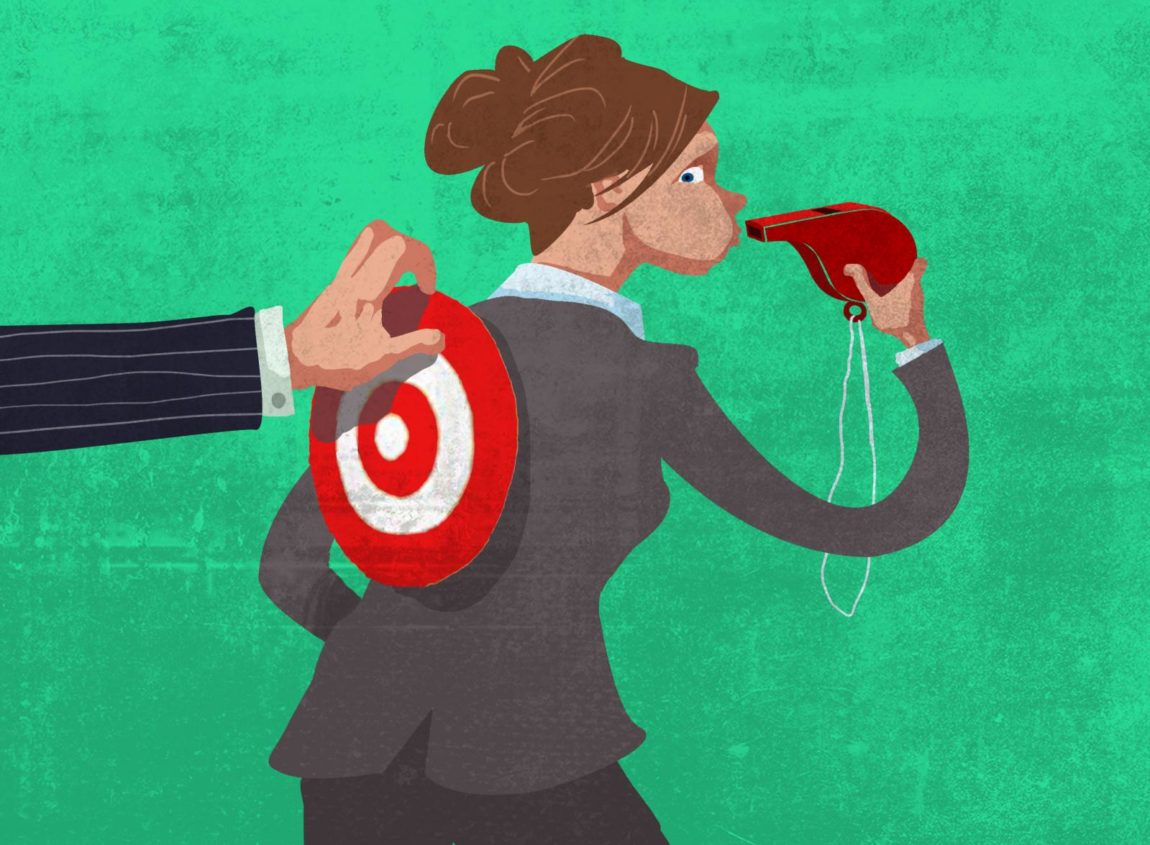
Definition and Core Concepts of Whistleblowing
Whistleblowing represents a critical mechanism for exposing wrongdoing within organizations, governments, or institutions, often at personal or professional risk to the individual disclosing the information. Rooted in both ethical principles and legal frameworks, whistleblowing distinguishes itself from other forms of disclosure by its intentionality, the presence of a public or institutional interest, and the whistleblower’s role as an insider with firsthand knowledge. Unlike mere leaks or unauthorized disclosures, whistleblowing is structured by legal protections, ethical justifications, and procedural safeguards designed to balance transparency with accountability.
The practice emerges from historical and philosophical traditions emphasizing civic duty, moral courage, and the duty to speak out against injustice. Legal recognition of whistleblowing varies globally, with frameworks such as the U.S. Whistleblower Protection Act (1989), the EU Whistleblower Directive (2019), and national laws in countries like the UK and Australia establishing protections for whistleblowers. These laws address retaliation, anonymity, and procedural fairness, distinguishing whistleblowing from unauthorized leaks or personal vendettas.
Foundational Elements of Whistleblowing
Whistleblowing is defined by three interconnected dimensions: the whistleblower’s identity, the nature of the disclosure, and the intended audience. The whistleblower is typically an insider—an employee, contractor, or affiliate—who possesses direct or indirect knowledge of misconduct, such as fraud, corruption, human rights violations, or safety hazards. The disclosure must involve actionable information—evidence-based allegations that, if substantiated, could lead to corrective measures. Finally, the intended audience is not arbitrary; it includes regulatory bodies, law enforcement, media, or internal compliance channels, ensuring the disclosure serves a broader public or institutional interest rather than personal gain.Whistleblowing is the act of exposing, through formal channels or public disclosure, illegal, unethical, or illegitimate practices within an organization, with the intent to rectify harm or prevent future wrongdoing.Key characteristics include:
Distinguishing Whistleblowing from Related Terms
Whistleblowing is frequently conflated with terms like "leaking," "exposing," or "insider trading," but each differs in intent, legality, and ethical framing. Below is a comparative analysis to clarify these distinctions:| Term | Definition | Key Difference from Whistleblowing | Example Scenario |
|---|---|---|---|
| Leaking | Unauthorized disclosure of confidential information, often without a clear public interest motive or legal framework. | Lacks structured protections; may be motivated by personal gain, political agenda, or retaliation rather than ethical duty. | A government employee shares classified military documents with a journalist for personal profit, without evidence of wrongdoing. |
| Exposing | Public revelation of misconduct, but without the whistleblower’s insider status or formal channels. | May involve outsiders (e.g., activists) and lacks the credibility of insider knowledge; often reactive rather than proactive. | An NGO publishes a report on corporate pollution based on third-party data, without direct access to internal records. |
| Insider Trading | Illegal trading of securities based on non-public information, often by corporate insiders for personal financial gain. | Primarily financial in nature; lacks the ethical or public interest component of whistleblowing. | A bank executive trades stocks based on confidential merger plans, profiting before public disclosure. |
| Whistleblowing | Formal or informal disclosure by an insider of illegal, unethical, or illegitimate practices, with intent to remedy harm. | Requires insider knowledge, public/institutional benefit, and often legal protections; motivated by duty rather than self-interest. | A pharmaceutical employee reports falsified clinical trial data to the FDA, triggering a recall and regulatory investigation. |
Historical Timeline of Major Whistleblowing Cases
Whistleblowing has shaped legal, corporate, and governmental practices through landmark cases that exposed systemic failures and prompted reforms. Below is a chronological overview of pivotal incidents and their lasting impact:-
1971: The Pentagon Papers (Daniel Ellsberg)
Former U.S. Defense Department analyst Daniel Ellsberg leaked a classified study on U.S. involvement in Vietnam to The New York Times, revealing government deception. The case tested free speech versus national security, culminating in the New York Times Co. v. United States (1971) Supreme Court ruling that protected press freedom. It established precedents for public disclosure of government misconduct but lacked whistleblower protections.
-
1984: Karen Silkwood (Nuclear Safety)
Silkwood, a nuclear technician at Kerr-McGee, documented safety violations and potential plutonium contamination. Her death in a car crash (later ruled suspicious) and the discovery of radioactive traces on her person led to OSHA investigations and strengthened workplace safety laws. The case became a symbol of corporate negligence and whistleblower vulnerability.
-
1989: The Whistleblower Protection Act (U.S.)
Enacted in response to retaliation against federal employees who exposed wrongdoing, this law created the Office of Special Counsel to investigate complaints. It marked the first federal legislation explicitly protecting whistleblowers, though loopholes and enforcement gaps persisted.
-
2002: Sherron Watkins and Enron Scandal
Watkins, an Enron vice president, sent a memo to CEO Jeffrey Skilling warning of accounting fraud. Her disclosure contributed to the collapse of Enron, the largest corporate bankruptcy at the time, and led to the Sarbanes-Oxley Act (2002), which mandated financial transparency and whistleblower protections for securities violations.
-
2010: Chelsea Manning and WikiLeaks
Manning, a U.S. Army intelligence analyst, leaked classified military and diplomatic documents to WikiLeaks, exposing war crimes in Iraq and Afghanistan. The case sparked debates on national security versus transparency, resulting in Manning’s imprisonment and global discussions on digital whistleblowing platforms.
-
2016: Edward Snowden and NSA Surveillance
Snowden, a former NSA contractor, disclosed mass surveillance programs (e.g., PRISM) to journalists, triggering global debates on privacy and government overreach. Though he faced espionage charges, his revelations led to reforms in data protection laws (e.g., EU’s GDPR) and highlighted the risks of digital whistleblowing.
-
2019: EU Whistleblower Directive
The European Union adopted mandatory protections for whistleblowers across member states, requiring organizations to establish reporting channels and prohibit retaliation. This directive aligned with growing recognition of whistleblowing as a tool for corporate and public sector integrity.

Legal Frameworks and Protections for Whistleblowers
Whistleblower protections are codified through a patchwork of national, regional, and international laws designed to safeguard individuals who disclose illegal, unethical, or fraudulent activities within organizations. These frameworks vary significantly in scope, enforcement mechanisms, and sector-specific applicability, reflecting differing priorities in governance, corporate accountability, and public interest. While some jurisdictions offer robust legal shields and financial incentives, others impose limitations that restrict whistleblower protections, particularly in sectors where confidentiality or national security concerns prevail. Understanding these legal structures is critical for assessing risks, leveraging protections, and ensuring compliance with reporting obligations.The efficacy of whistleblower laws depends on three key pillars: legal recognition of protected disclosures, procedural safeguards against retaliation, and mechanisms for enforcement and redress. Jurisdictions with mature legal systems, such as the United States and the European Union, have established comprehensive directives that extend protections to both public and private sector employees, while emerging economies or authoritarian regimes may lack enforceable safeguards. Below, the primary legal instruments are analyzed, followed by a comparative assessment of sector-specific protections and procedural requirements for whistleblowers and organizations.
Key Whistleblower Laws by Jurisdiction
The following table summarizes major whistleblower protections globally, highlighting the legislative scope, protections offered, and notable cases where these laws have been applied. The table is organized by jurisdiction, with a focus on laws that have demonstrated measurable impact in safeguarding whistleblowers.| Country/Jurisdiction | Key Legislation | Protections Offered | Notable Cases Where Laws Were Applied | ||||||||||||||||||||||||||||||||||
|---|---|---|---|---|---|---|---|---|---|---|---|---|---|---|---|---|---|---|---|---|---|---|---|---|---|---|---|---|---|---|---|---|---|---|---|---|---|
| United States |
|
|
|
||||||||||||||||||||||||||||||||||
| European Union |
|
|
|
||||||||||||||||||||||||||||||||||
| Canada |
|
|
|
||||||||||||||||||||||||||||||||||
| Australia |
|
|
|
||||||||||||||||||||||||||||||||||
| China |
|
Employers frequently invoke the following counterarguments to discourage whistleblowing: 1. Organizational Harm: Disclosures may lead to financial losses, regulatory fines, or loss of competitive advantage (e.g., pharmaceutical companies suppressing negative trial data). 2. Legal Exposure: Whistleblowers risk lawsuits for breach of contract, defamation, or theft of trade secrets (e.g., Martin Shkreli’s former employees faced legal threats for speaking to journalists). 3. Reputational Damage: Internal whistleblowers may be ostracized or labeled as "difficult" employees, affecting future employment prospects (e.g., Bradley Birkenfeld, a UBS whistleblower, faced initial skepticism before his claims were validated). 4. False Accusations: Critics argue that whistleblowers may act out of personal grievances or ambition, leading to reputational harm for innocent parties (e.g., Weinstein Company whistleblowers were initially met with disbelief before their claims were substantiated). Whistleblowers vs. Journalists vs. Activists: Ethical Obligations and PressuresWhile whistleblowers, journalists, and activists all challenge power structures, their ethical obligations and operational constraints differ significantly. Each role faces unique pressures that shape their decision-making and moral responsibilities.Ethical Obligations of Whistleblowers Journalists: Gatekeepers of Truth Activists: Agents of Change Unique Pressures by Role
Psychological and Social Impact on WhistleblowersWhistleblowing exposes systemic wrongdoing but often exacts profound psychological and social costs on individuals who step forward. The act of revealing misconduct—whether in corporate, governmental, or institutional settings—triggers complex emotional responses, from trauma and isolation to career devastation. Research from fields such as occupational psychology, trauma studies, and sociology underscores that whistleblowers frequently experience long-term psychological distress, exacerbated by societal stigma, workplace retaliation, and media scrutiny. Understanding these impacts is critical for designing effective support systems and legal protections. Below, the discussion explores the psychological toll, social repercussions, identity-based disparities, and the role of support networks in mitigating harm.Psychological Toll and Trauma ResponsesWhistleblowing disrupts an individual’s professional and personal equilibrium, often leading to severe psychological distress. Studies indicate that whistleblowers exhibit symptoms consistent with post-traumatic stress disorder (PTSD), including hypervigilance, intrusive memories, and avoidance behaviors. A 2019 study published in The Journal of Occupational Health Psychology found that 61% of whistleblowers reported clinically significant levels of PTSD, comparable to veterans exposed to combat. The trauma stems from multiple sources: the moral conflict of betraying organizational loyalty, fear of retaliation, and the emotional burden of witnessing harm to others.The betrayal trauma theory (Freyd, 1996) explains how whistleblowers experience profound distress when their trust in institutions is violated. This is compounded by moral injury, a concept derived from military psychology, where individuals suffer guilt or shame for perceived ethical violations, even if their actions were justified. Whistleblowers often grapple with dissociation—mentally detaching from their work or social circles—as a coping mechanism, while others develop depression or anxiety disorders due to prolonged stress. Coping mechanisms vary but frequently include: However, these strategies are often undermined by secondary trauma—the emotional exhaustion from reliving the whistleblowing experience through legal battles, media coverage, or public backlash. Social Stigma and Workplace RetaliationWhistleblowers face systemic social ostracization, with workplace retaliation being the most immediate and damaging consequence. A 2021 report by the Government Accountability Project (GAP) revealed that 42% of whistleblowers experienced job loss, while 68% reported demotion, harassment, or exclusionary practices. Retaliation is not limited to employment; it extends to social isolation, where colleagues, friends, or family may distance themselves due to fear of association or organizational pressure.Media portrayal further exacerbates stigma. Whistleblowers are often framed as traitors, malcontents, or attention-seekers, rather than ethical actors. For example, the case of Sherron Watkins, who warned Enron executives about accounting fraud in 2001, was initially dismissed as a "disgruntled employee" before her warnings were validated post-collapse. Similarly, Edward Snowden’s exposure of NSA surveillance in 2013 led to his being labeled a "spy" by U.S. officials, despite his claims of acting as a public servant. Public perception shifts slowly, if at all. A 2020 Pew Research study found that only 38% of Americans viewed whistleblowers favorably, with many associating them with instability or disloyalty. This perception is reinforced by legal and organizational narratives that portray whistleblowing as a breach of confidentiality, even when the disclosed information involves illegal or unethical conduct. Identity Dynamics and Differential ExperiencesWhistleblowers’ experiences are profoundly shaped by their organizational role, gender, race, and socioeconomic status, creating disparities in how they are perceived and treated.
Support Networks and Mitigation StrategiesEffective support networks are critical in mitigating the psychological and social harm whistleblowers endure. These networks include non-governmental organizations (NGOs), legal aid groups, peer support systems, and institutional programs. Below are key interventions and their efficacy:"Whistleblowers do not need to suffer in silence. Structured support can reduce PTSD symptoms by up to 40% and improve long-term employment outcomes." 1. Legal and Financial Assistance Programs#### 2. Psychological and Peer Support #### 3. Career Rehabilitation Programs FAQwhat is a whistleblowing policy?Q: What is a whistleblowing policy and why do companies have one? what is a whistleblowing claim?Q: What is a whistleblowing claim, and how does it differ from other types of reports? what is a whistleblowing complaint?Q: What is a whistleblowing complaint, and who can file one? what is a whistleblowing disclosure?Q: What is a whistleblowing disclosure, and is it the same as leaking information? what is a whistleblowing report?Q: What is a whistleblowing report, and what should it include? what is a whistleblowing case?Q: What is a whistleblowing case, and how are they typically resolved? |
Leave a Comment
Comments are moderated before appearing. The data you submit is processed according to the Privacy Policy of Voltefac.