What Is A Zine Exploring Origins Craft And Impact
Table of Contents
- Definition and Core Characteristics of a Zine
- Origin and Evolution of the Term "Zine"
- Defining Features of a Zine
- Comparison with Traditional Publishing Formats
- Cultural and Historical Significance of Zines
- Zines as Tools for Marginalized Voices in Underground Movements
- DIY Ethos and Its Influence on Contemporary Publishing and Activism
- Timeline of Pivotal Moments in Zine History
- Types and Themes of Zines
- Categorization of Zines by Type and Theme
- Emerging Digital Zine Genres in the Digital Age
- Practical Guide to Creating a Zine
- Step-by-Step Process of Designing a Zine
- Essential Materials and Tools for Beginners
- Optimizing Zine Layout for Readability and Visual Appeal
- Key Principles for Engaging Zine Content
- Zines in Modern Media and Communities
- Digital Adaptations and Platform-Specific Innovations
- Contemporary Zine Collectives and Festivals
- Intersection with Other Art Forms
- Example: A Digital Zine on Urban Foraging in Detroit
- Zines as Tools for Activism and Education
- Zines in Educational Settings
- Activist Zines and Social Movements
- Accessibility of Zine-Based Activism
- Zine Activism Strategies
- FAQ
- What exactly is a zine book and how is it different from a regular book?
- What is a zine fair and how do people participate in one?
- How is a zine used in art, and what makes it unique in the art world?
- Are there zines made specifically for kids, and what do they usually include?
- What is a zine CD, and how does it differ from a traditional zine?
- What defines a zine project, and what are some common examples?
A zine represents more than a publication—it embodies a radical act of self-expression, born from the margins of mainstream media to amplify voices that demand visibility. Originating in the early 20th century as fanzines, these small-scale works evolved into a powerful tool for grassroots storytelling, blending art, activism, and DIY ingenuity. Unlike traditional magazines or books, zines prioritize accessibility, authenticity, and thematic depth, often addressing niche interests or urgent social issues with unfiltered creativity. Their enduring legacy lies in their ability to democratize publishing, offering a platform where marginalized communities could challenge norms, document subcultures, and redefine cultural narratives before digital platforms dominated discourse.
From punk rock manifestos to feminist manifestos and hyperlocal newsletters, zines have consistently served as a bridge between creators and audiences, transcending geographic and economic barriers. Their adaptability—spanning physical formats, digital platforms, and even interactive multimedia—reflects a medium that thrives on experimentation. Whether used as an educational tool in classrooms, a catalyst for social change, or a canvas for artistic collaboration, zines remain a testament to the power of independent thought in an era of algorithmic curation. This exploration delves into their historical roots, creative possibilities, and modern relevance, uncovering how a simple stapled pamphlet can spark movements and redefine cultural dialogue.
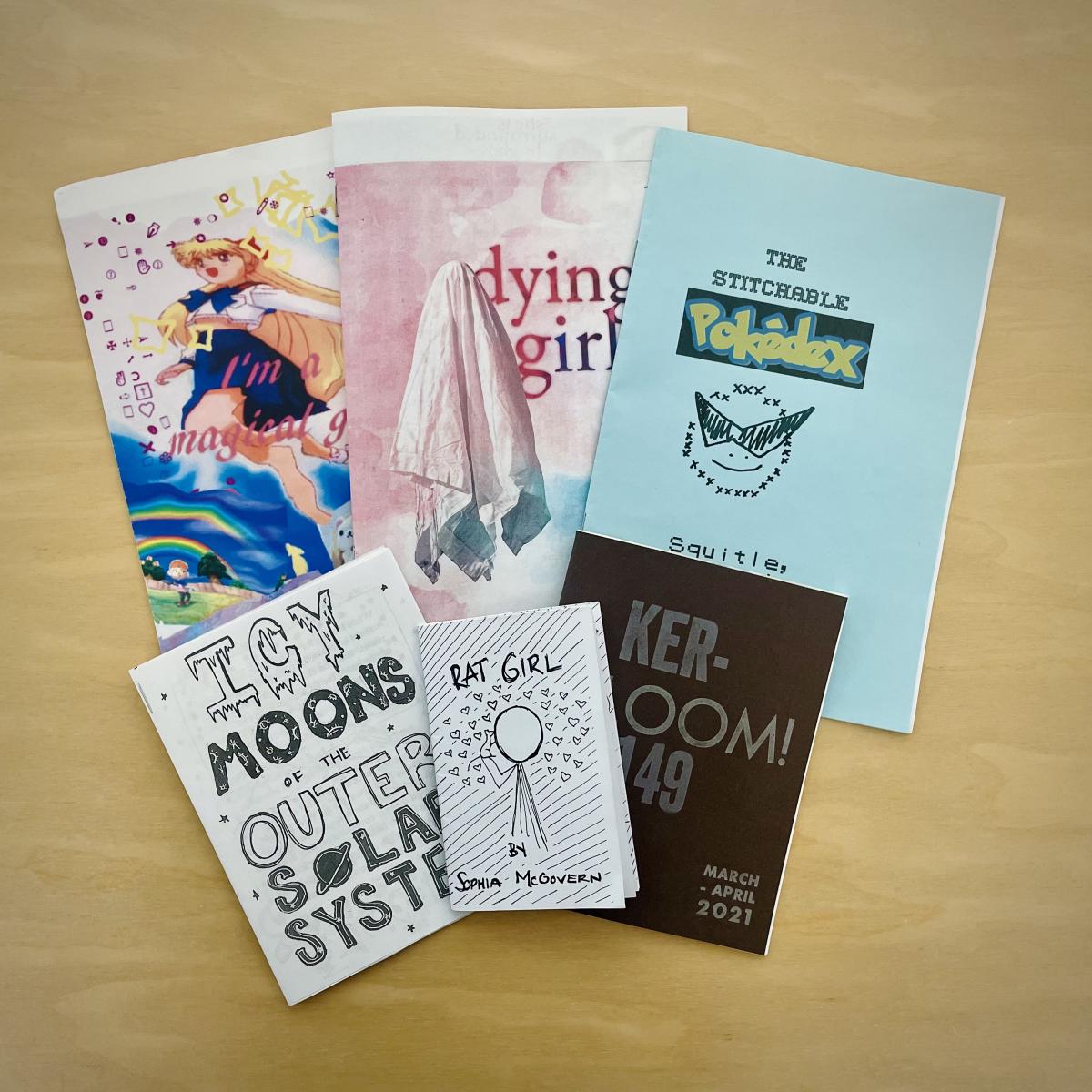
Definition and Core Characteristics of a Zine
The term zine originates from the early 20th century as a colloquial abbreviation of magazine, particularly within science fiction and fan communities. Initially, zines were self-published, low-budget works created by enthusiasts to share niche interests, critiques, or creative expressions outside mainstream media. Over time, they evolved into a broader cultural phenomenon, encompassing DIY aesthetics, political activism, and experimental art. Unlike traditional publishing, zines prioritize accessibility, individuality, and community-driven distribution, reflecting their roots in grassroots movements.Zines embody a distinct set of characteristics that differentiate them from conventional media formats. Their defining features include handcrafted or digitally produced layouts, limited circulation (often hand-distributed or sold at local events), and thematic depth focused on specific subcultures, activism, or personal narratives. Unlike mass-produced magazines or books, zines frequently incorporate collage, mixed media, and unconventional typography, reinforcing their role as both art object and communication tool.
Origin and Evolution of the Term "Zine"
The word zine emerged in the 1930s–1940s within science fiction fandom circles, where fans (or fans in shorthand) published fanzines to discuss serials, share fan fiction, and critique mainstream media. The suffix -zine was later repurposed more broadly to describe any independently produced publication, regardless of genre. By the 1960s–1970s, zines expanded into punk, feminist, and countercultural movements, serving as platforms for marginalized voices. The digital revolution of the 1990s–2000s further democratized zine production, enabling global distribution via the internet while preserving their tactile, handmade ethos in physical formats.The zine is a mirror of its creator’s voice—unfiltered, immediate, and often radical in its authenticity.Key milestones in zine history include:
Defining Features of a Zine
Zines are distinguished by their format, production methods, and thematic focus, which collectively challenge traditional publishing norms. Their core characteristics include:- Physical Format:
Zines are typically small (often 5"–8" in height), affordable (under $5 USD), and produced in limited quantities. Materials range from photocopied stapled sheets to risograph prints or hand-bound booklets. Digital zines may exist as PDFs, interactive websites, or social media archives, but retain a DIY aesthetic in design.
- Distribution Methods:
Circulation is intentional and community-driven, relying on:
- Content Themes:
Zines cover diverse subjects, frequently aligned with subcultures or activist agendas. Common themes include:
A zine’s value lies not in its commercial potential but in its capacity to document, provoke, and connect—often in ways mainstream media cannot.
Comparison with Traditional Publishing Formats
Zines and traditional publishing (e.g., magazines, books) diverge in structure, intent, and audience engagement, though both serve as media for storytelling. The following table contrasts their key elements:| Element | Zine | Traditional Publishing (Magazines/Books) |
|---|---|---|
| Production |
|
|
| Distribution |
|
|
| Content |
|
|
| Audience |
|
|
| Cultural Role |
|
|
Cultural and Historical Significance of Zines
Zines emerged as a radical and accessible medium during the late 20th century, serving as a countercultural force that amplified marginalized voices in ways traditional publishing could not. Their significance lies not only in their DIY (Do-It-Yourself) production but also in their role as a catalyst for grassroots activism, artistic expression, and community-building. Before the internet democratized information, zines provided a tangible, low-cost platform for dissent, education, and solidarity across punk, feminist, LGBTQ+, and anti-racist movements. Their influence extended beyond mere dissemination of ideas; they fostered networks of support, challenged mainstream narratives, and laid the foundation for contemporary independent publishing and digital activism.The cultural impact of zines was particularly pronounced during the 1970s–1990s, a period marked by economic stagnation, social upheaval, and the rise of countercultural movements. In an era when corporate media dominated discourse, zines offered an alternative—one that prioritized authenticity, immediacy, and direct engagement with readers. Their role in underground scenes was transformative, acting as both a mirror and a megaphone for communities that felt excluded from dominant cultural and political spheres. The DIY ethos of zines, rooted in punk’s "anyone can do it" philosophy, also influenced broader movements, from feminist zine-making collectives to queer and anti-racist organizing. Today, this ethos persists in indie publishing, activist media, and decentralized digital platforms, proving zines’ enduring relevance as tools for resistance and creativity.
Zines as Tools for Marginalized Voices in Underground Movements
Zines became indispensable to punk, feminist, LGBTQ+, and anti-racist communities by providing a space for voices that were systematically silenced or misrepresented by mainstream media. In the punk scene of the 1970s and 1980s, zines like Sniffin’ Glue (UK) and Maximumrocknroll (US) documented the raw energy of the movement, offering critiques of capitalism, sexism, and homophobia while celebrating DIY culture. These publications often included lyrics, band reviews, and personal essays, creating a sense of shared identity among readers who felt alienated by traditional music journalism.For feminist and queer communities, zines served as both educational tools and safe spaces. Titles such as Tits & Sass (1990s) and Dykes to Watch Out For (1980s) addressed topics like sexual health, body autonomy, and queer visibility, often with explicit, unfiltered content that mainstream publications would censor. The zine distribution networks—such as the Feminist Zine Distro founded in 1994—enabled grassroots exchanges of ideas, art, and resources, particularly among women and non-binary individuals in rural or isolated areas. Similarly, LGBTQ+ zines like Gay Community News (1970s) and Bi Women Quarterly (1990s) documented personal stories, provided HIV/AIDS education, and challenged heteronormative narratives during the height of the AIDS crisis and the pre-Stonewall era.
Anti-racist and anarchist zines further expanded the medium’s reach, with publications like Search and Destroy (1980s) critiquing state violence, police brutality, and systemic oppression. These zines often incorporated collage, poetry, and political manifestos, blending art with activism in a way that resonated with disaffected youth. The portability and affordability of zines made them ideal for underground distribution—traded at concerts, bookstores, and activist gatherings—ensuring that marginalized perspectives reached audiences that mainstream media ignored.
DIY Ethos and Its Influence on Contemporary Publishing and Activism
The DIY ethos of zines—embodied in their low-budget production, handmade aesthetics, and emphasis on collective labor—became a blueprint for independent publishing and grassroots organizing. This approach rejected commercial gatekeepers, prioritizing accessibility, creativity, and community over profit. The punk movement’s slogan "No future" without DIY encapsulated the zine’s role as both a survival tool and a form of rebellion, where the act of creating and distributing was as important as the content itself.This ethos influenced later movements in several key ways:
The DIY spirit also extended to technological adaptation. As digital tools became accessible in the 2000s, zine-makers experimented with online formats, creating hybrid publications that combined print and digital distribution. Projects like The Rumpus (founded by a former zine editor) and Catapult demonstrate how zine aesthetics and ethics have seeped into mainstream alternative media, proving that the medium’s rebellious roots can coexist with broader cultural relevance.
Timeline of Pivotal Moments in Zine History
The evolution of zines reflects broader social and technological shifts, from punk’s anti-establishment fervor to the internet’s democratization of information. Below are five pivotal moments that illustrate zines’ cultural and historical trajectory:-
1970s: The Birth of Punk Zines and Underground Networks
The late 1970s marked the emergence of punk zines as a direct response to the commercialization of music and the lack of representation for working-class, queer, and feminist perspectives.
Cultural Context: The economic recession of the 1970s and the rise of punk rock in cities like London, New York, and Los Angeles created a void that zines filled. Publications like Sniffin’ Glue (1977) and Punk (1976) documented the scene’s DIY ethos, featuring interviews with bands, political rants, and hand-drawn artwork. The lack of access to mainstream media forced punks to create their own platforms, often photocopied and distributed at gigs. This era also saw the first zine fairs, such as the New York Punk Festival (1978), where creators traded work and built communities.- Key Zines: Sniffin’ Glue, Punk, Search and Destroy
- Impact: Established zines as a medium for countercultural expression and laid groundwork for feminist and queer zine movements.
-
1980s: Feminist and Queer Zines Challenge Mainstream Narratives
The 1980s saw zines become a primary tool for feminist and LGBTQ+ activism, addressing issues like reproductive rights, queer visibility, and HIV/AIDS education in unfiltered detail.
Cultural Context: The backlash against feminist and queer movements in the 1980s—including the rise of conservative politics and the AIDS crisis—pushed marginalized communities to create their own media. Zines like Dykes to Watch Out For (1985) and Bi Women Quarterly (1990) provided safe spaces for personal storytelling, while titles like Herizons (1976–1996) offered feminist analysis. The zine distribution networks that emerged, such as the Feminist Zine Distro, allowed for the exchange of ideas across geographic and ideological divides. This decade also saw the rise of zine libraries, where readers could access a vast archive of underground publications.- Key Zines: Dykes to Watch Out For, Bi Women Quarterly, Tits & Sass
- Impact: Normalized queer and feminist voices in media, influenced later digital activism, and created models for grassroots publishing.
-
1990s: Zines as Activist Tools in the Digital Precursor Era
The 1990s expanded zines’ role beyond subcultures, integrating them into broader social

Types and Themes of Zines
Zines manifest diverse forms and purposes, reflecting their adaptability to individual creativity and cultural movements. Their thematic and structural variety allows for exploration of niche interests, artistic expression, political commentary, and practical knowledge—often in ways that elude mainstream publishing. While traditional categorizations emphasize physical formats, the digital age has expanded zine production into hybrid and interactive mediums, preserving their DIY ethos while leveraging new technologies.The following sections outline four foundational types of zines, their thematic focus, and illustrative examples. Additionally, emerging digital adaptations demonstrate how zines evolve to engage contemporary audiences, while their niche appeal underscores their role in preserving marginalized or hyper-specific knowledge.
Categorization of Zines by Type and Theme
Zines are typically grouped based on their primary content and intent, though many overlap across categories. Literary zines prioritize written work, while art zines focus on visual expression. Political and instructional zines serve activist or educational purposes, respectively. Each category reflects distinct creative and functional goals while maintaining the zine’s core principles of accessibility and self-publishing.
-
Literary Zines
Literary zines center on fiction, poetry, essays, or hybrid genres, often exploring experimental or underground writing. These publications frequently feature handwritten or typed text, collage, and minimalist design to emphasize content over production values. Examples include:
- "The Believer" (early issues, 1994–2000): Originally a zine by publisher David Ulin, it later became a literary magazine but retained its DIY roots with raw, unpolished submissions.
- "Tin House (early zine phase, 1989): Founded by Franklin Leonard, its first iterations were self-published before evolving into a respected literary journal.
- "The Rumpus (as a zine, 2007–2010): Initially a blog-turned-zine, it published fiction and nonfiction by emerging and established writers, often with handmade aesthetics.
Literary zines thrive in spaces where commercial publishing rejects unconventional narratives, such as queer literature, surrealism, or regional dialects.
-
Art Zines
Art zines prioritize visual expression, including illustration, photography, typography, and mixed-media collage. They often serve as portfolios, experimental art platforms, or critiques of mainstream visual culture. Notable examples include:
- "Girl Zines" (1990s–2000s): A collective movement featuring works by artists like Miranda July and Shannon Finneran, blending personal narratives with bold, DIY graphics.
- "Juxtapoz (early issues, 1990): Though later a magazine, its zine origins highlighted underground street art, graffiti, and countercultural design.
- "The Dirt (by Björk, 1993): A handmade zine accompanying her album Debut, featuring cryptic lyrics, sketches, and cryptic messages to fans.
Art zines often challenge traditional gallery spaces by democratizing art distribution, allowing artists to bypass gatekeepers and connect directly with audiences.
-
Political and Activist Zines
These zines address social justice, systemic oppression, or grassroots movements, using direct action, education, or subcultural critique. They frequently emerge in response to crises or marginalized voices. Key examples include:
- "The Anarchist Cookbook (1971, by William Powell): A controversial zine blending survivalist advice with anarchist philosophy, later adapted into a book.
- "Bitch (feminist zine, 1996–present): Originally a zine by Andi Zeisler, it evolved into a magazine but retained its focus on feminist media criticism and pop culture.
- "The Riot Grrrl Collection" (1990s): A compilation of zines from the Riot Grrrl movement, documenting punk-feminist activism through zine culture.
Political zines often serve as tools for organizing, archiving dissent, and preserving oral histories of movements, such as the Black Panther Party’s internal newsletters or LGBTQ+ zines during the AIDS crisis.
-
Instructional and Hobbyist Zines
These zines provide tutorials, guides, or niche knowledge on topics ranging from technical skills to obscure hobbies. They cater to communities with specialized interests that commercial media ignores. Examples include:
- "Make: Zine (2005–present): Focuses on DIY technology, craft, and maker culture, blending how-to guides with artistic projects.
- "The Knitting Zine" (e.g., "Stitch ‘n’ Bitch"): Combines knitting patterns with feminist and communal discussions, originating as a zine in the 1990s.
- "The Rare Book Collector’s Handbook (self-published zines): Niche publications offering appraisals, conservation tips, and rare find listings for bibliophiles.
Instructional zines fill gaps in mainstream media by offering practical knowledge without commercial constraints, such as zines on lockpicking, fermentation, or urban foraging.
Emerging Digital Zine Genres in the Digital Age
The transition from physical to digital formats has expanded zine production into interactive, multimedia, and networked platforms. While preserving the DIY ethos, digital zines adapt traditional structures to leverage hyperlinks, audio, video, and dynamic content. These innovations address accessibility, global reach, and multimedia storytelling while retaining zine culture’s collaborative and grassroots nature.
-
Webzines
Webzines are online publications that emulate zine aesthetics but incorporate hypertext, multimedia, and reader interactivity. They often blend text, images, and embedded media (e.g., podcasts, videos) to create nonlinear narratives. Examples include:
- "The Belladonna" (2003–present): A webzine dedicated to experimental literature and art, featuring works by authors like Steve Tomasula and Caroline Bergvall.
- "Hyperallergic" (as a zine-adjacent platform): Though a full-fledged website, its early iterations included zine-style critiques of art and culture with a DIY sensibility.
- "The Margins (by Tin House): A digital-first platform publishing short fiction and essays in a zine-like format, with reader comments integrated into the design.
Webzines challenge the linearity of print zines by allowing readers to navigate content through tags, comments, and multimedia layers, akin to a "choose-your-own-adventure" structure.
-
Audio Zines
Audio zines use sound recordings, podcasts, or oral histories to convey narratives, poetry, or interviews. They often serve communities where visual impairment or language barriers limit access to traditional zines. Notable examples include:
- "The Moth Radio Hour" (as a zine-inspired audio project): While not a zine, its storytelling format mirrors the personal, unfiltered narratives found in oral-history zines.
- "ZineFest Audio Archives" (community-driven): Some zine festivals record live readings or interviews, later distributing them as downloadable audio zines (e.g., "The Zine Library Podcast").
- "Spoken Word Zines" (e.g., "The Poetry Project Newsletter")
Practical Guide to Creating a Zine
Zine-making transforms personal expression into tangible art, blending creativity with accessibility. Whether produced digitally or by hand, the process involves conceptualization, design, and distribution—each step tailored to the creator’s vision. This guide outlines a structured approach to crafting a zine, from initial ideation to sharing it with an audience, while emphasizing tools, layout principles, and content strategies that enhance engagement.
Step-by-Step Process of Designing a Zine
The zine creation process is iterative, balancing spontaneity with intentionality. Below is a sequential framework to guide creators through each phase, ensuring clarity and cohesion in the final product.Concept Development
A zine’s success begins with a clear theme or narrative. Define the purpose—whether it’s personal storytelling, activism, art, or a hybrid—before outlining key sections. Sketch a rough outline, including headings, visuals, and text snippets, to test the flow. For example, a literary zine might alternate between poetry, critical essays, and illustrations, while a DIY craft zine could feature tutorials paired with supplier listings.Content Creation
Gather text, images, and other media early to avoid last-minute gaps. Source content from original writing, interviews, found objects, or public-domain materials, ensuring compliance with copyright laws. For visuals, prioritize high-resolution scans of hand-drawn art or photographs, and consider using open-source fonts (e.g., Google Fonts) to maintain consistency.Design and Layout
Layout dictates readability and aesthetic appeal. Use grid systems to align elements—text blocks, images, and borders—while leaving ample white space to reduce visual clutter. Test readability by printing a draft at actual size; fonts like Helvetica, Garamond, or Bebas Neue (for headings) are versatile choices. Tools like Adobe InDesign or Canva offer templates for precision, but handmade zines benefit from irregularities like crooked text or mixed media.Production
Choose a production method based on budget and scale:
- Handmade Techniques: Stapled or saddle-stitched zines use paper cut to size (e.g., 8.5" x 11" folded into an 8-page spread). Experiment with collage, letterpress, or screen printing for tactile effects.
- Digital Printing: Services like Blurb, Lulu, or local print shops offer cost-effective runs (50–500 copies). Specify paper weight (e.g., 80–120 lb text stock) and binding (e.g., perfect binding for longer zines).
- Risograph Printing: Ideal for vibrant, low-cost runs, riso machines produce layered colors and textured results, often used in underground or experimental zines.
Distribution
Share zines through:
- Physical Copies: Sell at local markets, bookstores, or online via Etsy or eBay. Include a zine mailers list (e.g., Zine Distro, The Zine Library) for broader reach.
- Digital Formats: Upload PDFs to platforms like Issuu, Gumroad, or Bandcamp for global accessibility. Include a Creative Commons license if sharing openly.
- Community Engagement: Host zine swaps or workshops to foster connections with other creators.
Essential Materials and Tools for Beginners
Selecting the right tools streamlines production while accommodating creative experimentation. Below are five foundational items, categorized by function, along with their purpose and alternatives.
-
Stapler or Zine Stapler (e.g., Long Arm Stapler)
Purpose: Binds folded zine pages securely. A long-arm stapler (e.g., Acco 511) accommodates thicker stacks, while mini staplers (e.g., Tacklife) suit smaller, handmade zines.
Alternative: Saddle stitching (using a stitching awl) for a professional, book-like finish. -
Riso Printer (e.g., Riso RG 2400, Riso KG-DP)
Purpose: Produces bold, layered prints in vibrant colors (cyan, magenta, yellow, black) at low cost per copy. Ideal for limited-edition runs or collaborative projects.
Alternative: Digital printers (e.g., HP LaserJet) for grayscale or single-color zines, or screen printing kits for custom designs. -
Paper Cutter (e.g., Cricut Maker, Guillotine Cutter)
Purpose: Ensures clean, precise edges for folded zines. Guillotine cutters (e.g., Acco 200) are efficient for bulk trimming, while craft knives (e.g., X-Acto) work for small batches.
Alternative: Fold-and-cut machines (e.g., Brother ScanNCut) for automated scoring and trimming. -
Typewriter or Letterpress Kit (e.g., Olivetti Lettera 32, Vandercook Press)
Purpose: Adds tactile, vintage typography to zines. Typewriters create unique textures, while letterpress stamps ink onto paper for a high-end aesthetic.
Alternative: Digital fonts (e.g., Typekit, Fontspring) for consistent typography in digital designs. -
Adhesives and Fasteners (e.g., Glue Sticks, Washi Tape, Brads)
Purpose: Secures loose elements like photos, stickers, or mixed-media inserts. Washi tape adds decorative borders, while brads (e.g., Bostitch) create removable bindings for modular zines.
Alternative: Double-sided tape or liquid glue (e.g., Mod Podge) for collage work.
Optimizing Zine Layout for Readability and Visual Appeal
A well-structured layout balances aesthetics with functionality, ensuring the reader engages with the content without distraction. Below are key principles to apply during design, supported by practical examples and technical considerations.Font Selection and Hierarchy
Fonts convey tone and improve readability. Use 2–3 typefaces maximum to avoid visual chaos:
- Headings: Bold, high-contrast fonts (e.g., Bebas Neue, Impact) for titles.
- Body Text: Clean, serif or sans-serif fonts (e.g., Garamond, Lato) at 10–12pt for print.
- Accent Text: Script fonts (e.g., Pacifico) sparingly for emphasis, as they reduce readability in long passages.
Avoid justified text alignment, which creates uneven spacing ("rivers"). Left-align text with consistent line spacing (1.5x the font size) for print zines.
Color Schemes and Contrast
Color influences mood and accessibility. Test contrast using tools like WebAIM Contrast Checker to ensure text remains legible. For print:
- Monochrome: High-contrast black text on white paper (e.g., 100% black at 100% opacity).
- Duotone: Limited color palettes (e.g., sepia + black) for a retro feel.
- Spot Colors: PMS (Pantone Matching System) inks (e.g., PMS 365 C) for consistent printing.
Example: A zine about climate activism might use earthy greens and deep blues with high-contrast text to evoke urgency.
Spacing and Composition
White space prevents visual fatigue. Apply these rules:
- Margins: Minimum 0.5" (1.27 cm) on all sides to avoid text bleeding into folds.
- Gutter Space: Leave 0.25" (0.635 cm) between columns or images to guide the eye.
- Image Placement: Align photos to the rule of thirds or use grids (e.g., 9x9 layout) for balance.
Technical Tip: In Adobe InDesign, use Master Pages to maintain consistent margins and bleeds across spreads.
Fold and Bleed Considerations
Zines are often folded, so design with the fold line in mind:
- Signature Folds: For 8-page zines, ensure content aligns symmetrically across the fold (e.g., a title on the front cover should mirror the back cover).
- Bleed Areas: Extend background elements (e.g., borders, gradients) 0.125" (3mm) beyond trim edges to avoid white borders in printed copies.
Key Principles for Engaging Zine Content
The most impactful zines prioritize authenticity and audience connection over technical perfection. Below are three foundational principles to guide content creation, distilled from decades of zine
Zines in Modern Media and Communities
Zines have evolved beyond their analog origins to thrive in digital ecosystems while preserving their rebellious, DIY ethos. The shift from physical distribution to online platforms has expanded their reach, enabling creators to engage with niche and global audiences simultaneously. Digital adaptations—such as interactive formats, multimedia integration, and subscription models—have redefined zine production without erasing their grassroots roots. Concurrently, zine collectives and festivals serve as vital hubs for collaboration, education, and cultural preservation, bridging gaps between traditional and contemporary art forms.The digital transformation of zines reflects their resilience as a medium, adapting to new tools while maintaining autonomy. Platforms like Instagram, Patreon, and Substack allow creators to monetize work, build communities, and experiment with hybrid formats (e.g., PDF zines with embedded audio or video). This evolution has also democratized access, enabling marginalized voices to distribute their work without gatekeepers. However, the core tenets of zines—self-publishing, low-cost production, and personal expression—remain unchanged, ensuring their relevance in an era dominated by algorithmic content.
Digital Adaptations and Platform-Specific Innovations
The transition to digital platforms has introduced innovative formats that merge traditional zine aesthetics with interactive and multimedia elements. Creators leverage tools like Adobe InDesign, Canva, and Procreate to design visually rich digital zines, often incorporating:
- Hyperlinked content (e.g., QR codes linking to external resources, such as interviews, maps, or supplementary articles).
- Embedded media (e.g., podcasts, short films, or playlists curated by the zine’s theme).
- Subscription models (e.g., Patreon-exclusive zines with serialized content or early access).
- Social media integration (e.g., Instagram zines using carousels, Stories, or Reels to showcase spreads dynamically).
Platforms like Substack and Issue enable creators to publish zines as serializable newsletters, blending journalism with artistic storytelling. Meanwhile, Instagram’s visual-centric nature has popularized "micro-zines"—short, scrollable formats optimized for mobile consumption. Despite these adaptations, many digital zines retain tactile elements, such as print-on-demand options or physical mailings for subscribers, ensuring a tactile connection with audiences.
Contemporary Zine Collectives and Festivals
Zine collectives and festivals function as incubators for creativity, networking, and archival preservation. Events like the Small Press Expo (SPE) in the U.S., Zine Fest in the UK, and Zinester Con in Canada gather creators, readers, and industry professionals to trade, collaborate, and celebrate independent publishing. These gatherings often feature:
- Workshops on zine-making techniques, from screen printing to digital design.
- Swaps and trade booths, where attendees exchange self-published works.
- Panel discussions on themes like decolonizing zine culture, queer representation, or climate activism.
- Performance art and live readings, blending zines with music, poetry, and multimedia.
Local meetups, such as Detroit’s Zine Librarians or Brooklyn’s DIY Bookfair, further decentralize zine culture, fostering hyper-local communities. Online collectives, like The Zine Wiki or Zine Scene, provide resources, reviews, and directories, ensuring global connectivity. These spaces reinforce zines’ role as tools for community-building, particularly for underrepresented groups seeking alternative media outlets.
Intersection with Other Art Forms
Zines frequently intersect with music, film, gaming, and visual arts, creating cross-disciplinary collaborations that amplify their cultural impact. These intersections often take the form of:
- Limited-edition zines accompanying album releases (e.g., The Smiths’ fanzines or Arcade Fire’s The Suburbs companion zine).
- Film festival programs or director’s commentaries published as zines (e.g., A24’s zine series featuring emerging filmmakers).
- Tabletop gaming zines (e.g., Dungeons & Dragons homebrew adventures or Critical Role’s player-written guides).
- Art book hybrids (e.g., Banksy’s Wall and Piece or Takashi Murakami’s Superflat zine collaborations).
These collaborations often serve as marketing tools, archival documents, or artistic extensions of larger projects. For example, music zines like The Fader or Pitchfork’s "The List" blend journalism with curation, while indie game zines (e.g., 808 State’s The Future Sound of London zine) explore the intersection of gaming and electronic music. Such partnerships highlight zines’ versatility as both standalone art objects and promotional assets.
Example: A Digital Zine on Urban Foraging in Detroit
Visuals and Layout:
The zine begins with a collage-style cover featuring hand-drawn maps of Detroit’s abandoned lots, overgrown alleys, and community gardens, interspersed with Polaroid-style photos of wild edibles (e.g., dandelion greens, wild berries). The interior uses a grid-based layout with alternating spreads of sketch illustrations, archival photos, and typographic experiments, mimicking the aesthetic of 1970s radical zines but with digital precision.Textual Content:
The zine is structured into three acts:
1. "The Hidden Harvest" – A mix of historical context (e.g., Detroit’s post-industrial decline and the rise of urban farming) and practical guides (e.g., identifying edible plants, seasonal foraging calendars).
2. "Stories from the Soil" – First-person narratives from Detroit residents, including a former auto worker turned forager and a teen activist leading youth workshops. These sections include audio clips (accessed via QR codes) of interviews or oral histories.
3. "Recipes and Resistance" – A modular recipe section where each spread features a dish (e.g., "Lambda Lambada’s Wild Garlic Pesto") alongside QR-linked videos demonstrating preparation. The recipes are paired with political reflections on food sovereignty and Detroit’s Black-led farming movements.Interactive Elements:
- Augmented Reality (AR) triggers on select pages reveal 3D models of plants or historical landmarks tied to Detroit’s foraging culture.
- A "Forage Map" embedded as an interactive PDF, allowing readers to click on locations to access Google Maps coordinates, local foraging events, or zine creator contact info.
- "Call to Action" spreads encourage readers to join community clean-ups, donate to seed libraries, or submit their own foraging stories to a shared digital archive.
The zine’s tone balances urgency and accessibility, blending activist rhetoric with approachable design, ensuring it appeals to both seasoned foragers and curious newcomers. The digital version includes a "Print & Share" button, allowing readers to download a minimalist, black-and-white PDF for offline use, preserving the zine’s DIY, reproducible nature even in a digital format.
Zines as Tools for Activism and Education
Zines occupy a unique space at the intersection of grassroots expression and systemic change, serving as both pedagogical tools in educational settings and potent instruments for activism. Their low-cost, DIY nature democratizes participation, enabling marginalized voices to challenge dominant narratives while fostering literacy, creativity, and critical engagement. In classrooms, zines bridge theoretical learning with hands-on practice, while in activist circles, they amplify underrepresented issues—from climate justice to prison abolition—often reaching audiences that traditional media or institutional platforms overlook. Their accessibility contrasts sharply with conventional protest methods, offering sustainability in both production and dissemination while maintaining a personal, community-driven ethos.The dual role of zines as educational and activist tools reflects their adaptability to diverse contexts. In educational environments, they function as interactive textbooks, encouraging students to explore themes like media literacy, social justice, and artistic collaboration. Simultaneously, activist zines dismantle hierarchies of knowledge, centering lived experiences and grassroots solutions. This section examines their pedagogical applications, profiles key activist zines, and evaluates their comparative advantages over traditional protest frameworks through structured analysis and real-world examples.
Zines in Educational Settings
Educational institutions increasingly integrate zines into curricula to cultivate interdisciplinary skills, particularly in writing, visual arts, and critical thinking. Their collaborative and iterative nature aligns with constructivist learning theories, where students co-create knowledge through hands-on projects. For instance, writing workshops use zines to teach narrative structure, while art classes emphasize typography, illustration, and layout design. The process of producing a zine—from concept to distribution—also instills media literacy, teaching students to analyze and critique mass media while developing their own voices.Programs like the Zine Education Project (founded by artist Craig Thompson) and initiatives in queer studies or environmental education demonstrate how zines can address specific learning objectives. In high school English classes, zines serve as alternatives to traditional essays, allowing students to explore themes like identity or social justice through mixed-media formats. Similarly, university courses in cultural studies or activism leverage zines to dissect power structures, with students publishing zines on topics ranging from decolonial theory to disability rights. The tactile, experimental nature of zines also accommodates neurodiverse learners, offering a non-linear, sensory-rich approach to literacy.
Key pedagogical benefits of zine-making in classrooms include:
- Collaborative learning: Zines encourage peer review and collective authorship, fostering teamwork and shared ownership of ideas.
- Multimodal literacy: Students integrate text, imagery, and design, aligning with New Literacies frameworks that prioritize digital and visual communication.
- Critical engagement: Zines prompt students to question authority and mainstream narratives, aligning with critical pedagogy principles.
- Low-barrier entry: The DIY ethos reduces intimidation, making complex topics accessible to reluctant or marginalized students.
Activist Zines and Social Movements
Activist zines have historically amplified movements by centering marginalized perspectives and providing accessible, actionable information. Unlike mainstream media, which often frames social issues through institutional lenses, zines offer counter-narratives rooted in direct experience. For example, climate justice zines like "The Climate Justice Zine" (published by Extinction Rebellion) combine scientific data with personal testimonies to humanize ecological crises, while prison abolition zines such as "Abolitionist Zine" (by Critical Resistance) challenge carceral systems through art and storytelling.The Riot Grrrl movement of the 1990s exemplifies zines’ role in feminist activism, with publications like "Bikini Kill’s ‘zine" and "Girl Germs" distributing DIY feminism to underground scenes. These zines documented queer and feminist rage, provided resources for safe sex and reproductive rights, and created networks of solidarity. Similarly, anti-racist zines such as "We Want It All" (by Incite!) analyze intersections of race, gender, and capitalism, offering tools for community organizing. In Indigenous activism, zines like "The Red Nation" use visual and textual strategies to reclaim narratives about land, sovereignty, and resistance.
Activist zines often serve three primary functions:
- Education and awareness: They distill complex issues (e.g., intersectional feminism, food sovereignty) into digestible formats.
- Resource distribution: Zines provide practical guides—such as legal aid for undocumented immigrants or DIY healthcare manuals—during crises.
- Network building: They create underground distribution chains, fostering connections between local and global movements.
The COVID-19 pandemic accelerated zine activism, with titles like "Pandemic Zine" (by The Zine Library) offering mutual aid resources, mental health coping strategies, and critiques of state responses. Digital zines, shared via Bandcamp or Issuu, expanded reach while maintaining the medium’s grassroots ethos.
Accessibility of Zine-Based Activism
Zine-based activism presents distinct advantages over traditional protest methods, particularly in terms of cost, scalability, and sustainability. Conventional protests—such as marches or strikes—require permits, security measures, and logistical coordination, often excluding low-income or rural communities. In contrast, zines can be produced with minimal resources: staplers, photocopiers, and handmade paper suffice for physical copies, while digital zines eliminate material costs entirely. This accessibility aligns with decolonial and anti-capitalist principles, as it reduces barriers to participation.Comparative analysis of zine activism vs. traditional protests:
Zines also offer sustainability in activism, as they can be reprinted, translated, or adapted over time. For example, the #BlackLivesMatter zine archive (compiled by Black Futures Lab) aggregates decades of zines on racial justice, ensuring historical continuity. Additionally, zines document protests rather than relying on media coverage, preserving firsthand accounts that mainstream outlets may suppress. The 2020 Black Lives Matter uprisings saw a surge in zines like "Say Her Name" (by The Audre Lorde Project), which centered Black trans women’s lives in ways often omitted by corporate media.Factor Zine Activism Traditional Protests Cost Low (DIY materials, digital sharing) High (permits, signage, security) Reach Global (digital) or hyper-local (physical) Limited by physical presence Sustainability Long-term (archival, reproducible) Ephemeral (single event) Risk to Participants Minimal (non-confrontational) High (arrest, surveillance) Audience Engagement Active (reader participation encouraged) Passive (spectatorship dominant) However, zines face challenges in visibility and funding. While digital platforms (e.g., Archive of Our Own, ZineWiki) have expanded distribution, physical zines still depend on local networks or zine fairs for circulation. Grassroots funders like The Riot Grrrl Foundation or Haymarket Books support zine collectives, but systemic underfunding persists. Despite this, zines’ decentralized nature ensures resilience—activists can circumvent censorship by adapting formats (e.g., audio zines, braille zines) or using cryptic language to evade surveillance.
Zine Activism Strategies
Activist zines employ diverse tactics to mobilize audiences, each tailored to specific goals and contexts. Below is a structured overview of common strategies, categorized by method, tools, target audience, and exemplary zines.
Zine Activism Strategies Method Tools Used Target Audience Example Zine Title Counter-Narrative Zines Challenge dominant media representations by centering marginalized voices. - Interviews and oral histories
- Collage and appropriated imagery
- First-person testimonies
- Digital archives (e.g., PDFs, websites)
- General public with limited access to alternative media
- Academic audiences researching counter-histories
- Activists seeking primary sources
FAQ
What exactly is a zine book and how is it different from a regular book?
A zine book is a small, self-published magazine or booklet, typically created by individuals or small groups, often with a focus on niche topics, art, or personal expression. Unlike traditional books, zines are usually handmade, photocopied, or printed in small quantities, often with a DIY aesthetic. They can cover any subject but are commonly used for creative, political, or fandom-related content.
What is a zine fair and how do people participate in one?
A zine fair is an event where creators sell, trade, or distribute their self-published zines, often alongside related art, stickers, or merchandise. Attendees can browse tables of handmade zines, buy copies, or even learn how to make their own. These fairs are common in indie, punk, and creative communities and may include workshops or performances.
How is a zine used in art, and what makes it unique in the art world?
In art, a zine is a low-cost, experimental medium that allows artists to explore themes, styles, or ideas without the constraints of commercial publishing. Its DIY nature makes it accessible for emerging artists, and zines often blend text, images, collage, and mixed media in unconventional ways. They’re valued for their authenticity, often reflecting personal or underground perspectives.
Are there zines made specifically for kids, and what do they usually include?
Yes, zines for kids exist and often focus on education, creativity, or storytelling in an engaging, interactive way. They may include activities like coloring pages, puzzles, or simple comics, along with themes like science, history, or social issues tailored for younger audiences. Many are created by educators, parents, or community groups to encourage literacy or self-expression.
What is a zine CD, and how does it differ from a traditional zine?
A zine CD refers to a digital zine distributed on a compact disc, often containing interactive elements like multimedia, hyperlinked text, or animations. Unlike print zines, it leverages technology to include audio, video, or clickable content, making it more dynamic but less tactile. Some creators use CDs to share work when print isn’t feasible or to experiment with digital storytelling.
What defines a zine project, and what are some common examples?
A zine project is an ongoing or one-time creative endeavor focused on producing zines, often with a specific theme, series, or collaborative goal. Examples include serial zines (like monthly issues), anthologies (group contributions on a topic), or zine-making workshops where participants create multiple issues together. Projects can be personal, community-driven, or tied to activism or fandoms.
-
Literary Zines
Literary zines center on fiction, poetry, essays, or hybrid genres, often exploring experimental or underground writing. These publications frequently feature handwritten or typed text, collage, and minimalist design to emphasize content over production values. Examples include:
Leave a Comment
Comments are moderated before appearing. The data you submit is processed according to the Privacy Policy of Voltefac.