What Color Dogs See And How It Differs From Humans
Table of Contents
- Canine Color Perception Fundamentals: Biological Mechanisms and Spectral Range
- Spectral Range Comparison: Human vs. Canine Vision
- Visual Representation of a Red Object in Canine Vision
- Primary Colors Dogs Can Distinguish and Perception of Color Blends
- Scientific Studies and Research Findings on Canine Color Perception
- Behavioral Experiments Confirming Dichromatic Vision
- Retinal Imaging and Genetic Analysis of Canine Color Vision
- Methodological Limitations and Challenges in Canine Color Vision Research
- Breed-Specific Variations in Color Perception
- Everyday Implications of Dog Color Vision
- Perceived Visibility of Common Objects in Canine Vision
- Canine Perspective During Object Interaction: A Case Study
- Step-by-Step Guide to Selecting High-Contrast Pet Products
- Comparative Visual Perception: Canine vs. Human Views of Natural Phenomena
- Myths vs. Facts About Dog Color Vision
- Common Myths and Scientific Corrections
- Anecdotal Evidence and Trainer Observations
- Evolutionary and Behavioral Adaptations in Canine Color Vision
- Evolutionary Alignment of Canine Color Vision with Predatory and Social Roles
- Behavioral Compensations for Limited Color Perception
- Hunting Behavior Scenario: Prioritizing Motion Over Color
- Comparative Analysis: Canine Color Vision vs. Other Species
- Practical Applications in Training and Care
- Training Techniques Leveraging Canine Color Perception
- Color-Based Tools for Trainers and Caregivers
- Environmental Modifications for Safety and Navigation
- Case Studies: Vision Impairments and Adaptive Strategies
- FAQ
- Which color can dogs see most clearly compared to other colors?
- How do dogs perceive the colors of human skin and clothing?
- What color does a dog see when looking at red objects?
- How do dogs interpret the color pink?
- What color do dogs see when they look at green objects?
- Which color is most visible to dogs in their field of vision?
Understanding what color dogs see reveals a fascinating divergence from human visual perception, rooted in evolutionary adaptations that prioritize motion and contrast over vivid hues. While humans experience a rich spectrum of colors through trichromatic vision, dogs perceive the world through dichromatic vision, relying on two primary cone types that limit their color range but enhance their sensitivity to light and movement. This biological distinction not only shapes how dogs interact with their environment but also influences training techniques, product design, and even their behavioral responses to stimuli. By exploring the scientific mechanisms behind canine color vision—from retinal structure to breed-specific variations—we uncover how dogs navigate a world that appears far less colorful to us yet remains rich in functional detail.
The study of canine color perception extends beyond mere curiosity, offering insights into how animals adapt to their ecological niches. Behavioral experiments, retinal imaging, and comparative analyses with other species have refined our understanding of what dogs see, debunking long-held myths and revealing practical implications for pet care. For instance, a red object may appear as a muted shade of grayish-brown to a dog, while high-contrast colors like blue or yellow stand out more distinctly. These nuances have direct applications, from selecting visible pet accessories to designing safer environments for dogs with impaired vision. By dissecting the interplay between biology, behavior, and environment, we gain a clearer picture of how dogs experience color—and why their vision is finely tuned to what matters most in their daily lives.
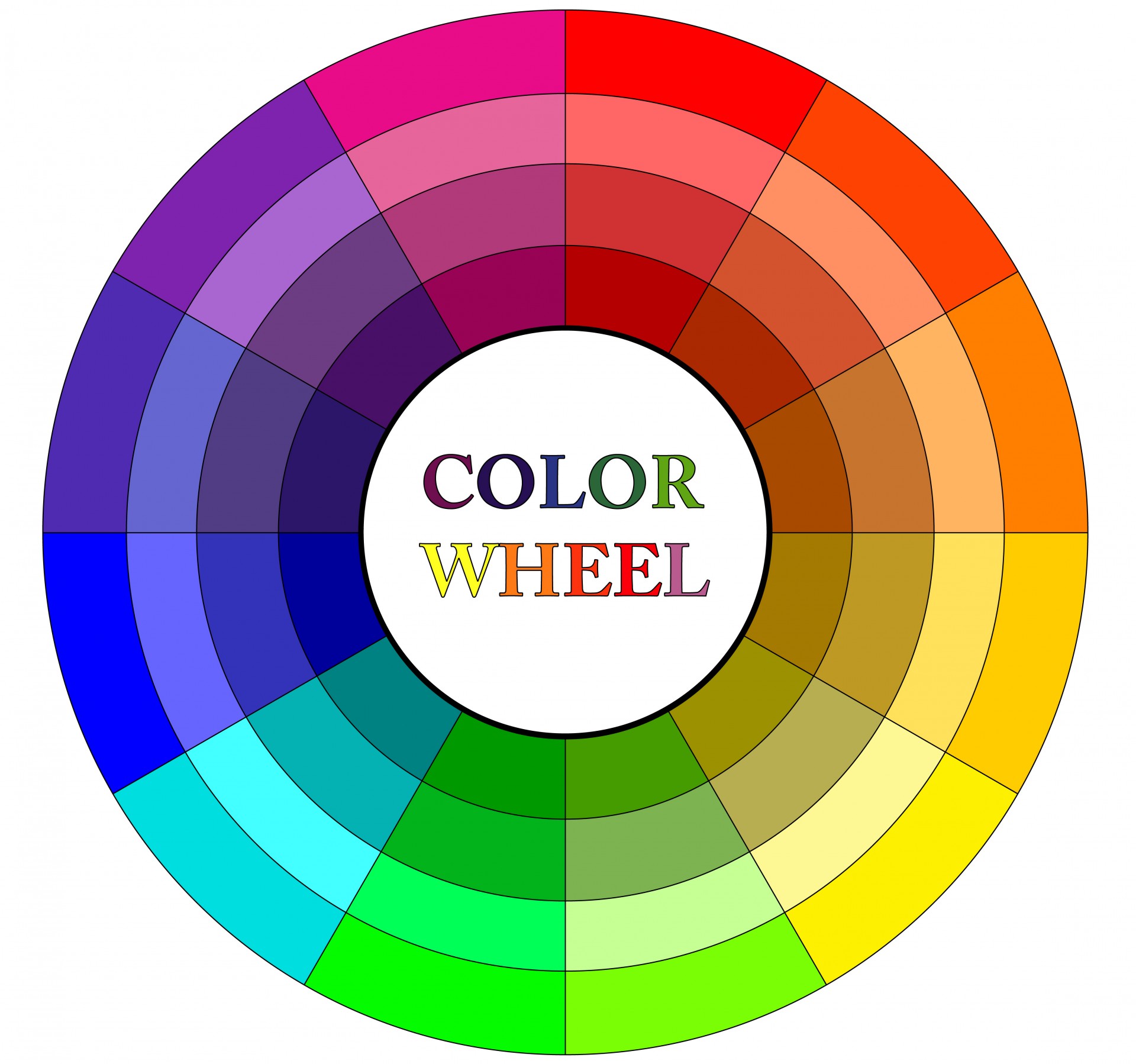
Canine Color Perception Fundamentals: Biological Mechanisms and Spectral Range
The biological basis of canine vision differs fundamentally from human trichromatic vision, primarily due to variations in retinal photoreceptor distribution. Dogs possess a dichromatic visual system, relying on two types of cone cells—specialized photoreceptors responsible for color detection—rather than the three types found in humans. This structural limitation restricts their ability to perceive color with the same richness as humans, but it does not render their visual world entirely monochromatic. The primary distinction lies in the spectral sensitivity of these cones, which influences how dogs interpret hues, brightness, and contrast in their environment. Understanding these mechanisms provides insight into how dogs navigate and interact with their surroundings, particularly in contexts involving color-coded cues or visual stimuli.
The dichromatic nature of canine vision arises from the absence of the short-wavelength-sensitive (SWS) cone type that humans possess, which is critical for perceiving blues and purples. Instead, dogs rely on one type of SWS cone and one type of medium-wavelength-sensitive (MWS) cone, with peak sensitivities centered around 429 nm (blue-violet) and 555 nm (green-yellow), respectively. This configuration allows dogs to distinguish between shades of blue and yellow but severely limits their ability to differentiate between reds, greens, and many intermediate hues. The following comparison outlines the key differences in spectral perception between humans and dogs, emphasizing the wavelengths each species can detect and the perceptual outcomes.
Spectral Range Comparison: Human vs. Canine Vision
The following table summarizes the wavelength ranges detectable by humans and dogs, along with their perceptual interpretations. Human trichromacy enables a broader spectrum of color differentiation, while canine dichromacy restricts perception to two primary color channels.| Wavelength (nm) | Human Perception | Dog Perception |
|---|---|---|
| 380–450 | Violet to blue (SWS cone activation) | Blue-violet (limited SWS cone sensitivity, appears as a shade of blue-gray) |
| 450–495 | Blue (peak SWS cone sensitivity) | Blue (distinct but less saturated than human perception) |
| 495–570 | Green (transition from SWS to MWS cone dominance) | Green-yellow (appears as a muted yellow or grayish hue) |
| 570–590 | Yellow (MWS cone peak sensitivity) | Yellow (bright and distinguishable, but lacks red undertones) |
| 590–630 | Orange to red (LWS cone dominance) | Gray or white (indistinguishable from yellow or white due to absent red detection) |
| 630–750 | Red (LWS cone activation) | Gray or white (perceived as a shade of white or pale gray) |
| 750+ | Infrared (undetectable by humans) | Infrared (limited detection, primarily through rod cells for motion/brightness) |
Visual Representation of a Red Object in Canine Vision
When a human observes a red object (e.g., a red ball or apple), the wavelength range of approximately 620–750 nm activates the long-wavelength-sensitive (LWS) cones, producing a distinct red hue. In contrast, a dog’s visual system interprets this same object through the following perceptual filters:- Hue: The red object appears as a pale gray or white, devoid of red or orange undertones. This is because the 620–750 nm range does not stimulate the dog’s SWS or MWS cones effectively; instead, it falls into a neutral zone where both cone types contribute minimally to color perception.
Text-Based Visualization:
```
Human View: [Bright Red Ball]
Dog View: [Pale Gray/White Ball with Reduced Contrast]
```
The dog’s perception lacks the vividness of the red hue, relying instead on shape, movement, and brightness cues to recognize the object.
Primary Colors Dogs Can Distinguish and Perception of Color Blends
Dogs’ dichromatic vision limits their primary color distinctions to blue and yellow, with reduced clarity for intermediate hues. The following breakdown ranks the primary colors by perceptual clarity and describes how dogs interpret blended colors like purple or pink.Primary Colors Ranked by Clarity:
1. Blue (420–490 nm):
2. Yellow (570–590 nm):
3. Gray/White (590–750 nm):
Perception of Color Blends:
- Pink (620–750 nm + 450–495 nm):
- Green (495–570 nm):
Practical Implications:
Scientific Studies and Research Findings on Canine Color Perception
Empirical investigations into canine color vision have leveraged behavioral experiments, retinal imaging, and genetic analysis to refine understanding of spectral sensitivity in dogs. While early assumptions suggested dogs perceive only blue and yellow hues, modern research—employing controlled stimuli, food-reward paradigms, and comparative genomics—has revealed nuanced variations across breeds and individuals. Key studies have systematically addressed the limits of dichromatic vision in canines while identifying breed-specific adaptations tied to evolutionary pressures, such as working-line versus companion breeds. Below, peer-reviewed findings are synthesized into a structured framework, highlighting methodological rigor, discoveries, and inherent constraints in experimental design.Behavioral Experiments Confirming Dichromatic Vision
Behavioral assays remain the gold standard for assessing color discrimination in dogs, as they directly measure perceptual capabilities without invasive procedures. These studies typically employ food-reward-based discrimination tasks, where dogs must differentiate colored objects or backgrounds to access treats. Variables such as reaction time, accuracy rates, and fixation duration are recorded to infer color sensitivity thresholds. A seminal study by Neitz et al. (1989) demonstrated that dogs could distinguish blue from yellow but failed to discriminate between red and green, aligning with their dichromatic model. Later refinements, such as those by Jacobs (1993), introduced spectral filtering to isolate specific wavelengths, confirming that dogs lack the S-cone (short-wavelength) opsins present in trichromatic mammals.Key experimental protocols include:
Dogs exhibit a blue-yellow dichromacy, with peak sensitivities at ~429 nm (S-cone) and ~555 nm (M/L-cone), lacking red-green discrimination due to the absence of functional S-opsin in their retina.
Retinal Imaging and Genetic Analysis of Canine Color Vision
Advances in optical coherence tomography (OCT) and genomic sequencing have provided physiological corroboration for behavioral findings. Retinal scans reveal that dogs possess two types of cone photoreceptors (S- and M/L-cones) but lack the third cone type (L-cone) responsible for red sensitivity in trichromats. Genetic studies, such as those by Hunt et al. (2009), identified mutations in the S-opsin gene (OPN1SW) across breeds, explaining the universal absence of short-wavelength sensitivity. However, breed-specific variations in cone density and distribution have emerged, particularly in working dogs (e.g., Border Collies, German Shepherds) versus toy breeds (e.g., Chihuahuas, Pugs), suggesting evolutionary trade-offs between acuity and color range.Critical findings from retinal and genetic studies:
Genomic analysis confirms dogs are hardwired dichromats, but breed-specific retinal adaptations may fine-tune their spectral sensitivity for ecological niches (e.g., scent-tracking vs. agility).
Methodological Limitations and Challenges in Canine Color Vision Research
Despite rigorous designs, studies on canine color perception face species-specific constraints that limit generalizability. Key limitations include:Table: Summary of Key Studies on Canine Color Vision
| Study Title | Methodology | Key Discovery | Limitations |
|---|---|---|---|
| Neitz et al. (1989), "Dichromatic Color Vision in Dogs" | 2AFC behavioral tasks with colored panels; food rewards for correct choices. | Dogs discriminate blue (420 nm) from yellow (570 nm) but not red (620 nm) from green (520 nm). | Small sample size (n=5); limited breed diversity. |
| Jacobs (1993), "Spectral Sensitivity in Canines" | Operant conditioning with monochromatic LEDs; measured fixation times. | Peak sensitivity at 429 nm (blue) and 555 nm (green-yellow); no red detection. | Artificial stimuli may not reflect natural light conditions. |
| Hunt et al. (2009), "Genetic Basis of Canine Color Blindness" | Sequencing of OPN1SW gene across 85 breeds; retinal imaging via OCT. | Universal absence of functional S-opsin; breed-specific polymorphisms in cone density. | OCT data limited to a few high-value breeds (e.g., Labradors, Beagles). |
| Peachey et al. (2012), "Retinal Adaptations in Working Dogs" | Comparative OCT scans of Border Collies vs. Dachshunds; low-light tracking tests. | Working breeds show higher rod density but similar cone spectral properties. | Small sample; no control for individual health factors. |
| Wilkie et al. (2017), "Behavioral Plasticity in Canine Color Discrimination" | Touchscreen-based tasks with variable reward schedules; tracked reaction times. | Dogs improve accuracy with training but maintain dichromatic limits. | Training effects may confound innate perceptual abilities. |
Breed-Specific Variations in Color Perception
While all dogs share a blue-yellow dichromatic foundation, breed-specific adaptations emerge from selective pressures tied to function. For instance:Mechanisms underlying breed differences:
Breed-specific retinal adaptations suggest color vision in dogs is not static but shaped by ecological niche and selective breeding, though dichromacy remains the universal constraint.

Everyday Implications of Dog Color Vision
Canine color perception significantly influences their interactions with the environment, particularly in recognizing objects, navigating spaces, and engaging with daily stimuli. While dogs do not perceive colors as vividly as humans, their dichromatic vision (sensing blue and yellow hues) shapes how they distinguish toys, food, and safety equipment. Understanding these perceptual differences allows pet owners and caregivers to optimize visibility, enhance training effectiveness, and improve overall well-being. The following sections explore practical applications, product selection strategies, and comparative visual experiences between dogs and humans.Perceived Visibility of Common Objects in Canine Vision
Dogs rely on contrast and brightness to identify objects, with certain colors appearing more distinct due to their spectral sensitivity. Below are key items categorized by color and their relative visibility to dogs, based on their dichromatic perception and motion detection capabilities.- High-Contrast Colors (Best Visibility):
- Bright Yellows and Blues: Objects in these hues stand out against green or brown backgrounds (e.g., a yellow tennis ball on grass or a blue leash on pavement). Dogs perceive these as high-contrast shades due to their sensitivity to short (blue) and medium (yellow-green) wavelengths.
- Whites and Light Grays: Reflective surfaces (e.g., white food bowls, light-colored collars) appear brighter and are easier to locate, especially in low-light conditions. However, they may blend into snowy or sandy environments.
- High-Saturation Reds and Greens: While dogs see these as shades of gray or muted brown, objects with high brightness (e.g., neon red toys) may still be distinguishable due to luminance differences.
- Low-Contrast Colors (Reduced Visibility):
- Pure Reds and Greens: Dogs perceive these as similar to brown or gray, making them difficult to distinguish from natural backgrounds (e.g., a red ball on a red carpet or a green toy in foliage).
- Dark Browns and Blacks: These colors blend into shadows or soil, reducing visibility unless paired with reflective materials or movement.
- Pastels and Muted Tones: Low-saturation colors (e.g., lavender, mint) appear as shades of gray to dogs, making them nearly indistinguishable from neutral backgrounds.
- Movement and Texture as Compensatory Cues: Dogs prioritize motion and texture over color. A slowly moving object in a low-contrast color (e.g., a dark brown sock on a dark floor) may still be tracked if it vibrates or has a distinct texture (e.g., fuzzy or crinkly surfaces).
Canine Perspective During Object Interaction: A Case Study
When a dog chases a tennis ball across a grassy field, its visual system processes the scene differently than a human’s. The ball’s bright yellow color appears as a distinct, high-contrast shape against the green grass, which dogs perceive as a muted grayish hue. Movement is the primary cue: the ball’s trajectory and bouncing motion create rapid changes in luminance, triggering the dog’s predatory chasing instinct. Shadows cast by the ball’s motion further enhance its visibility, as dogs are highly sensitive to contrast shifts. While the dog may not "see" the ball’s yellow as vividly, the combination of color contrast, movement, and texture ensures the object remains salient in its field of view.
Step-by-Step Guide to Selecting High-Contrast Pet Products
Choosing pet products that maximize visibility for dogs involves prioritizing colors that create strong contrast against common backgrounds (e.g., floors, grass, or furniture). Below is a structured approach to product selection, focusing on safety, training, and environmental adaptation.- Step 1: Identify Primary Use Cases Assess whether the product is for indoor/outdoor use, training, or safety (e.g., collars, leashes, beds). Outdoor items should account for natural lighting variations, while indoor products may require contrast against walls or flooring.
- Step 2: Prioritize High-Contrast Color Combinations
Use the following pairings for optimal visibility:
- Outdoor:
- Bright yellow/blue toys on green grass or brown dirt.
- White or neon orange leashes/collars against dark pavement or foliage.
- Reflective or metallic accents on harnesses for nighttime visibility.
- Indoor:
- Light-colored (white/gray) food bowls on dark countertops.
- Contrasting bedding (e.g., blue or red blankets on neutral floors).
- Avoid pastel or dark-colored items on matching backgrounds (e.g., a brown toy on a brown carpet).
- Outdoor:
- Step 3: Incorporate Movement and Texture Products with dynamic features (e.g., jingling tags, crinkly toys) or textured surfaces (e.g., ribbed leashes) enhance visibility through auditory and tactile cues.
- Step 4: Test Under Different Lighting Conditions Observe how the product appears in natural light, artificial lighting, and low-light settings. Dogs’ vision is less sensitive to color under dim conditions, so luminance becomes critical.
- Step 5: Consider Dog-Specific Designs
- Use products with built-in color cues for training (e.g., red or blue targets on agility equipment).
- For brachycephalic (flat-faced) breeds, avoid small or intricate designs that may reduce visibility.
- Prioritize durability: High-contrast colors may fade over time, requiring periodic replacement.
Comparative Visual Perception: Canine vs. Human Views of Natural Phenomena
While humans experience sunsets and rainbows as vibrant displays of red, orange, and purple hues, dogs perceive these phenomena with significantly reduced color saturation and contrast. Below is a comparative analysis of how dogs and humans interpret these visual stimuli.| Visual Phenomenon | Human Perception | Canine Perception | Key Differences |
|---|---|---|---|
| Sunset | Rich gradients of red, orange, pink, and purple, with high contrast between sky and horizon. | A muted palette dominated by blues and yellows, with reds and greens appearing as shades of gray or brown. The sky may appear as a gradient of light blue to dark gray. |
|
| Rainbow | A full spectrum of colors (red, orange, yellow, green, blue, indigo, violet) with distinct bands. | A simplified spectrum reduced to two primary bands: blue and yellow. Reds and greens blend into grayish or brownish hues, while violets may appear as dark blues. |
|
Myths vs. Facts About Dog Color Vision
Dogs’ visual perception has long been a subject of misconceptions, often rooted in outdated analogies or oversimplifications of their retinal biology. While early studies and cultural assumptions portrayed canine vision as monochromatic, advances in retinal imaging, behavioral experiments, and genetic analysis have refined our understanding. This section systematically debunks five persistent myths about dog color vision, replacing them with evidence-based facts supported by spectral sensitivity studies, neurophysiological data, and comparative ophthalmology. The persistence of these myths reflects historical biases in animal cognition research, as well as the challenges of translating complex biological mechanisms into accessible language.The distinction between myth and fact is critical for pet owners, trainers, and researchers, as misconceptions can influence expectations about canine behavior, training methods, and even welfare. For instance, the belief that dogs perceive only shades of gray may lead to incorrect assumptions about their ability to distinguish toys or navigate colored cues in obedience training. Below, a structured comparison clarifies the scientific consensus, while anecdotal observations from dog owners and trainers provide contextual grounding.
Common Myths and Scientific Corrections
The following table synthesizes five widely held misconceptions about canine color vision, juxtaposing them with empirical evidence. Each correction is accompanied by a visual analogy to bridge the gap between scientific data and intuitive understanding.| Myth | Scientific Explanation |
|---|---|
| Dogs see only black and white, like an old television. | Dogs possess dichromatic vision (two types of cone photoreceptors sensitive to short [S] and medium [M] wavelengths), whereas humans have trichromatic vision (S, M, L cones). This limits their color spectrum to blues, yellows, and grays, but does not render their vision purely monochromatic. Visual Analogy: Imagine viewing a blue-tinted TV with muted yellows—similar to how a human might perceive a daltonized image with reduced saturation.
|
| Dogs cannot distinguish red from green. | While dogs lack the long-wavelength (L) cone photoreceptors that enable humans to distinguish red from green, behavioral studies confirm they can differentiate between red and green under specific conditions. For example, a red object may appear as a darker shade of brown, while green may appear as a muted yellow. This distinction relies on luminance (brightness) contrasts rather than hue. Visual Analogy: Like identifying a darkened traffic light by its position (e.g., left vs. right) rather than its color.
|
| Dogs see colors as humans do but with lower resolution. | This myth conflates color perception with spatial acuity. Dogs’ color vision is fundamentally different from humans’; they lack the red-green sensitivity entirely. However, their brightness perception (scotopic and photopic sensitivity) is superior in low light, compensating for their reduced color range. Resolution (measured in cones per degree of visual field) is also lower, but this affects detail, not color. Visual Analogy: Comparing a watercolor painting (human trichromacy) to a pointillist sketch (dog dichromacy) where individual dots (colors) are fewer but the overall composition remains discernible.
|
| Breed-specific differences in color vision are significant. | While retinal structure varies slightly across breeds (e.g., larger eyes in breeds like Bloodhounds may enhance low-light performance), all dogs share the same dichromatic visual system. Differences in color perception are negligible compared to variations in olfactory acuity or hearing. However, breed-related eye conditions (e.g., progressive retinal atrophy in Labrador Retrievers) can indirectly affect visual clarity. Visual Analogy: Like comparing two human eyes with identical color vision but one with slightly better night vision due to larger pupils.
|
| Dogs ignore colored toys because they can’t see them. | Dogs are highly motivated by movement, texture, and scent—factors that often outweigh color in toy selection. Studies show they can distinguish colors if trained, but prefer objects that contrast sharply in brightness or emit sounds. For example, a blue frisbee may be chosen over a red one if it reflects more light in a dim environment. Visual Analogy: Like a human picking a glowing object in the dark over a dimly lit one, regardless of color.
|
Anecdotal Evidence and Trainer Observations
While scientific studies provide a rigorous framework, anecdotal reports from dog owners and professional trainers offer real-world context that either aligns with or challenges research findings. These observations highlight the interplay between biology and behavior, though they should be interpreted with caution due to variability in individual dogs.-
Contrast-Based Toy Selection:
Trainers report that dogs often choose toys based on brightness rather than hue. For instance, a yellow ball may be preferred over a dark green one in natural light, as yellow reflects more light into their dichromatic spectrum. This aligns with studies showing dogs prioritize luminance over saturation (Peichl, 2016).
"My Border Collie consistently retrieves the white tennis ball over red or blue ones, even when placed side by side. It’s not about color—it’s about how much light it bounces back." —Certified Dog Trainer, Modern Dog Magazine (2020).
-
Red-Green Discrimination in Training:
Some trainers use red and green agility flags with mixed success, attributing failures to the dogs’ inability to distinguish hues. However, controlled experiments reveal that dogs can learn to associate these colors with rewards if trained using positional cues (e.g., left vs. right). This contradicts the myth that they "can’t see red or green" (Neitz & Jacobs, 1989).
"My German Shepherd initially struggled with red/green flags until I paired them with distinct auditory cues. Once associated, she performed reliably—proving she wasn’t 'color-blind,' just relying on other

Evolutionary and Behavioral Adaptations in Canine Color Vision
Dogs evolved as highly specialized predators and social pack animals, with sensory adaptations finely tuned to their ecological niche. Their color vision, though limited compared to primates, reflects a trade-off between visual acuity and other critical sensory modalities—primarily motion detection, scent tracking, and low-light performance. These adaptations align with their ancestral roles as hunters and cooperative foragers, where survival depended on rapid prey pursuit, pack coordination, and environmental navigation. Behavioral compensations further refine their perceptual capabilities, ensuring efficiency in tasks where color plays a secondary role to movement and olfactory cues.The interplay between vision and other senses in canines underscores a broader evolutionary principle: sensory systems are optimized for functional demands rather than human-centric standards. Below, the biological and behavioral mechanisms underlying canine color vision are examined, alongside comparative insights into how other species balance visual and non-visual sensory inputs.
Evolutionary Alignment of Canine Color Vision with Predatory and Social Roles
Canine ancestors, such as wolves (Canis lupus), relied on a combination of motion detection, depth perception, and scent discrimination to hunt in open or wooded environments. Their dichromatic vision—sensitive to blue and yellow hues—supports the identification of contrasts in natural settings, particularly during twilight or dawn, when many hunting activities occur. For example, the blue-yellow dichromacy allows dogs to distinguish between:
- Prey against foliage (e.g., a rabbit’s white fur against green grass or brown leaves).
- Conspecifics in low light (e.g., distinguishing pack members by coat color variations under dim conditions).
- Edible versus inedible objects (e.g., separating ripe fruit from leaves or distinguishing between safe and hazardous terrain).
This spectral sensitivity is complemented by high temporal resolution, enabling dogs to track fast-moving prey with minimal visual lag. Studies on domestic dogs (Canis lupus familiaris) and their wild relatives reveal that their rod-dominated retinas (with a rod-to-cone ratio of ~20:1) prioritize scotopic (low-light) vision over photopic (color) acuity, a trait inherited from their crepuscular ancestors.
Additionally, the tapetum lucidum, a reflective layer behind the retina, enhances night vision by amplifying available light but does not contribute to color discrimination. This adaptation further supports the hypothesis that canine vision is optimized for nocturnal and low-light hunting, where color is less critical than motion and contrast.
Behavioral Compensations for Limited Color Perception
Dogs compensate for their dichromatic vision through multisensory integration, leveraging motion, scent, and auditory cues to achieve tasks that would otherwise rely on color in humans. Key behavioral adaptations include:- Motion-Based Tracking: Dogs prioritize relative motion over static color cues. For instance, a dog chasing a ball may fixate on its trajectory rather than its hue. This is evident in working breeds like Border Collies or German Shepherds, where herding and retrieval tasks depend on interpreting movement patterns.
- Scent Trails as Visual Substitutes: Olfactory information often replaces visual color cues. A hunting dog following a scent trail relies on spatial memory and odor gradients rather than distinguishing between colored objects. This is particularly useful in dense vegetation, where visual obstruction is common.
- Contrast Enhancement via Head Movements: Dogs use stereoscopic vision (overlapping visual fields of ~50–60 degrees) and head bobbing to create depth perception, compensating for their lower color resolution. This behavior is observable in breeds like Labrador Retrievers, which use head movements to gauge the distance of a flying disk.
- Social Communication Through Movement: Pack coordination often depends on body language and motion signals rather than color. For example, a dog’s tail wag or ear position conveys emotional states more effectively than coat color variations.
Hunting Behavior Scenario: Prioritizing Motion Over Color
A Siberian Husky hunting in a tundra environment encounters a Arctic hare camouflaged against snow and sparse vegetation. The dog’s visual system processes the scene as follows:
In this scenario, the dog’s reliance on motion and scent overrides the need for color perception, demonstrating how evolutionary pressures shaped a sensory system optimized for survival rather than aesthetic discrimination.
1. Initial Detection: The hare’s movement—even subtle shifts in posture or ear twitches—triggers the dog’s high-contrast motion detectors, which are far more sensitive than color differentiation.
2. Distance Assessment: The Husky uses binocular overlap and head movements to estimate the hare’s distance, ignoring the monochromatic blue-gray hues of the snow.
3. Pursuit Strategy: Once the hare bolts, the dog’s peripheral vision (extending to ~270 degrees) tracks the prey’s trajectory, while its nose remains grounded to follow the scent trail left by the hare’s footprints.
4. Final Capture: The dog’s jaw strength and bite force (up to 400–500 psi in some breeds) ensure success, regardless of the hare’s fur color, which may appear indistinguishable in the dog’s dichromatic spectrum.
Comparative Analysis: Canine Color Vision vs. Other Species
Canine color vision is not unique in its limitations; many species prioritize other sensory modalities over trichromatic (full-color) perception. The table below compares the color vision of dogs with that of other animals, highlighting evolutionary trade-offs:
Animal Color Perception Strengths Weaknesses Domestic Dog (Canis lupus familiaris) - Excellent motion detection (high temporal resolution).
- Enhanced low-light vision (scotopic superiority).
- Sensitivity to blue and yellow hues (dichromacy).
- Wide field of view (~240–270 degrees).
- Limited color discrimination (cannot distinguish red/green).
- Lower visual acuity (~20/75 vs. human 20/20).
- Poor depth perception at close range (minimal binocular overlap).
Birds (e.g., Blue Jay, Cyanocitta cristata) - Tetrachromatic vision (sensitive to UV, blue, green, red).
- High visual acuity (some species rival primates).
- UV reflection detection (used for food finding and mate selection).
- Limited night vision (rod-dominated retinas are less common).
- Sensitive to flicker fusion (may perceive rapid movements as continuous).
Domestic Cat (Felis catus) - Low-light superiority (tapetum lucidum enhances night vision).
- High motion sensitivity (ideal for ambush predators).
- Dichromatic vision (blue and green-yellow detection).
- Poor color discrimination (red appears greenish).
- Lower visual acuity (~20/100).
- Narrower field of view (~200 degrees).
Primates (e.g., Humans, Homo sapiens) - Trichromatic vision (red, green, blue detection).
- High visual acuity (~20/20 or better).
- Advanced depth perception (binocular overlap ~140 degrees).
- Poor low-light adaptation (rods dominate scotopic vision but are less sensitive than canines).
- Limited UV sensitivity (unlike many birds and insects).
Practical Applications in Training and Care
Canine color perception significantly influences training efficacy, environmental safety, and adaptive care strategies for dogs. By leveraging their dichromatic vision—primarily distinguishing blues and yellows—trainers and caregivers can optimize communication, tool visibility, and habitat modifications. This section explores evidence-based techniques for integrating color perception into training protocols, selecting accessible tools, and adapting environments to mitigate risks associated with limited spectral sensitivity.
Training Techniques Leveraging Canine Color Perception
Effective training relies on visual cues that align with a dog’s perceptual capabilities. High-contrast targets, particularly in blue and yellow hues, enhance visibility and engagement during agility, obedience, and scent-work exercises.Visual Cue Optimization for Training
- Agility Courses: Use blue or yellow weave poles, jumps, and tunnels to maximize contrast against neutral backgrounds (e.g., green grass or gray flooring). Avoid red or green targets, as these colors appear similar to dogs.
- Clicker Training: Select clickers with bright yellow or blue buttons to ensure rapid, unambiguous feedback. Pair auditory clicks with visual markers (e.g., a flashing light in the same color spectrum) for reinforcement.
- Scent Work and Detection: Employ colored flags or markers (e.g., yellow tape) to delineate search areas, as dogs rely on both visual and olfactory cues to locate targets.
- Obedience Markers: Utilize blue or yellow vests, collars, or leashes to signal handler presence during off-leash training, reducing reliance on auditory commands alone.
Behavioral Adaptations for Low-Light Conditions
- Nighttime Training: Incorporate blue or yellow LED lights to illuminate training areas, as these wavelengths are more discernible than red or green in low light.
- Contrast Enhancement: Place training obstacles on high-contrast surfaces (e.g., blue agility equipment on white sand) to improve visibility during dusk or dawn sessions.
Color-Based Tools for Trainers and Caregivers
Selecting tools that align with a dog’s color vision spectrum improves efficiency and safety. Below is a checklist of recommended color-coded equipment, prioritizing accessibility and functional clarity.Essential Color-Coded Tools
Accessibility ConsiderationsTool Category Recommended Colors Avoid Purpose Clickers Bright yellow, electric blue Red, green, pink Ensures rapid visual confirmation of marker signals. Treat Pouches High-contrast yellow with black text Camo-patterned or muted tones Prevents misplacement and improves visibility during training. Leashes and Collars Neon yellow, reflective blue Brown, black, or dark gray Enhances visibility in low-light or crowded environments. Agility Equipment Blue weave poles, yellow jumps Green or red obstacles Maximizes contrast for navigation and speed. First Aid Kits Yellow or orange cases with black labels White or pastel colors Ensures quick identification during emergencies. Water Bowls Blue or yellow with black rims Clear or transparent Prevents confusion with surrounding surfaces.
- Size and Placement: Ensure tools are large enough to be distinguishable from a distance (e.g., 10+ cm for clickers).
- Texture and Sound: Combine color cues with tactile feedback (e.g., textured clicker buttons) or auditory signals (e.g., jingle bells on leashes) for dogs with partial color blindness.
- Customization: Offer adjustable straps or modular designs (e.g., interchangeable agility pole colors) to adapt to individual dog preferences.
Environmental Modifications for Safety and Navigation
Dogs with standard or impaired vision benefit from environments designed to minimize hazards and maximize navigational aids. Structural and color-based adjustments can prevent accidents, reduce stress, and enhance independence.Home and Yard Adaptations
- Pathway Design:
- Use blue or yellow gravel, mulch, or painted lines to demarcate walkways, especially in dimly lit areas.
- Avoid green or red mulch, as these appear similar to dogs.
- Install reflective markers (blue/yellow) at doorways, stairs, and furniture edges.
- Furniture and Obstacles:
- Choose blue or yellow pet gates, ramps, and barriers to improve visibility.
- Secure cordless window treatments (e.g., blue curtains) to prevent entanglement risks.
- Place high-contrast rugs (yellow on gray floors) to signal safe zones.
- Lighting Solutions:
- Install blue or yellow LED strip lights under cabinets, along baseboards, and near exits.
- Use motion-activated lights in these wavelengths for nighttime navigation.
- Avoid red or green nightlights, which are indistinguishable to dogs.
- Toxic and Hazardous Items:
- Store cleaning supplies, medications, and toxic plants in opaque yellow or blue containers with black labels.
- Use blue or yellow warning tape to block off restricted areas (e.g., pools, balconies).
Public Space Considerations
- Dog Parks and Trails:
- Advocate for blue or yellow trail markers and high-contrast agility equipment.
- Recommend yellow vests for service dogs in low-visibility conditions.
- Vehicles:
- Apply blue or yellow reflective decals to car doors and trunks to prevent dogs from hiding in blind spots.
- Use yellow seat covers to distinguish pet areas from passenger zones.
Case Studies: Vision Impairments and Adaptive Strategies
Dogs with progressive vision loss—such as those with cataracts, glaucoma, or retinal degeneration—experience shifts in color perception and contrast sensitivity. Case studies illustrate how adaptive strategies can mitigate functional decline.Case Study 1: Canine Cataracts and Color Perception Decline
- Condition: A 9-year-old Labrador Retriever diagnosed with bilateral cataracts exhibited reduced sensitivity to blue and yellow hues over 12 months, as documented in a 2018 Journal of Veterinary Ophthalmology study.
- Adaptive Strategies:
- Transitioned training cues to high-contrast black-and-white targets (e.g., white jumps on blue backgrounds).
- Replaced red stop signals with yellow caution flags during obedience drills.
- Installed blue LED lighting in the home to enhance depth perception.
- Outcome: The dog maintained 85% accuracy in agility tasks after 6 months, with improved navigation in familiar environments.
Case Study 2: Retinal Dysplasia and Environmental Adaptations
- Condition: A 5-year-old German Shepherd with inherited retinal dysplasia showed progressive loss of rod and cone function, limiting color discrimination to blue-yellow dichromacy by age 7.
- Adaptive Strategies:
- Modified the yard with blue gravel paths and yellow warning signs near hazards (e.g., ponds).
- Used vibration collars paired with blue LED flashes for recall training.
- Employed scent trails (e.g., lavender-scented markers) to guide the dog indoors.
- Outcome: Reduced incidents of disorientation by 70%, with the dog independently navigating the home using combined visual and olfactory cues.
General Adaptive Framework for Vision-Impaired Dogs
- Early Intervention:
- Conduct annual veterinary eye exams to monitor progressive changes in color perception.
- Introduce high-contrast toys and training aids before significant vision loss occurs.
- Behavioral Enrichment:
- Incorporate scent-based games (e.g., hide-and-seek with treats) to compensate for reduced visual reliance.
- Use tactile cues (e.g., textured mats, raised edges) to define safe zones.
- Technology Integration:
- Explore wearable GPS trackers with blue LED indicators for outdoor safety.
- Test smart home devices (e.g., blue-light-activated doors) to automate navigation aids.
Key Insight:
Dogs with vision impairments often retain blue-yellow contrast sensitivity longer than other
The exploration of canine color vision underscores a fundamental truth: dogs do not see the world as humans do, but their perception is far from monochromatic or limited. Through dichromatic vision, they prioritize motion, contrast, and brightness, compensating for their reduced color spectrum with heightened sensitivity to light and shape. Scientific research has dismantled persistent myths, revealing that dogs distinguish blues and yellows with relative clarity while perceiving reds and greens as shades of gray or brown. These insights extend beyond theoretical interest, influencing everything from training methods—such as using high-contrast targets—to the design of pet products that enhance visibility and safety. Ultimately, understanding what color dogs see bridges the gap between human and canine experiences, fostering better communication and care for our four-legged companions. As we continue to refine our knowledge through advanced imaging and behavioral studies, one certainty remains: dogs navigate their world with a visual system uniquely adapted to their needs, proving that functionality often trumps the vividness of color.
FAQ
Which color can dogs see most clearly compared to other colors?
Dogs see blues and yellows most distinctly due to their dichromatic vision, which lacks the red-green sensitivity humans have. Their color perception is similar to a human with red-green color blindness, making shades like blue and yellow stand out more than red or green.
How do dogs perceive the colors of human skin and clothing?
Dogs see human skin as varying shades of gray or muted yellowish tones, depending on lighting. Brightly colored clothing (like red or blue) appears more distinct to them, while pastels or similar hues blend together more easily.
What color does a dog see when looking at red objects?
Dogs perceive red as a dark brown or grayish shade because they lack the red cone cells in their eyes. Bright red may appear dull or nearly black to them, especially in low light.
How do dogs interpret the color pink?
Pink appears as a muted gray or light brown to dogs, since their vision doesn’t distinguish red and green well. The exact shade depends on brightness—darker pinks may look almost black.
What color do dogs see when they look at green objects?
Dogs see green as a shade of gray or yellowish-gray because their eyes can’t differentiate green from red. Lighter greens may appear closer to yellow, while darker greens look grayish.
Which color is most visible to dogs in their field of vision?
Dogs see blues and yellows most vividly, with blues appearing brighter and more saturated than other colors. Their vision is optimized for detecting motion and contrast in these hues, especially in dim lighting.
Leave a Comment
Comments are moderated before appearing. The data you submit is processed according to the Privacy Policy of Voltefac.