What Is Praying The Rosary Explained Comprehensively
Table of Contents
- Definition and Core Elements of Praying the Rosary
- Structure of the Rosary: Beads, Decades, and Mysteries
- Step-by-Step Sequence of the Rosary
- Theological Significance of Core Prayers
- Comparison with Other Catholic Devotions
- The Five Sets of Mysteries and Their Biblical Foundations
- Historical Development and Evolution of the Rosary
- Origins in Early Christian Prayer Beads and Monastic Traditions
- Key Historical Figures and Events Shaping the Rosary
- Major Milestones in Rosary History
- Cultural and Artistic Influences on the Rosary’s Popularity
- Spiritual and Theological Benefits of Praying the Rosary
- Meditative Prayer in the Rosary: Beyond Rote Recitation
- Theological Virtues and Fruits of the Holy Spirit Cultivated Through the Rosary
- Comparative Advantages of the Rosary in Meditative Prayer
- Biblical Foundations and Theological Affirmations
- Testimonies of Transformation Through the Rosary
- Practical Methods and Variations of Praying the Rosary
- Bead Layout and Finger Movements in the Rosary
- Common Variations of the Rosary
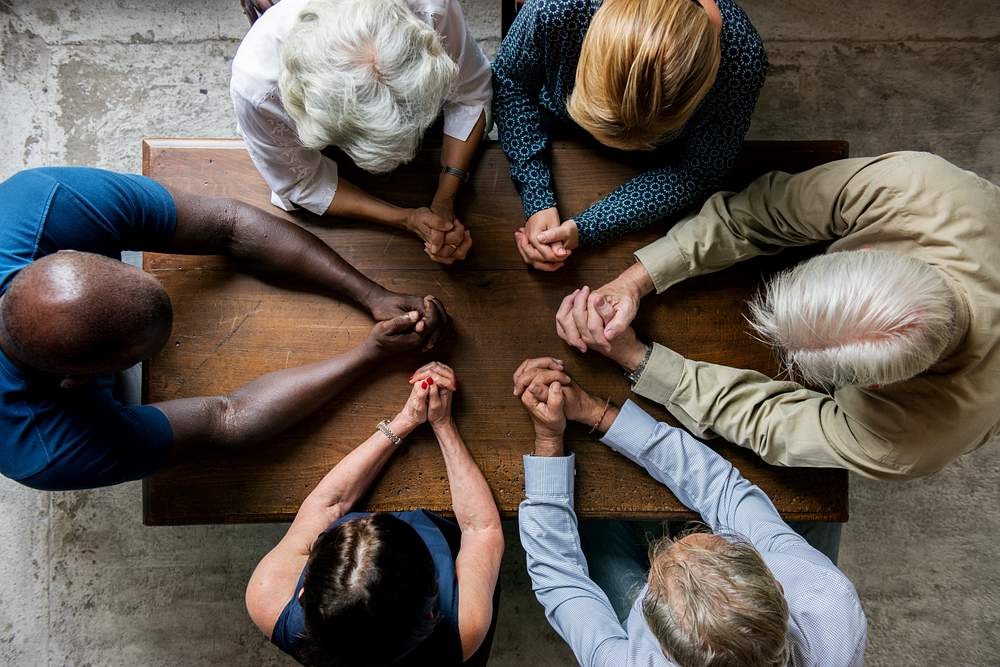
- Praying the Rosary in Community Settings
- Technology-Assisted Rosary Prayer
- FAQ
- What does it mean to pray the rosary?
- Where can I find a video explaining how to pray the rosary on YouTube?
- What prayers make up the rosary?
- What is the difference between praying a chaplet and praying the rosary?
- What spiritual benefits does praying the rosary have?
- What is the specific prayer said with rosary beads?
The Rosary stands as one of Catholicism’s most enduring and transformative devotions, weaving together prayer, meditation, and scriptural reflection into a structured yet deeply personal practice. Rooted in centuries of tradition, it transcends mere ritual by inviting believers to contemplate the life of Christ through the lens of the Mysteries—Joyful, Sorrowful, Glorious, and Luminous—while fostering a dialogue with the divine through repetitive yet meaningful recitation. Beyond its structured format, the Rosary serves as a spiritual compass, guiding adherents toward deeper faith, contemplative discipline, and an intimate relationship with Mary, the mother of Jesus, as an intercessor and model of devotion.
At its core, the Rosary’s beauty lies in its accessibility: a simple yet profound tool that adapts to individual needs, from private meditation to communal prayer. Its historical evolution—from medieval monastic practices to papal endorsements—reflects its resilience as a living tradition, continually renewed by saints, theologians, and modern believers alike. Whether approached as a devotional discipline, a meditative practice, or a communal act of worship, the Rosary remains a testament to the Church’s ability to distill complex spiritual truths into a form that nourishes both the heart and the mind.

Definition and Core Elements of Praying the Rosary
The Rosary is a structured form of Catholic devotion centered on meditation and vocal prayer, designed to honor the life, death, and resurrection of Jesus Christ through the intercession of the Virgin Mary. Rooted in the 13th century, it integrates scriptural reflection with repetitive prayers, creating a rhythmic and contemplative practice. Its unique structure—comprising beads, decades, and mysteries—distinguishes it from other devotions like the Chaplet of Divine Mercy or the Angelus, which rely on shorter sequences or fixed prayers. The Rosary’s theological depth lies in its integration of Christology, Mariology, and the sacraments, particularly through its core prayers: the Our Father, Hail Mary, and Glory Be, each carrying distinct theological weight.The Rosary’s physical and spiritual components are intricately linked. The beads serve as a tactile aid for counting prayers and maintaining focus, while the decades (sets of ten Hail Marys) correspond to specific mysteries—narrative episodes from Christ’s life or Mary’s role in salvation history. The Apostles’ Creed and Hail Mary anchor the devotion in doctrinal truth and Marian devotion, respectively, while the Glory Be (a doxology) elevates the prayer to the Trinity. This structure ensures a balance between vocal prayer and silent meditation, fostering both communal and personal engagement with Scripture.
Structure of the Rosary: Beads, Decades, and Mysteries
The traditional Rosary consists of 59 beads arranged in five decades, each representing a distinct mystery (event) from Christ’s life or Mary’s role in salvation. The beads are categorized as follows:The five decades correspond to the Joyful, Sorrowful, Glorious, and Luminous Mysteries, introduced by Pope John Paul II in 2002. Each mystery is paired with ten Hail Marys, preceded by the Our Father and followed by the Glory Be. The Apostles’ Creed is recited at the start (optional in some traditions), and the Hail Holy Queen (Salve Regina) typically closes the Rosary.
Step-by-Step Sequence of the Rosary
The Rosary follows a repetitive yet meditative sequence, ensuring consistency while allowing for personal reflection. Below is the traditional order:1. Opening Prayers
2. Announcing the Mystery
3. Praying the Decade
4. Closing Prayers
Theological Significance of Core Prayers
The Rosary’s three primary prayers—Our Father, Hail Mary, and Glory Be—hold profound theological meaning within Catholic doctrine:- Our Father (Pater Noster)
- Hail Mary (Ave Maria)
- Glory Be (Gloria Patri)
Comparison with Other Catholic Devotions
While the Rosary shares structural elements with other Catholic chaplets, its mystery-based meditation and Marian focus distinguish it from devotions like the Chaplet of Divine Mercy or the Angelus. Below is a comparative analysis:| Feature | Rosary | Chaplet of Divine Mercy | Angelus |
|---|---|---|---|
| Primary Focus | Meditation on Christ’s life via Mary | Mercy of Jesus through Divine Mercy image | Annunciation, Incarnation, Redemption |
| Prayer Repetition | 5 decades (50+ Hail Marys) | 5 decades (50 Our Fathers) | 3 sets of prayers (Our Father, Hail Mary, Glory Be) |
| Mysteries | 20 (4 sets of 5) | None (focus on Jesus’ mercy) | None (focus on Gospel events) |
| Marian Emphasis | Central (intercessory role) | Secondary (optional invocation) | Secondary (Angelus greeting) |
| Duration | ~20–30 minutes | ~15–20 minutes | ~5 minutes |
| Theological Theme | Christology + Mariology | Mercy and forgiveness | Incarnation and redemption |
| Physical Aid | Beads with decades/mysteries | Beads (often with Divine Mercy image) | No beads (prayed at set times) |
The Five Sets of Mysteries and Their Biblical Foundations
The Rosary’s mysteries are derived from Gospel accounts, offering a thematic journey through Christ’s life and Mary’s role. Below is a structured table outlining each set, including biblical references and key themes:| Mystery Set | Mystery | Biblical Reference | Key Themes | |||||||||||||||
|---|---|---|---|---|---|---|---|---|---|---|---|---|---|---|---|---|---|---|
| Joyful Mysteries | The Annunciation | Luke 1:26–38 | Incarnation, Mary
Historical Development and Evolution of the RosaryThe Rosary, as a structured form of Marian devotion, emerged from centuries of Christian prayer traditions, blending monastic practices with lay spirituality. Its origins trace back to early Christian use of prayer beads, particularly the psalter, a set of 150 psalms recited in monastic communities. Over time, these beads evolved into a simplified yet profound tool for meditation on the life of Christ and the Virgin Mary, formalized through papal endorsements and the contributions of key religious figures. The Rosary’s transformation into a globally recognized devotion reflects its adaptability, theological depth, and cultural resonance, cemented by artistic representations and papal declarations that elevated its spiritual significance.The Rosary’s development was not linear but a synthesis of devotional practices, theological reflections, and popular piety. Its modern form—comprising the Joyful, Sorrowful, and Glorious Mysteries—was shaped by medieval mystics, Dominican preachers, and papal interventions. Below, the historical trajectory is examined through key figures, milestones, and cultural influences that defined its evolution from a monastic aid to a universal Catholic practice. Origins in Early Christian Prayer Beads and Monastic TraditionsThe use of prayer beads predates the Rosary by centuries, with roots in Jewish and early Christian traditions. The psalter, a set of 150 beads representing the 150 psalms, was employed by monks to count prayers during liturgical hours. By the 9th century, Benedictine and Cistercian monks used these beads to recite the Psalter of David, though the practice remained confined to monastic life. The Hail Mary prayer, central to the Rosary, also has ancient origins, appearing in early Christian texts such as the Didache (1st century) and later codified in the Gelasian Sacramentary (5th century).The transition from psalter beads to Marian devotion began in the 12th century, when laypeople adopted simplified bead sets to recite the Hail Mary and Our Father. The Cord of St. Francis, a knotted rope used by Franciscans to count prayers, is considered a precursor to the Rosary. By the 13th century, the practice of meditating on the Incarnation and Passion of Christ while reciting prayers gained traction, laying the foundation for the Rosary’s structured form. Key Historical Figures and Events Shaping the RosaryThe Rosary’s formalization as a distinct devotion is attributed to several influential figures, whose theological insights and missionary zeal expanded its reach."The Rosary is the school of Mary, where we go to learn from her how to pray." — Pope St. John Paul II, Rosarium Virginis Mariae (2002) Major Milestones in Rosary HistoryThe Rosary’s evolution can be traced through pivotal events, papal declarations, and cultural shifts that solidified its place in Catholic devotion.The following timeline highlights critical developments:
Cultural and Artistic Influences on the Rosary’s PopularityThe Rosary’s visual and symbolic representations in art, literature, and architecture played a crucial role in its dissemination and reverence. Medieval manuscripts, Renaissance paintings, and Baroque sculptures depicted the Virgin Mary with Rosary beads, reinforcing its association with intercession and Marian devotion.- Medieval Manuscripts: Illuminated texts, such as the 13th-century Book of Hours, often included images of the Virgin Mary holding a Rosary, linking her to the Salve Regina hymn. The Rosary’s liturgical connection was further emphasized in breviaries and missals. Spiritual and Theological Benefits of Praying the RosaryThe Rosary stands as a profound spiritual discipline that transcends mere verbal repetition, integrating meditation, theological reflection, and devotional practice into a structured form of prayer. Its meditative nature fosters deep engagement with the life of Christ and the Virgin Mary, cultivating virtues and fruits of the Holy Spirit through intentional contemplation of the Mysteries. Unlike rote recitation, the Rosary invites believers into a dynamic encounter with Scripture and Tradition, harmonizing intellectual assent with affective devotion. This section explores the Rosary’s role as a meditative tool, its alignment with theological virtues, and its distinct advantages compared to other contemplative practices, supported by biblical, patristic, and modern testimonies.Meditative Prayer in the Rosary: Beyond Rote RecitationThe Rosary’s effectiveness as a meditative practice lies in its deliberate pairing of vocal prayer (the Hail Mary, Our Father, and Glory Be) with silent reflection on the Mysteries—events from the lives of Christ and Mary. This dual structure prevents the prayer from becoming mechanical, as each decade (set of ten Hail Marys) corresponds to a specific Mystery, anchoring the mind in a particular moment of salvation history. St. John Paul II emphasized this in Rosarium Virginis Mariae (2002), stating that the Rosary is a "school of prayer" where the faithful "contemplate the beauty of the Savior and learn how to resemble him." The key distinction from rote recitation is the active engagement with the Mystery: the pray-er is not merely reciting words but entering into the narrative, allowing the Holy Spirit to illuminate its theological and personal significance.To engage deeply with the Mysteries, practitioners may employ techniques such as: The Rosary’s cyclical structure—repeating the Mysteries over days or weeks—also reinforces memory and gradual assimilation of truths, akin to the monastic practice of lectio divina but with a more narrative and affective orientation. Theological Virtues and Fruits of the Holy Spirit Cultivated Through the RosaryThe Rosary systematically nurtures the three theological virtues—faith, hope, and charity—while fostering the fruits of the Holy Spirit (Galatians 5:22–23). Its meditative framework ensures these virtues are not abstractly affirmed but lived and internalized through repeated encounter with Christ’s life."Faith comes from what is heard, and what is heard comes through the word of Christ." (Romans 10:17) The fruits of the Holy Spirit emerge organically from this virtuous soil: Comparative Advantages of the Rosary in Meditative PrayerWhile other contemplative practices—such as Lectio Divina, the Ignatian Examen, or Centering Prayer—share goals of deepening union with God, the Rosary offers distinct structural and theological advantages tailored to the needs of modern believers.
Biblical Foundations and Theological AffirmationsThe Rosary’s themes of intercession, grace, and maternal mediation find rich support in Scripture, particularly in passages that highlight Mary’s role and Christ’s promises of peace."Hail, full of grace, the Lord is with you!" (Luke 1:28)These passages underscore the Rosary’s intercessory dimension: Mary, as the Mediatrix of All Graces, models the prayerful posture of surrender to God’s will (cf. Luke 1:38). The repeated invocation of her name ("Hail Mary") aligns with the biblical call to pray without ceasing, while the Mysteries themselves are living homilies on Christ’s life. The Glory Be at the end of each decade echoes the Trinitarian doxology (2 Corinthians 13:14), reinforcing the Rosary’s theological coherence. Testimonies of Transformation Through the RosaryThe Rosary’s power to effect spiritual transformation is attested to by saints, mystics, and modern witnesses who describe it as a school of holiness.- St. Teresa of Avila
Practical Methods and Variations of Praying the RosaryThe Rosary, as a structured form of Marian devotion, offers flexibility in its recitation while maintaining a consistent framework rooted in meditation and prayer. Practical methods adapt to individual needs, cultural traditions, and technological advancements, ensuring accessibility for diverse groups, including children, seniors, and communal worshippers. Variations such as specialized Rosaries, adaptations for group settings, and digital tools enhance engagement without compromising the spiritual depth of the practice.The physical and mental discipline of praying the Rosary relies on the bead layout and deliberate finger movements, which serve as tactile aids for focus. Understanding these elements is essential for both beginners and experienced practitioners seeking to deepen their devotion. Bead Layout and Finger Movements in the RosaryThe traditional Rosary consists of 59 beads arranged in a specific sequence, each serving a distinct purpose in the recitation process. The layout includes:- The Crucifix: Held at the beginning and end, symbolizing the Cross of Christ. Finger Movement Guide: This method ensures a rhythmic flow, balancing verbal prayer with silent meditation. Variations in finger movements may exist based on personal preference or cultural practices, but the core structure remains unchanged. Common Variations of the RosaryThe Rosary’s adaptability has led to numerous specialized forms, each emphasizing distinct theological themes or devotional focuses. These variations retain the fundamental structure while incorporating unique elements to address specific spiritual needs.Popular Rosary Variations:
Praying the Rosary in Community SettingsCommunity Rosary prayer fosters collective devotion, spiritual support, and shared meditation. Whether in parish groups, virtual gatherings, or public events, structured approaches ensure participation while preserving individual reflection.Guidelines for Group Rosary Recitation:
Technology-Assisted Rosary PrayerDigital tools enhance the Rosary experience by providing structure, meditation aids, and accessibility. Apps, websites, and smart devices offer guided recitations, Scripture integration, and community features without replacing the tactile tradition of beads.Key Technological Praying the Rosary is more than reciting prayers; it is an embodied encounter with the Gospel, a rhythmic journey through Christ’s life that strengthens faith, deepens hope, and cultivates love. Its structure—balancing repetition with reflection—offers a unique bridge between tradition and personal spirituality, making it relevant across cultures and generations. From its historical roots to its modern adaptations, the Rosary endures as a beacon of Catholic devotion, inviting believers to pause, reflect, and draw closer to God in every decade. As both a personal discipline and a communal practice, it remains a powerful expression of the Church’s living faith, where each bead becomes a step toward holiness and grace. FAQWhat does it mean to pray the rosary?Praying the rosary is a Catholic devotion where believers meditate on key events in the life of Jesus and Mary (the Joyful, Sorrowful, Glorious, and Luminous Mysteries) while reciting specific prayers: the Apostles’ Creed, Our Father, Hail Mary, and Glory Be. It’s a structured prayer using a string of beads to count repetitions, often done for reflection, petition, or spiritual growth. Where can I find a video explaining how to pray the rosary on YouTube?Search for “How to pray the rosary” on YouTube—many official Catholic channels (like Catholic Central or EWTN) provide step-by-step visual guides, including the order of prayers and bead usage. Look for videos with high ratings to ensure accuracy. What prayers make up the rosary?The rosary consists of the Apostles’ Creed (once at the start), Our Father (once per decade), Hail Mary (10 times per decade), Glory Be (after each decade), and the Fatima Prayer (optional at the end). The mysteries (scenes from Christ’s life or virtues of Mary) are meditated upon during each decade. What is the difference between praying a chaplet and praying the rosary?A chaplet is a shorter prayer form (like the Divine Mercy or St. Michael chaplet) that uses a simpler bead structure and focuses on a specific saint or devotion, while the rosary is a 20-decade prayer centered on Christ and Mary’s lives. Both use repetitive prayers but differ in length and purpose. What spiritual benefits does praying the rosary have?Praying the rosary is believed to deepen faith, bring peace, and foster closeness to God and Mary; it’s also seen as a way to seek intercession, gain spiritual protection, and grow in virtue. The Church encourages it as a means of contemplation and petition, though its effects depend on the pray-er’s disposition. What is the specific prayer said with rosary beads?The core prayers are the Hail Mary (repeated 10 times per decade) and the Our Father (once per decade), framed by the Glory Be and Fatima Prayer (optional). The Apostles’ Creed opens the rosary, and the Hail Holy Queen often closes it. The mysteries provide the meditative focus. |

Leave a Comment
Comments are moderated before appearing. The data you submit is processed according to the Privacy Policy of Voltefac.