| Digital (1970–Present) |
- Computer-aided design (CAD) software (e.g., AutoCAD, 1982; SketchUp, 2000).
- Computer numerical control (CNC) machines for precision cutting and routing.
- 3D printing of wooden prototypes and cross-laminated timber (CLT) for sustainable construction.
- Smart tools with IoT integration (e.g., laser-guided saws, automated sanding systems).
|
- Construction of cross-laminated timber (CLT) buildings, such as T3 Minneapolis (2016), a 14-story structure demonstrating wood’s viability as a structural material in modern urban architecture.
- Use of parametric design in furniture (e
Roles and Specializations in Modern Carpentry
Modern carpentry encompasses a diverse array of roles and specializations, each tailored to specific technical demands, materials, and project requirements. While traditional carpentry focused primarily on structural and functional woodwork, contemporary practice integrates advanced materials, digital fabrication, and sustainable techniques. The evolution of carpentry reflects broader shifts in construction, design, and environmental consciousness, with practitioners now operating across residential, commercial, industrial, and artistic sectors. Specializations within the field are defined by the interplay of skill sets—such as precision joinery, material science, or adaptive design—and the unique challenges posed by different industries, from heritage restoration to large-scale infrastructure.The distinction between carpentry roles is not merely functional but also philosophical, as each specialization demands a nuanced understanding of craftsmanship, technology, and contextual application. For instance, a fine woodworker prioritizes aesthetic harmony and material integrity, whereas a structural carpenter emphasizes load-bearing precision and regulatory compliance. Below, the roles are categorized by their primary domains, with an emphasis on the technical proficiencies and industry-specific applications that define each specialization.
Distinct Branches of Carpentry and Required Skills
Modern carpentry is segmented into distinct branches, each requiring a tailored skill set that aligns with project objectives, material properties, and industry standards. The following categories represent the most prevalent specializations, along with the core competencies demanded in each:- Fine Woodworking
Focuses on handcrafted, high-end woodwork where precision, grain selection, and finish quality are paramount. Skills include:
- Mastery of hand tools (chisels, planes, hand saws) for intricate joinery.
- Knowledge of exotic and domestic hardwoods, their properties, and finishing techniques (e.g., oil, lacquer, shellac).
- Design proficiency in traditional and contemporary joinery (e.g., dovetails, finger joints, spline reinforcement).
- Example projects: Custom cabinetry, heirloom furniture, musical instruments (e.g., violins, pianos).
- Structural Framing
Centers on the construction of load-bearing frameworks for buildings, bridges, and industrial structures. Key skills include:
- Proficiency in blueprint interpretation and adherence to building codes (e.g., IBC, Eurocodes).
- Operation of power tools (circular saws, nail guns, framing guns) and heavy machinery (cranes, scaffolding systems).
- Knowledge of engineered wood products (e.g., LVL beams, I-joists, cross-laminated timber).
- Example projects: Residential skeletal frameworks, commercial steel-wood hybrid structures, modular housing systems.
- Cabinetry and Millwork
Involves the fabrication and installation of built-in and freestanding woodwork, often integrating hardware and countertop materials. Essential skills are:
- CAD/CAM proficiency for digital design and CNC machining.
- Expertise in panel products (plywood, MDF, particleboard) and edge-banding techniques.
- Installation of cabinetry systems (e.g., European-style hinges, soft-close mechanisms).
- Example projects: Kitchen and bathroom renovations, custom home theaters, retail display units.
- Shipbuilding and Marine Carpentry
Specializes in the construction and repair of wooden vessels, requiring expertise in water-resistant materials and dynamic load management. Critical skills include:
- Knowledge of marine-grade woods (e.g., teak, mahogany) and synthetic composites (fiberglass, epoxy resins).
- Seamanship principles for structural integrity in fluctuating environmental conditions.
- Joinery techniques resistant to moisture and biological degradation (e.g., caulking, copper fasteners).
- Example projects: Traditional sailboats, dock repairs, floating platforms for aquaculture.
- Furniture Restoration
Focuses on the preservation and refurbishment of antique and vintage furniture, blending historical authenticity with modern conservation practices. Required skills are:
- Identification of wood species, finishes, and historical construction methods.
- Techniques for structural reinforcement (e.g., epoxy injection for cracked legs, dowel replacements).
- Surface restoration (e.g., stripping old varnish, inpainting, patina application).
- Example projects: Restoration of 18th-century chairs, Victorian armoires, Art Deco tables.
- Heritage and Conservation Carpentry
Addresses the repair and maintenance of culturally significant structures, often under strict preservation guidelines. Core competencies include:
- Documentation of original construction techniques (e.g., half-timbering, wattle-and-daub).
- Use of traditional tools and materials to maintain historical integrity.
- Collaboration with architects and historians to balance structural needs with aesthetic preservation.
- Example projects: Restoration of medieval cathedrals, colonial-era barns, UNESCO-listed sites.
- Stage and Set Design Carpentry
Involves the creation of temporary or permanent theatrical sets, prioritizing lightweight yet durable constructions. Key skills are:
- Rapid prototyping and modular design for quick assembly/disassembly.
- Knowledge of lightweight materials (e.g., plywood, foam core, aluminum framing).
- Integration of lighting and sound systems into set structures.
- Example projects: Broadway stage sets, film backdrops, exhibition installations.
Industry-Specific Roles and Project Examples
The application of carpentry varies significantly across industries, each presenting unique constraints and opportunities. The following table outlines how a carpenter’s role adapts to different sectors, along with illustrative project examples:
| Industry Sector |
Primary Role |
Key Technical Demands |
Example Projects |
|---|
| Residential Construction |
General Contractor / Framer |
- Adherence to local building codes and zoning laws.
- Integration of smart home technologies (e.g., wired for IoT devices).
- Sustainable material sourcing (e.g., FSC-certified lumber).
|
- Custom single-family homes with passive solar design.
- Modular prefabricated housing units.
- Home additions with universal design features (e.g., wheelchair accessibility).
|
| Commercial Construction |
Structural Carpenter / Specialty Installer |
- Large-scale timber engineering (e.g., mass timber buildings).
- Coordination with MEP (mechanical, electrical, plumbing) systems.
- Fire-resistant wood treatments (e.g., charring, intumescent coatings).
|
- Cross-laminated timber (CLT) office towers.
- Retail spaces with exposed timber ceilings and beams.
- Industrial warehouses with high-bay wooden trusses.
|
| Heritage Restoration |
Conservation Specialist |
- Documentation of original construction methods.
- Use of reversible conservation techniques.
- Collaboration with archaeologists and historians.
|
- Restoration of the Himeji Castle (Japan) timber framework.
- Repair of the timber roofs in Notre-Dame Cathedral (France).
- Conservation of the timber structures in the historic town of Gubbio (Italy).
|
| Stage/Set Design |
Scenic Carpenter |
- Lightweight yet impact-resistant designs.
- Integration of LED lighting and projection surfaces.
- Rapid assembly/disassembly for touring productions.
|
- Sets for The Lion King Broadway production.
- Film sets for Avatar (e.g., floating islands).
- Exhibition designs for the Louvre Abu Dhabi.
|
Emerging Specializations in Carpentry
The carpentry profession is undergoing a transformation driven by technological innovation, sustainability imperatives, and interdisciplinary collaboration. The following list identifies 10 emerging specializations, each characterized by unique technical demands and industry relevance:
-
Green Building Carpentry
Focuses on constructing energy-efficient and sustainable structures using eco-friendly materials and passive design principles
Essential Tools, Materials, and Workspace Setup in Modern Carpentry
The foundation of carpentry lies in the mastery of tools, the judicious selection of materials, and the strategic organization of a workspace designed for efficiency and safety. Professional carpenters rely on a combination of precision-engineered hand tools and advanced power tools to transform raw materials into functional and aesthetic structures. Equally critical is the understanding of wood properties—such as grain structure, durability, and treatment requirements—which directly influence project outcomes. Meanwhile, a well-designed workshop optimizes workflow, minimizes hazards, and extends the lifespan of both tools and materials through systematic maintenance. Sustainable practices further redefine modern carpentry, integrating eco-conscious alternatives without compromising structural integrity or craftsmanship.
Hand tools remain indispensable in carpentry, offering precision, control, and adaptability for tasks ranging from fine joinery to rough framing. Their design often reflects centuries of refinement, balancing ergonomics with functional efficiency. Safety considerations for hand tools center on proper handling, regular maintenance, and the use of personal protective equipment (PPE) such as gloves and eye protection.
- Measuring and Marking Tools
- Tape Measure: Essential for accurate linear measurements, typically featuring retractable blades with hook ends for precise readings. Use stainless steel or fiberglass tapes to prevent rust and stretching.
- Combination Square: Combines a ruler, protractor, and level for marking 90° and 45° angles, checking squareness, and verifying depth. Often used for layout work in joinery.
- Marking Gauge: Adjustable tool for scribing parallel lines to a reference edge, ensuring consistent depth cuts in woodworking.
- Cutting Tools
- Hand Saw: Versatile for crosscutting and ripping, with back saws (e.g., dovetail saws) offering finer kerfs for intricate work. Teeth per inch (TPI) vary by application—higher TPI for fine cuts, lower for rough material.
- Chisels: Used for carving, paring, and cleaning joints. Bench chisels (flat or bevel-edged) range from ¼" to 1" widths, while gouges and mortise chisels serve specialized purposes. Sharpening at 25°–30° bevel angles ensures clean cuts.
- Plane: Smooths wood surfaces by shaving thin layers; types include jack planes (general use), block planes (edge trimming), and smoothing planes (fine finishing). Adjustable mouth openings prevent tear-out.
- Fastening Tools
- Hammer: Claw hammers (16–24 oz) drive nails and pry materials, while ball-peen hammers are used for metalwork. Avoid over-swinging to prevent hand injuries.
- Nail Set: Countersinks nail heads below the wood surface, creating a flush finish for screws or decorative elements.
- Clamping and Holding
- Bar Clamp: Adjustable for securing workpieces during assembly, with aluminum or steel construction to resist corrosion. Distribute pressure evenly to avoid crushing.
- F-Clamp: Features a threaded screw for precise pressure application, ideal for glue-ups in joinery.
Safety Considerations for Hand Tools- Inspect tools before use: Check for cracks, dull edges, or loose handles. Replace damaged tools immediately.
- Use proper grip: Maintain a firm but relaxed hold to avoid fatigue and accidental slips.
- Wear PPE: Safety glasses, hearing protection (for loud tools like chisels), and cut-resistant gloves reduce injury risks.
- Store tools securely: Use toolboxes or pegboards to prevent falls and maintain organization.
Power tools amplify productivity, enabling carpenters to tackle large-scale projects or repetitive tasks with efficiency. Modern advancements in cordless battery technology and precision engineering have further expanded their utility, though they introduce new safety challenges, including noise, vibration, and moving parts. Proper training and adherence to manufacturer guidelines are critical to mitigating risks.
- Cutting and Shaping Tools
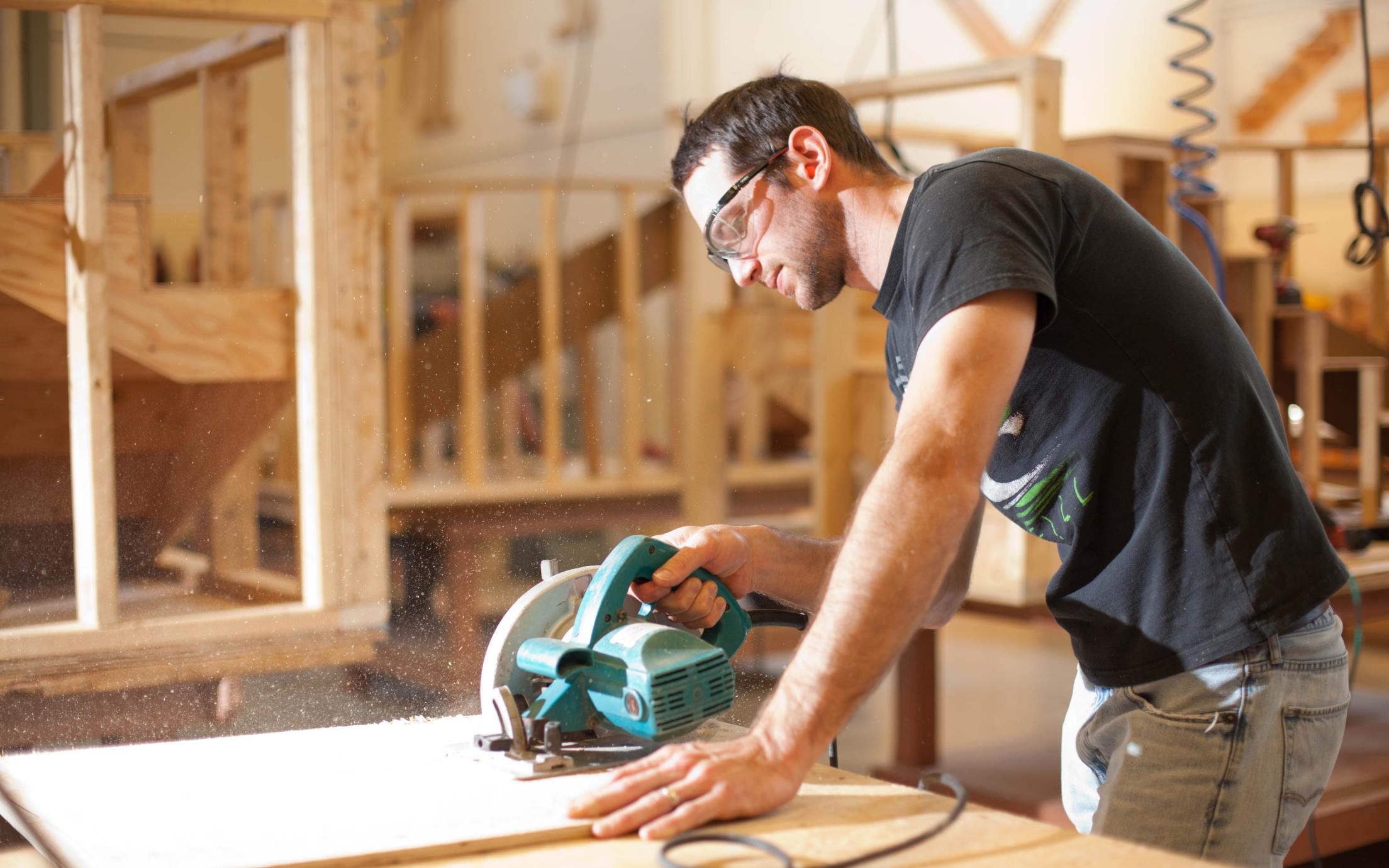
- Circular Saw: Portable tool for rough cuts, featuring adjustable depth and bevel settings. Use a guide rail or straightedge for accuracy and avoid cutting near body parts.
- Table Saw: Stationary saw with a rip fence for crosscutting and ripping large sheets. Blade guards and anti-kickback pawls are standard safety features.
- Miter Saw: Sliding compound miter saws excel at angled cuts (e.g., picture frames, trim work). Always engage the blade brake and use push sticks for small pieces.
- Router: Shapes edges, creates grooves, and performs decorative profiles (e.g., ogee, chamfer). Use a plunge router for depth control and always secure workpieces with clamps.
- Fastening Tools
- Nail Gun: Framing guns (30°–45° nails) and finish nailers (15°–18° nails) accelerate assembly. Follow manufacturer torque settings to avoid overdriving nails.
- Impact Driver: Delivers high torque for screws, reducing cam-out (stripped heads). Use hex shanks for better grip and avoid excessive force.
- Finishing Tools
- Orbital Sander: Random-orbit action minimizes swirl marks, ideal for pre-finishing. Use 80–120 grit for sanding, then 180–220 for smoothing.
- Planer/Jointer: Thickness planers reduce material depth, while jointers flatten surfaces. Feed stock slowly to prevent tear-out and keep blades sharp.
Power Tool Safety Protocols- Disconnect power: Unplug tools or remove batteries before changing accessories or clearing jams.
- Use guards and shields: Never bypass safety features like blade guards or riving knives.
- Maintain clear work areas: Remove clutter to prevent tripping or accidental contact with moving parts.
- Follow 3-second rule: Wait 3 seconds after powering off to ensure blades or spindles stop completely.
Properties of Common Wood Types and Their Applications
Wood selection dictates the success of a carpentry project, influencing durability, aesthetics, and workability. Factors such as grain pattern, moisture content, hardness (Janka scale), and treatment requirements vary by species. Understanding these properties allows carpenters to match materials to functional demands—whether structural load-bearing or decorative finishes.
| Wood Type |
Key Properties |
Ideal Uses |
Treatment Requirements |
|---|
| Oak (Red/White) |
- Hardness: 1,290–1,360 lbf (Janka scale)
- Grain: Prominent, straight to slightly wavy; open pores
- Durability: High resistance to wear and moisture (when properly sealed)
|
- Furniture (e.g., tables, chairs)
- Flooring (hardwood)
- Structural framing (beams, joists)
|
- Seal
Technical Skills and Project Execution in Modern Carpentry
Mastering technical skills in carpentry ensures precision, durability, and efficiency in project execution. From basic measurements to advanced joinery, each step contributes to the structural integrity and aesthetic appeal of wooden constructions. This section explores the systematic approach to building a simple wooden frame, advanced techniques for superior craftsmanship, and the interpretation of technical documentation. Additionally, it addresses common challenges and the mathematical principles underlying carpentry calculations, reinforcing the discipline’s blend of artistry and engineering.
Step-by-Step Process for Building a Simple Wooden Frame
Constructing a wooden frame, such as a bookshelf or window frame, requires meticulous planning and execution. The following steps outline a structured methodology, emphasizing accuracy in measurements, cuts, and assembly to ensure stability and alignment.
-
Planning and Measurement
Determine the dimensions of the frame based on project requirements. For a bookshelf with a height of 72 inches (182.88 cm), width of 24 inches (60.96 cm), and depth of 12 inches (30.48 cm), measure and mark the wood pieces (e.g., two vertical supports at 72 inches, two horizontal top/bottom rails at 24 inches, and two side shelves at 11.5 inches). Use a tape measure and pencil to transfer measurements onto the wood, accounting for joint overlaps or material waste.
Example: If using 1x12 pine boards, subtract 0.5 inches (1.27 cm) from the shelf length to accommodate overhang for aesthetic balance.
-
Cutting the Wood
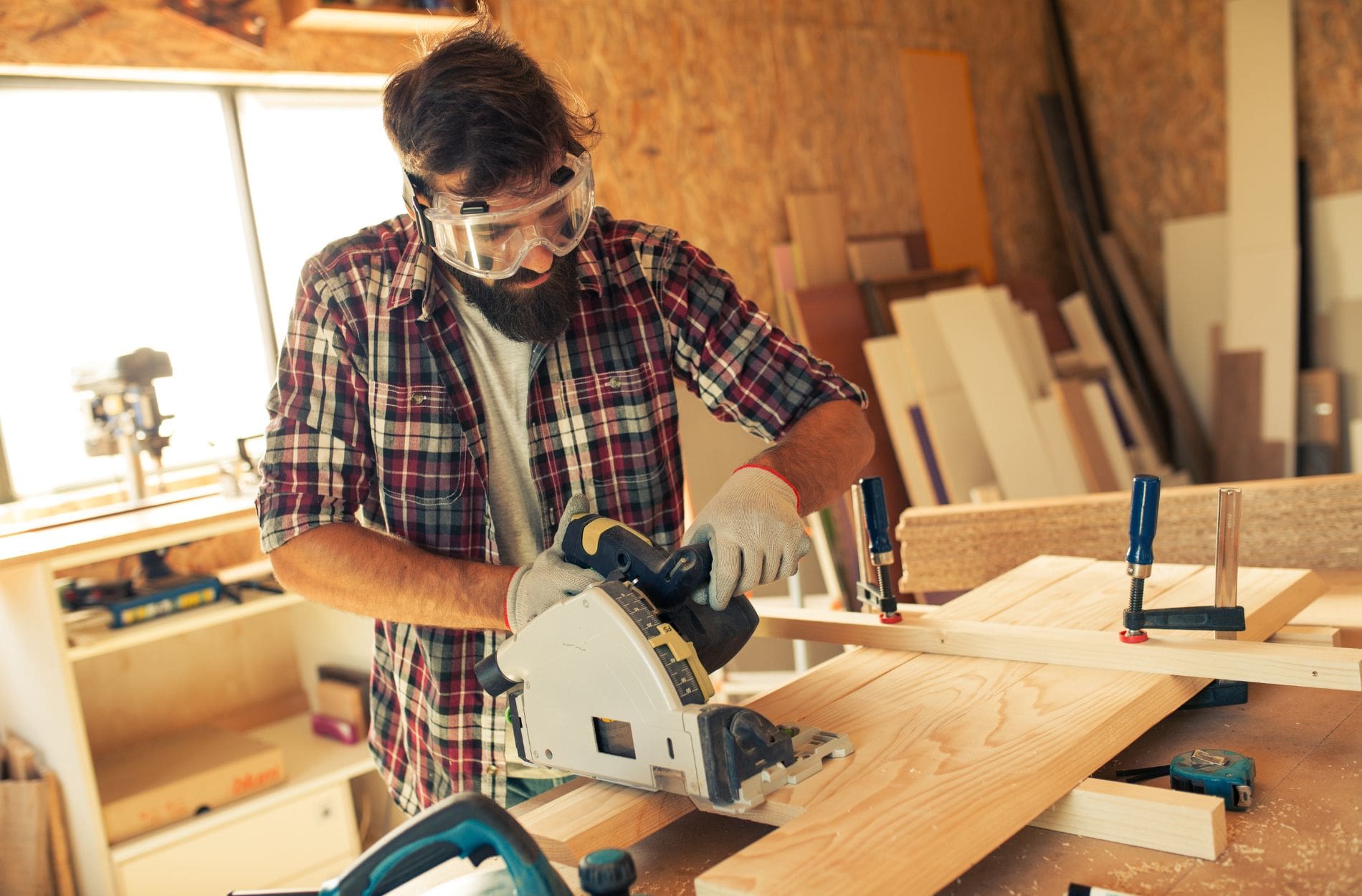
Use a circular saw, miter saw, or handsaw to cut the wood to the marked dimensions. For precision, clamp a straightedge guide alongside the blade and verify measurements with a carpenter’s square. Sand edges to remove splinters and ensure smooth surfaces.
Safety Note: Wear goggles and a dust mask when cutting to prevent eye and respiratory hazards.
-
Creating Joints for Assembly
For a basic frame, employ simple butler joints or pocket-hole connections. Drill pocket holes at a 75° angle into the ends of the horizontal rails (top/bottom) using a pocket-hole jig. Align these with the vertical supports and secure with screws. Alternatively, use butt joints with wood glue and clamps for temporary stability before final assembly.
-
Assembly and Alignment
Lay out the frame components on a flat surface, ensuring the vertical supports are plumb (perpendicular to the horizontal rails). Use a speed square to check 90° angles and shims to correct gaps. Pre-drill screw holes to prevent wood splitting, then drive screws at a slight angle for maximum grip.
Pro Tip: Apply construction adhesive to joints before screwing to enhance structural rigidity.
-
Finishing Touches
Sand the assembled frame with progressively finer grits (80 → 120 → 220) to smooth surfaces. Apply a wood finish (stain, paint, or varnish) if required, following the grain direction for even coverage. Allow ample drying time between coats.
Advanced Joinery Techniques and Their Applications
Advanced joinery techniques elevate carpentry projects by improving strength, reducing visible hardware, and enhancing visual appeal. Each method leverages the natural grain and properties of wood to create durable connections without relying solely on mechanical fasteners.
-
Dovetail Joints
Interlocking trapezoidal cuts form a self-reinforcing joint, ideal for drawers or boxes. The male dovetail (wedge-shaped) fits into the female dovetail (inverted wedge), resisting lateral forces. Hand-cut dovetails require precision with chisels and a marking gauge, while router jigs expedite the process for mass production.
Structural Advantage: Dovetails distribute stress evenly, preventing separation under load.
-
Mortise-and-Tenon Joints
A mortise (rectangular hole) in one piece accommodates a tenon (protruding tongue) on another, creating a robust corner or edge connection. Variations include through-tenons (for heavy loads) and blind tenons (for concealed joints). Chisels and a mortising machine or drill bit are essential tools for execution.
Historical Use: Common in traditional furniture (e.g., Shaker chairs) and shipbuilding for load-bearing structures.
-
Finger Joints
Interlocking "fingers" or splines create a strong, flexible connection, often used in laminated wood or panel construction. Router tables or table saws with a finger-jointing jig automate the process, ensuring consistent spacing (typically 1/8" to 1/4" per finger). This technique minimizes wood movement and maximizes glue surface area.
Example Application: Used in plywood manufacturing and high-quality cabinetry for edge bonding.
-
Bridle Joints and Haunched Mortise-and-Tenon
Bridle joints feature a tenon with a "bridle" or extension that wraps around the mortise, adding stability to edge connections. Haunched joints incorporate a tapered "haunch" to reinforce the joint without requiring additional width in the tenon, preserving material efficiency.
Aesthetic Note: Haunched joints are favored in fine woodworking for their clean, hidden fasteners.
Reading Blueprints and 3D Models in Carpentry
Technical drawings serve as the blueprint for carpentry projects, translating design intent into actionable instructions. Understanding annotations, symbols, and dimensional references is critical for accuracy, especially in complex or custom work.
-
Blueprint Components
Blueprints include orthographic views (front, side, top), dimensions in inches/millimeters, material specifications (e.g., "Douglas Fir, 2x4"), and annotations such as:
- Cutting Lists: Quantities and sizes of materials (e.g., "4 – 2x4 @ 8' for framing").
- Joint Notations: Symbols like "□" for mortise-and-tenon or "Δ" for angled cuts.
Example Annotation:
"Cut 45° bevel on top rail (A) to match window frame angle (B)."
-
3D Model Interpretation
Digital models (e.g., SketchUp, AutoCAD) provide layered views with exploded diagrams, showing assembly sequences. Key features to note:
- Hidden Lines: Dashed lines indicate components not visible in the current view.
- Section Cuts: Cross-sectional slices reveal internal joinery or structural details.
- Material Tags: Color-coded or labeled parts specify wood types (e.g., "Oak veneer" vs. "Pine substrate").
Mock Example:
A window frame model might show:
- Layer 1: Outer frame dimensions (36" x 48").
- Layer 2: Internal mullions (dividing panes) with 1/4" gaps for glass.
- Annotation: "Use rabbet joints for glass retention (0.25" deep)."
-
Scaling and Proportions
Blueprints often use a scale (e.g., 1/4" = 1'-0") to represent full-size dimensions. Verify measurements using a scale ruler or digital calipers. For 3D models, enable "real-world scale" settings to ensure virtual dimensions match physical execution.
Troubleshooting Common Carpentry Errors
Errors in carpentry can compromise structural integrity or aesthetic quality. Identifying root causes and applying systematic fixes mitigates issues before they escalate. The following table outlines prevalent problems, their origins, and corrective actions.
| Problem |
Root Cause |
Fix |
|---|
| Warped Wood |
- Uneven drying or moisture imbalance in lumber.
- Improper storage (exposure to humidity or direct sunlight).
|
- Acclimate wood to workshop conditions (60–70°F, 30–5
Carpentry remains a dynamic fusion of heritage and innovation, where each project—whether restoring a centuries-old cathedral or assembling a modular home from reclaimed timber—demonstrates the profession’s enduring relevance. The evolution from hand-hewn beams to CNC-milled components underscores a commitment to precision, yet the core principles of joinery, material selection, and ergonomic design endure. As sustainability drives demand for alternative materials like mycelium composites and adaptive reuse gains traction, carpenters are not merely builders but stewards of resourceful and resilient construction. The craft’s future lies in balancing technological integration with the timeless satisfaction of transforming raw materials into functional, enduring art, ensuring its legacy persists in every structure we inhabit.
FAQ
What is the movie The Carpenter’s Son about?
The Carpenter’s Son (2019) is a Korean film directed by Lee Jang-hoon, starring Lee Byung-hun as a former detective who takes on a case involving a serial killer targeting carpenters. The story blends crime thriller elements with themes of justice, revenge, and the craft of carpentry as a metaphor for precision and morality.
What is the Carpenters Union?
The Carpenters Union, officially the United Brotherhood of Carpenters and Joiners of America (UBC), is a U.S.-based labor union representing skilled carpenters, millwrights, and other construction trades. Founded in 1881, it negotiates wages, benefits, and working conditions while providing apprenticeship programs and job training through local chapters.
What is The Carpenters Songbook: A Live Celebration?
The Carpenters Songbook: A Live Celebration (2013) is a tribute album featuring artists like James Taylor, Sara Bareilles, and John Mayer performing classic songs by the Carpenters (Karen and Richard Carpenter). It was released to honor their legacy and was recorded live at the Hollywood Bowl.
What is The Carpenters Songbook?
The Carpenters Songbook (1996) is a greatest hits compilation album by the Carpenters, curated by Karen Carpenter herself before her death. It includes fan-voted favorites like "(They Long to Be) Close to You" and "We’ve Only Just Begun," along with rare tracks and duets.
What is the movie The Carpenter’s Son about?
The Carpenter’s Son (2019) is a South Korean crime thriller about Lee Kang-to (Lee Byung-hun), a retired detective who investigates a series of murders targeting carpenters. The killer leaves clues tied to woodworking, forcing Lee to confront his past while unraveling a conspiracy linked to his family’s history.
What is the Carpenters’ most famous song?
The Carpenters’ most famous song is "(They Long to Be) Close to You" (1970), a soulful duet with Neil Sedaka that won a Grammy for Best Pop Performance by a Duo. Other iconic hits include "We’ve Only Just Begun" (1970) and "Rainy Days and Mondays" (1971).
|
|
|

Leave a Comment
Comments are moderated before appearing. The data you submit is processed according to the Privacy Policy of Voltefac.