What Currency Does Greece Use And Its Economic Impact
Table of Contents
- Historical Context of Greece’s Currency Evolution: From Drachma to Euro
- Origins and Early Adoption of the Drachma (1832–1944)
- Post-War Stabilization and the Drachma’s Golden Era (1950s–1990s)
- Timeline of Key Monetary Events
- Comparative Analysis: Drachma vs. Euro
- Economic Factors Driving the Transition to the Euro
- Euro Adoption in Greece: Process and Challenges
- Convergence Criteria and Greece’s Path to Eurozone Membership
- Immediate Economic and Social Effects of Euro Introduction
- Firsthand Account: The Euro’s Arrival in Athens
- Practical Usage of the Euro in Greece Today
- Daily Transactions and Cultural Practices
- Comparative Analysis: Greece vs. Other Eurozone Countries
- Five Practical Tips for Managing Euros in Greece
- Currency-Related Economic Indicators in Greece
- Inflation and Unemployment Trends Post-Euro Adoption
- Trade Balance and Export Competitiveness Under the Euro
- GDP Growth, Debt Ratios, and Eurozone Constraints (2000–2023)
- Visual and Symbolic Representations of the Euro in Greece
- Design Elements of Euro Banknotes and Coins in Greece
- Illustrated Guide to Spotting Counterfeit Euros in Greece
- Symbolic Role of the Euro in Greece: National Pride vs. European Identity
- Future of Currency in Greece: Speculation and Alternatives
- Structural Pressures on Greece’s Monetary Future
- Speculative Flowchart: Three Paths for Greece’s Currency by 2040
- FAQ
- What is the official currency used in Greece today?
- Will Greece still be using the euro in 2026?
- What currency will Greece use in 2025?
- What was the currency used in Greece before it adopted the euro?
- What currency does Greece use in 2024?
- What currency does Greece use when traveling from the UK to Greece?
Greece’s economic journey reflects a pivotal shift from the historic drachma to the modern euro, a transition that reshaped its financial landscape and daily life. As one of the founding members of the eurozone, Greece’s adoption of the euro in 2002 marked not only a monetary unification with Europe but also a symbolic embrace of economic integration amid persistent challenges. This evolution underscores how currency transitions influence trade, public perception, and national identity, offering insights into both the practicalities of euro usage and its broader implications for Greece’s economic resilience.
The euro’s introduction in Greece was not merely a technical adjustment but a cultural and economic recalibration, affecting everything from street markets to high-stakes financial policies. Understanding this shift requires examining the historical context of the drachma’s decline, the rigorous criteria that paved the way for euro adoption, and the enduring adaptations Greeks have made in their daily financial interactions. By exploring these dimensions, we reveal how a single currency can serve as both a unifying force and a mirror reflecting a nation’s economic vulnerabilities and strengths.
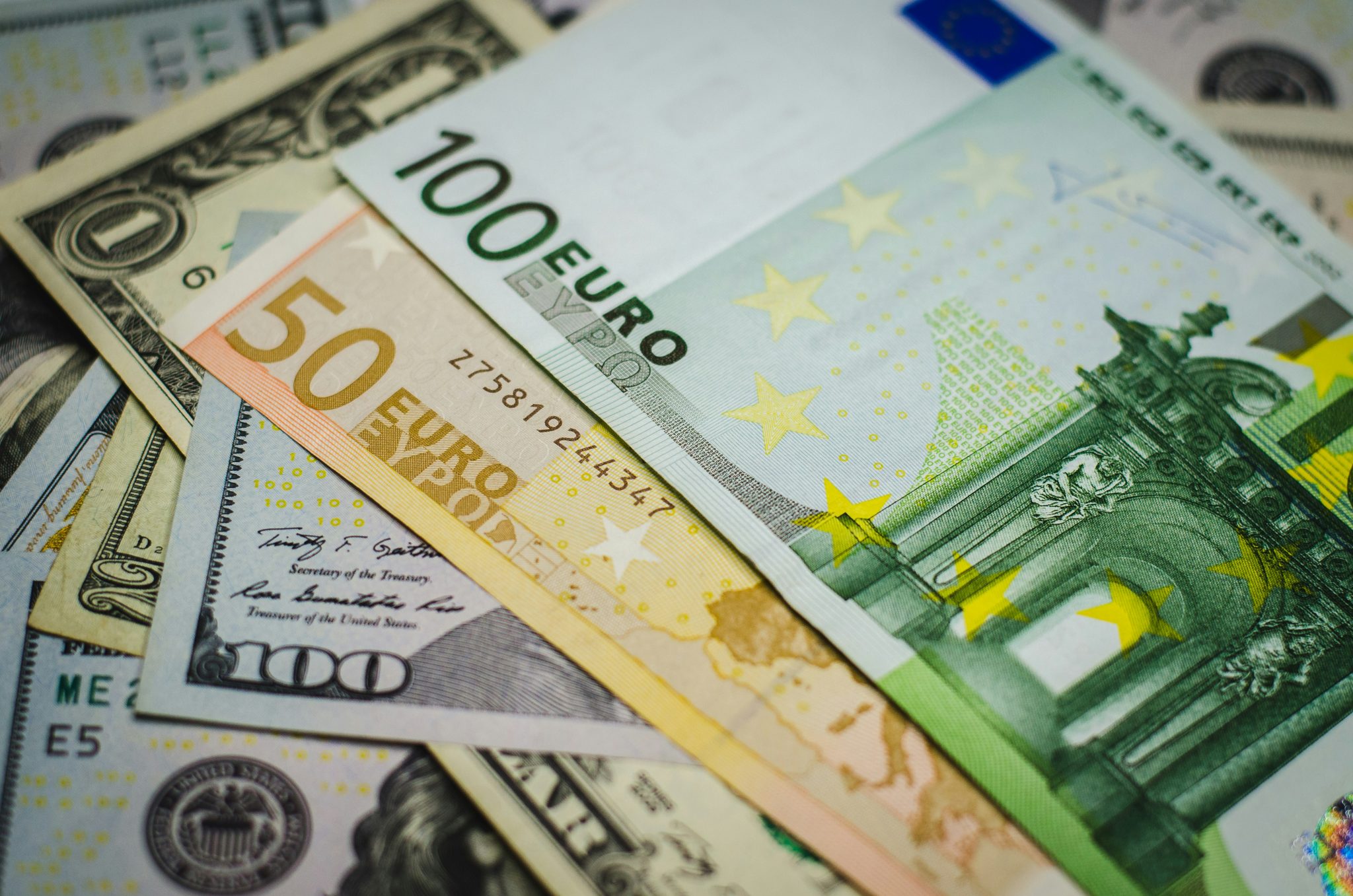
Historical Context of Greece’s Currency Evolution: From Drachma to Euro
Greece’s monetary history reflects broader economic transformations, from the adoption of the drachma in the 19th century to its eventual integration into the eurozone. This transition was not merely a technical change but a pivotal shift influencing trade, inflation, and national identity. The drachma, introduced in 1832, served as Greece’s currency for over 170 years, while the euro’s adoption in 2002 marked Greece’s alignment with European economic policies. Below, the progression is analyzed through key historical milestones, economic impacts, and a comparative overview of the drachma and euro.Origins and Early Adoption of the Drachma (1832–1944)
The drachma was formally introduced in 1832 following Greece’s independence from the Ottoman Empire, replacing a fragmented system of foreign currencies and local coinage. Its name derived from the ancient Greek drachmē, symbolizing continuity with classical heritage. The initial drachma was pegged to the French franc (1 drachma = 0.291g of silver) and later to the British pound, reflecting Greece’s early economic dependencies.During this period, the drachma’s value fluctuated due to political instability, wars (e.g., Greco-Turkish War of 1897, Balkan Wars), and hyperinflation in the 1940s. The Great Depression (1930s) and World War II (1940–1944) exacerbated financial crises, with the drachma losing over 90% of its value by 1944. The post-war era saw attempts at stabilization, including the 1954 currency reform, which introduced the new drachma (1 new drachma = 1,000 old drachmas) to combat inflation and restore confidence.
Post-War Stabilization and the Drachma’s Golden Era (1950s–1990s)
The 1950s–1980s marked a period of relative stability for the drachma, driven by Greece’s integration into European markets and the Marshall Plan (1948–1952). Key developments included:Despite these steps, the drachma faced persistent challenges:
Timeline of Key Monetary Events
The transition from the drachma to the euro was shaped by Greece’s adherence to Maastricht Treaty criteria (1992), which required fiscal discipline and inflation control. Below is a chronological overview of critical events:| Year | Event | Impact on Daily Life and Trade |
|---|---|---|
| 1832 | Drachma introduced as Greece’s first unified currency. | Replaced Ottoman and foreign currencies; facilitated domestic trade but remained tied to silver standards. |
| 1944 | Hyperinflation peaks; 1 new drachma replaces 1,000 old drachmas. | Wiped out savings; black markets emerged for essential goods. |
| 1954 | Second currency reform; 1 new drachma = 1,000 old drachmas. | Stabilized prices temporarily but required strict rationing. |
| 1973 | First oil crisis; drachma devalued by 20%. | Fuel prices surged; government subsidies strained public finances. |
| 1981 | Greece joins the EEC; ECU adopted as a reserve currency. | Exports to EU markets grew, but inflation persisted due to loose monetary policies. |
| 1990 | Greece applies to join the European Monetary System (EMS). | Drachma pegged to the Deutsche Mark; inflation targeted at <5% (Maastricht criteria). |
| 2001 | Greece meets eurozone convergence criteria (inflation: 3.4%, debt: 109% of GDP). | Public sector reforms implemented to reduce deficits; tourism and shipping sectors benefited from euro stability. |
| 2002 | Euro introduced as legal tender; drachma phased out by February 28, 2002. | Initial resistance due to perceived loss of sovereignty; euro adoption accelerated cross-border trade and EU integration. |
| 2010–2015 | Eurozone debt crisis; Greece receives €240 billion bailout. | Austerity measures (e.g., pension cuts, VAT hikes) sparked protests; unemployment peaked at 27%. |
Comparative Analysis: Drachma vs. Euro
The shift from the drachma to the euro involved not only numerical conversion but also cultural and economic realignments. Below is a structured comparison:| Aspect | Drachma (1832–2001) | Euro (2002–Present) |
|---|---|---|
| Value Stability | High volatility; inflation averaged 15% annually (1970s–1990s). | Low inflation (<2% annually post-2002); euro’s credibility reduced speculative devaluations. |
| Exchange Rate | Frequent adjustments (e.g., 1998: 1 EUR = 340.750 drachmas). | Fixed rate at adoption; eliminated foreign exchange risks for trade. |
| Symbolic Significance | Represented national pride; colloquial terms (e.g., "lepta" for small change). | Perceived as a symbol of EU membership; reduced national monetary autonomy. |
| Economic Impact | High borrowing costs due to perceived risk; capital flight during crises. | Lower interest rates post-euro adoption; improved access to EU funds. |
| Usage in Trade | Dominant in domestic transactions; limited international acceptance. | Universal in EU trade; Greece’s exports (e.g., olive oil, shipping) gained competitiveness. |
| Inflation Control | Central Bank of Greece struggled with fiscal discipline; money supply expanded. | European Central Bank (ECB) policies constrained domestic monetary policy. |
The drachma’s legacy was one of adaptation to crises, while the euro’s adoption reflected Greece’s strategic alignment with European integration. However, the euro’s fixed exchange rate exposed structural weaknesses in Greece’s economy, particularly during the 2010 debt crisis, when the lack of devaluation flexibility exacerbated unemployment and austerity pressures.
Economic Factors Driving the Transition to the Euro
Greece’s decision to adopt the euro was influenced by multiple economic and political factors:- Convergence Criteria Compliance:
Greece met the Maastricht Treaty’s fiscal rules (inflation <5%, debt <60% of GDP) only after 1999, following strict austerity measures. The 1998 currency board temporarily pegged the drachma to the euro to demonstrate stability.
- Tourism and Export Growth:
The euro’s stability reduced transaction costs for Greece’s €20+ billion annual tourism revenue and shipping industry (e.g., Athens’ Piraeus port). Businesses no longer faced exchange rate risks when dealing with EU partners.
- Reduced Borrowing Costs:
Before the euro, Greece paid high sovereign bond yields (e.g., 10% in 1997) due to perceived currency risk. Post-euro, yields dropped to ~5%, lowering public debt servicing costs.
- Political Pressure:
EU membership required monetary union; delaying adoption risked political isolation and reduced access to EU funds. The 1998 "No" referendum (where Greeks narrowly
Euro Adoption in Greece: Process and Challenges
Greece’s transition from the drachma to the euro in 2002 marked a pivotal moment in its economic and political integration with the European Union. The adoption process required rigorous compliance with the EU’s Maastricht Treaty convergence criteria, which assessed fiscal discipline, inflation stability, and exchange-rate mechanisms. However, the path was fraught with negotiations, economic adjustments, and public skepticism, reflecting broader tensions between national sovereignty and European unification. The immediate aftermath of euro adoption revealed both economic disruptions—such as price surges and tourism fluctuations—and social adaptations, as citizens navigated the psychological and practical shifts of a shared currency.The euro’s introduction in Greece was not merely a technical exchange but a complex interplay of economic policy, political will, and societal adaptation. Below, the key stages of adoption, the criteria governing eligibility, and the tangible effects on daily life are examined, alongside firsthand accounts that capture the human dimension of this financial transformation.
Convergence Criteria and Greece’s Path to Eurozone Membership
To qualify for euro adoption, Greece had to satisfy five core criteria established under the Maastricht Treaty (1992), which included:Greece’s compliance with these criteria was uneven. While inflation and interest rates improved in the late 1990s, fiscal deficits and debt levels remained persistently high due to structural inefficiencies, tax evasion, and political resistance to austerity measures. The 1999 entry into ERM II was a critical milestone, but Greece’s debt-to-GDP ratio (exceeding 100% in 1999) and recurring budget deficits (peaking at 4.5% of GDP in 2000) raised concerns among EU officials. Negotiations intensified in 2001, culminating in Greece’s official euro adoption on January 1, 2002, alongside 11 other EU member states.
A table summarizing Greece’s key economic indicators during the convergence period (1997–2001) highlights the challenges:
| Indicator | 1997 | 1999 | 2001 | EU Average (2001) |
|---|---|---|---|---|
| Inflation Rate (%) | 8.3 | 3.4 | 3.1 | 2.4 |
| Budget Deficit (% of GDP) | 2.8 | 4.5 | 3.9 | 1.2 |
| Public Debt (% of GDP) | 107.3 | 109.2 | 107.4 | 64.5 |
| Long-Term Interest Rates (%) | 15.2 | 10.1 | 8.5 | 5.3 |
Politically, the decision to adopt the euro was contentious. Opposition parties, labor unions, and segments of the public warned of price hikes (due to the elimination of the drachma’s competitive devaluation) and loss of monetary sovereignty. The government, led by Prime Minister Costas Simitis, framed euro adoption as an irreversible step toward modernization and EU cohesion, despite skepticism over Greece’s fiscal sustainability.
Immediate Economic and Social Effects of Euro Introduction
The euro’s arrival in Greece triggered a mix of economic adjustments and social disruptions. Economically, the fixed exchange rate eliminated the drachma’s role as a shock absorber, exposing Greece’s vulnerabilities to external price pressures. Within months of euro adoption, inflation surged—partly due to imported inflation from eurozone partners and partly from domestic price adjustments by businesses capitalizing on the new currency’s perceived stability. By 2003, inflation reached 4.5%, compared to the EU average of 2.3%, exacerbating cost-of-living concerns.Tourism, a cornerstone of Greece’s economy, experienced mixed effects. While the euro’s global recognition simplified transactions for international visitors, domestic tourism initially declined as Greek consumers, accustomed to the drachma’s lower value, found prices for hotels and services 20–30% higher in euro terms. However, by 2004, tourism rebounded as confidence in the euro stabilized and promotional campaigns highlighted Greece’s affordability relative to other eurozone destinations.
Socially, the transition was marked by public confusion and resistance. Many Greeks, particularly older generations, struggled with the abrupt removal of familiar drachma denominations. Price tags in shops were initially dual-labeled (drachma and euro), but the shift to euros alone created perceptions of sudden wealth erosion. The black market for drachma briefly emerged, as some citizens hoarded the old currency, fearing hyperinflation—a misconception fueled by historical memories of economic instability.
A 2002 survey by the Bank of Greece revealed that 42% of respondents believed prices had risen significantly post-euro, while 35% reported difficulty in budgeting. Small businesses, especially in rural areas, faced liquidity challenges as they adjusted to euro-denominated loans and supplier contracts. Meanwhile, wage earners in sectors like agriculture and textiles saw real income declines due to stagnant wages and rising costs.
Firsthand Account: The Euro’s Arrival in Athens
"I remember the day the euro came like it was yesterday. We woke up to shops putting up new price tags—everything doubled overnight, it seemed. My mother, who still gets her bread from the same bakery since the ’70s, refused to believe the loaf was now 1.20 euros instead of 220 drachmas. She’d say, ‘But last week it was 200!’ The butcher laughed and told her, ‘Welcome to the euro, Yia-Yia—now you’ll have to work twice as hard for the same sausage.’This account reflects the psychological and practical disorientation many Greeks experienced, as the euro’s benefits—lower transaction costs, price transparency, and EU integration—were overshadowed by immediate hardships. The narrative underscores how economic policy shifts often intersect with cultural memory, particularly in a country with a history of currency instability, from the 1944 drachma devaluation to the 1980s inflation crises.The worst part? The confusion. My father, a retired schoolteacher, tried to convert his pension savings into euros himself, but the bank told him to wait. Meanwhile, his friends were swapping drachmas for euros at the black market for 360.6 drachmas per euro—the official rate was 340.6. For a week, we lived in two currencies, and half the neighborhood thought we were getting ripped off.
By summer, the prices stabilized, but the trust was gone. The government said the euro would bring prosperity, but how? My nephew, a university student, joked that the only thing that got cheaper was the cost of borrowing in euros—because now we couldn’t devalue the drachma to pay our debts. And he wasn’t wrong."
—Athanasios K., Athens, 2002

Practical Usage of the Euro in Greece Today
The euro has become an integral part of daily life in Greece, shaping economic interactions, consumer behavior, and cultural practices. Since its adoption in 2002, the euro has replaced the Greek drachma, standardizing transactions across the country while preserving unique local customs. Greeks engage with the euro in diverse settings—from bustling markets and traditional tavernas to digital payments and public transport—while maintaining traditions like cash preferences and informal bargaining. Compared to other eurozone nations, Greece exhibits distinct financial habits, influenced by its historical economic challenges and deep-rooted cultural norms. Understanding these dynamics is essential for travelers, expats, and businesses navigating Greece’s financial landscape.The euro’s integration into Greek society reflects both modernization and continuity with pre-euro practices. While digital payments are growing, cash remains dominant in sectors like retail, hospitality, and local markets, often due to distrust in formal banking systems or the prevalence of informal economies. Tipping, bargaining, and seasonal pricing (e.g., lower costs in winter) are ingrained customs that differ from the more standardized financial behaviors observed in northern eurozone countries. These practices, however, coexist with increasing eurozone-wide trends, such as contactless payments and price transparency in tourism-heavy areas.
Daily Transactions and Cultural Practices
Greek consumers interact with the euro in ways that blend modern convenience with traditional habits. In markets and street vendors, cash remains the primary payment method, particularly in rural areas and Athens’ open-air bazaars. Prices are often negotiable, especially for fresh produce, textiles, or antiques, where haggling is expected. Restaurants and cafés typically accept both cash and cards, though smaller establishments may prefer cash, and tipping (5–10% or rounding up the bill) is customary. Public transport, including buses, trams, and the metro in Athens, relies on contactless cards (e.g., Athina Pass) or prepaid tickets, though some taxi drivers still insist on cash, particularly in less touristy regions.A key distinction from other eurozone countries is Greece’s cash-heavy informal economy, where transactions bypass formal banking. This is partly due to historical tax evasion practices and a preference for anonymity in smaller transactions. For instance, handymen, local artisans, or even some small shops may operate predominantly in cash, offering discounts to avoid tax documentation. In contrast, northern eurozone nations like Germany or Finland exhibit higher digital payment adoption, with cash usage declining steadily. Greece’s dual economy—formal and informal—creates a unique financial ecosystem where the euro functions as both a legal tender and a tool for navigating economic realities.
Comparative Analysis: Greece vs. Other Eurozone Countries
While the euro serves as a unifying currency across the eurozone, its practical usage varies significantly between countries. In Greece, cash remains dominant in daily transactions, particularly in rural areas and among older generations. According to the Bank of Greece, cash transactions accounted for 60% of all payments in 2022, compared to 40% in Germany and 25% in Sweden. This preference stems from factors like lower financial literacy, distrust in digital systems, and the persistence of barter-like exchanges in local communities.Another cultural divergence lies in tipping and bargaining. In Greece, tipping is often spontaneous and not always expected in formal settings, whereas in countries like Italy or Austria, it may be mandated or more rigidly structured. Bargaining, meanwhile, is a social ritual in Greek markets and flea markets (e.g., Monastiraki in Athens), whereas in countries like France or Spain, fixed prices are more common, even in open-air markets. Additionally, Greece’s seasonal pricing—where businesses adjust costs based on tourist influx—contrasts with the year-round price stability seen in countries like the Netherlands or Belgium.
The informal economy also sets Greece apart. The European Commission estimates that 23% of Greece’s GDP in 2020 was generated through informal activities, one of the highest rates in the EU. This contrasts with countries like Denmark (5%) or Finland (10%), where formal economic participation is more widespread. The euro’s role in Greece thus extends beyond transactions; it facilitates both compliance with eurozone regulations and adaptation to local economic survival strategies.
Five Practical Tips for Managing Euros in Greece
Navigating Greece’s financial customs requires awareness of local practices, cost-saving strategies, and potential pitfalls. Below are five essential tips for travelers and expats to optimize their use of euros while avoiding common mistakes.Introduction to Practical Guidance
Greece’s financial landscape rewards those who understand its nuances—whether through bargaining, cash management, or avoiding tourist traps. These tips address currency handling, transaction safety, and cultural etiquette to ensure a seamless experience.
-
Carry Cash for Small Transactions and Rural Areas
While card payments are increasingly accepted in cities and hotels, many small businesses, family-run tavernas, and rural markets operate primarily in cash. Withdraw euros from ATMs affiliated with Eurobank, Alpha Bank, or Piraeus Bank, which offer lower fees than international networks. Avoid dynamic currency conversion (DCC) at ATMs, as it results in higher exchange rates. In tourist-heavy areas, some vendors may refuse high-denomination bills (e.g., €50), so break larger amounts into smaller notes. -
Use Contactless Cards for Public Transport and Urban Payments
Public transport systems in Athens, Thessaloniki, and other major cities rely on contactless cards (e.g., Athina Pass, Thessaloniki Card) or mobile apps like TAXI for taxis. These methods are faster and more secure than cash, especially during peak hours. For expats, consider a Greek bank account (e.g., with Alpha Bank or Eurobank) to link to these systems, as it often provides discounts on fares. Avoid buying single tickets from street vendors, as they may overcharge tourists. -
Bargain Politely in Markets and Avoid Fixed-Price Traps
Bargaining is expected in flea markets (e.g., Monastiraki, Varvakios Agora in Athens) and open-air stalls, where initial prices are often inflated for tourists. Start by offering 30–50% of the asking price for non-perishable goods (e.g., souvenirs, textiles) and negotiate with a smile. For perishable items (e.g., fresh fruit, spices), prices are usually fixed but can still be discussed. In restaurants, check if the menu displays prices—some tourist-heavy spots may list prices in euros but add hidden fees (e.g., "cover charges") if you don’t ask upfront. -
Be Cautious of Scams Targeting Tourists and Expats
Common scams include:- Fake Taxi Drivers: Use official taxi apps (Beat, Uber, or FreeNow) or hail taxis from licensed stands. Avoid unmarked cars offering rides, as they may overcharge or take longer routes.
- Restaurant Menu Tricks: Some menus list prices in euros but add a "service charge" or "tourist tax" that isn’t disclosed. Always ask for the total cost before ordering or dining.
- ATM Skimming: Use ATMs inside banks or well-lit areas. Cover the keypad when entering your PIN to prevent skimming devices. Report suspicious activity immediately to your bank.
- Overcharging for Souvenirs: In places like Santorini or Mykonos, vendors may quote prices in euros but switch to drachma (if they mistakenly think you’re local). Politely insist on euros.
-
Leverage Seasonal Pricing and Local Discounts
Greece’s tourism-driven economy offers lower prices in the off-season (November–March), particularly in hotels, ferries, and island accommodations. For example, a ferry ticket from Athens to Santorini in winter may cost €30–€50 compared to €100+ in summer. Locals also benefit from discount days (e.g., Museum Free Entry Days on Sundays) and student/elderly reductions in public transport and attractions. Expats can save further by:- Buying groceries at local markets (e.g., Varvakios in Athens) instead of supermarkets, where prices are often 20–30% lower.
- Using public transport passes (e.g., Athina Pass for unlimited metro/bus rides) instead of single tickets.
- Avoiding EUR/USD exchange counters at airports or tourist spots, which offer poor rates. Use banks or exchange offices in city centers for better rates
Currency-Related Economic Indicators in Greece
Greece’s adoption of the euro in 2002 marked a pivotal shift in its economic landscape, influencing inflation, employment, trade dynamics, and fiscal stability. The fixed exchange rate regime under the euro eliminated currency volatility but introduced new challenges, particularly in competitiveness, debt sustainability, and external balance. Key economic indicators tied to the euro—such as inflation rates, unemployment trends, and trade performance—reveal both the structural adjustments required by eurozone membership and the long-term impacts of external shocks, including the 2010 debt crisis and the COVID-19 pandemic.The euro’s adoption imposed constraints on Greece’s monetary policy, necessitating structural reforms to align with eurozone convergence criteria. Meanwhile, the loss of exchange rate flexibility required adjustments in export-oriented sectors to maintain competitiveness. Below, the analysis examines inflation and unemployment trends, trade balance dynamics, and the interplay between euro adoption and economic performance, supplemented by a decade-long overview of GDP growth, debt ratios, and exchange rate stability.
Inflation and Unemployment Trends Post-Euro Adoption
The euro’s fixed exchange rate regime altered Greece’s inflation dynamics by decoupling monetary policy from domestic needs, while unemployment became closely tied to structural rigidities and external demand shocks. Prior to euro adoption, Greece experienced periodic currency devaluations (e.g., the 1993 drachma devaluation) to boost exports, but the euro’s stability eliminated this tool. Instead, inflation in Greece became increasingly aligned with eurozone averages, though domestic factors—such as energy price shocks, wage pressures, and fiscal deficits—continued to influence price levels.Unemployment emerged as a critical indicator of the euro’s impact, particularly in labor-intensive sectors. The 2010 debt crisis exacerbated unemployment, peaking at 27.5% in 2013 (Eurostat), as austerity measures and reduced domestic demand squeezed private-sector employment. The euro’s rigid wage structures (e.g., collective bargaining agreements) further hindered adjustment, contrasting with countries that retained currency flexibility to devalue and stimulate exports.
"The euro’s fixed exchange rate forces member states to rely on internal devaluation—reducing wages and prices—to regain competitiveness, a strategy that proved particularly painful in Greece due to its high labor costs and rigid labor markets." — European Central Bank (ECB) Report, 2015
Trade Balance and Export Competitiveness Under the Euro
Greece’s trade performance post-euro adoption reflects the tension between fixed exchange rates and export competitiveness. Without the ability to devalue the drachma, Greece relied on internal devaluation—wage cuts, productivity gains, and structural reforms—to improve trade balances. Key sectors, such as shipping and agriculture, illustrate this dynamic:- Shipping Industry: Greece’s maritime sector remains a global leader, benefiting from the euro’s stability in international transactions. However, the fixed exchange rate limited the sector’s ability to adjust to rising fuel costs (priced in dollars) post-2008, necessitating efficiency gains rather than currency-based relief.
- Agriculture: Traditional export sectors like olive oil and wine faced challenges due to higher production costs (e.g., labor, energy) without the offset of currency depreciation. Post-2010, agricultural exports grew modestly (+1.2% annually, Eurostat 2020–2023) as reforms improved quality standards and reduced tariffs under EU trade agreements.
- Debt-to-GDP Ratio: Peaked in 2020 at 206.8% due to pandemic-related spending and bailout conditions, later declining with EU fiscal transfers.
- GDP Growth: Negative growth persisted from 2008–2019, with only 2021–2023 showing recovery, driven by tourism and EU recovery funds.
- Euro Exchange Rate: The euro’s appreciation against the USD (2000–2008) benefited Greek exporters but later weakened competitiveness as the USD strengthened post-2010.
- Holograms: Shifting images (e.g., portraits of European architectural styles) visible when tilted.
- Microtext: Ultra-fine printing (e.g., "EURO" or denomination) readable only under magnification.
- Watermarks: Visible when held to light, featuring the denomination and a portrait.
- Security Threads: Embedded strips with denominational numbers and ECB logos.
- UV Features: Fluorescent reactions under ultraviolet light (e.g., green fibers, denomination numbers).
- Raised Ink: Tactile elements (e.g., intaglio printing) detectable by touch.
- €1 Coin: The Parthenon on the Acropolis, reinforcing Athens’ status as a cradle of democracy and classical art.
- €2 Coin: The Temple of Olympian Zeus, highlighting Greece’s religious and architectural legacy.
- Common Reverse Side: A map of Europe surrounded by 12 stars (symbolizing the EU), with the denomination and issuing country ("ΕΛΛΗΝΙΚΗ ΔΗΜΟΚΡΑΤΙΑ" for Greece).
- Color Shifts: The euro’s purple fluorescent security thread (visible when held to light) should appear greenish under UV light. Counterfeits may lack this or use incorrect colors.
- Portrait Details: The bridge-like structure in the watermark (visible when held to light) must align with the denomination. Forgeries often distort these lines.
- Hologram Clarity: The hologram should display smooth transitions between images (e.g., a bridge or window). Poor-quality holograms appear pixelated or static.
- Microtext Legibility: The tiny text (e.g., "EURO" or "ECB") must be crisp and uniform. Blurry or inconsistent printing indicates a fake.
- Intaglio Printing: Run fingers over the portrait, denomination, and security thread. Genuine notes have distinct ridges; counterfeits feel flat.
- Paper Thickness and Texture: Authentic euros have a slightly rough, cotton-based paper with a distinctive "crunch" when bent. Counterfeits often use smoother, thinner materials.
- Security Thread Tactility: The embedded thread should be embedded within the paper, not laminated on top. Gently scrape the edge with a fingernail—genuine threads resist peeling.
- Fluorescent Fibers: Greenish fibers scattered throughout the note.
- Denomination Numbers: Visible in bright colors (e.g., red for €50, blue for €100).
- Security Ink: The portrait and security thread glow under UV, while counterfeits may show uneven or missing fluorescence.
- €50 Notes: Poorly replicated bridge structure in the watermark and blurry holograms.
- €100 Notes: Incorrect color shifts in the security thread and missing microtext.
- A Tool for Stability: Replacing hyperinflationary periods (e.g., 1990s) with predictable pricing.
- A Tourism Asset: Facilitating seamless transactions for 30+ million annual visitors, who recognize the euro’s global trustworthiness.
- A Cultural Bridge: Linking Greece’s ancient past (via coin designs) with its modern EU membership, appealing to both locals and foreigners.
- 62% view it as essential for economic recovery post-crisis (Eurobarometer, 2023).
- 45% express nostalgia for the drachma, particularly among older generations who associate it with pre-crisis prosperity.
- 78% of Greeks prefer the euro for tourism, citing its intern
- Eurozone Crisis (e.g., sovereign debt defaults, bank runs, or political disintegration)
- Technological Revolution (e.g., widespread adoption of CBDCs or decentralized finance)
- Political Realignment (e.g., rise of Eurosceptic governments, NATO/EU geopolitical shifts)
- Successful eurobond issuance and debt mutualization.
- ECB’s digital euro becomes dominant, replacing cash and legacy banking systems.
- Political consolidation in the EU (e.g., treaty changes allowing fiscal transfers).
- Permanent access to low-cost borrowing, reducing sovereign risk.
- Stable exchange rate and reduced volatility in trade.
- Potential for infrastructure investments via Eurozone funds.
- Loss of national monetary policy tools (e.g., no devaluation or interest rate adjustments).
- Higher compliance costs with EU fiscal rules, limiting countercyclical policies.
- Risk of "one-size-fits-all" monetary policy favoring core economies.
- ECB mandates digital euro usage for public sector payments.
- Private banks in Greece adopt blockchain-based settlement systems.
- Lower transaction costs for SMEs and tourists.
- Reduced corruption via transparent digital audits.
- Enhanced cross-border payments with EU partners.
- Digital divide risks marginalizing rural and elderly populations.
- Dependence on ECB’s technological infrastructure (cybersecurity risks).
- Potential for financial exclusion if digital euro access is tied to credit scores.
- Successful ratification of a European Stability Mechanism (ESM) reform allowing debt restructuring.
- Political consensus in Germany and France for fiscal transfers.
- End to sovereign debt crises; Greece’s debt-to-GDP ratio could stabilize below 100%.
- Access to countercyclical funds during recessions.
- Loss of national control over taxation and spending.
- Risk of "transfer union" backlash in northern EU states.
The trade balance deficit widened in the early 2000s due to rising imports (e.g., energy, machinery) and stagnant exports, peaking at -€12.5 billion (2008) before improving slightly post-crisis. The euro’s stability reduced transaction costs for Greek exporters but also constrained price competitiveness in global markets.
GDP Growth, Debt Ratios, and Eurozone Constraints (2000–2023)
The following table summarizes Greece’s macroeconomic performance under the euro, highlighting crises, debt dynamics, and GDP trends. Key annotations include the 2010 debt crisis, the COVID-19 recession (2020), and the gradual recovery phase (2021–2023).
Key Observations:Year GDP Growth (%) Debt-to-GDP Ratio (%) Euro Exchange Rate (vs. USD) Key Events 2000 4.6 98.5 0.92 Euro adoption; pre-crisis boom in construction and tourism. 2008 0.7 115.1 1.42 Global financial crisis; GDP contraction begins. 2010 -5.1 142.8 1.30 Debt crisis; first bailout (€110B); austerity measures implemented. 2015 -0.2 td>182.51.08 Third bailout (€86B); capital controls introduced. 2020 -9.9 206.8 1.20 COVID-19 pandemic; deepest recession since 1945. 2022 5.9 163.5 0.95 Post-pandemic recovery; EU NextGenerationEU funds disbursed. 2023 2.3 157.8 1.08 Inflation cools; debt ratio stabilizes with EU support.
The euro’s fixed exchange rate exacerbated Greece’s vulnerability to external shocks, as monetary policy tools (e.g., interest rate cuts) were centralized at the ECB, limiting Greece’s ability to respond to domestic crises.

Visual and Symbolic Representations of the Euro in Greece
The euro’s integration into Greece extends beyond its economic function, embedding itself in the nation’s visual and cultural identity through deliberate design choices on banknotes and coins. These elements reflect Greece’s historical legacy, modern sovereignty, and participation in the European Union while distinguishing its currency from those of other eurozone members. The euro’s symbolic role in Greece—rooted in both pan-European unity and national pride—contrasts with its representation in other countries, where motifs often emphasize local heritage or economic aspirations.
"The euro is not just a currency; it is a shared symbol of Europe’s economic and political integration, yet each nation imprints its identity upon it."
— European Central Bank (ECB) on national euro designs.Design Elements of Euro Banknotes and Coins in Greece
Euro banknotes feature a unified pan-European design, prioritizing security and anti-counterfeiting measures while incorporating subtle national references. However, euro coins—particularly the €2 piece—serve as a canvas for Greece’s cultural heritage. The €2 coin depicts the Temple of Olympian Zeus in Athens, a landmark symbolizing classical antiquity and Greece’s enduring influence on Western civilization. This choice aligns with the euro’s common design principle of showcasing national identity through architectural or historical motifs, though Greece’s selection stands out for its emphasis on antiquity rather than modern achievements.Euro Banknote Security Features (Universal Across Eurozone)
Euro banknotes incorporate advanced security elements to deter counterfeiting, including:
Greek-Specific Cultural Motifs on Euro Coins
While euro banknotes lack national variation, coins include common European themes (e.g., maps, stars) alongside country-specific designs on the national side. Greece’s €1 and €2 coins feature:
Illustrated Guide to Spotting Counterfeit Euros in Greece
Greece, like other eurozone nations, experiences occasional counterfeit euro circulation, necessitating vigilance among businesses and consumers. The European Central Bank (ECB) recommends a three-step verification process: visual inspection, tactile examination, and UV light testing. Below is a structured approach to identifying counterfeit banknotes, with a focus on common forgeries targeting Greek markets (e.g., €50 and €100 notes).Visual Inspection: Key Features to Verify
The first line of defense involves examining the banknote under normal light. Counterfeiters often fail to replicate:
Tactile and Physical Checks
Euro banknotes employ raised printing and textured paper to prevent counterfeiting. Key tactile elements include:
UV Light and Advanced Verification
Under UV light (366 nm), genuine euros exhibit:
Common Counterfeit Targets in Greece
Greek authorities report higher instances of counterfeit €50 and €100 notes due to their higher circulation in tourism and trade. Forgeries often mimic:
"In 2022, Greek police seized over €1.2 million in counterfeit euros, with €50 and €100 denominations accounting for 60% of cases."
— Hellenic Police Financial Crimes Unit Report.Symbolic Role of the Euro in Greece: National Pride vs. European Identity
The euro’s adoption in Greece reflects a duality of identity: as a symbol of European integration and a vehicle for national economic resilience. Unlike countries that emphasize modern achievements (e.g., Germany’s €2 coin featuring the Brandenburg Gate) or natural landscapes (e.g., Finland’s €1 coin with the Sampo), Greece’s euro coins prioritize classical antiquity, reinforcing its cultural prestige within the EU. This choice underscores Greece’s historical narrative as the birthplace of democracy, philosophy, and Western art, positioning the euro as both a modern currency and a legacy of its past.Contrast with Other Eurozone Nations
Economic Identity and SovereigntyCountry €2 Coin Motif Symbolic Emphasis National Pride Focus Greece Temple of Olympian Zeus Classical antiquity, religious heritage Cultural legacy, historical continuity Germany Brandenburg Gate Modern unification, political symbolism National unity, post-WWII reconstruction Italy Statue of Victory (Rome) Imperial history, artistic achievement Roman heritage, Renaissance influence Spain Cathedral of Santiago de Compostela Religious pilgrimage, medieval grandeur Spiritual identity, historical pilgrimage Finland Sampo (mythological object) Folk mythology, national identity Cultural uniqueness, pre-Christian roots
For Greece, the euro’s introduction marked the end of the drachma’s 2,500-year history and a symbolic surrender of monetary sovereignty during the Eurozone crisis (2010–2015). However, the euro’s stability became a necessity for recovery, contrasting with the drachma’s volatility. Today, the euro in Greece serves as:
Public Perception and National Sentiment
Surveys indicate mixed sentiments among Greeks regarding the euro:
Future of Currency in Greece: Speculation and Alternatives
Greece’s adoption of the euro in 2002 marked a pivotal shift in its economic sovereignty, aligning the country with the broader European monetary framework. However, the long-term sustainability of this arrangement remains a subject of debate, particularly amid eurozone reforms, technological advancements in digital currencies, and persistent economic vulnerabilities in Greece. Speculative scenarios—ranging from deepened eurozone integration to hypothetical returns to a national currency—highlight the tension between monetary stability and national economic autonomy. This section explores potential trajectories for Greece’s currency system by 2040, drawing on expert insights from Greek economists and policymakers, while evaluating the feasibility and implications of each path.The discussion begins by examining the structural pressures shaping Greece’s currency future, including eurozone governance reforms and the rise of central bank digital currencies (CBDCs). It then presents a speculative flowchart outlining three plausible evolutionary paths for Greece’s monetary system, each accompanied by an analysis of economic, political, and social trade-offs. Quotes from key figures, such as former Greek Finance Minister Yanis Varoufakis or European Central Bank (ECB) officials, contextualize the arguments, while historical parallels—such as the 2010s debt crisis—illustrate the risks and opportunities inherent in each scenario.
Structural Pressures on Greece’s Monetary Future
Greece’s continued participation in the eurozone hinges on two interrelated dynamics: the resilience of the euro’s institutional framework and the adaptability of Greece’s economy to external shocks. The eurozone’s response to crises, such as the 2010–2018 debt crisis or the COVID-19 pandemic, has exposed vulnerabilities in fiscal and monetary coordination, particularly for peripheral economies like Greece. Reforms such as the European Fiscal Compact (2012), the Next Generation EU recovery fund (2021), and proposals for a Eurozone budget or common debt instruments reflect attempts to address these imbalances. For Greece, these reforms present both opportunities—such as reduced borrowing costs and enhanced financial stability—and risks, including further loss of monetary policy autonomy and heightened exposure to eurozone-wide austerity measures.The rise of digital currencies—particularly the ECB’s proposed digital euro—adds another layer of complexity. While a digital euro could streamline cross-border transactions and reduce cash dependency, its adoption in Greece may exacerbate existing inequalities, as smaller businesses and rural populations lag in digital infrastructure. Conversely, a regional or national digital currency could emerge as an alternative, particularly if Greece seeks to mitigate the euro’s one-size-fits-all approach. Economists such as Dimitrios Tsomocos, a former Greek central banker and professor at the University of Oxford, argue that:
> "The euro’s success depends on its ability to adapt to technological and economic diversification. A digital euro could bridge gaps, but it must not become a tool for deeper fiscal control over member states like Greece."Another critical pressure point is geopolitical fragmentation. The war in Ukraine and rising tensions between the EU and the U.S. or China have reignited debates about monetary sovereignty. Greece’s strategic position as a NATO member and EU frontier state could influence its stance on eurozone reforms. For instance, a two-speed Europe—where core members like Germany and France push for deeper integration while peripheral states resist—could force Greece to choose between closer alignment or a more independent monetary path.
Speculative Flowchart: Three Paths for Greece’s Currency by 2040
Below is a speculative framework outlining three potential trajectories for Greece’s currency system, each with distinct economic, political, and social implications. The flowchart is structured as a decision tree, with branching points representing key triggers (e.g., eurozone crises, technological shifts, or political realignments).Trigger Points:
Path Description Key Drivers Pros for Greece Cons for Greece Expert Perspectives Path 1: Deepened Eurozone Integration Greece fully adopts a federalized euro, with a unified fiscal policy, ECB-controlled monetary sovereignty, and possibly a Eurozone treasury managing debt and transfers. "A federal euro would eliminate Greece’s exit option, but it could also end the cycle of bailouts and austerity. The question is whether the political will exists in Brussels to share sovereignty." — George Pagoulatos, former Greek Minister of Development and Investment.
Sub-path: Digital Euro Dominance Greece becomes an early adopter of the ECB’s digital euro, phasing out cash and legacy banking systems to reduce costs and improve financial inclusion. "The digital euro could democratize finance, but only if designed to serve peripheral economies. Right now, it’s being shaped by Frankfurt, not Athens." — Yiannis Bournos, Professor of Economics, University of Athens.
Sub-path: Eurozone Fiscal Union Greece joins a Eurozone with a common budget and debt mutualization, funded by Eurobonds and EU-level taxation. "Fiscal union is the only way to prevent another Greek tragedy, but it requires Germany to accept permanent solidarity. That’s a bridge too far for now." — Stavros Thomadakis, former Governor of the Bank of Greece.
Path From the drachma’s final circulation to the euro’s seamless integration into Greek life, the currency’s story in Greece is one of adaptation, resilience, and economic introspection. While the euro has streamlined cross-border transactions and reinforced Greece’s ties to the European Union, its adoption also exposed structural challenges—from inflationary pressures to the complexities of a cash-dependent society. Looking ahead, Greece’s relationship with the euro will continue to be shaped by global economic trends, technological innovations like digital currencies, and the enduring question of whether a single currency can fully address the diverse needs of a nation with deep historical and cultural ties to its monetary past.
The euro’s role in Greece today is a testament to the interplay between policy, culture, and economics, offering valuable lessons for other nations navigating currency transitions. Whether through the tactile experience of handling euro coins or the strategic decisions of policymakers, Greece’s journey highlights how currency is more than a medium of exchange—it is a reflection of identity, stability, and the ever-evolving dynamics of the global economy.
FAQ
What is the official currency used in Greece today?
Greece uses the euro (€) as its official currency, adopted in 2002. Banknotes and coins are issued by the European Central Bank and the Bank of Greece. The euro is legal tender throughout the country for all transactions.
Will Greece still be using the euro in 2026?
Yes, Greece will continue using the euro (€) in 2026. There are no plans or economic conditions suggesting a change, as Greece is a permanent member of the Eurozone.
What currency will Greece use in 2025?
Greece will use the euro (€) in 2025, as it has no scheduled departure from the Eurozone. The euro remains stable and widely accepted nationwide.
What was the currency used in Greece before it adopted the euro?
Before adopting the euro in 2002, Greece used the Greek drachma (GRD), which was pegged to the European Currency Unit (ECU) before full euro integration.
What currency does Greece use in 2024?
In 2024, Greece uses the euro (€) as its official currency, with no changes expected. The euro is fully operational for all payments and transactions.
What currency does Greece use when traveling from the UK to Greece?
When traveling from the UK to Greece, you’ll need euros (€), as Greece does not use the British pound. Exchange money before arrival or use ATMs/card payments in Greece (though fees may apply).
Leave a Comment
Comments are moderated before appearing. The data you submit is processed according to the Privacy Policy of Voltefac.