What Color Is My Hair Explained By Science And Culture
Table of Contents
- Understanding Hair Color Basics: Biological and Chemical Foundations
- Melanin Types and Their Role in Hair Pigmentation
- Hair Shaft Structure and Light Interaction
- Ethnic Variations in Hair Color: Genetic and Environmental Influences
- Comparative Analysis of Hair Color Across Ethnic Groups
- Factors Influencing Perceived Hair Color
- Lighting Conditions and Spectral Effects on Hair Color Perception
- Aging and Its Impact on Hair Color Stability
- Chemical and Physical Modifications by Hair Products
- Environmental Degradation of Hair Color
- Methods to Identify or Determine Hair Color
- Visual Assessment Using the Fashion Color System
- Color Wheel Analysis for Undertone Identification
- Comparison Against Standardized Swatch Charts
- Digital Photography and RGB/Hex Value Analysis
- Cultural and Psychological Associations of Hair Color
- Cross-Cultural Symbolism of Hair Color
- Psychological Effects of Hair Color on First Impressions
- Hair Color Trends as Reflections of Societal Shifts
- Historical Figures and the Cultural Impact of Their Hair Colors
- Technical Tools for Hair Color Analysis
- Spectrophotometers in Hair Color Measurement
- Mobile Applications for Hair Color Identification
- Microscopy for Internal Hair Structure and Color Correlation
- Creating a Custom Hair Color Palette Using Digital Tools
- Creative and Practical Applications of Hair Color Knowledge
- Workflow for Styling Outfits Based on Hair Color Harmony
- Selecting Hair Dyes or Highlights to Enhance Natural Features
- Hair Color Effects in Photography and Videography
- FAQ
- How can I use a hair color scanner to find out what my natural hair color is?
- Can I upload a photo of my hair to determine its exact color?
- How does AI determine the color of my hair from an image?
- What’s the best hair color quiz to find my true hair color?
- Where can I find a hair color chart to identify my exact shade?
- Are there apps that can tell me my hair color just by looking at a photo?
Determining the exact shade of your hair extends beyond casual observation—it involves a blend of biological precision, environmental interactions, and cultural symbolism. Hair color is not merely a pigment but a dynamic reflection of genetics, light physics, and external influences, each contributing to its perceived hue. From the microscopic distribution of melanin to the psychological associations tied to specific shades, understanding these factors reveals how a simple question—what color is my hair—unfolds into a multidisciplinary exploration of science, aesthetics, and identity.
At its core, hair color arises from the interplay between eumelanin and pheomelanin, two pigments governed by genetic coding and modulated by environmental stressors such as UV exposure or chemical treatments. Yet, the visual perception of these shades is further distorted by lighting conditions, aging processes, and even the tools used to analyze them—from spectrophotometers in laboratories to mobile apps in everyday settings. Beyond the technical, hair color carries profound cultural weight, shaping perceptions in fashion, media, and historical narratives, while also influencing personal expression in fields as diverse as forensic science and digital artistry.

Understanding Hair Color Basics: Biological and Chemical Foundations
Hair color is a complex interplay of genetic, biochemical, and physical processes that define one of humanity’s most visually diverse traits. At its core, natural hair pigmentation arises from the production and distribution of melanin within the hair shaft, modulated by structural properties that influence light interaction. This section explores the biological mechanisms governing hair color, including the roles of melanin types, hair shaft anatomy, and ethnic variations, supported by comparative data to illustrate the genetic and environmental determinants.The perception of hair color is fundamentally rooted in the interaction between light and melanin, a pigment synthesized by specialized cells called melanocytes located in the hair follicle’s bulb. Two primary types of melanin—eumelanin and pheomelanin—dictate the spectrum of human hair colors, with their relative concentrations, distribution, and chemical modifications determining the final hue. Below, the structural and biochemical foundations of hair color are dissected, followed by an analysis of how these factors manifest across different ethnic groups.
Melanin Types and Their Role in Hair Pigmentation
Melanin is a heterogeneous polymer produced by melanocytes via a biosynthetic pathway involving tyrosine metabolism. The two distinct forms—eumelanin and pheomelanin—differ in their chemical composition, structural properties, and optical effects:- Eumelanin: A dark brown to black polymer rich in indole-5,6-quinone units, characterized by high electron density and dense packaging. It absorbs and scatters light broadly across the visible spectrum (400–700 nm), resulting in darker hair colors (black, brown). The two subtypes, black eumelanin and brown eumelanin, vary in the degree of polymerization and sulfur content, influencing undertones.
The ratio of eumelanin to pheomelanin, along with their spatial distribution within the hair cortex, determines the perceived color. For example, high pheomelanin concentration with minimal eumelanin yields red hair, while a balanced mix produces auburn shades.The synthesis of these pigments is regulated by enzymes such as tyrosinase, TYRP1, and DCT, with genetic polymorphisms in these pathways explaining much of the natural variation in hair color. Environmental factors, such as oxidative stress or hormonal changes, can also alter melanin production, leading to graying or color shifts over time.
Hair Shaft Structure and Light Interaction
The physical structure of the hair shaft—comprising the cuticle, cortex, and medulla—plays a critical role in how light is absorbed, reflected, and scattered, thereby influencing the observed color. The cortex, which contains melanin granules, is the primary determinant of pigmentation:- Cuticle: The outermost layer of overlapping keratin scales (5–10 layers) acts as a protective barrier. Its thickness and refractive index affect light transmission; thicker cuticles may darken perceived color by reducing light penetration.
The Kubelka-Munk theory of light absorption and scattering in turbid media explains how melanin concentration (K/S ratio) and particle size influence perceived color. Higher melanin density increases absorption, while larger melanosomes shift the reflected light toward longer wavelengths (reddish undertones).Undertones—ranging from cool (ashy), neutral, to warm (golden)—arise from the specific wavelengths of light reflected due to melanin composition and structural variations. For instance, blonde hair with high pheomelanin may appear golden, while ash blonde reflects more blue-green light due to eumelanin dominance.
Ethnic Variations in Hair Color: Genetic and Environmental Influences
Natural hair color exhibits significant geographic and ethnic diversity, primarily driven by genetic adaptations to sunlight exposure and selective pressures. Key factors include:- Genetic Polymorphisms: Variations in genes such as MC1R (melanocortin-1 receptor), SLC45A2, and TYR regulate melanin synthesis. For example:
Ethnic hair color distributions reflect a balance between melanosome density, melanin type ratios, and structural adaptations. For example, sub-Saharan African hair often has tightly coiled shafts with dense, elongated melanosomes, enhancing light absorption and contributing to darker, more uniform pigmentation.Below is a comparative table summarizing common hair colors, dominant melanin types, undertones, and associated genetic markers:
| Hair Color | Dominant Melanin Type | Typical Undertones | Associated Genetic Markers |
|---|---|---|---|
| Black | High eumelanin (black subtype) | Neutral to cool (blue-black) | SLC45A2, TYR (high-activity alleles) |
| Dark Brown | Eumelanin (brown subtype) | Warm (golden) or neutral | MC1R (wild-type), ASIP variants |
| Light Brown (Chestnut) | Eumelanin + moderate pheomelanin | Warm (reddish) or neutral | TYRP1, SLC24A4 |
| Red | High pheomelanin, low eumelanin | Warm (golden-red to copper) | MC1R (R151C, D294H mutations) |
| Blonde (Strawberry) | Low eumelanin, high pheomelanin | Warm (golden) | TYR (reduced activity), SLC45A2 variants |
| Blonde (Ash) | Low eumelanin (blue-black subtype) | Cool (silvery-blue) | KITLG, IRF4 (regulatory variants) |
| Gray/White | Absent or fragmented melanin | Neutral (reflective of ambient light) | Aging-related melanocyte dysfunction, MITF mutations |
Comparative Analysis of Hair Color Across Ethnic Groups
Ethnic differences in hair color are not merely superficial but reflect deep evolutionary and physiological adaptations. The following patterns emerge from genetic and anthropological studies:-
Factors Influencing Perceived Hair Color
Perceived hair color is not solely determined by the intrinsic pigmentation of the hair shaft but is significantly influenced by external and internal variables. Lighting conditions, aging processes, and chemical interactions with hair products collectively alter how hair color appears to the human eye. Understanding these factors is essential for accurate color assessment, particularly in industries such as cosmetology, forensic science, and fashion. Below, the interplay between biological, environmental, and chemical influences on hair color perception is examined in detail.
Lighting Conditions and Spectral Effects on Hair Color Perception
Lighting conditions dramatically affect how hair color is perceived due to variations in color temperature (measured in Kelvin) and the spectral composition of light. Natural daylight, artificial lighting (e.g., incandescent, LED, fluorescent), and even digital screens emit different wavelengths, which interact uniquely with melanin and structural components of hair.
The Kelvin scale categorizes light temperature:
Spectral effects further complicate perception:
Practical implications:
Cosmetologists and stylists use color-correcting lighting (e.g., 5000K–6500K) to assess hair color accurately. Forensic analysts rely on standardized lighting to document hair color in legal contexts, as discrepancies under different light sources can lead to misidentification.
Aging and Its Impact on Hair Color Stability
Aging induces physiological changes in hair that alter its color through melanocyte degradation, oxidative stress, and structural modifications. These processes are influenced by genetics, hormonal fluctuations, and environmental exposure, leading to gradual or abrupt shifts in pigmentation.Key mechanisms of hair graying and color alteration:
Chemical and structural effects:
Real-world examples:
Chemical and Physical Modifications by Hair Products
Hair products—ranging from shampoos and conditioners to dyes and bleaches—alter perceived color through chemical reactions, physical deposition, or structural changes to the hair shaft. These modifications can be temporary, semi-permanent, or permanent, each with distinct mechanisms and longevity.Classification of hair color treatments:
- Semi-permanent dyes:
- Permanent dyes:
- Bleaching and lightening agents:
Physical modifications:
Environmental Degradation of Hair Color
Environmental factors accelerate the degradation of hair color through oxidative stress, physical abrasion, and chemical exposure. These elements interact synergistically, often exacerbating damage over time. Below are the top three environmental contributors to hair color alteration, ranked by impact:The most significant environmental factors degrading hair color over time are:Detailed mechanisms:
1. Ultraviolet (UV) radiation – Accelerates melanin photodegradation, leading to brassiness in blonde hair and premature graying in sun-exposed areas.
2. Pollution and particulate matter – Coats hair with carbon deposits, dulling color and creating an ashy or dirty appearance.
3. Humidity and moisture fluctuations – Swells the hair shaft, increasing cuticle porosity and allowing pigment loss in dyed hair.
Methods to Identify or Determine Hair Color
Accurate identification of hair color is essential for applications in fashion, cosmetics, forensic analysis, and professional hairdressing. Hair color assessment involves systematic evaluation using standardized systems, color theory, and technological tools to ensure consistency and precision. This section outlines structured methodologies—including the Fashion Color System, color wheel analysis, swatch comparison, and digital documentation—to objectively determine hair color under controlled conditions.Visual Assessment Using the Fashion Color System
The Fashion Color System (FCS) categorizes hair color based on three primary attributes: level, tone, and intensity. This system, widely adopted in the beauty and textile industries, provides a universal language for describing hair shades with precision.Level (Depth of Color)
The level refers to the darkness or lightness of hair, measured on a numerical scale from 1 (blackest) to 10 (lightest blonde). Each level corresponds to a specific range of melanin concentration and reflects light differently.
Example Levels and Corresponding Hair Shades:Tone (Undertone)Level 1: Jet black (e.g., natural black hair in East Asian populations). Level 4: Dark brown (e.g., chestnut). Level 7: Medium blonde (e.g., natural hair of some Scandinavian individuals). Level 10: Platinum blonde (e.g., bleached hair with no warm tones).
Tone describes the underlying warmth or coolness of the hair, classified into warm (golden, red), cool (ash, blue), or neutral (beige). Undertones influence how hair interacts with light and are critical for color matching.
Common Tone Categories with Examples:Intensity (Saturation)Warm: Golden blonde (Level 7 with golden undertones, e.g., natural hair in Mediterranean regions). Cool: Ash blonde (Level 7 with blue-gray undertones, e.g., post-bleached hair). Neutral: Beige blonde (Level 8 with balanced undertones, e.g., natural hair in some Northern European populations).
Intensity measures the vibrancy or dullness of the color, ranging from low (dull, ashy) to high (vivid, bright). High-intensity colors appear more saturated due to higher pigment concentration or artificial enhancement.
Intensity Assessment Guide:Step-by-Step Visual Assessment ProcessLow Intensity: Dull brown (e.g., graying hair with reduced melanin). Medium Intensity: Natural chestnut (Level 4 with balanced saturation). High Intensity: Vibrant copper (e.g., red hair with strong pigmentation).
1. Isolate the Hair Strand
Separate a single strand of hair from the scalp to eliminate environmental reflections (e.g., light bouncing off the scalp). Use natural light or a D65 standard light source (6500K color temperature) to minimize color distortion.
2. Determine the Level
Hold the hair strand against a gray scale chart (Level 1–10) under consistent lighting. Compare the hair’s darkness to the closest swatch, noting partial matches (e.g., Level 5 with slight variations).
3. Identify the Tone
Place the hair strand on a white background to observe warmth (yellow/red) and on a black background to detect coolness (blue/gray). For example:
4. Evaluate Intensity
Compare the hair to saturated swatches (e.g., Pantone’s "Vivid" series). High-intensity hair will match vibrant swatches directly, while low-intensity hair may appear faded or ashy.
5. Document the Findings
Record the color using the FCS format: Level-Tone-Intensity (e.g., 6N-Medium for a neutral Level 6 with medium saturation).
Color Wheel Analysis for Undertone Identification
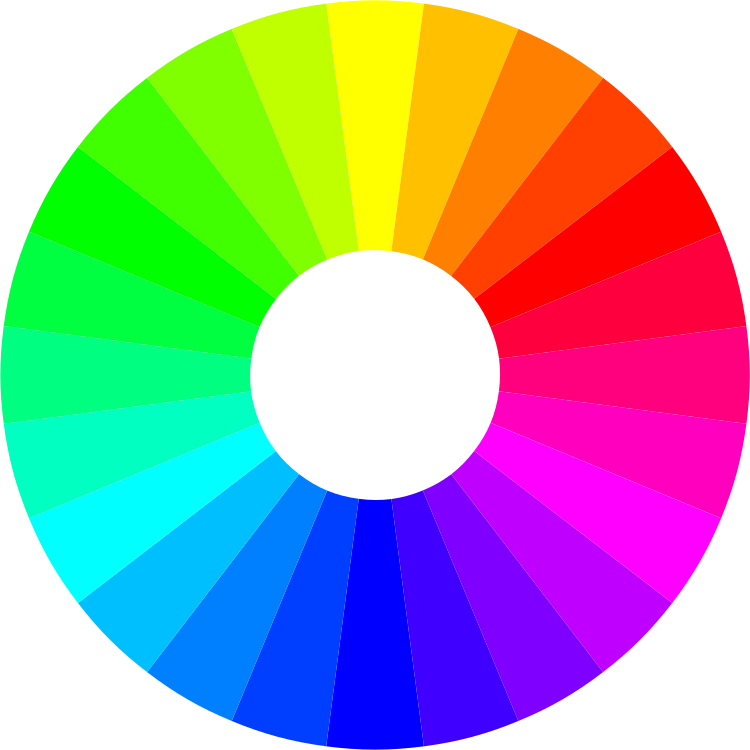
The color wheel is a fundamental tool in trichromatic theory for identifying undertones by analyzing complementary and adjacent colors. Hair undertones—warm, cool, or neutral—can be determined through systematic observation and background testing.Theoretical Foundations
Procedure for Undertone Detection
1. Prepare the Environment
Use a neutral gray card (18% reflectance) as a reference to eliminate ambient light bias. Ensure the lighting source is color-rendering index (CRI) ≥90 to avoid spectral distortions.
2. White Background Test
Place the hair strand on a white (RAL 9016) surface under daylight (D65). Observe the following:
3. Black Background Test
Transfer the hair to a black (RAL 9005) surface. Note:
4. Cross-Verification with Complementary Colors
Hold a color wheel (e.g., Pantone’s Color Harmony Manual) near the hair:
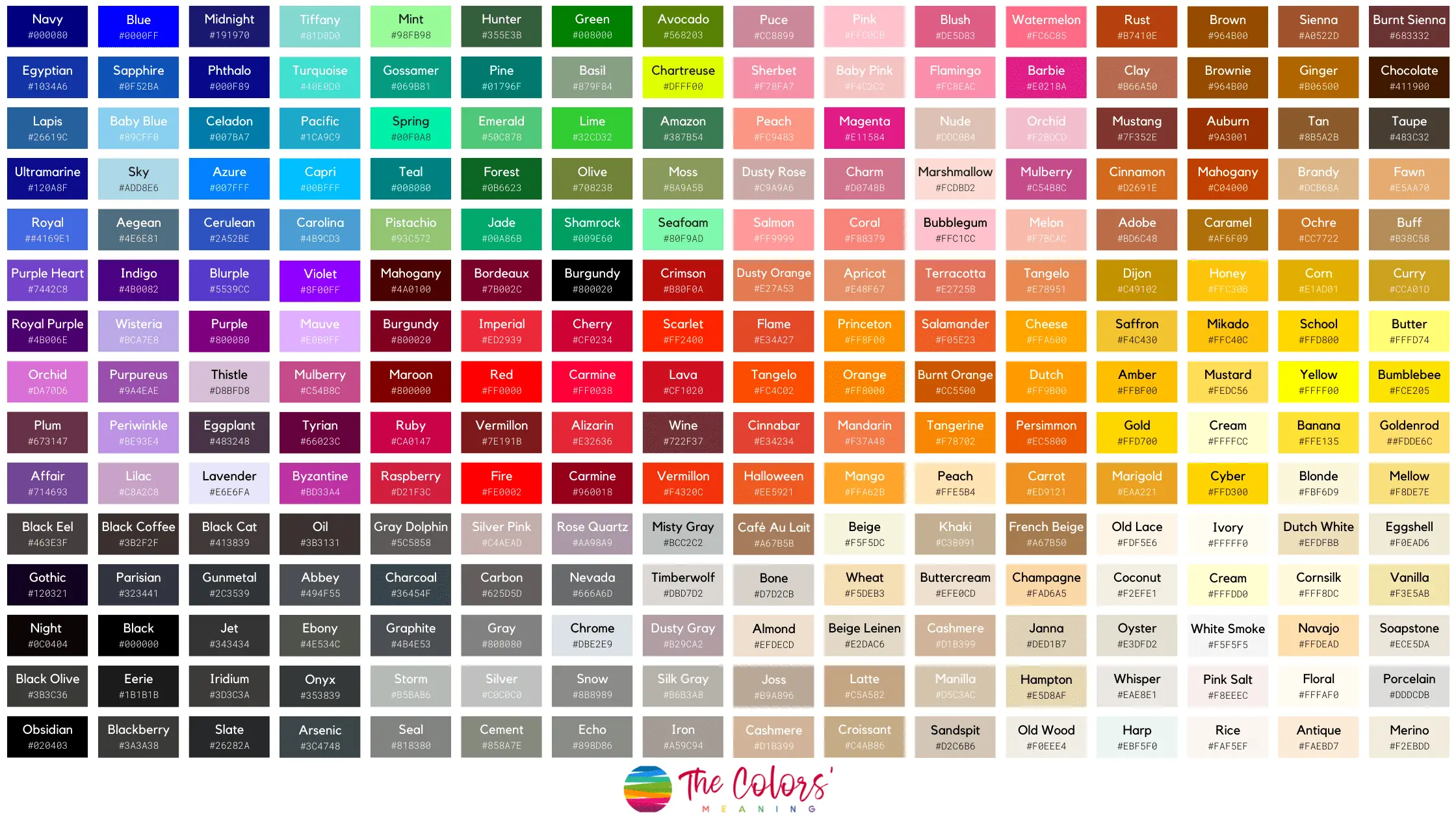
Example Undertone Identification:Hair appears golden on white + blue-gray on black → Warm undertone. Hair appears gray on white + no warm reflections on black → Cool undertone. Hair appears beige on white + no distinct reflections on black → Neutral undertone.
Comparison Against Standardized Swatch Charts
Standardized color swatch systems (e.g., Pantone Fashion Color Matching System, L’Oréal Majorelle, or Wella Color Systems) provide physical or digital references for precise hair color matching. These charts account for level, tone, and intensity variations, ensuring consistency across applications.Physical Swatch Comparison Method
1. Select a Certified Chart
Use Pantone’s Fashion Color System or L’Oréal’s Majorelle charts, which include 12 levels × 12 tones with intensity gradations. Ensure the chart is calibrated annually to maintain accuracy.
2. Controlled Lighting Setup
Place the hair strand and swatch side-by-side under D65 lighting (e.g., X-Rite ColorChecker Passport light source). Avoid fluorescent or incandescent lighting, which distorts color perception.
3. Direct Comparison
4. Documentation with Swatch Codes
Record the exact swatch code (e.g., Pantone 16-1410 TCX for "Golden Sand") alongside the FCS notation for cross-referencing.
Digital Swatch Comparison Using Software
Professional tools like Adobe Color, Pantone Connect, or HairColorPro allow digital swatch analysis via:
Example Digital Workflow: 1. Capture hair image under D65 lighting with a gray card for calibration.
2. Use Photoshop’s Color Sampler Tool to extract RGB values (e.g., R:180, G:130, B:80).
3. Compare against Pantone’s digital library to find the closest match (e.g., Pantone 15-1210 TCX).
Digital Photography and RGB/Hex Value Analysis
Professional colorists leverageCultural and Psychological Associations of Hair Color
Hair color transcends biological function, serving as a potent symbol in cultural narratives, psychological perceptions, and societal trends. Across civilizations, specific shades have been imbued with distinct meanings—ranging from divine associations to stigmatization—while modern psychology links hair hues to subconscious trait attributions. This section explores the cross-cultural symbolism of hair color, its influence on first impressions, and its role as a dynamic marker of identity and rebellion in historical and contemporary contexts.Cross-Cultural Symbolism of Hair Color
The interpretation of hair color varies significantly across cultures, reflecting historical, religious, and social values. In Celtic traditions, red hair was often associated with supernatural qualities, linked to figures like the Tuatha Dé Danann, a mythological race in Irish lore. Conversely, in Chinese culture, red hair has been historically tied to foreign or exotic identities, occasionally carrying connotations of otherness or even taboo due to its rarity. Similarly, blonde hair holds divergent meanings: in European contexts, it has been idealized as a symbol of purity and nobility (e.g., Scandinavian "golden" associations), while in African traditions, natural dark or black hair has been culturally revered, and blonde hair—when artificially achieved—may evoke colonial-era stereotypes or be perceived as a deviation from traditional beauty standards.In South Asian cultures, black hair is frequently celebrated as a sign of health and vitality, while gray or white hair is often respected as a mark of wisdom and age. Meanwhile, in Japanese folklore, white hair is occasionally linked to yōkai (supernatural creatures), though it can also symbolize longevity. These variations underscore how hair color is not merely a physical trait but a culturally constructed signifier, shaped by historical narratives, media representation, and collective values.
Psychological Effects of Hair Color on First Impressions
Research in social psychology demonstrates that hair color subtly influences perceptions of personality, competence, and approachability. Studies suggest that individuals with blonde hair are often perceived as more friendly and approachable, though they may also face stereotypes of being less intelligent—a bias rooted in historical associations with "dumb blonde" tropes. Conversely, redheads are frequently attributed traits such as boldness, creativity, and even temperamental intensity, potentially stemming from their rarity and historical portrayals in media (e.g., fiery-tempered characters in literature). Dark hair, particularly black, is often linked to seriousness and professionalism, though natural dark hair in non-Western contexts may be associated with authenticity or resistance to Eurocentric beauty standards.A 2018 study published in Personality and Individual Differences found that participants rated silver or gray-haired individuals as more wise and experienced, aligning with cultural reverence for aging. Meanwhile, pastel or unnatural hues (e.g., pink, blue) may evoke perceptions of youthfulness, nonconformity, or artistic expression, though they can also trigger skepticism about authenticity. These biases highlight how hair color acts as a nonverbal cue, shaping first impressions before verbal interaction occurs.
Hair Color Trends as Reflections of Societal Shifts
Hair color trends often mirror broader cultural movements, serving as visual manifestations of rebellion, identity exploration, or aesthetic minimalism. The punk movement of the 1970s–80s popularized bright neon colors and shaved stripes, challenging mainstream norms and embracing individuality. Similarly, the minimalist aesthetic of the 2010s saw a rise in silver and platinum streaks, reflecting a shift toward understated elegance and anti-consumerist values. More recently, gender-fluid fashion has influenced hair color trends, with pastel shades and ombré techniques breaking traditional gendered associations (e.g., pink historically tied to femininity, blue to masculinity).The natural hair movement, particularly among Black communities, has reclaimed dark, textured hair as a symbol of cultural pride and resistance to Eurocentric beauty standards. Conversely, the viral "silver fox" trend in Hollywood and social media celebrates aging without concealment, aligning with movements advocating for age positivity. These trends illustrate how hair color is not static but evolves in response to political, social, and technological changes, acting as a canvas for self-expression and collective identity.
Historical Figures and the Cultural Impact of Their Hair Colors
The following table highlights notable historical figures whose hair colors carried significant cultural or symbolic weight, influencing public perception and societal narratives.| Figure | Hair Color | Cultural Context | Impact |
|---|---|---|---|
| Marilyn Monroe | Platinum blonde | Mid-20th-century Hollywood, America |
|
| David Bowie | Silver/white (later in career) | 1970s counterculture, UK |
|
| Nefertiti | Reddish-brown (natural) / Red (reconstructed in art) | Ancient Egypt, 14th century BCE |
|
| Malala Yousafzai | Natural dark brown | Modern Pakistan, global advocacy |
|
Technical Tools for Hair Color Analysis
The precise identification and quantification of hair color rely on advanced technical tools that bridge scientific measurement with practical application. Spectrophotometers, mobile applications, microscopy, and digital color analysis software each provide distinct methodologies to assess hair color objectively. These tools enable professionals in cosmetology, forensic science, and textile industries to standardize color assessment, ensure consistency in dye formulations, and interpret structural variations linked to pigment distribution.Spectrophotometers in Hair Color Measurement
Spectrophotometers measure hair color by analyzing the interaction of light with melanin and other chromophores within the hair shaft. The device emits light across a calibrated spectrum (typically 380–780 nm) and records the reflectance (percentage of light reflected) and absorption (light absorbed by pigments) at each wavelength. The data is then converted into chromaticity coordinates using the CIELAB color space, which quantifies color in three dimensions:Key Formula for Chromaticity:For hair analysis, spectrophotometers often use diffuse reflectance geometry (e.g., d/8° or d/0°) to minimize specular reflections from the hair surface. High-end models, such as the Datacolor 600 or X-Rite MA988, incorporate UV-visible-NIR (near-infrared) sensors to detect subtle shifts in color caused by structural changes (e.g., medulla presence) or chemical treatments (e.g., bleaching). However, these devices require controlled lighting (e.g., D65 standard illuminant) and calibration against known standards (e.g., NIST SRM 2066a) to ensure accuracy.
The CIELAB coordinates are derived from the XYZ tristimulus values, which are calculated via:
\[ X = k \int_{\lambda} \bar{x}(\lambda) \cdot S(\lambda) \cdot R(\lambda) \, d\lambda \]
where \( \bar{x}(\lambda) \) is the CIE 1931 color matching function, \( S(\lambda) \) is the illuminant spectrum, and \( R(\lambda) \) is the reflectance spectrum of the sample.
Mobile Applications for Hair Color Identification
Mobile applications leverage smartphone cameras and machine learning to provide rapid, user-friendly hair color analysis, though their accuracy depends on hardware limitations and environmental factors. Tools such as Hair Color Matcher (by ColorSync) or ColorSnap (by Pantone) use the device’s RGB sensor to capture an image of the hair under standardized lighting conditions (e.g., 5000K–6500K color temperature). The app then applies color space conversion (e.g., RGB to Lab*) and compares the result to a preloaded palette (e.g., Pantone Fashion Color System or L’Oréal’s Color Expertise database).Limitations of Mobile Apps:Advanced apps incorporate AI-based segmentation to isolate hair pixels from background noise, then apply Gaussian blur to reduce pixelation artifacts. For example, ColorZenith’s Hair Color AI uses a deep neural network (DNN) trained on 10,000+ reference images to predict color codes (e.g., Hex #3D2B1F for "Dark Brown") with ±2 ΔE accuracy under optimal conditions. However, users must calibrate the app against a white reference card (e.g., X-Rite ColorChecker Passport) to minimize errors.
Lighting dependence: Ambient light (e.g., fluorescent vs. incandescent) can skew RGB values by up to ±15% ΔE (color difference). Camera sensor noise: Low-end sensors may introduce quantization errors in dark or highly saturated colors. User positioning: Angle of capture affects reflectance; a 45° incident light/0° viewing angle is ideal but rarely achievable with handheld devices.
Microscopy for Internal Hair Structure and Color Correlation
Light and electron microscopy reveal how internal hair morphology influences external color perception. The hair shaft comprises three layers:1. Cuticle (transparent, reflects light),
2. Cortex (contains melanin granules, determines primary color),
3. Medulla (air-filled, scatters light and can create metallic sheens).
Structural Color Contributions:Polarizing microscopy (e.g., Leica DM750P) is used to examine birefringence patterns in treated hair, where bleached or dyed strands exhibit altered refractive indices. For instance, hydrogen peroxide treatment disrupts disulfide bonds, causing the cortex to scatter light unevenly and appear yellowish under polarized light. Scanning Electron Microscopy (SEM) (e.g., FEI Quanta 650) provides nanoscale resolution, revealing how melanosome distribution in the cortex correlates with color uniformity (e.g., patchy graying shows irregular melanin aggregation).
Eumelanin (black/brown) and pheomelanin (red/yellow) in the cortex absorb specific wavelengths, creating base hues. Medulla presence: In thick hairs (e.g., >0.08 mm diameter), the medulla scatters light, enhancing metallic or iridescent effects (e.g., "silver" or "pearl" tones). Cuticle thickness: Rough cuticles (e.g., from damage) increase diffuse reflectance, making hair appear duller.
Creating a Custom Hair Color Palette Using Digital Tools
Digital color software enables the creation of standardized palettes by extracting precise RGB/hex values from reference images. The process involves:1. Image Acquisition: Capture high-resolution photographs of hair samples under D65 illuminant (e.g., using a MacBeth ColorChecker for calibration).
2. Color Space Conversion: Use Adobe Photoshop or Adobe Color to convert RGB values to CIELAB (Lab*) for device-independent accuracy.
3. Palette Generation: Tools like Adobe Color’s "Color Wheel" or Kuler allow users to define a custom palette by:
Example Workflow in Photoshop:For textile or cosmetics applications, palettes are often cross-referenced with industry standards (e.g., Pantone Fashion Color System) to ensure consistency. Software like ColorThink Pro integrates spectral data from instruments (e.g., X-Rite i1Pro 2) to validate digital palettes against physical samples, reducing discrepancies caused by monitor calibration drift (typically ±5 ΔE without calibration).
1. Open the reference image and set the color profile to sRGB IEC61966-2.1.
2. Use the Info Panel to note RGB values (e.g., #4A302A for "Chestnut Brown").
3. Convert to Lab* via Image > Mode > Lab Color to isolate lightness/chroma.
4. In Adobe Color, create a new palette and add the Lab* values, then refine using sliders for ΔE tolerance (e.g., ±3 for perceptible differences).
Creative and Practical Applications of Hair Color Knowledge
Hair color serves as a dynamic variable in aesthetics, personal expression, and technical fields beyond mere cosmetic preference. Its strategic application influences fashion coordination, digital media production, forensic analysis, and even artistic cosplay. By integrating hair color theory into workflows—whether for styling, dye selection, or media enhancement—professionals can achieve harmonious visual outcomes that align with individual features or project requirements. This section explores structured methodologies for leveraging hair color in creative and functional contexts, emphasizing precision, cultural relevance, and interdisciplinary utility.
Workflow for Styling Outfits Based on Hair Color Harmony
The selection of clothing and accessories should complement or contrast hair color to create a cohesive and intentional aesthetic. A systematic approach involves analyzing the hair’s undertones (warm, cool, or neutral), dominant hue, and saturation, then mapping these attributes to a color palette for garments and accessories. For example, cool-toned hair (e.g., platinum blonde or ash brown) pairs well with jewel tones (emerald, sapphire) or metallic silver accents, while warm-toned hair (e.g., golden blonde or auburn) harmonizes with earthy tones (olive green, terracotta) or brass finishes. Contrasting shades—such as pairing deep red hair with icy pastels—can create bold, high-fashion statements, whereas analogous shades (e.g., burgundy hair with mustard yellow) foster subtlety and elegance.
Step-by-Step Workflow:
1. Hair Color Analysis
2. Clothing Palette Selection
3. Accessory and Metallic Accents
4. Seasonal and Contextual Adjustments
Selecting Hair Dyes or Highlights to Enhance Natural Features
The choice of hair dye or highlights should amplify an individual’s eye color, skin undertone, and facial features while maintaining a natural or intentional contrast. For instance, cool undertones (pink/red) in skin pair best with ash tones (platinum, ash brown), whereas warm undertones (yellow/gold) harmonize with golden or copper-based dyes. Eye color further refines selection: blue-eyed individuals often benefit from cool or contrastive shades (e.g., icy blonde), while green-eyed people may enhance their gaze with warm caramel or auburn highlights. Below is a structured guide for dye selection based on key features.Feature-Based Dye Selection Matrix
| Skin Undertone | Eye Color | Recommended Hair Colors | Avoid |
|---|---|---|---|
| Cool (Pink/Red) | Blue | Platinum blonde, ash brown, silver gray, cool-toned black | Brassy gold, warm caramel, orange-based reds |
| Cool | Green/Hazel | Mushroom brown, cool beige blonde, lavender tones | Neon highlights, overly warm reds |
| Warm (Yellow/Gold) | Brown | Golden blonde, honey brown, warm chestnut, copper red | Ashy tones, icy platinum |
| Warm | Amber | Caramel highlights, warm auburn, golden highlights | Cool silver, jet black (unless balanced with warm accessories) |
| Neutral | Gray/Green | Versatile: Cool or warm shades (e.g., pearl blonde, espresso brown) | Extreme contrasts (e.g., neon + neutral skin) |
Professional Tips for Dye Application:
Hair Color Effects in Photography and Videography
Hair color significantly impacts visual storytelling in media, influencing mood, realism, and technical execution. In photography, lighting and camera settings must account for the hair’s reflective properties, while in videography, color grading ensures consistency across scenes. For example, cool-toned hair may appear washed out under warm lighting, requiring color correction to restore vibrancy, whereas warm hair can overpower a scene if not balanced with cool shadows. Below are technical guidelines for optimizing hair color in visual media.Lighting Setups for Hair Color Accuracy
The question what color is my hair transcends its surface-level curiosity, serving as a gateway to understanding human biology, technological innovation, and societal trends. Whether through the lens of melanin distribution in the hair shaft, the psychological impact of auburn undertones, or the precision of spectrophotometers in forensic analysis, this topic bridges scientific rigor with creative application. From selecting the ideal dye shade to decoding the cultural significance of silver streaks in modern aesthetics, the knowledge gained here empowers both professionals and enthusiasts to perceive hair color not as a static attribute but as a dynamic interplay of nature, technology, and human expression.
FAQ
How can I use a hair color scanner to find out what my natural hair color is?
A hair color scanner (like those from companies such as HairColor123 or apps like Hair Color Analyzer) analyzes your hair under UV or LED light to determine your base shade. These tools compare your hair to a color chart and provide a result in seconds. Accuracy depends on lighting conditions and hair health—dyed or treated hair may give less reliable results.
Can I upload a photo of my hair to determine its exact color?
Yes, several online tools (e.g., Hair Color Quiz or Colorwise) let you upload a well-lit photo of your hair for analysis. AI algorithms compare your hair to color palettes, but results vary based on photo quality, lighting, and hair condition. For best accuracy, use natural light and avoid filters or heavy editing.
How does AI determine the color of my hair from an image?
AI hair color analyzers use machine learning to process pixel data in your photo, identifying undertones, depth, and saturation. They cross-reference these with predefined color scales (e.g., Pantone or natural hair charts) to classify your shade. Limitations include difficulty with mixed colors, low-light photos, or heavily styled hair.
What’s the best hair color quiz to find my true hair color?
Popular quizzes like Hair Color Quiz by Colorwise or Style DNA’s Hair Color Finder ask about undertones, lightness, and desired effects to recommend shades. For natural hair, focus on quizzes that prioritize base color (e.g., Hair Color 123). Avoid quizzes that rely solely on preferences—opt for those using visual analysis or undertone questions.
Where can I find a hair color chart to identify my exact shade?
Standard charts like the Pantone Fashion Color System or Natural Hair Color Charts (e.g., from HairColor123) categorize shades by level (1–10) and undertone (warm/cool/neutral). For at-home use, print a chart and compare your hair under natural light, or use digital tools like Adobe Color to match hues. Salons often use these charts for precise dye selection.
Are there apps that can tell me my hair color just by looking at a photo?
Yes, apps like Hair Color Analyzer (iOS/Android) or Colorwise let you upload photos to detect your hair’s base color and undertones. They work best with clear, well-lit images and may suggest compatible dye shades. For dyed hair, results may be less accurate due to pigment variations. Always cross-check with a professional for major changes.
Leave a Comment
Comments are moderated before appearing. The data you submit is processed according to the Privacy Policy of Voltefac.