| Literary and Religious Texts |
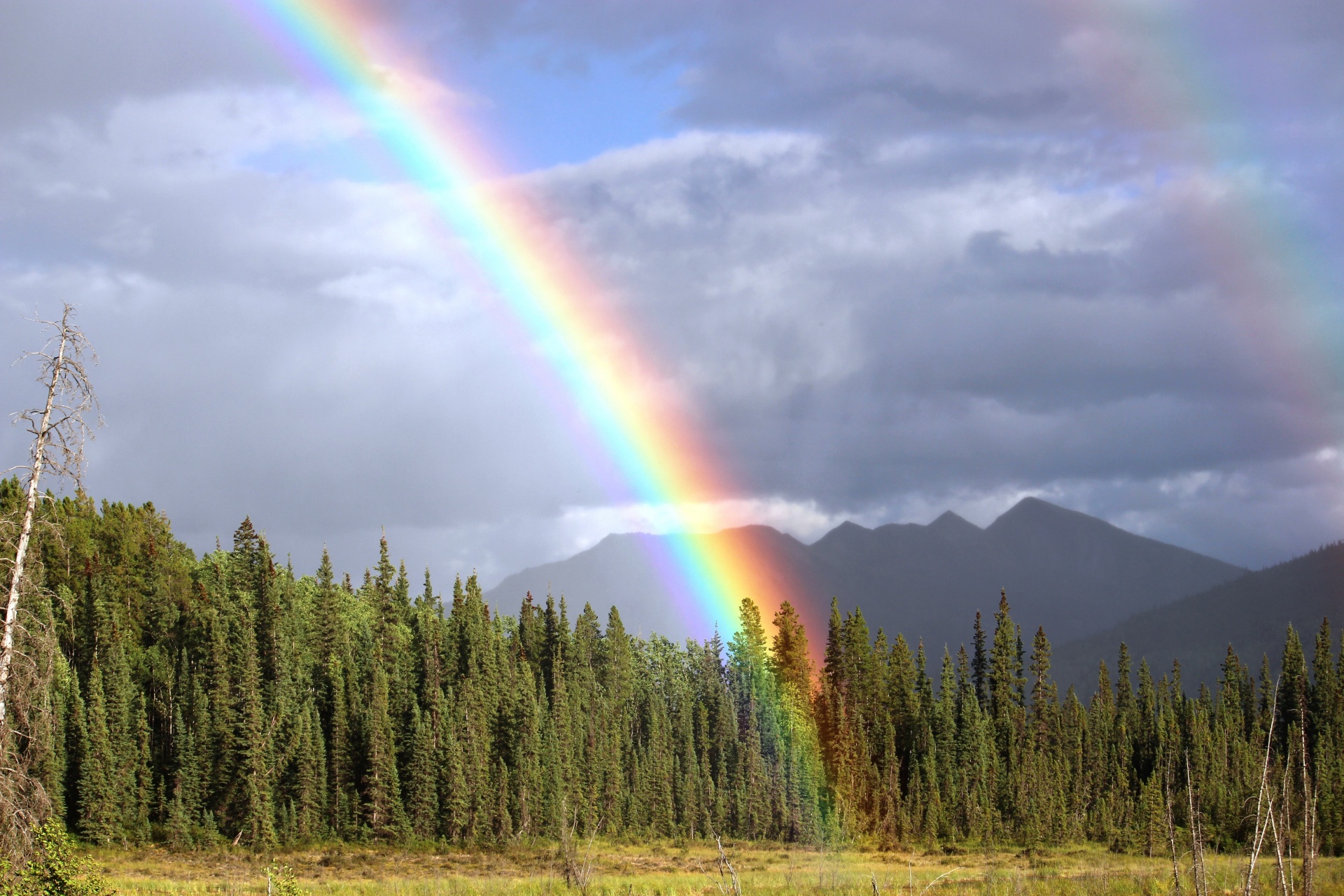
- Biblical references (Genesis 9:13–17) establish the rainbow as a sign of God’s covenant with Noah, ensuring the earth’s preservation.
- Vedic texts (Rigveda, ~1500 BCE) describe the rainbow as Indra’s weapon, a bridge between heaven and earth during battles with demons.
- Norse Eddas (Prose Edda, 13th century, but rooted in older myths) depict Bifröst, the rainbow bridge, as the path between Midgard (earth) and Asgard (heaven).
|
- Medieval bestiaries describe rainbows as serpents of light, often linked to the devil or divine
Psychological and Perceptual Effects of Rainbow Colors
The perception of rainbow colors is not merely a physiological response but a complex interplay between retinal processing, cognitive interpretation, and environmental context. Human vision relies on cone cells—photoreceptors in the retina sensitive to short (S), medium (M), and long (L) wavelengths—which collectively enable trichromatic color vision. However, variations in lighting conditions, individual differences in visual acuity, and neurological factors significantly alter how these colors are perceived, influencing emotional and psychological responses. This section examines the adaptive mechanisms of the human eye under different light spectra, the psychological associations of each color in the rainbow, and the perceptual distortions arising from color vision deficiencies.
Adaptive Perception of Rainbow Colors Under Varying Light Conditions
The human eye dynamically adjusts to ambient light through pupillary reflex and chromatic adaptation, processes that optimize color perception in fluctuating environments. Under daylight, the spectrum of visible light (400–700 nm) is fully available, allowing the retina to distinguish the full rainbow gradient with high fidelity. In contrast, artificial light sources—such as incandescent, LED, or fluorescent bulbs—emit skewed spectra, often lacking ultraviolet or red wavelengths, which can distort color saturation and hue.Cone cells exhibit photopic vision (bright light) and mesopic vision (low light), with rod cells dominating scotopic conditions (near-darkness). Under scattered or monochromatic artificial light, such as sodium-vapor lamps (which emit predominantly yellow-orange light), the perceived rainbow may appear muted or shifted toward the dominant wavelength. Studies in color constancy research (e.g., Brainard & Wandell, 2011) demonstrate that the brain compensates for illuminant changes, but extreme deviations (e.g., green-tinted lighting) can induce metameric mismatches, where two physically different spectra appear identical. The Helmholtz-Kohlrausch effect further complicates perception: colors with higher luminance (e.g., yellow) appear more vivid under bright light, while darker hues (e.g., deep blue) may fade in low-light conditions. This phenomenon explains why rainbows observed at dawn or dusk—when sunlight is diffused and cooler—often exhibit a bluer dominant wavelength compared to midday displays.
Psychological Associations of Rainbow Colors
Color psychology links specific wavelengths to emotional, behavioral, and cultural responses, shaped by evolutionary, social, and learned associations. Below is a structured overview of the psychological and symbolic interpretations of each rainbow color, grounded in color theory (e.g., Goethe, 1810; Itten, 1961) and empirical studies:
-
Red (620–750 nm)
Red stimulates the sympathetic nervous system, elevating heart rate and adrenaline levels. Studies in environmental psychology (e.g., Mehta & Zhu, 2009) associate red with energy, urgency, and dominance, explaining its use in warning signs (e.g., stoplights) and high-arousal contexts. However, cultural variations exist: in East Asian cultures, red symbolizes luck and celebration, while in Western contexts, it may connote anger or danger.
-
Orange (590–620 nm)
A blend of red’s intensity and yellow’s warmth, orange triggers appetite stimulation (hence its prevalence in food branding) and social engagement. Research in marketing psychology (e.g., Keller, 1993) shows orange increases perceived value in products, though it may also evoke frustration when overused. In nature, orange hues (e.g., autumn leaves) signal abundance and vitality.
-
Yellow (570–590 nm)
The most visually detectable color due to its high luminance, yellow is linked to optimism and clarity. However, its psychological impact is bipolar: while it enhances cognitive performance in moderate doses (e.g., office lighting), excessive yellow can induce anxiety or irritability (Elliot & Maier, 2012). In art and design, yellow represents enlightenment (e.g., religious iconography) but also caution (e.g., traffic signs).
-
Green (495–570 nm)
Associated with nature and harmony, green promotes calmness and balance by aligning with the rest-and-digest parasympathetic response. Studies in hospital design (e.g., Ulrich, 1984) demonstrate green reduces patient stress and accelerates recovery. However, dark greens may evoke envy or stagnation in cultural contexts (e.g., Western superstitions about "green-eyed" jealousy).
-
Blue (450–495 nm)
The most universally preferred color, blue lowers cortisol levels and induces trust and serenity (Elliot & Maier, 2014). Brands like Facebook and IBM leverage blue to convey reliability and professionalism. In contrast, electric blue (shorter wavelengths) can appear cold or distant, while teal (blue-green) balances warmth and stability. Blue’s calming effect is exploited in meditation spaces and corporate logos.
-
Indigo (420–450 nm)
Rarely isolated in natural spectra, indigo bridges blue and violet, symbolizing intuition and mystery. Historically, it represented royalty and spirituality (e.g., biblical references to "indigo dye"), but modern psychology associates it with depth and contemplation. Its low luminance makes it less dominant in visual stimuli, often used for subtle emphasis in design.
-
Violet (380–420 nm)
The shortest visible wavelength, violet triggers creativity and transformation but may also evoke melancholy due to its rarity in nature. Studies in color symbolism (e.g., Valdez & Mehrabian, 1994) link violet to luxury (e.g., high-end packaging) and spirituality (e.g., religious vestments). Its association with mourning in some cultures (e.g., Byzantine era) contrasts with its modern use in anti-establishment movements (e.g., LGBTQ+ pride).
Perceptual Distortions in Rainbow Colors Due to Color Blindness
Color vision deficiencies (CVDs) affect approximately 1 in 12 men and 1 in 200 women, with cone monochromacy, dichromacy, and anomalous trichromacy being the most common forms. Among these, protanopia (lack of L-cones) and deuteranopia (lack of M-cones) distort rainbow perception by collapsing spectral distinctions into red-green confusion. Below is a comparative analysis of how rainbows appear under these conditions:
| Condition |
Perceived Rainbow Distortion |
Visual Example (Descriptive) |
Impact on Color Discrimination |
|---|
| Protanopia |
Red and green hues merge into shades of brown, beige, or gray; blue and violet remain distinguishable but may appear darker. |
A protanopic observer might see a rainbow as a gradient from yellow-orange → pale green → blue → violet, with red indistinguishable from green. |
Difficulty identifying traffic lights (red vs. green), ripe fruits (red vs. green), or warning signs. |
| Deuteranopia |
Similar to protanopia but with less severe red-green confusion; greens appear more muted, and reds may shift toward orange. |
The spectrum might appear as orange → yellow-green → blue → violet, with reds and greens blending into olive or tan. |
Struggles with color-coded maps, medical charts, or artistic palettes relying on red-green contrasts. |
| Tritanopia (Rare, S-cone deficiency) |
Blue and yellow hues are indistinguishable; red and green remain but appear shifted toward pink and olive. |
A rainbow would resemble red → pink → gray → yellow →
Rainbow Colors in Nature and Beyond Human Vision
Spectral colors extend far beyond the familiar arc of a terrestrial rainbow, manifesting in diverse natural phenomena through interactions between light, matter, and atmospheric conditions. These phenomena often rely on principles of thin-film interference, diffraction, or scattering, producing visible and non-visible spectral effects that challenge human perception. Beyond Earth, rainbows and their equivalents arise under unique conditions, such as lunar illumination or extraterrestrial atmospheres, while certain species have evolved visual systems capable of detecting wavelengths invisible to humans. This exploration examines natural occurrences of spectral colors, comparative visual spectra across species, and the broader electromagnetic context of rainbow phenomena, including their extraterrestrial manifestations.
Natural Phenomena Producing Spectral Colors
Spectral colors in nature arise from interactions between light and microscopic structures, often exploiting wave interference or dispersion to separate wavelengths. Unlike rainbows, which require water droplets and sunlight, these phenomena occur in diverse environments, from biological surfaces to atmospheric anomalies.Thin-Film Interference
The iridescent hues observed in oil slicks, soap bubbles, and bird feathers result from constructive and destructive interference of light waves reflecting off thin, transparent layers. The thickness of the film and the angle of incidence determine which wavelengths interfere constructively, producing shifting colors as the observer’s perspective changes.
- Oil slicks: A thin layer of oil on water creates a gradient of colors due to varying film thickness. The thinnest regions reflect shorter wavelengths (blue/violet), while thicker areas reflect longer wavelengths (red/orange).
- Soap bubbles: The spherical geometry of a soap bubble generates concentric rings of color, with each ring corresponding to a specific film thickness. The colors shift rapidly as the bubble thins during evaporation.
- Bird feathers: Structural coloration in peacocks or hummingbirds arises from keratin nanostructures that scatter light selectively, producing vibrant blues and greens not achievable through pigments.
Diffraction Gratings
Natural diffraction gratings, such as the microscopic ridges on butterfly wings or the scales of certain beetles, split light into its component colors through periodic structural patterns.
- Morpho butterfly wings: Their scales contain lamellar structures that reflect circularly polarized light, producing an intense blue iridescence.
- Beetle exoskeletons: Some species, like Chrysochroa fulgidissima, exhibit metallic greens and blues due to multilayered cuticle structures acting as Bragg reflectors.
Scattering and Refraction
Atmospheric and particulate scattering can also produce spectral effects, though these often lack the sharp separation seen in rainbows.
- Auroras: Charged particles from solar wind collide with atmospheric gases (oxygen, nitrogen), emitting specific wavelengths. Oxygen produces green (557.7 nm) and red (630.0 nm) emissions, while nitrogen contributes purples and blues.
- Polar stratospheric clouds: These high-altitude clouds scatter sunlight, sometimes creating iridescent clouds with pastel hues due to diffraction by ice crystals.
Animal Vision: Perceiving Colors Beyond Human Spectra
Humans perceive visible light within a 400–700 nm range, but many species detect wavelengths outside this spectrum, expanding their ecological and behavioral capabilities. These adaptations often correlate with evolutionary pressures, such as foraging, communication, or predator avoidance.Ultraviolet (UV) Vision
Many insects and birds possess tetrachromatic or pentachromatic vision, extending into the UV spectrum (10–400 nm), which is invisible to humans.
- Bees and butterflies: Their compound eyes contain UV-sensitive photoreceptors, allowing them to detect UV patterns on flowers (e.g., nectar guides) that are invisible to humans. Some flowers, like Lavandula, reflect UV to attract pollinators.
- Birds: Many species, including pigeons and ravens, see UV light, which aids in food detection (e.g., urine trails of prey) and social communication (e.g., UV markings on feathers).
- Reptiles: Some lizards and snakes, such as the green mamba, possess UV-sensitive vision to locate prey or mates under foliage.
Infrared (IR) and Polarized Light Detection
While few animals detect infrared (700–1,000,000 nm), some use polarized light for navigation or hunting.
- Polarized light: Bees and ants use polarized light patterns in the sky to navigate, as the polarization angle shifts with the sun’s position.
- Pit vipers: These snakes detect infrared radiation via specialized pits, allowing them to "see" heat signatures of prey in complete darkness.
Tetrachromacy and Beyond
Some marine and terrestrial species exhibit enhanced color discrimination through additional photoreceptor types.
- Mantis shrimp: Possessing 12–16 types of color receptors, they detect ultraviolet, visible, and polarized light, enabling them to distinguish colors humans cannot perceive. Their vision is so advanced that scientists use their spectral sensitivity as a benchmark for hyperspectral imaging.
- Cephalopods: Squid and octopuses have tetrachromatic vision with sensitivity to UV and polarized light, aiding in camouflage and communication.
Comparative Spectral Ranges: Visible, Ultraviolet, and Infrared
Rainbow colors occupy a narrow band within the broader electromagnetic spectrum, which includes ultraviolet (UV) and infrared (IR) wavelengths. The following table compares the wavelength ranges of these regions, highlighting where human-visible rainbows fall and how other species perceive them.
| Region |
Wavelength Range (nm) |
Human Perception |
Animal Perception Examples |
Natural Phenomena Associated |
|---|
| Ultraviolet (UV) |
10–400 |
Invisible |
Bees (UV patterns on flowers), birds (UV feather markings), reptiles (UV navigation) |
Fluorescence in minerals, UV-reflective surfaces (e.g., some flowers, animal markings) |
| Visible Light |
400–700 |
Rainbow colors (400–700 nm) |
Humans (trichromatic), mantis shrimp (tetrachromatic+), cephalopods (UV + visible) |
Rainbows, auroras, thin-film interference (oil slicks, soap bubbles) |
| Infrared (IR) |
700–1,000,000+ |
Invisible (felt as heat) |
Pit vipers (thermal detection), some snakes (heat sensing) |
Thermal radiation, night vision in animals, remote sensing (e.g., satellite IR imaging) |
Key Observations:
- Rainbow colors (400–700 nm) represent only ~0.0035% of the entire electromagnetic spectrum.
- UV vision expands the detectable range for many species, revealing invisible cues critical for survival.
- IR detection is rare in visual systems but dominant in thermal sensing (e.g., pit vipers).
- Polarized light perception, while not a "color" in the traditional sense, provides orientation and communication advantages.
Rainbows are not exclusive to Earth; their formation depends on liquid droplets, a light source, and an atmosphere, but variations arise under different gravitational, atmospheric, and illumination conditions. Extraterrestrial rainbows present unique challenges due to factors such as low gravity, different atmospheric compositions, or lunar lighting.Lunar Rainbows (Moonbows)
Moonbows occur when moonlight—indirect sunlight reflected off the Moon—passes through water droplets, producing a faint, monochromatic rainbow. Key characteristics include:
- Color intensity: Moonlight is ~400,000 times dimmer than sunlight, resulting in pale, often white or bluish arcs.
- Wavelength dominance: Blue light scatters more efficiently in moonlight, making moonbows appear bluish-white rather than multicolored.
- Observation conditions: Best viewed during a full moon with a low sun angle (e.g., near sunset or sunrise) and a misty or rainy atmosphere.
Atmosph
Artistic and Technological Representations of Rainbow Colors
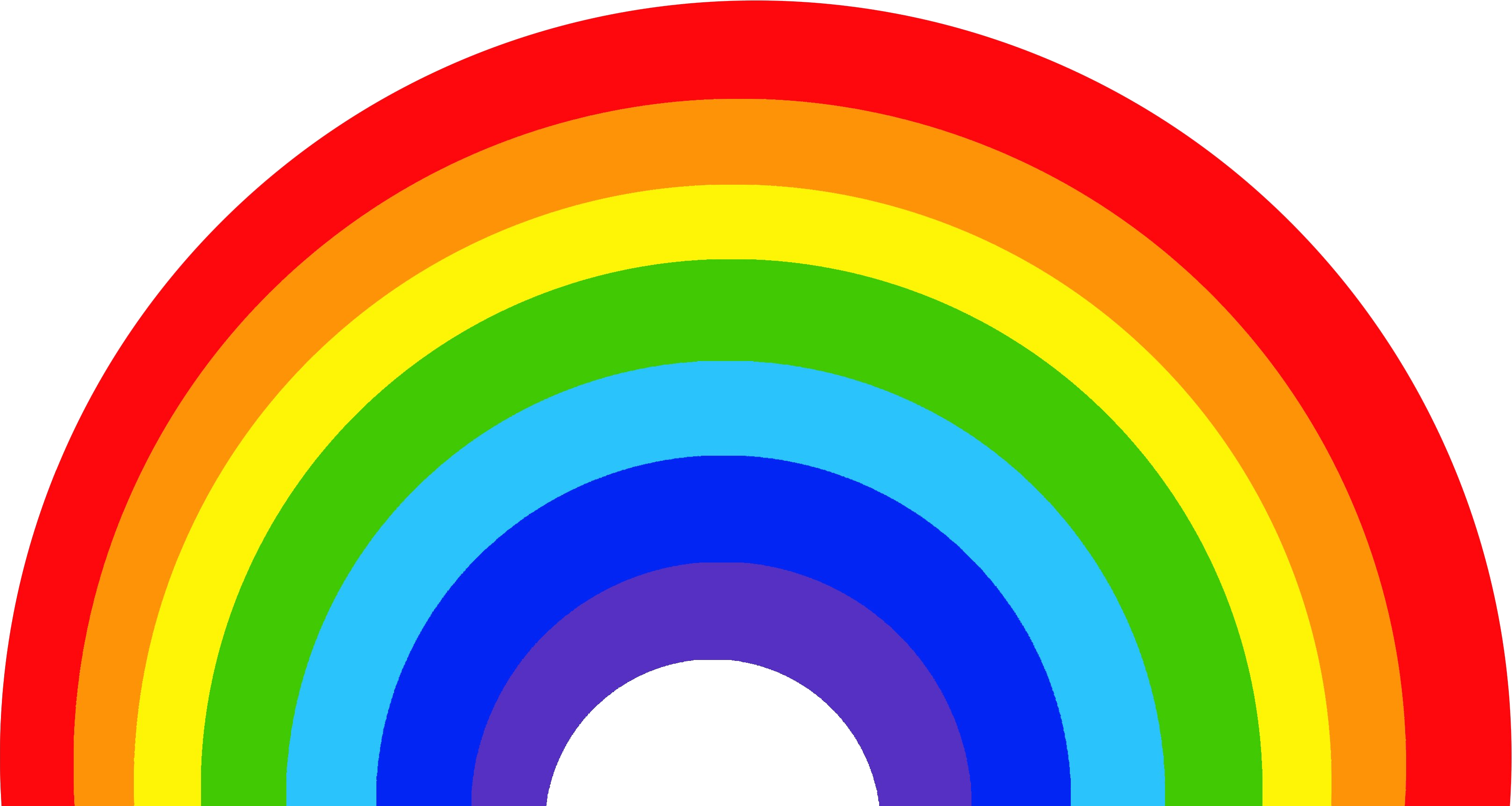
Rainbow colors have long served as a bridge between natural phenomena and human creativity, evolving from ancient artistic interpretations to cutting-edge digital and technological applications. In visual arts, rainbows have been rendered through both traditional media—such as oil paints, watercolors, and stained glass—and modern digital tools like CGI, VR, and generative design software. Technologically, their precise replication relies on principles of optics, color theory, and material science, enabling applications from fiber-optic communication to immersive LED displays. This section explores the techniques used to depict rainbows in art and technology, provides practical methods for generating rainbow effects, and examines their engineering in advanced systems.
Comparison of Traditional and Digital Techniques for Rendering Rainbows
The depiction of rainbows in art has historically depended on the medium’s limitations and the artist’s understanding of light dispersion. Traditional techniques often employed prismatic effects—such as layering translucent glazes in oil painting or using iridescent pigments in watercolors—to simulate the spectrum’s gradient. For instance, Renaissance artists like Leonardo da Vinci studied optics to create realistic atmospheric perspectives, while Baroque painters like Caravaggio used chiaroscuro to emphasize light refraction in scenes involving rainbows or prisms.In contrast, digital techniques leverage computational algorithms to achieve hyper-precision. Computer-generated imagery (CGI) in films (e.g., Avatar or The Lion King) employs ray tracing and physically based rendering (PBR) to simulate light scattering through water droplets with mathematical accuracy. Similarly, digital painting software (e.g., Procreate, Photoshop) allows artists to use gradient tools, adjustment layers, and custom brushes to mimic rainbow effects without physical constraints. A key difference lies in color calibration: digital tools use sRGB or Adobe RGB color spaces, ensuring consistency across devices, whereas traditional media rely on pigment mixing and viewer perception.
Traditional rainbows in art prioritize emotional and symbolic representation, while digital techniques focus on photorealistic or stylized replication through algorithmic control.
Generating a Rainbow Color Palette in Design Software
Creating a scientifically accurate rainbow palette in design software involves selecting colors that align with the visible spectrum’s wavelength distribution (approximately 380–750 nm). Below are step-by-step methods for generating such palettes in Adobe Color, CSS gradients, and RGB-based design tools.Adobe Color (Color Wheel or Gradient Tool)
1. Open Adobe Color (part of Adobe Creative Cloud) and select the Gradient tool.
2. Define a 7-color gradient with the following hex codes (based on standard rainbow wavelengths):
- Violet: `#8A2BE2` (400–420 nm)
- Indigo: `#4B0082` (420–450 nm)
- Blue: `#0000FF` (450–495 nm)
- Green: `#00FF00` (495–570 nm)
- Yellow: `#FFFF00` (570–590 nm)
- Orange: `#FFA500` (590–620 nm)
- Red: `#FF0000` (620–750 nm)
3. Adjust the gradient stops to ensure smooth transitions, avoiding abrupt shifts between colors.
4. Export the palette as a CSS, JSON, or SWATCH file for use in web or graphic design.CSS Gradients (Linear or Radial)
CSS allows dynamic rainbow gradients using the `linear-gradient()` or `radial-gradient()` functions. Example for a horizontal rainbow bar: .rainbow-bar {
background: linear-gradient(to right,
#8A2BE2, #4B0082, #0000FF, #00FF00,
#FFFF00, #FFA500, #FF0000);
height: 50px;
width: 100%;
} For a radial rainbow effect (e.g., a circular prism): .rainbow-circle {
background: radial-gradient(circle,
#FF0000 0%, #FFA500 14%,
#FFFF00 28%, #00FF00 42%,
#0000FF 57%, #4B0082 71%,
#8A2BE2 85%);
width: 200px;
height: 200px;
border-radius: 50%;
} RGB Values for Precision
The following RGB values correspond to the hex codes above, useful for programming or graphic design:
- Violet: `RGB(138, 43, 226)`
- Indigo: `RGB(75, 0, 130)`
- Blue: `RGB(0, 0, 255)`
- Green: `RGB(0, 255, 0)`
- Yellow: `RGB(255, 255, 0)`
- Orange: `RGB(255, 165, 0)`
- Red: `RGB(255, 0, 0)`
For accessibility, ensure rainbow palettes meet WCAG contrast ratios when used in text or UI elements, as some combinations (e.g., red/green) may pose challenges for color-blind users.
Step-by-Step Guide to Creating a Physical Rainbow with Household Materials
A rainbow can be observed under specific conditions of sunlight, water droplets, and viewing angle. Below is a safe, indoor method using common materials to simulate a terrestrial rainbow (a phenomenon called a "rainbow projection").Materials Required:
- Compact Disc (CD) or DVD (acts as a prism)
- Spray bottle filled with water
- Bright sunlight (or a strong LED light source)
- White wall or sheet (as a projection surface)
- Optional: Black cardstock (to reduce stray light)
Safety Notes:
- Avoid direct sunlight exposure to eyes; use indirect light if possible.
- Do not use lasers or high-intensity light sources without protective eyewear.
- Ensure the CD is unscratched to avoid distorted light dispersion.
Procedure:
1. Position the Light Source
Place the CD or DVD in a sunlit window or under a strong LED lamp (e.g., a desk lamp). The light should shine directly onto the CD’s reflective side. 2. Create a Water Mist
Spray a fine mist of water in front of the CD using the spray bottle. The mist should be dense enough to refract light but not so heavy that it obscures the rainbow. Adjust the spray distance (typically 10–30 cm from the CD) until a visible spectrum appears. 3. Adjust the Viewing Angle
Stand to the side of the light source and tilt the CD slightly until a horizontal band of colors appears on the wall. The optimal angle is usually 40–42 degrees from the light’s path, mimicking the 42° primary rainbow angle in nature. 4. Refine the Projection
- Use a white sheet as a backdrop to enhance contrast.
- If the rainbow appears faint, increase the light intensity or reduce the mist density.
- For a double rainbow, create a second mist layer further from the CD and adjust angles accordingly.
Scientific Explanation:
This setup replicates Newton’s prism experiment but uses water droplets instead of glass. The CD’s grooves act as diffraction gratings, while the water mist refracts and internally reflects light, producing a spectrum. The colors appear in the order red to violet due to dispersion (shorter wavelengths bending more).
For a more controlled experiment, replace the spray bottle with a fine mist generator or a laser pointer (with caution) to observe dispersion patterns on a screen.
Role of Rainbow Colors in Technology: Engineering Precision in Fiber Optics, Holograms, and LED Displays
Rainbow colors are not merely aesthetic in technology; they are engineered for functionality, enabling high-speed data transmission, 3D imaging, and energy-efficient lighting. Below are key applications where rainbow principles are critical.Fiber-Optic Communication
Rainbow colors are harnessed through wavelength-division multiplexing (WDM), where multiple data streams are transmitted simultaneously via different wavelengths of light in optical fibers. A single fiber can carry terabits per second by combining signals in the 1550 nm (infrared) to 850 nm (near-infrared) range, with color filters (e.g., dichroic mirrors) separating and routing data. For example:
- C-band
Myths and Misconceptions About Rainbow Colors
Rainbows have long captivated human imagination, giving rise to a multitude of myths, cultural superstitions, and pseudoscientific claims. While their scientific explanation is rooted in optics and meteorology, misconceptions persist across disciplines—from folklore to modern wellness trends. This section examines common myths about rainbows, including their physical properties, cultural symbolism, and pseudoscientific interpretations, while providing evidence-based corrections from physics, biology, and meteorology. By distinguishing fact from fiction, this discussion clarifies the true nature of rainbows and their representations in human thought.The persistence of rainbow-related myths often stems from a combination of visual perception, cultural storytelling, and misinterpretations of scientific phenomena. For instance, the idea that rainbows are "always circular" or that one can "reach the end" of a rainbow reflects a misunderstanding of their optical formation. Similarly, pseudoscientific claims—such as the "rainbow diet" or the use of rainbow-colored light for healing—lack empirical support and can mislead public understanding. Cultural superstitions, like the leprechaun gold myth, originate in folklore but are often detached from the actual physics governing rainbows. Scientific disciplines address these misconceptions differently: physicists focus on light refraction, biologists on human visual perception, and meteorologists on atmospheric conditions. This section explores these perspectives to provide a comprehensive debunking of common rainbow myths.
Optical and Physical Misconceptions About Rainbows
Rainbows are often misunderstood due to their ephemeral and visually striking nature. Several persistent myths arise from incorrect assumptions about their formation, visibility, and structure.Rainbows are not physical objects that can be touched or reached. The misconception that one can "find the end of a rainbow" stems from the fact that a rainbow’s position depends on the observer’s viewpoint. When an observer moves, the rainbow’s apparent location shifts, maintaining a constant angular distance (approximately 42° for the primary rainbow) from the antisolar point (the point directly opposite the sun). This phenomenon is described by the formula for the angle of deviation in a raindrop:
θ = 180° + 2i – 4r
where i is the angle of incidence and r is the angle of refraction inside the raindrop.
Since this angle remains constant relative to the observer’s position, the rainbow cannot be "reached" in the traditional sense.Another common myth is that rainbows are always circular. While rainbows are indeed full circles when viewed from an aircraft or high vantage point, they typically appear as arcs from ground level due to the horizon obstructing the lower portion. This limitation is not a flaw in the rainbow’s formation but a result of Earth’s curvature and the observer’s perspective. Meteorologists and physicists emphasize that the circular nature of rainbows is a consequence of light refraction and reflection in spherical raindrops, governed by Snell’s law and Descartes’ theorem.
Cultural Superstitions and Folklore Associated with Rainbows
Rainbows have been woven into global folklore, often symbolizing luck, magic, or hidden treasures. These cultural narratives, while fascinating, frequently diverge from scientific reality.One of the most enduring myths is the association of rainbows with leprechaun gold and pots of gold at their ends, a staple of Irish folklore. This superstition likely originated as a metaphor for the unattainable—rainbows are optical illusions with no tangible endpoint. The phrase "pot of gold" may also reflect ancient Celtic beliefs about rainbows as bridges between the human world and the Otherworld, a realm inhabited by supernatural beings. In Norse mythology, the rainbow Bifröst served as a bridge connecting Midgard (the world of humans) to Asgard (the realm of the gods), further embedding rainbows in cultural narratives of transcendence. Other cultural interpretations include: -
Chinese folklore: Rainbows were believed to be the "Dragon’s Back," where dragons would ascend to the heavens after a storm. The colors were seen as omens—red indicating good fortune, while green or black suggested misfortune.
-
Native American traditions: Some tribes viewed rainbows as spiritual messengers or pathways for souls. The Navajo, for example, associated rainbows with the emergence of the first humans from the underworld.
-
African folklore: In some West African cultures, rainbows were linked to the goddess of fertility, and touching one was considered taboo, as it might disrupt natural balance.
-
Japanese mythology: The rainbow (ni-jūbashi) was seen as a bridge between the human world and the realm of the gods, similar to Bifröst, but also as a symbol of the emperor’s divine connection.
These superstitions, while culturally rich, are not supported by physics or meteorology. Rainbows are purely optical phenomena resulting from the interaction of sunlight with water droplets, with no supernatural or tangible properties.
Pseudoscientific Claims and Modern Misinterpretations
In contemporary contexts, rainbows and their colors have been co-opted into pseudoscientific practices, particularly in wellness and dietary trends. One such example is the "rainbow diet," a concept popularized by some alternative health advocates who claim that consuming foods of all colors (red, orange, yellow, etc.) provides a "balanced" or "complete" nutritional profile. While it is true that a varied diet rich in different colored fruits and vegetables offers diverse nutrients, the "rainbow diet" lacks scientific rigor. Nutritionists emphasize that nutritional balance depends on the presence of specific vitamins, minerals, and phytonutrients—not merely the visual spectrum of foods. The rainbow metaphor oversimplifies dietary requirements and can mislead individuals into believing that color alone determines health benefits.Another pseudoscientific claim involves the use of rainbow-colored light for therapeutic purposes, such as "color therapy" or chromotherapy. Proponents assert that exposing the body to specific colors can cure ailments or enhance well-being. However, medical research does not support these assertions. The human body does not process light in a way that allows colors to "heal" diseases; any perceived benefits from chromotherapy are likely due to the placebo effect. The National Center for Complementary and Integrative Health (NCCIH) states that there is no credible evidence that chromotherapy can treat or prevent medical conditions. Additionally, some modern misconceptions arise from misinterpretations of scientific studies. For example, the idea that rainbows can appear in non-visible spectra (such as infrared or ultraviolet) is sometimes conflated with scientific discussions about "invisible rainbows." While it is true that rainbows can form outside the visible spectrum under specific conditions (e.g., using infrared or ultraviolet light sources), these are not naturally occurring phenomena in Earth’s atmosphere. Natural rainbows are confined to the visible spectrum (approximately 380–750 nm) due to the limitations of human vision and the properties of sunlight.
Disciplinary Perspectives on Rainbow Misconceptions
Different scientific fields address rainbow misconceptions through distinct educational frameworks, reflecting their disciplinary focus. Physics and meteorology emphasize the optical and atmospheric conditions necessary for rainbow formation, while biology highlights human visual perception and cognitive interpretations.In physics, rainbows are taught as applications of geometric optics, particularly the principles of refraction, reflection, and dispersion. Educators often use diagrams of light passing through a spherical raindrop to debunk myths about rainbows being "solid" or "reachable." The primary and secondary rainbows are explained through the angles of deviation, with the secondary rainbow (at ~51°) arising from double internal reflection. Physics textbooks and educational resources, such as those from the American Association of Physics Teachers (AAPT), stress that rainbows are not physical entities but rather illusions created by light scattering. Meteorology focuses on the atmospheric conditions required for rainbow formation, such as the presence of sunlight at a low angle (less than 42° from the horizon) and raindrops of uniform size. Meteorological explanations often correct misconceptions about rainbows appearing in other weather phenomena, such as fog or mist. For example, fogbows (or white rainbows) are not true rainbows because they lack the dispersion of colors due to the smaller water droplets in fog. Educational materials from organizations like the National Oceanic and Atmospheric Administration (NOAA) clarify that rainbows are exclusive to specific meteorological contexts. Biology addresses rainbow misconceptions by examining human visual perception, particularly the limitations of trichromatic vision and the role of cone cells in color detection. Biologists explain why rainbows appear differently to individuals with color vision deficiencies (e.g., protanopia or deuteranopia) or to animals with tetrachromatic vision (e.g., birds or reptiles). Educational resources in biology, such as those from the Society for Neuroscience, highlight that the perception Rainbow colors embody a perfect fusion of natural physics, cultural storytelling, and perceptual psychology, revealing how a simple dispersion of light can inspire awe across disciplines. From the precise angles of Snell’s Law to the emotional associations tied to each hue, rainbows demonstrate the universal language of color—one that transcends language, technology, and time. Whether observed through the lens of a scientist, an artist, or a mythologist, their enduring fascination lies in their ability to connect the empirical with the intangible, proving that even the most ordinary light can hold extraordinary significance.
FAQ
What are the names of the colors in a rainbow?
A rainbow consists of seven colors in this order: red, orange, yellow, green, blue, indigo, and violet (often remembered by the acronym ROYGBIV).
What does the term "rainbow color" refer to?
"Rainbow color" refers to the vibrant, distinct hues seen in a rainbow—red, orange, yellow, green, blue, indigo, and violet—or more broadly to any bright, multicolored spectrum resembling this pattern.
What is the correct order of colors in a rainbow?
The standard order of colors in a rainbow, from outer edge to inner edge, is red, orange, yellow, green, blue, indigo, and violet (ROYGBIV).
What do the colors of a rainbow symbolize or mean?
The colors of a rainbow have no universal symbolic meaning, but they are often associated with diversity (e.g., LGBTQ+ pride), hope, and natural beauty. Individually, colors may carry cultural or personal interpretations (e.g., red for passion, blue for calm).
What are the color codes for the colors of a rainbow?
Approximate hex color codes for rainbow colors (from red to violet) are: red (#FF0000), orange (#FFA500), yellow (#FFFF00), green (#00FF00), blue (#0000FF), indigo (#4B0082), and violet (#9400D3).
What does the rainbow flag represent?
The rainbow flag is a symbol of LGBTQ+ pride, representing diversity and the spectrum of sexual and gender identities. It was designed in 1978 by Gilbert Baker and later adapted to its current six-striped version.
|
|
Leave a Comment
Comments are moderated before appearing. The data you submit is processed according to the Privacy Policy of Voltefac.