What Are Universal Precautions Core Principles Practices Healthcare
Table of Contents
- Definition and Core Principles of Universal Precautions
- Fundamental Concept and Purpose
- Core Principles of Universal Precautions
- Comparison: Universal Precautions vs. Standard Precautions
- Types of Personal Protective Equipment (PPE) and Their Roles in Universal Precautions
- Categorized List of PPE and Their Functions
- Proper Sequence for Donning and Doffing PPE
- Application of Universal Precautions in Healthcare and Non-Healthcare Settings
- Application in High-Risk Healthcare Settings
- Adaptations for Non-Healthcare Contexts
- Training and Compliance Protocols for Universal Precautions
- Essential Components of Universal Precautions Training
- Compliance Process Flowchart
- Common Compliance Pitfalls and Prevention Checklist
- Technical and Procedural Safeguards in Universal Precautions
- Engineering Controls and Their Role in Reducing Exposure Risks
- Integration of Universal Precautions with Other Infection Control Measures
- Step-by-Step Procedure for Handling Contaminated Surfaces or Spills
- Cultural and Ethical Considerations in Universal Precautions
- Ethical Dilemmas in Universal Precautions
- Framework for Addressing Ethical Dilemmas
- Psychological Impact of Universal Precautions on Healthcare Workers
- Role-Playing Scenario: Universal Precautions vs. Patient Autonomy
- FAQ
- What exactly are universal precautions in healthcare, and how are they applied?
- How do universal precautions differ when applied in a general workplace setting?
- What key points about universal precautions are usually covered in a Quizlet study set?
- Why are universal precautions important, and what risks do they help prevent?
- What does OSHA define as universal precautions, and how are they enforced?
- What specific universal precautions does OSHA require for workplace safety?
Universal precautions represent a cornerstone of modern infection control, establishing a standardized approach to minimize occupational exposure risks in healthcare environments. Rooted in the principle that all bodily fluids—regardless of perceived infectiousness—demand cautious handling, these protocols have evolved from reactive measures during the HIV/AIDS pandemic into a globally adopted framework. By integrating evidence-based practices such as personal protective equipment (PPE) utilization and stringent hygiene protocols, universal precautions bridge clinical efficiency with public health safety, ensuring consistency across diverse healthcare settings.
The framework’s adaptability extends beyond traditional medical contexts, influencing first aid, veterinary care, and even public health emergencies. Historical milestones, including CDC guidelines and WHO endorsements, underscore its critical role in reducing transmission rates of bloodborne pathogens and emerging infectious diseases. This discussion explores the technical, procedural, and ethical dimensions of universal precautions, from PPE protocols to cultural sensitivities, while examining real-world applications and compliance challenges that shape contemporary healthcare practices.

Definition and Core Principles of Universal Precautions
Universal precautions represent a foundational infection control strategy in healthcare, designed to minimize the risk of transmission of bloodborne pathogens and other infectious agents. Originating in response to the HIV/AIDS pandemic in the 1980s, this approach shifted healthcare practices from targeting high-risk patients to adopting a standardized protocol for all patients. The core philosophy emphasizes treating all bodily fluids—blood, semen, vaginal secretions, cerebrospinal fluid, synovial fluid, pleural fluid, peritoneal fluid, amniotic fluid, saliva in dental procedures, and any body fluid visibly contaminated with blood—as potentially infectious. This principle ensures consistent protection for both healthcare workers and patients, regardless of known infectious status.The implementation of universal precautions relies on systematic protocols, including the use of personal protective equipment (PPE), safe handling and disposal of sharps, and adherence to engineering controls like self-sheathing needles. These measures collectively reduce occupational exposure risks while fostering a culture of safety in clinical environments. Below, the foundational principles are structured to clarify their application and significance in modern healthcare settings.
Fundamental Concept and Purpose
Universal precautions were introduced by the Centers for Disease Control and Prevention (CDC) in 1987 as a response to the emerging HIV epidemic, which highlighted the critical need for standardized protection against bloodborne pathogens. Prior to this, infection control strategies often focused on isolating patients with known infections, such as hepatitis B or HIV, rather than addressing potential exposure universally. The shift to universal precautions was driven by three key objectives:The purpose extends beyond individual safety to include patient protection, as improper handling of bodily fluids can inadvertently transmit infections to vulnerable populations, such as immunocompromised individuals or those undergoing invasive procedures. This approach aligns with the broader precautionary principle in public health, which advocates for preventive measures even in the absence of complete scientific certainty about risks.
Core Principles of Universal Precautions
The principles of universal precautions are grounded in three pillars: engineering controls, work practice controls, and PPE. These are systematically applied to minimize exposure routes, including percutaneous injuries (needlesticks), mucous membrane exposure, and skin contact with infectious materials.Core Principle 1: Treating All Bodily Fluids as Potentially Infectious
All bodily fluids—except sweat—are considered potential carriers of infectious agents unless proven otherwise through laboratory testing. This includes:
Blood and blood components (e.g., plasma, serum). Semen, vaginal secretions, and amniotic fluid. Cerebrospinal, synovial, pleural, peritoneal, and pericardial fluids. Saliva in dental procedures (due to potential blood contamination). Any fluid visibly contaminated with blood.
Core Principle 2: Personal Protective Equipment (PPE) Protocols
PPE acts as a physical barrier between healthcare workers and infectious materials. The selection and use of PPE depend on the anticipated level of exposure:
Gloves: Required for touching blood, bodily fluids, mucous membranes, non-intact skin, or contaminated items. Gowns: Used during procedures likely to generate splashes or sprays of blood/fluids (e.g., surgery, autopsies). Masks and Eye Protection: Mandatory for procedures involving aerosolization (e.g., suctioning, bronchoscopy) or potential splashes to the face. Face Shields: Recommended for high-risk procedures or when additional protection is needed (e.g., during intubation).
Core Principle 3: Safe Handling and Disposal of Sharps
Needlestick injuries remain a significant occupational hazard, accounting for approximately 600,000–800,000 annual exposures in the U.S. alone (CDC, 2020). Key measures include:
Never recapping or bending needles after use; instead, employ one-handed scoop technique or needleless systems. Immediate disposal of sharps into puncture-resistant containers placed as close as practicable to the point of use. Use of safety-engineered devices (e.g., self-sheathing needles, blunt-tip cannulas).
Core Principle 4: Work Practice Controls
These involve procedural adjustments to minimize exposure risks:
Hand hygiene: Performing handwashing with soap and water or using alcohol-based hand sanitizers before and after patient contact. Surface decontamination: Cleaning and disinfecting environmental surfaces (e.g., bedrails, medical equipment) contaminated with blood/fluids. Respiratory hygiene/cough etiquette: Encouraging patients to cover coughs/sneezes and providing masks for those with respiratory symptoms.
Core Principle 5: Engineering Controls
Physical modifications to the workplace reduce exposure risks:
Sharps disposal containers with one-way entry ports. Self-sheathing needles and safety-engineered medical devices. Needleless systems for intravenous access. Isolation rooms with negative pressure for airborne pathogen control (e.g., tuberculosis).
Comparison: Universal Precautions vs. Standard Precautions
While universal precautions were a critical advancement, they were later expanded into standard precautions, a more comprehensive infection control strategy introduced by the CDC in 1996. The evolution reflected growing recognition of transmission routes beyond bloodborne pathogens, including airborne and contact-based infections. Below is a structured comparison highlighting key differences:| Feature | Universal Precautions (1987) | Standard Precautions (1996) | ||||||||||||||||||||||||||
|---|---|---|---|---|---|---|---|---|---|---|---|---|---|---|---|---|---|---|---|---|---|---|---|---|---|---|---|---|
| Scope of Application | Focused exclusively on bloodborne pathogens (HIV, HBV, HCV). | Expanded to include all body fluids, secretions, excretions (except sweat), non-intact skin, and mucous membranes, plus airborne and contact precautions. | ||||||||||||||||||||||||||
| Target Pathogens | Bloodborne viruses (HIV, HBV, HCV). | Bloodborne viruses + airborne pathogens (e.g., Mycobacterium tuberculosis, varicella-zoster virus) + multidrug-resistant organisms (e.g., MRSA, VRE) + Clostridioides difficile. | ||||||||||||||||||||||||||
| Patient Isolation Categories | No formal isolation categories; relied on PPE for all patients. |
|
||||||||||||||||||||||||||
| PPE Requirements | Gloves for blood/fluid contact; masks/goggles for splashes; gowns for sprays. |
|
||||||||||||||||||||||||||
| Hand Hygiene Focus | Emphasized after contact with blood/fluids. | Mandatory before and after patient contact, and after removing gloves, regardless of visible contamination. | ||||||||||||||||||||||||||
| Environmental Controls |
| PPE Type | Purpose | When to Use | Removal Procedure |
|---|---|---|---|
| Gloves | Protect hands from contact with blood, bodily fluids, mucous membranes, non-intact skin, and contaminated surfaces. Reduce the risk of hand contamination and transmission of pathogens. |
|
|
| Gowns (Protective Aprons) | Provide a barrier to protect skin and clothing from splashes, sprays, or large amounts of blood or bodily fluids. Used in procedures with high risk of contamination (e.g., surgery, trauma care). |
|
|
| Masks (Surgical Masks) | Protect the mucous membranes of the nose and mouth from droplets, splashes, and sprays of blood or bodily fluids. Surgical masks also serve to contain the wearer’s respiratory droplets. |
|
|
| N95 Respirators (or Higher-Level Respirators) | Provide respiratory protection against airborne particles, including tuberculosis, measles, and certain viruses (e.g., SARS-CoV-2). Must be fit-tested and used in conjunction with other PPE for airborne precautions. |
|
|
| Face Shields | Protect the face, including the eyes, nose, and mouth, from splashes, sprays, and droplets. Used in conjunction with masks to enhance protection during high-risk procedures. |
|
|
| Eye Protection (Goggles or Safety Glasses) | Protect the eyes from splashes, sprays, or droplets of blood or bodily fluids. Must cover the eyes completely and fit snugly. |
|
|
Note: PPE selection must align with the level of risk associated with the procedure or patient condition. For example, N95 respirators are mandatory for airborne precautions, while surgical masks suffice for droplet precautions.
Proper Sequence for Donning and Doffing PPE
The correct order of donning and doffing P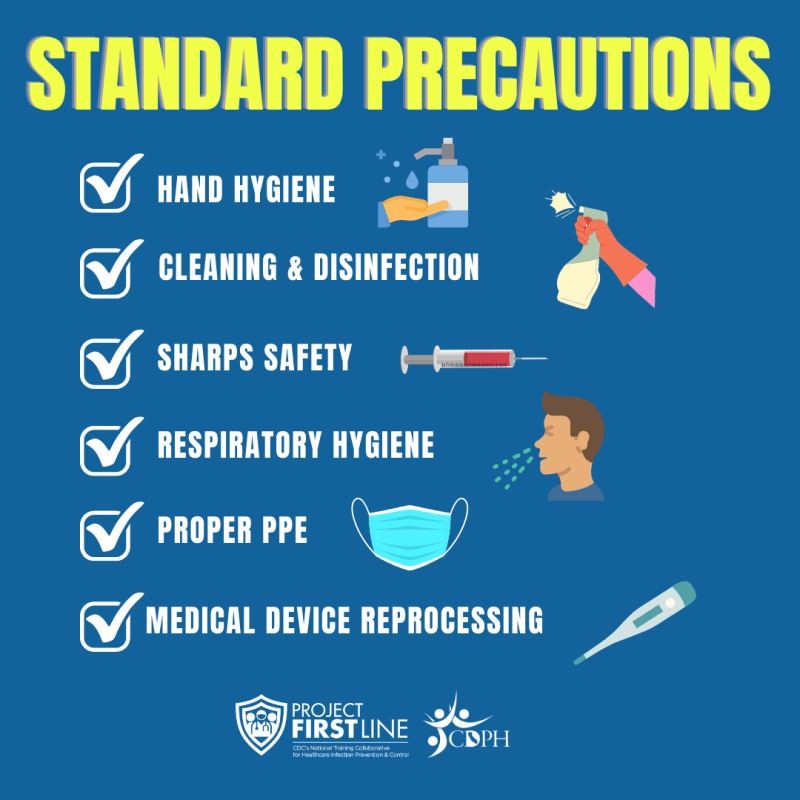
Application of Universal Precautions in Healthcare and Non-Healthcare Settings
Universal precautions serve as a foundational framework for infection prevention across diverse environments, ensuring consistent protection against bloodborne and airborne pathogens. Their adaptability extends beyond traditional healthcare settings, influencing protocols in emergency response, public health, and even non-clinical fields such as veterinary care and childcare. The effectiveness of these precautions relies on contextual modifications that address unique risks, resource limitations, and operational constraints. Below, the application of universal precautions is examined across high-risk healthcare environments, followed by adaptations for non-healthcare contexts and a case study outlining systemic failures and corrective measures.Application in High-Risk Healthcare Settings
Universal precautions are implemented with tailored protocols in environments where exposure risks are elevated due to patient acuity, procedural invasiveness, or high-volume contact. The following examples illustrate their role in critical care, surgical, dental, and home-based healthcare, emphasizing setting-specific adaptations.Hospitals and Emergency Departments
In emergency rooms (ERs), where patients present with undiagnosed conditions, universal precautions are applied universally to all individuals, regardless of perceived risk. Key measures include:
Surgical Theaters and Operating Rooms
Surgical settings demand layered precautions due to invasive procedures and prolonged exposure. Universal precautions here integrate with sterile technique and include:
Dental Clinics
Dental practices face unique risks from bloodborne pathogens (e.g., HIV, HBV) and airborne contaminants (e.g., saliva droplets). Universal precautions in dentistry include:
Home Healthcare and Long-Term Care Facilities
In home settings, universal precautions adapt to limited resources and caregiver training levels. Key strategies include:
Laboratories and Pathology Settings
Laboratories handling blood, tissue, or bodily fluids employ universal precautions with additional biosafety levels (BSL-1 to BSL-4). Examples include:
Public Health Responses to Outbreaks
During epidemics (e.g., Ebola, COVID-19), universal precautions are scaled up with additional measures:
Adaptations for Non-Healthcare Contexts
Universal precautions principles are increasingly integrated into non-clinical settings where pathogen transmission risks exist, albeit with modified approaches to address resource constraints and unique challenges. The following contexts demonstrate these adaptations:First Aid and Emergency Response
In non-professional first aid (e.g., roadside assistance, sports injuries), universal precautions are simplified but critical:
Childcare and Schools
Pediatric settings require adaptations to accommodate children’s limited hygiene awareness and high-touch environments:
Veter
Training and Compliance Protocols for Universal Precautions
Universal precautions require structured training and rigorous compliance protocols to ensure consistent adherence among healthcare workers and other personnel exposed to potential biohazards. Effective training integrates theoretical knowledge with practical application, while compliance protocols enforce standardized practices through audits, refresher courses, and real-time monitoring. Non-compliance, often driven by fatigue, oversight, or misinformation, poses significant risks of infection transmission and occupational exposure. This section outlines the essential components of a comprehensive training program, compliance workflows, common pitfalls, and tools to reinforce adherence.
Essential Components of Universal Precautions Training
A well-designed training program for universal precautions must balance theoretical instruction with hands-on practice to address cognitive, procedural, and behavioral aspects of safety. The curriculum should align with regulatory standards (e.g., OSHA, CDC, WHO) and organizational policies, with modules tailored to role-specific risks. Key components include:
Theoretical Modules
These establish foundational knowledge on infection pathways, biohazard classifications, and the rationale behind universal precautions. Critical topics include:
- Pathogen transmission routes: Airborne, droplet, contact, and vector-borne mechanisms, with emphasis on bloodborne pathogens (e.g., HIV, HBV, HCV) and emerging threats (e.g., SARS-CoV-2, multidrug-resistant organisms).
Practical training ensures workers can apply protocols in dynamic settings. Essential exercises include:
- Donning/doffing PPE: Step-by-step demonstrations of gowning, gloving, masking, and eye protection, with emphasis on minimizing contamination (e.g., avoiding touch contamination during doffing).
Training effectiveness is measured through:
- Knowledge tests: Multiple-choice or scenario-based quizzes to evaluate understanding of transmission risks and protocols.
Continuous learning addresses updates in guidelines, emerging pathogens, and technological advancements (e.g., new PPE materials, rapid diagnostic tools). Methods include:
- Webinars and workshops: Focused sessions on topics like antimicrobial resistance or pandemic preparedness.
Compliance Process Flowchart
The compliance process for universal precautions follows a structured lifecycle from initial training to sustained adherence. Below is a visual representation of the workflow, designed for integration into training materials or policy documents. The flowchart emphasizes accountability, feedback loops, and continuous improvement.- Initial TrainingRole-specific training with theoretical and hands-on modules. Documentation of completion and certification.
- Orientation to Workplace PoliciesReview of facility-specific protocols, PPE availability, and reporting mechanisms. Assignment of a safety mentor for new hires.
- Periodic Competency Assessments
- Annual or role-based refresher training (e.g., for high-risk roles like surgeons or lab technicians).
- Unannounced observations of PPE use, hand hygiene, and waste disposal by supervisors or infection control teams.
- Incident Reporting and Investigation
- Mandatory reporting of exposures (e.g., sharps injuries, fluid splashes) within 24 hours.
- Root cause analysis (RCA) for non-compliance incidents, with corrective actions (e.g., retraining, policy updates).
- Audit and Feedback
- Quarterly or annual audits by occupational health or safety committees, using checklists and direct observations.
- Anonymous surveys to assess perceived barriers (e.g., PPE discomfort, time constraints) and suggestions for improvement.
- Corrective Actions and Retraining
- Targeted retraining for departments or individuals with low compliance rates.
- Policy revisions based on audit findings (e.g., increasing PPE stock or simplifying protocols).
- Continuous ImprovementIntegration of lessons learned into updated training materials and compliance strategies.
Key Features of the Flowchart:
Common Compliance Pitfalls and Prevention Checklist
Non-compliance with universal precautions often stems from human factors, systemic gaps, or misconceptions. Below are high-risk behaviors observed in healthcare and non-healthcare settings, along with a preventive checklist to mitigate these issues.Common Pitfalls
- Skipping hand hygiene: Failure to wash hands before/after patient contact, after removing gloves, or after touching contaminated surfaces. Studies show compliance rates as low as 40% in some settings (WHO, 2021).

Technical and Procedural Safeguards in Universal Precautions
Universal precautions rely not only on behavioral compliance but also on engineered systems and standardized procedures to minimize exposure risks. Technical safeguards—such as sharps disposal systems and biohazard waste protocols—reduce human error by automating or controlling high-risk interactions. Procedural safeguards, including spill response protocols and surface decontamination, ensure consistency in infection control across healthcare and non-healthcare environments. These measures integrate with broader infection control strategies, such as sterilization and isolation, to create a layered defense against pathogen transmission.Engineering controls serve as the first line of defense by physically isolating hazards or eliminating exposure pathways. Their design minimizes reliance on human vigilance, thereby reducing preventable incidents. Data from the Occupational Safety and Health Administration (OSHA) and the World Health Organization (WHO) indicate that engineering controls can reduce needle-stick injuries by up to 62% when combined with comprehensive training programs.
Engineering Controls and Their Role in Reducing Exposure Risks
Engineering controls are predefined technical solutions designed to eliminate or mitigate hazards without requiring behavioral changes from personnel. These controls are categorized based on their function: physical barriers, automated safety mechanisms, and waste containment systems. Their effectiveness is quantified through metrics such as incident rate reductions, compliance audits, and post-implementation surveillance data.Engineering controls operate on three primary principles:Key engineering controls and their impact:
1. Isolation: Separating hazards from personnel (e.g., sharps containers with one-handed activation).
2. Automation: Reducing manual intervention (e.g., self-sheathing needles, needleless IV systems).
3. Containment: Secure disposal or neutralization of hazardous materials (e.g., biohazard waste bins with locking lids).
-
Sharps Disposal Containers
Mandatory in healthcare settings, these containers feature puncture-resistant walls, color-coded labeling (red for biohazardous waste), and one-handed activation to prevent accidental needlesticks. Studies from the CDC show that facilities using these containers report a 40% reduction in sharps-related injuries compared to traditional bins. Compliance with OSHA’s Bloodborne Pathogens Standard (29 CFR 1910.1030) requires these containers to be:- Labeled with the biohazard symbol and text.
- Easily accessible and never overfilled.
- Replaced when two-thirds full to maintain structural integrity.
-
Self-Sheathing and Needleless Systems
Devices such as safety-engineered needles (e.g., BD SafetyGlide, Terumo SurGuard) and needle-free connectors (e.g., Becton Dickinson’s Integra) reduce exposure by automating sheath activation or eliminating needle use entirely. A 2018 study in The Lancet reported a 58% reduction in needlestick injuries in hospitals adopting these systems. Needleless IV systems further decrease aerosolization risks during fluid administration. -
Biohazard Waste Systems
These include automated waste compactors, sealed leak-proof bags, and incineration-ready containers. Improper disposal of contaminated waste contributes to 15–20% of healthcare-associated infections (HAIs) per WHO estimates. Facilities using double-bagged, color-coded waste systems (e.g., yellow for infectious waste, red for sharps) achieve 90% compliance in waste segregation audits, reducing cross-contamination during transport and disposal. -
Safety Cabinets and Biological Safety Cabinets (BSCs)
Used in laboratories, Class II BSCs provide HEPA filtration and airflow control to contain aerosols and splashes. These cabinets reduce laboratory-acquired infections (LAIs) by 95% when used correctly, as documented in NIH biosafety guidelines. For non-laboratory settings, safety cabinets for chemical disinfectants (e.g., glutaraldehyde, bleach solutions) prevent accidental spills and inhalation hazards.
Integration of Universal Precautions with Other Infection Control Measures
Universal precautions function as a core layer within a multi-tiered infection control framework. Their integration with other measures—such as sterilization, disinfection, and isolation techniques—creates a synergistic defense against pathogen transmission. The following text-based Venn diagram illustrates this relationship:Universal Precautions (UP):
Scope: Applies to all bodily fluids, non-intact skin, and mucous membranes. Focus: Behavioral and procedural barriers (PPE, hand hygiene, waste management). Sterilization and Disinfection:
Scope: Targets inanimate surfaces, instruments, and medical devices. Focus: Chemical (e.g., sporicides, high-level disinfectants) or physical (e.g., autoclaving) inactivation of pathogens. Isolation Techniques:
Scope: Patient or environmental containment (e.g., airborne, droplet, contact precautions). Focus: Spatial separation, air filtration, and cohorting of infected individuals. Overlap (UP + Sterilization/Disinfection):
Surface Decontamination: UP mandates cleaning contaminated surfaces (e.g., blood spills) with EPA-registered disinfectants (e.g., sodium hypochlorite, quaternary ammonium compounds). Sterilization ensures reusable instruments are free of prions and spores. Overlap (UP + Isolation):
PPE Standardization: UP requires gloves/gowns in isolation rooms, while isolation adds N95 respirators for airborne pathogens (e.g., TB, COVID-19). Both systems enforce donning/doffing protocols to prevent cross-contamination. Overlap (All Three Layers):
Hand Hygiene: Central to UP, but also critical during instrument handling (sterilization) and patient contact (isolation). WHO’s "My 5 Moments for Hand Hygiene" aligns with UP’s contact precautions.
Step-by-Step Procedure for Handling Contaminated Surfaces or Spills
Contaminated surface spills pose immediate risks of aerosolization and direct contact transmission. A structured response protocol ensures rapid neutralization, documentation, and compliance with regulatory standards (e.g., OSHA, CDC). The following procedure adheres to EPA Guidelines for Disinfection of Environmental Surfaces and WHO’s Infection Prevention Checklists.Preparation and Safety Measures:
-
Assess the Hazard:
Determine the type of contaminant (e.g., blood, bodily fluids, chemical disinfectants) and potential pathogens (e.g., HBV, HIV, SARS-CoV-2). Use OSHA’s Hazardous Waste Determination Guide to classify the spill. -
Gather Supplies:
Assemble a spill kit containing:- Absorbent materials (e.g., spill pads, granular absorbents for liquids).
- Appropriate disinfectant (e.g., 1:10 dilution of sodium hypochlorite (bleach) for bloodborne pathogens, or 70% isopropyl alcohol for non-blood organic matter).
- Disposable gloves (nitrile for chemical resistance), face shields, and fluid-resistant gowns.
- Biohazard waste bags and sharps containers (if applicable).
- Paper towels or disposable cloths for cleanup.
-
Isolate the Area:
Restrict access to the spill zone using barricades or caution signs (e.g., "Biohazard – Do Not Enter"). For high-risk pathogens (e.g., Ebola, C. difficile), implement airborne precautions (e.g., negative-pressure rooms).
-
Apply Protective Barriers:
Don PPE in the following order:- Gown (fluid-resistant).
- Face shield (to protect mucous membranes).
- Gloves (double-gloving for chemical spills).
-
Absorb the Spill:
Use granular absorbents for liquids to prevent spreading. For large spills, contain with dam barriers before absorption. Never use bare hands to push absorbents. -
Disinfect the Area:
Apply the appropriate disinfectant based on the contaminant:-
<
- Non-maleficence: Avoiding harm to patients or HCWs through infection transmission.
- Autonomy: Respecting patient choices, even when they conflict with clinical protocols.
- Justice: Ensuring equitable access to care without compromising safety standards.
- Beneficence: Balancing the greater good (population health) with individual rights.
- A Muslim patient refuses to be examined by a female HCW due to religious beliefs but insists on removing a mask, citing discomfort.
- A patient with a phobia of needles refuses gloves during a blood draw, arguing that the risk of infection is "minimal."
- A healthcare worker from a culture where physical touch is avoided struggles with the tactile demands of donning/doffing PPE, leading to errors.
-
Assess the Risk and Context
Conduct a rapid risk assessment to determine:
- The likelihood of infection transmission if precautions are relaxed (e.g., patient’s infectious status, procedure invasiveness).
- The cultural or ethical weight of the objection (e.g., religious mandate vs. personal preference).
- Institutional policies on exceptions (e.g., documented refusals, alternative protocols). Example: If a patient refuses gloves during a low-risk procedure (e.g., blood pressure check) but insists on a mask, the risk of transmission is minimal compared to a venipuncture.
Cultural and Ethical Considerations in Universal Precautions
Universal precautions, while essential for infection control, frequently intersect with cultural, religious, and ethical dimensions of patient care. Ethical dilemmas arise when adherence to these protocols conflicts with patient dignity, autonomy, or deeply held beliefs—such as refusal of personal protective equipment (PPE) due to discomfort or objections to handling bodily fluids based on religious practices. Additionally, healthcare workers (HCWs) experience psychological strain from prolonged PPE use, stigma, and procedural rigidity, necessitating structured approaches to balance safety with respect for individual values. This section examines the ethical tensions, negotiation frameworks, psychological impacts on HCWs, and a role-play scenario to illustrate resolution strategies.
Ethical Dilemmas in Universal Precautions
Conflicts between universal precautions and patient dignity or cultural practices often stem from three primary sources:
1. Autonomy vs. Safety: Patients may refuse PPE (e.g., masks, gloves) due to discomfort, claustrophobia, or sensory sensitivities, while HCWs must prioritize infection control.
2. Religious or Cultural Objections: Certain fluids (e.g., menstrual blood, saliva) may be taboo in some cultures or religions, leading to refusal of care or procedural modifications.
3. Stigma and Discrimination: Patients or HCWs may associate PPE with dehumanization, particularly in contexts where infectious diseases carry social stigma (e.g., HIV, tuberculosis).Key Ethical Principles at Stake:
Example Scenarios:
Framework for Addressing Ethical Dilemmas
A structured approach to resolving conflicts between universal precautions and cultural/ethical considerations involves assessment, negotiation, and compromise. Below is a numbered framework to guide HCWs and institutions:
-
Engage in Shared Decision-Making
Use open-ended questions to explore the patient’s concerns without judgment:
- "What specific concerns do you have about the protective equipment?"
- "Are there cultural or religious reasons that make this difficult for you?"
- "How can we adjust the process to respect your needs while keeping both of us safe?" Document the conversation to demonstrate good-faith efforts.
-
Explore Compromise Solutions
Propose alternatives that mitigate risk while accommodating cultural/ethical needs:- Modification of PPE: Offer less restrictive options (e.g., nitrile gloves for latex allergies, face shields instead of masks for claustrophobic patients).
- Alternative Procedures: Use non-invasive methods (e.g., pulse oximetry instead of fingerstick glucose testing if the patient refuses gloves).
- Cultural Adjustments: Assign a same-gender HCW or involve a cultural liaison to explain procedures respectfully.
- Religious Accommodations: For fluids considered taboo, use disposable barriers or allow a family member to assist with culturally appropriate rituals post-procedure.
-
Involve Institutional Ethics Committees or Legal Counsel
For high-stakes conflicts (e.g., refusal of life-saving PPE), escalate to:
- Hospital ethics committees for guidance on exceptions.
- Legal teams to clarify consent and liability risks.
- Spiritual leaders or community representatives to mediate.
-
Document and Follow Up
Record the discussion, agreed-upon compromises, and any risks accepted by the patient. Schedule follow-ups to monitor compliance and adjust as needed.Critical Note: Never bypass precautions without informed consent and documented justification. Institutional policies should outline thresholds for exceptions (e.g., "no exceptions for high-risk procedures").
-
Physical Discomfort and Fatigue
PPE can cause:
- Heat stress (e.g., N95 masks reducing breathability, gowns trapping heat).
- Musculoskeletal strain from repetitive donning/doffing (e.g., gloves interfering with dexterity).
- Sensory overload (e.g., eye strain from face shields, claustrophobia from hooded gowns). Data Insight: A 2021 Journal of Occupational Health study found that HCWs reported a 30% increase in fatigue during high-PPE periods, with nurses citing discomfort as a top reason for procedural errors.
-
Stigma and Dehumanization
- Patient Perception: Some patients may view PPE as a barrier to empathy, associating it with fear or judgment (e.g., assuming all interactions are "high-risk").
- Colleague Stigma: HCWs may face internalized stigma (e.g., "I’m not careful enough") or external pressure to "over-perform" in safety protocols.
-
Moral Distress
Conflicts arise when HCWs feel forced to choose between:
- Strict adherence to protocols (e.g., refusing a patient’s request for ungloved touch).
- Patient-centered care (e.g., prioritizing comfort over perceived risk). This can lead to vicarious trauma, particularly in palliative or end-of-life settings.
-
Isolation and Communication Barriers
PPE (e.g., masks, face shields) impairs non-verbal cues, making it harder to:
- Gauge patient emotions (e.g., pain, distress).
- Build rapport in time-sensitive situations. Example: A study in BMJ Quality & Safety (2020) found that 68% of HCWs reported difficulty interpreting patient cues through masks, leading to miscommunication in critical care.
-
Institutional Support
- PPE Ergonomics: Provide adjustable, high-quality PPE (e.g., lightweight gowns, breathable masks).
- Mental Health Resources: Offer counseling, peer support groups, or resilience training.
- Flexible Protocols: Allow breaks for hydration/oxygenation in high-stress units.
-
Individual Strategies
- Mindfulness Techniques: Short breathing exercises between patients to reduce stress.
- Debriefing: Post-shift discussions with colleagues to process emotional challenges.
- Physical Preparation: Stretching routines to counteract PPE-related strain.
-
Patient-Centered Communication
- Use clear, calm verbal cues (e.g., "I’ll tap your shoulder to get your attention") to compensate for visual barriers.
- Explain the "why" behind PPE to reduce patient anxiety and foster trust.
-
Advocacy and Policy Influence
- Participate in PPE design committees to improve usability.
- Advocate for cultural competency training to address ethical conflicts proactively.
Psychological Impact of Universal Precautions on Healthcare Workers
Prolonged adherence to universal precautions exerts significant psychological and physical strain on HCWs, contributing to burnout, anxiety, and occupational stress. Key stressors include:Role-Playing Scenario: Universal Precautions vs. Patient Autonomy
Scenario Title: "Refusal of Gloves During a Wound Dressing"Setting: A community clinic. Patient: Mr. Ahmed, a 65-year-old man with diabetes and
Universal precautions embody a proactive fusion of science, ethics, and adaptability in infection control, serving as a dynamic shield against evolving health threats. From high-stakes surgical theaters to community-based care, their principles reinforce the balance between patient safety and operational efficiency. As healthcare systems confront new pathogens and cultural complexities, the integrity of these protocols hinges on continuous training, technological integration, and ethical vigilance. By upholding universal precautions, professionals not only mitigate risks but also reaffirm their commitment to a safer, more resilient global health landscape.
FAQ
What exactly are universal precautions in healthcare, and how are they applied?
Universal precautions are infection control practices used in healthcare to treat all blood, body fluids (except sweat), and certain secretions/mucous membranes as if they’re infectious. They include hand hygiene, glove use, safe injection practices, and proper disposal of sharps to prevent transmission of bloodborne pathogens like HIV or hepatitis B.
How do universal precautions differ when applied in a general workplace setting?
In the workplace, universal precautions typically focus on treating all bodily fluids (like blood, vomit, or urine) as potentially hazardous to prevent exposure to infectious diseases. This includes wearing gloves, using barriers, and cleaning contaminated areas properly—though workplace standards may vary by industry (e.g., OSHA vs. CDC guidelines).
What key points about universal precautions are usually covered in a Quizlet study set?
A Quizlet set on universal precautions would likely include definitions (treating all bodily fluids as infectious), core practices (handwashing, PPE), exceptions (sweat is excluded), and the goal of reducing bloodborne pathogen risks. It may also cover OSHA’s Bloodborne Pathogens Standard and common pathogens like HBV, HCV, and HIV.
Why are universal precautions important, and what risks do they help prevent?
Universal precautions are critical to prevent healthcare-associated infections and occupational exposures to bloodborne pathogens like HIV, hepatitis B/C, and others. They reduce transmission risks for workers and patients by assuming all bodily fluids are hazardous, ensuring consistent protective measures regardless of known infection status.
What does OSHA define as universal precautions, and how are they enforced?
OSHA’s Bloodborne Pathogens Standard (29 CFR 1910.1030) requires employers to use universal precautions to control occupational exposure to bloodborne pathogens. It mandates PPE (gloves, masks), engineering controls (sharps disposal), and training, but OSHA’s term "universal precautions" is sometimes used interchangeably with "standard precautions" in broader contexts.
What specific universal precautions does OSHA require for workplace safety?
OSHA’s Bloodborne Pathogens Standard requires employers to implement universal precautions by providing PPE (gloves, gowns, eye protection), ensuring safe handling/sharps disposal, offering hepatitis B vaccination, and training employees on exposure risks. Compliance is enforced through workplace inspections and penalties for non-adherence.
Leave a Comment
Comments are moderated before appearing. The data you submit is processed according to the Privacy Policy of Voltefac.