What Are Dental Dams Their Role Purpose And Applications
Table of Contents
- Definition and Purpose of Dental Dams
- Primary Function and Medical Context
- Materials Used in Dental Dam Manufacturing
- Comparison of Dental Dams with Other Protective Barriers
- Material Comparison Table
- Applications in Dental Procedures
- Procedures Requiring Mandatory Dental Dam Use
- Step-by-Step Application of Dental Dams
- Contraindications for Dental Dam Use
- Legal and Ethical Standards Governing Dental Dam Use
- Safety and Hygiene Benefits of Dental Dams in Clinical Practice
- Infectious Diseases Mitigated by Dental Dam Use
- Comparison of Dental Dams with Alternative Isolation Techniques
- Safe Disposal Protocols for Dental Dams
- Non-Dental Uses and Alternative Names of Dental Dams
- Lesser-Known Applications Outside Dentistry
- Alternative Names for Dental Dams by Region
- Emergency Medical Repurposing of Dental Dams
- Modification Guide for Non-Dental Applications
- Historical Evolution and Innovations in Dental Dam Technology
- Origins and Early Materials in Dental Dam Development
- Key Innovations in Dental Dam Technology: A Timeline
- Comparison of Historical Isolation Methods with Modern Dental Dams
- Cultural and Regional Influences on Dental Dam Design
- FAQ
- What are dental dams used for?
- What are dental dams used for sexually?
- What are dental dams for oral?
- What are dental dams made of?
- What are dental dams used for in dentistry?
- What are dental dams compared to condoms?
Dental dams represent a critical yet often underappreciated barrier in modern medical and dental practices, serving as an essential safeguard against cross-contamination and infection transmission. Originally designed to isolate specific teeth during procedures, these thin, flexible sheets have evolved into versatile tools with applications spanning healthcare, emergency response, and even non-medical fields. Their ability to create a sterile field not only enhances procedural precision but also underscores their role in upholding stringent hygiene standards—making them indispensable in both clinical and non-clinical settings.
Their functionality extends beyond dentistry, where they are routinely employed in root canals, fillings, and crown placements, to broader uses in sexual health, food safety, and emergency wound care. Comprising materials like latex, nitrile, and vinyl, dental dams are engineered to balance durability, hypoallergenic properties, and ease of use, though their effectiveness varies based on material selection and application technique. Understanding their composition, proper deployment, and alternative uses reveals a tool with far-reaching implications for patient safety, procedural efficiency, and adaptive problem-solving in diverse environments.
Definition and Purpose of Dental Dams
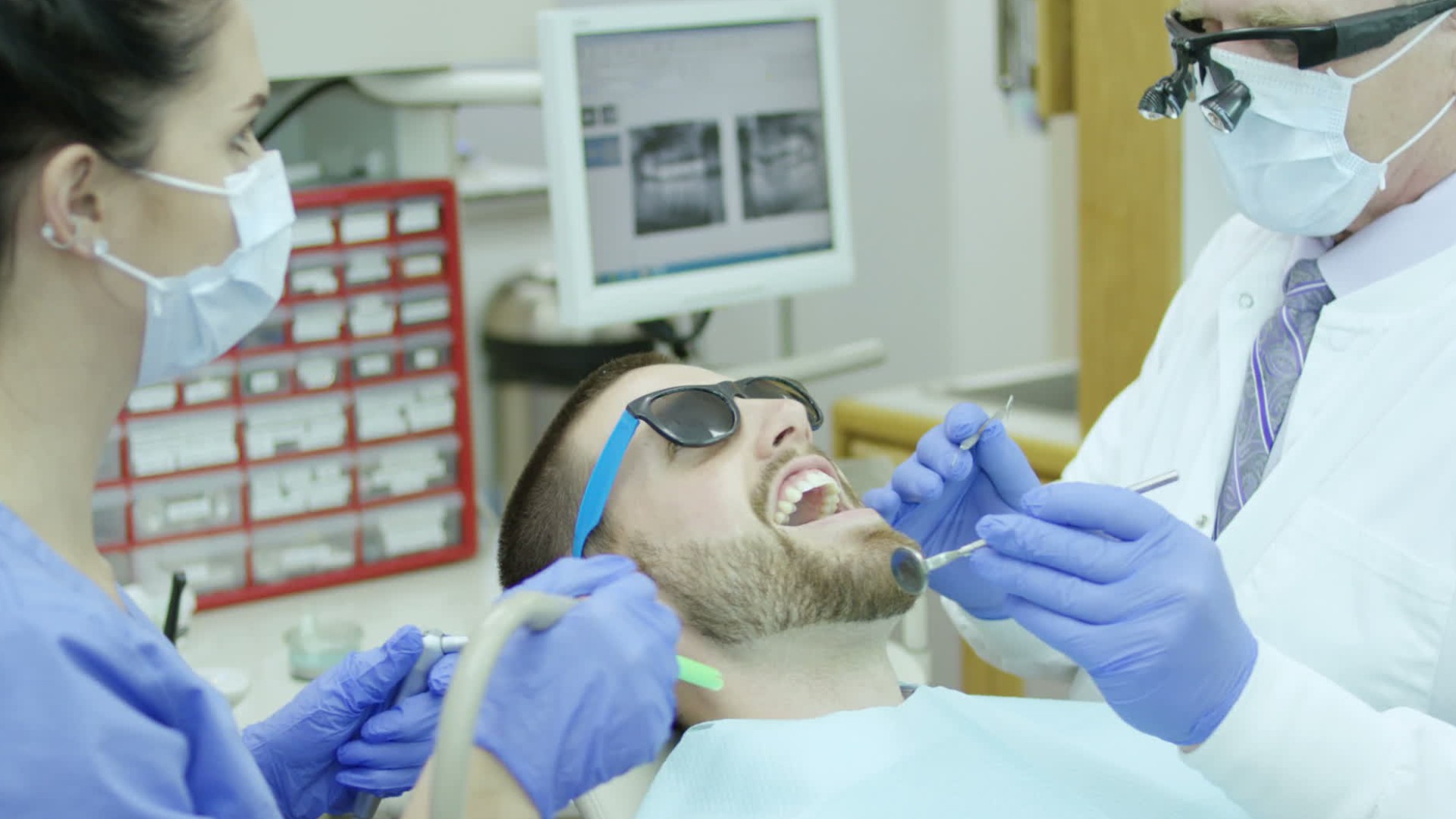
Dental dams serve as a critical protective barrier in medical and dental procedures, ensuring patient and practitioner safety by preventing cross-contamination. Their primary function is to isolate a specific area of the mouth, creating a physical separation that minimizes exposure to bodily fluids, pathogens, and airborne particles. This barrier is essential in maintaining sterile conditions, particularly during invasive procedures such as root canals, periodontal treatments, or oral surgeries. Beyond infection control, dental dams also enhance precision by keeping the treatment area dry and accessible, thereby improving procedural outcomes.
The design and application of dental dams distinguish them from other protective barriers like gloves or masks. While gloves and masks provide general hand and respiratory protection, dental dams offer localized, direct coverage over a targeted anatomical region. This specificity reduces the risk of fluid splatter, aerosol transmission, and microbial contamination, which are significant concerns in dental and medical settings.
Primary Function and Medical Context
Dental dams are primarily utilized in dentistry to create a sterile field during procedures involving direct contact with oral tissues. Their role extends beyond infection control to include:In medical contexts outside dentistry, dental dams are also employed in procedures requiring localized barrier protection, such as certain gynecological examinations or wound care applications where fluid containment is necessary.
Materials Used in Dental Dam Manufacturing
Dental dams are manufactured from synthetic polymers, with the two primary categories being latex-based and non-latex (nitrile, vinyl, or polyurethane). The choice of material influences durability, biocompatibility, and allergenic potential.Key material properties include:
Comparison of Dental Dams with Other Protective Barriers
While gloves, masks, and face shields are integral to infection control, dental dams provide targeted, direct protection over a specific anatomical region. Unlike gloves, which cover the entire hand, dental dams isolate a precise area, reducing exposure risks during procedures. Masks and face shields, on the other hand, protect against airborne contaminants but do not prevent fluid transmission from direct contact.Key distinctions include:
Material Comparison Table
| Material Type | Common Uses | Advantages | Limitations |
|---|---|---|---|
| Latex | Dental procedures, medical examinations (where latex allergy is not a concern) |
|
|
| Nitrile | Dental, medical, and non-medical applications (e.g., food handling, laboratory settings) |
|
|
| Vinyl | Single-use dental procedures, non-critical medical applications |
|
|
| Polyurethane | Premium dental and medical procedures, eco-conscious practices |
|
|
Dental dams are the gold standard for localized infection control in dental and medical procedures, offering unparalleled specificity in barrier protection. The material selection should align with procedural requirements, patient allergies, and environmental considerations.
Applications in Dental Procedures
The dental dam is an indispensable isolation technique in modern dentistry, ensuring procedural precision, patient safety, and infection control. Its use extends beyond basic prophylaxis to critical interventions where moisture contamination or cross-infection risks could compromise outcomes. Dental professionals rely on dental dams to maintain a dry, sterile operative field, particularly in procedures involving deep tissue manipulation or the use of highly reactive materials. The following sections outline the essential procedures where dental dams are mandatory, the standardized application protocol, and the clinical scenarios where their use may be contraindicated.Procedures Requiring Mandatory Dental Dam Use
Dental dams are mandatory in procedures where isolation of the operative site is critical to prevent contamination, ensure visibility, and enhance procedural efficiency. The most common applications include:1. Root Canal Therapy (RCT)
2. Prosthodontic Procedures (e.g., Crown and Bridge Preparation, Inlays/Onlays)
3. Endodontic Retreatment and Apicoectomies
4. Dental Trauma Management (e.g., Avulsion Replantation, Intrusive Luxation)
5. Adhesive Dentistry (e.g., Composite Restorations, Bonding Procedures)
6. Periodontal Surgery (e.g., Gingival Grafts, Osseous Surgery)
Step-by-Step Application of Dental Dams
The proper placement of a dental dam requires meticulous preparation to ensure effectiveness and patient comfort. The following protocol is standardized across dental guidelines, with variations based on procedural needs.Tools Required:
Procedure:
1. Patient Preparation and Anesthesia
2. Clamp Selection and Placement
3. Dental Dam Punching and Application
4. Frame Attachment
5. Isolation Verification
6. Procedural Execution
Special Considerations:
Contraindications for Dental Dam Use
While dental dams are universally recommended for high-risk procedures, certain medical or procedural conditions may render their use impractical or inadvisable. The following scenarios represent relative or absolute contraindications:Dental dams may not be suitable in the following conditions:
-
Severe Gingival Inflammation or Periodontal Disease
- Excessive gingival bleeding or deep pockets may prevent proper clamp placement or create an incomplete seal, increasing the risk of contamination.
-
Acute Traumatic Injury with Soft Tissue Lacerations
- Open wounds or avulsed gingival tissue can be traumatized further by clamp insertion, delaying healing.
-
Patient Anxiety or Claustrophobia
- Some patients may experience distress due to the physical presence of the dam or clamp, particularly in pediatric or special needs dentistry.
-
Severe Temporomandibular Joint (TMJ) Dysfunction or Limited Mouth Opening
- Restricted mouth opening may impede clamp placement or frame attachment, making isolation difficult.
-
Allergic Reactions to Latex or Dam Materials
- Patients with known latex allergies require non-latex alternatives, though cross-reactivity with other natural rubber products must be considered.
-
Coagulation Disorders or Anticoagulant Therapy
- Increased bleeding risk may complicate clamp placement or lead to prolonged postoperative bleeding.
-
Severe Dental Anxiety or Gag Reflex
- The insertion of clamps or the presence of the dam may trigger gagging, necessitating alternative isolation techniques (e.g., cotton rolls).
-
Developmental or Structural Abnormalities
- Conditions such as cleft palate, supernumerary teeth, or severely malformed dentition may make traditional clamp placement infeasible.
-
Emergency Procedures Requiring Immediate Intervention
- In cases of acute infection or trauma where time is critical (e.g., dental abscess drainage), a dental dam may delay treatment initiation.
-
Patient Refusal or Lack of Cooperation
- Informed consent must be obtained, and if the patient declines due to comfort or psychological reasons, alternative isolation methods should be employed.
Legal and Ethical Standards Governing Dental Dam Use
The use of dental dams is governed by regional and professional guidelines to ensure patient safety, infection control, and adherence to ethical practices. Compliance with these standards is mandatory in clinical settings and is often subject to regulatory oversight.The Occup
Safety and Hygiene Benefits of Dental Dams in Clinical Practice
Dental dams serve as a critical barrier in infection control within dental procedures, minimizing exposure to bloodborne pathogens, saliva, and microbial contaminants. Their use aligns with global health protocols, including those outlined by the Centers for Disease Control and Prevention (CDC) and the World Health Organization (WHO), which emphasize barrier techniques to prevent cross-contamination. By creating a physical separation between the operative site and the patient’s oral cavity, dental dams mitigate risks associated with aerosolized particles and direct contact with bodily fluids, thereby enhancing both patient and clinician safety.The efficacy of dental dams extends beyond procedural isolation, addressing systemic health concerns by reducing transmission routes for infectious diseases. Their application is particularly vital in procedures involving high-risk patients, such as those with HIV, hepatitis B (HBV), or hepatitis C (HCV), where even minute exposures can pose significant health threats. Below, structured comparisons and visual protocols highlight their superiority in hygiene management relative to alternative isolation methods.
Infectious Diseases Mitigated by Dental Dam Use
Dental dams provide a critical defense against a spectrum of infectious diseases transmitted through oral fluids, including blood, saliva, and gingival crevicular fluid. The following diseases are among those for which dental dams significantly reduce transmission risk during dental procedures, adhering to Standard Precautions and Expanded Precautions guidelines:
- Bloodborne Pathogens
Diseases transmitted via blood exposure, including:
- Human Immunodeficiency Virus (HIV): Requires direct contact with infected blood; dental dams prevent percutaneous injuries and mucosal exposure.
- Hepatitis B Virus (HBV): Highly contagious; transmission occurs through blood, saliva, or other bodily fluids. Dental dams block contact with contaminated surfaces.
- Hepatitis C Virus (HCV): Primarily bloodborne; dental procedures involving bleeding (e.g., extractions, periodontal surgery) benefit from isolation barriers.
- Saliva-Borne Pathogens
Diseases spread through saliva or respiratory droplets, including:
- Herpes Simplex Virus (HSV-1): Can cause oral herpes; dental dams prevent aerosolized viral particles from contaminating instruments or the clinician’s hands.
- Tuberculosis (TB): While less common in dental settings, high-volume procedures (e.g., scaling) may generate aerosols; dams reduce inhalation risk.
- COVID-19 and Other Respiratory Viruses: Aerosol-generating procedures (e.g., ultrasonic scaling) benefit from dam isolation to limit viral spread.
- Bacterial Infections
Oral bacteria with systemic implications:
- Streptococcus mutans and Porphyromonas gingivalis: Linked to endocarditis and bacteremia; dams prevent bacterial entry into the bloodstream.
- Mycobacterium tuberculosis (TB): Airborne transmission risk during aerosol-producing procedures is mitigated by physical barriers.
- Fungal Infections
Opportunistic pathogens in immunocompromised patients:
- Candida albicans: Oral thrush transmission is reduced by isolating the operative site from saliva.
Comparison of Dental Dams with Alternative Isolation Techniques
While high-volume suction and other isolation methods contribute to infection control, dental dams offer distinct advantages in terms of comprehensive barrier protection, procedural efficiency, and patient comfort. The following table contrasts dental dams with alternative techniques, emphasizing their unique benefits:
Feature Dental Dam (Rubber Dam) High-Volume Suction (HVS) Barrier Protection
- Provides a physical barrier between the operative site and surrounding oral cavity, blocking saliva, blood, and aerosols.
- Prevents cross-contamination of instruments, gloves, and clinician’s hands.
- Isolates the tooth/area entirely, reducing exposure to microbial contaminants.
- Removes aerosols and debris via suction but does not create a physical barrier.
- Reduces but does not eliminate direct contact with oral fluids.
- Requires additional gloves and instruments to maintain sterility.
Infection Control Efficacy
- Eliminates risk of bloodborne pathogen exposure (e.g., HBV, HIV) through percutaneous injuries.
- Reduces aerosol transmission of respiratory viruses (e.g., COVID-19, TB) by isolating the site.
- Complies with OSHA and CDC guidelines for Standard Precautions.
- Minimizes aerosol spread but does not prevent direct fluid contact with clinician or instruments.
- Requires additional PPE (e.g., masks, eyewear) for full protection.
- Effective for debris removal but not as comprehensive as a barrier method.
Procedural Advantages
- Enhances visual access and patient comfort by keeping the field dry and isolated.
- Improves instrument control and precision in restorative and endodontic procedures.
- Reduces gag reflex in patients by limiting saliva contact with the throat.
- Primarily serves decontamination rather than isolation.
- May prolong procedure time if used alone due to reliance on suction alone.
- Less effective in moist environments (e.g., periodontal pockets).
Patient Comfort and Safety
- Reduces aspiration risk by containing fluids and debris.
- Minimizes exposure to allergic reactions (e.g., latex-free options available).
- Provides psychological reassurance through visible isolation.
- May cause discomfort if suction is too strong or prolonged.
- Does not address patient anxiety related to fluid exposure.
- Requires additional training for optimal use.
Environmental and Waste Considerations
- Single-use dams are biohazard waste and must be disposed of in sharps or contaminated waste containers.
- Reusable dams require sterilization, adding procedural steps.
- Reduces overall waste compared to disposable alternatives like cotton rolls.
- No direct waste generation from isolation; suction tips may require disposal.
- Energy consumption higher due to continuous suction operation.
- Water usage increases, impacting sustainability.
Safe Disposal Protocols for Dental Dams
Proper disposal of dental dams is governed by biohazard and environmental regulations, including those from the OSHA Bloodborne Pathogens Standard and EPA guidelines. Contaminated dams must be handled as regulated medical waste (RMW) to prevent exposure to pathogens and ensure compliance with waste management laws.Visual Description of Safe Disposal Process:
1. Immediate Containment:
After removal, the dam is folded or rolled to minimize surface exposure while retaining Dental dams, originally designed for isolating teeth during dental procedures, have demonstrated versatility beyond their primary clinical application. Their lightweight, sterile, and flexible properties make them adaptable to various non-dental contexts, including medical emergencies, food safety, and artistic projects. This section explores lesser-known applications, global nomenclature variations, and emergency medical repurposing, alongside a structured guide for modification.Non-Dental Uses and Alternative Names of Dental Dams
Lesser-Known Applications Outside Dentistry
Dental dams serve as practical solutions in fields where barrier protection, sterility, or containment is required. In sexual health, they function as latex-free alternatives to condoms, particularly for individuals with latex allergies or those engaging in oral-genital contact. Their use in food safety includes protecting food surfaces from contamination during preparation, especially in high-risk environments like restaurants or catering events where cross-contamination must be minimized. Additionally, artists and crafters utilize dental dams for textile projects, such as creating waterproof layers in mixed-media collages or sealing porous surfaces in sculpture.In laboratory settings, dental dams are occasionally repurposed as temporary covers for petri dishes or culture plates to maintain sterility during transport. Their non-porous nature also makes them useful in DIY plumbing or automotive repairs as makeshift gaskets or seals for small leaks. Environmental applications include their use in wildlife conservation, where they serve as temporary barriers to protect wounds in animals during field treatments.
Alternative Names for Dental Dams by Region
Dental dams are known by various terms globally, reflecting regional terminology in medicine, dentistry, and other fields. Below is a structured definition list with contextual references:
- English (Global)
- Rubber dam: Most common in North America and the UK, emphasizing the latex or synthetic material.
- Isolation sheet: Used in clinical settings to describe their function in isolating work areas.
- Medical dam: Preferred in emergency medicine or surgical contexts to highlight their medical-grade use.
- Dental isolation sheet: Standard in dental literature, particularly in Europe and Australia.
- Spanish
- Dique de goma: Literally "rubber dam," widely used in Latin American dental practices.
- Barrera dental: Emphasizes their barrier function, common in Mexico and Spain.
- French
- Digue en caoutchouc: Translates to "rubber dam," standard in Quebec and France.
- Feuille d’isolement: Used in clinical contexts to describe their isolating properties.
- German
- Kautschukdamm: Direct translation of "rubber dam," prevalent in German-speaking countries.
- Isolierfolie: Refers to their use as an isolation sheet in medical procedures.
- Japanese
- ゴムダム (Gomu Damu): Literal translation of "rubber dam," used in dental and medical fields.
- 防水シート (Bōsui Shīto): Describes their waterproof properties, common in non-dental applications.
- Arabic
- سدّ مطاطيّ (Sadd Mattāṭiyy): Translates to "rubber dam," used in dental clinics across the Middle East.
Emergency Medical Repurposing of Dental Dams
In emergency scenarios, dental dams are repurposed due to their sterility, flexibility, and ability to act as barriers. Their applications include:
Key Consideration:
- Tourniquet Substitutes Dental dams can be wrapped around a limb to create a makeshift tourniquet in cases of severe bleeding where commercial tourniquets are unavailable. For example, in a wilderness setting, a dental dam can be tied tightly above a wound to stem arterial bleeding until professional help arrives. Critical Note: This method should only be used as a last resort, as improper application risks nerve damage or tissue necrosis.
- Wound Dressings In field medicine or disaster response, dental dams serve as temporary sterile dressings for minor to moderate wounds. Their non-adherent surface reduces trauma during removal, making them ideal for burns, abrasions, or puncture wounds. For instance, in a post-earthquake scenario, dental dams can be used to cover lacerations on multiple casualties before triage.
- Airway Management Dental dams have been documented in improvised airway techniques, such as creating a seal over a tracheostomy site or as a barrier during suctioning in low-resource settings. Their flexibility allows them to conform to irregular surfaces, such as a patient’s neck or chest, during emergency procedures.
- Fluid Containment In cases of chemical exposure or open fractures with bone protrusion, dental dams can be used to contain fluids or prevent further contamination. For example, a dental dam may be placed over a contaminated wound to isolate it while awaiting decontamination protocols.
While dental dams are valuable in emergencies, they are not a substitute for proper medical equipment. Their use should be guided by training in emergency medicine, as incorrect application can exacerbate injuries.Modification Guide for Non-Dental Applications
Adapting dental dams for non-dental uses requires careful preparation to ensure functionality and safety. Below is a structured flowchart outlining the steps for modification, using ASCII text for clarity:```
+---------------------------------------------------+
| START: Select a dental dam (latex or non-latex) |
+--------+-------------------------------------------+
|
v
+--------+--------+-----------------------------------+
| Is the application sterile? |
| +--------+--------+--------+--------------------------+ |
| | Yes | | No | | |
| +--------+--------+--------+--------------------------+ |
| | |
| v v
+--------+--------+--------------------------+--------+--------+
| Sterilize (autoclave or chemical) | Proceed to shaping |
+--------+--------+--------------------------+--------+--------+
| |
v v
+--------+--------+--------------------------+--------+--------+
| Cut to size (scissors or sterile blade) | Apply adhesive (if needed)|
+--------+--------+--------------------------+--------+--------+
| |
v v
+--------+--------+--------------------------+--------+--------+
| Shape for application (e.g., roll for tourniquet, |
| flatten for dressing, or fold for barrier) |
+--------+-------------------------------------------+
|
v
+--------+-------------------------------------------+
| Test functionality (e.g., seal integrity, |
| tension for tourniquet) |
+--------+-------------------------------------------+
|
v
+--------+-------------------------------------------+
| Deploy in application (e.g., secure with tape, |
| tie with sterile cord) |
+--------+-------------------------------------------+
|
v
+--------+-------------------------------------------+
| END: Monitor for effectiveness and side effects |
+---------------------------------------------------+
```Modification Examples:
Tourniquet: Cut into a 2–3 cm wide strip, roll tightly around the limb, and secure with a knot or tape. Ensure the dam is positioned proximal to the wound. Wound Dressing: Trim to cover the wound area, ensuring edges extend beyond the injury. Secure with medical tape or a self-adherent wrap. Fluid Barrier: Fold into a double-layered sheet to increase durability, then place over the affected area and seal edges with adhesive or tape. Safety Precautions:
Avoid modifications that compromise sterility or structural integrity. Use only single-use dental dams; reuse increases infection risk. Document the modification process for traceability in medical records. Historical Evolution and Innovations in Dental Dam Technology
The dental dam, a cornerstone of modern dental isolation techniques, has undergone significant transformations since its inception. Initially developed to enhance procedural efficiency and patient safety, its evolution reflects advancements in material science, infection control, and ergonomic design. Early iterations relied on rudimentary materials, while contemporary versions incorporate precision-engineered features tailored to diverse clinical needs. This progression underscores the interplay between historical necessity and technological innovation, shaping dental dams into indispensable tools in both restorative and preventive dentistry.The adoption of dental dams marked a paradigm shift from passive isolation methods, such as cotton rolls or saliva ejectors, which often failed to provide adequate moisture control or barrier protection. Modern dental dams now integrate features like pre-punched designs, adhesive edges, and biocompatible materials, addressing limitations observed in earlier iterations. Cultural and regional variations further influenced their development, with custom sizes and adaptations emerging to accommodate differing anatomical and procedural requirements across global dental practices.
Origins and Early Materials in Dental Dam Development
The concept of isolating the operative field in dentistry predates the formalized dental dam by centuries, with early civilizations employing materials like animal membranes or plant fibers to manage saliva during treatments. However, the modern dental dam traces its origins to the 19th century, when Dr. Sanford C. Barnum (not to be confused with the circus entrepreneur) introduced a rubber sheet in 1864 as a means to isolate teeth during dental procedures. This innovation addressed critical challenges posed by traditional methods—such as cotton rolls—which were prone to displacement, inadequate isolation, and increased risk of contamination.The initial rubber dental dams were thick, rigid, and difficult to manipulate, limiting their clinical utility. Latex, introduced later in the 19th century, offered improved flexibility and durability but posed risks of allergic reactions and degradation over time. By the early 20th century, manufacturers began experimenting with vulcanized rubber and nitrile-coated materials, which enhanced tear resistance and biocompatibility. These early iterations laid the groundwork for subsequent refinements, emphasizing the need for thinner, more conformable, and hypoallergenic alternatives.
Key Innovations in Dental Dam Technology: A Timeline
The evolution of dental dams has been marked by incremental yet transformative advancements, driven by the need for greater efficiency, patient comfort, and infection control. Below is a chronological overview of pivotal innovations, categorized by material, design, and functional improvements.The transition from natural rubber to synthetic polymers in the mid-20th century represented a significant leap, as materials like polyisoprene and polyvinyl chloride (PVC) reduced allergenic risks and improved longevity. The 1980s and 1990s witnessed the introduction of pre-punched dental dams, a feature that streamlined placement and reduced procedural time. These designs incorporated standardized hole patterns to align with common tooth configurations, eliminating the need for manual puncturing—a process prone to errors and contamination.
More recently, adhesive-backed dental dams (e.g., those with hydrocolloid or silicone-based adhesives) have gained traction, offering enhanced stability during high-moisture procedures such as endodontics or periodontal therapy. The disposable dental dam emerged as a response to cross-contamination concerns, particularly in the wake of HIV and hepatitis B outbreaks in the 1990s. Single-use dams, often packaged in sterile pouches, became standard in many clinical settings, aligning with CDC and OSHA guidelines for infection control.
Critical Innovation Milestones:
1864: Introduction of rubber dental dam by Dr. Sanford C. Barnum. 1900s: Shift to latex for improved flexibility and durability. 1950s–1970s: Adoption of synthetic polymers (e.g., nitrile, PVC) to mitigate allergies. 1980s: Development of pre-punched designs for efficiency. 1990s: Rise of adhesive edges and disposable, sterile dental dams for infection control. 2000s–Present: Customizable sizes, biocompatible coatings, and digital integration (e.g., laser-punched dams for orthodontic use). Comparison of Historical Isolation Methods with Modern Dental Dams
Prior to the widespread adoption of dental dams, dentists relied on passive isolation techniques that were inherently limited in their effectiveness. Cotton rolls, for instance, provided minimal moisture control and frequently became saturated, compromising visibility and increasing the risk of procedural errors. Saliva ejectors, while improving suction, failed to create a physical barrier against saliva, blood, or microbial contamination, posing significant challenges in procedures requiring a dry field—such as composite restorations or root canal treatments.The transition to dental dams addressed these limitations by offering active isolation through a physical barrier, which:
Enhances visibility by keeping the operative site dry and debris-free. Reduces aerosol and splatter contamination, critical in procedures involving high-speed handpieces or ultrasonic scalers. Improves patient comfort by minimizing gagging and discomfort associated with traditional methods. Lowers infection risks by preventing cross-contamination between the patient’s oral cavity and the clinician’s gloves or instruments. Modern dental dams further surpass historical methods through ergonomic designs, such as stretchable or pre-stretched materials, which accommodate varying patient anatomies without requiring excessive force. Disposable variants eliminate the need for sterilization, reducing turnaround time and enhancing workflow efficiency. Comparative studies have demonstrated that dental dams reduce procedural errors by up to 40% while improving patient satisfaction scores in clinical trials.
Cultural and Regional Influences on Dental Dam Design
The global adoption of dental dams has not been uniform, with cultural, economic, and anatomical factors shaping their design and usage patterns. In North America and Europe, where disposable, pre-punched dental dams are standard, manufacturers prioritize sterility and convenience, often packaging them in single-use kits. Conversely, Asia and parts of Latin America have seen a preference for reusable, cloth-backed dams, particularly in resource-limited settings where cost-effectiveness is paramount.Anatomical variations also influence dental dam specifications. For example:
East Asian populations, characterized by narrower dental arches, often require dams with smaller hole diameters to ensure proper fit. African and Middle Eastern regions may utilize larger, more flexible dams to accommodate broader arches or high vaulted palates. Pediatric dentistry has driven innovations such as scented or flavored dental dams to alleviate anxiety in children, as well as miniature sizes tailored to primary dentition. Regional regulatory standards further dictate material choices. In Japan and South Korea, where latex allergies are less prevalent, traditional latex dams remain common, whereas EU and U.S. markets mandate latex-free or hypoallergenic alternatives due to stricter safety protocols. Additionally, orthodontic and implantology practices in developed nations have spurred the creation of custom-cut or laser-punched dams, designed to integrate with brackets or abutments without obstructing access.
Regional Design Adaptations:
North America/Europe: Disposable, pre-punched, latex-free (nitrile/PVC). Asia/Latin America: Reusable cloth-backed, cost-effective, smaller hole sizes. Pediatric Focus: Flavored, miniaturized, or distraction-themed designs. Orthodontics/Implantology: Custom-cut or laser-punched for precision fit. From their historical roots as rudimentary rubber sheets to today’s advanced, disposable variants, dental dams exemplify innovation in infection control and procedural isolation. Their adaptability—ranging from dental clinics to emergency medical scenarios—highlights their universal relevance in minimizing risks while maximizing precision. As global health standards continue to emphasize barrier protection, dental dams remain a cornerstone of safety, proving that even the most specialized tools can transcend their original purpose to serve broader public health and practical needs. Their legacy underscores a simple yet profound principle: in medicine and beyond, isolation is not just a precaution—it is a necessity.
FAQ
What are dental dams used for?
Dental dams are thin, square sheets of latex or non-latex material primarily used as a barrier during oral sex to prevent the transmission of sexually transmitted infections (STIs) like HIV, herpes, and HPV. They can also be used in dentistry to isolate teeth during procedures.
What are dental dams used for sexually?
Dental dams are used sexually as a protective barrier during oral sex (cunnilingus or anilingus) to reduce the risk of STIs like gonorrhea, syphilis, and chlamydia. They cover the genital or anal area while performing oral sex, preventing direct contact with bodily fluids.
What are dental dams for oral?
Dental dams are for oral sex, serving as a disposable latex or synthetic barrier placed between the mouth and genital or anal areas to block exposure to blood, semen, vaginal fluids, or feces. They help lower the risk of STI transmission during oral contact.
What are dental dams made of?
Dental dams are typically made of latex, polyurethane, or nitrile. Latex is the most common, but non-latex options are available for those with allergies. They are single-use, sterile, and come pre-cut in a square shape.
What are dental dams used for in dentistry?
In dentistry, dental dams are used to isolate a tooth or group of teeth during procedures like fillings, root canals, or extractions. They create a dry, contamination-free field, protecting the patient from saliva, blood, and debris while improving the dentist’s access and precision.
What are dental dams compared to condoms?
Dental dams are flat, square barriers designed for oral-genital or oral-anal contact, while condoms are tubular and cover the penis or anus during vaginal, anal, or oral sex. Condoms prevent pregnancy and STIs during penetration, whereas dental dams specifically protect during oral sex.
Leave a Comment
Comments are moderated before appearing. The data you submit is processed according to the Privacy Policy of Voltefac.