What Is The Herb Cilantro Botanical Culinary And Health Insights
Table of Contents
- Botanical Profile of Cilantro ( Coriandrum sativum )
- Taxonomic Classification and Evolutionary Traits
- Physical Characteristics: Morphological Variations
- Geographic Origins and Domestication Timeline
- Culinary Uses and Global Variations of Cilantro in World Cuisines
- Primary Dishes Where Cilantro Serves as a Key Ingredient
- Forms of Cilantro and Preparation Methods Across Global Recipes
- Comparative Role of Cilantro in Asian, Latin American, European, and Middle Eastern Cuisines
- Nutritional and Medicinal Properties of Cilantro ( Coriandrum sativum )
- Nutritional Breakdown of 100g Fresh Cilantro
- Medicinal Applications and Traditional Uses
- Comparative Nutritional Profile: Cilantro vs. Parsley, Basil, and Mint
- Evidence-Based Health Benefits and Mechanisms
- FAQ
- What are the common uses of the herb cilantro?
- What health benefits does cilantro offer?
- What is cilantro called in English?
- What is the scientific name of the herb called cilantro?
- What is the herb coriander?
- What are the benefits of using coriander as a herb?
Cilantro, scientifically classified as Coriandrum sativum, is a versatile herb with a rich history spanning continents and cuisines. Revered for its distinct aroma and flavor, this dual-purpose plant serves as both a culinary staple and a medicinal remedy. Its leaves, roots, and seeds—collectively known as coriander—have been cultivated for millennia, adapting to diverse climates from the Mediterranean to Southeast Asia. Beyond its gastronomic appeal, cilantro’s nutritional and therapeutic properties, including anti-inflammatory and detoxifying benefits, continue to intrigue researchers and health practitioners alike. This exploration delves into its botanical origins, global culinary significance, and evidence-based health applications, offering a comprehensive understanding of why cilantro remains indispensable in both kitchens and wellness practices.
The herb’s dual identity—cilantro as leafy greens and coriander as seeds—reflects its adaptability across cultures, from Mexican salsas to Indian chutneys and Vietnamese pho. Its growth cycle, however, presents challenges such as bolting and pest susceptibility, requiring careful organic cultivation techniques. Meanwhile, its nutritional profile, packed with vitamins K, C, and A, alongside minerals like potassium, underscores its role in promoting digestive health and reducing heavy metal toxicity. By examining cilantro’s evolutionary traits, cultural symbolism, and scientific validation, this discussion bridges tradition and modernity, revealing its enduring relevance in agriculture, nutrition, and medicine.
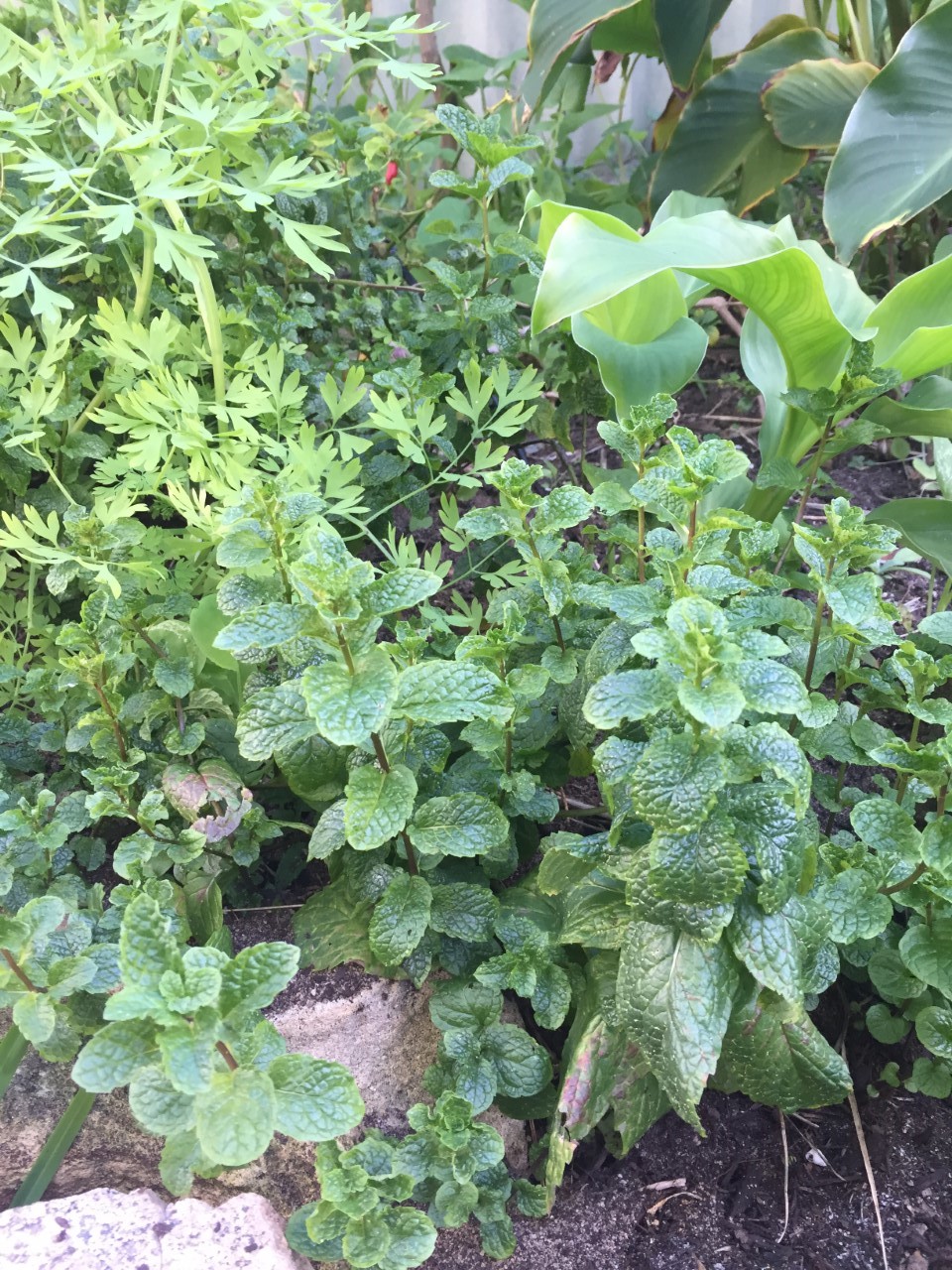
Botanical Profile of Cilantro (Coriandrum sativum)
Cilantro (Coriandrum sativum), commonly known as Chinese parsley or coriander in its seed form, belongs to the Apiaceae family, which encompasses over 3,700 species, including well-known aromatic plants like carrot (Daucus carota), fennel (Foeniculum vulgare), and dill (Anethum graveolens). Its scientific classification reflects its evolutionary ties to other umbelliferous plants, characterized by compound umbels, pinnate leaves, and a biennial or annual growth cycle. The genus Coriandrum is monotypic, meaning it contains only one recognized species, C. sativum, though wild relatives like Coriandrum glaucum (wild coriander) exhibit distinct morphological and genetic traits. Phylogenetic studies indicate that C. sativum diverged early within the Apiaceae subfamily Apioideae, sharing ancestral traits with celery (Apium graveolens) and parsley (Petroselinum crispum), but distinguishing itself through unique secondary metabolites, including aldehydes responsible for its pungent aroma.Coriandrum sativum is the sole cultivated species of its genus, with domestication traces dating back over 3,000 years, primarily in the Mediterranean and South Asia.
Taxonomic Classification and Evolutionary Traits
Coriandrum sativum is classified under the following taxonomic hierarchy:Evolutionary studies suggest that the Apiaceae family originated in the Cretaceous period (~100 million years ago), with Coriandrum diverging approximately 20–30 million years ago. Key evolutionary adaptations include:
Comparative genomic analyses reveal shared synteny (gene order conservation) with other Apiaceae crops, particularly in regions governing leaf morphology and seed development, though C. sativum exhibits unique expansions in genes associated with volatile organic compound (VOC) biosynthesis.
Physical Characteristics: Morphological Variations
The morphological diversity of C. sativum is highly influenced by cultivation practices, with distinct forms optimized for leaf, root, or seed harvest. Below is a comparative analysis of its key structural features:Leafy cilantro (harvested before bolting) and root cilantro (e.g., Mexican choriato) represent specialized cultivars, while seeds (coriander) are the dried fruits of the plant.
| Trait | Leafy Cilantro | Root Cilantro (e.g., C. sativum var. microcarpum) | Seed/Coriander |
|---|---|---|---|
| Leaf Morphology |
|
|
|
| Root Structure |
|
|
|
| Seed Appearance |
|
|
|
| Culinary/Medicinal Uses |
|
|
|
Geographic Origins and Domestication Timeline
Archaeobotanical evidence traces C. sativum to the Fertile Crescent (modern-day Iraq, Syria, and Turkey), where charred seeds dating to 5000 BCE have been recovered from Neolithic sites. Domestication likely occurred in parallel with other Apiaceae crops, driven by:
Culinary Uses and Global Variations of Cilantro in World Cuisines
Cilantro (Coriandrum sativum) transcends its role as a mere garnish, serving as a cornerstone in diverse culinary traditions worldwide. Its versatility—whether used as fresh leaves, stems, seeds (coriander), or dried powder—shapes the flavor profiles of dishes across continents, from the zesty tang of Latin American salsas to the aromatic depth of Middle Eastern spice blends. The herb’s adaptability extends beyond taste, embedding itself in cultural rituals and preservation techniques that ensure its potency year-round. Below, structured explorations highlight its primary applications, regional variations, and practical methods for culinary and nutritional retention.Primary Dishes Where Cilantro Serves as a Key Ingredient
Cilantro’s presence is indispensable in dishes where its bright, citrusy, and slightly earthy notes elevate or balance flavors. The following list categorizes its primary uses by cuisine, emphasizing its functional role—whether as a fresh herb, ground spice, or fermented component.-
Mexican Cuisine
- Salsa verde: Fresh cilantro leaves and stems are blended with tomatillos, jalapeños, garlic, and lime juice, creating a foundational sauce for tacos and grilled meats.
- Guacamole: Chopped cilantro adds freshness and visual contrast to avocado, lime, and onion mixtures.
- Tostadas: Shredded cilantro garnishes alongside refried beans, shredded chicken, and crema.
-
Vietnamese Cuisine
- Pho: Fresh cilantro stems are used as a garnish for noodle soups, while leaves are incorporated into herb-based dipping sauces (nước chấm).
- Bánh xèo: Crispy rice flour pancakes are topped with cilantro leaves and bean sprouts for texture and aroma.
- Gỏi cuốn: Fresh cilantro leaves are rolled into summer rolls alongside shrimp, rice noodles, and herbs.
-
Indian Cuisine
- Chutneys: Ground cilantro seeds (coriander powder) are toasted with cumin, mustard seeds, and green chilies to create dhana chutney for dosas and idlis.
- Dal tadka: Fresh cilantro leaves are tempered in hot oil with garlic and cumin for a fragrant finish.
- Raita: Chopped cilantro is mixed into yogurt-based side dishes to complement spicy curries.
-
Middle Eastern Cuisine
- Za’atar: Toasted cilantro seeds are ground with sumac, sesame seeds, and dried oregano to create a savory-spiced blend for dips and breads.
- Hummus: Fresh cilantro leaves are sprinkled atop chickpea purées for brightness.
- Tabbouleh: Finely chopped cilantro (often mixed with parsley) forms the herb base of this parsley-couscous salad.
-
Thai and Southeast Asian Cuisine
- Som tam (Green Papaya Salad): Pounded cilantro leaves are mixed with green papaya, lime juice, and chili for a tangy, herby dressing.
- Tom yum soup: Cilantro stems are used as a garnish to contrast the spicy-sour broth.
- Satay sauce: Fresh cilantro is blended with peanuts, lime, and garlic for a nutty-herbal dipping sauce.
-
European Cuisine
- Spanish gazpacho: Cilantro leaves are occasionally added to cold tomato soups for a modern twist.
- Italian salsa verde: Fresh cilantro replaces or complements parsley in caprese-style sauces.
- Greek tzatziki: Dried cilantro powder is sometimes substituted for fresh dill in yogurt-based dips.
-
Caribbean and Latin American Cuisine
- Pico de gallo: Chopped cilantro is essential for freshness in salsas alongside tomatoes, onions, and lime.
- Arepa rellena: Cilantro is used as a garnish for stuffed corn cakes filled with meats or cheese.
- Brazilian feijoada: Fresh cilantro is served as a side garnish for black bean stews.
Forms of Cilantro and Preparation Methods Across Global Recipes
Cilantro’s culinary applications vary significantly based on its form—fresh leaves, stems, seeds (coriander), or dried powder—and the preparation techniques employed. Below are common methods and their regional adaptations:-
Fresh Leaves and Stems
- Chopping: Finely minced or roughly chopped for garnishes (e.g., Mexican salsa cruda), while stems are often used whole for soups (e.g., Vietnamese pho).
- Blending: Pulsed into sauces (e.g., Thai nam prik), chutneys (Indian mint-cilantro), or pestos (Italian-inspired).
- Infusing: Steeped in oils (e.g., Mexican cilantro oil) or vinegars for dressings.
-
Seeds (Coriander)
- Toasting: Dry-roasted seeds are ground into powder for spice blends (e.g., Indian garam masala, Middle Eastern baharat).
- Whole: Used in pickling (e.g., German cornichons) or as a garnish for baked goods (e.g., Swedish prinsesstårta).
- Fermenting: Coriander seeds are fermented in brine for korintje (Dutch) or dhana (Indian) condiments.
-
Dried Powder
- Spice Blends: Mixed with cumin, paprika, or turmeric for rubs (e.g., Moroccan ras el hanout).
- Marinades: Combined with yogurt and spices for grilled meats (e.g., Turkish kebabs).
- Baking: Added to breads (e.g., Swedish saffransbullar) or cookies for depth.
-
Preserved Forms
- Freeze-Drying: Retains color and flavor for long-term storage (common in commercial herb mixes).
- Fermented: Used in Korean kimchi or Indian achar for probiotic-rich condiments.
- Oil-Infused: Preserves cilantro’s essence in pesto-style oils for dressings.
Comparative Role of Cilantro in Asian, Latin American, European, and Middle Eastern Cuisines
The following table synthesizes cilantro’s functional and symbolic roles across four major culinary regions, emphasizing flavor profiles, traditional pairings, and cultural contexts.| Culinary Region | Primary Forms Used | Flavor Profile and Role | Traditional Pairings | Cultural
Nutritional and Medicinal Properties of Cilantro (Coriandrum sativum)Cilantro (Coriandrum sativum) is a nutrient-dense herb widely recognized for its culinary versatility and therapeutic potential. Beyond its distinctive flavor, cilantro contributes essential vitamins, minerals, antioxidants, and bioactive compounds that support metabolic, cardiovascular, and detoxification processes. Research from both traditional medicine systems and modern scientific studies highlights its role in managing oxidative stress, heavy metal toxicity, and chronic inflammatory conditions. This section examines cilantro’s nutritional composition, comparative analysis with other herbs, and evidence-based medicinal applications, including its interactions with pharmaceuticals and specific health precautions.Nutritional Breakdown of 100g Fresh CilantroFresh cilantro is a low-calorie herb (23 kcal per 100g) yet rich in bioactive nutrients critical for immune function, bone health, and cellular protection. A detailed nutritional profile per 100g of raw cilantro includes:- Vitamins: - Minerals: - Dietary Fiber: 2.8 g (10% DV) – Promotes gut health and satiety. Cilantro’s high vitamin K content, for instance, makes it particularly valuable for individuals with limited dietary sources of this nutrient, while its potassium-to-sodium ratio (10:1) supports cardiovascular health when substituted for processed seasonings. Medicinal Applications and Traditional UsesCilantro’s therapeutic properties are documented across ancient medical systems and validated by contemporary research. Traditional applications include:Ayurvedic Medicine: Traditional Chinese Medicine (TCM): Modern Pharmacological Evidence: Comparative Nutritional Profile: Cilantro vs. Parsley, Basil, and MintWhile cilantro, parsley, basil, and mint share antioxidant and culinary roles, their nutrient densities and bioactive profiles differ significantly. The following table compares key nutrients per 100g of fresh herbs:
Evidence-Based Health Benefits and MechanismsCilantro’s medicinal properties are underpinned by peer-reviewed studiesFrom ancient cultivation practices in the Mediterranean to its modern-day prominence in global cuisines, cilantro exemplifies the intersection of botanical science, culinary artistry, and medicinal innovation. Its ability to thrive in varied climates while delivering nutritional and therapeutic benefits positions it as a cornerstone of sustainable agriculture and holistic health. Whether used fresh in salads, toasted as a spice, or harnessed for its detoxifying properties, cilantro’s versatility transcends geographical and cultural boundaries. As research continues to uncover its potential in managing blood sugar levels and supporting cardiovascular health, this herb remains a testament to nature’s multifaceted contributions to human well-being. Its story—rooted in history yet evolving with scientific discovery—invites further exploration into how plants like cilantro can shape both our plates and our health. FAQWhat are the common uses of the herb cilantro?Cilantro is widely used as a fresh herb in cooking for its bright, citrusy flavor, often in Mexican, Thai, Indian, and Middle Eastern dishes. It’s also used in soups, salads, salsas, and garnishes. Medicinally, it’s sometimes used to aid digestion, reduce inflammation, or lower blood sugar, though evidence varies. What health benefits does cilantro offer?Cilantro may help detoxify heavy metals like lead and mercury, support digestion, and reduce inflammation due to its antioxidants. Some studies suggest it could lower blood pressure and cholesterol, but more research is needed. It’s also rich in vitamins K, C, and A, and minerals like potassium. What is cilantro called in English?Cilantro is the common English name for the fresh leaves of the Coriandrum sativum plant. In some regions, especially the U.S., it’s also called "Chinese parsley," though this is misleading since it’s not related to parsley. What is the scientific name of the herb called cilantro?The herb cilantro comes from the plant Coriandrum sativum, which belongs to the Apiaceae (carrot) family. The dried seeds of the same plant are called coriander, while the fresh leaves are cilantro. What is the herb coriander?Coriander refers to the dried seeds of the Coriandrum sativum plant, which have a warm, citrusy, and slightly nutty flavor. These seeds are used whole or ground in cooking, baking, and spice blends like garam masala and curry powder. The plant’s leaves are called cilantro. What are the benefits of using coriander as a herb?Coriander seeds are high in antioxidants, fiber, and essential oils like linalool, which may reduce anxiety and improve sleep. They’re also used to aid digestion, relieve bloating, and may help regulate blood sugar. Ground coriander adds flavor to dishes while providing nutrients like iron and magnesium. |
|---|
Leave a Comment
Comments are moderated before appearing. The data you submit is processed according to the Privacy Policy of Voltefac.